Top 10 Natural Monuments in Lasy Murckowskie
Natural monuments in Lasy Murckowskie encompass ancient forest remnants, diverse flora, and unique geological features within an urbanized landscape. These areas provide ecological and recreational opportunities. The region is characterized by old-growth forests, significant individual trees, and protected natural complexes. It offers a blend of natural beauty and historical significance for visitors.
Best natural monuments in Lasy Murckowskie
- The most popular natural monument is Tadeusz Oak Natural Monument, a natural monument that is a 300-year-old pedunculate oak tree. This…
Last updated: June 3, 2026
Tadeusz Oak Natural Monument
Highlight • Natural Monument
Translated by Google •
Tip by

Murcki bison – the foundation of species restoration in Europe
Highlight • Historical Site
Translated by Google •
Tip by

Sign up now to discover places like this
Get recommendations on the best single tracks, peaks, & plenty of other exciting outdoor places.
Sign up for free
Czarna Studnia (Black Well)
Highlight • Natural Monument
It says that it was there that a certain witch wanted St. Clement, …
Translated by Google •
Tip by
Kłodnica Springs Nature and Landscape Complex
Highlight • Natural Monument
Translated by Google •
Tip by
Wanda Hill
Highlight • Summit
Translated by Google •
Tip by
Sign up for free to discover even more natural monuments in Lasy Murckowskie.
Sign up for free
Already have an account?
Start today with a free account
Your next adventure awaits.
Login or Signup
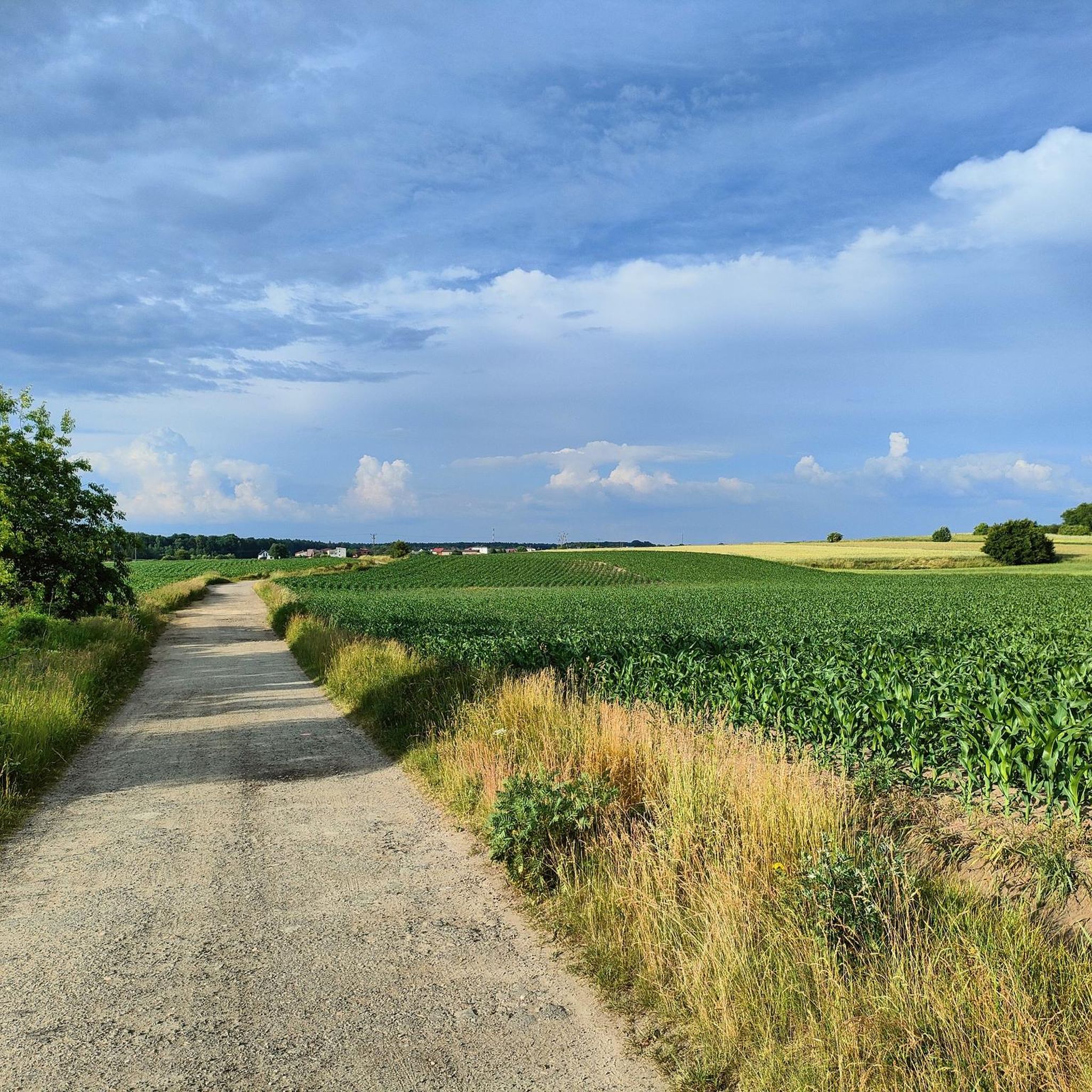
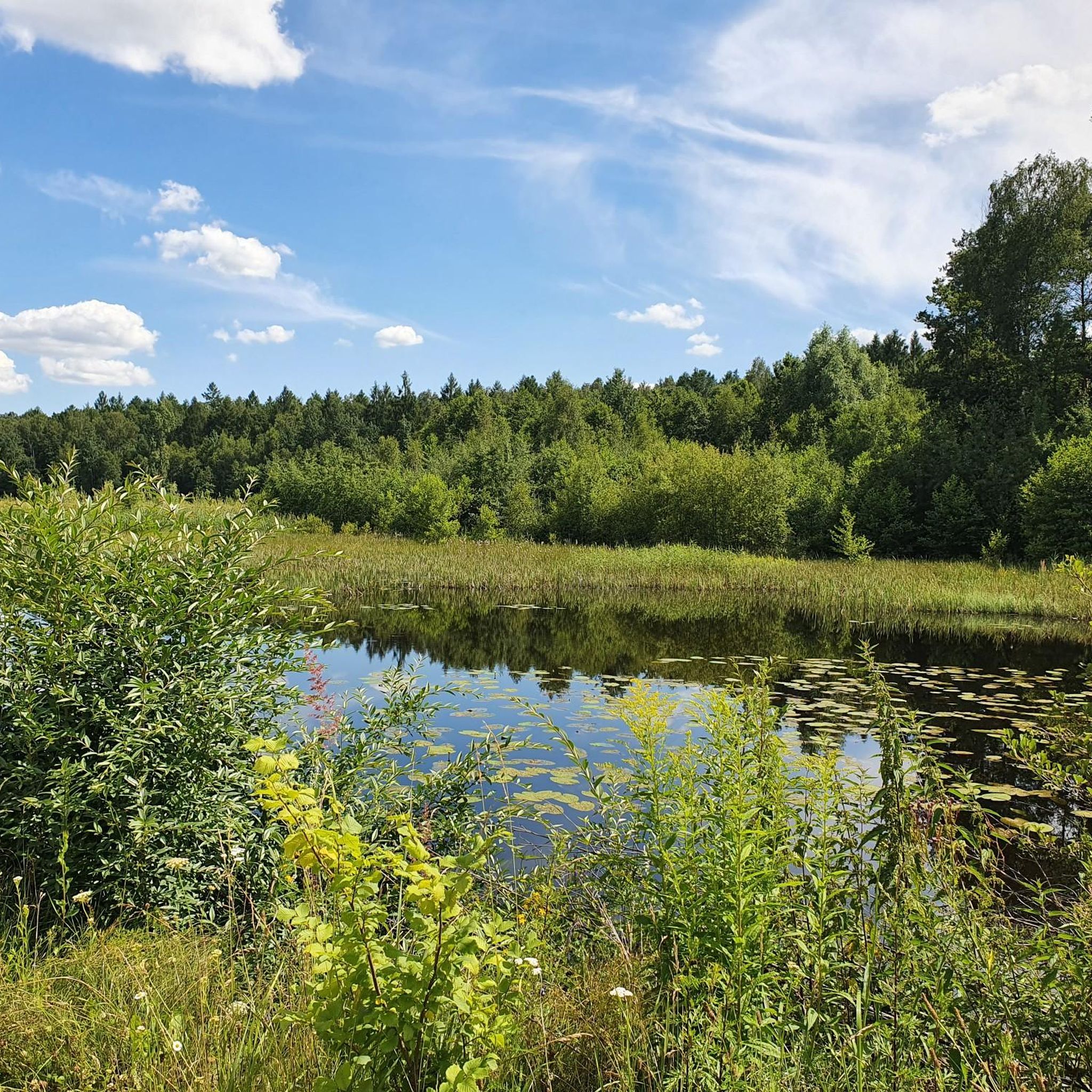
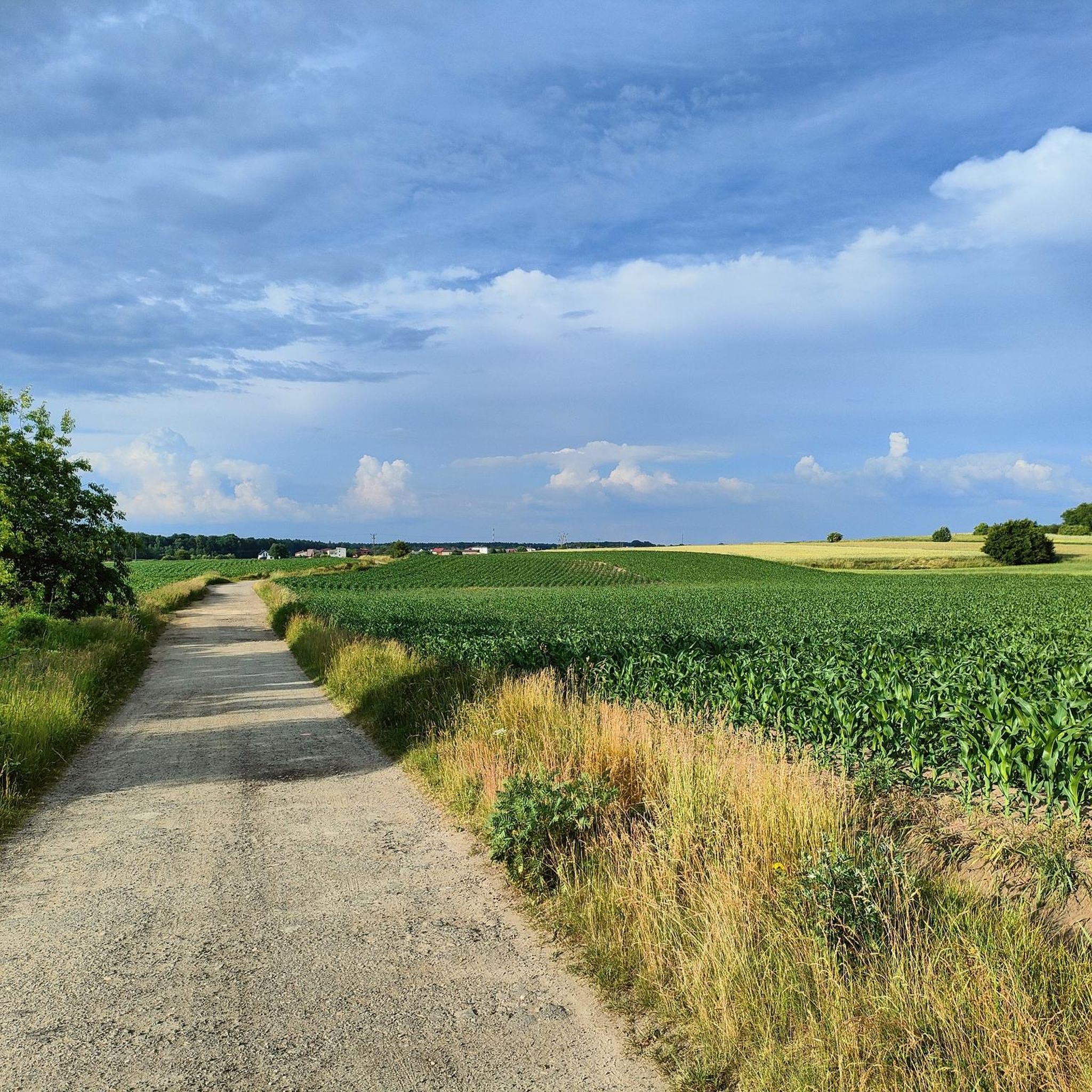

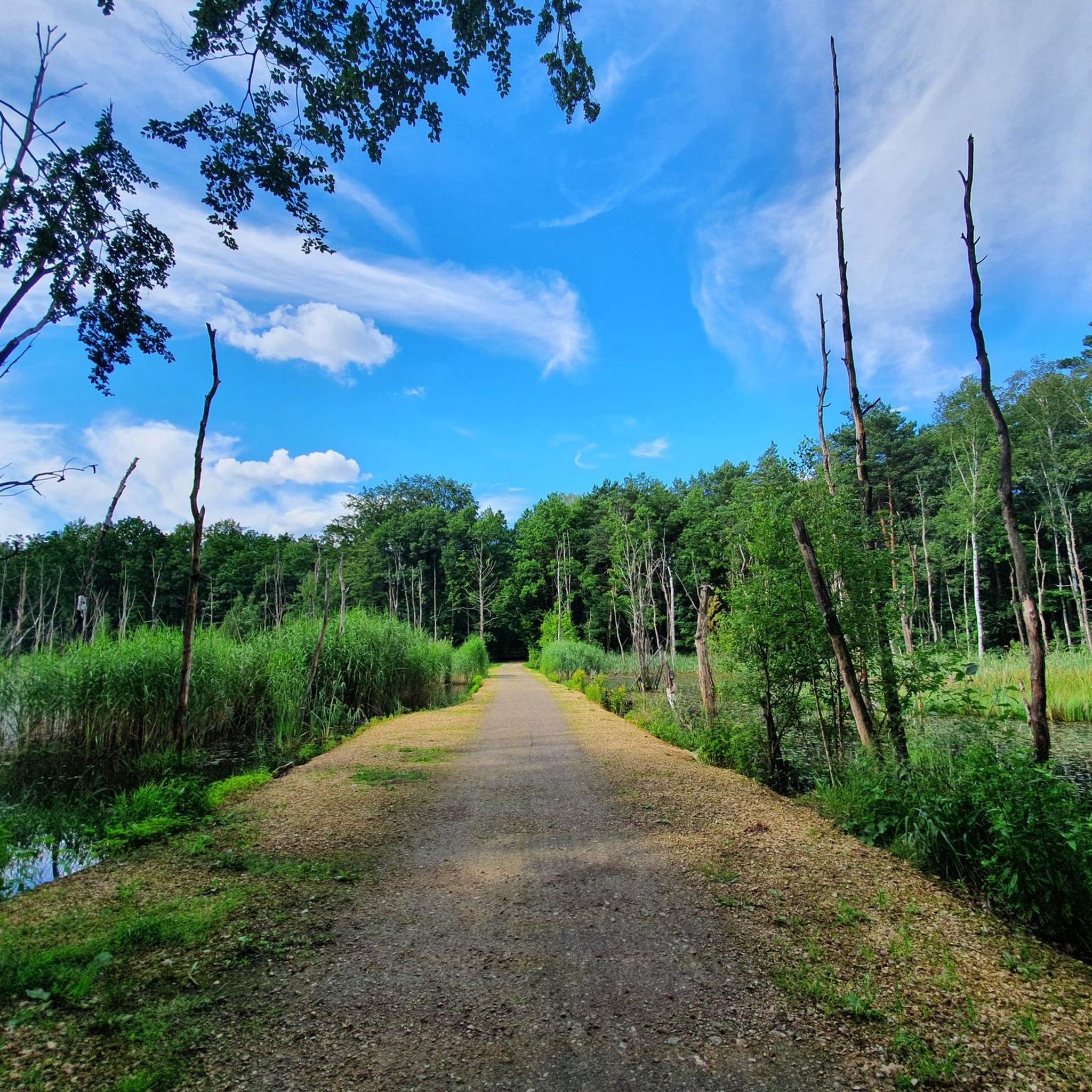
Tips from the Community

Dąb Tadeusz - a natural monument in Katowice, located in the southern part of the city, near Hamerla, located in the Murcki district, in the Murckowskie Forest complex. It is a 300-year-old [1] tree of the English oak species (Quercus robur L.) with a height of 30 meters and a diameter at breast height of 437 centimeters (Wikipedia)
2
0

interesting place, worth visiting.
2
0

A nature and landscape complex located in the southern part of the city of Katowice (the junction of the following districts: Brynów, Osiedle Paderewskiego-Muchowiec, Giszowiec and Piotrowice-Ochojec), in the Murckowski Forests, at the source of the Kłodnica River. The clean water of the river in its upper reaches offers the possibility of existence for many rare species of plants and animals. The spring area is overgrown with a riparian forest with a well-preserved tree stand. http://www.dioblina.eu/Zrodla_Klodnicy https://www.youtube.com/watch?v=hV7Ckf0dYlw
2
0
The oldest of Murcek's legends concerns the backwoods located in this area, called by the locals Siągarnia. It says that it was there that a certain witch wanted St. Clement, a student of Cyril and Methodius, who at the turn of the 9th and 10th centuries was to Christianize the area. Siągarnia was located on the road to Klemensowa Górka and Lędziny, which are the oldest named places in this area; it was also the main Krakow-Wroclaw route and the Levantine trade route. Long before the mine was established, in the vicinity of today's Wanda Hill, there was a forest colony of tar makers, i.e. people who burn charcoal for the forge in Paprocany. In the 17th century, in a place called Rudne Kotliska, coal was dug that came out to the surface. Evidence of its use is an entry in the books of Pszczyna from 1657 about the use of Murckowski coal in Kuźnia Jaroszowice. http://www.polskaniezwykla.pl/web/place/25525,katowice-murcki---historia--legendy-i-slady-po-dawnych-kopalnianych-szybach.html
3
0
Tadeusz Oak - a natural monument in Katowice, located in the southern part of the city, near Hamerla, in the Murcki auxiliary unit, in the Murckowski Forest complex. It is a 300-year-old tree of the species pedunculate oak (Quercus robur L.), 30 meters high and 437 centimeters high at breast height. This tree was established as a natural monument by the Katowice City Council by a resolution of June 1, 2017, along with 23 other trees. On the basis of the same resolution, the City Council named the tree Tadeusz. This name commemorates Tadeusz Norman, a long-standing forest inspectorate of the Katowice Forest District, who worked for the shaping, durability and development of Upper Silesian forest complexes. Hamerla - a forest settlement in Katowice, in the Murcki auxiliary unit, in the southern part of the Murckow Forest. It is located one kilometer from the border between Katowice and Lędziny. The settlement was founded by the Hamerla family (hence its name). In the 1940s, the inhabitants moved out, leaving the area as a gift for the Katowice Forest District. Currently, it consists of two residential houses. In Hamerla, there is the seat of the Daniel hunting club in Tychy and a drone belonging to the Silesian Beekeepers Association. Trutowisko was established in 1953 by the Poviat Beekeepers Association in Tychy. Meetings of beekeepers are organized here, and beekeeping is also popularized here. https://pl.wikipedia.org/wiki/D%C4%85b_Tadeusz https://pl.wikipedia.org/wiki/Hamerla https://www.youtube.com/watch?v=jbaxOaLr0iw
1
0
Wzgórze Wanda (originally Białobrzeska Góra, in the interwar period, Wzgórze Erdman) - the highest point of Katowice and the Mikołowski Upland of the Katowice Upland (352.4 m above sea level). It is located in the Murcki district in the Murckowski Forest, south of the buildings of the Murcki estate. They are covered with beech forests with specimens that are 300 years old. These forests constitute a nature reserve called Las Murckowski. There is a fire observation tower on the hill. The hill was originally called Białobrzeska Góra after the Biała river flowing out of it. https://pl.wikipedia.org/wiki/Wzg%C3%B3rze_Wandy_(Katowice) https://www.youtube.com/watch?v=OxQpEgYNCso
0
0
The beginning of bison breeding in 1865 in the Pszczyna forests was the exchange of twenty deer captured in the Pszczyna forests for four Białowieża bison (one bull and three cows), made between Jan Henryk XI Hochberg and Russian Tsar Alexander II. In April, the animals were delivered by rail to the goods station of the Emanuelssegengrube mine in Murcky. From where they were transported to the Wygorzele forestry (Tych district) of the Murcki forest district and placed in a yard with an area of 2 ha, where they were fed with oats and hay. In order to improve the breeding conditions, a year later the animals were moved to the fenced game "Oberfosten" with an area of 600 ha. Then, around 1891, the breeding was moved to the “Niederforsten” zoo in the Pszczyna forest district, where in a semi-free breeding farm with uncontrolled reproduction, European bison could move freely in the area of over 11,000 hectares of forests located between Jankowice and Cielmice. During that time, they were periodically fed in winter. https://pl.wikipedia.org/wiki/%C5%BBubry_murckowskie
1
0
Frequently Asked Questions
What unique natural features can I discover in Lasy Murckowskie?
Lasy Murckowskie is rich in natural features, including ancient forest remnants, diverse flora, and unique geological formations. You can explore the Kłodnica Springs Nature and Landscape Complex, which protects a riparian forest at the source of the Kłodnica River, known for its clean water and rare species. The region also features significant hills like Wanda Hill, the highest point in Katowice, covered with ancient beech forests.
Are there any historical landmarks associated with the natural monuments?
Yes, several natural monuments in Lasy Murckowskie have historical significance. For instance, the Tadeusz Oak Natural Monument is a 300-year-old pedunculate oak named in honor of Tadeusz Norman, a forest inspector. Another site, Murcki bison, marks the historical location where European bison breeding began in 1865, playing a crucial role in species restoration.
Can I spot wildlife in the natural monuments of Lasy Murckowskie?
The natural monuments, particularly within the Rezerwat Przyrody Las Murckowski, are home to diverse wildlife. The reserve is known for a variety of bird species, amphibians, and insectivorous bats. Historically, it also hosted a reintroduced population of 'Murcki bison'. The rich flora, including protected plants like snowdrops, supports this varied fauna.
What is the terrain like around the natural monuments?
The terrain in Lasy Murckowskie is varied, featuring numerous hills and small streams. For example, Wanda Hill is the highest point in Katowice, offering a more elevated experience. The forest paths can range from relatively flat to gently undulating, making it suitable for different activity levels.
Are the natural monuments in Lasy Murckowskie suitable for families?
Many natural monuments in Lasy Murckowskie are family-friendly. The Tadeusz Oak Natural Monument and Wanda Hill are both categorized as family-friendly. The educational paths within the Las Murckowski Nature Reserve also provide an engaging way for families to learn about the forest ecosystems and conservation efforts.
When is the best time to visit the natural monuments in Lasy Murckowskie?
Lasy Murckowskie offers beauty throughout the year. Spring is ideal for seeing protected plants like snowdrops and broad-leaved orchids. Summer provides lush greenery and pleasant temperatures for hiking. Autumn brings vibrant fall foliage, while winter offers a serene, snow-covered landscape, suitable for those who enjoy winter hiking.
What kind of trails can I find around the natural monuments?
You'll find a variety of trails suitable for different activities. For hiking, there are routes like the 'Rezerwat Las Murckowski loop' or the 'Czarna Studnia (Black Well) – Murckowski Forest Nature Reserve loop'. Cyclists can explore road cycling routes such as 'Velostrada Tunnel – Velostrada Descent Stud Farm loop', while mountain bikers have options like 'Scenic Forest Gravel Road – Tadeusz Oak Natural Monument loop'. You can find more details on these activities in the hiking, road cycling, and MTB guides for Lasy Murckowskie.
Is there parking available near the natural monuments?
While specific parking locations for each natural monument are not detailed, areas like the Murckowski Forest complex generally have designated parking spots or roadside parking available, especially near popular trailheads or access points to the nature reserves. It's advisable to check local signage upon arrival.
How can I reach the natural monuments using public transport?
Lasy Murckowskie is located within an urbanized landscape, making it accessible by public transport. Bus routes often serve the Murcki district and surrounding areas of Katowice, providing access points to the forest complex. Specific routes would depend on your starting location and the particular monument you wish to visit.
Do I need any permits to visit the natural monuments or hike/bike there?
Generally, no special permits are required for visiting the natural monuments or engaging in recreational activities like hiking and biking on designated trails within Lasy Murckowskie. However, always respect nature reserve rules, which may include restrictions on off-trail access or specific activities to protect the environment.
Are there any wheelchair-accessible paths among the natural monuments?
While the Las Murckowski Nature Reserve features educational paths, and some forest roads might be relatively flat, specific information on dedicated wheelchair-accessible paths for all natural monuments is not readily available. The varied terrain with hills and streams might limit accessibility in certain areas.
What do visitors enjoy the most about Lasy Murckowskie's natural monuments?
Visitors particularly appreciate the opportunity to experience preserved ancient forest within an urban setting. The impressive old-growth trees, such as the 300-year-old beech specimens on Wanda Hill and the monumental Tadeusz Oak, are frequently highlighted. The peaceful escape and the chance to observe diverse ecosystems are also major draws.
Most popular routes in Lasy Murckowskie
Most popular attractions in Lasy Murckowskie

Get inspired with the komoot mobile app


Explore more
Extend your search for the best caves by checking out these guides of the top ones in Lasy Murckowskie:
