Top 11 Natural Monuments in Lichtenberge
Natural monuments in Lichtenberge showcase a landscape shaped by both geological processes and historical industrial activity. This region features unique natural formations, including former mining areas that have been reclaimed by nature. Visitors can explore diverse geological outcrops and nature reserves. The area provides opportunities to observe how natural ecosystems re-establish themselves in previously altered environments.
Best natural monuments in Lichtenberge
- The most popular natural monument is Former Haverlahwiese Iron Ore Open-Pit Mine, an area that was operated as…
Last updated: May 19, 2026
Haverlahwiese Open-pit Mine Nature Reserve
Highlight • Natural Monument
Translated by Google •
Tip by

Muschelkalk Wall Gebhardshagen
Highlight • Natural Monument
Translated by Google •
Tip by

Sign up now to discover places like this
Get recommendations on the best single tracks, peaks, & plenty of other exciting outdoor places.
Sign up for free
Haverlahwiese Pit Lake
Highlight • Lake
Translated by Google •
Tip by

Enchanted Coppice Forest at Sieben Köpfe
Highlight (Segment) • Forest
Translated by Google •
Tip by

Former Haverlahwiese Iron Ore Open-Pit Mine
Highlight • Structure
Translated by Google •
Tip by

Sign up for free to discover even more natural monuments in Lichtenberge.
Sign up for free
Already have an account?
Start today with a free account
Your next adventure awaits.
Login or Signup
Tips from the Community

Great limestone wall in front of an unkempt barbecue area.
1
0

The entrance to the LACK II air raid shelter in Salzgitter-Gebhardshagen can still be seen in the wall.
2
0

It looks like something out of a Winnetou movie. Nature and silence...
1
0

A beautiful path, wonderful here.😁
2
0

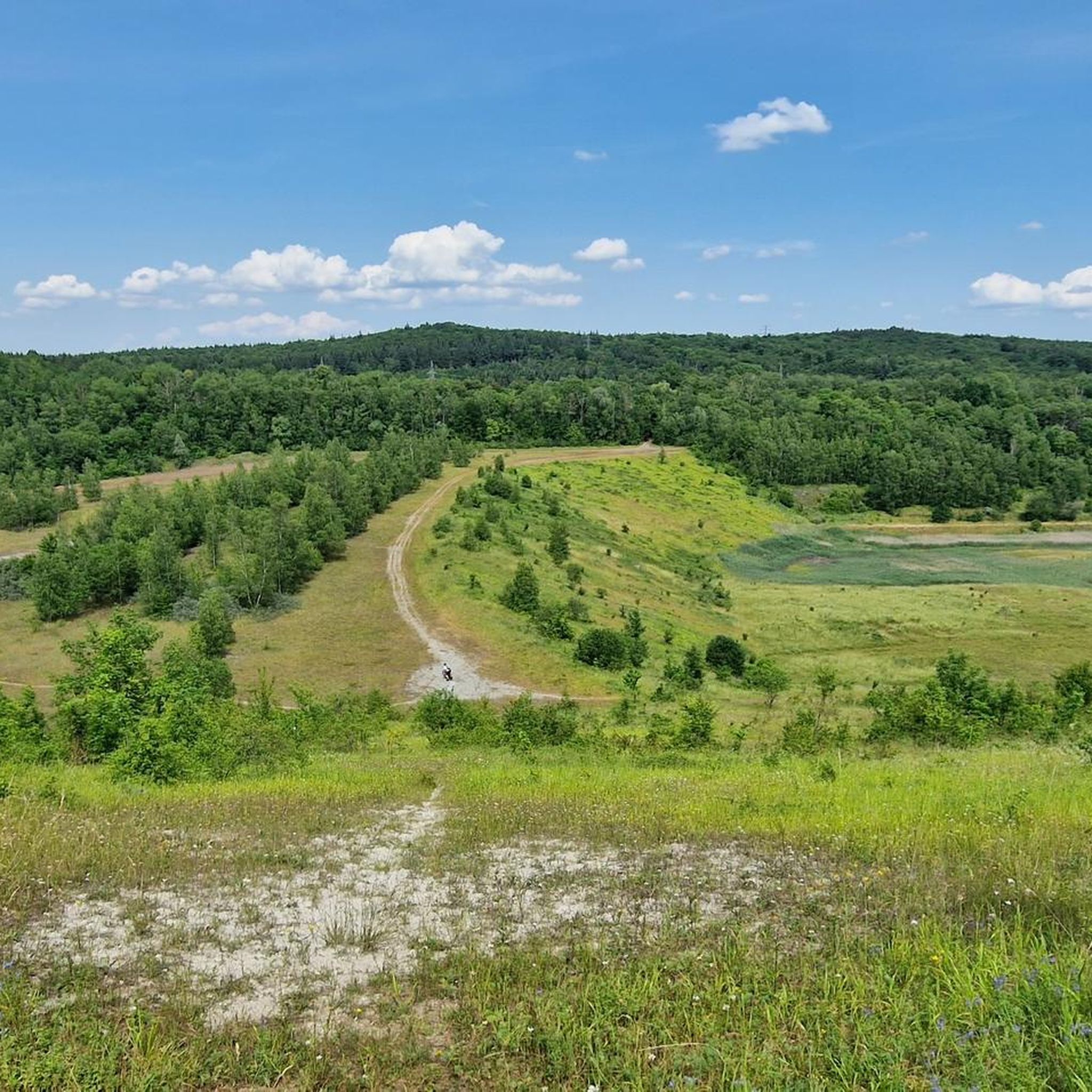
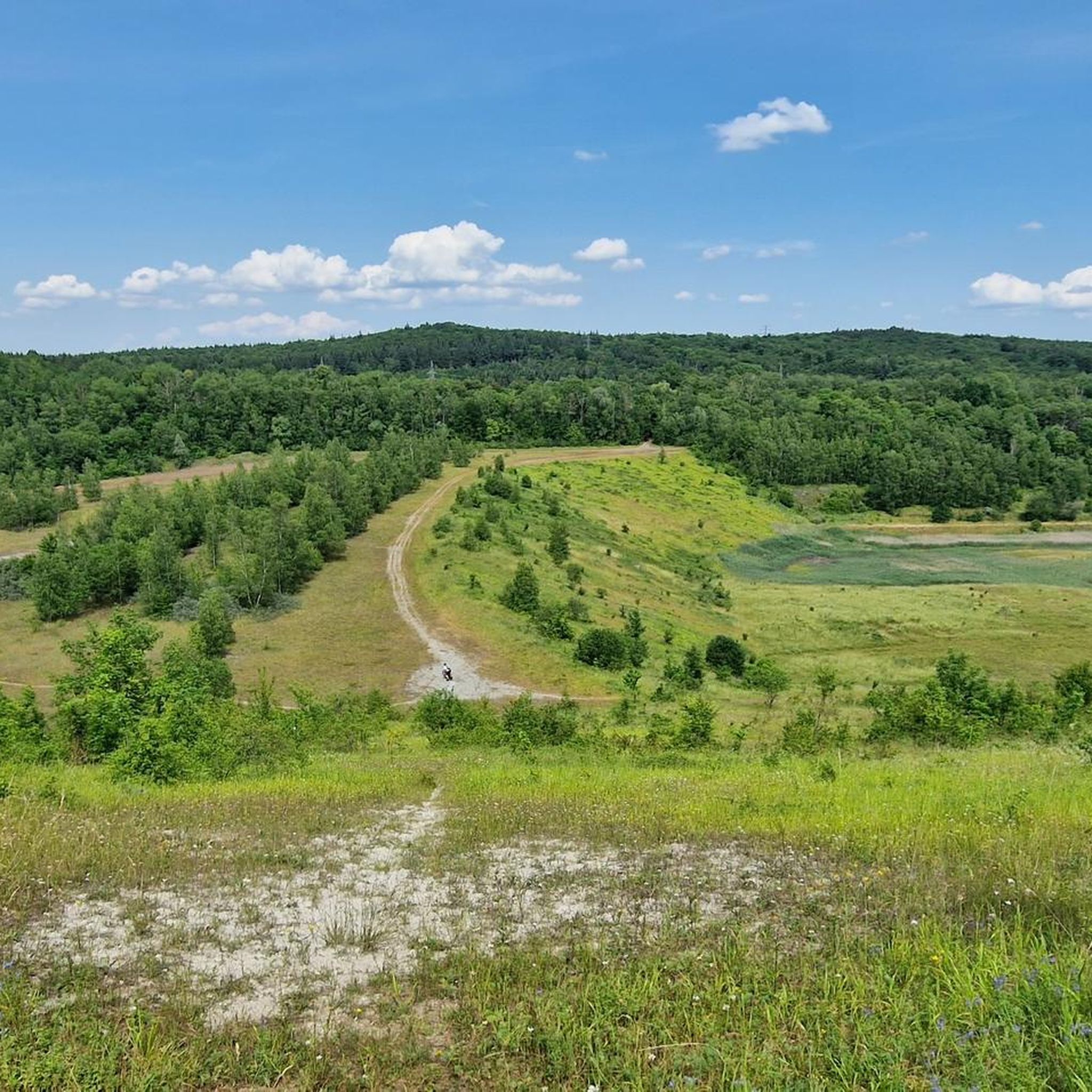
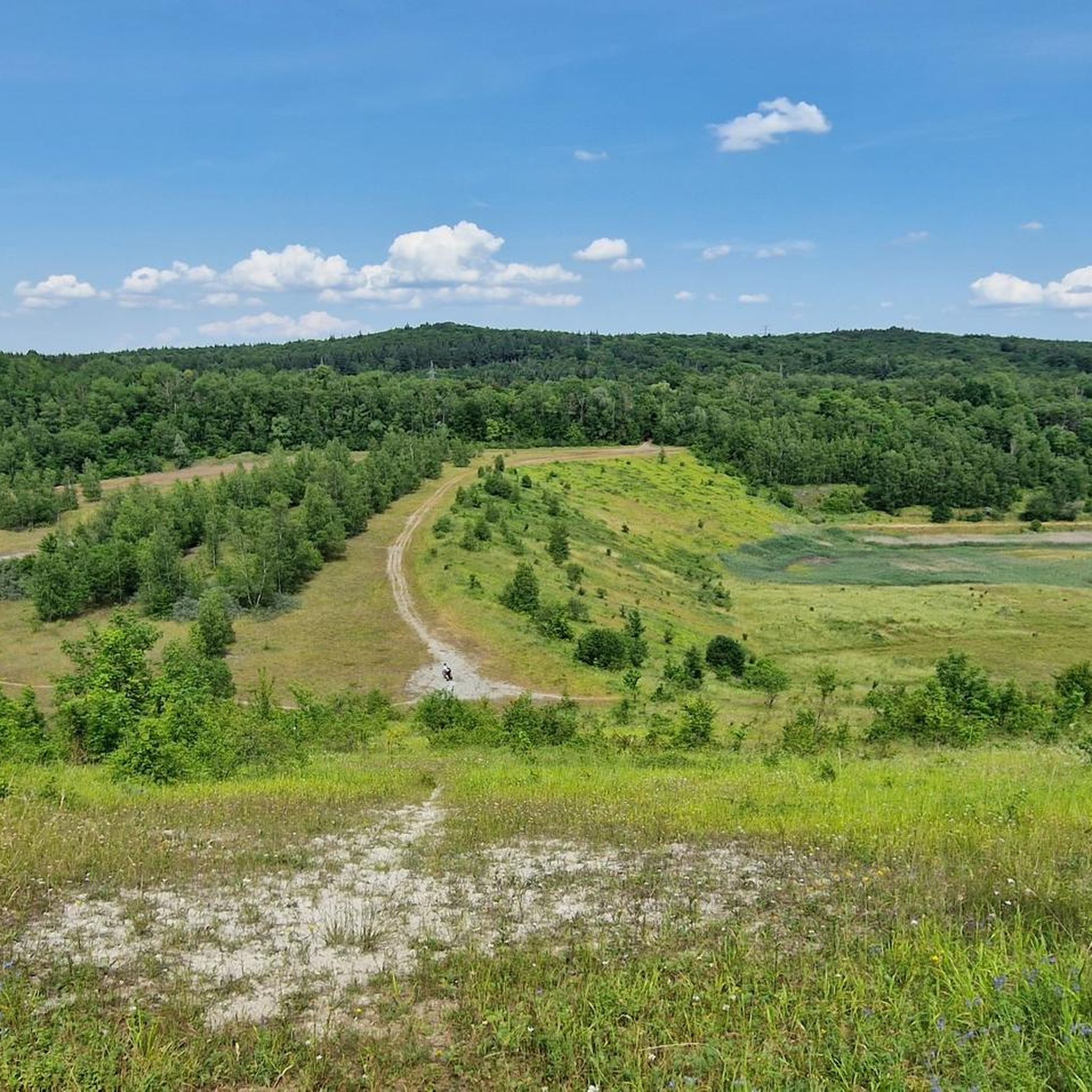
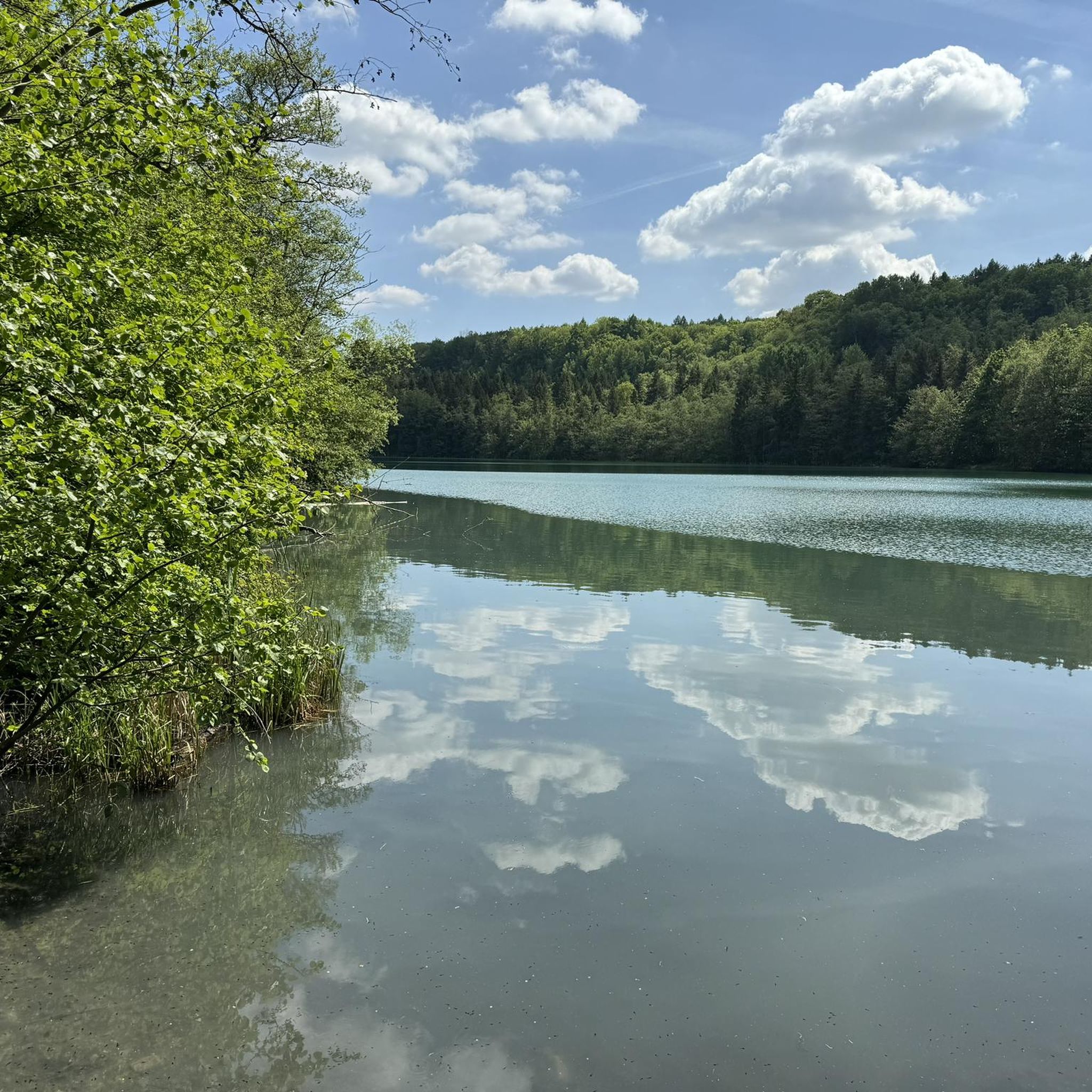
This area is part of the extensive former open-cast mining area of the Haverlahwiese mine, which was operated from 1937 to 1967. The open-cast mine was recultivated until the 1980s.
2
0

Haverlahwiese opencast mine: Iron ore was mined from 1937 to 1967 by Reichswerke and Salzgitter AG. Incredibly, it was once the largest iron ore mine in Germany and, at times, in Europe.
4
1

Quarry with rest area and shelter, unfortunately the hut is in poor condition and there are no seats at the barbecue area.
1
0

Very interesting insight into the “inside” of the Salzgitter ridge; But the rest area doesn't seem very inviting
1
0
Frequently Asked Questions
What kind of natural monuments can I expect to see in Lichtenberge?
Lichtenberge's natural monuments are characterized by a unique blend of geological formations and areas where nature has reclaimed former industrial sites. You'll find impressive geological outcrops, such as the Muschelkalk Wall Gebhardshagen, which displays ancient limestones. The region also features nature reserves that were once mining areas, like the Haverlahwiese Open-pit Mine Nature Reserve, showcasing how ecosystems re-establish themselves.
Are there any family-friendly natural monuments in Lichtenberge?
Yes, the Enchanted Coppice Forest at Sieben Köpfe is a great option for families. This wooded section, part of the Haverlahwiese open-cast mine nature reserve, has a mystical atmosphere due to traditional forest management, making it a fun place for children to explore and let their imagination run free.
What historical significance do the natural monuments in Lichtenberge hold?
Many natural monuments in Lichtenberge are intertwined with the region's industrial and geological history. For example, the Former Haverlahwiese Iron Ore Open-Pit Mine was a significant mining operation until 1967, and its recultivation until the 1980s demonstrates nature's resilience. Additionally, the Medieval Quarry Salzgitter-Salder is a historical site where stones for Lichtenberg Castle were once sourced.
What outdoor activities can I do near the natural monuments in Lichtenberge?
The area around Lichtenberge's natural monuments offers various outdoor activities. You can enjoy easy hikes, with routes like the 'View of the Reihersee' loop from Gebhardshagen. Cycling is also popular, with options ranging from easy tours around Lake Salzgitter to more challenging road cycling routes. For more details on routes, check out the Easy Hikes in Lichtenberge, Cycling in Lichtenberge, and Road Cycling Routes in Lichtenberge guides.
Are there hiking trails around the Haverlahwiese Open-pit Mine Nature Reserve?
Yes, the Haverlahwiese Open-pit Mine Nature Reserve is known for its beautiful hiking trails. A circumnavigation of the former opencast mine is highly recommended by visitors, offering scenic views and a chance to observe the reclaimed natural landscape.
What makes the Muschelkalk Wall Gebhardshagen a notable natural monument?
The Muschelkalk Wall Gebhardshagen is an impressive geological formation. It's an outcrop that clearly displays gray and yellowish limestones from the lower shell limestone (Jena Formation), providing a fascinating insight into the region's geological past. It's considered a captivating natural sight by visitors.
What do visitors enjoy most about the natural monuments in Lichtenberge?
Visitors particularly appreciate the unique combination of natural beauty and historical context. The transformation of former industrial sites back into natural landscapes, like the Haverlahwiese areas, is often highlighted. The geological formations, such as the Muschelkalk Wall, also captivate visitors with their impressive appearance. The opportunity for peaceful hikes and exploration in these diverse environments is also highly valued.
Can I find any hidden natural gems in the Lichtenberge area?
While not exactly 'hidden,' the Enchanted Coppice Forest at Sieben Köpfe offers a unique and somewhat mystical experience. Its distinct tree formations, resulting from traditional forest management, create an atmosphere that feels like stepping into a fairy tale, especially depending on the light.
What kind of terrain can I expect on hiking routes near Lichtenberge's natural monuments?
The terrain varies, reflecting the region's geological and industrial history. You can expect paths around former open-pit mines, which might have some uneven sections as nature reclaims the land. Geological sites like the Muschelkalk Wall involve outcrops. There are also easy, well-maintained paths suitable for leisurely walks, as well as more challenging routes, such as the path leading to the Medieval Quarry Salzgitter-Salder.
Are there viewpoints to observe the natural monuments in Lichtenberge?
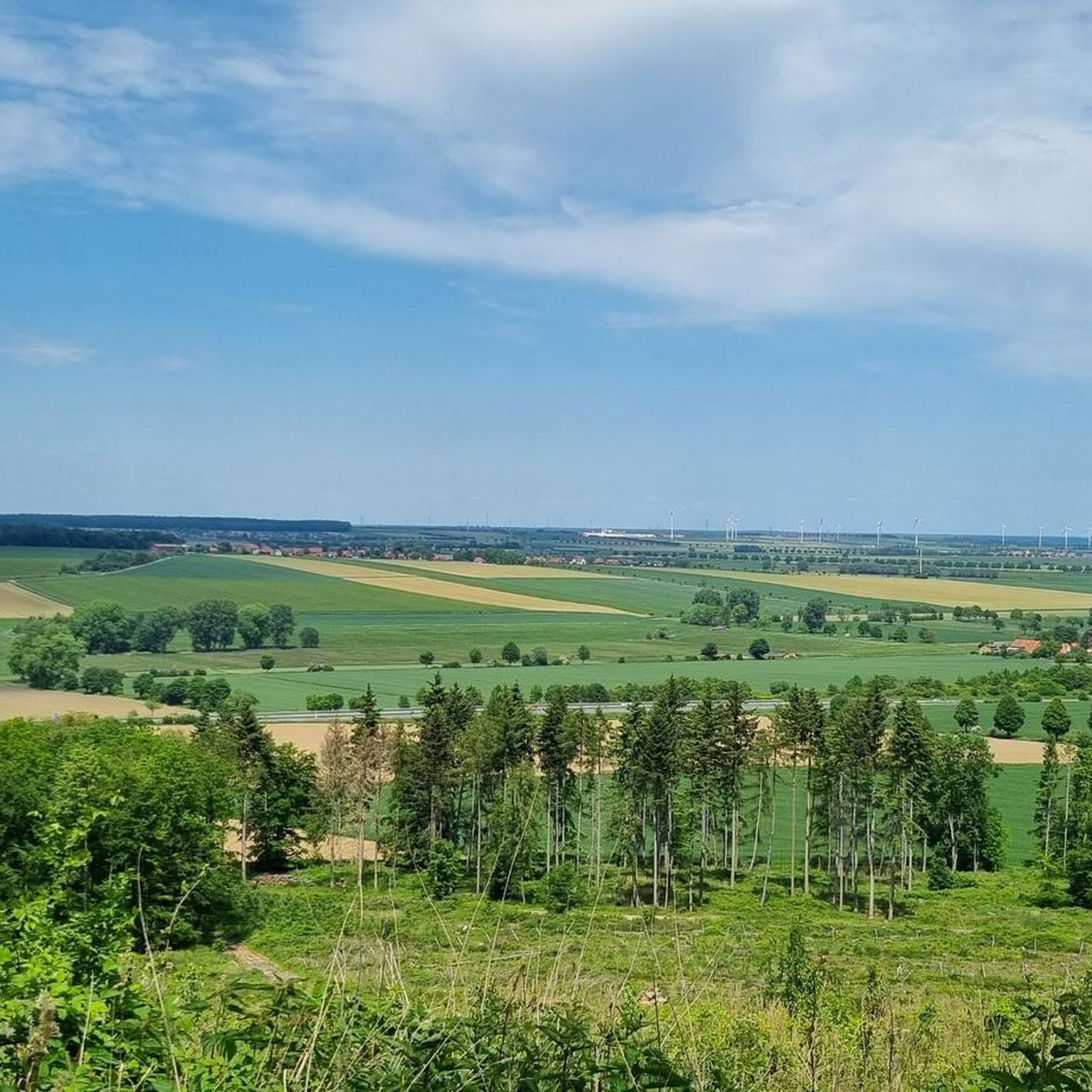
Yes, several natural monuments offer excellent viewpoints. The Haverlahwiese Open-pit Mine Nature Reserve provides great views of the former opencast mine. The Muschelkalk Wall Gebhardshagen is also considered a viewpoint where you can admire the geological formation.
How long do trails around Lichtenberge's natural monuments typically take?
Trail durations vary depending on the specific route and your pace. For instance, easy hikes in the area, such as the 'View of the Reihersee' loop, can take around 1.5 to 2 hours for a distance of approximately 7.3 km. Longer cycling routes can take several hours. It's always best to check individual route details for estimated times.
What is the best time of year to visit the natural monuments in Lichtenberge?
The natural monuments in Lichtenberge can be enjoyed throughout the year. Spring and autumn offer pleasant temperatures for hiking and cycling, with vibrant foliage or blooming nature. Summer is ideal for longer days outdoors, while winter can provide a unique, serene experience, especially if you're prepared for colder weather on trails.
Most popular routes in Lichtenberge
Most popular attractions in Lichtenberge

Get inspired with the komoot mobile app


