Top 9 Natural Monuments in Stadtwald Hofheim
Best natural monuments in Stadtwald Hofheim include ancient oak trees, significant archaeological sites, and ecologically important Fauna-Flora-Habitat areas. This natural and recreational area offers a well-developed network of paths, making its natural treasures accessible. The forest is a valuable local recreation area, featuring diverse natural features and historical landmarks.
Best natural monuments in Stadtwald Hofheim
- The most popular natural monuments is Kapellenberg Pine Grove, a forest that offers a scenic spot for relaxation. This area is noted for its…
Last updated: November 13, 2026
Kapellenberg Pine Grove
Highlight • Forest
Translated by Google •
Tip by

Grauer Stein (Taunus)
Highlight • Natural Monument
Translated by Google •
Tip by
Sign up now to discover places like this
Get recommendations on the best single tracks, peaks, & plenty of other exciting outdoor places.
Kapellenberg Ring Wall (Hofheim)
Highlight • Historical Site
Translated by Google •
Tip by

Neolithic Burial Mound Kapellenberg
Highlight • Historical Site
Translated by Google •
Tip by

Johannesborn Spring
Highlight • Natural Monument
Translated by Google •
Tip by

Sign up for free to discover even more natural monuments in Stadtwald Hofheim.
Already have an account?
Start today with a free account
Your next adventure awaits.
Popular around Stadtwald Hofheim
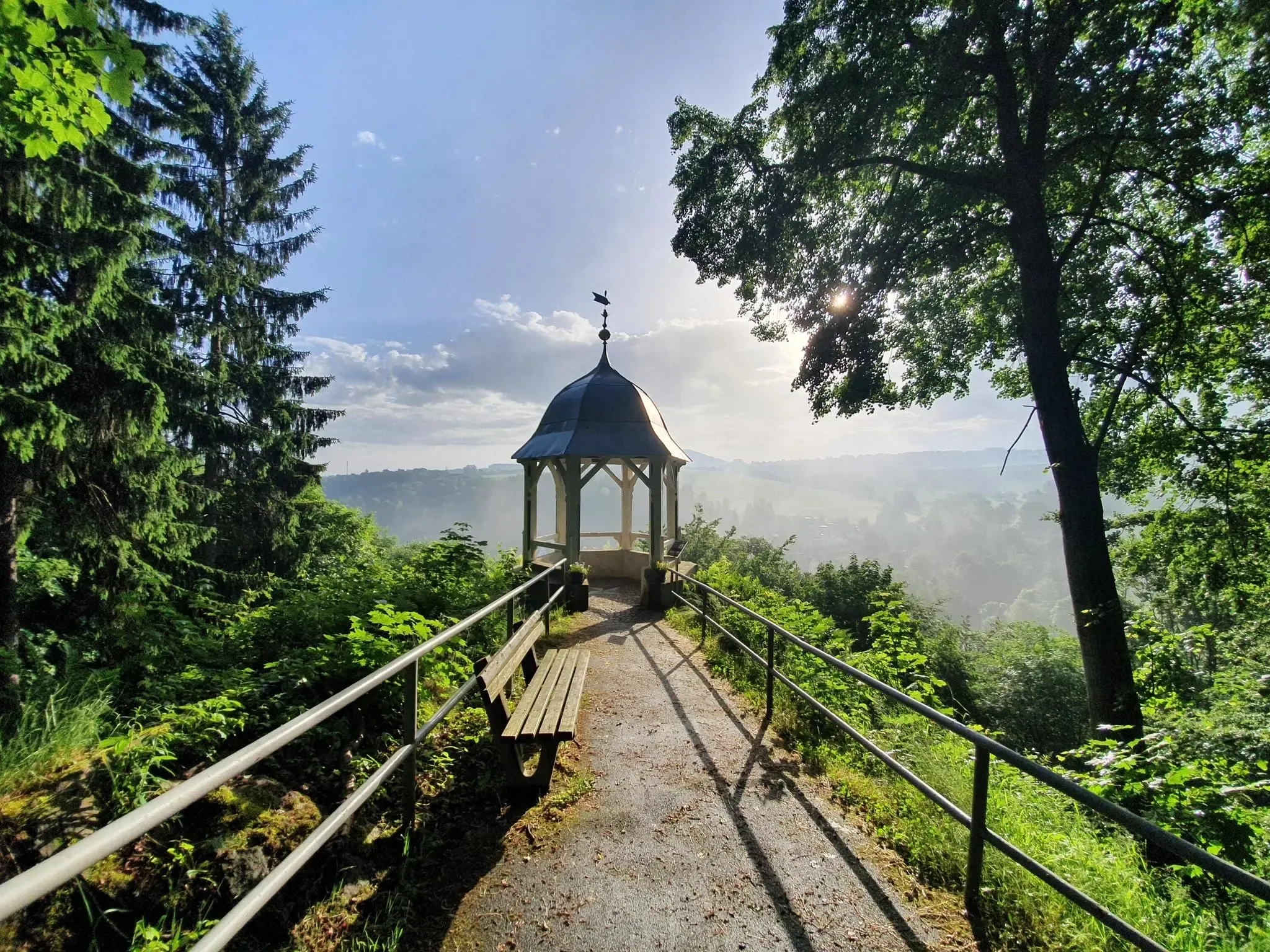
#GoFurther – discover the views of Germany!
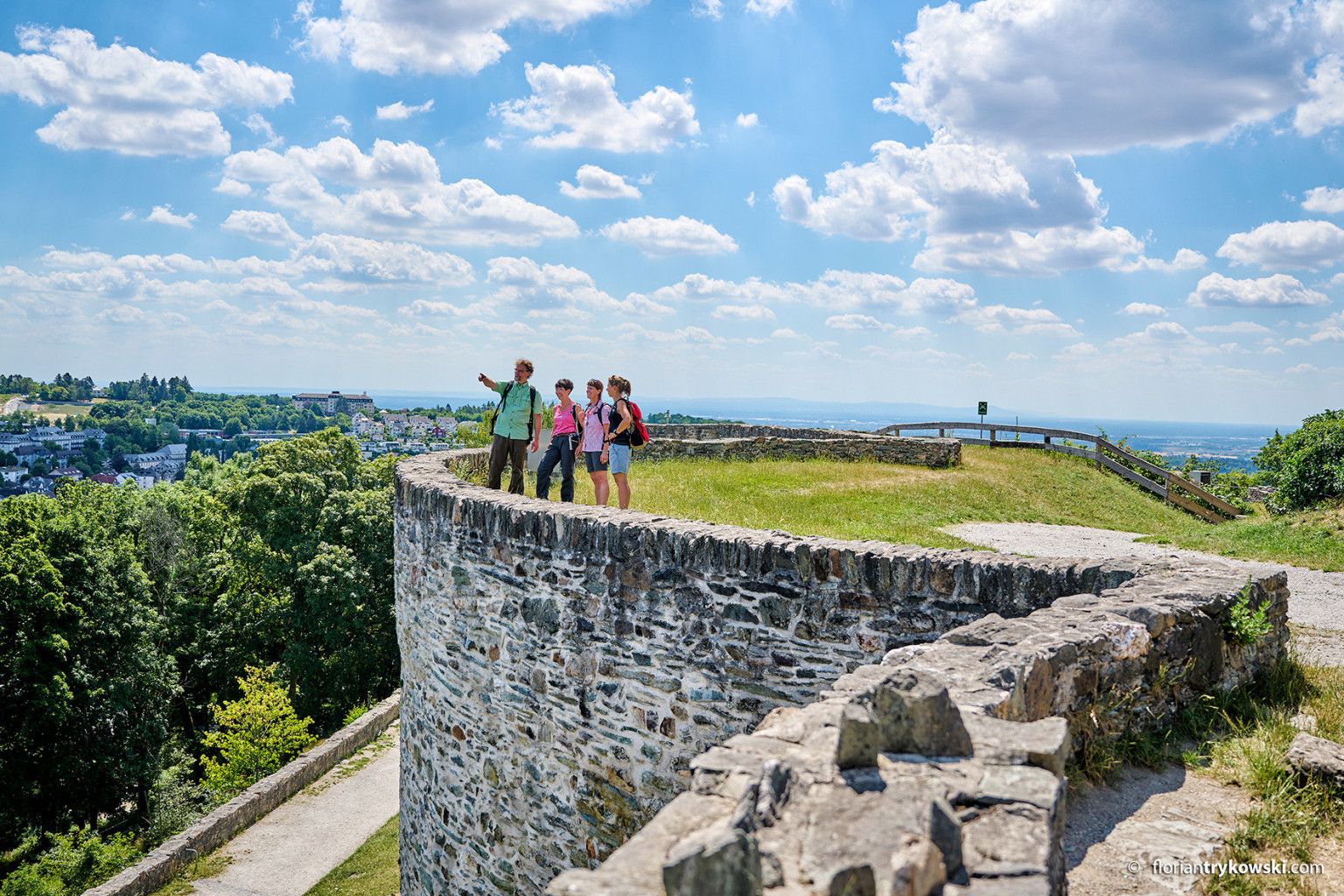
Experience nature and culture — hiking in Germany’s Taunus region
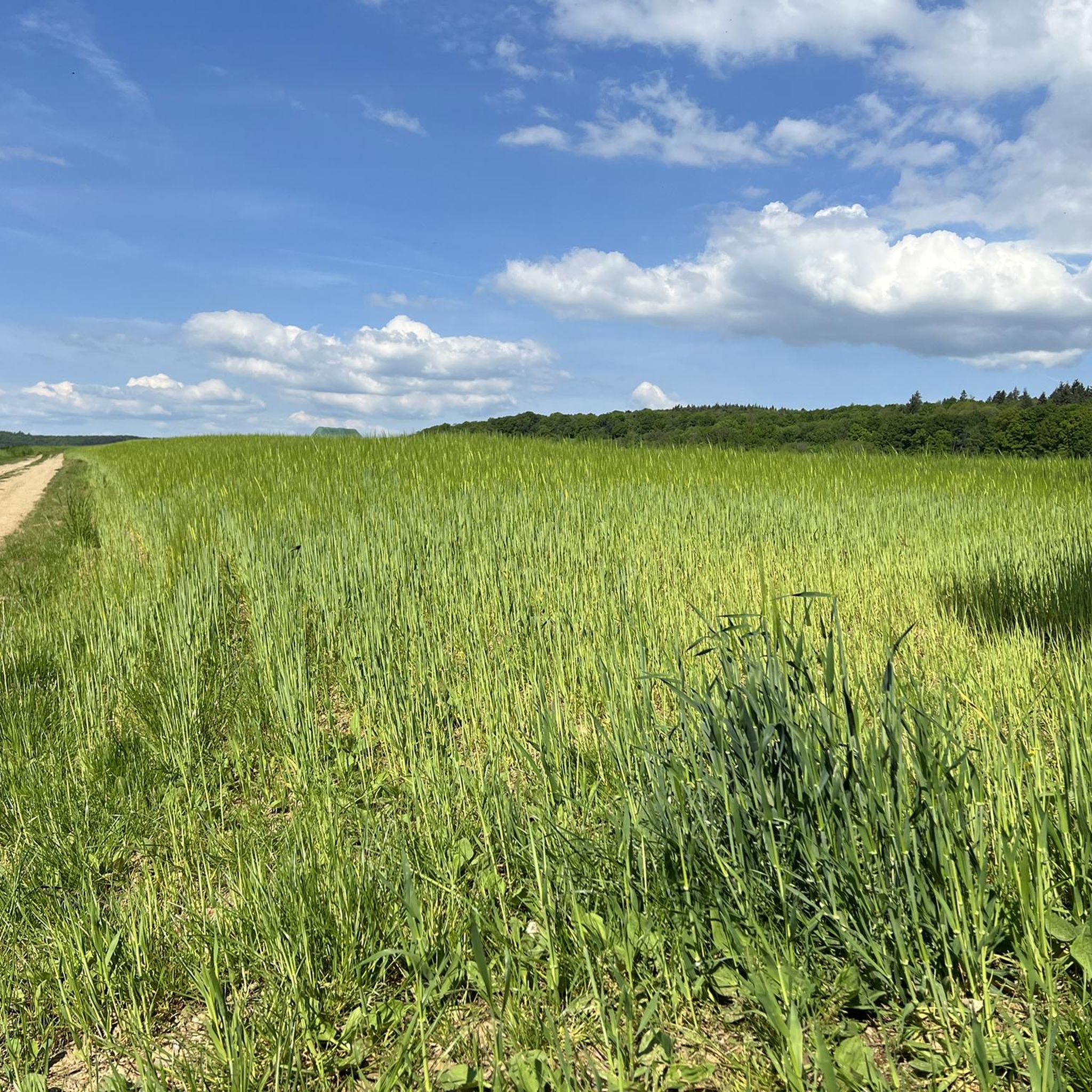
Hiking in Stadtwald Hofheim
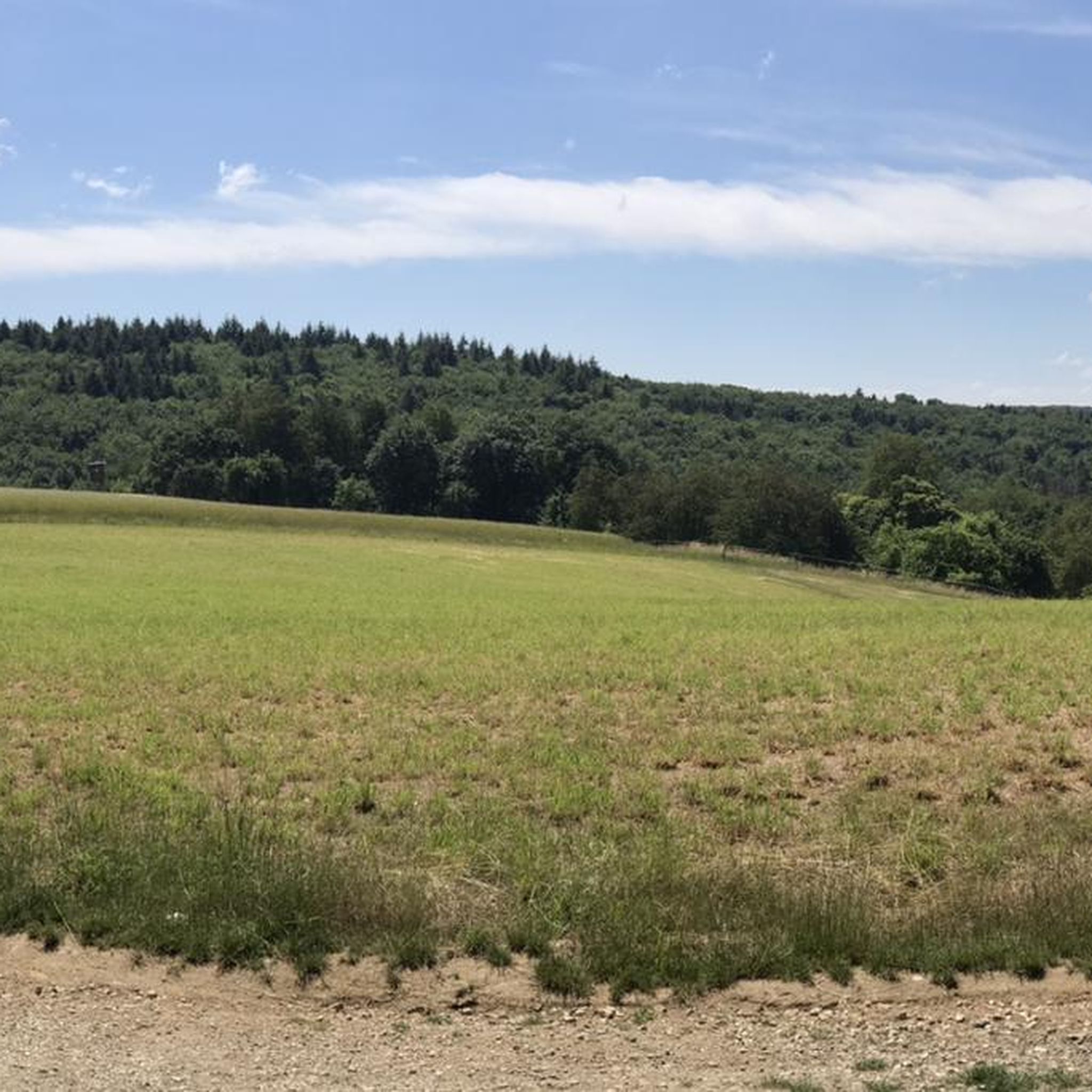
Cycling in Stadtwald Hofheim
Road Cycling Routes in Stadtwald Hofheim
MTB Trails in Stadtwald Hofheim
Running Trails in Stadtwald Hofheim
Gravel biking in Stadtwald Hofheim
Mountain Hikes in Stadtwald Hofheim


Tips from the Community

The Gundelhardt forest educational trail in Kelkheim (Taunus) is an approximately 500-meter-long educational trail, created in 1991 by the Schutzgemeinschaft Deutscher Wald (SDW) Kelkheim. It leads through a wooded area at the end of Gundelhardtstraße and provides information on around 83 different tree and shrub species, as well as the respective "Trees of the Year".
0
0
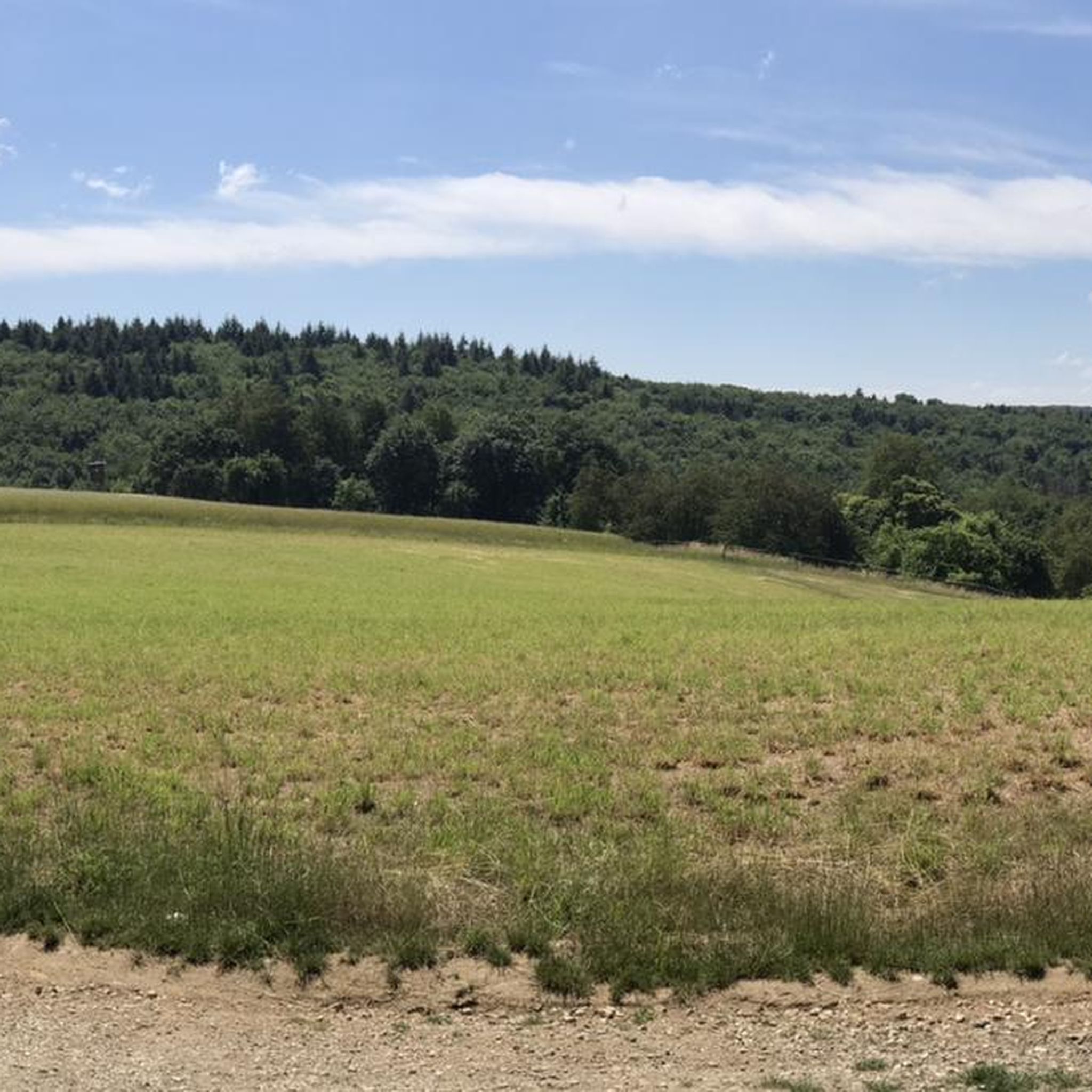
From this bench, you have a great view of the Taunus hills, especially also the Bahai Temple in Langenhain
0
1
This forest, dubbed the northernmost pine forest in Europe (though I'm not an expert, I'd guess it's *Pinus pinea*), was probably a mistake. In the 19th century, the Kapellenberg hill was reforested, and these pines were planted on its barren, rocky southern slope. The city's 1878 accounts mention 11,500 young *Pinus* saplings – without specifying them further. Did *Pinus pinea* sound much more like a pine tree to the buyer than *Pinus sylvestris*? In any case, the Mediterranean plants seem to thrive here, attracting many a surprised glance from passersby.
13
1
The Grey Stone at the Cohausen Temple is a Taunus quartzite, which was formed by Tertiary weathering and Quaternary exposure and was later probably brought to its current location as a menhir.
12
0
Six thousand years ago, Hofheim was a center of the Michelsberg culture. And in a way, Hofheim is still a center today: The most important researchers in this field from all over Europe are currently gathered here. The symposium "The Hofheim Experiment: Lifeworlds and Dynamics of the Michelsberg Culture" addresses various aspects – from climate to archaeogenetics, from settlement structures to economic systems.
10
0

Large erratic boulder made of sedimentary rock from a primeval ocean
0
0

The Kapellenberg in Hofheim am Taunus is one of the most important Neolithic archaeological sites in Germany. Here, archaeologists discovered the remains of a roughly 6,000-year-old hilltop settlement of the Michelsberg culture, featuring impressive ramparts, house plans, and a monumental burial mound. Around 900 people once lived on the plateau, protected by palisades and earthworks. Finds such as a jade axe from the Western Alps provide evidence of extensive trade relations and early social organization. Today, a 4.2-kilometer-long archaeological trail leads through the site, offering fascinating insights into Stone Age life with information panels and viewpoints. Those who walk attentively will still recognize remnants of the ramparts in the area. A detour to the Hofheim City Museum, where original finds are on display, is particularly worthwhile. The Kapellenberg impressively combines nature, history, and research – a tranquil place with an ancient past high above the Main-Taunus region.
0
0
Frequently Asked Questions
What unique natural features can I discover in Stadtwald Hofheim?
Stadtwald Hofheim is home to several unique natural features, including ancient oak trees and the largest wild apple tree in Hesse, located in Diedenbergen. The forest also contains ecologically significant Fauna-Flora-Habitat (FFH) areas, protecting rare species and habitats like woodruff beech forests and unique rock flora. You can also visit the Grauer Stein (Taunus), a large boulder of Taunus quartzite.
Are there historical or archaeological sites among the natural monuments?
Yes, the Kapellenberg area is particularly rich in history. It features the Kapellenberg Ring Wall (Hofheim), an ancient defensive structure from the Michelsberg Culture, approximately 6,000 years old. You can also find the Neolithic Burial Mound Kapellenberg and remnants of a Roman watchtower, making it a significant archaeological site in the Rhine-Main region.
What kind of hiking trails are available near the natural monuments?
Stadtwald Hofheim offers a well-developed network of paths suitable for various hiking levels. For example, you can find easy to moderate trails around the Kapellenberg, including an archaeological circular trail. Many routes pass by highlights like the Kapellenberg Pine Grove. You can explore more hiking options in the area by visiting our guide on Hiking in Stadtwald Hofheim.
Are there family-friendly natural monuments or activities in Stadtwald Hofheim?
Absolutely. Many natural monuments, such as the Kapellenberg Pine Grove and the Grauer Stein (Taunus), are considered family-friendly. The entire Stadtwald Hofheim is a valuable local recreation area with accessible paths. The Hofheim Wildlife Park, with its deer and wild boar, also offers an additional family attraction.
Where can I find panoramic views of the region?
For panoramic views, head to the Meisterturm (Master Tower) on the Kapellenberg. From there, you can enjoy extensive vistas over the Rhine-Main plain, stretching towards Darmstadt and the Taunus mountain range on clear days. The Kapellenberg Pine Grove is also noted as a viewpoint.
What is the best time of year to visit the natural monuments in Stadtwald Hofheim?
The Stadtwald Hofheim is enjoyable year-round. Spring brings blooming flora, while summer offers lush greenery and pleasant temperatures for hiking. Autumn is particularly scenic with vibrant fall foliage, and even in winter, the forest provides a tranquil experience. The Kapellenberg Pine Grove is described as evoking a 'holiday feeling' at any time.
Are there cycling routes that pass by these natural monuments?
Yes, Stadtwald Hofheim offers various cycling routes that allow you to explore the natural monuments and the surrounding landscape. You can find routes of different difficulty levels, including those passing through areas like the Kapellenberg. For more details, check out our guide on Cycling in Stadtwald Hofheim.
What makes the Kapellenberg Pine Grove special?
The Kapellenberg Pine Grove is a unique botanical feature, often referred to as the northernmost pine forest in Europe. Planted in the 19th century on the barren southern slope of Kapellenberg, these Mediterranean-like pines create a distinct 'holiday feeling' and offer a scenic spot for relaxation, attracting many surprised glances from visitors.
How can I access the natural monuments by public transport or car?
Stadtwald Hofheim is generally well-connected. While specific public transport details for each monument vary, the forest itself is a local recreation area with good accessibility. For drivers, parking options are available at various entry points to the Stadtwald. It's advisable to check local transport schedules and parking information for your specific starting point.
What kind of wildlife can I expect to see in Stadtwald Hofheim?
Stadtwald Hofheim is home to diverse wildlife, particularly within its Fauna-Flora-Habitat (FFH) areas, which protect specific habitats and rare species like the Bechstein's bat. The Hofheim Wildlife Park, located within the forest, also houses deer and wild boar, offering guaranteed sightings for visitors.
What do visitors enjoy most about the natural monuments in Stadtwald Hofheim?
Visitors frequently praise the combination of natural beauty and historical significance. The ancient trees, the unique Kapellenberg Pine Grove, and the impressive archaeological sites like the Kapellenberg Ring Wall are highly appreciated. Many enjoy the well-maintained trails and the panoramic views from the Meisterturm, often describing the experience as relaxing and inspiring.
Most popular routes in Stadtwald Hofheim
Most popular attractions in Stadtwald Hofheim

Get inspired with the komoot mobile app


Explore more
Extend your search for the best caves by checking out these guides of the top ones in Stadtwald Hofheim:
