Top 6 Natural Monuments in Lohner Und Diepholzer Moor
Best natural monuments in Lohner Und Diepholzer Moor are characterized by expansive and well-preserved moor landscapes, primarily within the Diepholzer Moorniederung. This region, encompassing 15 high and low moors, is a significant habitat for rare breeding birds and plants, and a crucial resting place for migratory birds. The area offers unique natural experiences through its distinctive ecosystems and historical significance, with features like experience paths and observation towers. It provides opportunities to explore unique flora and fauna, including cotton grass and peat mosses, alongside ancient historical sites.
Best natural monuments in Lohner Und Diepholzer Moor
- The most popular natural monuments is Aschener Moor Boardwalk, a trail that features a 1 km long footbridge with information boards about the moor landscape and historical excavations. This creates an experience point that conveys cultural and natural heritage in a unique way.
- Another must-see spot is Boardwalk in the Aschener Moor, a trail that is wheelchair accessible and offers viewpoints. Visitors can learn about the archaeological investigation of the nearby 2,000-year-old boardwalk and the moor's contribution to climate protection.
- Visitors also love Südlohner Moor Nature Reserve, a natural monument with viewpoints and trails. This 654-hectare protected area secures a section of the Diepholzer Moorniederung, important for peat-typical plants and ground-breeding bird species.
- Lohner Und Diepholzer Moor is known for its extensive moor landscapes, historical bog roads, and nature reserves. The region offers a variety of natural monuments to see and explore, from ancient archaeological sites to significant bird habitats.
- The natural monuments in Lohner Und Diepholzer Moor are appreciated by the komoot community, with more than 110 upvotes and 80 photos shared across 4 highlights.
Last updated: November 13, 2026
Aschener Moor Boardwalk
Highlight • Trail
Translated by Google •
Tip by

Boardwalk in the Aschener Moor
Highlight • Trail
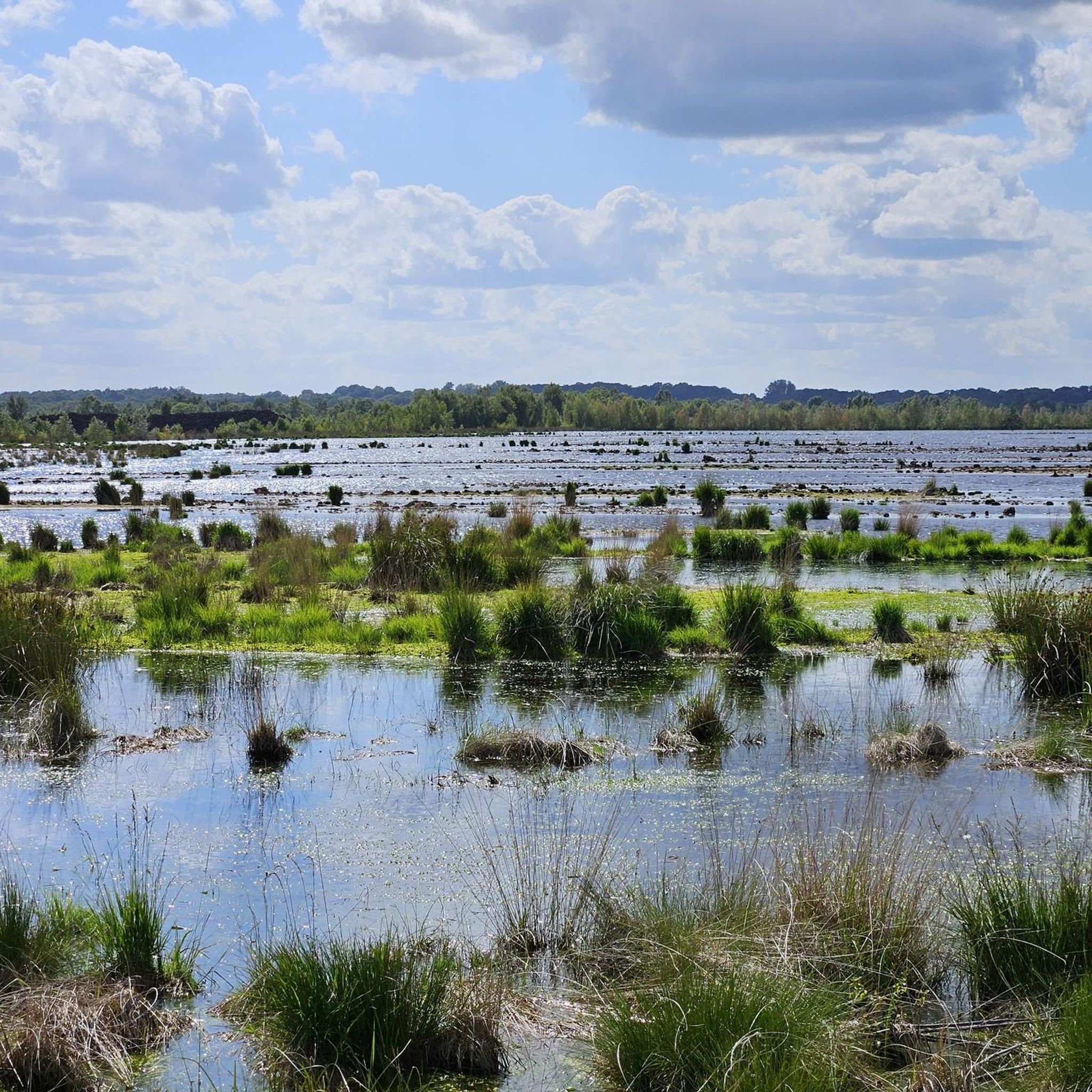
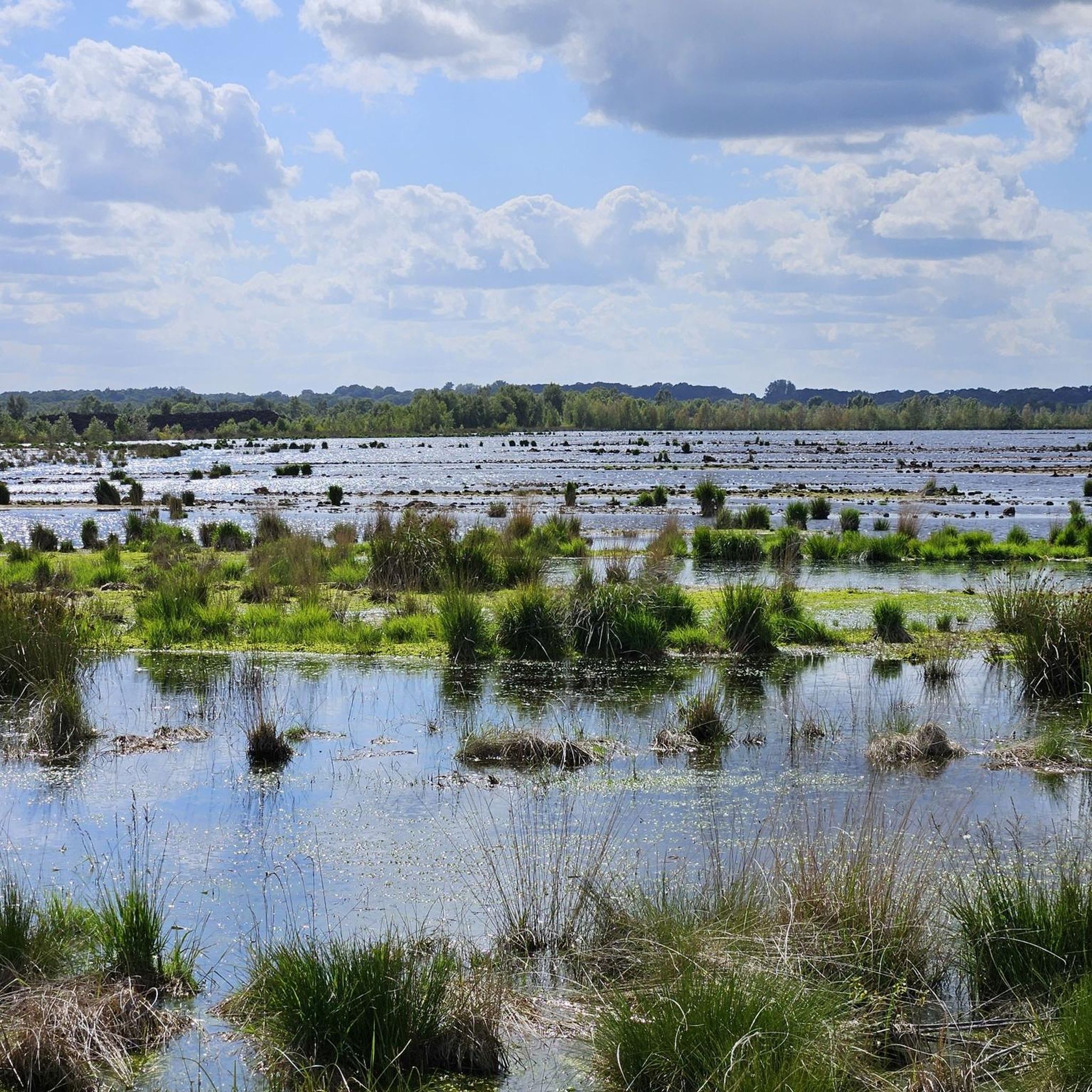
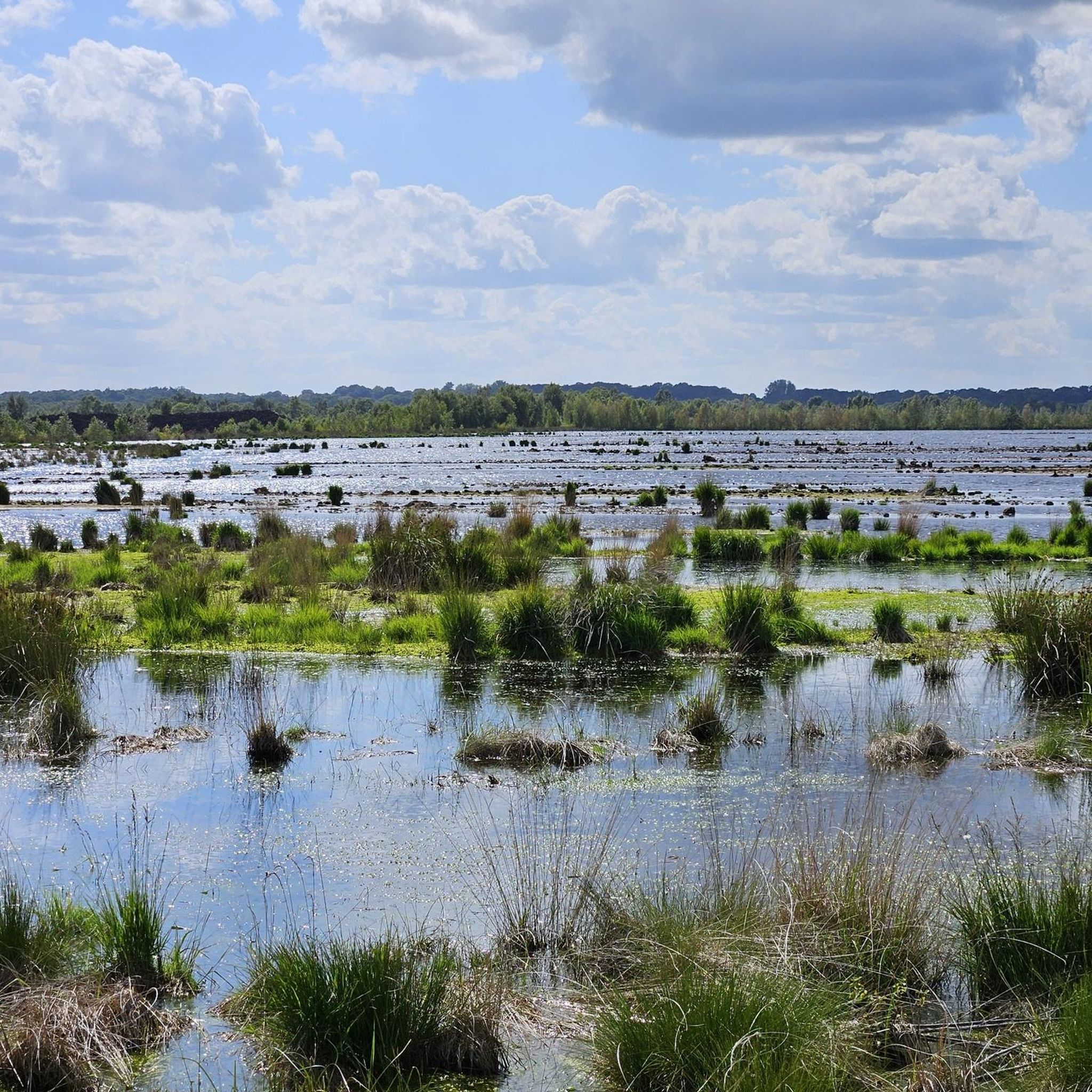
From the viewing platform, you have a wide view across the moor.
Translated by Google •
Tip by

Sign up now to discover places like this
Get recommendations on the best single tracks, peaks, & plenty of other exciting outdoor places.
Südlohner Moor Nature Reserve
Highlight • Natural Monument
"The 654-acre protected area secures another section of the formerly almost endless Diepholzer Moorniederung.After the expected in a few years, the final end of peat extraction in the core area of the area this will be completely rewetted, creating more opportunities for life for the remaining highly peat-typical plants and animals Furthermore, there are loose moor birch forests in the area, as well as meadows and pastures of great importance for ground-breeding bird species. "
Sources:
nlwkn.niedersachsen.de/naturschutz/schutzgebiete/einzelnen_naturschutzgebiete/naturschutzgebiet-suedlohner-moor-41425.html
de.wikipedia.org/wiki/Südlohner_Moor
If you want to enjoy a documentation, an adventure trail and a platform to observe the moor, visit the Goldenstedter Moor.
ehrlingshof.de/goldenstedter-moor.html
de.wikipedia.org/wiki/Goldenstedter_Moor
Translated by Google •
Tip by

Flurtrasse PR VI "Heile Haut" Wooden Horse Sculpture
Highlight • Structure
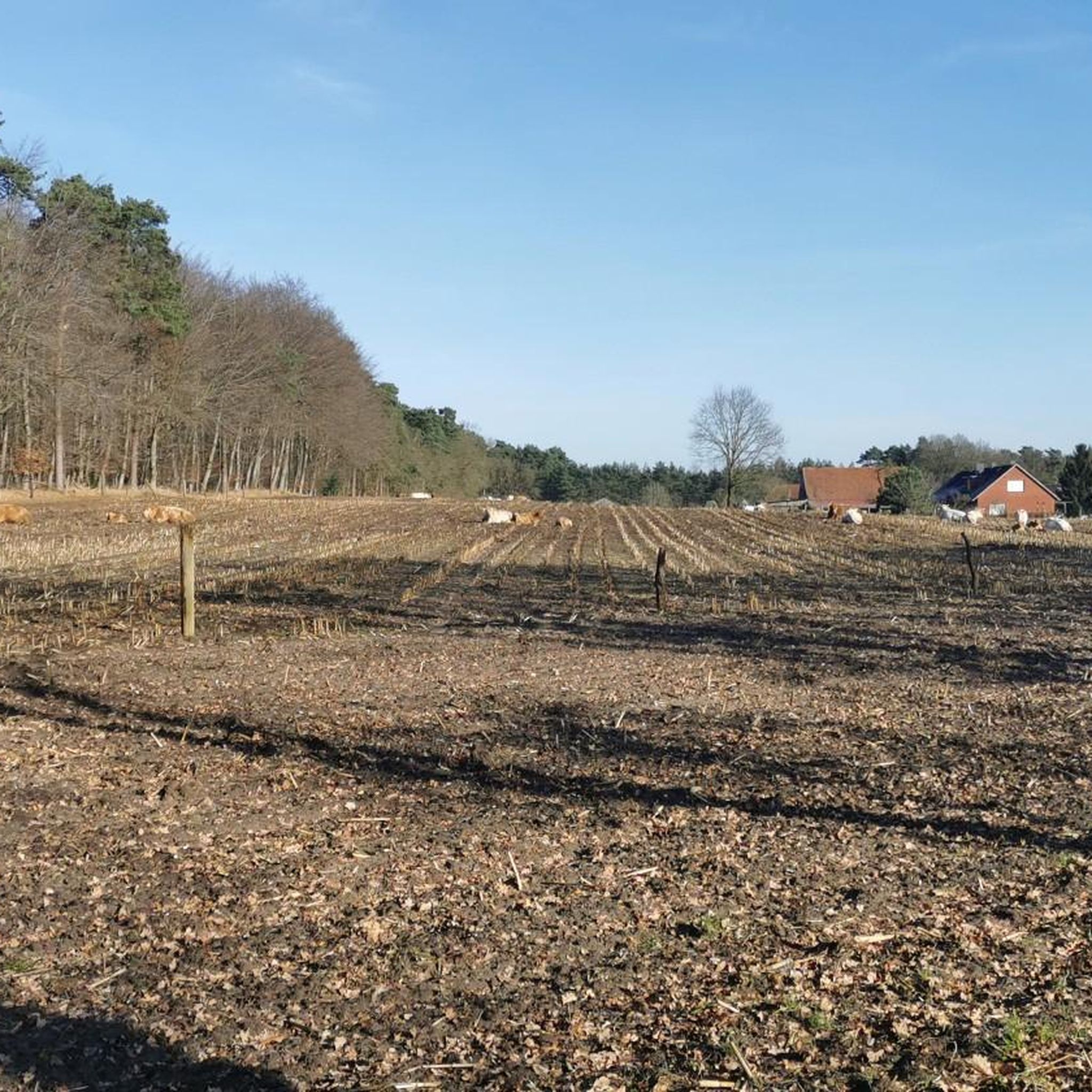
The hall poles give an idea of the course.
Translated by Google •
Tip by

Start today with a free account
Your next adventure awaits.

Tips from the Community

great moorland landscape, a must-see
0
0


The Moorweg im Aschener Moor, abbreviated Pr VI in technical language, is a prehistoric moor path originally 4.2 km long, which runs in the Aschener Moor west of Aschen in the Diepholz district of Lower Saxony. It was created in the pre-Roman Iron Age, probably around 46 BC. BC and is one of the longest boardwalks in northwest Germany.[1] The path construction has been preserved to this day due to the favorable conditions for preserving organic material in the moor. Large parts of the path have been destroyed due to mechanical peat mining up to the present day. In the center of the moor, an approximately 350 meter long remaining piece of untouched moorland remains permanently preserved. At its edge, a 950 m long barrier-free footbridge with a viewing platform, built between 2019 and 2021, runs along the course of the former moor path. It is intended to make the prehistoric moor path and the moor tangible for tourists.
3
0

Freely accessible all year round, free entry. Entrance at the Aschen recycling depot, then continue straight on following the Lindloge to the car park.
3
0
On the approximately 1 km long and 1.5 to 3 meter wide footbridge with information boards, visitors learn a lot about the three-year excavations on the nearby PR 6 (historic boardwalk) and about the moor landscape. You can follow the course of the boardwalk along the already rewetted moorland via a "moor trail" that runs along the original route of the path. At the end, a viewing platform on a "healthy skin area" that has never been cleared of peat offers a beautiful view over the moor. This creates an experience point that conveys cultural and natural heritage in a unique way. Benches invite you to linger.
3
0

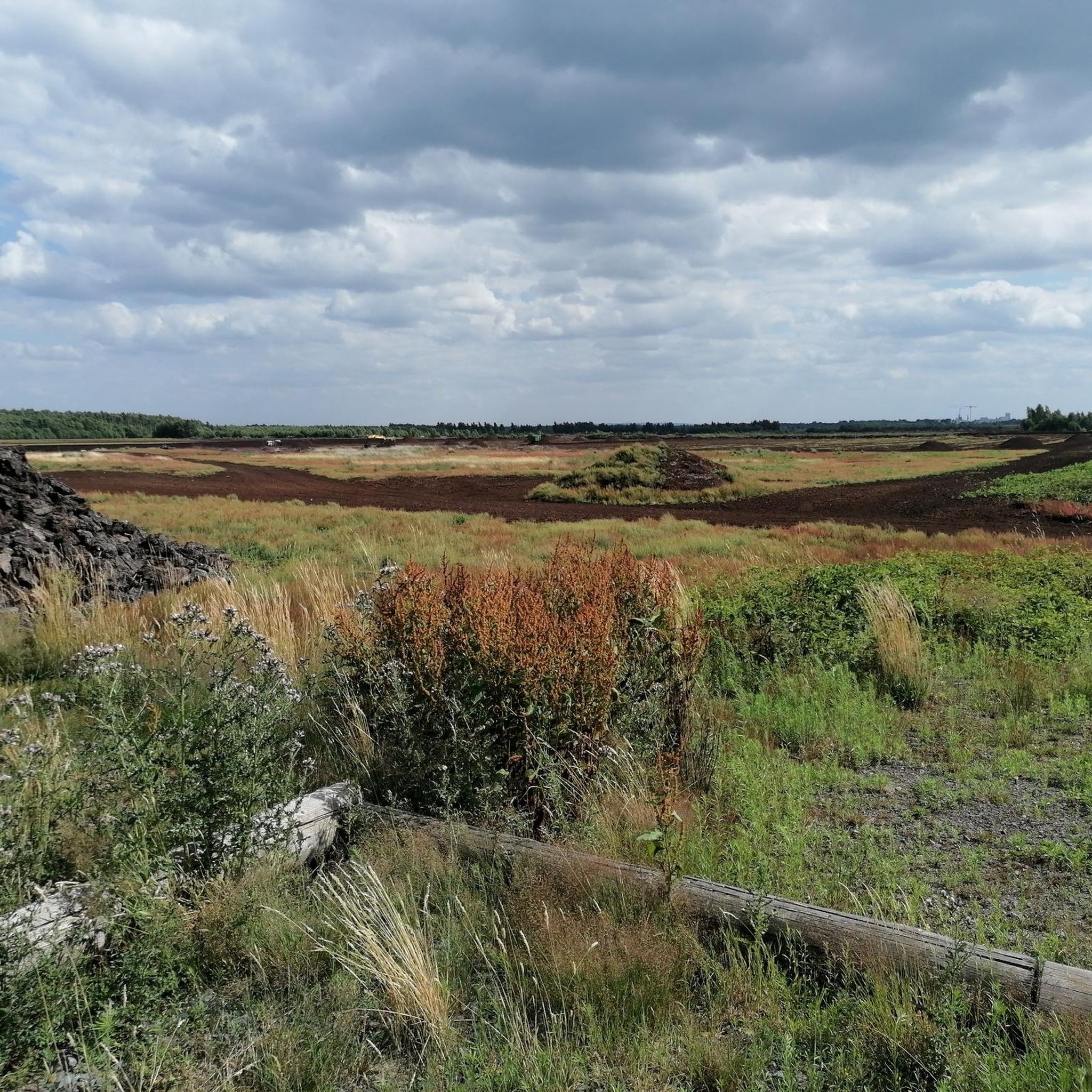
The Moorsteg through the Aschener/Heeder Moor illuminates the surroundings from different perspectives. One focus is on the archaeological investigation of the nearby boardwalk, which is around 2,000 years old. It is also about the formation of the moor and its contribution to climate protection. From the adventure trail, which was funded with EU funds, you can see peat extraction that is still active as well as original areas.
2
0
Very nice for hiking
2
0
It's like a place in the sun ☀ this flora😘😘😘
4
0
Frequently Asked Questions
What are the most popular natural monuments in Lohner Und Diepholzer Moor?
The Aschener Moor Boardwalk is highly popular, offering a 1 km footbridge with information about the moor landscape and historical excavations. Another favorite is the Südlohner Moor Nature Reserve, a 654-hectare protected area vital for peat-typical plants and ground-breeding bird species.
What unique natural features can I observe in the Lohner Und Diepholzer Moor region?
The region is renowned for its expansive moor landscapes, including high moorlands with distinctive ecosystems. You can observe typical high moor plants like bell and heather, peat mosses, moor birches, and large expanses of cotton grass. Moor frogs and sundew are also present, and after rewetting measures, over 300 bodies of water have developed, attracting diverse flora and fauna.
Are there any historical sites or archaeological discoveries related to the natural monuments?
Yes, the Aschener Moor Boardwalk guides visitors through an area where a 2000-year-old historical bog road (Bohlenweg) was discovered. Archaeological excavations here unearthed significant artifacts, including parts of a wagon axle, wagon structures, leather straps, and even the oldest shoe in Northern Germany, dating back to 46 BC.
What is the best time of year to visit the natural monuments in Lohner Und Diepholzer Moor?
The moors offer unique experiences year-round. A particularly enchanting spectacle is the Wollgras bloom, which transforms the moors into a white sea of flowers from April to June. The region is also a significant habitat and resting place for thousands of migratory birds, making birdwatching excellent throughout the year, especially in areas like the Ochsenmoor nature reserve.
Are there family-friendly options among the natural monuments?
Yes, the Boardwalk in the Aschener Moor is considered family-friendly and wheelchair accessible. It features information boards that educate visitors about the moor's formation, its contribution to climate protection, and the archaeological investigations of the ancient boardwalk, making it an engaging experience for all ages.
Are there accessible trails for visitors with mobility needs?
Yes, the Boardwalk in the Aschener Moor is specifically designed to be wheelchair accessible, offering viewpoints and information boards. This allows a wider range of visitors to explore and learn about the unique moor landscape.
What outdoor activities can I do near these natural monuments?
The Lohner Und Diepholzer Moor region offers various outdoor activities. You can find numerous cycling routes, MTB trails, and running trails that allow you to explore the expansive landscapes. Many routes incorporate viewpoints and natural features, providing excellent opportunities for nature observation.
Where can I park when visiting the natural monuments?
For the Aschener Moor Boardwalk, you can find parking at the Aschen recycling depot. From there, follow the Lindloge to the designated car park, which provides convenient access to the boardwalk and its educational features.
What kind of wildlife can I spot in the Lohner Und Diepholzer Moor?
The Diepholzer Moorniederung is a significant habitat for numerous rare breeding birds and plants. It's a crucial resting place for thousands of migratory birds, such as snipes and gray geese, particularly in the Ochsenmoor nature reserve. You might also spot species like the golden plover, great grey shrike, and short-eared owl, alongside moor frogs and various insects.
Are there observation towers for birdwatching or scenic views?
Yes, the Diepholzer Moorniederung features numerous observation towers, especially in areas important for birdwatching like the Ochsenmoor nature reserve. The Aschener Moor Boardwalk also leads to an observation platform offering panoramic views over an untouched moor area.
What do visitors enjoy most about the natural monuments in Lohner Und Diepholzer Moor?
Visitors particularly appreciate the unique combination of natural beauty and historical insights. The educational experience paths, like the one at Aschener Moor, are highly valued for making the ancient bog roads and moor ecology tangible. The serene, mystical landscapes, especially during the cotton grass bloom, and the opportunities for birdwatching are also frequently highlighted.
What should I bring for a walk in the Lohner Und Diepholzer Moor?
Given the moorland environment, it's advisable to wear sturdy, waterproof footwear. Depending on the season, layers of clothing are recommended, as weather can change. Binoculars are excellent for birdwatching, and a camera will help capture the unique flora and fauna. Always bring water and snacks, and remember to take all rubbish with you.
Can I bring my dog to the natural monuments?
While specific dog-friendly routes are not detailed for every natural monument, generally, dogs are permitted on trails within nature reserves, provided they are kept on a leash to protect wildlife and the sensitive ecosystem. Always check local signage for specific rules and regulations in each area you visit.
Most popular routes in Lohner Und Diepholzer Moor
Most popular attractions in Lohner Und Diepholzer Moor

Get inspired with the komoot mobile app


Explore more
Extend your search for the best caves by checking out these guides of the top ones in Lohner Und Diepholzer Moor:
