Top 4 Natural Monuments around Slovenska Bistrica
Best natural monuments around Slovenska Bistrica showcase the region's rich biodiversity, geological wonders, and scenic beauty in northeastern Slovenia. The area is characterized by diverse landscapes, from prominent mountains with steep, forested slopes to river canyons and serene valleys. These natural features highlight the geological heritage and ecological significance of the Slovenska Bistrica area.
Best natural monuments around Slovenska Bistrica
- The most popular natural monuments is Boč Summit (978 m), a summit characterized by its steep, beech-forested slopes and…
Last updated: July 27, 2026
Boč Summit (978 m)
Highlight • Summit
Translated by Google •
Tip by

Black Lake
Highlight • Lake
Tip by

Sign up now to discover places like this
Get recommendations on the best single tracks, peaks, & plenty of other exciting outdoor places.
Sign up for free
Veliki Šumik Waterfall
Highlight • Waterfall
Tip by

Spelunca Cave on the Balunjača Trail
Highlight • Cave
Translated by Google •
Tip by
Start today with a free account
Your next adventure awaits.
Login or Signup
Popular around Slovenska Bistrica
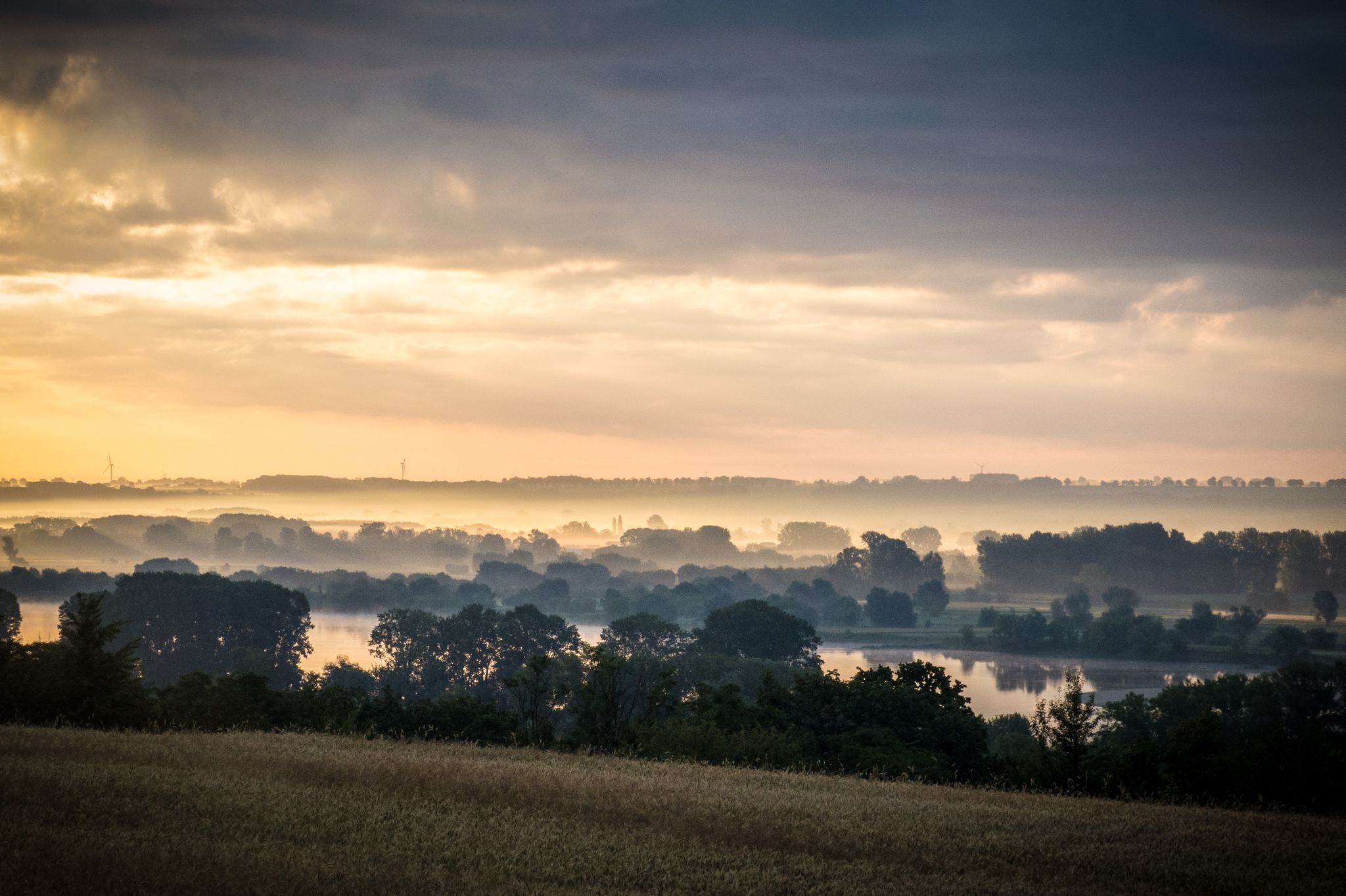
EuroVelo 9 – The Amber Route from the Baltic to Adriatic Sea
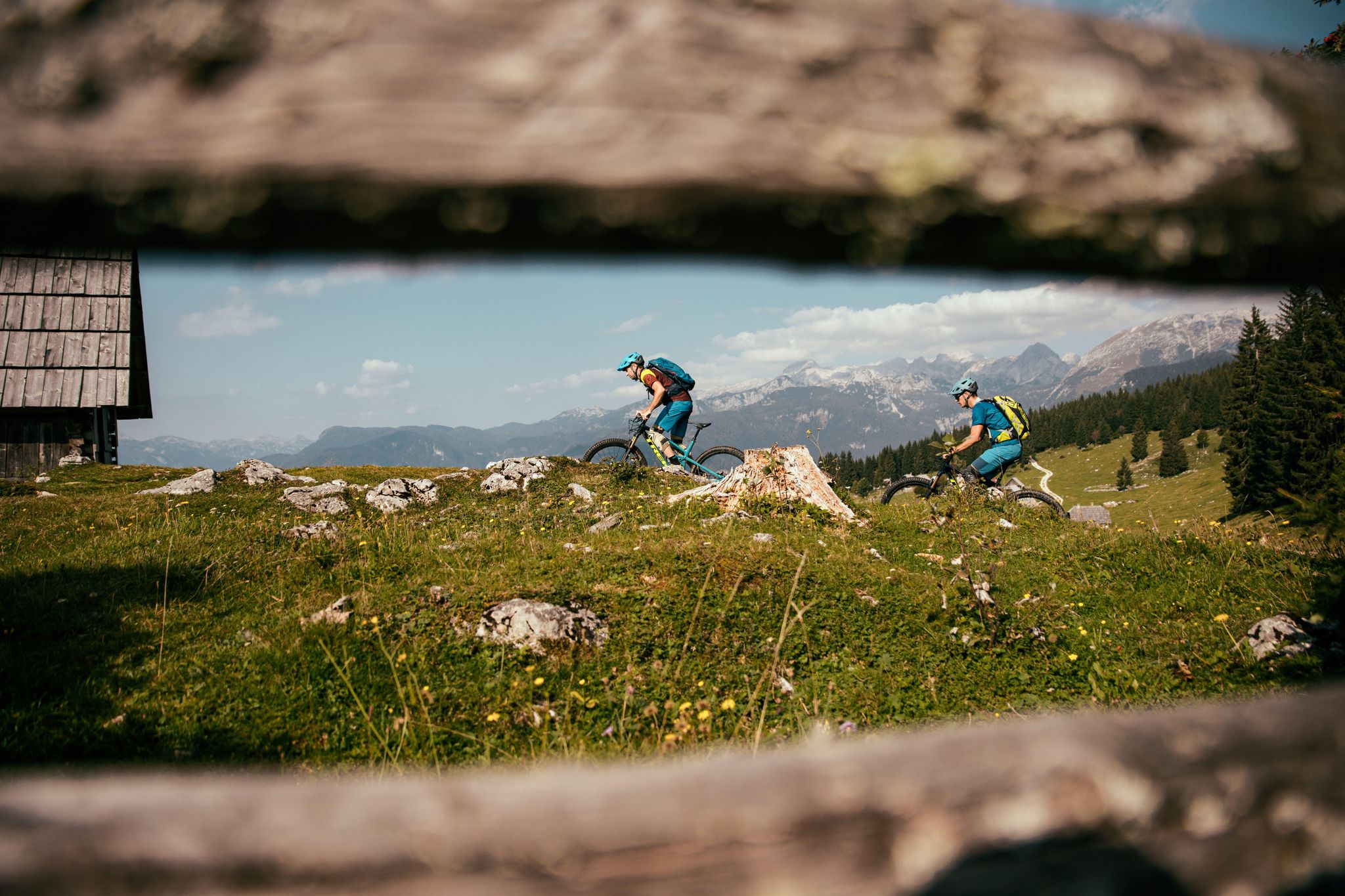
A 1,800 km MTB adventure – the Slovenian mountainbike route (STKP)
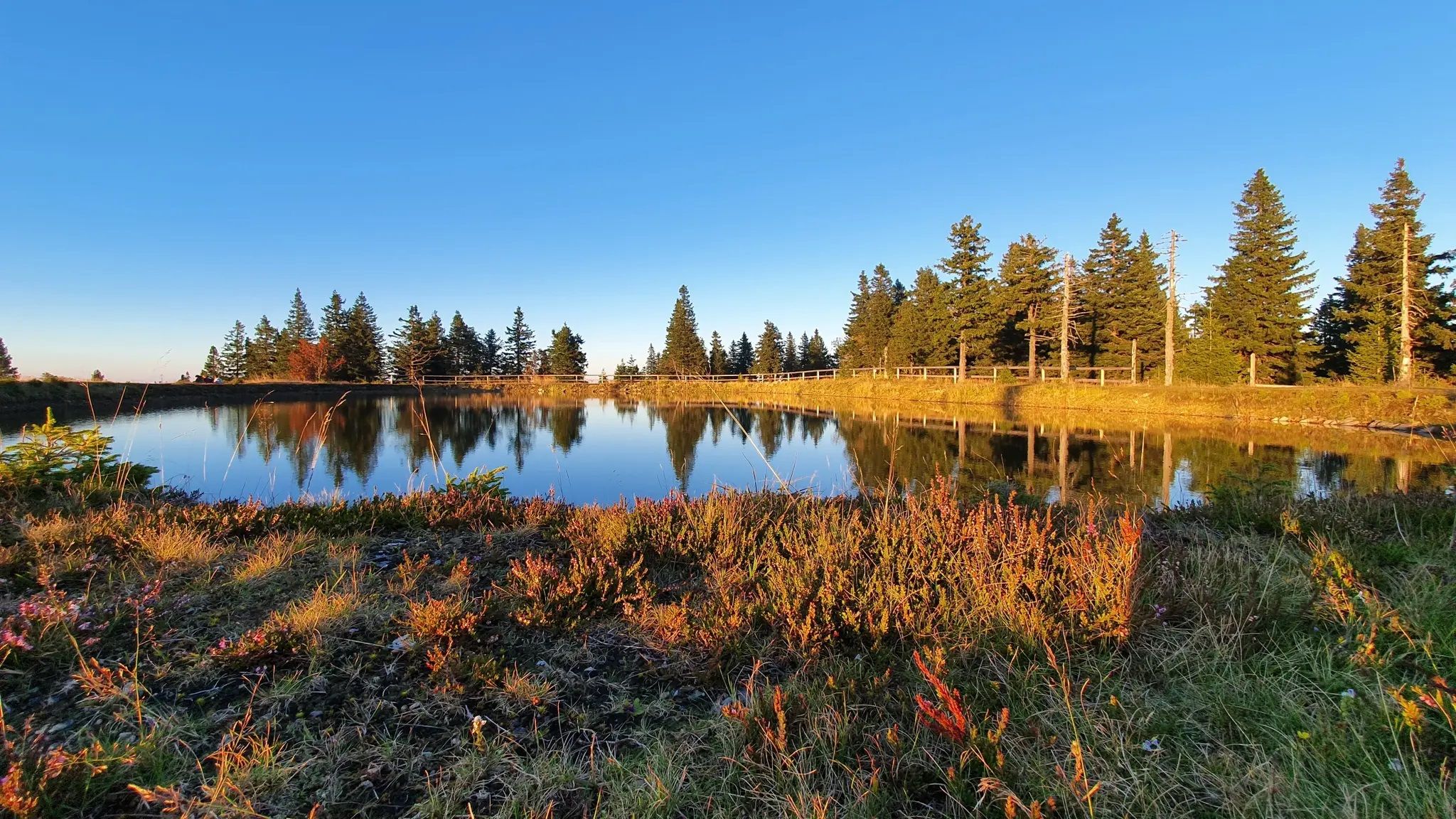
Pure nature – on the Slovenian Mountain Trail
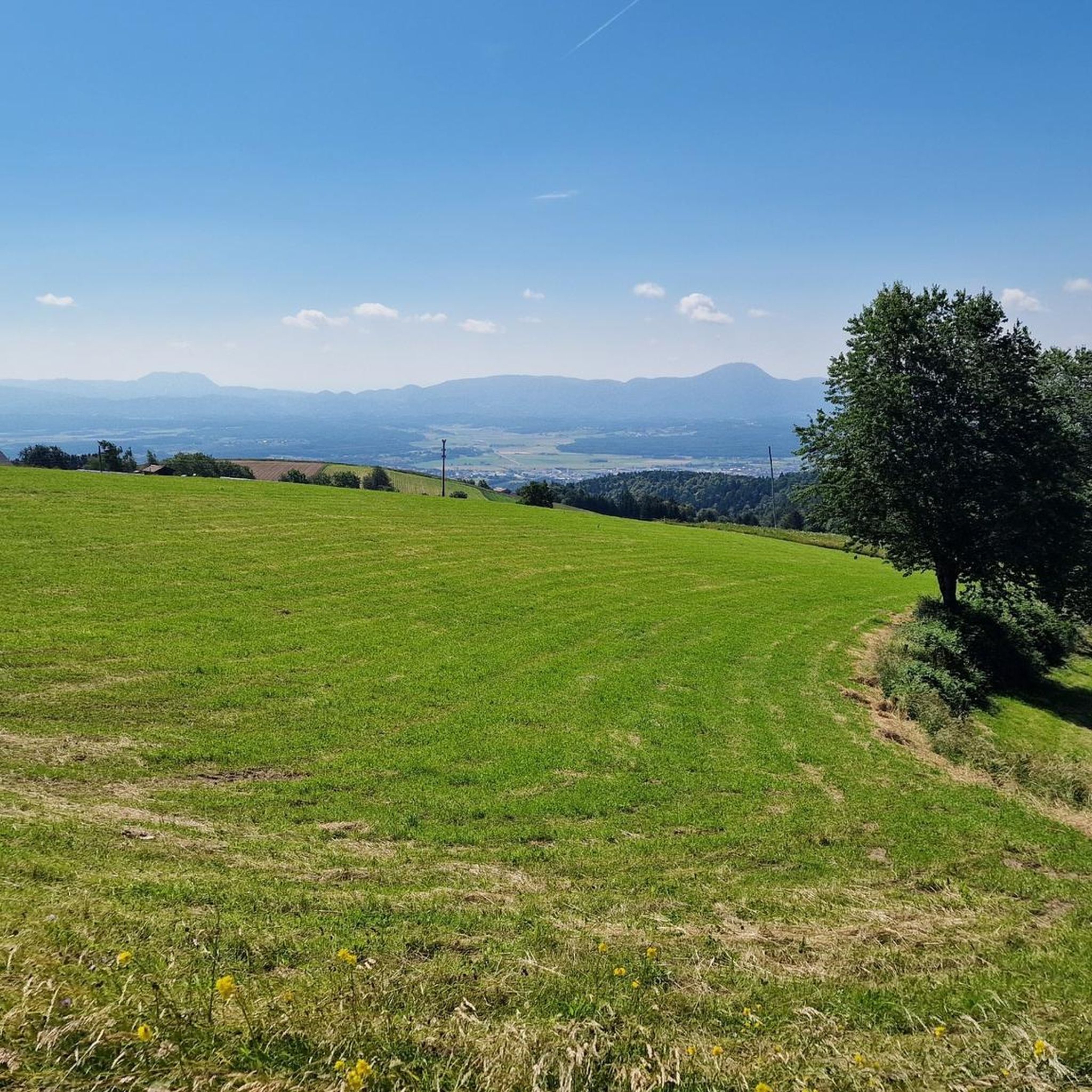
Hiking around Slovenska Bistrica
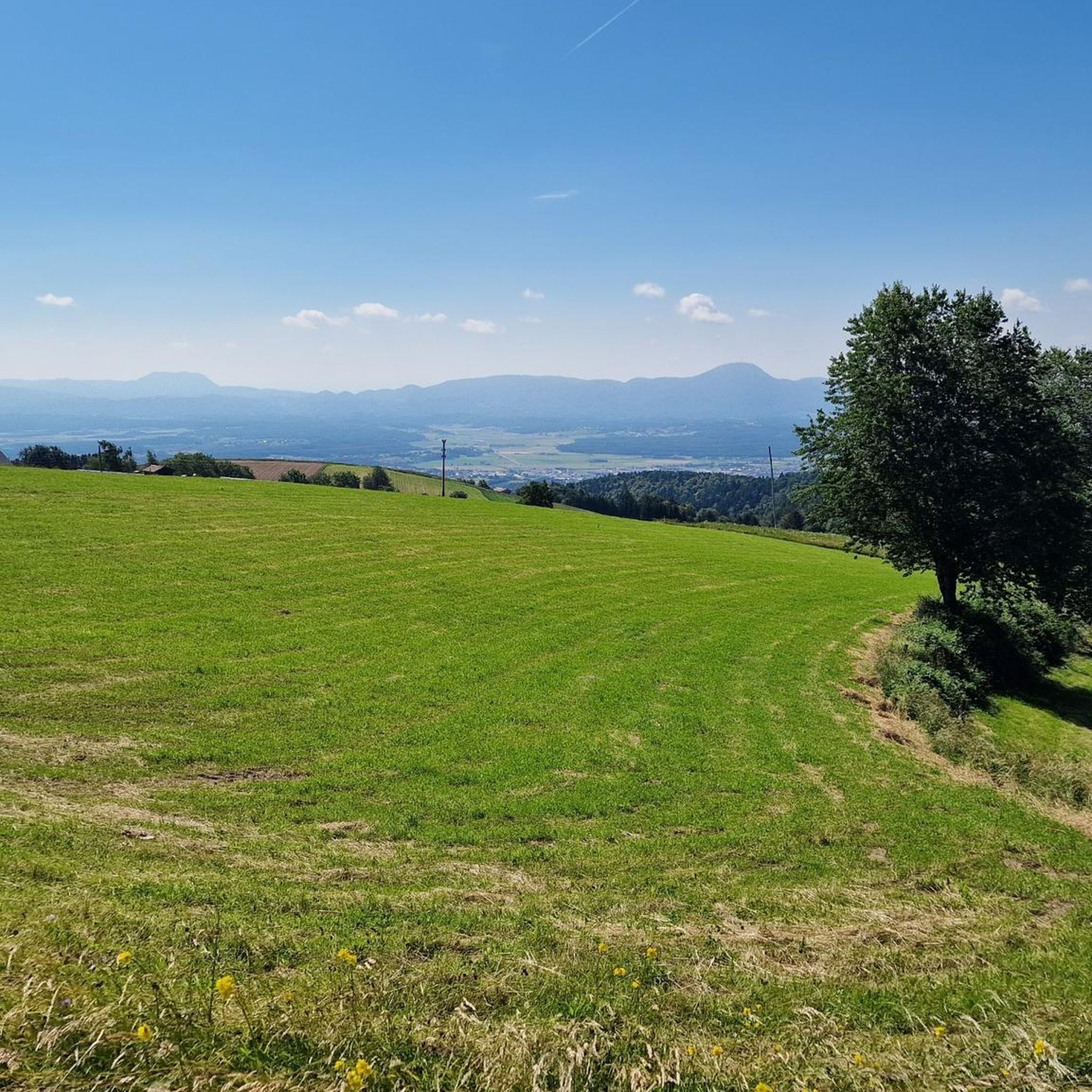
Road Cycling Routes around Slovenska Bistrica
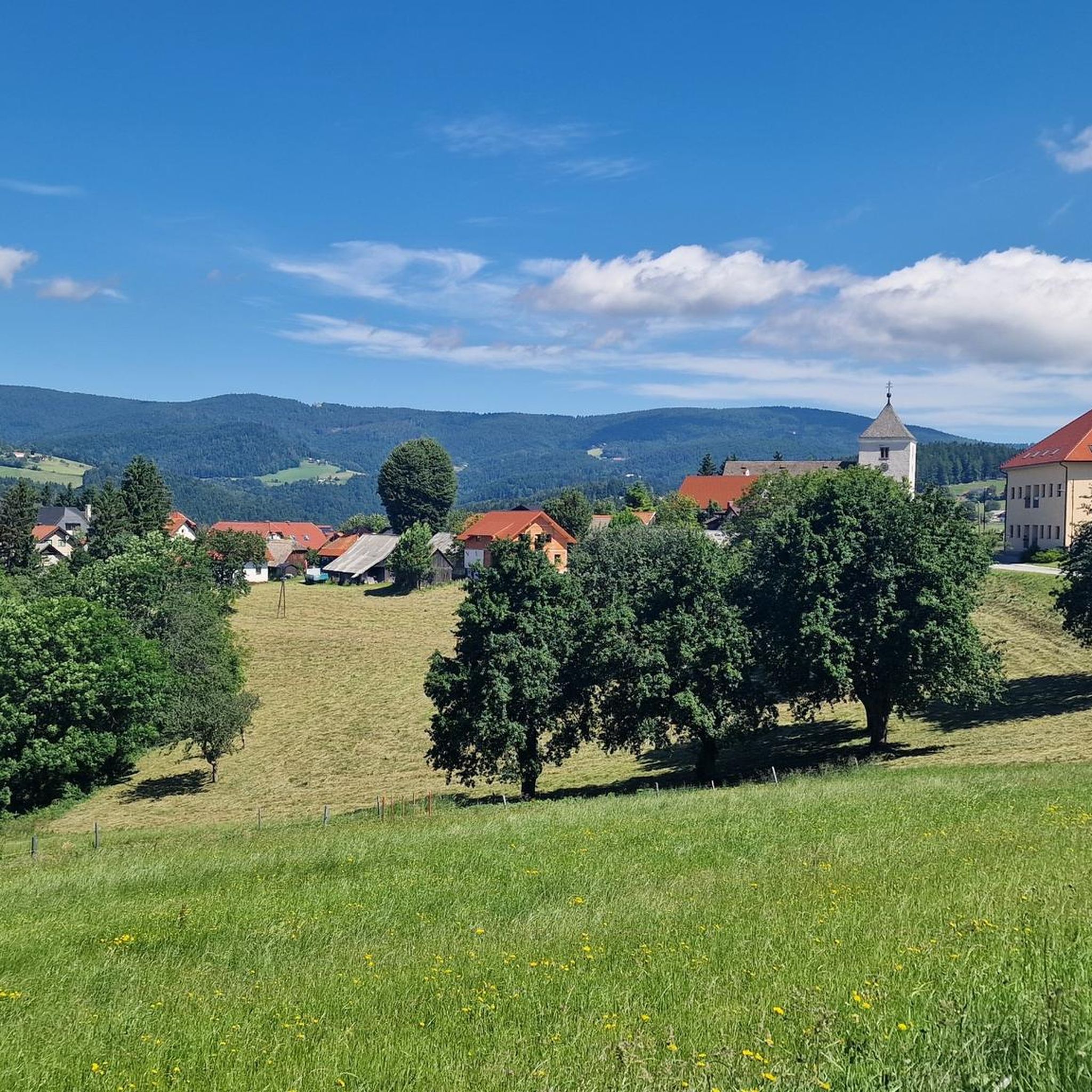
Cycling around Slovenska Bistrica
Gravel biking around Slovenska Bistrica
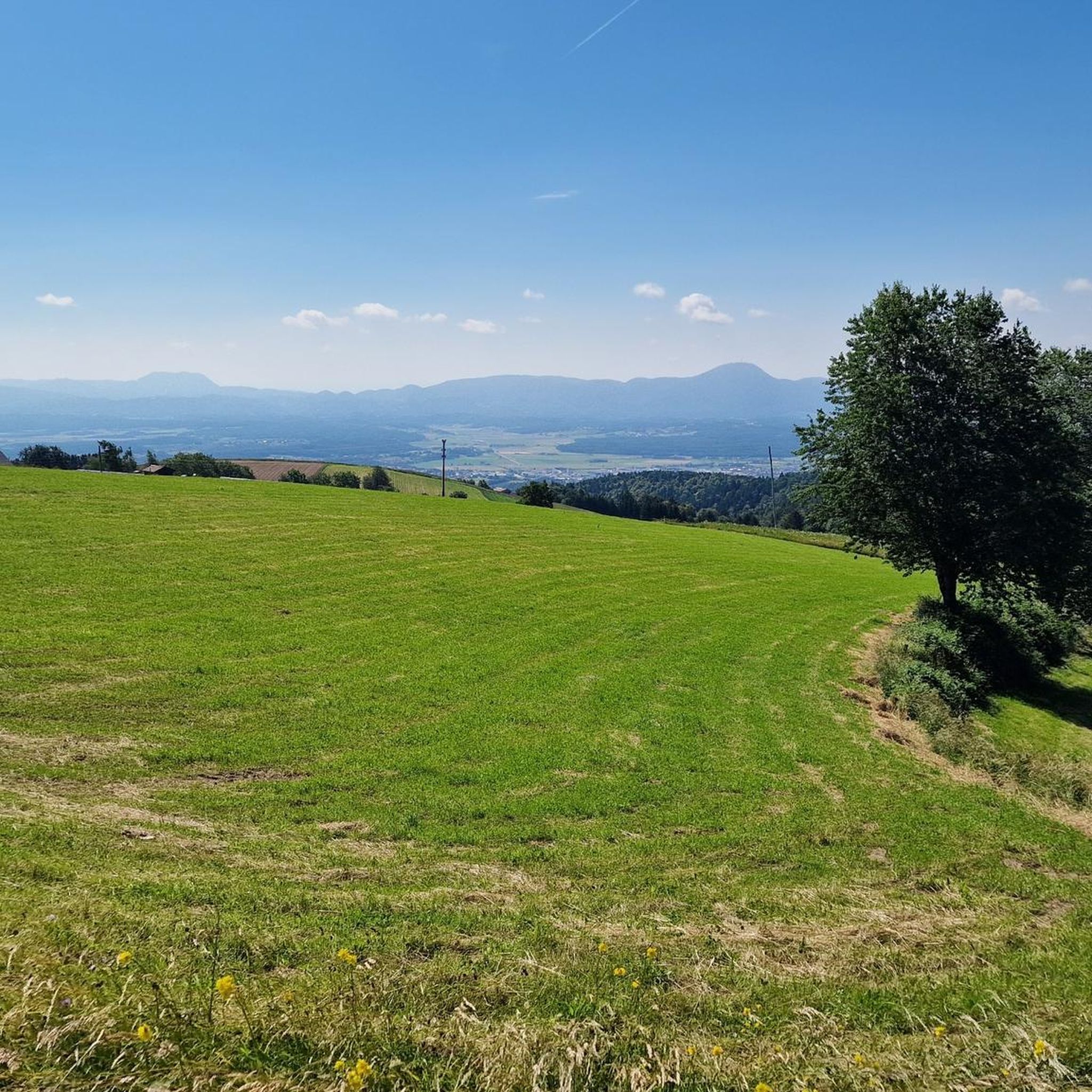
MTB Trails around Slovenska Bistrica
Running Trails around Slovenska Bistrica

Mountain Hikes around Slovenska Bistrica
Other adventures around Slovenska Bistrica


Tips from the Community

Magnificent views of four countries (Austria, Hungary, Slovenia, Croatia)
0
0

As the Lobinca tumbles down from the delightful Pohorje Hills to the Drava Valley, it creates the Šumik Falls. This is Veliki Šumik, the larger of the two main cascades – the other being Mali Šumik, further downstream. At Veliki Šumik, the Lobinca crashes down an impressive 79 feet (24 m). The path between the two waterfalls is considered to be quite a challenging hike.
1
0

Super great view - and what a peace! :-)
0
1

The view from the top of the observation post is spectacular!
0
1

Beautiful Black lake on top of Pohorje. 15 min easy walk in one direction. You might even try to swim.
0
0

A beautiful lake that can be accessed with just a short walk from the car, or incorporated into longer hikes through the area.
0
0

The path across Balunjača in a moderate ascent crosses the slopes of Boč to the rocky cliffs that we see in front of us. The path crosses the foot of these cliffs with the help of guards. The passage under the cliffs is not difficult, but it is slightly exposed to falling rocks. At the foot of the cliffs we can see some smaller caves, which brighten up the day especially for younger mountaineers.
1
0
Boč is a mountain in the Bočko Mountains, southeast of Poljčane. Bočko, also the Konjiška pogorje, stretches from the gorge of the river Paka near Huda Luknja in the west to the western edge of Varaždinska Podravina. The mountain range descends from Paški Kozjak with Basališče (1272 m) in the west to Ravna gora (682 m) in Croatia. Geologically and mountainously, it is the easternmost part of the Karavanke. The barrel is built of limestone and Paleozoic rocks. The slopes are steep and overgrown mostly with beech forests. On Boč there are habitats of rare Alpine and Dinaric plants, among which stand out Easter, fragrant wolf, Turkish lily and beautiful primrose. The habitat of the Easter egg Na Ravni, which is the only one in Slovenia, was appointed a nature reserve by a decree of the Municipal Assembly of Šmarje pri Jelšah. Numerous karst phenomena can also be seen on Boč: caves, caves, sinkholes and valleys. Half an hour above the mountain lodge is in the cliffs on the western slope of Boč, the Balunjača cave, in which, according to folk tradition, lived insulted women, and later bandits, commanded by Orjaška Špelca. At the top, which is a narrow ridge in shape, there is a telecommunication tower and a 20 m high steel lookout set up by PD Poljčane. The first lookout tower was arranged in 1899 by local mountaineers in a basket of beech, whose horned branches were cut down, a stage for 10 people was placed on it and covered with a roof. From the tower there is an extensive view: in the north we can see eastern Pohorje, Dravsko polje and Slovenske gorice, in the east Haloško gričevje, Plešivec, Donačka gora, Macelj, Ravna gora and lvanščica, in the southeast Medvednica, in the south Kozjansko gričevje, Posavsko hribovje, Gorjanci and Gorjanci in the distance Snežnik, in the west Konjiška gora nearby, Stenica, Paški Kozjak, Uršlja gora and Peca, in clear weather also the Savinja Alps and Julian Alps, and in the northwest Pohorje with Rogla.
1
0
Frequently Asked Questions
What are the most prominent natural monuments to visit around Slovenska Bistrica?
The region offers a diverse range of natural wonders. You can explore the impressive underground formations of Pekel Cave, hike the scenic slopes of Mount Boč, or discover the well-preserved Canyon of the River Bistrica (Prišjek). Other notable sites include the tranquil Black Lake in the Pohorje forest and the powerful Veliki Šumik Waterfall.
Are there any family-friendly natural monuments or activities in the area?
Yes, several natural monuments are suitable for families. The Black Lake is considered family-friendly, offering a pleasant short walk from the parking area. Pekel Cave also provides an educational and adventurous experience with guided tours, suitable for families.
What kind of wildlife can be observed in the natural monuments around Slovenska Bistrica?
The Canyon of the River Bistrica (Prišjek) is a crucial ecological haven, providing shelter for a multitude of protected species. Visitors might spot chamois, various birds of prey, wild boars, dragonflies, and trout. Mount Boč is also known for its diverse flora, including rare Alpine and Dinaric plants.
What are the best viewpoints for panoramic scenery in the Slovenska Bistrica region?
For extensive panoramic views, head to the top of Boč Summit (978 m). There's a 20-meter high steel lookout tower offering spectacular vistas of the surrounding regions, including eastern Pohorje, Dravsko polje, and even glimpses of four countries on a clear day.
Are there hiking trails near these natural monuments?
Absolutely. The region is excellent for hiking. You can find numerous routes, including challenging trails around Veliki Šumik Waterfall and the Spelunca Cave on the Balunjača Trail. For more options, explore the various waterfall hikes around Slovenska Bistrica.
What is the best time of year to visit the natural monuments?
The natural monuments around Slovenska Bistrica are beautiful throughout the year, but spring and autumn offer particularly pleasant conditions for hiking and exploration, with milder temperatures and vibrant natural colors. Summer is also popular, especially for enjoying the cooler environments of caves or waterfalls.
Can I bring my dog to the natural monuments?
Many natural areas in the region are dog-friendly, especially hiking trails. However, specific rules may apply to protected areas like Pekel Cave or certain nature reserves. It's always best to keep dogs on a leash and clean up after them to preserve the natural environment.
Are there any hidden natural gems or less-known spots worth discovering?
Beyond the well-known sites, the Bistrica Stream Valley offers a serene setting for leisurely walks, blending natural beauty with historical remnants. The canyon sections of the River Bistrica between Trebče and Zagaj are also exceptionally pristine and less frequented, providing an unspoiled natural experience.
What geological features are prominent in the Slovenska Bistrica natural monuments?
The region is rich in geological diversity. Mount Boč features diverse karst phenomena, including numerous caves, sinkholes, and valleys. Pekel Cave showcases magnificent stalactites and stalagmites formed over millennia. The Canyon of the River Bistrica demonstrates millions of years of river erosion through steep, rocky terrain.
Are there opportunities for cycling or mountain biking near the natural monuments?
Yes, the area around Slovenska Bistrica provides excellent opportunities for cycling. You can find various routes for touring bicycles and challenging MTB trails. These routes often pass through or near the scenic natural landscapes, offering a different way to experience the region.
What makes the Black Lake unique among the natural monuments?
The Black Lake is unique due to its characteristic dark color, which comes from a thick layer of organic mud accumulated at its bottom. Despite the dark appearance, the water itself is crystal clear. It's located in a swampy area within the Pohorje forest and is protected as a natural monument.
Most popular routes around Slovenska Bistrica
Most popular attractions around Slovenska Bistrica

Get inspired with the komoot mobile app


