Top 3 Natural Monuments around Piran
Best natural monuments around Piran include diverse natural attractions along Slovenia's Adriatic coast. The region features dramatic cliffs, unique sea lagoons, and historic salt pans. Piran's natural landscape is characterized by its coastal features and rich biodiversity, offering varied outdoor experiences. This area combines natural heritage with a long tradition of human interaction with the environment.
Best natural monuments around Piran
- The most popular natural monument is Sečovlje Salt Pans, a natural monument that represents the northernmost salt pans…
Last updated: June 2, 2026
Sečovlje Salt Pans
Highlight • Natural Monument
Translated by Google •
Tip by

Sečovlje Salt Pans
Highlight • Natural Monument
Translated by Google •
Tip by

Sign up now to discover places like this
Get recommendations on the best single tracks, peaks, & plenty of other exciting outdoor places.
Sign up for free
Sečovlje Salina Nature Park
Highlight • Natural Monument
Translated by Google •
Tip by

Start today with a free account
Your next adventure awaits.
Login or Signup
Popular around Piran
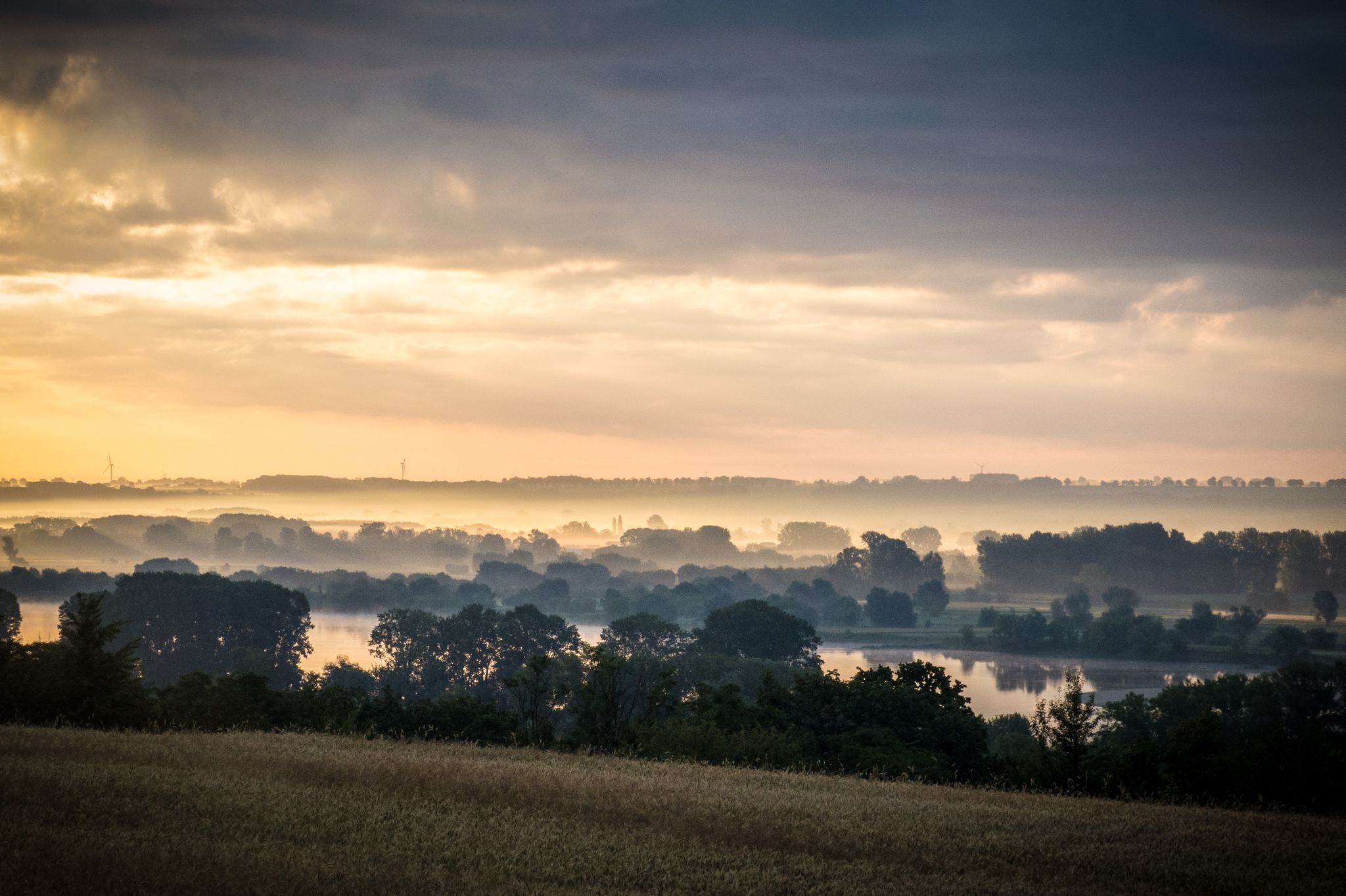
EuroVelo 9 – The Amber Route from the Baltic to Adriatic Sea
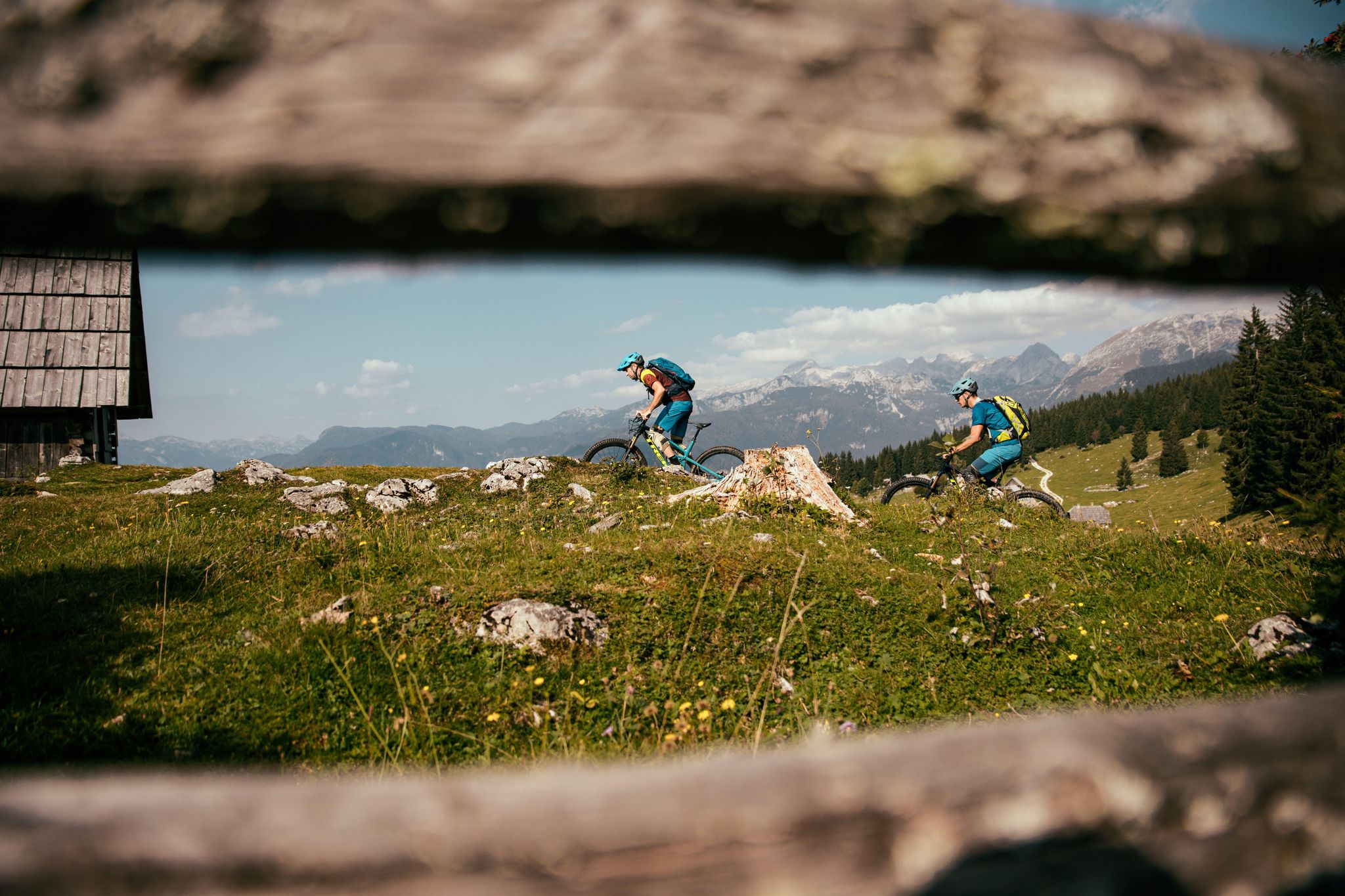
A 1,800 km MTB adventure – the Slovenian mountainbike route (STKP)
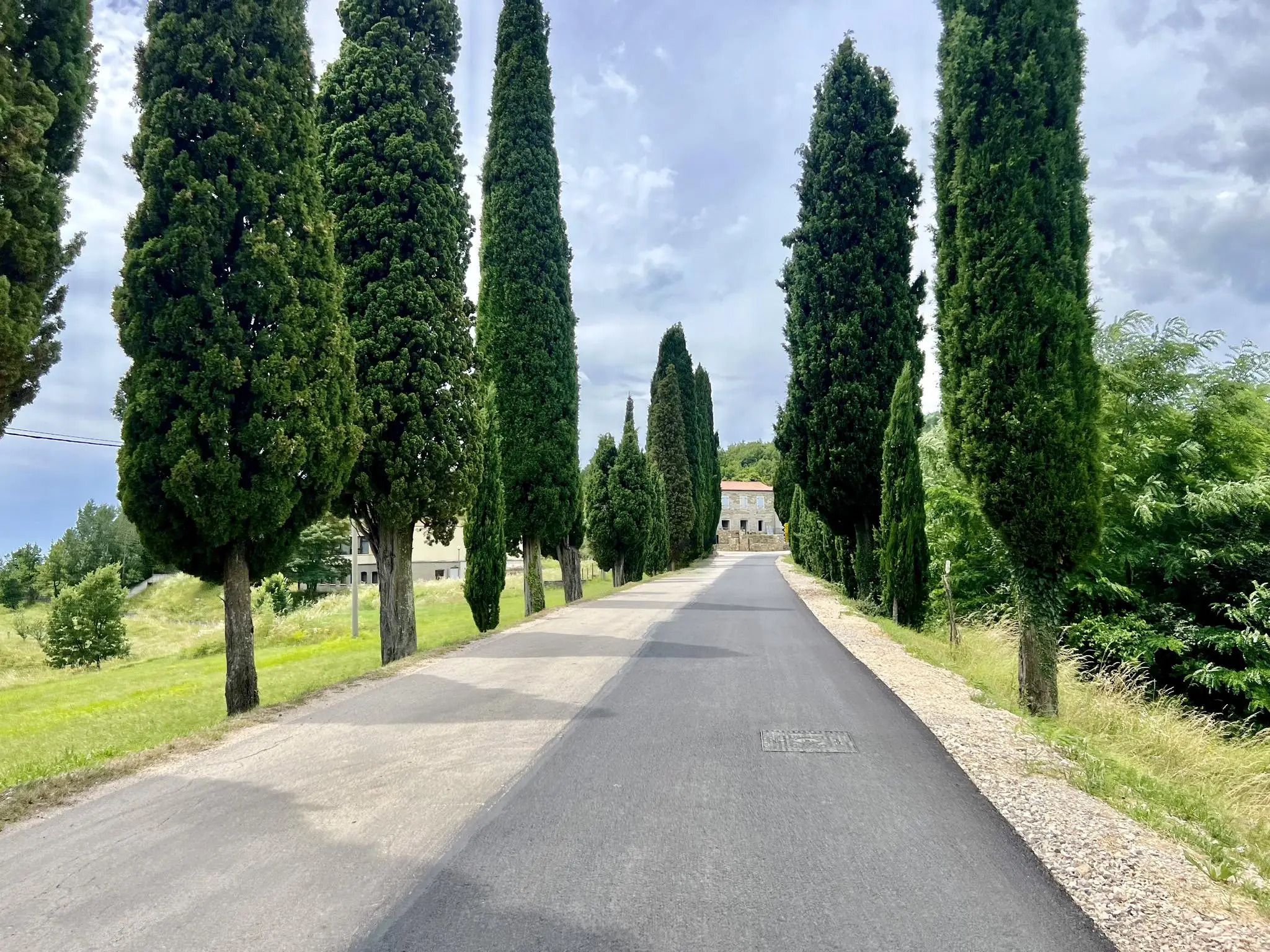
Entdecke die Slowenische Riviera mit dem Rennrad
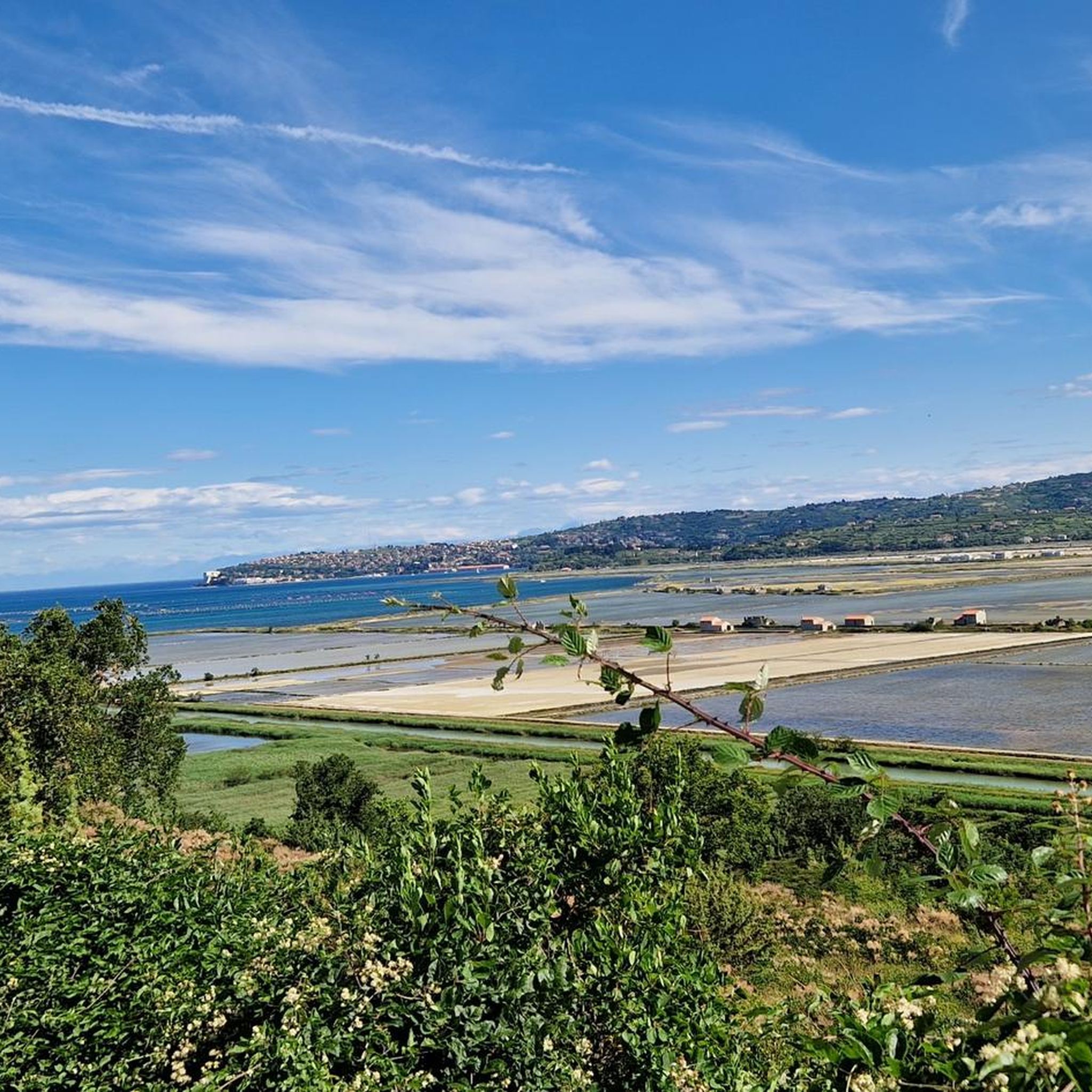
Cycling around Piran
Hiking around Piran
Running Trails around Piran
MTB Trails around Piran
Road Cycling Routes around Piran
Gravel biking around Piran
Other adventures around Piran


Tips from the Community

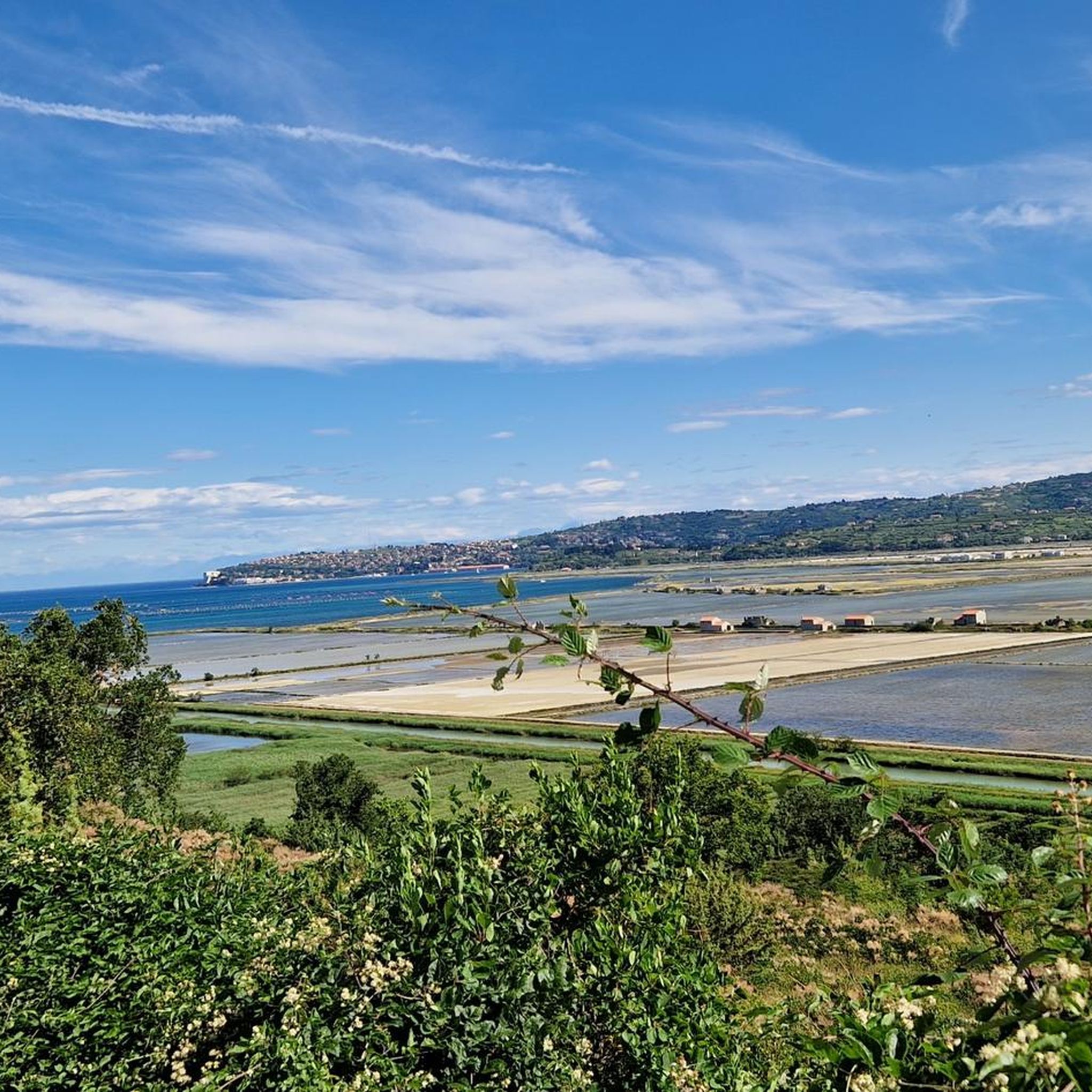
The large salt pans near Piran, in southwestern Slovenia and just before the border with Croatia, are among the oldest salt pans still in operation in Europe. Sea salt has been extracted here in the traditional way since the 13th century. The salt pans extend across the Sečovlje Salt Pans Nature Reserve and offer a fascinating interplay of nature and centuries-old craftsmanship. Visitors can learn about the salt harvesting process and visit the Salt Museum, which provides an insight into the history and importance of salt production in the region (entrance fee €7). The salt pans are also an important wetland that provides a habitat for numerous bird species.
0
0

It is very nice to cycle along the salt flats. Everything completely flat.
1
0

Wonderful biotope for birds 🐦 all around
1
0

they are the northernmost salt pans of the Adriatic, and therefore in general the northernmost of the Mediterranean Sea. They are located in the municipality of Piran in the Karst-coastal region, in the south-western end of Slovenia, in the north-western part of the Istria peninsula, at the mouth of the Dragonja river near the Sečovlje settlement
2
0

The Sečovlje Salt Pans (Slovenian Sečoveljske soline, Italian Saline di Sicciole, formerly Piran Salt Pans, Slovenian Piranske soline, Italian Saline di Pirano) are a nature park with an area of 6.5 km² near the town of Seča in the municipality Piran, Slovenia. They are located in the Bay of Piran right on the border with Croatia. The nature park is bounded on the north by the St. Bartholomew Canal and on the south by the Dragonja River. The northern part of the salt pans is called Lera, the southern Fortanigge.
1
0

straddling Slovenia and Croatia. The Sečovlje Salt Mine Park can only be visited for a fee (€ 7.00). Personally I recommend fattening from the Croatian customs area which allows a greater and better visit of the area.
0
0


Anyone who loves birds will have fun here.
1
0
Frequently Asked Questions
What unique natural features can be found in the Piran area?
The Piran region is home to several distinctive natural features. The Sečovlje Salt Pans are notable for their extensive salt fields where traditional salt production has continued for over 700 years, creating a unique wetland ecosystem. Additionally, the Strunjan Nature Park features the Strunjan Cliff, the highest flysch cliff on the Adriatic coast, and Stjuža, Slovenia's only sea lagoon, rich in biodiversity.
What historical significance do the natural monuments around Piran hold?
The natural monuments in the Piran area are deeply intertwined with history. The Sečovlje Salt Pans, for instance, represent a 700-year-old tradition of salt production, which has shaped the landscape and local culture. Visitors can explore the Museum of Salt Panning within the park to learn about these ancient methods.
Are there family-friendly natural monuments around Piran?
Yes, several natural monuments are suitable for families. The Sečovlje Salina Nature Park is an excellent choice, offering educational trails about salt production and birdwatching opportunities. Strunjan Nature Park also provides well-maintained trails for easy walks and pebble beaches for relaxation, making it enjoyable for all ages.
What outdoor activities can I do near these natural monuments?
The natural monuments around Piran offer a variety of outdoor activities. You can enjoy picturesque walks and birdwatching in Strunjan Nature Park, or explore the history of salt panning and observe unique flora and fauna at the Sečovlje Salina Nature Park. For cycling enthusiasts, there are numerous traffic-free bike rides, and runners can find various running trails around Piran, including routes that pass by the salt pans.
What is the best time to visit the natural monuments around Piran?
The best time to visit is generally during the spring (April to June) and early autumn (September to October). During these periods, the weather is pleasant for walking and cycling, and the natural landscapes, including the salt pans and coastal areas, are vibrant. Summer can be very warm, while winter offers a quieter experience, though some facilities might have reduced hours.
Are there hiking trails near the natural monuments?
Yes, there are several hiking and walking trails. Strunjan Nature Park offers well-maintained paths along the Strunjan Cliff with panoramic sea views, leading down to secluded pebble beaches like Moon Bay. The Sečovlje Salina Nature Park also has themed trails that allow visitors to explore the salt pans and observe local wildlife.
Can I bring my dog to the natural monuments?
Dog policies vary by specific location within the natural monuments. While some areas, especially nature parks, may have restrictions or require dogs to be on a leash, many outdoor trails and paths around Piran are dog-friendly. It's always best to check specific park regulations before your visit, particularly for protected areas like the Strunjan Nature Park and Sečovlje Salina Nature Park.
What makes Moon Bay a special natural attraction?
Moon Bay (Mesečev zaliv), located within Strunjan Nature Park beneath the Strunjan Cliff, is often considered Slovenia's most beautiful beach. Its crescent shape, crystal-clear waters, and untouched pebble beach create a tranquil and secluded atmosphere. It's accessible only by foot, preserving its pristine natural beauty and making it ideal for swimming, hiking, and photography.
Are there any cafes or restaurants near the natural monuments?
Yes, you can find dining options near the natural monuments. Near Strunjan Nature Park, there are cafes and restaurants in the nearby town of Strunjan. For the Sečovlje Salina Nature Park, there are facilities within the park, particularly in the Lera area, and more options in the nearby settlements of Seča and Portorož.
What can I expect to see at the Piran Cliffs?
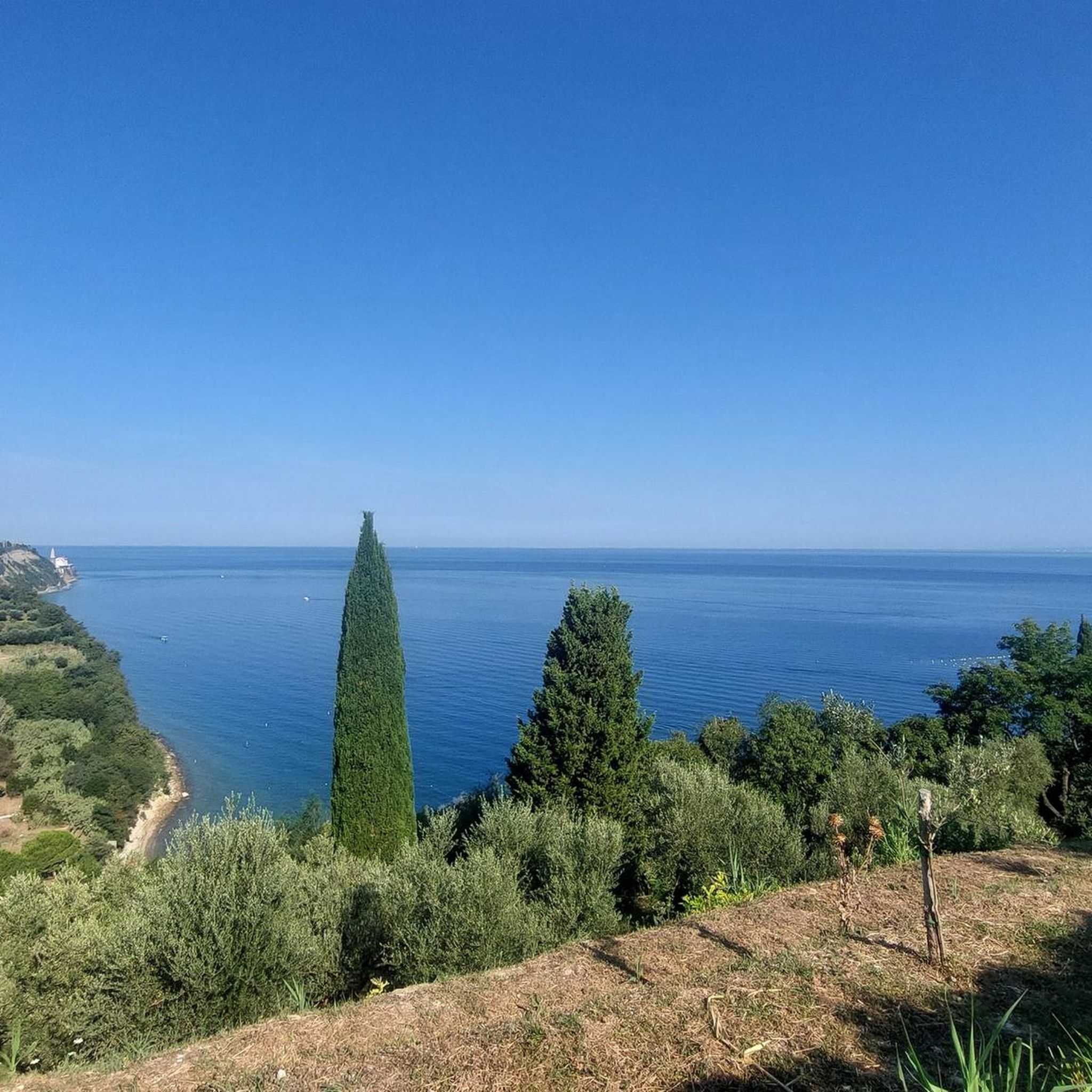
The Piran Cliffs, marking the western entrance to the Strunjan Nature Reserve, offer a rugged and wild coastline. You can expect stunning views, especially towards Italy at sunset, and opportunities for snorkeling in the deep, clear waters. These cliffs are part of the impressive 123-meter Strunjan-Piran flysch cliff system, providing a natural extension of Piran's coastline and a habitat for rare seabirds.
What is the Strunjan Nature Park known for?
Strunjan Nature Park is renowned for its dramatic Strunjan Cliff, the highest flysch cliff in the Adriatic, and Stjuža, Slovenia's only sea lagoon. It also features the longest stretch of unspoiled coastline in the Gulf of Trieste and traditional salt pans. The park is a haven for biodiversity, offering picturesque walks, birdwatching, and a chance to connect with a pristine Mediterranean landscape. You can learn more about its unique features here.
Most popular routes around Piran
Most popular attractions around Piran

Get inspired with the komoot mobile app


Explore more
Extend your search for the best caves by checking out these guides of the top ones around Piran:
