Top 20 Natural Monuments around São Simão
Best natural monuments around São Simão feature a diverse landscape, primarily within the Arrábida Natural Park. The region is characterized by its coastal cliffs, mountain peaks, and unique geological formations. These natural attractions offer varied terrain for exploration and provide opportunities for outdoor activities. Visitors can experience significant natural features and panoramic views across the area.
Best natural monuments around São Simão
- The most popular natural monuments is Cabo de Ares Cliffs, a viewpoint that reveals coastal landscapes. It…
Last updated: October 3, 2026
Formosinho Peak
Highlight • Summit
A very tough climb, an even tougher descent... Not accessible to everyone...
Translated by Google •
Tip by

Lapa de Santa Margarida Cave and Chapel
Highlight • Cave
Tip by

Sign up now to discover places like this
Get recommendations on the best single tracks, peaks, & plenty of other exciting outdoor places.
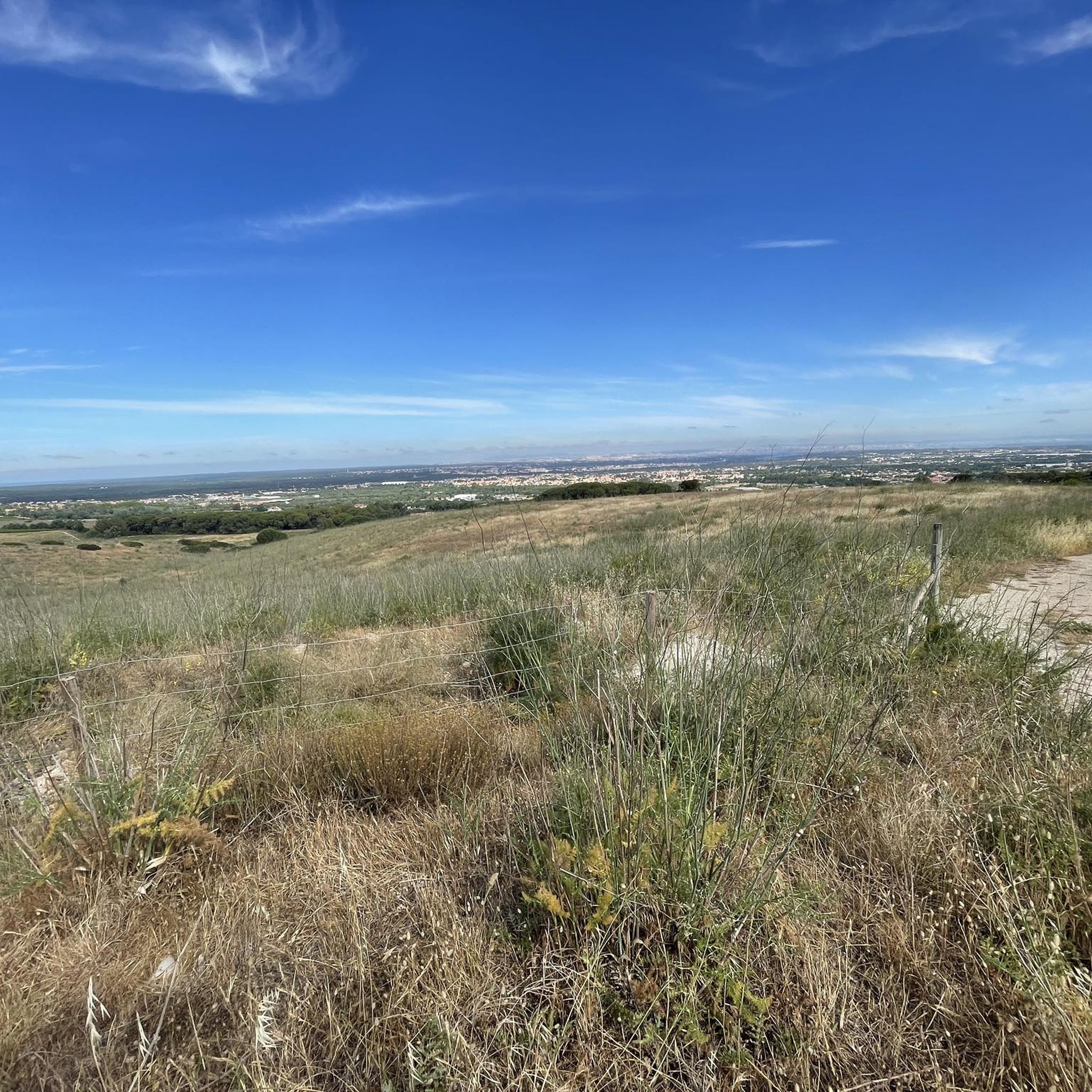
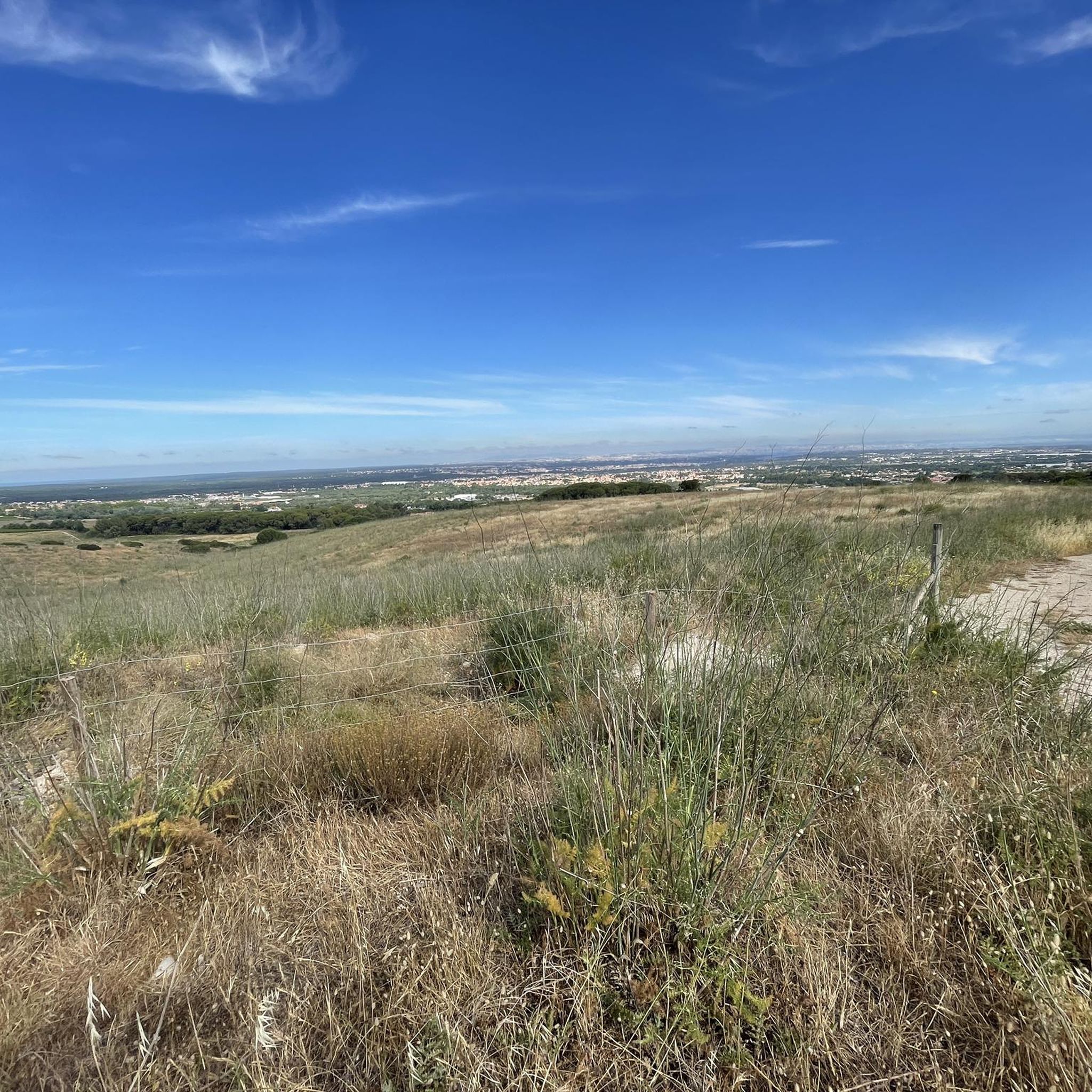
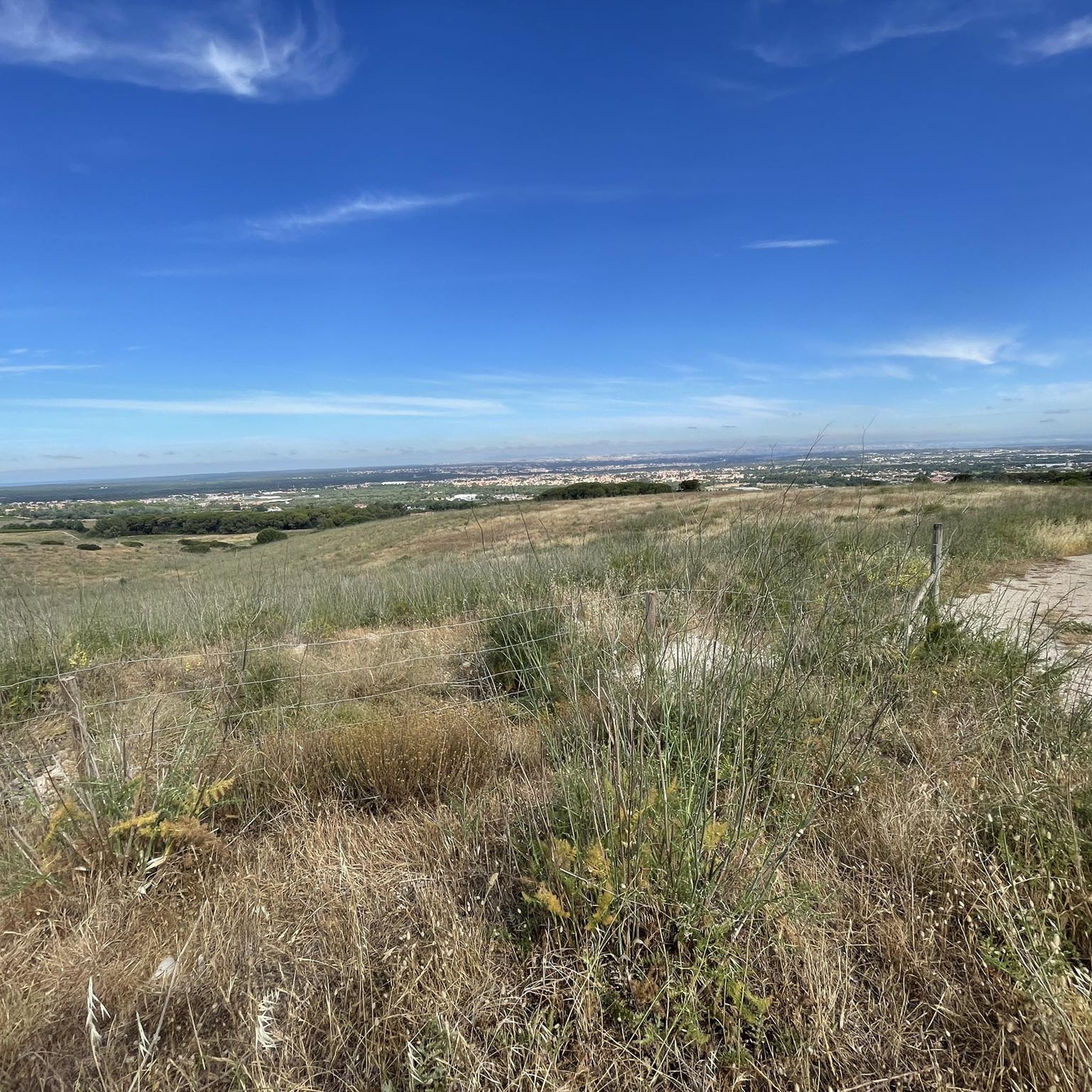
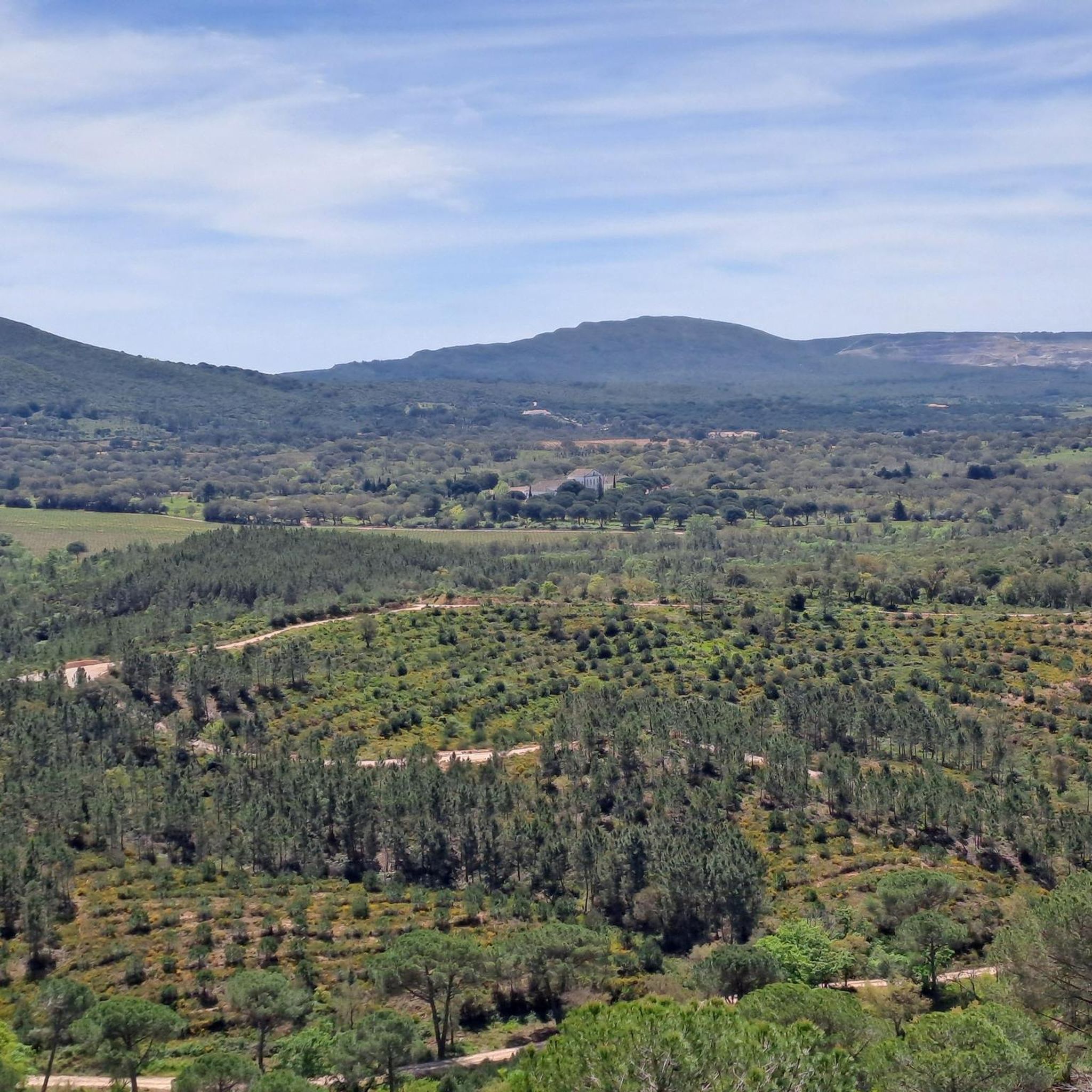
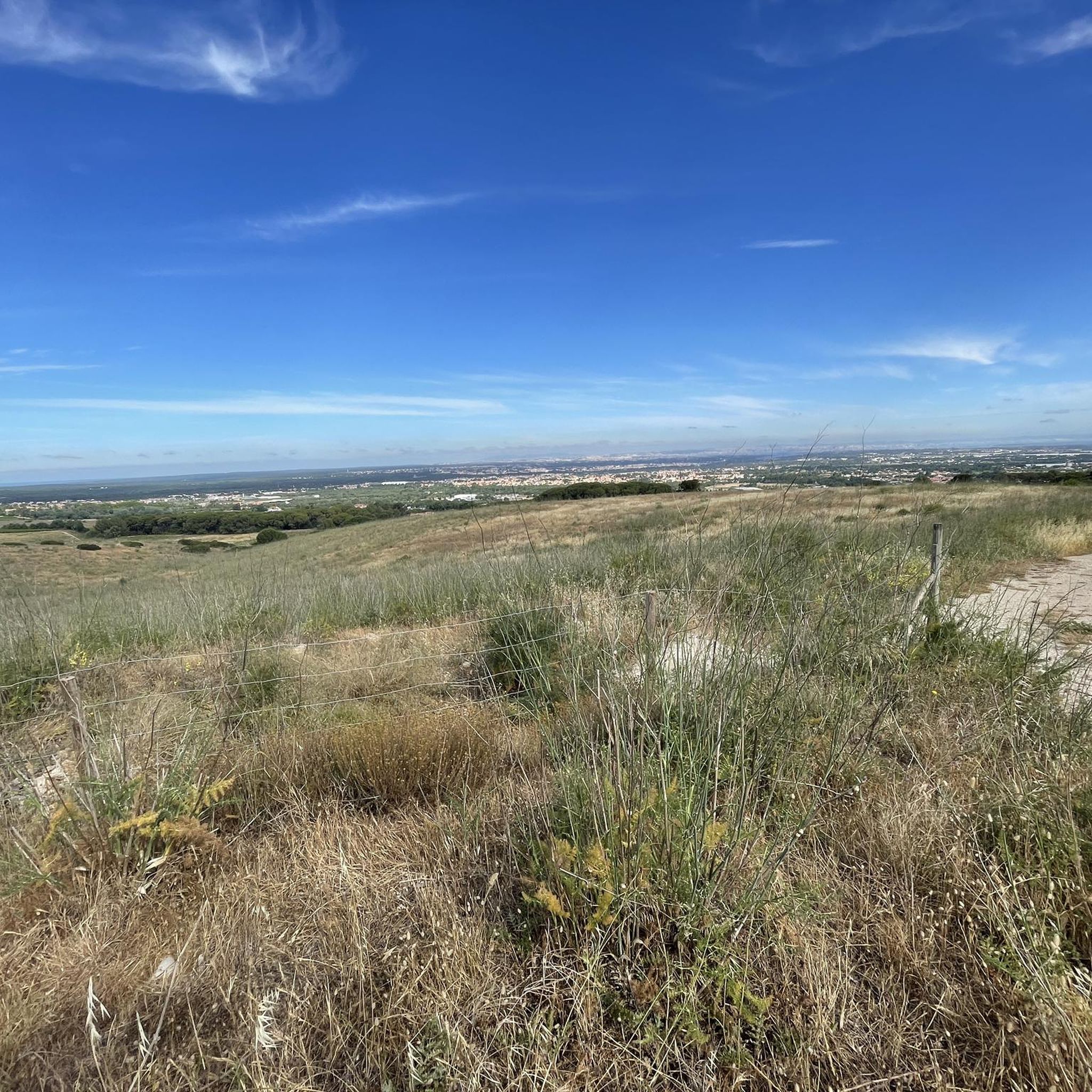
Panoramic View over the Arrábida
Highlight • Viewpoint
Translated by Google •
Tip by
Clifftop Trail in Arrábida Natural Park
Highlight • Trail
I didn't take the other user's review seriously.
Our legs and arms were completely scratched and torn. …
Translated by Google •
Tip by

Cabo de Ares Cliffs
Highlight • Viewpoint
Translated by Google •
Tip by

Sign up for free to discover even more natural monuments around São Simão.
Already have an account?
Start today with a free account
Your next adventure awaits.
Tips from the Community

Don't miss the opportunity to sign the summit book. The summit book is located in the small plastic container with the green lid, covered with a stone.
2
0

The chapel was probably built in the 17th or perhaps 18th century, as a place of Christian worship that, most likely, succeeded other previous cults, namely those related to water or even initiation rites linked to the idea of the rebirth of the soul.
4
0
Lapa de Santa Margarida is a natural grout at the base of Arrábida Mountain, where a small altar was erected. The access is done by a narrow path, with over 200 steps, until the sea level. Inside there is a Christian altar with some images and candles. The image of Saint Margaret was initially in this chapel, thus having given her name to this place.
4
0

Among the remains of old fishermen's houses, this place reveals breathtaking coastal landscapes. It offers a breathtaking view of Cabo de Ares, just before the descent to Praia do Calhau, a perfect refuge for a dip in the crystal clear (and icy!) waters of the Arrábida coast. But be careful if it rains! The descent, already naturally slippery, turns into a veritable carpet of Berlins.
4
0
This linear route runs along the northern and southern slopes of the Serra da Arrábida up to Portinho da Arrábida, passing through the highest point of the mountain range, Alto do Formosinho, marked with a geodesic marker at 501 metres. This route, which is of the highest level of difficulty, is the closest to mountaineering conditions, due to the steep incline and the characteristics of the terrain. It is one of the most charismatic routes in the region, due to its connection to the first settlements of Arrábida (Castelo dos Mouros rock formation) and the ancient pilgrimage candles of devotion to Our Lady of Arrábida, which are still maintained, due to the challenge of reaching the peak, through dense vegetation, areas of gravel and rock climbing, and also through the endless landscapes that connect the Sado estuary to the Tagus and the border between Finisterra and the ocean.
3
0
It is the highest point of the Serra da Arrábida and it is not easy to get up there!...
3
0
Pico Formosinho, at 501 meters above sea level, is the highest point in the Serra da Arrábida... A very tough climb, an even tougher descent... Not accessible to everyone...
3
0
During the tour, you will have the opportunity to discover the origins of Azeitão, a town located in the heart of the Arrábida Natural Park. The name Azeitão, of Arabic origin (azzeittum), refers to the vast olive groves that once covered the region. Its origins date back to the Middle Ages and, over the centuries, agriculture, especially viticulture and olive cultivation, shaped the landscape that still characterises the region today, with farms and small settlements that maintain these traditions. Azeitão gained renown from the 15th century onwards, when it became one of the favourite places of the Portuguese nobility, being shaded by the majestic Serra da Arrábida. The route begins and ends in Vila Nogueira de Azeitão and passes through several historic villages, including Aldeia Rica, Oleiros, Aldeia de Irmãos, Piedade, Portela, São Pedro, Casais da Serra and Picheleiros, always under the imposing presence of the Serra and its traditional paths.
5
0
Frequently Asked Questions
What are some of the most popular natural monuments to visit around São Simão?
Visitors frequently enjoy the dramatic coastal landscapes of Cabo de Ares Cliffs, the unique geological formation of Lapa de Santa Margarida Cave and Chapel, and the expansive views from Formosinho Peak, the highest point in the Serra da Arrábida.
Are there any natural monuments around São Simão that are suitable for families?
While many natural monuments in the region involve challenging terrain, the Panoramic View over the Arrábida offers an intermediate experience with beautiful scenery and insights into the historical agricultural landscape of Azeitão, which can be enjoyed by families. For more relaxed options, consider the general beauty of the Arrábida Natural Park.
What kind of outdoor activities can I do near the natural monuments in São Simão?
The area around São Simão is excellent for various outdoor activities. You can find numerous hiking trails, including challenging routes like the Clifftop Trail in Arrábida Natural Park. There are also extensive options for mountain biking and road cycling, allowing you to explore the diverse landscapes.
Are there challenging trails for experienced hikers among the natural monuments?
Yes, for experienced hikers, the Formosinho Peak offers a very tough climb and descent, considered close to mountaineering conditions due to steep inclines and rocky terrain. Additionally, the Clifftop Trail in Arrábida Natural Park is described as challenging, requiring good constitution and careful navigation.
What unique geological formations can be found in the São Simão area?
The region is known for its diverse geology. You can explore the natural grout of Lapa de Santa Margarida Cave and Chapel at the base of Arrábida Mountain. The coastal areas also feature dramatic cliffs, such as the Cabo de Ares Cliffs, showcasing the powerful interaction between land and sea.
What do visitors enjoy most about the natural monuments around São Simão?
Visitors particularly appreciate the breathtaking coastal landscapes and the stunning views from various viewpoints, such as those offered by Cabo de Ares Cliffs and Formosinho Peak. The challenging trails and the sense of adventure in reaching these natural wonders are also highly valued.
Are there any historical or religious sites integrated with the natural monuments?
Yes, the Lapa de Santa Margarida Cave and Chapel is a notable example. This natural grout at the base of Arrábida Mountain houses a small altar and has a history of Christian worship, possibly succeeding older cults. Access involves navigating over 200 steps to sea level.
What are the best viewpoints for panoramic scenery in the São Simão region?
For extensive panoramic views, Formosinho Peak, the highest point in Serra da Arrábida, offers landscapes connecting the Sado estuary to the Tagus. The Cabo de Ares Cliffs provide breathtaking coastal vistas, and the Panoramic View over the Arrábida offers a broader perspective of the natural park and its historical villages.
What should I bring when visiting the natural monuments, especially for challenging trails?
For challenging trails like the Clifftop Trail in Arrábida Natural Park, it is highly recommended to wear long clothing to protect against scratches, good footwear to prevent ankle twists, and glasses for eye protection. A reliable navigation system is also crucial due to potentially poor signage.
Are there any natural monuments that offer a coastal experience?
Absolutely. The Cabo de Ares Cliffs provide stunning coastal landscapes and a view of the descent to Praia do Calhau, perfect for experiencing the Arrábida coast. The Lapa de Santa Margarida Cave and Chapel also offers access to sea level after a descent.
Can I find any easy hiking trails near the natural monuments in São Simão?
While many highlights involve intermediate to challenging terrain, the broader area around São Simão offers a variety of hiking routes. For an easier option, consider the 'Chapel of São Luís da Serra loop from Tanque de São Luis', which is rated as easy and covers about 5.5 km.
Most popular routes around São Simão
Most popular attractions around São Simão

Get inspired with the komoot mobile app


Explore more
Extend your search for the best caves by checking out these guides of the top ones around São Simão:
