Top 20 Natural Monuments around Amora
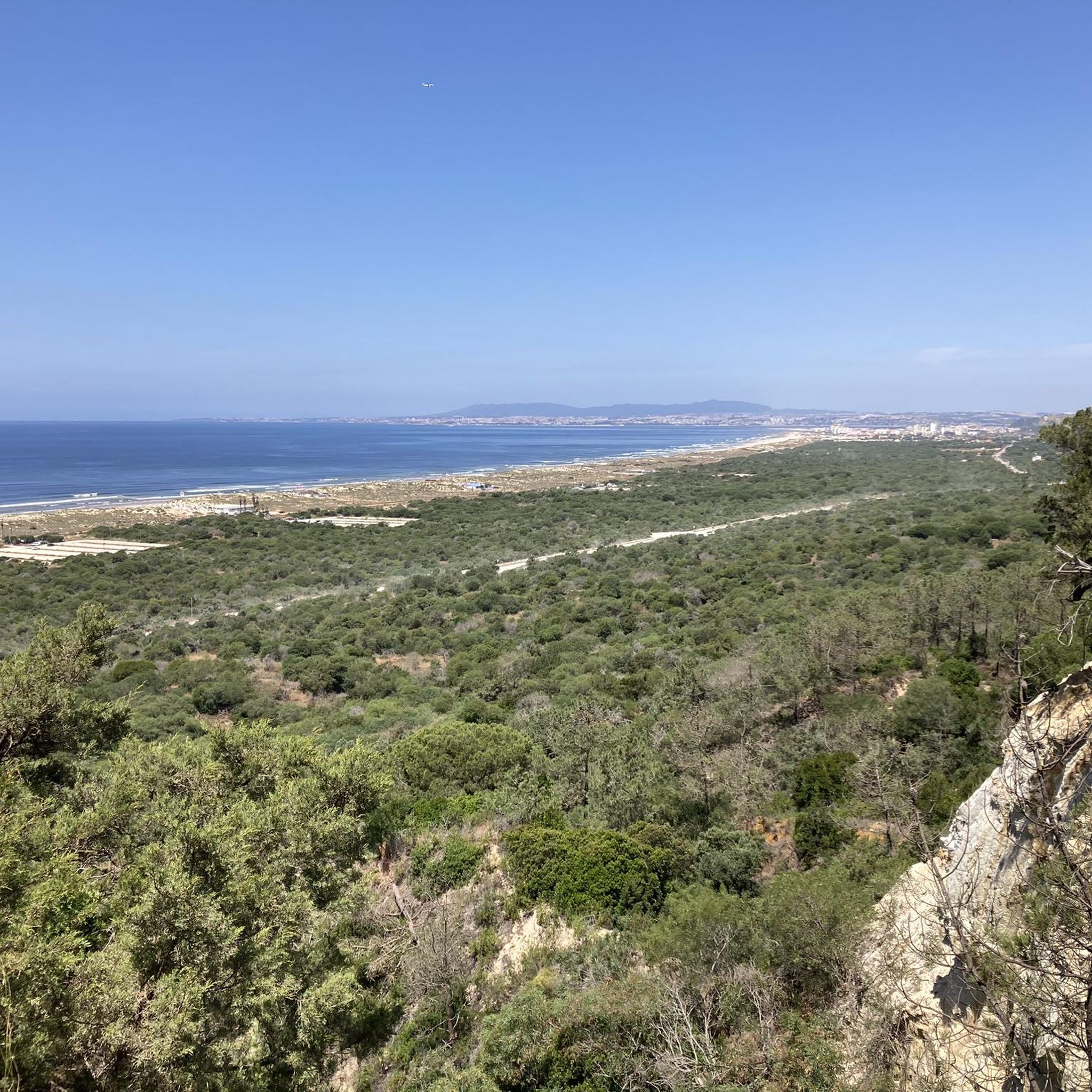
Natural monuments around Amora offer diverse landscapes and significant natural features within easy reach of the city. Located in the Lisbon metropolitan area, Amora provides access to the Tagus Estuary Natural Reserve and the Arrábida Natural Park. These areas encompass extensive wetlands, estuarine waters, and a unique carbonate geology mountain range. The region is characterized by its varied terrain, from flat estuarine plains to dramatic coastal cliffs.
Best natural monuments around Amora
- The most popular natural monuments is Sanctuary of…
Last updated: October 3, 2026
Monument to the Overseas Combatants 🏛️ Belém
Highlight • Monument
Translated by Google •
Tip by

Eduardo VII Park Viewpoint
Highlight • Viewpoint
Translated by Google •
Tip by

Sign up now to discover places like this
Get recommendations on the best single tracks, peaks, & plenty of other exciting outdoor places.
Sanctuary of Christ the King (Santuário de Cristo Rei)
Highlight • Monument
Translated by Google •
Tip by

University of Lisbon Botanical Garden
Highlight • Forest
Translated by Google •
Tip by
Ancient Gnarled Tree in Alfama
Highlight • Natural Monument
Translated by Google •
Tip by

Sign up for free to discover even more natural monuments around Amora.
Already have an account?
Start today with a free account
Your next adventure awaits.
Tips from the Community

Located in the Belem district, it was inaugurated in 1994 to honor the Portuguese soldiers (10,000) who fought and died in the colonial wars.
2
0

Eduardo VII Park stretches like a large green ribbon up the hill, offering plenty of space to breathe with its lawns and paths. From the top, you have a stunning view across Avenida da Liberdade all the way down to the Tagus River. Perfect for a quiet break, a picnic, or a relaxing stroll in nature right in the heart of Lisbon.
4
1
The ancient, gnarled tree in Alfama seems to have witnessed countless stories from the neighborhood. With its thick trunk, twisted branches, and the shadows it casts on the cobblestones and house walls, it offers a tranquil counterpoint to the hustle and bustle of the narrow streets. A beautiful spot to pause, take a breath, and soak up the unique atmosphere of old Lisbon.
2
0

The Lisbon Botanical Garden, located in the parish of São Mamede, is one of the city's oldest and most important green spaces, with a rich history linked to scientific research and botanical conservation. Founded in 1873 at the initiative of Count Ficalho and Andrade Corvo, professors at the Lisbon Polytechnic School. Officially inaugurated in 1878, it was conceived as a scientific garden to support teaching and research in botany. It is part of the National Museum of Natural History and Science of the University of Lisbon.
3
0
The Monument to Overseas Combatants is a solemn tribute to the Portuguese soldiers who lost their lives during the Portuguese Colonial War (also known as the Overseas War), which took place between 1961 and 1974 in Africa.
22
0
Eduardo VII Park is one of Lisbon's most iconic green spaces, located just north of Marquis of Pombal Square and Avenida da Liberdade. It's an ideal place to stroll, relax, and enjoy spectacular views of the city.
10
0

The former Limoeiro Square, currently a street connecting downtown Lisbon to the Portas do Sol viewpoint, is a must-see for tourists and part of the famous tram line 28. Next to the wall of the former Limoeiro Prison, now the Center for Judicial Studies, stands a Phytolacca dioica L., which replaced the lemon tree from which this square took its name. It is approximately 13 meters tall, 17 meters across its base, and 100 years old. This species is native to South America, has a very fast growth rate, and blooms between April and June.
1
1

Lisbon's central park was named as a tribute to the English monarch Edward VII, who visited Lisbon in 1903, five centuries after the Anglo-Portuguese Alliance. It ascends one of the city's hills and provides a wonderful view from the top. It's made up of symmetrical box hedging and a variety of plants, most of them found inside a cool and heated greenhouse from the 1930s, which is filled with exotic species from tropical climates. This greenhouse is one of the most important green spaces in Lisbon, considered an authentic living museum, with its small lakes and waterfalls, statuary, and hundreds of species of plants.
6
0
Frequently Asked Questions
What are the most popular natural monuments around Amora?
Visitors frequently enjoy the stunning views from the Sanctuary of Christ the King (Santuário de Cristo Rei), which offers panoramic vistas over the Tagus River and Lisbon. Another favorite is the Eduardo VII Park Viewpoint, providing expansive city views within a large green space. The Monument to the Overseas Combatants 🏛️ Belém is also highly appreciated for its historical significance and location by the Forte do Bom Sucesso.
What natural features can I explore near Amora?
Amora offers access to diverse natural landscapes. You can explore the vast wetlands and estuarine waters of the Tagus Estuary Natural Reserve, known for its flat terrain and open landscapes. To the south, the Arrábida Natural Park features a unique carbonate geology mountain range with dramatic coastal cliffs, turquoise waters, and lush Mediterranean-like scrubland.
Are there family-friendly natural monuments around Amora?
Yes, several natural monuments are suitable for families. The Sanctuary of Christ the King and the Eduardo VII Park Viewpoint are both considered family-friendly, offering space to explore and enjoy views. The University of Lisbon Botanical Garden provides a peaceful green space for all ages to appreciate nature.
Where can I go birdwatching near Amora?
The Tagus Estuary Natural Reserve is a prime destination for birdwatching. It's one of Europe's most important wetlands, hosting around 100,000 wintering birds and up to 120,000 during migration. The EVOA – Tagus Estuary Birdwatching and Conservation Area within the reserve offers dedicated spaces to observe species like purple herons, waders, and common terns. You can find more information about the reserve at Wikipedia.
What outdoor activities can I do near these natural monuments?
The region around Amora offers various outdoor activities. You can find numerous hiking trails, including easy options like the 'View of Lisbon – Farol de Cacilhas loop'. For runners, there are routes such as 'The Simpsons Mural – Seixal loop'. Cyclists can enjoy longer rides like 'Road Between Pine Trees loop'. Explore more options on the Amora guide pages for hiking, running, and cycling.
Are there accessible natural monuments near Amora?
Yes, some natural monuments are noted for their accessibility. The Monument to the Overseas Combatants 🏛️ Belém and the Eduardo VII Park Viewpoint are both listed as wheelchair accessible, making them suitable for visitors with mobility considerations.
What is the best time to visit the natural monuments around Amora?
The best time depends on your interest. For birdwatching in the Tagus Estuary Natural Reserve, winter and migration periods (when up to 120,000 birds are present) are ideal. For enjoying the beaches and outdoor activities in Arrábida Natural Park, the warmer months are preferable. Generally, spring and autumn offer pleasant temperatures for exploring both areas.
Can I find beaches or coastal areas to explore near Amora?
Absolutely. The Arrábida Natural Park, located south of Lisbon, is renowned for its stunning coastal landscapes and beautiful beaches. You can visit pristine shores like Galapinhos, Portinho da Arrábida, and Figueirinha, which are popular for swimming, snorkeling, and enjoying the clear waters. The park's dramatic cliffs meet the ocean, creating breathtaking scenery.
What geological features are prominent in the natural monuments around Amora?
The Arrábida Natural Park is characterized by its unique carbonate geology mountain range, Serra da Arrábida, which reaches 501 meters and directly interacts with the ocean. This creates dramatic limestone cliffs and a distinctive Mediterranean-like scrubland vegetation. The Tagus Estuary, on the other hand, features extensive estuarine waters, marshes, and mudflats.
What do visitors enjoy most about the natural monuments around Amora?
Visitors particularly enjoy the breathtaking views from various viewpoints, the tranquility of the natural parks, and the opportunity for diverse outdoor activities. Many appreciate the historical significance of monuments like the Monument to the Overseas Combatants and the impressive scale of the Sanctuary of Christ the King. The large green spaces like Eduardo VII Park are also highly valued for relaxation and strolling.
Are there any historical or man-made monuments considered natural monuments in the area?
Yes, several man-made structures are recognized for their significance and often included in discussions of natural monuments due to their prominent location or integration with the landscape. These include the iconic Sanctuary of Christ the King, the Monument to the Overseas Combatants 🏛️ Belém, and the Alameda Luminous Fountain, all offering unique perspectives and historical context.
How long should I plan for a visit to the natural monuments around Amora?
The duration of your visit depends on the specific site and your interests. For a viewpoint like the Eduardo VII Park Viewpoint, an hour or two might suffice. Exploring the Tagus Estuary Natural Reserve for birdwatching could take half a day or more. For Arrábida Natural Park, with its beaches and hiking trails, you could easily spend a full day or even multiple days to fully experience its offerings.
Most popular attractions around Amora

Get inspired with the komoot mobile app


Explore more
Extend your search for the best caves by checking out these guides of the top ones around Amora:
