Top 20 Natural Monuments around Costa Da Caparica
Best natural monuments around Costa Da Caparica include diverse landscapes, from coastal cliffs to urban green spaces. The region is characterized by its geological formations and areas of botanical interest. These locations offer opportunities to observe natural features and historical conservation efforts. The varied terrain provides settings for exploration and appreciation of the local environment.
Best natural monuments around Costa Da Caparica
- The most popular natural monuments is Sanctuary of Christ the King (Santuário de Cristo Rei), a man-made…
Last updated: October 3, 2026
Monument to the Overseas Combatants 🏛️ Belém
Highlight • Monument
Translated by Google •
Tip by

Sanctuary of Christ the King (Santuário de Cristo Rei)
Highlight • Monument
Translated by Google •
Tip by

Sign up now to discover places like this
Get recommendations on the best single tracks, peaks, & plenty of other exciting outdoor places.
University of Lisbon Botanical Garden
Highlight • Forest
Translated by Google •
Tip by
Monumental Fountain at Praça do Império
Highlight • Monument
Translated by Google •
Tip by

Príncipe Real Garden
Highlight • Forest
Tip by

Sign up for free to discover even more natural monuments around Costa Da Caparica.
Already have an account?
Start today with a free account
Your next adventure awaits.
Popular around Costa Da Caparica
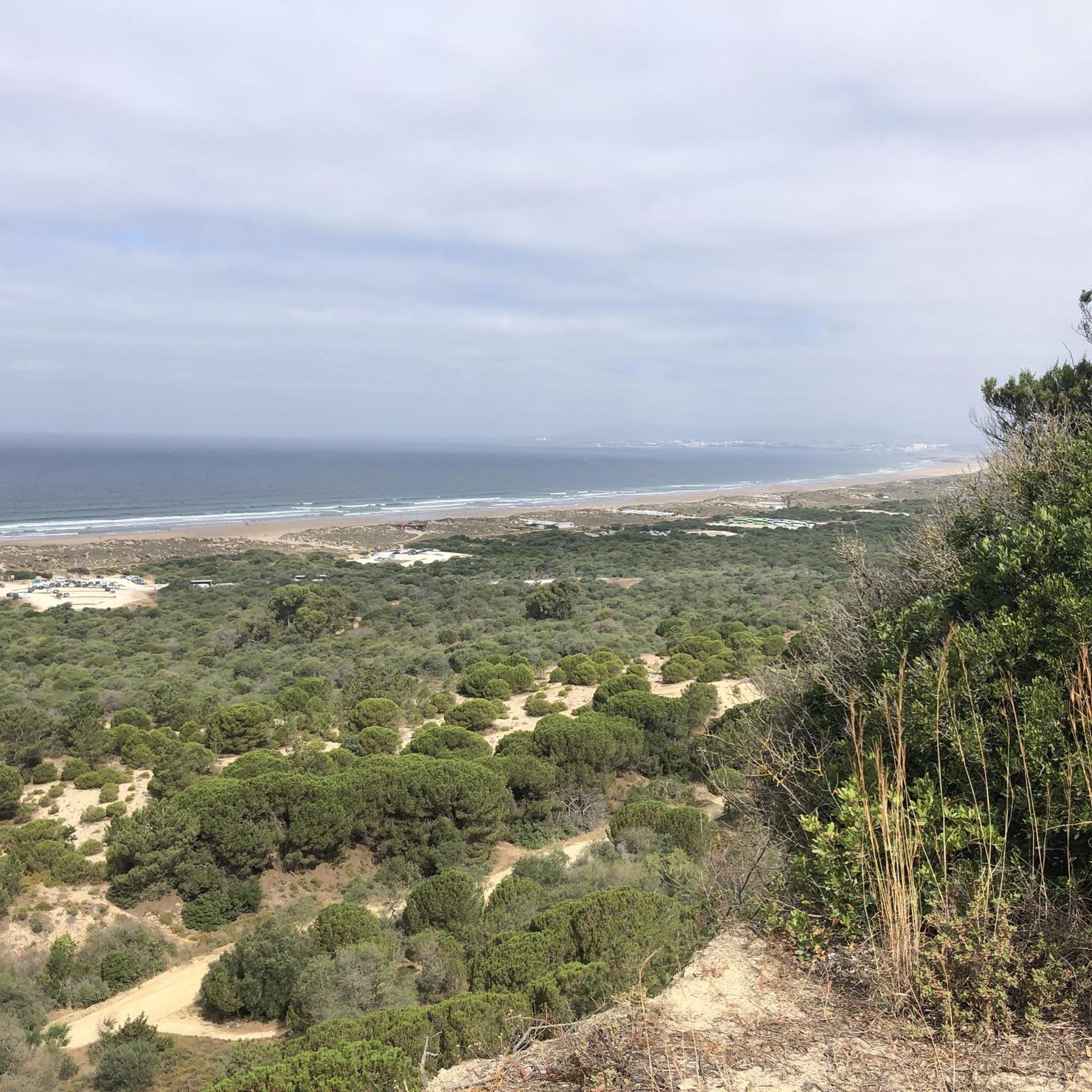
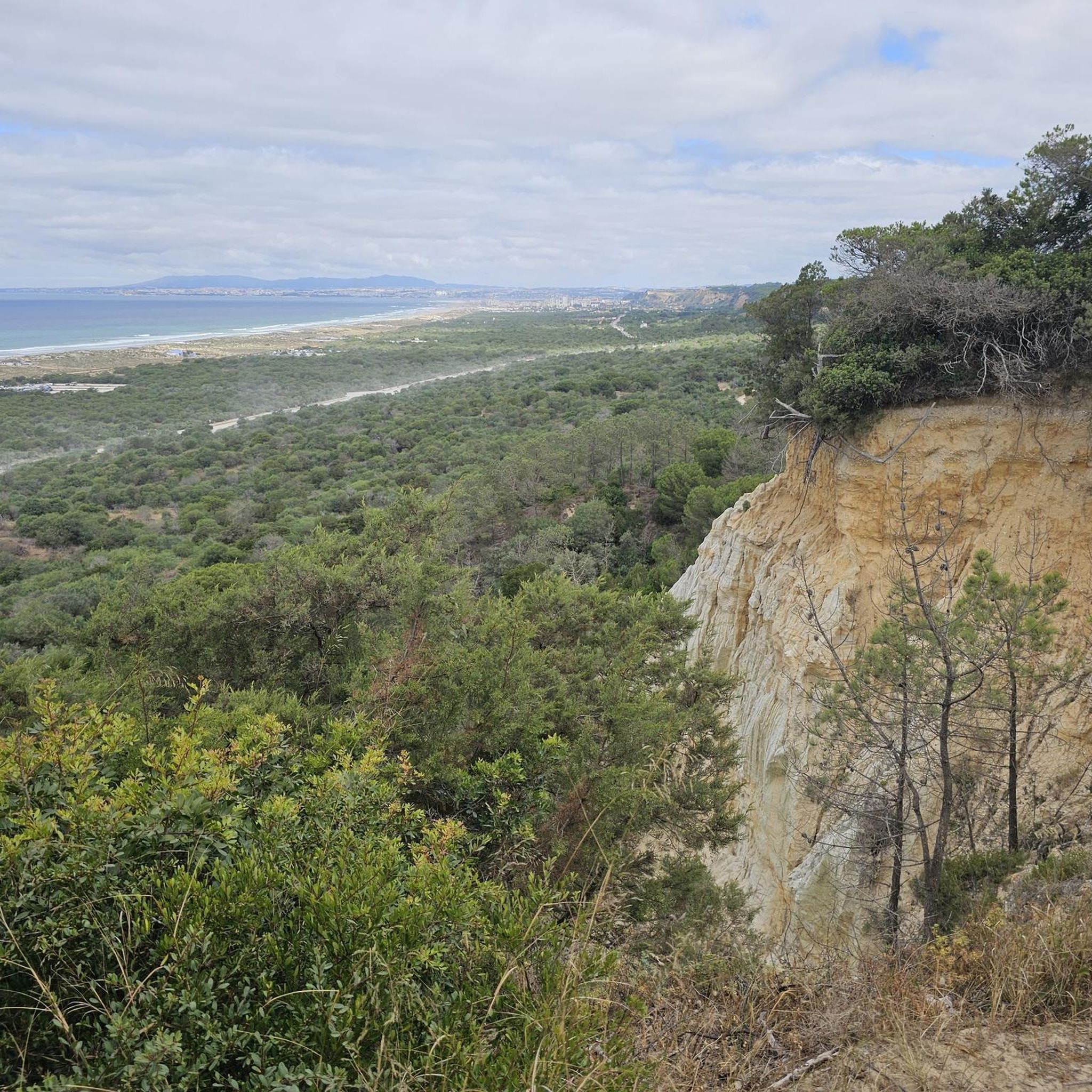
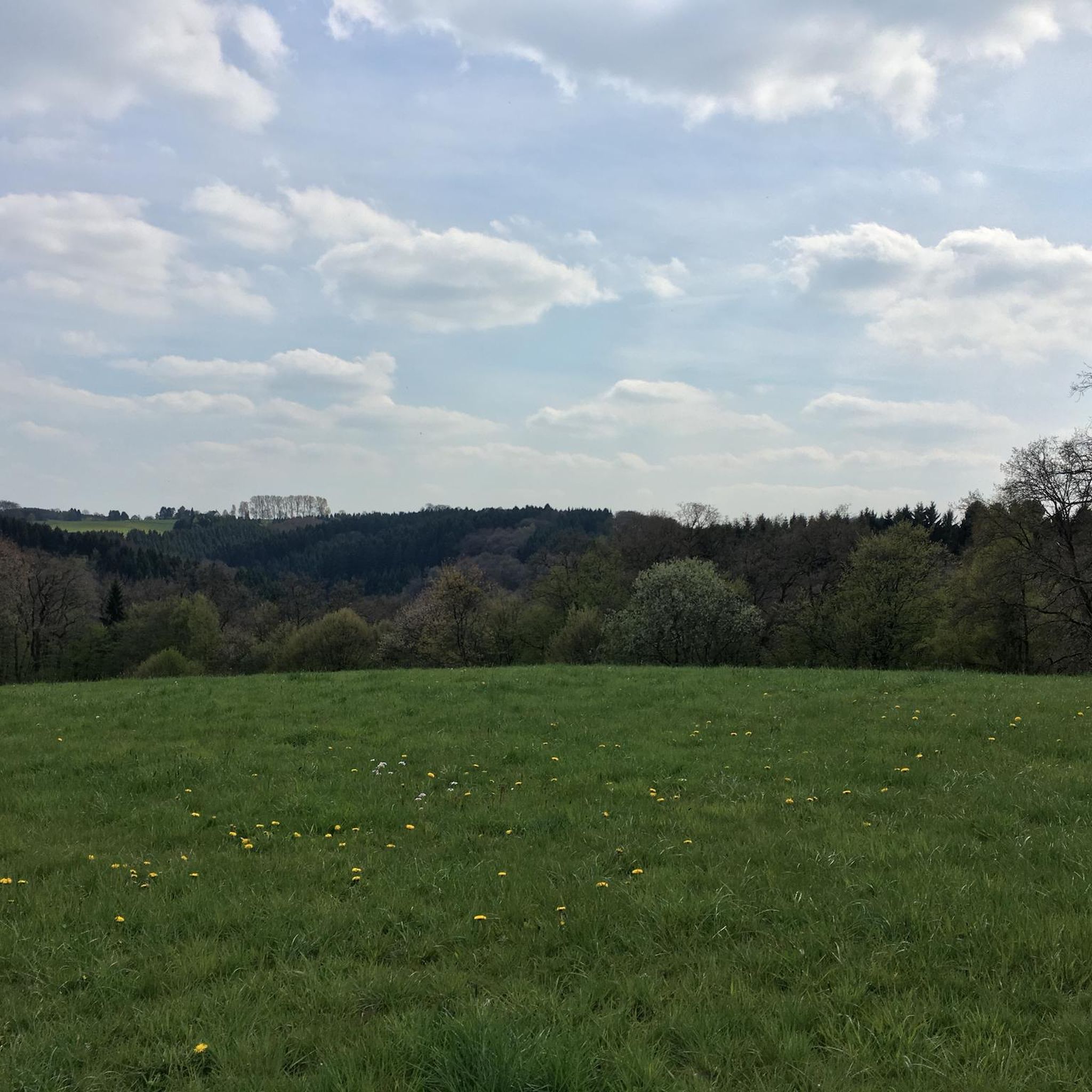
Other adventures around Costa Da Caparica

Tips from the Community

Located in the Belem district, it was inaugurated in 1994 to honor the Portuguese soldiers (10,000) who fought and died in the colonial wars.
2
0

The Lisbon Botanical Garden, located in the parish of São Mamede, is one of the city's oldest and most important green spaces, with a rich history linked to scientific research and botanical conservation. Founded in 1873 at the initiative of Count Ficalho and Andrade Corvo, professors at the Lisbon Polytechnic School. Officially inaugurated in 1878, it was conceived as a scientific garden to support teaching and research in botany. It is part of the National Museum of Natural History and Science of the University of Lisbon.
3
0

The square Jardim da Praça do Império park is bordered by the Jerónimos Monastery (to the north), the Jardim de Belém and Jardim Afonso de Albuquerque parks (to the east), Avenida da Índia and the Cascais railway line (to the south), and the Belém Cultural Center (to the west). The Monument to the Discoveries (Padrão dos Descobrimentos) (to the south) and the Belém Palace (Palácio de Belém) (to the northeast) are also located nearby. José Ângelo Cottinelli Telmo designed the square, along with the monumental fountain (Fonte Monumental), in honor of the Portuguese colonial empire for the 1940 Exposition Internationale des Português (Portuguese World Exhibition). The central fountain has a diameter of almost 30 meters. The surrounding green spaces feature plants arranged to represent the coats of arms of 32 former provinces of the colonial empire. https://de.wikipedia.org/wiki/Pra%C3%A7a_do_Imp%C3%A9rio
1
1
The Monument to Overseas Combatants is a solemn tribute to the Portuguese soldiers who lost their lives during the Portuguese Colonial War (also known as the Overseas War), which took place between 1961 and 1974 in Africa.
22
0

In a botanical garden, plants are kept looking as close as possible to what they would have in nature, without excessive human intervention (for example, pruning or cutting dry leaves). On the other hand, this ‘hands-off’ option encourages small ecosystems where insects and small animals, other plants, fungi and lichens, which are extremely important for urban biodiversity, live. In the summer, we only water what is essential. Water is a precious commodity, especially in a country like Portugal. Therefore, it is possible that water circulation is limited and that the undergrowth may become drier, especially in the summer. This is a deliberate option that does not put the plants at risk. The presence of the Garden in the heart of Lisbon mitigates the effects of rising temperatures, promoting its own microclimate and the capture of carbon dioxide.
0
1

there is so much to discover here
3
0

The Monument to the Combatants is a monument located in Lisbon, Portugal, which honors the Portuguese soldiers who fought in various wars and conflicts throughout the country's history.
1
1

Oasis in the hustle and bustle of the surrounding area, have a drink in peace at a kiosk
0
0
Frequently Asked Questions
What makes the natural monuments around Costa da Caparica geologically significant?
The most significant natural monument is the Paisagem Protegida da Arriba Fóssil da Costa de Caparica. Its fossil cliff dates back millions of years to the Pliocene period, around 10 million years ago. It's considered one of Western Europe's most important examples of sedimentary rock strata due to its length, exposure, and state of conservation. These layers preserve a rich record of Earth's history, including fossilized shells, snails, and starfish from the Miocene era.
What unique natural features can I explore within the Paisagem Protegida da Arriba Fóssil?
Beyond the ancient fossil cliffs, you can explore the Mata dos Medos, a woodland primarily featuring stone pines and mastic-trees, originally planted to stabilize sand dunes. The area also boasts a diverse ecosystem, making it ideal for spotting rare bird species like the round-winged eagle and barn owl, and even dolphins in the ocean below.
Are there family-friendly natural monuments or activities near Costa da Caparica?
Yes, several spots are suitable for families. The Paisagem Protegida da Arriba Fóssil da Costa de Caparica offers marked trails for pleasant walks and extensive beaches. Other family-friendly 'natural monuments' in the broader region include the Sanctuary of Christ the King, which offers panoramic views, and the tranquil Príncipe Real Garden, known for its notable old tree and nearby cafes.
What kind of outdoor activities can I do near these natural monuments?
The area is excellent for various outdoor activities. You can enjoy hiking on trails through the Paisagem Protegida da Arriba Fóssil, birdwatching, or relaxing on the beaches. For more structured routes, there are options for cycling, gravel biking, and running, with routes like the 'Fonte da Telha Cliff – Costa da Caparica Beach loop'.
What are the best viewpoints for scenic photography?
The dramatic fossil cliffs of the Paisagem Protegida da Arriba Fóssil da Costa de Caparica offer picturesque backdrops, especially at dusk when they acquire golden tones. Ascending to the Belvedere of the Convent of the Capuchos provides panoramic views stretching from the Serra de Sintra to Cabo Espichel. The Sanctuary of Christ the King is also a popular spot for stunning views over the Tagus River and Lisbon.
When is the best time to visit the natural monuments around Costa da Caparica?
The area is enjoyable year-round. For hiking and exploring the trails, spring and autumn offer milder temperatures. Summer is ideal for beach activities and enjoying the coastal scenery, though it can be warmer. The unique shapes of the fossil coast are particularly spectacular at dusk, regardless of the season.
Are there any historical or cultural sites near the natural monuments?
Yes, the region combines natural beauty with historical significance. The Paisagem Protegida da Arriba Fóssil itself has a history of conservation, with the Mata dos Medos being planted in the 18th century. Nearby, you can visit the Monument to the Overseas Combatants, a solemn tribute to Portuguese soldiers, or the Sanctuary of Christ the King, a significant religious and cultural landmark.
What is the accessibility like for visitors to the Paisagem Protegida da Arriba Fóssil?
The Paisagem Protegida da Arriba Fóssil da Costa de Caparica is easily accessible from Lisbon, making it a convenient day trip. While specific accessible trails within the protected landscape may vary, the extensive beaches at the base of the cliffs are generally accessible. The Monumental Fountain at Praça do Império is also noted as wheelchair accessible.
Can I bring my dog to the natural monuments?
While the Paisagem Protegida da Arriba Fóssil da Costa de Caparica is a natural area, specific dog policies for trails and beaches within the protected landscape can vary. It's advisable to check local regulations or signage upon arrival. Generally, dogs are permitted on many trails if kept on a leash, but some protected areas or specific beaches might have restrictions.
What kind of wildlife can I expect to see?
The diverse ecosystem of the Paisagem Protegida da Arriba Fóssil da Costa de Caparica supports a variety of wildlife. Birdwatching is popular, with opportunities to spot rare species, including birds of prey like the round-winged eagle and barn owl nesting in the cliffs. Dolphins can sometimes be seen in the ocean below. The lush vegetation along the trails also supports various smaller animals and insects.
Are there cafes or restaurants near the natural monuments?
Yes, especially near the more populated areas and beaches. The extensive beaches at the base of the Paisagem Protegida da Arriba Fóssil da Costa de Caparica often have beachside cafes and restaurants. In Lisbon, areas around the Príncipe Real Garden and other urban natural monuments offer a wide selection of dining options.
What are the terrain characteristics and difficulty of trails in the Paisagem Protegida da Arriba Fóssil?
The trails within the Paisagem Protegida da Arriba Fóssil da Costa de Caparica vary. Some are pleasant, marked paths through the Mata dos Medos, suitable for easy walks. Others might involve more uneven terrain along the cliff tops or descents to the beaches. The region's cycling and running routes range from easy to moderate, with some gravel biking trails rated as difficult, indicating varied elevation and surfaces.
Most popular routes around Costa Da Caparica
Most popular attractions around Costa Da Caparica

Get inspired with the komoot mobile app


Explore more
Extend your search for the best caves by checking out these guides of the top ones around Costa Da Caparica:
