Attractions and Places To See around Benavila - Top 4
Attractions and places to see around Benavila include a variety of historical sites, natural features, and cultural points of interest within this Portuguese locality. The area is characterized by its blend of ancient Roman heritage, medieval structures, and natural landscapes shaped by rivers and reservoirs. Visitors can explore significant archaeological sites and well-preserved historical monuments. The region offers opportunities to engage with local history and enjoy scenic views.
Best attractions and places to see around Benavila
- The most popular attractions…
Last updated: October 30, 2026
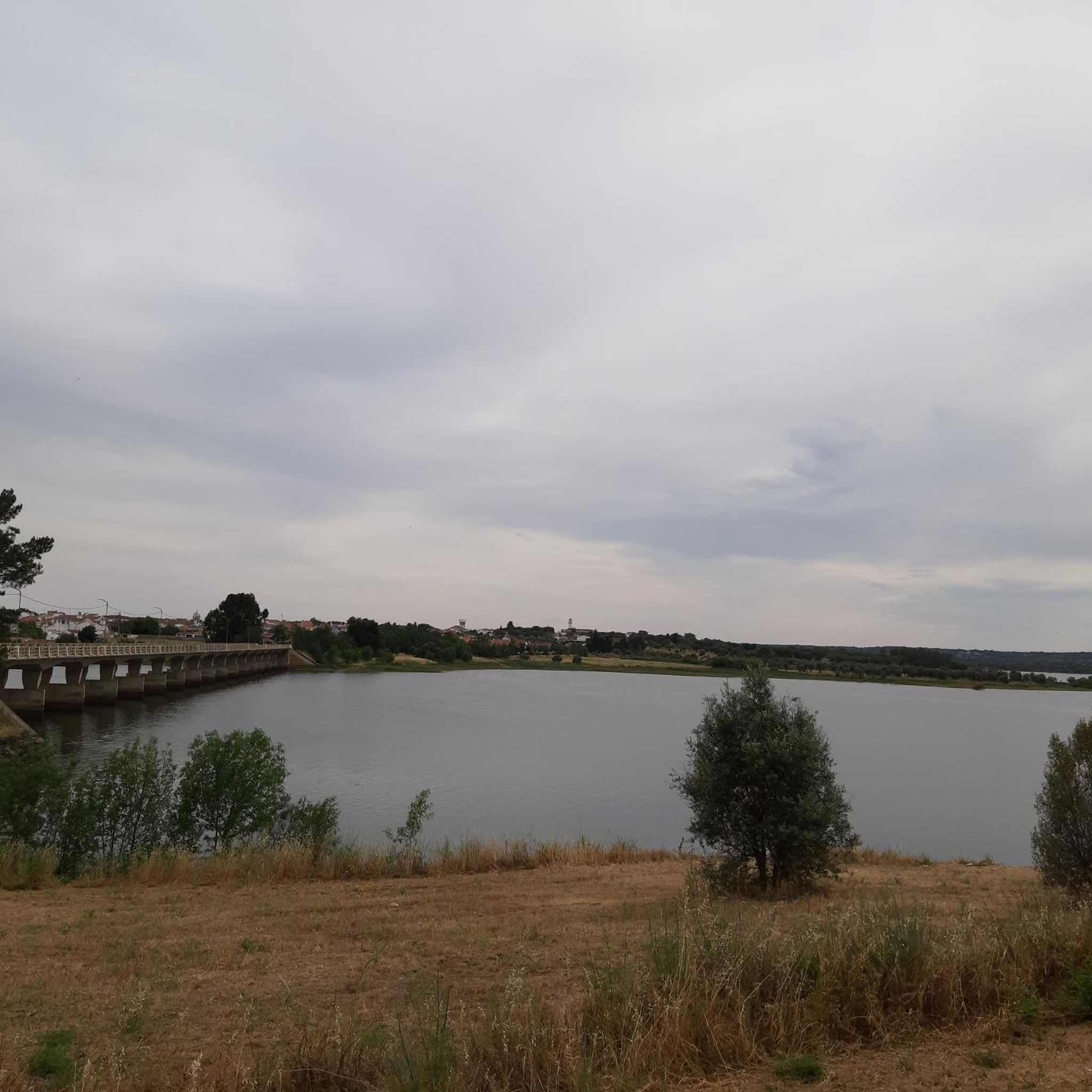
Montalvo Suspension Bridge
Highlight • Bridge
This bridge predates the Lisbon bridge.
Originally, the roadway was made of pine wood. Currently, it is made of metal.
Translated by Google •
Tip by

Seda Castle
Highlight • Castle
Translated by Google •
Tip by

Sign up now to discover places like this
Get recommendations on the best single tracks, peaks, & plenty of other exciting outdoor places.
Roman Bridge of Vila Formosa
Highlight • Bridge
Age: Built at the end of the 1st century AD (Roman period).
Ancient Function: It connected Olissipo (Lisbon) to Augusta Emerita (Mérida).
Structure: It has six large round arches and a flat horizontal deck.
Showing Translation
Tip by
Chapel of Our Lady of Entre Aguas
Highlight • Religious Site
There are tables where you can eat.
Place considered to be the best place in the world depending on the plaques.
Translated by Google •
Tip by
Cabeção - Galvielas Road
Highlight • Cycleway
Translated by Google •
Tip by
Tips from the Community

The Ponte Suspensa de Montalvo is a historic suspension bridge in the Portuguese region of Alentejo, in the vicinity of Fronteira and Avis. Its construction with steel cables and a suspended bridge deck is reminiscent of the famous Ponte 25 de Abril in Lisbon, but it is significantly older. Originally, the roadway consisted of pine wood, which was later replaced by a metal structure.
1
0

History and Construction Age: Built at the end of the 1st century AD (Roman period). Ancient Function: It connected Olissipo (Lisbon) to Augusta Emerita (Mérida). Structure: It has six large round arches and a flat horizontal deck. Size: It measures about 117 meters in length and 6.70 meters in width. Visit and Current State Conservation: It is almost perfect and has remained very strong over the centuries. Access: It is safe and free to walk on. It is located near the EN 369 road. Surroundings: There is a rest area with picnic space near the site.
12
0

Located in the parish of Seda, in the heart of the Alentejo, the ruins of the walls that surrounded the ancient castle of Seda remain determined to preserve their ancient history. Without official evidence, some studies point to the existence of a castro of the Lusitanian tribe, occupied by Roman troops who would have erected a fortification there. The Roman presence in the region is well-known, and easily attested to by the Vila Formosa Bridge (1st and 2nd centuries), milestones, and the military road that would have connected Lisbon to Mérida. In 1160, King Afonso Henriques conquered the village, which at the time was called Arminho, from the Moors and donated the fortification to the Templars. This is the date that marked the beginning of the village's original enclosure. During the reign of King Afonso III, the village was handed over to the Order of Aviz and was later elevated to the status of a town, even serving as the municipal seat until 1836. The castle, however, gradually lost importance, and only a section of medieval wall, reinforced with turrets, has survived to this day. It has been classified as a Property of Public Interest since 1982.
1
0
Very nice road through a beautiful cork oak forest, with good surface area and little traffic.
11
0
A suspension bridge that looks very similar to the "25 de Abril" bridge. This bridge predates the Lisbon bridge. Originally, the roadway was made of pine wood. Currently, it is made of metal.
17
0
Beautiful chapel with magnificent views of the river. There are tables where you can eat. Place considered to be the best place in the world depending on the plaques.
12
0
Frequently Asked Questions
What historical sites can I visit near Benavila?
Benavila and its surroundings are rich in history. You can explore the ruins of Seda Castle, which has a history dating back to Lusitanian and Roman times, and was later held by the Templars and the Order of Aviz. Another significant historical landmark is the remarkably well-preserved Roman Bridge of Vila Formosa, an ancient structure that once connected Lisbon to Mérida. Additionally, the Igreja Paroquial de Benavila, with its 16th-century style, and the megalithic tomb Anta de Benavila offer further glimpses into the region's past.
Are there any family-friendly attractions around Benavila?
Yes, several attractions are suitable for families. The Roman Bridge of Vila Formosa is safe to walk on and has a picnic area nearby. The Chapel of Our Lady of Entre Aguas also offers picnic tables and beautiful river views. For outdoor activities, the Maranhão Dam area features a river beach, camping facilities, and various water sports, making it a great spot for a family day out.
Where can I enjoy nature and scenic views near Benavila?
The region offers several beautiful natural spots. The Chapel of Our Lady of Entre Aguas provides magnificent views of the river, situated near the Maranhão Dam. The Maranhão Dam itself is a large reservoir perfect for water sports and features a river beach. You can also find scenic views along the Cabeção - Galvielas Road, which winds through a beautiful cork oak forest.
What kind of outdoor activities, like cycling, are available?
The area around Benavila is excellent for outdoor activities, especially cycling. You can find various road cycling routes, including loops from Avis that pass by the Montalvo Suspension Bridge or through cork oak forests. For detailed routes and difficulty levels, check out the Road Cycling Routes around Benavila guide.
Are there any unique bridges to see in the area?
Yes, there are two notable bridges. The Roman Bridge of Vila Formosa is an impressive ancient structure from the 1st or 2nd century AD, known for its excellent preservation. Additionally, the Montalvo Suspension Bridge is a distinctive modern structure that offers scenic views and is part of popular cycling routes in the wider Avis area.
What is the Maranhão Dam area like for recreation?
The Maranhão Dam (Albufeira do Maranhão) is a major recreational hub. It's ideal for various water sports such as rowing, canoeing, windsurfing, kitesurfing, fishing, sailing, and water-skiing. The area also features a river beach, camping facilities, a picnic area, and a restaurant, making it a popular spot for both relaxation and active pursuits.
What is the best time to visit Benavila?
The best time to visit Benavila generally depends on your preferred activities. For water sports and enjoying the river beaches, the warmer months from late spring to early autumn are ideal. For exploring historical sites and cycling, spring and autumn offer milder temperatures, making outdoor activities more comfortable.
Are there any religious or spiritual sites worth visiting?
Yes, the Chapel of Our Lady of Entre Aguas is a beautiful chapel located at the confluence of two streams, offering magnificent river views. It houses late-medieval paintings and incorporates a Roman gravestone. The Igreja Paroquial de Benavila, dedicated to São Sebastião, is another significant religious site with 16th-century architecture and Baroque elements.
Can I find good cycling routes with forest scenery?
Absolutely. The Cabeção - Galvielas Road is highlighted as a very pleasant route through a beautiful cork oak forest, featuring a good surface and little traffic, making it ideal for cycling. Many of the road cycling routes in the area will also take you through similar picturesque landscapes.
What is the significance of Seda Castle?
The Seda Castle, though now in ruins, holds significant historical importance. It is believed to have been a Lusitanian castro, later occupied by Roman troops. It was conquered from the Moors by King Afonso Henriques in 1160 and subsequently held by the Templars and the Order of Aviz. Today, a section of its medieval wall and turrets remain, classified as a Property of Public Interest.
Are there any Blue Flag river beaches nearby?
Yes, the Praia Fluvial do Clube Náutico de Avis (River Beach of Avis Nautical Club), located on the Maranhão Reservoir, has Blue Flag status. This indicates high environmental and quality standards. It is well-equipped with a lifeguard, restrooms, showers, and parking, making it a safe and pleasant spot for swimming and relaxation.
Most popular routes around Benavila

Get inspired with the komoot mobile app


Explore more
Still not found the Highlight you’re looking for? See guides of the top attractions in other regions:
