Top 15 Natural Monuments around São Domingos De Benfica
Best natural monuments around São Domingos De Benfica encompass a variety of significant green spaces and parks within this Lisbon freguesia. These areas serve as vital ecological and recreational assets, offering residents and visitors opportunities for nature appreciation and outdoor activities. The region features prominent green areas, botanical gardens, and parks with notable trees, providing valuable natural heritage within the urban environment. These locations are ideal for those seeking easy hiking trails or family friendly natural monuments around São Domingos…
Last updated: November 13, 2026
Monument to the Overseas Combatants 🏛️ Belém
Highlight • Monument
Translated by Google •
Tip by

Eduardo VII Park Viewpoint
Highlight • Viewpoint
Translated by Google •
Tip by

Sign up now to discover places like this
Get recommendations on the best single tracks, peaks, & plenty of other exciting outdoor places.
Sanctuary of Christ the King (Santuário de Cristo Rei)
Highlight • Monument
Translated by Google •
Tip by

University of Lisbon Botanical Garden
Highlight • Forest
Translated by Google •
Tip by
Monumental Fountain at Praça do Império
Highlight • Monument
Translated by Google •
Tip by

Sign up for free to discover even more natural monuments around São Domingos De Benfica.
Already have an account?
Start today with a free account
Your next adventure awaits.
Tips from the Community

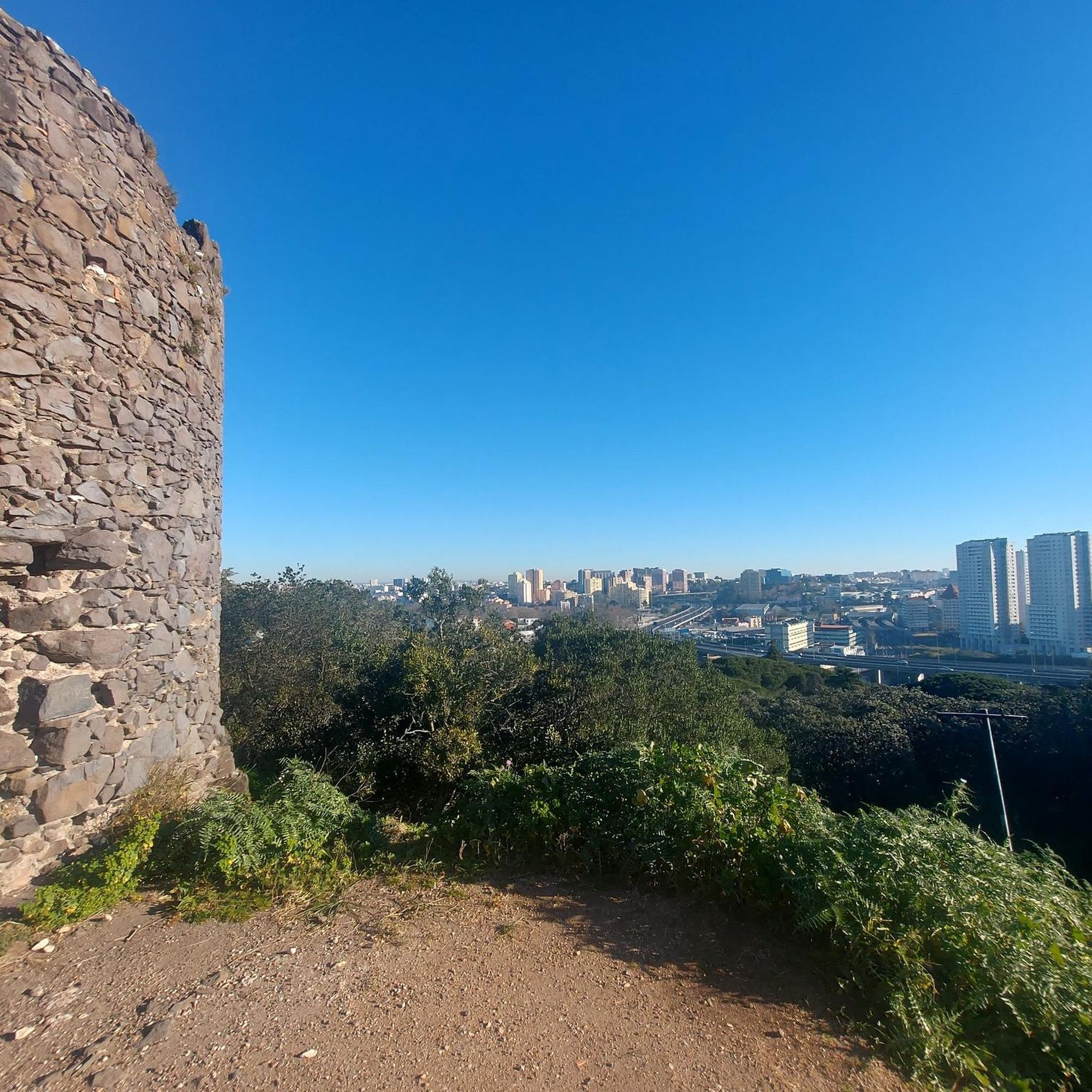
Located in the Belem district, it was inaugurated in 1994 to honor the Portuguese soldiers (10,000) who fought and died in the colonial wars.
2
0

Eduardo VII Park stretches like a large green ribbon up the hill, offering plenty of space to breathe with its lawns and paths. From the top, you have a stunning view across Avenida da Liberdade all the way down to the Tagus River. Perfect for a quiet break, a picnic, or a relaxing stroll in nature right in the heart of Lisbon.
4
1

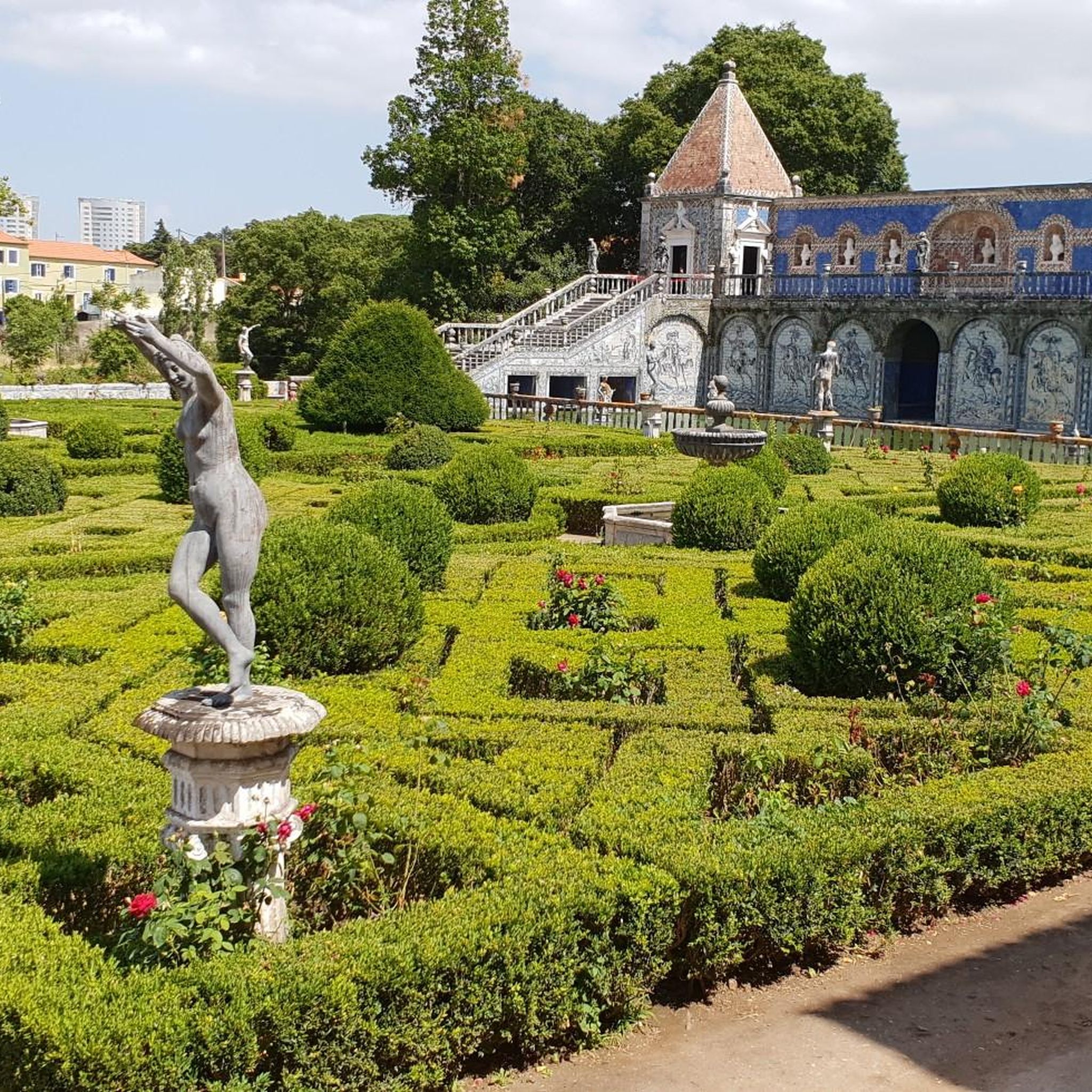
The Lisbon Botanical Garden, located in the parish of São Mamede, is one of the city's oldest and most important green spaces, with a rich history linked to scientific research and botanical conservation. Founded in 1873 at the initiative of Count Ficalho and Andrade Corvo, professors at the Lisbon Polytechnic School. Officially inaugurated in 1878, it was conceived as a scientific garden to support teaching and research in botany. It is part of the National Museum of Natural History and Science of the University of Lisbon.
3
0

The square Jardim da Praça do Império park is bordered by the Jerónimos Monastery (to the north), the Jardim de Belém and Jardim Afonso de Albuquerque parks (to the east), Avenida da Índia and the Cascais railway line (to the south), and the Belém Cultural Center (to the west). The Monument to the Discoveries (Padrão dos Descobrimentos) (to the south) and the Belém Palace (Palácio de Belém) (to the northeast) are also located nearby. José Ângelo Cottinelli Telmo designed the square, along with the monumental fountain (Fonte Monumental), in honor of the Portuguese colonial empire for the 1940 Exposition Internationale des Português (Portuguese World Exhibition). The central fountain has a diameter of almost 30 meters. The surrounding green spaces feature plants arranged to represent the coats of arms of 32 former provinces of the colonial empire. https://de.wikipedia.org/wiki/Pra%C3%A7a_do_Imp%C3%A9rio
1
1
The Monument to Overseas Combatants is a solemn tribute to the Portuguese soldiers who lost their lives during the Portuguese Colonial War (also known as the Overseas War), which took place between 1961 and 1974 in Africa.
22
0
Eduardo VII Park is one of Lisbon's most iconic green spaces, located just north of Marquis of Pombal Square and Avenida da Liberdade. It's an ideal place to stroll, relax, and enjoy spectacular views of the city.
10
0

Lisbon's central park was named as a tribute to the English monarch Edward VII, who visited Lisbon in 1903, five centuries after the Anglo-Portuguese Alliance. It ascends one of the city's hills and provides a wonderful view from the top. It's made up of symmetrical box hedging and a variety of plants, most of them found inside a cool and heated greenhouse from the 1930s, which is filled with exotic species from tropical climates. This greenhouse is one of the most important green spaces in Lisbon, considered an authentic living museum, with its small lakes and waterfalls, statuary, and hundreds of species of plants.
6
0
In a botanical garden, plants are kept looking as close as possible to what they would have in nature, without excessive human intervention (for example, pruning or cutting dry leaves). On the other hand, this ‘hands-off’ option encourages small ecosystems where insects and small animals, other plants, fungi and lichens, which are extremely important for urban biodiversity, live. In the summer, we only water what is essential. Water is a precious commodity, especially in a country like Portugal. Therefore, it is possible that water circulation is limited and that the undergrowth may become drier, especially in the summer. This is a deliberate option that does not put the plants at risk. The presence of the Garden in the heart of Lisbon mitigates the effects of rising temperatures, promoting its own microclimate and the capture of carbon dioxide.
0
1
Frequently Asked Questions
What kind of natural spaces can I explore in São Domingos de Benfica?
São Domingos de Benfica offers a variety of significant green spaces and parks. You can explore areas like the Mata de São Domingos de Benfica, which is part of the larger Parque Florestal de Monsanto, known for its extensive network of pathways and diverse tree species. Other notable areas include Parque Bensaúde with its remarkable collection of vegetation and the largest cork oak in Lisbon, and Parque Recreativo do Calhau, ideal for leisure and picnics.
Are there family-friendly natural monuments or parks in São Domingos de Benfica?
Yes, several natural spaces in São Domingos de Benfica are very family-friendly. The Mata de São Domingos de Benfica features a recently rehabilitated children's playground with natural wooden equipment. Both the University of Lisbon Botanical Garden and Príncipe Real Garden are also excellent choices for families, offering serene environments to enjoy nature. Additionally, the Eduardo VII Park Viewpoint is a popular spot for family strolls and relaxation with vast city views.
Where can I find the best viewpoints in São Domingos de Benfica?
For spectacular vistas, the Eduardo VII Park Viewpoint offers an impressive aerial perspective of Lisbon. Another significant viewpoint is found at the Sanctuary of Christ the King (Santuário de Cristo Rei), which provides expansive views over the Tagus river and the city from its 75-meter high pedestal.
Are there historical or cultural sites among the natural monuments?
While many sites focus on natural beauty, some also hold historical significance. The Monument to the Overseas Combatants 🏛️ Belém is a solemn tribute to Portuguese soldiers, located next to the Forte do Bom Sucesso, offering a reflective experience. Parque Bensaúde is situated on the grounds of a 17th-century farm, blending natural beauty with historical context.
What kind of hiking trails are available near these natural monuments?
The area around São Domingos de Benfica, particularly within the Parque Florestal de Monsanto, offers various hiking opportunities. You can find moderate trails like the 'Rota da Água' or the 'Route of the Six Quarries'. For more options, explore the dedicated guide for Hiking around São Domingos De Benfica, which includes routes of varying difficulties.
Can I go cycling or mountain biking near the natural monuments?
Yes, the region provides excellent opportunities for cycling. You can find a range of routes, from easy to difficult, suitable for mountain biking and gravel biking. For detailed trails, check out the guides for MTB Trails around São Domingos De Benfica and Gravel biking around São Domingos De Benfica.
What unique natural features can I find in the parks of São Domingos de Benfica?
The parks boast several unique natural features. Parque Bensaúde is home to an alley of plane trees and the largest cork oak identified in Lisbon. The University of Lisbon Botanical Garden is a significant green space with a rich history of botanical conservation, showcasing plants in a natural state to support urban biodiversity.
Are there places to relax and enjoy nature within the city?
Absolutely. Parque Bensaúde offers a picturesque setting for relaxation with its mature trees, garden benches, and a café. The Mata de São Domingos de Benfica provides a lush, forested environment with pathways for walking and passive recreational activities. The Príncipe Real Garden is also a cozy spot with an old, beautiful tree and plenty of benches.
What do visitors particularly enjoy about the natural monuments in São Domingos de Benfica?
Visitors frequently appreciate the expansive views from spots like the Eduardo VII Park Viewpoint, often describing the aerial perspective of Lisbon as 'magically beautiful'. The serene and well-maintained environments of places like the University of Lisbon Botanical Garden are also highly valued for their contribution to urban biodiversity and peaceful atmosphere.
Is the Parque Florestal de Monsanto accessible from São Domingos de Benfica?
Yes, the Mata de São Domingos de Benfica, a prominent green area within the freguesia, is recognized as the oldest green space within the larger Parque Florestal de Monsanto. This makes a significant portion of Monsanto Forest Park easily accessible from São Domingos de Benfica, offering extensive recreational opportunities and contributing to Lisbon's air quality.
Are there any cafes or facilities available near these natural spaces?
Yes, some of the natural spaces offer facilities. The Mata de São Domingos de Benfica includes a restaurant and an esplanade. Parque Bensaúde has been enhanced with a café and an esplanade. Additionally, the Príncipe Real Garden is located near many cafes and ice cream shops, perfect for grabbing a treat to enjoy in the garden.
Most popular routes around São Domingos De Benfica
Most popular attractions around São Domingos De Benfica

Get inspired with the komoot mobile app


Explore more
Extend your search for the best caves by checking out these guides of the top ones around São Domingos De Benfica:
