Top 16 Natural Monuments around Benfica
Natural monuments around Benfica Lisbon encompass a variety of green spaces and significant urban parks, contributing to the city's natural landscape. The area is characterized by its expansive green areas, which serve as ecological and recreational assets within the urban environment. These locations offer opportunities for outdoor activities and provide natural retreats. Benfica's landscape features both natural and man-made structures that are recognized for their environmental or historical significance.
Best natural monuments around Benfica
- The most popular natural monuments is…
Last updated: November 13, 2026
Monument to the Overseas Combatants 🏛️ Belém
Highlight • Monument
Translated by Google •
Tip by

Eduardo VII Park Viewpoint
Highlight • Viewpoint
Translated by Google •
Tip by

Sign up now to discover places like this
Get recommendations on the best single tracks, peaks, & plenty of other exciting outdoor places.
Sanctuary of Christ the King (Santuário de Cristo Rei)
Highlight • Monument
Translated by Google •
Tip by

University of Lisbon Botanical Garden
Highlight • Forest
Translated by Google •
Tip by
Monumental Fountain at Praça do Império
Highlight • Monument
Translated by Google •
Tip by

Sign up for free to discover even more natural monuments around Benfica.
Already have an account?
Start today with a free account
Your next adventure awaits.
Tips from the Community

Located in the Belem district, it was inaugurated in 1994 to honor the Portuguese soldiers (10,000) who fought and died in the colonial wars.
2
0

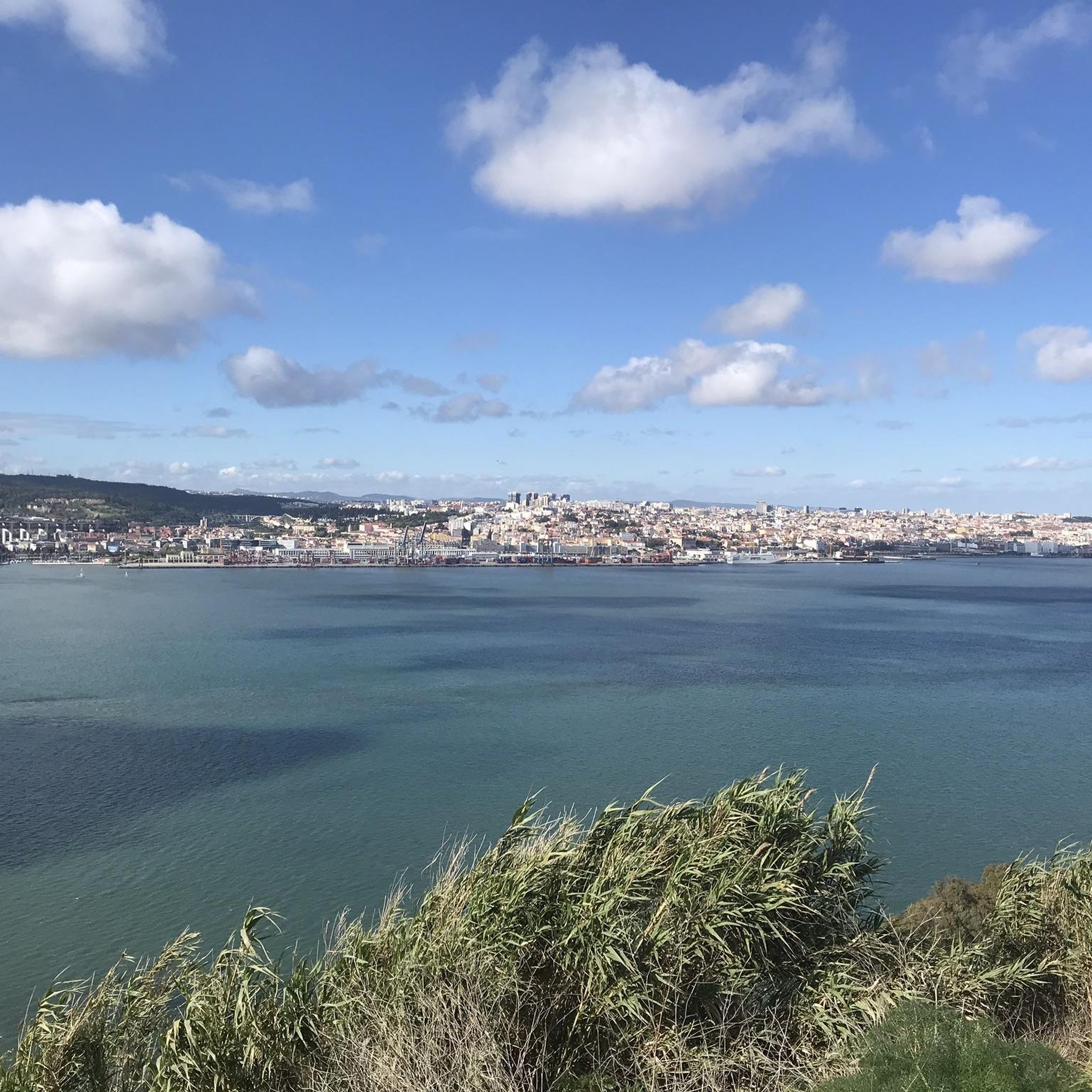
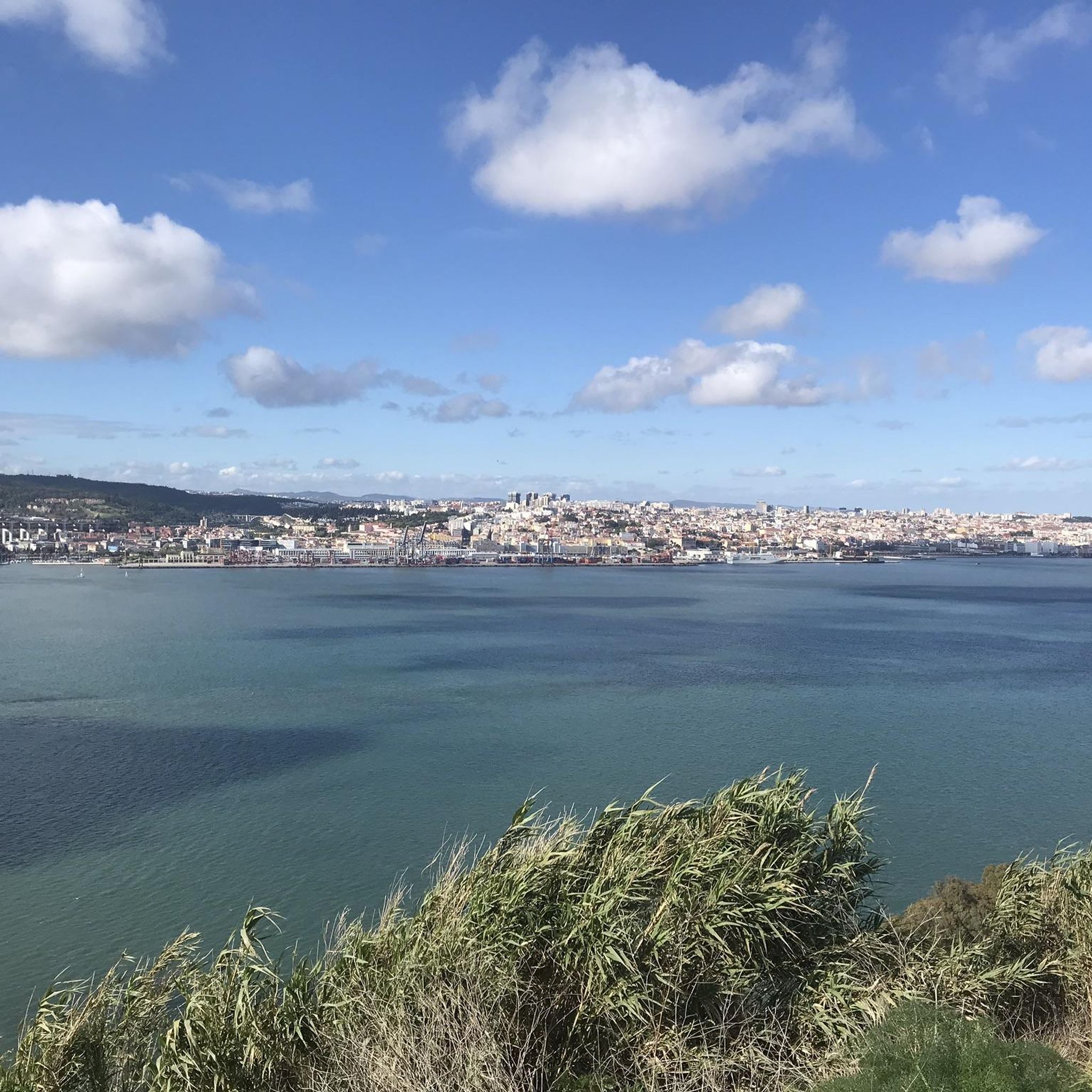
Eduardo VII Park stretches like a large green ribbon up the hill, offering plenty of space to breathe with its lawns and paths. From the top, you have a stunning view across Avenida da Liberdade all the way down to the Tagus River. Perfect for a quiet break, a picnic, or a relaxing stroll in nature right in the heart of Lisbon.
4
1

The Lisbon Botanical Garden, located in the parish of São Mamede, is one of the city's oldest and most important green spaces, with a rich history linked to scientific research and botanical conservation. Founded in 1873 at the initiative of Count Ficalho and Andrade Corvo, professors at the Lisbon Polytechnic School. Officially inaugurated in 1878, it was conceived as a scientific garden to support teaching and research in botany. It is part of the National Museum of Natural History and Science of the University of Lisbon.
3
0

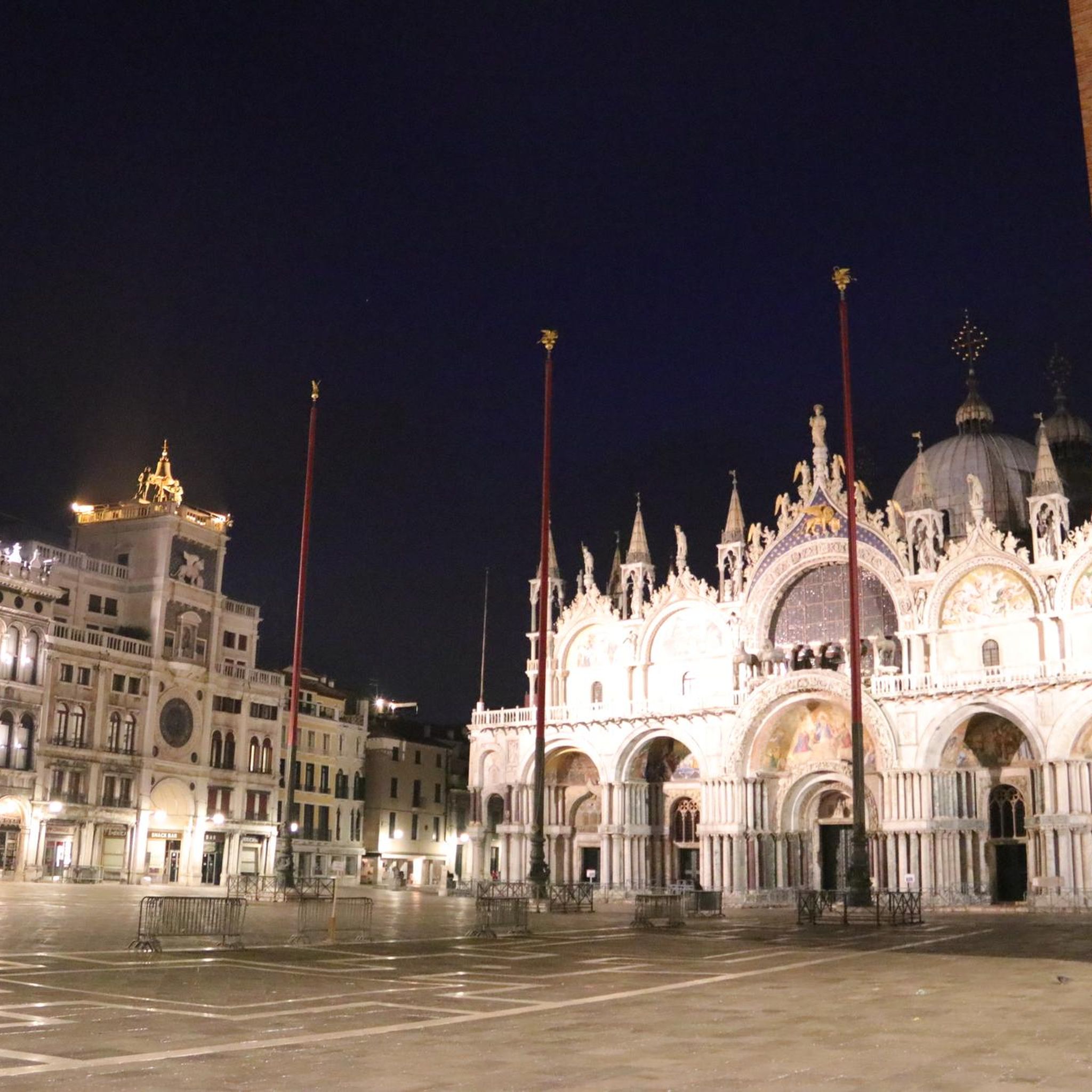
The square Jardim da Praça do Império park is bordered by the Jerónimos Monastery (to the north), the Jardim de Belém and Jardim Afonso de Albuquerque parks (to the east), Avenida da Índia and the Cascais railway line (to the south), and the Belém Cultural Center (to the west). The Monument to the Discoveries (Padrão dos Descobrimentos) (to the south) and the Belém Palace (Palácio de Belém) (to the northeast) are also located nearby. José Ângelo Cottinelli Telmo designed the square, along with the monumental fountain (Fonte Monumental), in honor of the Portuguese colonial empire for the 1940 Exposition Internationale des Português (Portuguese World Exhibition). The central fountain has a diameter of almost 30 meters. The surrounding green spaces feature plants arranged to represent the coats of arms of 32 former provinces of the colonial empire. https://de.wikipedia.org/wiki/Pra%C3%A7a_do_Imp%C3%A9rio
1
1
The Monument to Overseas Combatants is a solemn tribute to the Portuguese soldiers who lost their lives during the Portuguese Colonial War (also known as the Overseas War), which took place between 1961 and 1974 in Africa.
22
0
Eduardo VII Park is one of Lisbon's most iconic green spaces, located just north of Marquis of Pombal Square and Avenida da Liberdade. It's an ideal place to stroll, relax, and enjoy spectacular views of the city.
10
0

Lisbon's central park was named as a tribute to the English monarch Edward VII, who visited Lisbon in 1903, five centuries after the Anglo-Portuguese Alliance. It ascends one of the city's hills and provides a wonderful view from the top. It's made up of symmetrical box hedging and a variety of plants, most of them found inside a cool and heated greenhouse from the 1930s, which is filled with exotic species from tropical climates. This greenhouse is one of the most important green spaces in Lisbon, considered an authentic living museum, with its small lakes and waterfalls, statuary, and hundreds of species of plants.
6
0
In a botanical garden, plants are kept looking as close as possible to what they would have in nature, without excessive human intervention (for example, pruning or cutting dry leaves). On the other hand, this ‘hands-off’ option encourages small ecosystems where insects and small animals, other plants, fungi and lichens, which are extremely important for urban biodiversity, live. In the summer, we only water what is essential. Water is a precious commodity, especially in a country like Portugal. Therefore, it is possible that water circulation is limited and that the undergrowth may become drier, especially in the summer. This is a deliberate option that does not put the plants at risk. The presence of the Garden in the heart of Lisbon mitigates the effects of rising temperatures, promoting its own microclimate and the capture of carbon dioxide.
0
1
Frequently Asked Questions
What types of natural monuments can I explore around Benfica?
Around Benfica, you'll find a diverse range of natural monuments, from expansive green spaces and urban parks to significant viewpoints and historical structures. Key areas include the vast Monsanto Forest Park, which offers dense woodlands and scenic vistas, as well as urban parks like Quinta da Granja and Silva Porto. You can also visit impressive man-made monuments that are recognized for their environmental or historical significance, such as the Sanctuary of Christ the King (Santuário de Cristo Rei) and the Eduardo VII Park Viewpoint.
Are there good hiking and cycling opportunities near Benfica's natural monuments?
Yes, the area around Benfica, particularly within Monsanto Forest Park, offers an extensive network of trails suitable for both hiking and cycling. You can find routes ranging from easy to difficult. For example, there are easy hikes like the "Trilho Azul" circular route in Monsanto Forest Park, and more challenging mountain biking trails such as the "Panorâmico de Monsanto loop." You can explore various hiking routes and MTB trails in the region.
Which natural monuments are suitable for families with children?
Many natural monuments around Benfica are family-friendly. The Eduardo VII Park Viewpoint and the Sanctuary of Christ the King offer open spaces and impressive sights. The University of Lisbon Botanical Garden is also a great option for a leisurely stroll among diverse plant life. Additionally, the Lisbon Zoo, adjacent to Benfica, provides an engaging experience for children with its focus on conservation and diverse animal collection.
Can I find historical or cultural sites within these natural areas?
Yes, several natural areas around Benfica incorporate historical and cultural elements. Monsanto Forest Park, for instance, contains remnants of old mills and parts of the magnificent 18th-century Aqueduto das Águas Livres. The Monument to the Overseas Combatants 🏛️ Belém is a significant historical site paying tribute to Portuguese soldiers. The Alameda Luminous Fountain is another iconic monument with historical significance related to Lisbon's water supply.
What are the best viewpoints to experience panoramic views near Benfica?
For breathtaking panoramic views, the Eduardo VII Park Viewpoint offers spectacular vistas over Lisbon. The Sanctuary of Christ the King, with its 75-meter-high pedestal, provides extensive views of the Tagus River and Lisbon. Within Monsanto Forest Park, the Panorâmico de Monsanto, a former panoramic restaurant, is now an urban art destination offering 360-degree views from the park's highest point.
Is Monsanto Forest Park easily accessible by public transport from Benfica?
Yes, Monsanto Forest Park is well-integrated into Lisbon's public transport network, making it accessible from Benfica. Various bus routes serve different parts of the park, and some areas are within walking distance from metro stations like Colégio Militar/Luz or Jardim Zoológico, which are close to Benfica.
Are there any dog-friendly trails or areas within Benfica's natural monuments?
Monsanto Forest Park is generally considered dog-friendly, with many trails and open spaces where dogs are welcome, typically on a leash. It's a popular spot for locals to walk their dogs. For other urban parks and gardens, it's advisable to check specific park regulations regarding pets.
What is the best time of year to visit the natural monuments around Benfica?
The natural monuments around Benfica can be enjoyed year-round. Spring (March to May) and autumn (September to November) offer pleasant temperatures for outdoor activities like hiking and cycling. Summer (June to August) can be hot, but the shaded areas of Monsanto Forest Park provide relief. Winter (December to February) is generally mild, making it suitable for walks, though some trails might be muddier after rain.
Are there any wheelchair-accessible natural monuments or viewpoints?
Yes, some natural monuments and viewpoints around Benfica offer wheelchair accessibility. The Eduardo VII Park Viewpoint is noted for being wheelchair accessible, allowing visitors to enjoy the city views. The Monument to the Overseas Combatants is also listed as wheelchair accessible.
Where can I find cafes or restaurants near these natural areas?
You'll find various cafes and restaurants in the neighborhoods surrounding the natural monuments. For instance, areas bordering Monsanto Forest Park, such as Benfica itself or Alcântara, have dining options. Urban parks like Eduardo VII Park are typically close to city amenities. The Lisbon Zoo also has dining facilities within its premises.
What kind of wildlife can I expect to see in Monsanto Forest Park?
Monsanto Forest Park supports a diverse wildlife population. You might spot squirrels, rabbits, and various bird species, including owls. The park's dense woodlands and varied ecosystems provide habitats for these animals, offering opportunities for birdwatching and nature observation.
Are there any specific regulations or permits needed for activities in Monsanto Forest Park?
Generally, no specific permits are required for casual hiking or cycling on the designated trails within Monsanto Forest Park. However, for organized events or larger groups, it's always best to check with local authorities or the park management for any specific regulations or permissions that might be needed.
Most popular routes around Benfica
Most popular attractions around Benfica

Get inspired with the komoot mobile app


Explore more
Extend your search for the best caves by checking out these guides of the top ones around Benfica:
