Top 13 Natural Monuments around Lamas e Cercal e Cercal e Cercal
Natural monuments around Lamas e Cercal e Cercal e Cercal, located within the Cadaval municipality, offer a diverse landscape characterized by geological features and natural beauty. The region is part of the Montejunto mountain range, known for its karst formations, deep valleys, and varied ecosystems. These sites provide opportunities to observe unique geological processes and local flora and fauna. The area is a destination for those interested in natural landmarks and outdoor exploration.
Best natural monuments around Lamas e Cercal…
Last updated: July 27, 2026
Serra de Montejunto Watchtower
Highlight • Viewpoint
Translated by Google •
Tip by

Gravel Bend
Highlight • Natural Monument
Translated by Google •
Tip by

Sign up now to discover places like this
Get recommendations on the best single tracks, peaks, & plenty of other exciting outdoor places.
Sign up for free
Ota River
Highlight • River
Translated by Google •
Tip by
Windmills of Serra de Montejunto
Highlight • Monument
The trail has small sections with very steep slopes, so the easiest way to do it is …
Translated by Google •
Tip by
Montejunto - Squirrel Trail
Highlight (Segment) • Trail
Translated by Google •
Tip by
Sign up for free to discover even more natural monuments around Lamas e Cercal e Cercal e Cercal.
Sign up for free
Already have an account?
Start today with a free account
Your next adventure awaits.
Login or Signup
Popular around Lamas e Cercal e Cercal e Cercal

Tips from the Community

The area of the springs, on the Ota River, was once a leisure area for the local population, including the local bathing area in the summer. This site remained natural for a long time after the EPAL was installed, but at a certain point, the intensification of agriculture with the use of chemical fertilizers and pesticides, intensive livestock farming, and urban sewage made the flow from upstream a polluting threat to EPAL's water intakes, and EPAL paved several dozen meters of the river course near the site where it is installed with reinforced concrete.
1
0

The Ota River has its source in the Montejunto mountain range. It flows through the Ota area and empties into the Alenquer River, which in turn meets the Tagus River near Vila Nova da Rainha. At this point the river is close to the village of the same name, Ota.
1
0
The Serra de Montejunto Forest Watch Station can be accessed via a pastoral trail from the picnic park. It offers a beautiful panorama of the region north of the Serra.
3
0
I mentioned that on my previous suggestion for this place. There is an alternative to the blackberry vines: a little before you start to find them, turn left to a little footpath that goes between the trees, it is sloping and can be slippery in winter.
2
0

This trail was great fun, but unfortunately blackberry vines have joined the ferns near the end and made the passing a bit complicated.
3
0
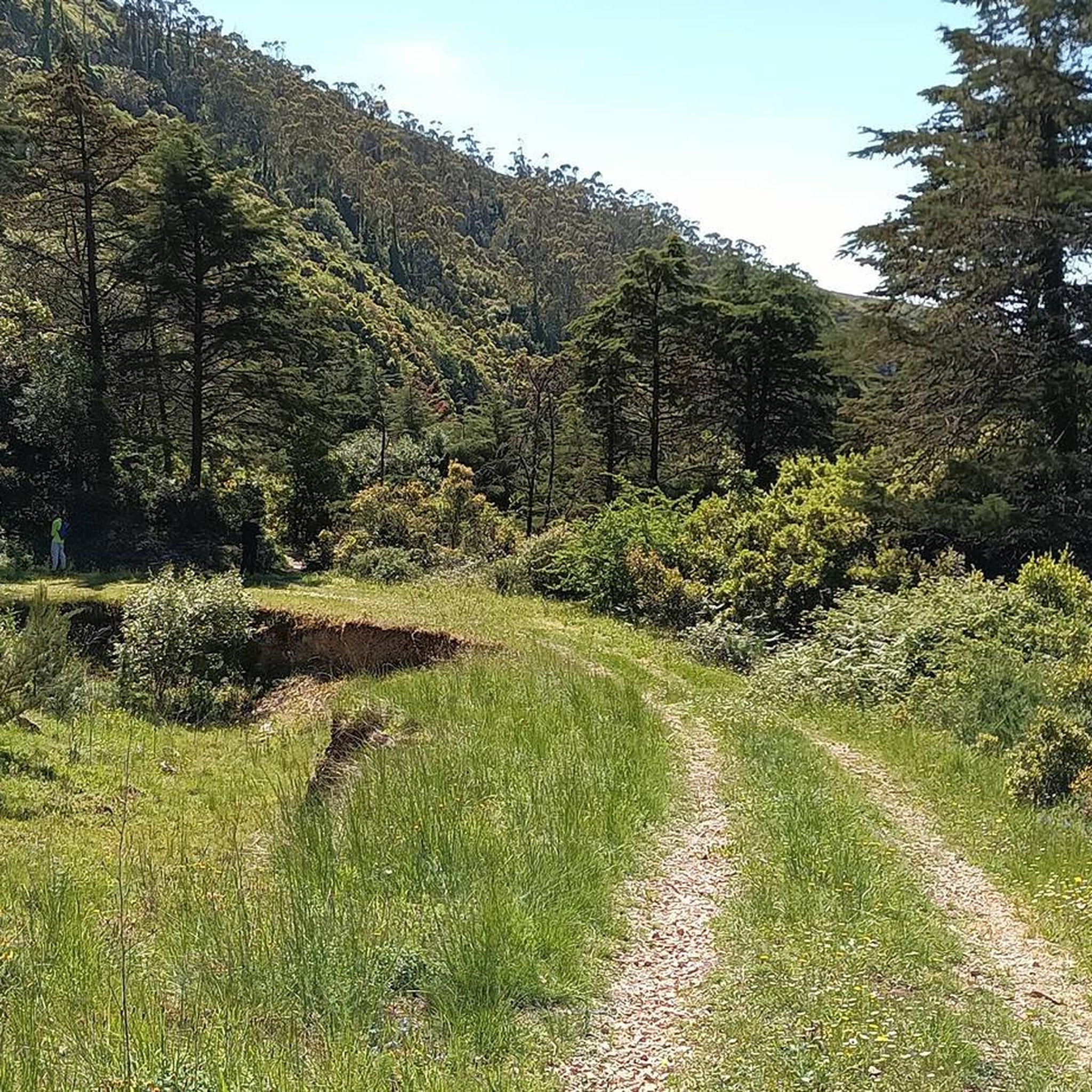
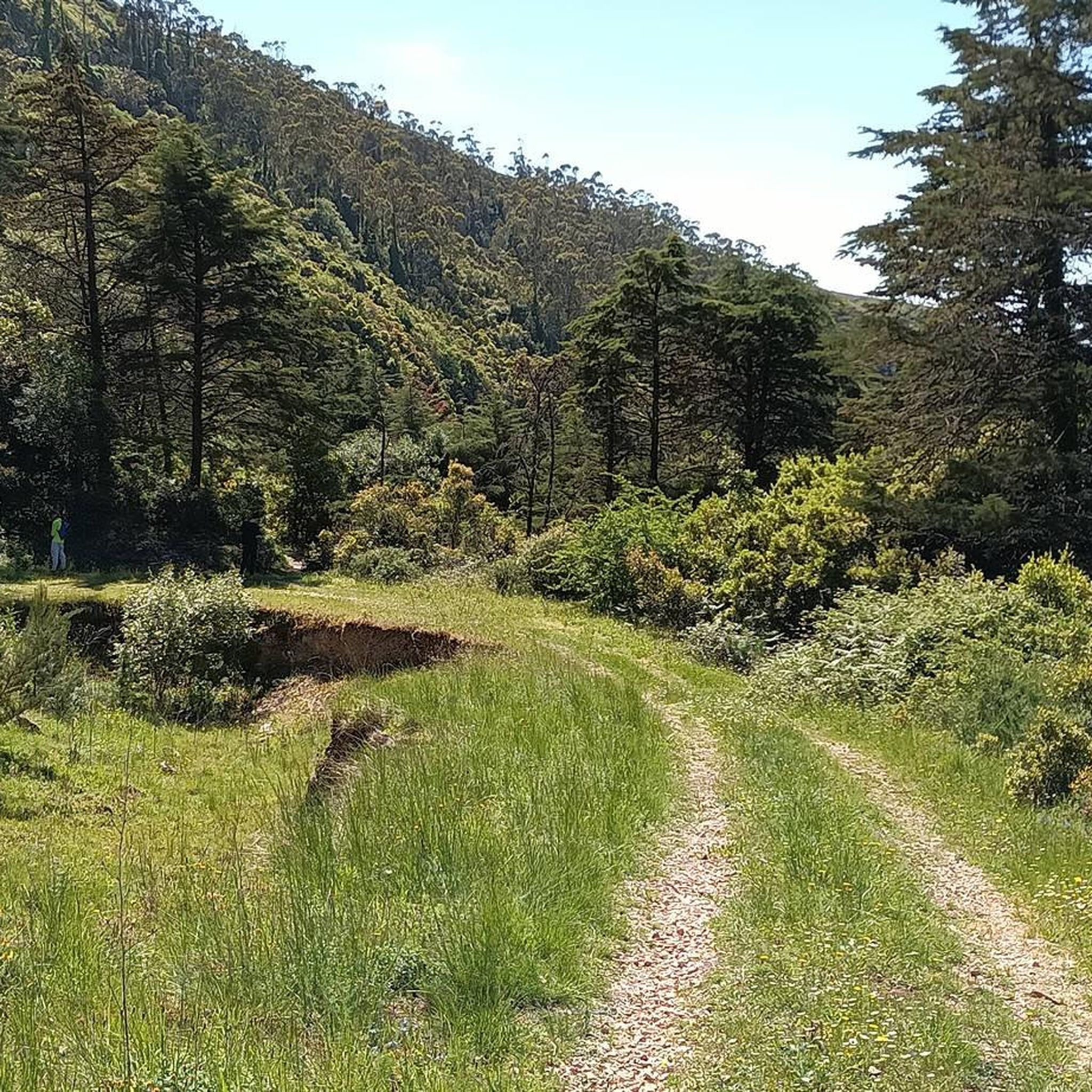
The karst landscape of Montejunto constitutes the extreme southwest of the Estremenho Limestone Massif. Deep valleys, lakes, gravel pits and lapiás are some of the formations found here, testimonies of various geological eras. Water has been the protagonist in erosion phenomena over time. Several deposits of gravel pits result from the cracking of the outcrops caused by the expansion of the water which, when freezing, breaks the rock into small parts. Source: https://montejunto.pt/natureza/paisagens/
3
0
Small trail that goes through the stunning vegetation that surrounds it. At the end, the trail seems to have no way out, carefully pass between the ferns that are probably taller than you and that block visibility. Visit and respect and Nature.
3
0
Interesting trail, which passes right next to several windmills, some of them recovered. The trail has small sections with very steep slopes, so the easiest way to do it is downhill, that is, towards Serra de Montejunto, Vila Verde dos Francos. For those who are in Vila Verde dos Francos, it is preferable to go up the Estrada de Montejunto (N-115) to the sign that says Caminho dos Moinhos, and then turn right.
1
0
Frequently Asked Questions
What unique geological features can I explore in the natural monuments around Lamas e Cercal?
The region, particularly within the Montejunto mountain range, is renowned for its karst landscape. You can observe deep valleys, rock slabs, gravel beds, and lapies, which are testaments to various geological eras. A prime example is the Gravel Bend, where water erosion has created fascinating formations and gravel deposits from freezing water fracturing rock outcrops.
Where can I find the best panoramic views of the region?
For breathtaking panoramic views, visit the Serra de Montejunto Watchtower. It's accessible via a pastoral trail from a picnic park and offers stunning vistas of the area north of the Serra.
Are there any natural monuments known for rich biodiversity or wildlife spotting?
Yes, the Paúl de Manique do Intendente, a lake and natural monument mentioned in region research, is recognized for its rich biodiversity, especially its avifauna. It hosts over 180 species, including unique ones like the striped tortoise, common caiman, otter, black stork, and reed. While not directly listed as a highlight, it's a significant natural area in the broader region for nature lovers and birdwatchers.
What kind of outdoor activities can I do near these natural monuments?
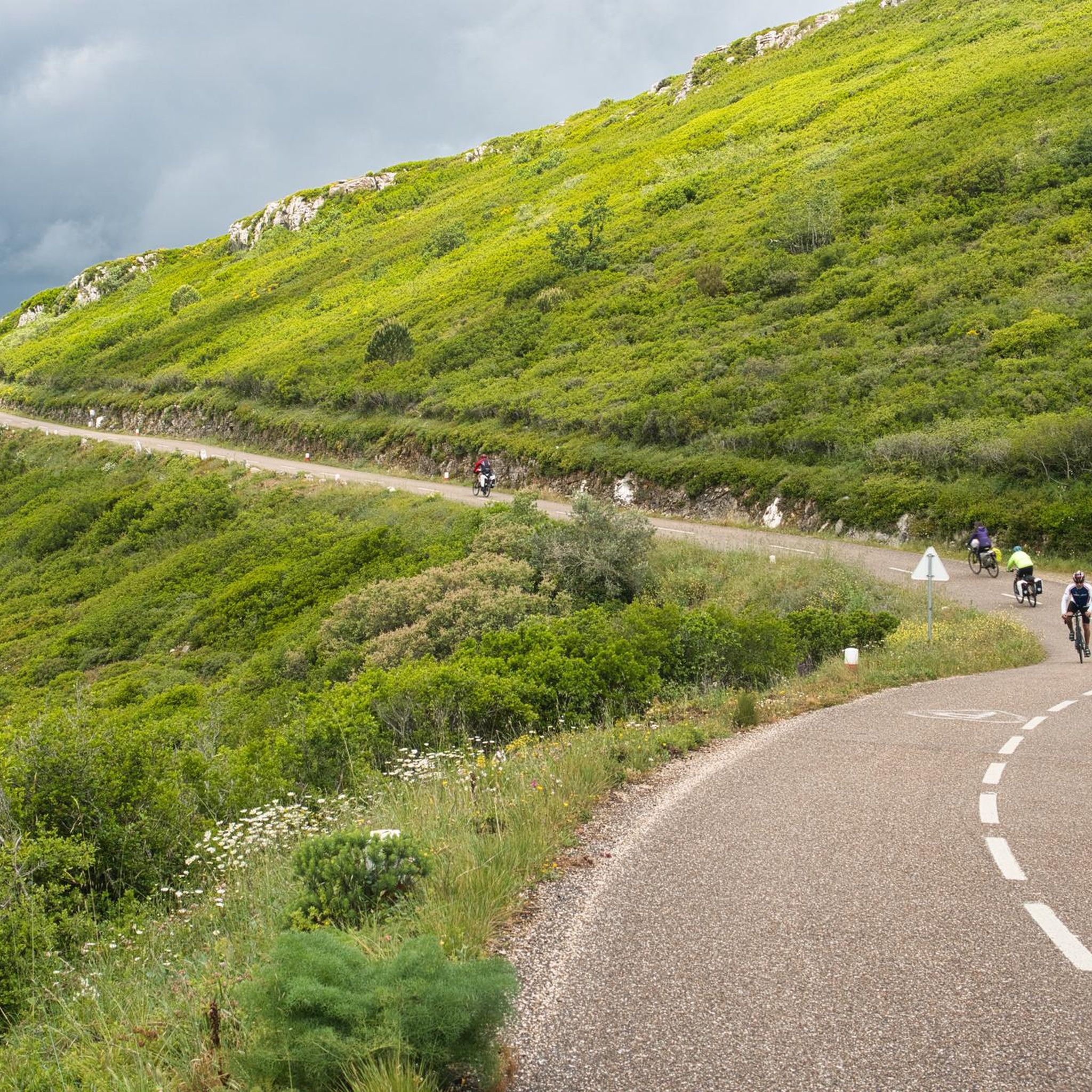
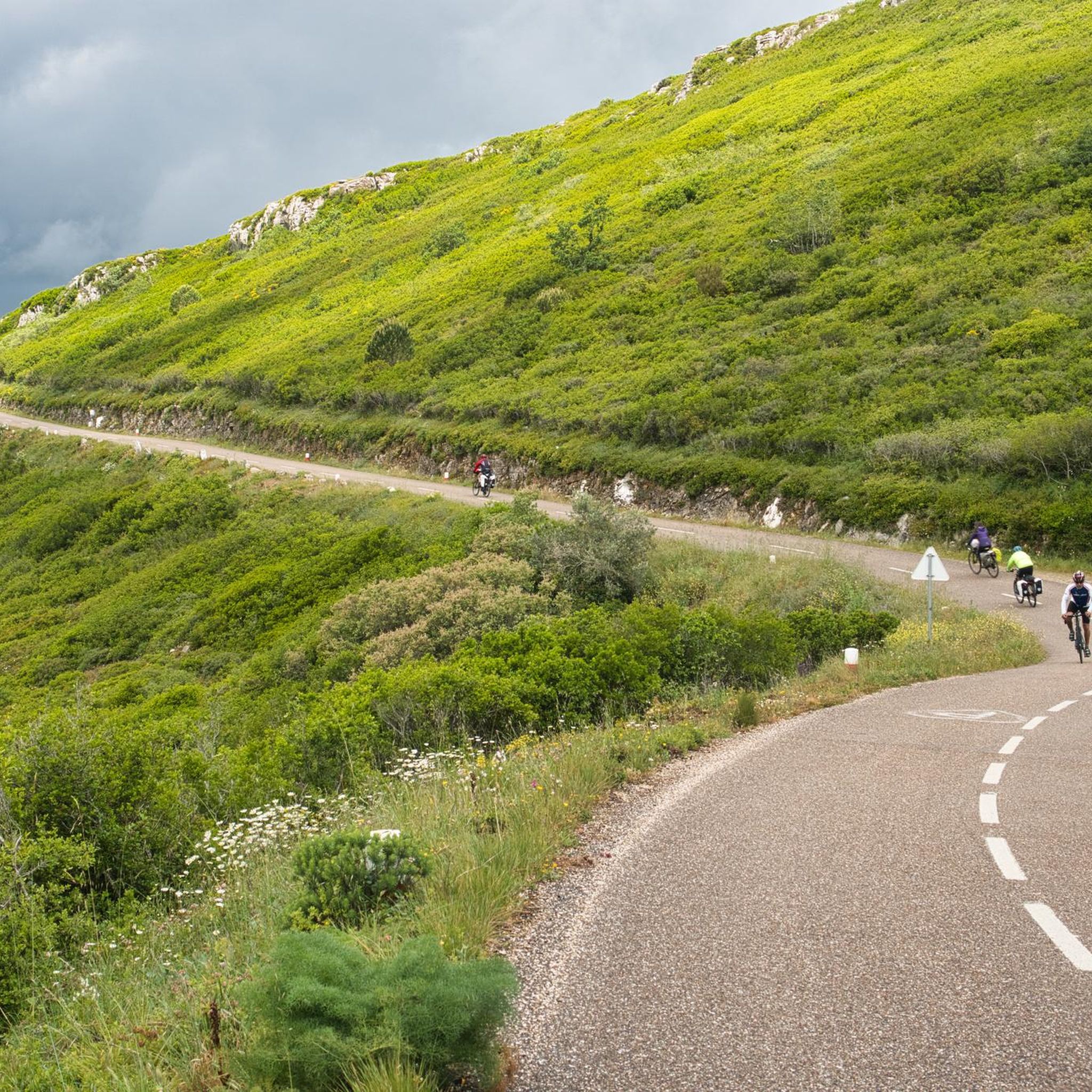
The area offers various outdoor activities. You can explore numerous hiking trails, such as the 'Route of the Windmills' or 'Trilho da Quinta da Serra', which are moderate in difficulty. For cycling enthusiasts, there are several routes for touring bicycles and road bikes, including loops around Serra de Montejunto. You can find more details on these activities in the hiking guide and cycling guides for the region.
Is there a natural monument that also features historical or man-made elements?
Yes, the Windmills of Serra de Montejunto offer a unique blend of natural landscape and historical structures. This trail passes right next to several windmills, some of which have been recovered, providing an interesting route with varied terrain and a glimpse into the region's past.
What is the Ota River and what makes it a natural monument?
The Ota River rises in the Montejunto mountain range and is recognized for its significant geomorphological characteristics, particularly the 'Cannon' of its river valley. This area showcases unique geological formations and is a notable natural monument in the region.
Are there any forest trails or shaded paths among the natural monuments?
Yes, the Montejunto - Squirrel Trail is a small trail that winds through stunning vegetation and forest. It offers a more shaded and immersive nature experience, though some sections might be overgrown with ferns and blackberry vines.
What do visitors appreciate most about the natural monuments in Lamas e Cercal?
Visitors frequently appreciate the diverse landscapes, from panoramic viewpoints to unique rock formations. The komoot community has upvoted these natural monuments 13 times and shared 8 photos, highlighting the scenic beauty and geological interest of the area. The opportunity for quiet exploration and connecting with nature is also highly valued.
What is the terrain like for hiking around the natural monuments?
The terrain around the natural monuments can be varied. For instance, the trail to the Serra de Montejunto Watchtower is a pastoral path. Other trails, like those near the Windmills of Serra de Montejunto, can have small sections with very steep slopes. The karst landscape features deep valleys and rock formations, so paths can range from smooth to rocky and uneven. Some trails, like the Squirrel Trail, can be overgrown with vegetation.
Are there any easy walking routes suitable for families near the natural monuments?
While some trails have steep sections, there are options for easier walks. For example, the 'Serra Montejunto Bar loop from Paisagem Protegida da Serra de Montejunto' is rated as an easy hiking route. When planning a family outing, it's advisable to check the difficulty ratings of specific routes on the hiking guide.
What is the best time to visit the natural monuments in Lamas e Cercal?
While specific seasonal advice isn't provided, generally, spring and autumn offer pleasant temperatures for exploring the outdoors in Portugal, avoiding the intense heat of summer or the potentially wetter winter months. These seasons are ideal for hiking and enjoying the panoramic views and geological features.
How accessible are the natural monuments by public transport or car?
Access to some natural monuments, like the Serra de Montejunto Watchtower, is via pastoral trails from picnic parks, suggesting car access to a starting point. For the broader region, while specific public transport details to each monument are not provided, the area is within the Cadaval municipality, implying general accessibility. It's recommended to check local transport options or plan for car travel to reach trailheads and viewpoints.
Most popular routes around Lamas e Cercal e Cercal e Cercal
Most popular attractions around Lamas e Cercal e Cercal e Cercal

Get inspired with the komoot mobile app


Explore more
Extend your search for the best caves by checking out these guides of the top ones around Lamas e Cercal e Cercal e Cercal:
