Top 6 Natural Monuments around Aldeia Gavinha
Best natural monuments around Aldeia Gavinha include diverse geological formations and significant natural landscapes. The village is situated in a region characterized by extensive agricultural and viticultural areas, reflecting its heritage. Nearby, the Serra de Montejunto Protected Landscape offers a distinct natural environment with varied ecosystems and geological interest. This area provides opportunities to explore both cultivated and wild natural features.
Best natural monuments around Aldeia Gavinha
- The most popular natural monuments is Gravel Bend, a natural monument featuring…
Last updated: May 18, 2026
Gravel Bend
Highlight • Natural Monument
Translated by Google •
Tip by

Ota River
Highlight • River
Translated by Google •
Tip by
Sign up now to discover places like this
Get recommendations on the best single tracks, peaks, & plenty of other exciting outdoor places.
Sign up for free
Windmills of Serra de Montejunto
Highlight • Monument
The trail has small sections with very steep slopes, so the easiest way to do it is …
Translated by Google •
Tip by
Ota Karst Canyon
Highlight • Canyon
Translated by Google •
Tip by
Cabeço de Meca Quarry Lake
Highlight (Segment) • Lake
Translated by Google •
Tip by
Sign up for free to discover even more natural monuments around Aldeia Gavinha.
Sign up for free
Already have an account?
Start today with a free account
Your next adventure awaits.
Login or Signup
Tips from the Community

The area of the springs, on the Ota River, was once a leisure area for the local population, including the local bathing area in the summer. This site remained natural for a long time after the EPAL was installed, but at a certain point, the intensification of agriculture with the use of chemical fertilizers and pesticides, intensive livestock farming, and urban sewage made the flow from upstream a polluting threat to EPAL's water intakes, and EPAL paved several dozen meters of the river course near the site where it is installed with reinforced concrete.
1
0

The Ota River has its source in the Montejunto mountain range. It flows through the Ota area and empties into the Alenquer River, which in turn meets the Tagus River near Vila Nova da Rainha. At this point the river is close to the village of the same name, Ota.
1
0
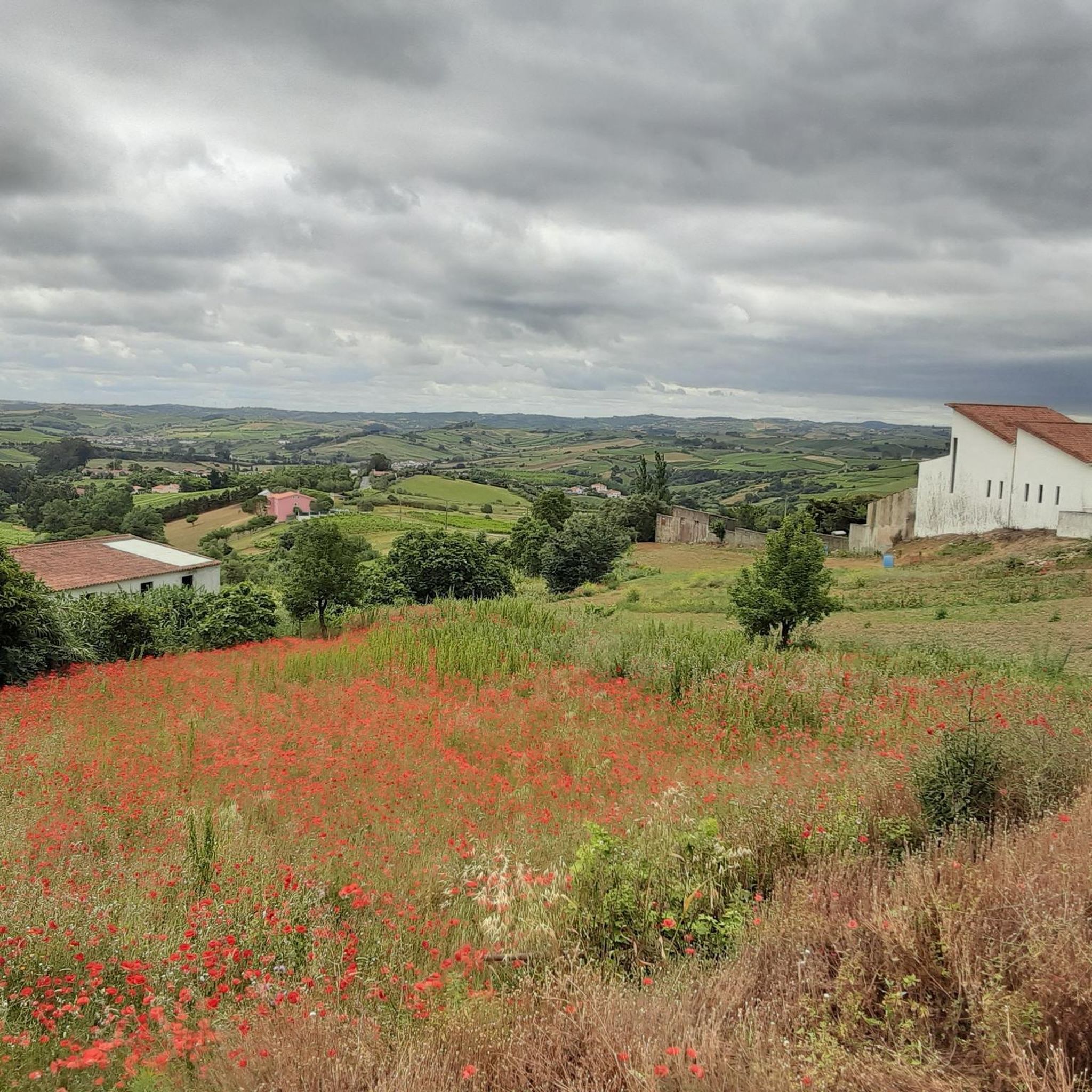
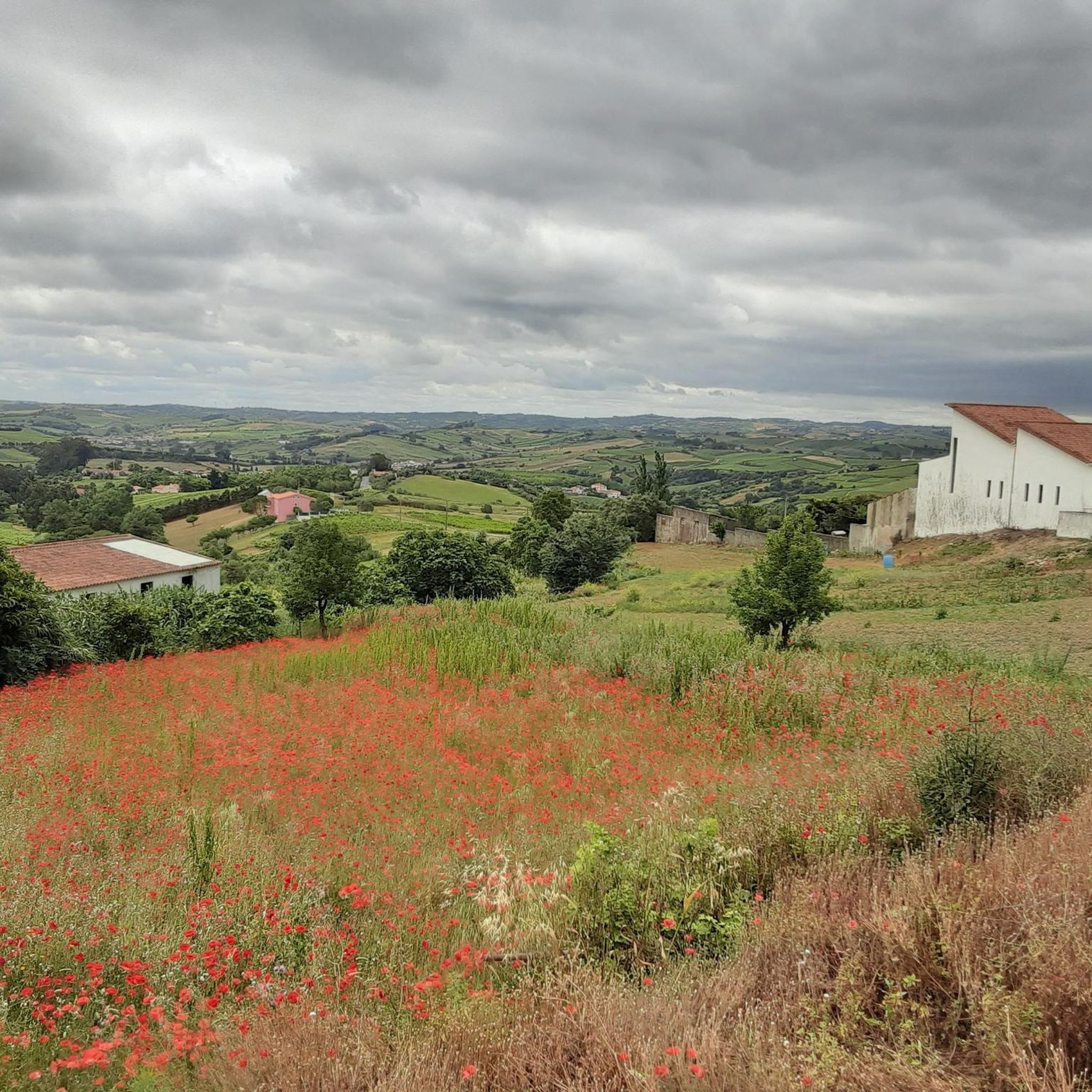
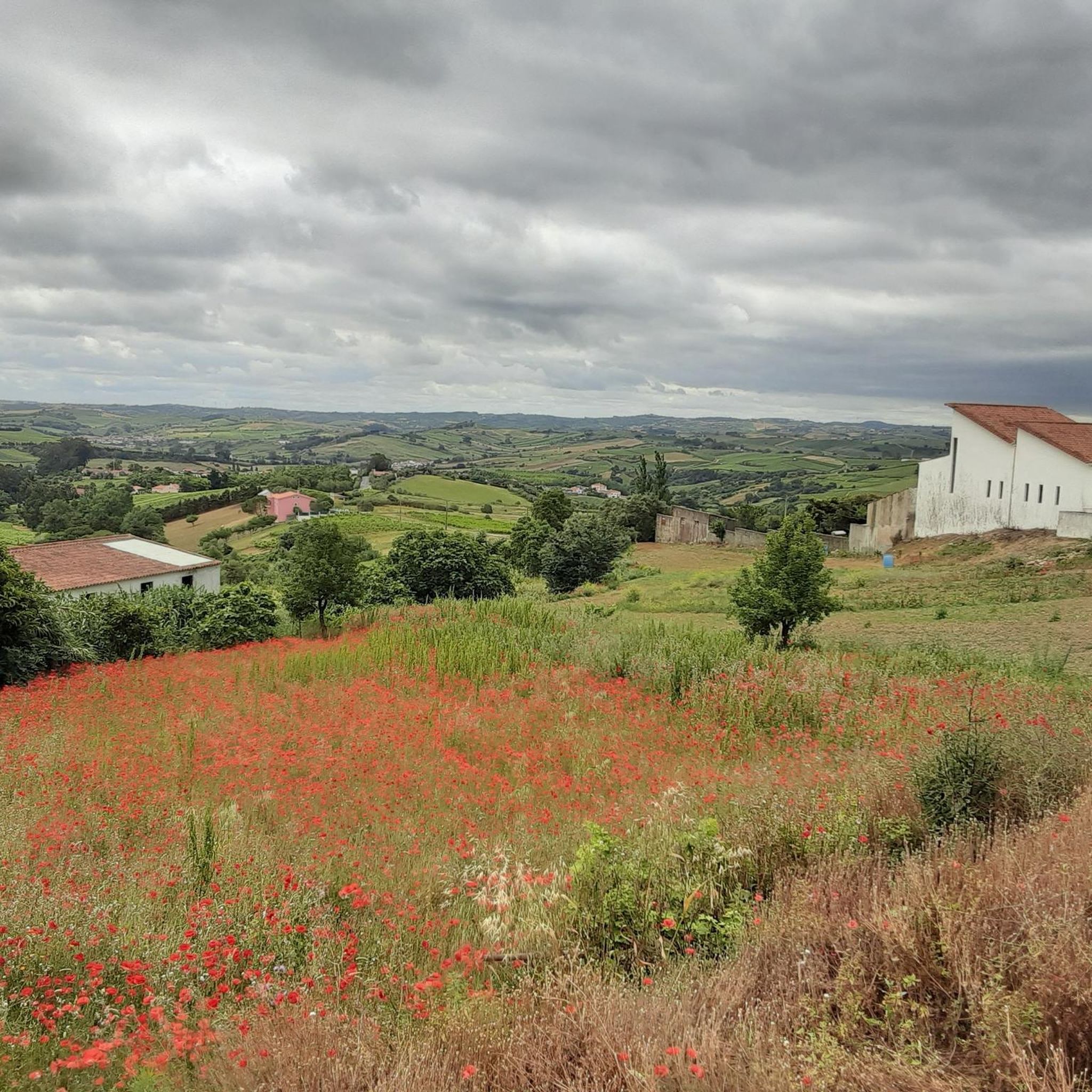
The karst landscape of Montejunto constitutes the extreme southwest of the Estremenho Limestone Massif. Deep valleys, lakes, gravel pits and lapiás are some of the formations found here, testimonies of various geological eras. Water has been the protagonist in erosion phenomena over time. Several deposits of gravel pits result from the cracking of the outcrops caused by the expansion of the water which, when freezing, breaks the rock into small parts. Source: https://montejunto.pt/natureza/paisagens/
3
0

At the top of Mount Mecca, there was once, I believe it was still working in the 90s, a basalt quarry. it has been closed and has barbed wire to prevent people from entering. As I found out, there were people who went there to bathe, but there was someone who cut part of that fence, and you can get there by bike. The panorama is amazing...
1
0
This crater is located in the place usually known as Cabeço de Meca or Cabeço de Santa Quitéria, and is classified as having been a volcanic chimney. This chimney, which was operated as a quarry for the extraction of basaltic material for years, is currently unprotected, as a result of the impasse caused by the PARP, leaving visible the industrial structures that support this extraction, such as a lake in the center of its crater, also a consequence of the same exploitation.
2
0
Interesting trail, which passes right next to several windmills, some of them recovered. The trail has small sections with very steep slopes, so the easiest way to do it is downhill, that is, towards Serra de Montejunto, Vila Verde dos Francos. For those who are in Vila Verde dos Francos, it is preferable to go up the Estrada de Montejunto (N-115) to the sign that says Caminho dos Moinhos, and then turn right.
1
0
It rises in the Montejunto mountain range, passes through the clusters of Eiras, Abrigada, Atouguia, Ota and Aldeia, in the municipality of Alenquer and flows into the right bank of the Tagus river near Vila Nova da Rainha, side by side with the Alenquer river. Of its layout stands out, in particular, the “Cannon” of the Ota river valley, which presents geomorphological characteristics of the greatest relevance at a national level.
2
0
The Ota Karst Canyon is a steep valley, the result of the erosive action of the river on the Upper Jurassic limestones. It constitutes one of the most valuable treasures of the Natural, Historical and Cultural Heritage of the municipality of Alenquer, presenting characteristics of the greatest relevance at a national level. According to Crispim (2008), this valley is one of the most interesting canyon valleys in the Portuguese limestone regions, with steep cliffs and gravel cones. Since 2014, it integrates the Inventory of Geosites of National Relevance. This geomorphological set, characterized by large slopes marked by their exceptional nature and wide range of exposures, is home to plant communities and a set of biological elements of great importance for the conservation of biodiversity. The Ota Karst Canyon is a steep valley, the result of the erosive action of the river on the Upper Jurassic limestones. It constitutes one of the most valuable treasures of the Natural, Historical and Cultural Heritage of the municipality of Alenquer, presenting characteristics of the greatest relevance at a national level. According to Crispim (2008), this valley is one of the most interesting canyon valleys in the Portuguese limestone regions, with steep cliffs and gravel cones. Since 2014, it integrates the Inventory of Geosites of National Relevance. This geomorphological set, characterized by large slopes marked by their exceptional nature and wide range of exposures, is home to plant communities and a set of biological elements of great for the conservation of biodiversity.
2
0
Frequently Asked Questions
What unique natural features can I explore near Aldeia Gavinha?
The region around Aldeia Gavinha is rich in geological formations. You can explore the karst landscape of the Estremenho Limestone Massif, which features deep valleys, lakes, gravel pits, and lapiás, formed by water erosion over geological eras. A notable example is Gravel Bend, showcasing these unique formations.
Are there any significant river features or canyons to visit?
Yes, the Ota River, originating in the Montejunto mountain range, is a significant natural monument. Its layout includes the 'Cannon' of the Ota river valley, which presents geomorphological characteristics of national relevance. Additionally, the Ota Karst Canyon is a steep valley formed by the river's erosive action on Upper Jurassic limestones, recognized as a geosite of national importance for its unique geology and biodiversity.
What is the Serra de Montejunto Protected Landscape known for?
The Serra de Montejunto Protected Landscape, located near Aldeia Gavinha, is the highest natural viewpoint in Estremadura. It's renowned for its rich biodiversity, including 400 plant species and 75 bird species, some endangered. The area also features numerous caves, chasms, and offers spectacular panoramic views, making it ideal for hiking and birdwatching. Its unique microclimate, influenced by its proximity to the sea, supports a diverse ecosystem.
What kind of trails can I find in the Serra de Montejunto area?
The Serra de Montejunto offers various trails, including those that pass by historical structures. For instance, the trail featuring the Windmills of Serra de Montejunto allows you to see several restored windmills while enjoying views of the landscape. The protected landscape itself provides many opportunities for hiking and biking amidst its rolling hills and juniper valleys.
Are there hiking opportunities near Aldeia Gavinha's natural monuments?
Absolutely. The region offers a variety of hiking trails. For example, you can explore the hiking routes around Aldeia Gavinha, which include trails like the Montejunto Peak Loop and the Ota Karstic Canyon Trail. There are options for different difficulty levels, from easy to difficult.
What about running trails in the area?
For runners, there are several options available. You can find various running trails around Aldeia Gavinha, including the Serra de Montejunto Loop and the Igreja da Ota – Ota River loop. These routes offer diverse terrain and distances for different fitness levels.
What is the best time to visit the natural monuments around Aldeia Gavinha?
The Serra de Montejunto Protected Landscape, with its unique microclimate, is pleasant to visit for hiking and birdwatching throughout much of the year. Spring and autumn generally offer the most comfortable temperatures for outdoor activities. The agricultural and viticultural landscapes of Aldeia Gavinha are particularly scenic during the growing seasons.
Are there any family-friendly natural attractions or trails?
While specific 'family-friendly' designations for individual natural monuments aren't detailed, the general landscape of Aldeia Gavinha with its rolling vineyards and farmlands offers pleasant, easy walks suitable for families. For hiking, there are easy hikes around Aldeia Gavinha, such as the Ota Karstic Canyon Trail, which could be suitable for families looking for less strenuous options.
What is the significance of Aldeia Gavinha's agricultural landscape?
Aldeia Gavinha is situated in a region deeply shaped by agriculture and viticulture. While not traditional 'monuments,' the expansive vineyards and farmlands offer a distinct natural beauty that reflects centuries of human interaction with the environment. These cultivated lands provide scenic views and insights into the local cultural heritage and wine production, contributing to a quaint, bucolic atmosphere.
Can I find any unique geological formations like old quarries?
Yes, the Cabeço de Meca Quarry Lake is a unique site. This crater, once a volcanic chimney and later a basalt quarry, now features a lake in its center. It offers an interesting glimpse into the region's geological past and industrial heritage, with visible industrial structures around the lake.
What do visitors appreciate most about the natural monuments in this area?
Visitors frequently appreciate the diverse geological formations, such as the karst landscapes and river valleys. The panoramic views from elevated points like the Serra de Montejunto are also highly valued. The komoot community has shared 14 photos and given 8 upvotes, highlighting the scenic beauty and unique natural features of the region.
Most popular attractions around Aldeia Gavinha

Get inspired with the komoot mobile app


Explore more
Extend your search for the best caves by checking out these guides of the top ones around Aldeia Gavinha:
