Top 4 Natural Monuments around Santiago Da Guarda
Natural monuments around Santiago Da Guarda, located within the council of Ansião, Portugal, are primarily found in the Sicó Mountain region. This area is characterized by extensive oak forests and unique limestone landscapes. The terrain features impressive geological formations resulting from water erosion, offering diverse natural beauty. Visitors can explore a variety of natural features, including canyons and lapiás, sculpted by natural processes.
Best natural monuments around Santiago Da Guarda
- The most popular natural monument is Poios Canyon, a…
Last updated: October 3, 2026
Lapiás do Casmilo
Highlight • Natural Monument
Translated by Google •
Tip by

Poios Canyon
Highlight • Gorge
Translated by Google •
Tip by
Sign up now to discover places like this
Get recommendations on the best single tracks, peaks, & plenty of other exciting outdoor places.
Scenic viewpoint at Monte da Ovelha
Highlight • Viewpoint
Translated by Google •
Tip by

Sicó — tower + sign
Highlight • Viewpoint
Tip by

Start today with a free account
Your next adventure awaits.

Tips from the Community

Known as Serra da Portela or Serra do Anjo da Guarda, this is a natural viewpoint overlooking the Pousaflores Valley, where the landscape is filled with life and aromas. Wild orchids, rupicolous plants, "cucas" (a type of gourd), wormwood, and the fresh scent of thyme, which wafts away with every step, flourish among the limestone rocks. Here, atop Monte da Ovelha, human presence has left its mark: traditional windmills, a small chapel dedicated to the Guardian Angel, the Stations of the Cross for Good Friday, and initiatives celebrating bread and cornbread. It's also a place made for lingering: sitting at a table, lighting a grill, or simply gazing out.
2
0
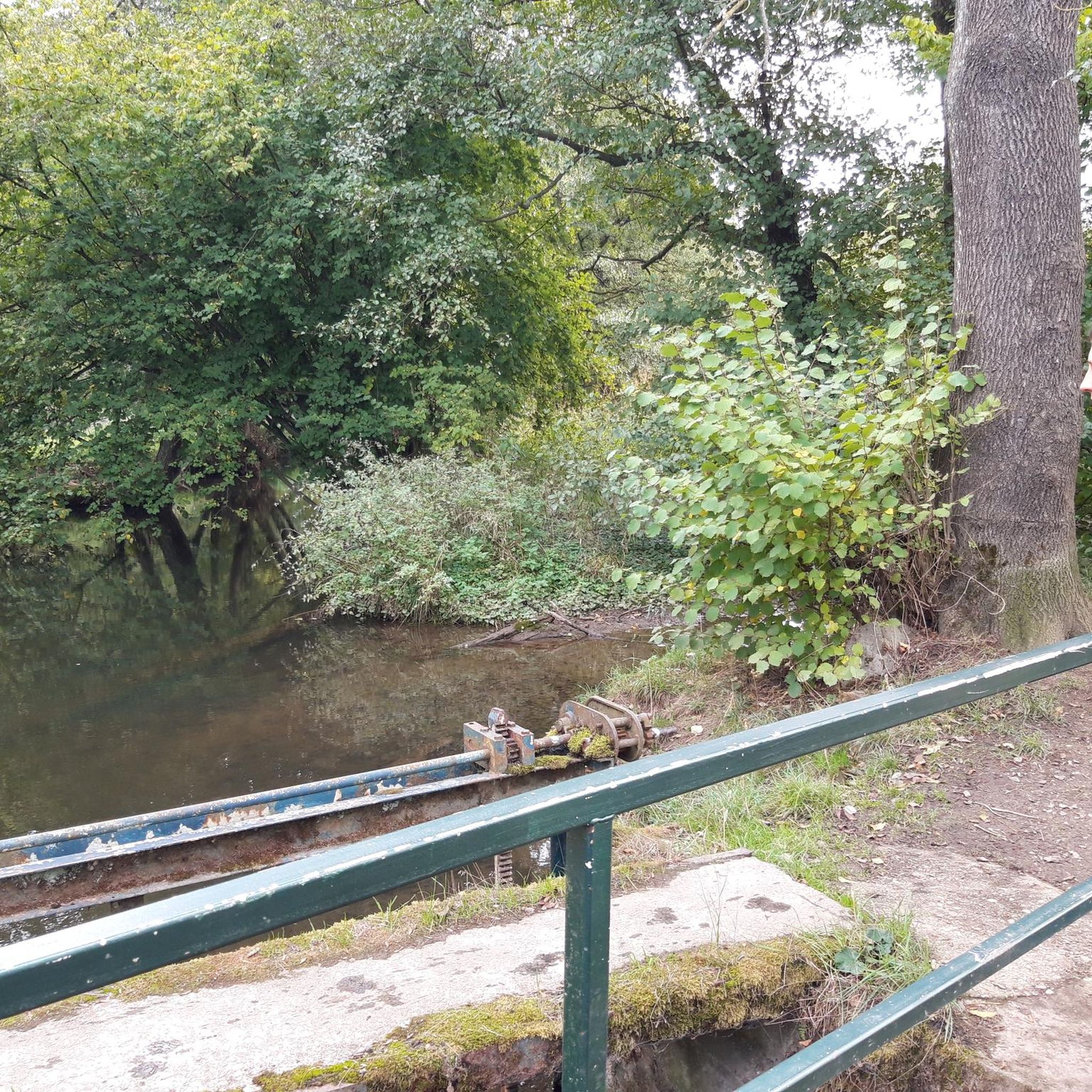
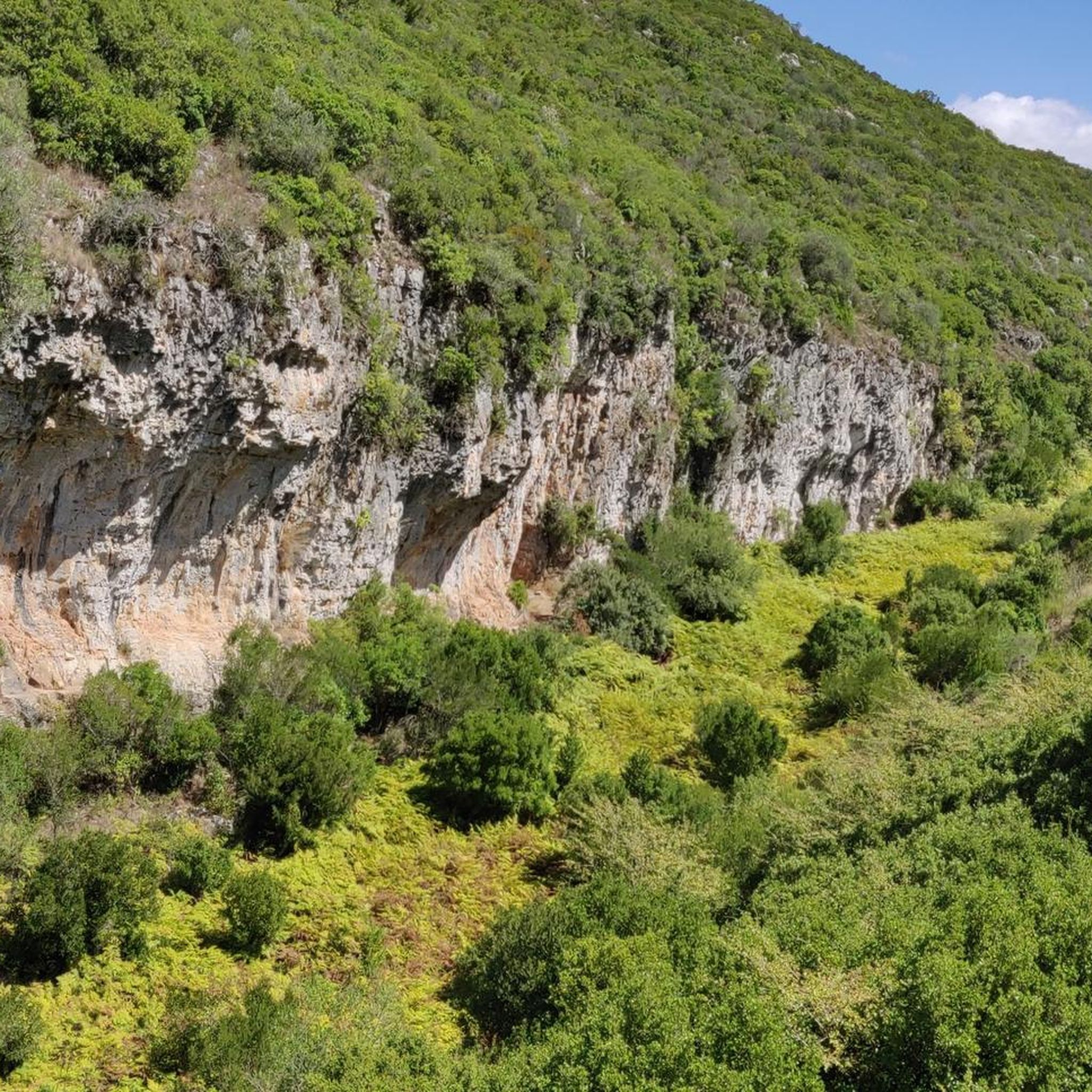
The Poio Valley stands as a well-kept secret of the mountains, preserved for centuries by its rugged, steep, wild, and inaccessible geography. Only shepherds and adventurers used to know these paths. Perhaps that is why a rare fauna found refuge here. It is one of the largest fluviokarstic canyons in Portugal, a valley patiently sculpted by water, which left monumental slopes and a breathtaking landscape. To the south lies Poio Velho; to the north, the more famous Poio Novo, two chapters of the same magnificent landscape.
2
0

✨ Circular route with landscapes of rare natural beauty; 🏞️ Lapiaz, dolines and unique rock formations in Portugal; 🌿 Buracas do Casmilo and Bosque do Vale dos Covões were the highlights of the day; 📸 Ideal for photography, geological observation and contemplation; 🍂 A perfect trail for autumn, with the valley painted in golden tones.
1
0

Incredible view by the side of the radio / cell towers. Wooden Sicó sign. And large concrete modern menhir.
0
1

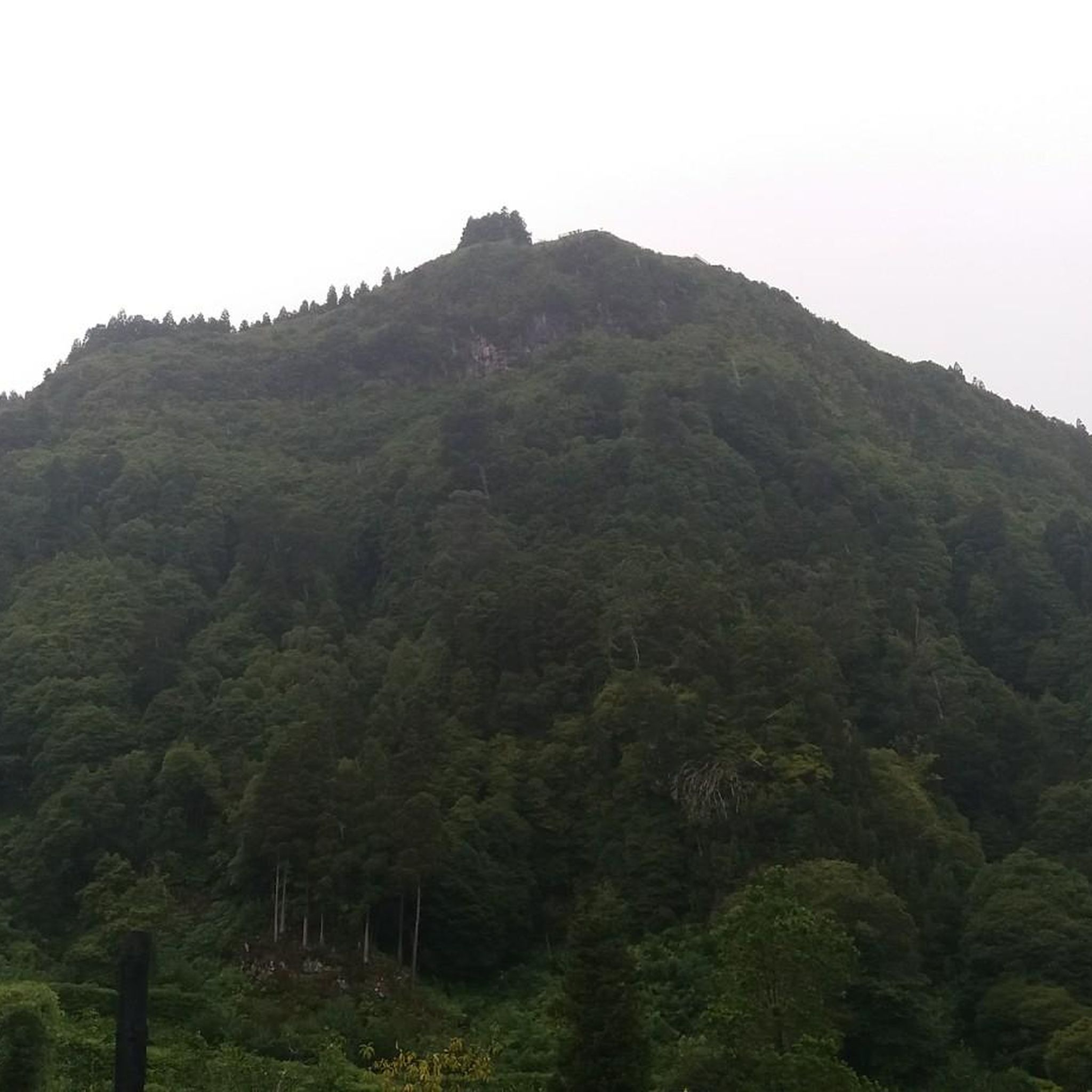
Monte da Ovelha offers a miradouro (lookout) with a breathtaking view of the vastness of the surrounding valleys and mountains. It is an ideal place to enjoy a pristine environment and pure air, with a panorama that captures the essence of the Portuguese rural landscape.
2
0
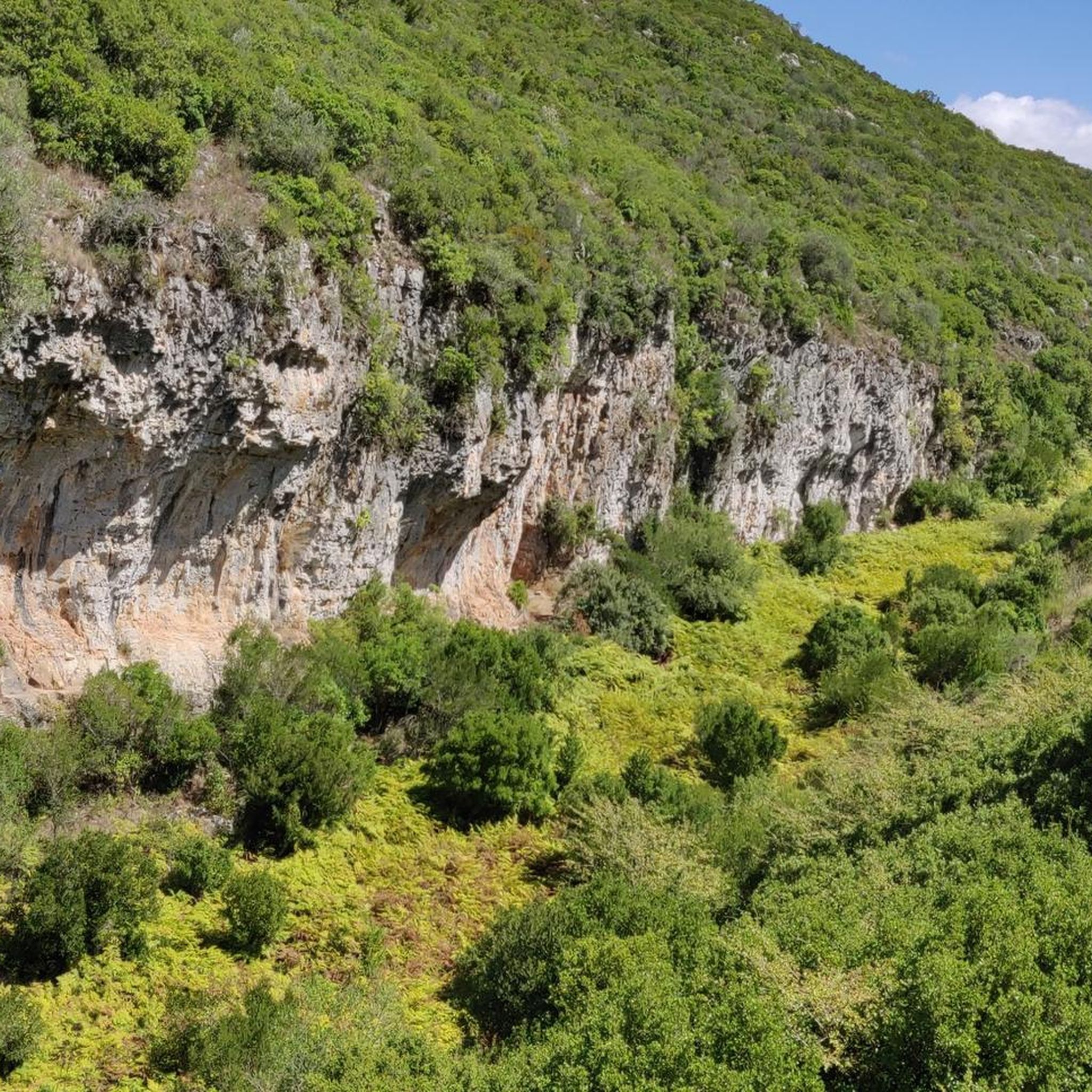
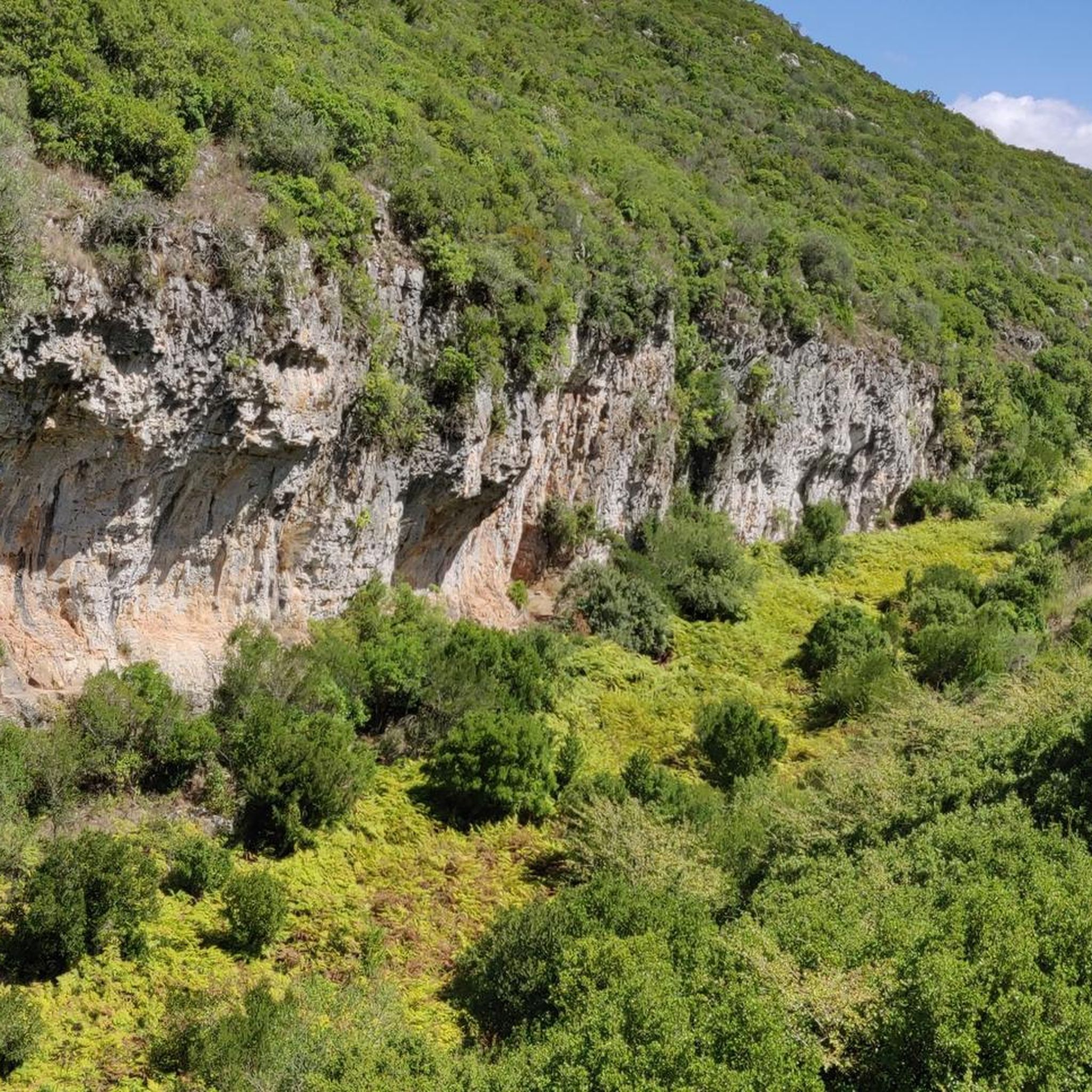
The Lapiás do Casmilo are an impressive geological formation carved by water erosion over limestone. Known as "stone cemeteries", they emerge from the karst landscape of the Buracas do Casmilo valley, creating a landscape of exposed rocks, full of grooves and sharp edges. Time and water have shaped this unique relief, infiltrating the rock and creating striations that reveal the path of the runoff. In steeper areas, the marks on the stone become even more evident, testifying to the power of nature in this mineral spectacle.
3
0


I only went here once but this is a nice place to go for mountain bikers (and everyone else). It's just a pity some single tracks, especially those going downhill aren't clean because they are really nice, fast and beautiful!
1
0
Frequently Asked Questions
What unique geological formations can I explore around Santiago Da Guarda?
The region is rich in unique geological features, primarily shaped by limestone and water erosion. You can explore the impressive Lapiás do Casmilo, often called "stone cemeteries," which are striking rock formations with distinct grooves. Another significant site is the Poios Canyon, one of Portugal's largest fluviokarstic canyons, featuring monumental slopes sculpted by water over millennia.
Are there hiking trails near these natural monuments?
Yes, the area offers several hiking opportunities. For example, you can find trails that lead to the Poios Canyon, such as the "Nossa Senhora da Estrela – Poios Canyon loop." There are also routes exploring the Lapiás do Casmilo and the wider Sicó Mountain area. You can find more details and routes in the Hiking around Santiago Da Guarda guide.
What is the best time to visit the natural monuments in Santiago Da Guarda?
The natural monuments, particularly the Lapiás do Casmilo, are described as perfect for autumn, when the valley is painted in golden tones. Generally, spring and autumn offer pleasant temperatures for exploring the outdoor landscapes and geological sites without the extreme heat of summer.
Are there viewpoints to enjoy panoramic scenery?
Absolutely. The Scenic viewpoint at Monte da Ovelha offers breathtaking views of the surrounding valleys and mountains, providing a pristine environment to enjoy the Portuguese rural landscape. Another spot for panoramic views is near the Sicó — tower + sign, which also provides an incredible vista.
What kind of terrain can I expect on trails around these monuments?
The terrain around Santiago Da Guarda's natural monuments is primarily characterized by limestone landscapes, as seen in the Lapiás do Casmilo with its exposed rocks and sharp edges. Trails can be rugged and steep, especially in areas like the Poios Canyon, which is known for its wild and inaccessible geography. Expect varied surfaces, from forest paths to rocky outcrops.
What other outdoor activities can I do near Santiago Da Guarda's natural monuments?
Beyond hiking, the region around Santiago Da Guarda offers various cycling opportunities. You can find routes for road cycling and touring bicycle, with options ranging from moderate to difficult, exploring the wider Sicó Mountain area and its scenic landscapes.
What makes the Sicó Mountain region special for natural monuments?
The Sicó Mountain region, embracing Santiago Da Guarda, is distinguished by its extensive oak forests and unique limestone landscapes. It's a place where nature's power is evident in formations like the fluviokarstic Poios Canyon and the eroded Lapiás do Casmilo. The area also provides a sense of being fully connected to nature, noted for its authenticity and warm-hearted people.
Is the area suitable for photography?
Yes, the natural monuments are highly recommended for photography. The Lapiás do Casmilo, with its unique rock formations and the valley's seasonal colors, is ideal for capturing stunning images. The monumental slopes and breathtaking landscapes of Poios Canyon also offer excellent photographic opportunities.
Are there any historical or cultural elements near these natural monuments?
While primarily natural, some sites incorporate historical elements. For instance, atop Monte da Ovelha, you can find traditional windmills, a small chapel dedicated to the Guardian Angel, and Stations of the Cross, reflecting human presence and traditions within the natural landscape.
What do visitors particularly enjoy about these natural monuments?
Visitors appreciate the rare natural beauty and unique geological formations, such as the Lapiás do Casmilo and the Poios Canyon. The opportunity for geological observation, contemplation, and photography is highly valued. Many also enjoy the pristine environment and pure air found at viewpoints like Monte da Ovelha, which offers a true escape into nature.
Are there family-friendly options among the natural monuments?
While specific family-friendly trails are not detailed for each monument, the general appeal of exploring unique rock formations and enjoying nature makes many areas suitable for families. The Lapiás do Casmilo, with its distinctive landscape, can be an engaging experience for children interested in geology and outdoor exploration, provided appropriate supervision and footwear.
Most popular attractions around Santiago Da Guarda

Get inspired with the komoot mobile app


Explore more
Extend your search for the best caves by checking out these guides of the top ones around Santiago Da Guarda:
