Top 3 Natural Monuments around Évora Monte (Santa Maria)
Best natural monuments around Évora Monte (Santa Maria) are found in a region characterized by diverse landscapes, from vast plains to rugged cliffs. The area features unique ecosystems, including extensive cork oak forests. This environment offers opportunities to explore natural features and historical sites that reflect centuries of human interaction with the land.
Best natural monuments around Évora Monte (Santa Maria)
- The most popular natural monuments is Estremoz Marble Quarries, a site where marble has been explored since the…
Last updated: October 3, 2026
Alto de São Gens
Highlight • Summit
Translated by Google •
Tip by

Estremoz Marble Quarries
Highlight (Segment) • Structure
Translated by Google •
Tip by

Sign up now to discover places like this
Get recommendations on the best single tracks, peaks, & plenty of other exciting outdoor places.
Grande Cork Oak
Highlight • Natural Monument
Translated by Google •
Tip by

Anta da Candeeira
Highlight • Monument
Translated by Google •
Tip by
Cork oaks
Highlight • Natural Monument
Translated by Google •
Tip by

Start today with a free account
Your next adventure awaits.
Tips from the Community

At the top of the Serra d’Ossa, at an altitude of 650 metres, stands the Alto de São Gens. Among the ruins of the old chapel dedicated to the saint, memories of an occupation that dates back more than three millennia, to the Bronze and Iron Ages, echo. This archaeological site, shrouded in legend and symbolism, was later associated by the monks of the Congregation of São Paulo with the mythical Mount of Venus, the refuge of Viriato, the legendary Lusitanian leader who, according to tradition, descended from here to confront the Romans.
0
0

At the top of the Serra d’Ossa, at an altitude of 650 metres, stands the Alto de São Gens. Among the ruins of the old chapel dedicated to the saint, memories of an occupation that dates back more than three millennia, to the Bronze and Iron Ages, echo. This archaeological site, shrouded in legend and symbolism, was later associated by the monks of the Congregation of São Paulo with the mythical Mount of Venus, the refuge of Viriato, the legendary Lusitanian leader who, according to tradition, descended from here to confront the Romans.
2
0
The Anta da Candeeira, or Anta da Herdade da Candeeira, is one of the many megalithic remains that dot the Alentejo, more precisely in the district of Évora. In the Portuguese lexicon, “anta” refers to the approximately five thousand megalithic monuments (or dolmens) spread across the west of the Iberian Peninsula. These enigmatic stone structures were built during the Neolithic period by communities that inherited the Cardial or Impressa cultures. Silent testimonies of a distant past, they continue to fascinate those who venture into these lands of history and stone.
2
0

Marble and the quarries where it is extracted are a strong feature of the landscape of Estremoz. This resource, which has been used since the time of the Roman Empire, reached its peak in Estremoz during the Baroque period, and was used in the construction of palaces, religious monuments, statues, fountains and other buildings. Marble is a dominant feature of the urban landscape, as it is also the material of choice for the construction of traditional Portuguese pavements. The white marble of Estremoz is internationally renowned for its quality and is exported to numerous countries, especially the Middle East and Morocco. Estremoz is proud to have preserved a monumental keep over the centuries, entirely covered in marble. A visit to an active quarry or a stonemasonry workshop is also a popular activity for those who visit us. Don't miss out on this opportunity.
1
0

every 9 years the lower part of the bark is removed and cork is harvested. Numerous products are made from cork in this factory.
7
0

Elected the «Tree of the Year» in 2022, it represented, that year, Portugal in the European Tree Of the Year contest reaching 3rd place. It is around 250 years old and has a wingspan of 12 meters in height and a crown diameter of 30 meters. It is part of a pedestrian path (PR4) that starts and ends in Vale do Pereiro. Accessible by car, bicycle or on foot. Accessible by car, bicycle or just walk :)
1
1

The marble of Estremoz has been explored since the incorporation of the Iberian Peninsula into the Roman Empire. For example, marble analyzes of monuments such as the Roman Temple of Évora indicate that it was built using Alentejo marble. In the history of Portugal and its former colonies, this stone was used for the manufacture of all kinds of ornaments.
7
0
Frequently Asked Questions
What unique natural features can I explore around Évora Monte (Santa Maria)?
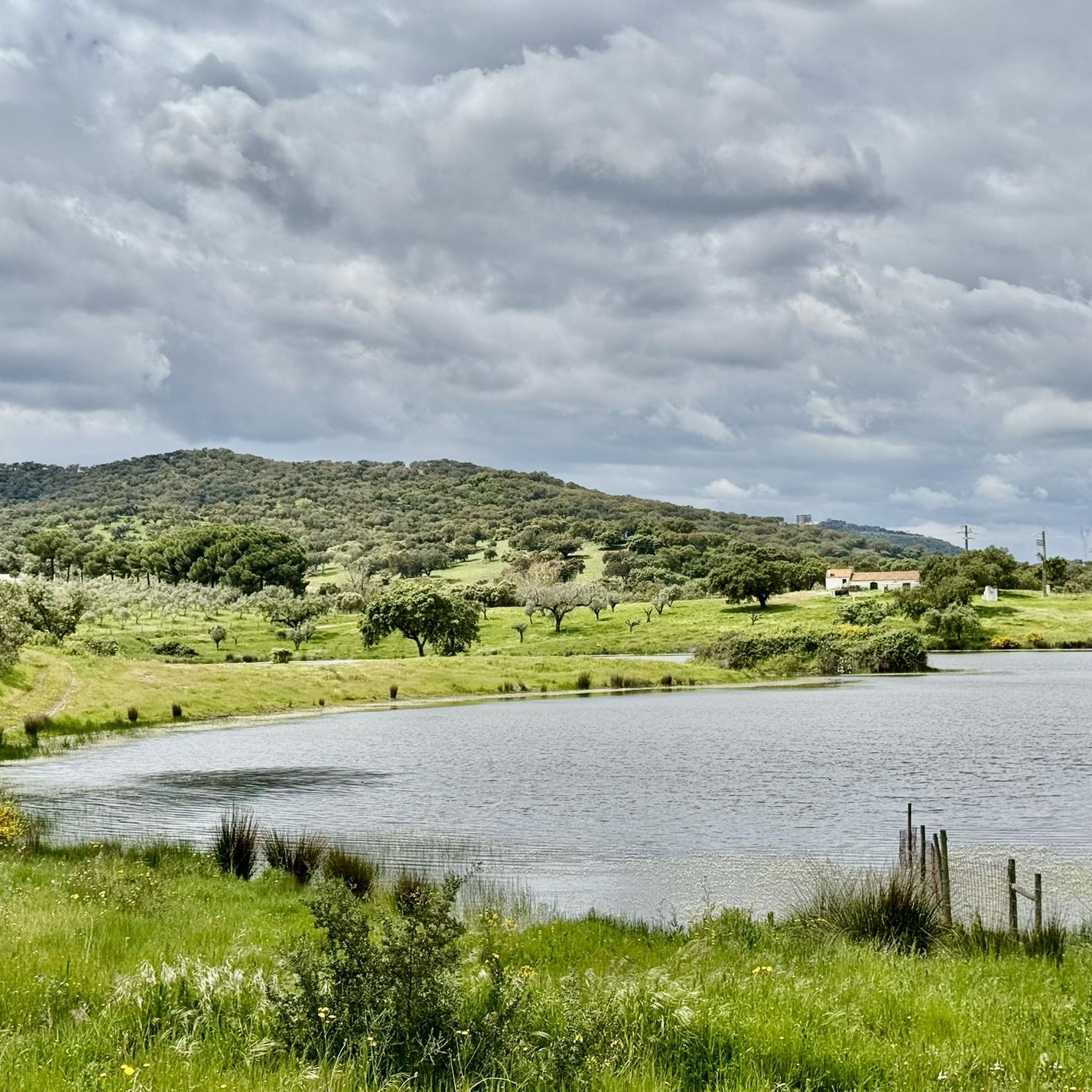
The region is renowned for its vast Montado Cork Oak Forest, a unique agroforestry system where cork is sustainably harvested. You can witness this traditional practice and explore sun-dappled trails. Additionally, you can visit the Grande Cork Oak, a natural monument estimated to be around 250 years old with an impressive 12-meter height and 30-meter crown diameter.
Are there historical or archaeological natural monuments to visit in the area?
Yes, the area offers several sites with historical significance. The Alto de São Gens, a summit at 650 meters altitude, is an archaeological site with memories of occupation dating back more than three millennia to the Bronze and Iron Ages. You can also explore the Estremoz Marble Quarries, where marble has been extracted since the Roman Empire, reaching its peak during the Baroque period.
What kind of outdoor activities can I do near these natural monuments?
The region around Évora Monte (Santa Maria) offers various outdoor activities. For hiking, you can explore routes like the 'Serra d'Ossa Boardwalks – Serra d'Ossa Boardwalks loop' or the 'Lake – Montado Cork Oak Forest loop'. For more challenging adventures, there are running trails such as the 'Our Lady of Monte da Virgem – Alto de São Gens loop' and several mountain biking routes, including the 'Estremoz – Alto de São Gens loop'. You can find more details on these activities in the hiking guide, running guide, and MTB guide for the area.
Are there family-friendly natural monuments or trails suitable for children?
Yes, the Grande Cork Oak is considered family-friendly and is part of a pedestrian path. The Serra d'Ossa Boardwalks, while not directly listed as a highlight, are also noted in regional research as being relatively short (1.5 km, 3 km round trip) with minimal elevation changes, making them suitable for families with children.
What is the best time to visit the natural monuments around Évora Monte (Santa Maria)?
The Alentejo region, where Évora Monte (Santa Maria) is located, experiences hot, dry summers. Spring (April-May) and Autumn (September-October) generally offer more pleasant temperatures for exploring the natural monuments and engaging in outdoor activities like hiking and cycling. During these seasons, the landscapes are often vibrant, and the weather is ideal for longer walks.
Can I spot wildlife in the natural monument areas?
Yes, the Montado Cork Oak Forest is a biodiverse ecosystem providing habitat for various flora and fauna. The Serra d'Ossa region, with its natural springs and ancient water engineering works, attracts diverse wildlife such as badgers, foxes, various birds, and insects. Keep an eye out for these creatures while exploring the trails.
Are there any easy walking trails or boardwalks to experience the natural beauty?
Yes, the Serra d'Ossa Boardwalks offer an easy and immersive experience. These walkways traverse the verdant valley of the Ribeira do Monte Virgem, winding alongside steep schist cliffs. They are relatively short at 1.5 km (3 km round trip) and have minimal elevation changes, making them accessible for a relaxed stroll.
What is the Anta da Candeeira and why is it significant?
The Anta da Candeeira is a megalithic monument, also known as a dolmen, which is a common sight in the Alentejo region. These enigmatic stone structures were built during the Neolithic period by ancient communities and serve as silent testimonies to a distant past, offering a glimpse into the region's prehistoric heritage.
What do visitors enjoy most about the natural monuments in Évora Monte (Santa Maria)?
Visitors appreciate the blend of natural beauty and historical depth. The Estremoz Marble Quarries are valued for their historical significance and the unique landscape they create. The Alto de São Gens offers stunning views and a connection to ancient civilizations. The Grande Cork Oak is admired for its impressive size and age, representing the region's iconic cork forests.
Are there any specific trails for hiking near the natural monuments?
Yes, there are several hiking trails. For example, the 'Eremitas da Serra D'Ossa (PR 4) — circular route' is a longer option. A shorter, easier option is the 'Serra d'Ossa Boardwalks – Serra d'Ossa Boardwalks loop from Ermida de Nossa Senhora do Monte da Virgem'. You can find more details and other routes in the Hiking around Évora Monte (Santa Maria) guide.
Where can I see cork oaks and learn about cork harvesting?
The entire region around Évora Monte (Santa Maria) is part of the extensive Montado Cork Oak Forest. You can specifically visit areas like the Cork oaks highlight, where you can learn about the process of harvesting cork every nine years from the lower part of the tree's bark. This sustainable practice is central to the region's economy and natural heritage.
Most popular routes around Évora Monte (Santa Maria)
Most popular attractions around Évora Monte (Santa Maria)

Get inspired with the komoot mobile app


Explore more
Extend your search for the best caves by checking out these guides of the top ones around Évora Monte (Santa Maria):
