Top 20 Natural Monuments around Ribeira Das Taínhas
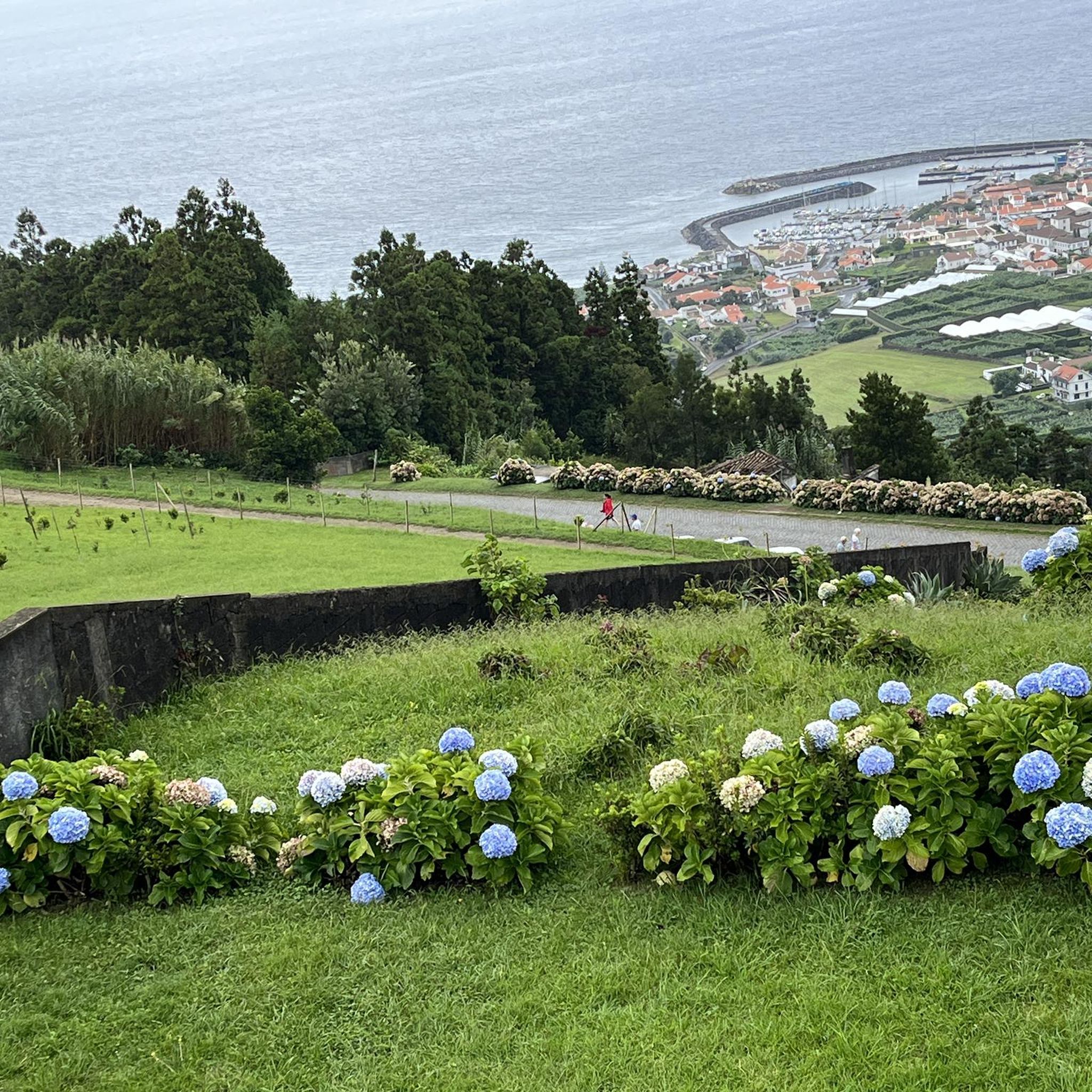
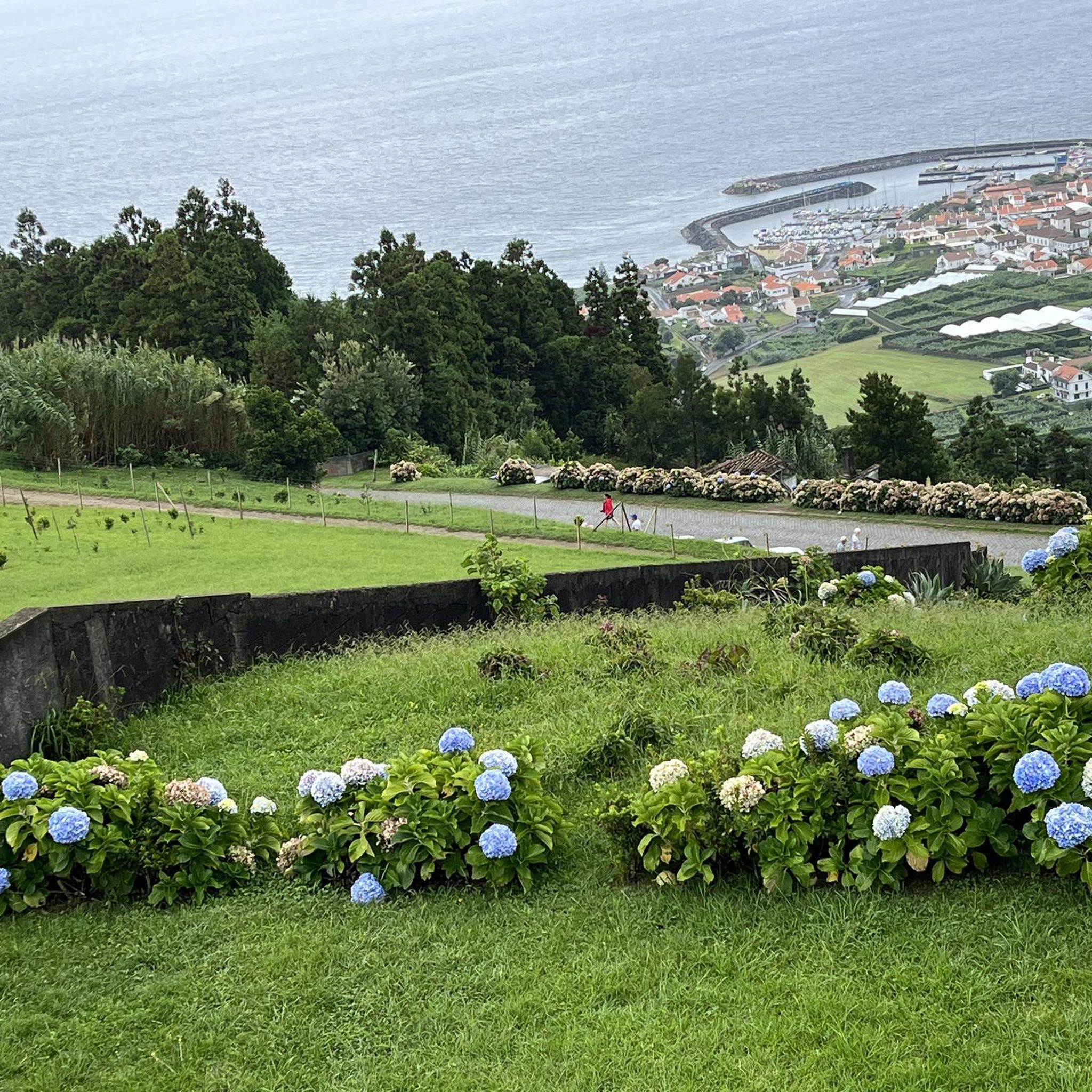
Best natural monuments around Ribeira Das Taínhas showcase the region's volcanic origins and coastal beauty in the Azores, Portugal. This civil parish offers diverse natural sites, from crater lakes to coastal viewpoints. The landscape provides opportunities to connect with nature and explore unique geological formations. These natural monuments are integral to the area's character and offer varied outdoor experiences.
Best natural monuments around Ribeira Das Taínhas
- The most popular natural monuments is Window of Hell Waterfall, a waterfall that features tunnels and aqueducts. Visitors can walk through several tunnels, some up to 50 meters long, to reach the waterfall.
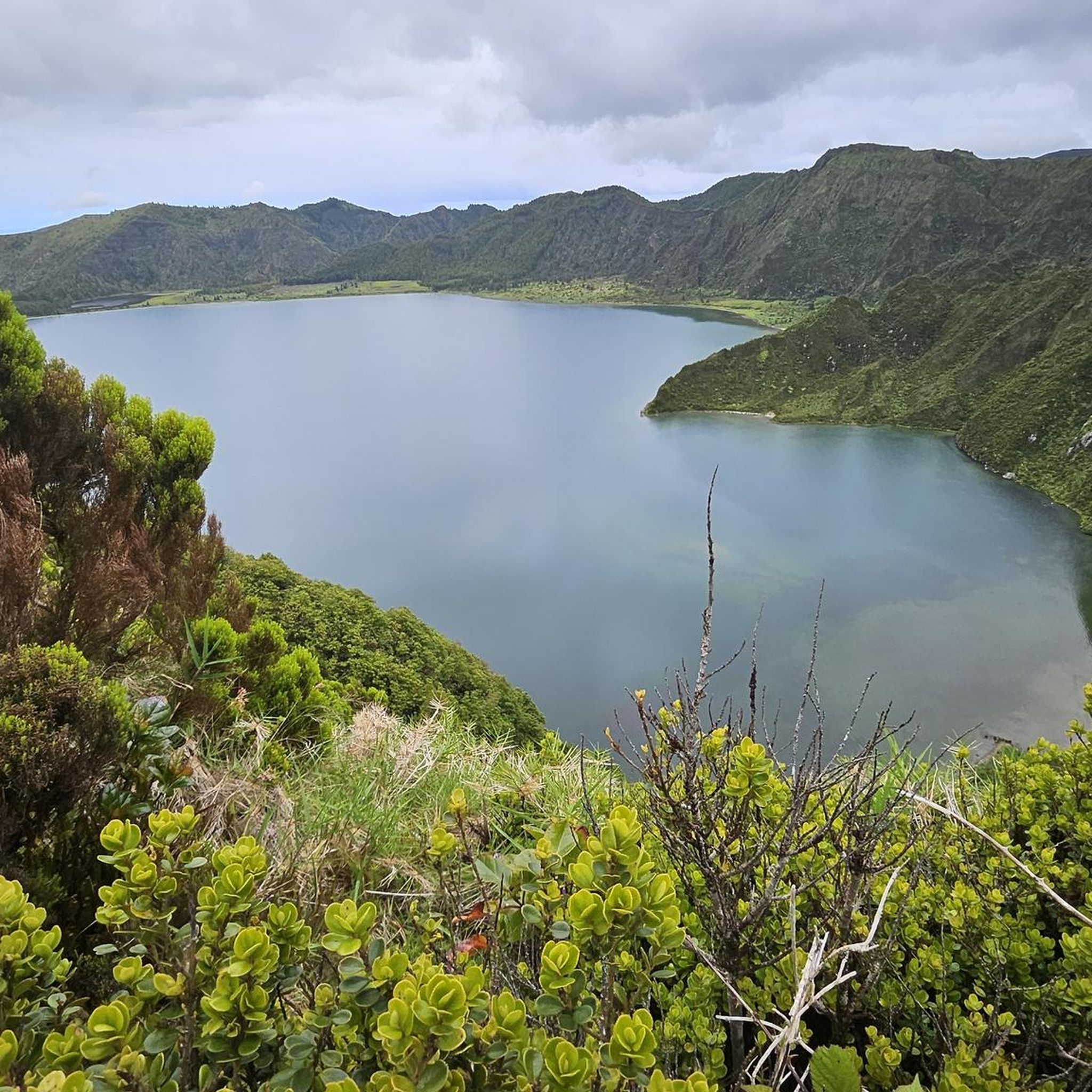
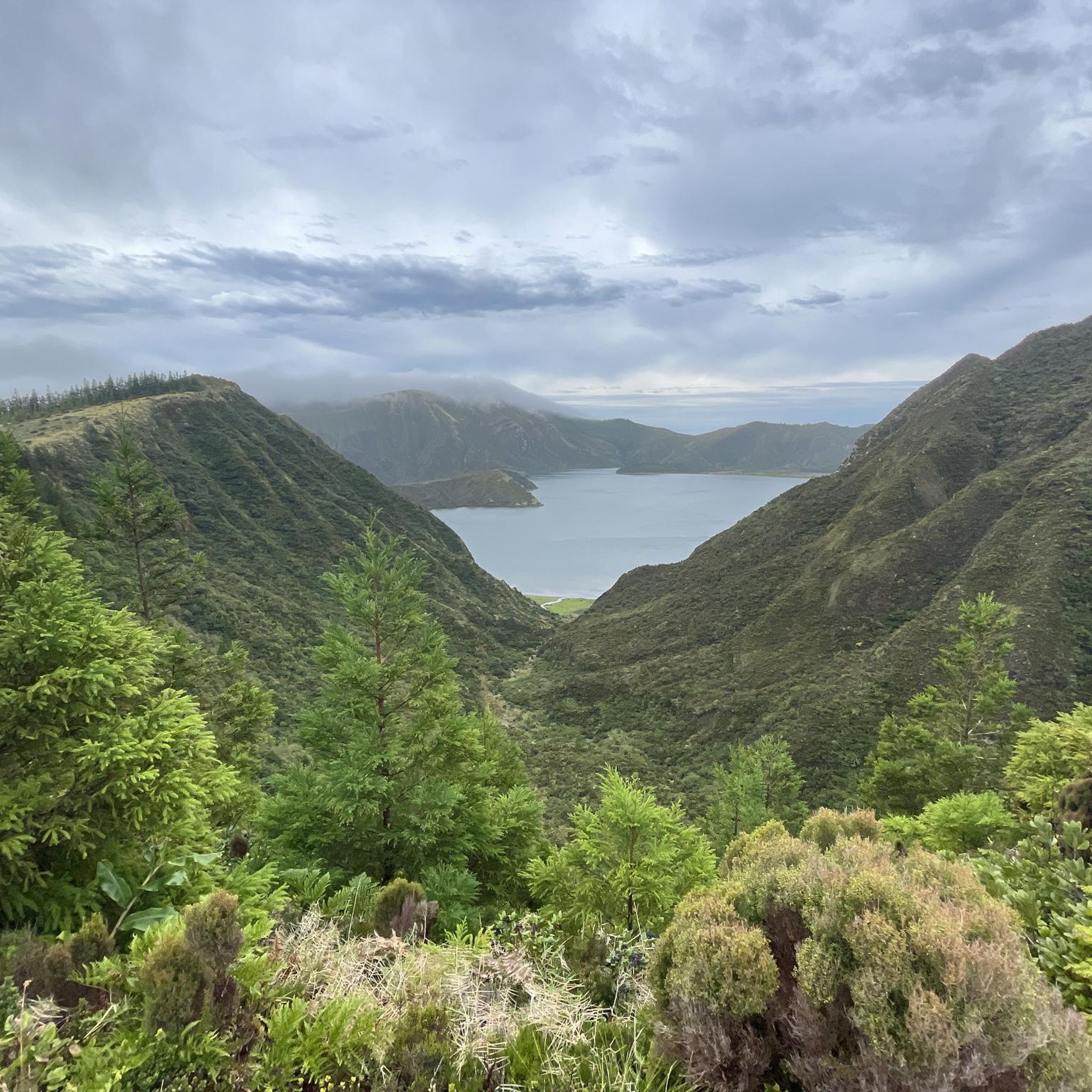
- Another must-see spot is Lagoa do Fogo (Lagoon of Fire), a crater lake located at 580 meters altitude. This lake offers views surrounded by natural landscapes.
- Visitors also love Furnas Caldeiras (Hot Springs), an area known for its bubbling and steaming geothermal activity. This site is notable for the traditional "Cozido das Furnas" stew, cooked underground using the natural heat.
- Ribeira Das Taínhas is known for its waterfalls, lakes, and hot springs. The area offers a variety of natural monuments to see and explore, including viewpoints and volcanic features.
- The natural monuments around Ribeira Das Taínhas are appreciated by the komoot community, with more than 800 upvotes and over 600 photos shared.
Last updated: July 26, 2026
Furnas Caldeiras (Hot Springs)
Highlight • Natural Monument
Translated by Google •
Tip by

Furnas Lake
Highlight • Lake
Translated by Google •
Tip by

Sign up now to discover places like this
Get recommendations on the best single tracks, peaks, & plenty of other exciting outdoor places.
Sign up for free
Window of Hell Waterfall
Highlight • Waterfall
Translated by Google •
Tip by
Cabrito Waterfall
Highlight • Waterfall
Translated by Google •
Tip by

Lagoa do Fogo (Lagoon of Fire)
Highlight • Lake
Translated by Google •
Tip by
Sign up for free to discover even more natural monuments around Ribeira Das Taínhas.
Sign up for free
Already have an account?
Start today with a free account
Your next adventure awaits.
Login or Signup
Tips from the Community


Beautiful waterfall. When it rains a lot, the circular route is not possible because the path further down is then washed away by the stream.
2
0

Beautiful gorge with a small waterfall. The climb can be a bit slippery.
1
0

One of the key points of the Island - and the entire archipelago. Site immersed in nature that, like other volcanic calderas on the islands, makes it seem like you are somewhere on dry land, and not in the middle of the ocean.
1
0
Lagoa das Furnas is one of the main attractions of São Miguel Island. It is a volcanic lagoon surrounded by vegetation and geothermal activity, famous for traditional stews made underground. It also houses the Chapel of Nossa Senhora das Vitórias and the Furnas Monitoring and Research Center (CMIF), dedicated to ecological recovery and environmental education.
3
1
A little tension is also nice... from above you have a good view of the gorge. The climb is worth it!"
1
0

We ate the “Cozido das Furnas” in a local restaurant (after visiting the “excavation”). It's a really tasty stew, but most people don't like the black pudding...
5
0
Frequently Asked Questions
What unique natural features can I explore in Ribeira Das Taínhas?
Ribeira Das Taínhas offers a variety of natural features, showcasing the Azores' volcanic origins and coastal beauty. You can discover pristine crater lakes like Furnas Lake, known for its geothermal activity, or the secluded Lagoa do Fogo (Lagoon of Fire). The region also features impressive waterfalls such as Cabrito Waterfall, and stunning coastal viewpoints like Miradouro da Freguesia, offering panoramic sea views.
Are there any hidden natural gems in Ribeira Das Taínhas?
Yes, for those seeking a more secluded experience, Lagoa do Congro is a hidden crater lake enveloped by dense, lush forest, offering a serene and tranquil environment away from typical tourist routes. Its rich biodiversity and status as a geosite of the Azores UNESCO Global Geopark make it a special find.
What is the best time to visit the natural monuments in Ribeira Das Taínhas?
The best time to visit the natural monuments in Ribeira Das Taínhas, particularly for hiking and outdoor activities, is generally during the spring (April to June) and early autumn (September to October). During these periods, the weather is typically mild and pleasant, with less rain and fewer crowds compared to the peak summer months, making for ideal conditions to explore the landscapes.
What do visitors enjoy most about the natural monuments in Ribeira Das Taínhas?
Visitors particularly enjoy the diverse natural beauty and the immersive experiences offered. Many appreciate the unique geothermal activity at Furnas Caldeiras (Hot Springs), especially seeing the traditional 'Cozido das Furnas' stew cooked underground. The exciting hike through tunnels to reach the Window of Hell Waterfall is also a community favorite, praised for its adventurous feel and beautiful scenery.
Are there family-friendly natural monuments around Ribeira Das Taínhas?
Several natural monuments in the area are suitable for families. Furnas Caldeiras (Hot Springs) offers an engaging educational experience with its bubbling geysers. Furnas Lake is also family-friendly, with opportunities for gentle walks around its perimeter. Additionally, Window of Hell Waterfall, while adventurous with its tunnels, is often enjoyed by families with older children.
Where can I find a beach to relax near Ribeira Das Taínhas?
Calhau da Areia Beach, also known as Ribeira das Tainhas Beach, is a distinct and popular local spot. This unmonitored beach features fine sand and clear Atlantic waters, ideal for swimming and relaxation. It's accessible via stairs from a scenic viewpoint and leisure area, with parking available at the top.
What kind of viewpoints are available in Ribeira Das Taínhas?
The region is home to several stunning viewpoints. Miradouro da Freguesia (or Miradouro da Ribeira das Taínhas) is the main scenic lookout in the heart of the parish, offering expansive panoramic views of the sea and rugged coastline. Other highlights like Lagoa do Fogo (Lagoon of Fire) and Furnas Lake also feature viewpoints that provide breathtaking vistas of their respective natural settings.
Are there hiking trails near the natural monuments in Ribeira Das Taínhas?
Yes, the area around Ribeira Das Taínhas is excellent for hiking. You can find various trails, including those that lead to or around natural monuments. For example, there are routes around Lagoa do Fogo and Furnas Lake. For more detailed information on hiking options, you can explore the Running Trails around Ribeira Das Taínhas guide, which includes routes like the 'Lagoa do Fogo — trail on the Island of São Miguel (PRC 2 SMI)'.
What other outdoor activities can I do near these natural monuments?
Beyond hiking, Ribeira Das Taínhas offers opportunities for cycling. You can find various routes for both mountain biking and road cycling that pass by or near many natural monuments. For instance, the MTB Trails around Ribeira Das Taínhas guide features routes like 'Furnas Caldeiras (Hot Springs) – Lake Furnas loop from Furnas', and the Road Cycling Routes around Ribeira Das Taínhas guide includes scenic rides such as 'From Ponta Delgada to Lagoa de Furnas'.
How accessible are the natural monuments for visitors?
Accessibility varies by monument. Many viewpoints and some lake areas, like parts of Furnas Lake, have relatively easy access with parking nearby. However, some natural monuments, particularly those involving trails or descending into craters like Lagoa do Congro, may require walking on uneven terrain or stairs. For specific accessibility details, it's advisable to check individual highlight descriptions.
Can I find information about the geological history of these natural monuments?
Yes, the natural monuments in Ribeira Das Taínhas are deeply rooted in the Azores' volcanic history. For example, Lagoa do Congro is a pristine crater lake formed approximately 3,800 years ago by a hydromagmatic eruption. Furnas Caldeiras (Hot Springs) and Furnas Lake are also prime examples of volcanic activity, showcasing geothermal phenomena and crater lake formations. These sites offer a direct connection to the island's geological past.
Are there any specific tips for visiting the Furnas Caldeiras (Hot Springs)?
When visiting Furnas Caldeiras (Hot Springs), be sure to witness the bubbling and steaming geothermal activity. It's also the traditional spot where the 'Cozido das Furnas' stew is cooked underground using natural heat, so don't miss the chance to taste this unique local dish. There is a parking lot nearby, and if you plan to walk around Furnas Lake, consider walking clockwise to pass the Caldeiras without necessarily paying an additional entrance fee if you're not entering the park.
Most popular attractions around Ribeira Das Taínhas

Get inspired with the komoot mobile app


Explore more
Extend your search for the best caves by checking out these guides of the top ones around Ribeira Das Taínhas:
