Top 12 Natural Monuments around Manadas (Santa Bárbara)
Best natural monuments around Manadas (Santa Bárbara) are characterized by the unique geological formations known as fajãs, which are flat, fertile coastal plains formed by ancient landslides or lava flows. This civil parish on São Jorge Island in the Azores provides access to distinctive natural attractions, including volcanic peaks and dramatic coastal features. The landscape offers a blend of natural beauty and rich biodiversity, making it a notable area for outdoor exploration.
Best natural monuments around Manadas (Santa Bárbara)
- The…
Last updated: May 17, 2026
Fajã dos Cubres
Highlight • Settlement
Translated by Google •
Tip by

Pico da Esperança Crater Lake
Highlight • Summit
Translated by Google •
Tip by
Sign up now to discover places like this
Get recommendations on the best single tracks, peaks, & plenty of other exciting outdoor places.
Sign up for free
Natural Arch of São Jorge
Highlight • Natural Monument
Translated by Google •
Tip by
Natural Pool of Poças de São Roque
Highlight • Beach
Translated by Google •
Tip by

View of the Cliffs of the Fajãs do Norte
Highlight • Viewpoint
Translated by Google •
Tip by
Sign up for free to discover even more natural monuments around Manadas (Santa Bárbara).
Sign up for free
Already have an account?
Start today with a free account
Your next adventure awaits.
Login or Signup
Popular around Manadas (Santa Bárbara)
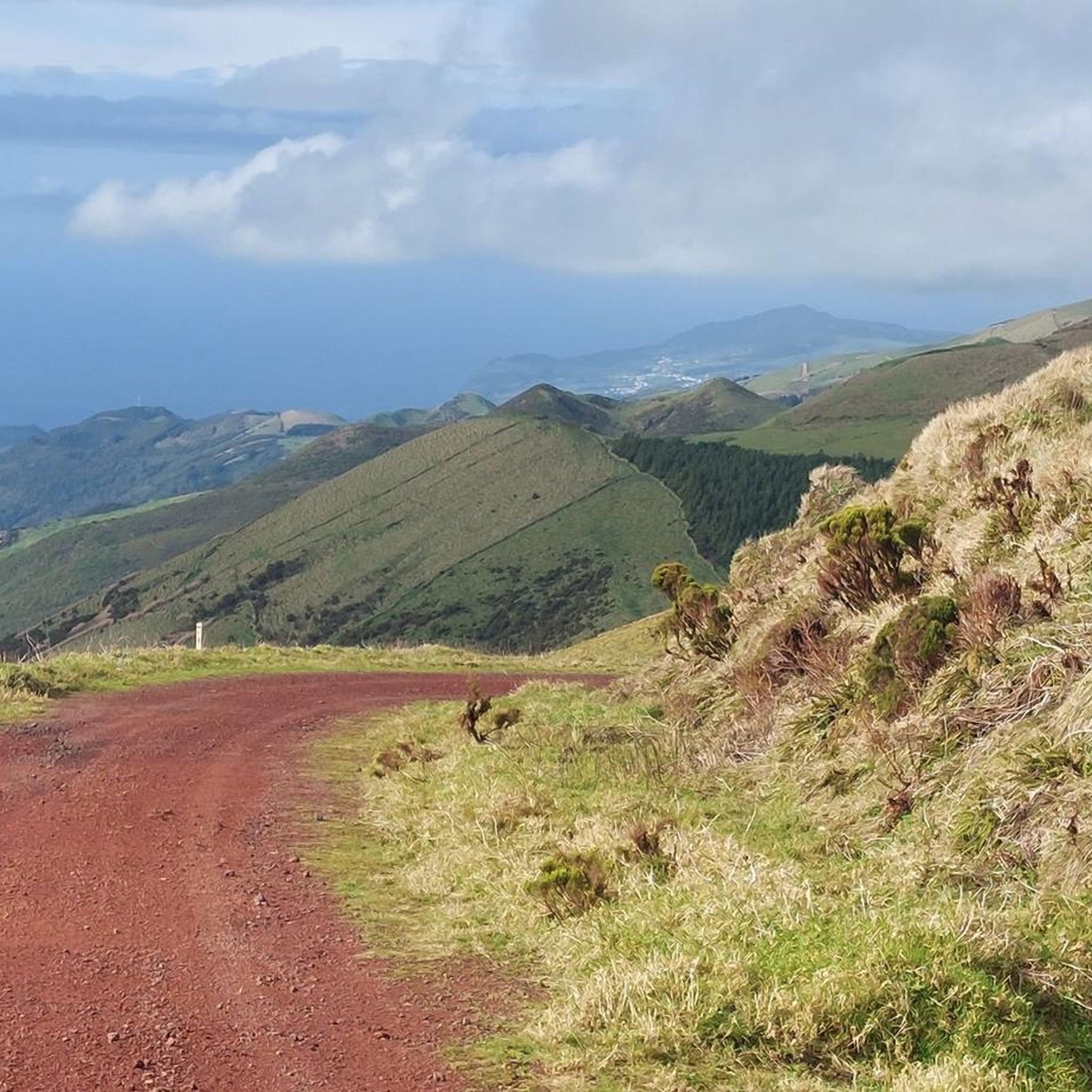
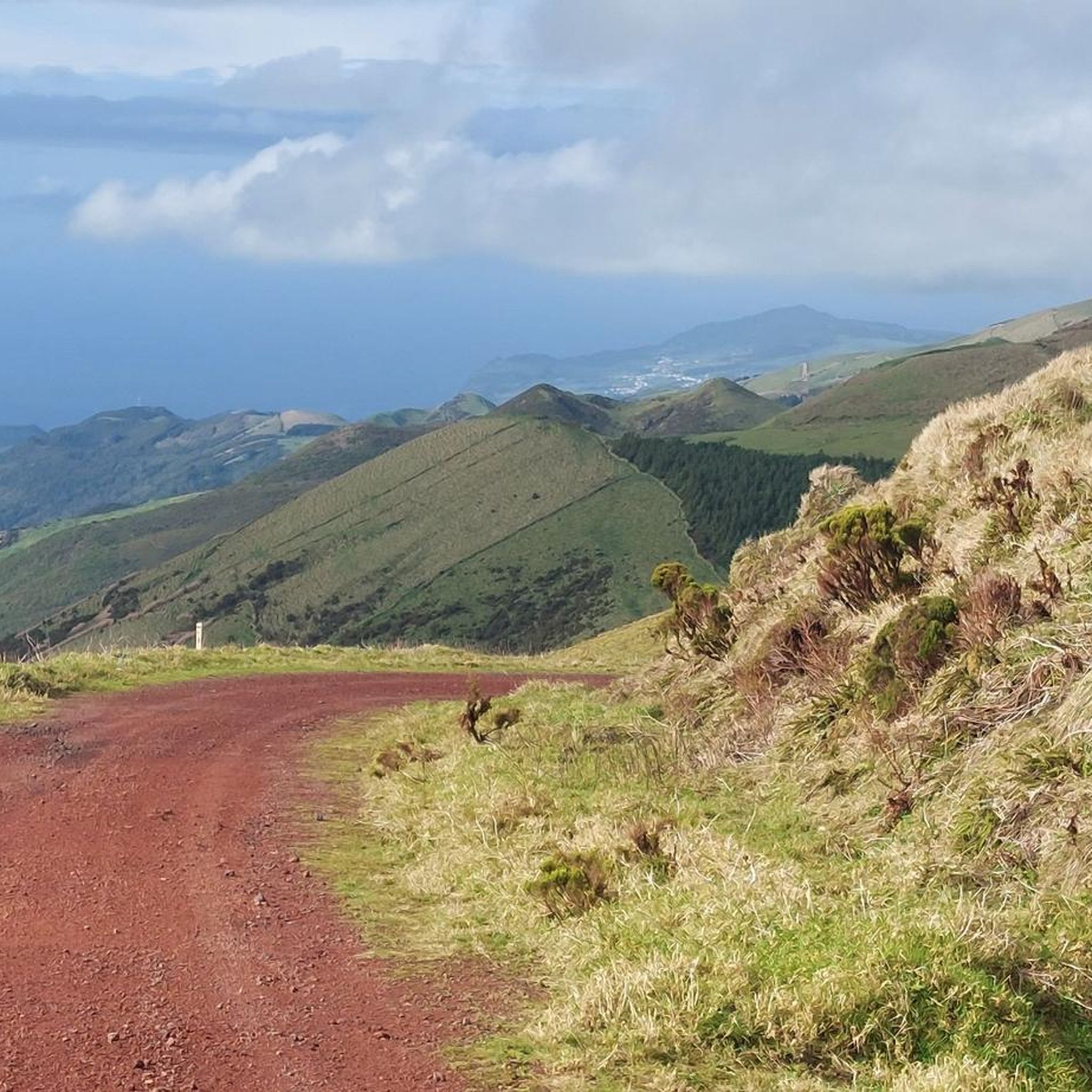
Tips from the Community

If you come to Sao Jorge, you'll most likely want to take one of the hikes to Caldeira de Santo Cristo. The flat and short route there starts from the Faja dos Cubres and is definitely a feast for the eyes. The sound of the waves and how they pull the rounded lava rocks back into the sea is almost meditative. 🤌
0
0

Fajã dos Cubres marks the end point of the route that begins in Serra do Topo. A beautiful and idyllic place by the sea. For those who choose to return to walking, it is a mandatory stopping point. However, it is also possible to return from here by taxi to the start.
0
0
More than a rocky structure, a signature of how beautiful the contrast is between volcanic activity and the omnipresence of the Atlantic. A simultaneously sweet and bitter memory, about the cycle of life and the inevitable future of the Azores - even if very distant.
1
0
Fajã dos Cubres marks the end point of the route that begins in Serra do Topo. A beautiful and idyllic place by the sea. For those who choose to return walking, it is an obligatory stopping point. However, it is also possible to return from here by taxi to the start.
0
0
Just look at a map to realize that São Jorge Island is a long mountain range - even with the Atlantic hiding and submerging much of the mountain range. The highest point of the Island is Pico da Esperança, with its 1053 meters of altitude, a volcanic mountain with abundant vegetation of high botanical value.
2
0
A point that offers fantastic views of the cliffs of the north coast in the central region of São Jorge. On clear weather days you can see Graciosa Island and Terceira Island on the horizon.
0
0

Highest point on the island of São Jorge. Easy access
0
0
Highest point on the island, easy access. An amazing 360° view
0
0
Frequently Asked Questions
What unique natural features can I expect to see around Manadas (Santa Bárbara)?
The region is renowned for its unique geological formations called fajãs, which are flat, fertile coastal plains formed by ancient landslides or lava flows. You'll also find dramatic volcanic landscapes, including São Jorge's highest point, Pico da Esperança Crater Lake, and impressive rock formations like the Natural Arch of São Jorge.
Are there any natural pools for swimming near Manadas (Santa Bárbara)?
Yes, several natural pools offer refreshing swimming opportunities. Natural Pool of Poças de São Roque is a well-attended sea pool with facilities. Fajã das Almas also features natural pools, and Fajã do Ouvidor is famous for its natural swimming pools, such as Poça de Simão Dias, carved into basaltic columns.
Where can I experience the best views of São Jorge's dramatic coastline?
For breathtaking coastal vistas, visit the View of the Cliffs of the Fajãs do Norte, which offers fantastic panoramas. The hike to Fajã da Caldeira de Santo Cristo, particularly from Serra do Topo, is also famous for its cinematic scenes and dramatic volcanic cliffs. Pico da Esperança Crater Lake provides views of other islands on clear days.
Can I observe wildlife, especially birds, at the natural monuments?
Yes, São Jorge offers excellent opportunities for wildlife spotting. Fajã dos Cubres features a coastal lagoon that serves as a natural refuge for various seabirds and migratory species. The uninhabited Ilhéu do Topo is a significant marine bird sanctuary, hosting species like the Roseate Tern, Barolo Shearwater, and Cory's Shearwater.
Are there any waterfalls to visit near Manadas (Santa Bárbara)?
While not directly in Manadas, the Cascata do Cruzal (Cruzal Waterfall) in the area of Santo Antão, Calheta, is a picturesque waterfall on São Jorge Island. It offers a magnificent cascade and a serene environment for nature lovers.
Are there family-friendly natural monuments around Manadas (Santa Bárbara)?
Yes, the Natural Pool of Poças de São Roque is a great family-friendly option, offering a safe and protected sea pool with changing rooms and loungers. The tranquil setting of Fajã das Almas with its natural pools also provides a relaxing experience for families.
What kind of outdoor activities can I do near these natural monuments?
The area is ideal for hiking and exploring. You can find various routes, from easy walks to more challenging trails. For instance, there are easy hikes like the 'View from Pico da Esperança – Pico da Esperança Crater Lake loop' or the 'Fajã dos Cubres – Fajã do Belo loop'. More challenging options include the 'Pico do Pedro - Pico da Esperança - Fajã do Ouvidor Trail'. You can find more details on these and other routes in the hiking guide and easy hikes guide for Manadas (Santa Bárbara).
What is the best time of year to visit the natural monuments in São Jorge?
The Azores generally have a mild climate year-round. However, for hiking and enjoying the natural pools, the warmer months from late spring to early autumn (May to October) typically offer the most pleasant weather with less rain and more sunshine. This period is ideal for outdoor activities and clear views.
What do visitors enjoy most about the natural monuments around Manadas (Santa Bárbara)?
Visitors frequently praise the stunning natural beauty, particularly the unique fajãs and dramatic coastal landscapes. The tranquility and idyllic settings, such as those found at Fajã dos Cubres, are highly appreciated. Many also enjoy the opportunity to swim in the natural sea pools and the panoramic views from various viewpoints, including the distant Pico Island from Fajã das Almas.
Are there opportunities for diving or snorkeling near the natural monuments?
Yes, the clear waters around São Jorge offer great opportunities for diving and snorkeling. Ilhéu do Topo, a protected islet, is known for its rich marine life and is a popular spot for diving. Fajã das Almas also features natural pools that are calm areas suitable for swimming and snorkeling.
Can I find any 'hidden gem' natural monuments that are less crowded?
While many fajãs are well-known, exploring some of the less accessible ones or visiting during off-peak hours can offer a more secluded experience. Fajã das Almas, for instance, offers a tranquil and secluded experience amidst lush green hills. The hike to Fajã da Caldeira de Santo Cristo, while popular, still provides a pure nature experience due to its protected status and remote access.
What should I wear for hiking to the natural monuments?
Given the varied terrain and potential for changing weather, it's advisable to wear comfortable, layered clothing. Sturdy hiking shoes with good grip are essential, especially for trails that can be uneven or wet. Bringing a waterproof jacket is also recommended, as weather can be unpredictable in the Azores.
Most popular routes around Manadas (Santa Bárbara)
Most popular attractions around Manadas (Santa Bárbara)

Get inspired with the komoot mobile app


Explore more
Extend your search for the best caves by checking out these guides of the top ones around Manadas (Santa Bárbara):
