Top 10 Natural Monuments around Norte Pequeno
Best natural monuments around Norte Pequeno are found on São Jorge island in the Portuguese Azores, a region known for its dramatic volcanic landscapes and unique natural monuments called *fajãs*. This area is part of the Fajãs de São Jorge Biosphere Reserve, designated by UNESCO. The region offers a glimpse into Azorean culture and unspoiled nature, making it a destination for nature enthusiasts.
Best natural monuments around Norte Pequeno
- The most popular natural monuments is Pico da Esperança Crater Lake…
Last updated: May 17, 2026
Fajã dos Cubres
Highlight • Settlement
Translated by Google •
Tip by

Pico da Esperança Crater Lake
Highlight • Summit
Translated by Google •
Tip by
Sign up now to discover places like this
Get recommendations on the best single tracks, peaks, & plenty of other exciting outdoor places.
Sign up for free
Small Waterfall
Highlight • Waterfall
Translated by Google •
Tip by

Serra do Topo to Fajã de Santo Cristo Trail
Highlight (Segment) • Trail
Translated by Google •
Tip by
View of the Cliffs of the Fajãs do Norte
Highlight • Viewpoint
Translated by Google •
Tip by
Sign up for free to discover even more natural monuments around Norte Pequeno.
Sign up for free
Already have an account?
Start today with a free account
Your next adventure awaits.
Login or Signup
Popular around Norte Pequeno
Tips from the Community

If you come to Sao Jorge, you'll most likely want to take one of the hikes to Caldeira de Santo Cristo. The flat and short route there starts from the Faja dos Cubres and is definitely a feast for the eyes. The sound of the waves and how they pull the rounded lava rocks back into the sea is almost meditative. 🤌
0
0

Came around 17h and found not a single soul, so could enjoy the pool all to myself
0
0

Fajã dos Cubres marks the end point of the route that begins in Serra do Topo. A beautiful and idyllic place by the sea. For those who choose to return to walking, it is a mandatory stopping point. However, it is also possible to return from here by taxi to the start.
0
0
The descending trail that connects Serra do Topo to Fajã de Santo Cristo is one of the biggest attractions on São Miguel Island and reveals the purest things about the Azores. Beautiful sea landscapes, wonderful endemic vegetation, well-maintained trails, grazing oxen and more. Highly recommended.
0
0
Fajã dos Cubres marks the end point of the route that begins in Serra do Topo. A beautiful and idyllic place by the sea. For those who choose to return walking, it is an obligatory stopping point. However, it is also possible to return from here by taxi to the start.
0
0
Just look at a map to realize that São Jorge Island is a long mountain range - even with the Atlantic hiding and submerging much of the mountain range. The highest point of the Island is Pico da Esperança, with its 1053 meters of altitude, a volcanic mountain with abundant vegetation of high botanical value.
2
0
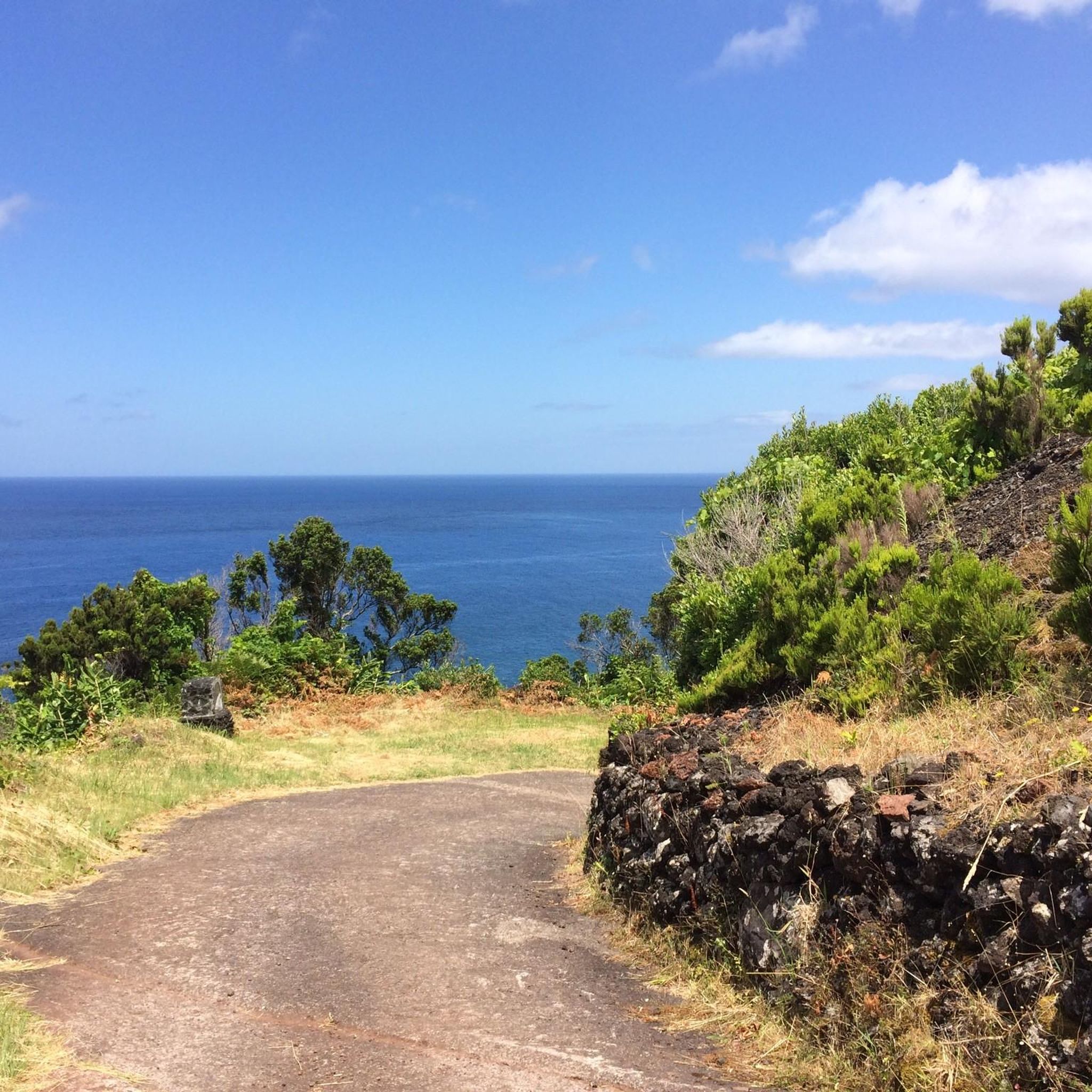
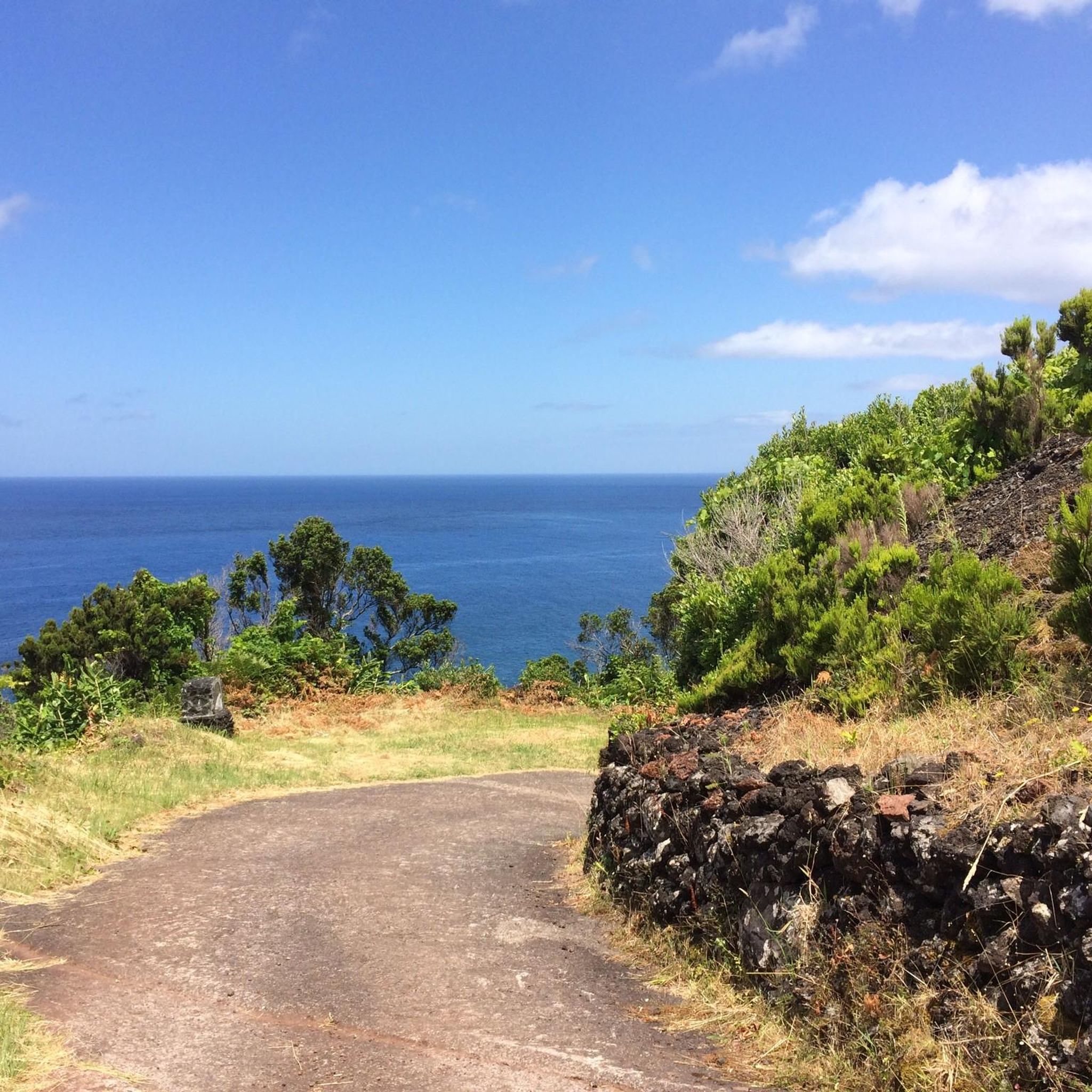
A point that offers fantastic views of the cliffs of the north coast in the central region of São Jorge. On clear weather days you can see Graciosa Island and Terceira Island on the horizon.
0
0

Here you can take a break in beautiful surroundings and enjoy the view
0
0
Frequently Asked Questions
What makes the natural monuments around Norte Pequeno unique?
The natural monuments around Norte Pequeno are renowned for their dramatic volcanic landscapes and unique coastal platforms known as fajãs. This region is part of the Fajãs de São Jorge Biosphere Reserve, designated by UNESCO, highlighting its significant ecological and geological value. These formations, created by landslides and lava flows, have historically supported traditional communities and offer an authentic glimpse into Azorean culture and unspoiled nature.
Which are some of the most popular natural monuments to visit near Norte Pequeno?
Visitors frequently enjoy Fajã dos Cubres, known for its idyllic coastal setting, lakes, and unspoiled nature. Another popular spot is Pico da Esperança Crater Lake, the highest point on São Jorge Island, offering expansive views. The Small Waterfall is also a favorite for its refreshing 'bathtub' and scenic views with an old bridge.
Are there family-friendly natural monuments or trails in the Norte Pequeno area?
Yes, several natural monuments and nearby trails are suitable for families. The Small Waterfall is easily accessible and well-signposted, offering a refreshing stop. Additionally, Fajã dos Cubres is considered family-friendly, providing a beautiful coastal environment. For easy hikes, consider routes like the 'Fajã de Santo Cristo – Small Waterfall loop' or the 'Fajã dos Cubres – Fajã do Belo loop', which are listed in the Easy hikes around Norte Pequeno guide.
What kind of hiking opportunities are available near the natural monuments of Norte Pequeno?
Norte Pequeno offers diverse hiking opportunities, from moderate to difficult trails, often connecting various fajãs and viewpoints. You can explore routes like the 'Norte Pequeno Trail' or more challenging options such as 'PR04SJO: Pico do Pedro – Pico da Esperança – Fajã do Ouvidor'. Many trails provide stunning views of the coastline and volcanic landscapes. For more details, refer to the Hiking around Norte Pequeno guide.
Can I see other islands from the natural monuments in Norte Pequeno?
Yes, from certain viewpoints and natural monuments, you can enjoy panoramic views of neighboring islands. For instance, from Pico da Esperança Crater Lake, the highest point on São Jorge, you can often see other islands and the Pico volcano on clear days. The View of the Cliffs of the Fajãs do Norte also offers views of Graciosa Island and Terceira Island on the horizon.
What are the 'fajãs' and why are they significant in Norte Pequeno?
Fajãs are unique low-lying coastal platforms formed by landslides and lava flows, characteristic of São Jorge island. In Norte Pequeno, these fajãs are significant for their geological formation, rich biodiversity, and the preservation of a traditional, sustainable way of life. They host small communities, terraced vineyards, and pastures, and are crucial for endemic flora and seabird habitats, contributing to the island's status within the Azores' Natural Park system.
Are there any caves or unique geological formations to explore?
Yes, one notable geological formation is Furna de Poio, a grotto that is part of the Fajã de Santo Cristo. It's known for its fresh water inside, though exploring it requires a good flashlight due to its cold and dark conditions.
What is the best time of year to visit the natural monuments around Norte Pequeno for hiking?
While the Azores generally have a mild climate, the best time for hiking and exploring the natural monuments is typically during the warmer, drier months, from late spring to early autumn (May to October). This period offers more stable weather conditions, making trails more accessible and views clearer. However, be prepared for changeable weather at any time of year.
What do visitors particularly enjoy about the natural monuments in this region?
Visitors frequently praise the stunning panoramic views, especially from spots like View of the Cliffs of the Fajãs do Norte and Pico da Esperança Crater Lake. The tranquility and unspoiled nature of places like Fajã dos Cubres are also highly appreciated. Many enjoy the opportunity to cool off at the Small Waterfall after a hike, highlighting the unique combination of natural beauty and refreshing experiences.
Are there any natural monuments that offer a truly secluded or off-the-beaten-path experience?
Yes, Fajã da Penedia, while not listed as a Komoot highlight, is known as one of the less-visited settlements on the island. It offers a truly secluded and natural experience with no electricity or telephones, making it ideal for those seeking tranquility and a deep connection with nature. Its isolation and pristine condition provide a unique glimpse into traditional Azorean life.
What kind of wildlife or natural habitats can be observed in the natural monuments area?
The natural monuments and fajãs of Norte Pequeno are part of the Fajãs de São Jorge Biosphere Reserve, preserving significant biodiversity. These areas are crucial for endemic flora and seabird habitats. Coastal lakes, such as those found in Fajã dos Cubres, are known for shrimp and clam beds, showcasing the rich marine life supported by these unique ecosystems.
Are there any specific trails that allow me to explore multiple fajãs?
Yes, the scenic 'North Route' walking trail, which includes Fajã do Mero, traverses several fajãs of Norte Pequeno. This trail allows visitors to observe the natural beauty and traditional way of life across multiple coastal platforms, offering views of other fajãs like Fajã dos Azevinhos and Fajã da Ribeira D'Areia from various sightseeing points.
Most popular routes around Norte Pequeno
Most popular attractions around Norte Pequeno

Get inspired with the komoot mobile app


Explore more
Extend your search for the best caves by checking out these guides of the top ones around Norte Pequeno:
