Top 4 Natural Monuments around Luso
Best natural monuments around Luso are primarily found within the Buçaco National Forest, a protected area known for its rich biodiversity and historical significance. This region features a unique microclimate supporting a diverse collection of trees and plants. The landscape is characterized by ancient forests, natural springs, and elevated viewpoints. It offers a blend of natural features and historical elements, including structures built by Discalced Carmelite monks.
Best natural monuments around Luso
- The most popular natural monuments is Fonte Fria…
Last updated: October 2, 2026
Fonte Fria
Highlight • Natural Monument
Tip by

Cruz Alta Viewpoint
Highlight • Viewpoint
Translated by Google •
Tip by

Sign up now to discover places like this
Get recommendations on the best single tracks, peaks, & plenty of other exciting outdoor places.
Vale das Feteiras
Highlight (Segment) • Forest
Tip by
Fonte das Águas Mansas
Highlight • Natural Monument
Translated by Google •
Tip by

Start today with a free account
Your next adventure awaits.



Tips from the Community


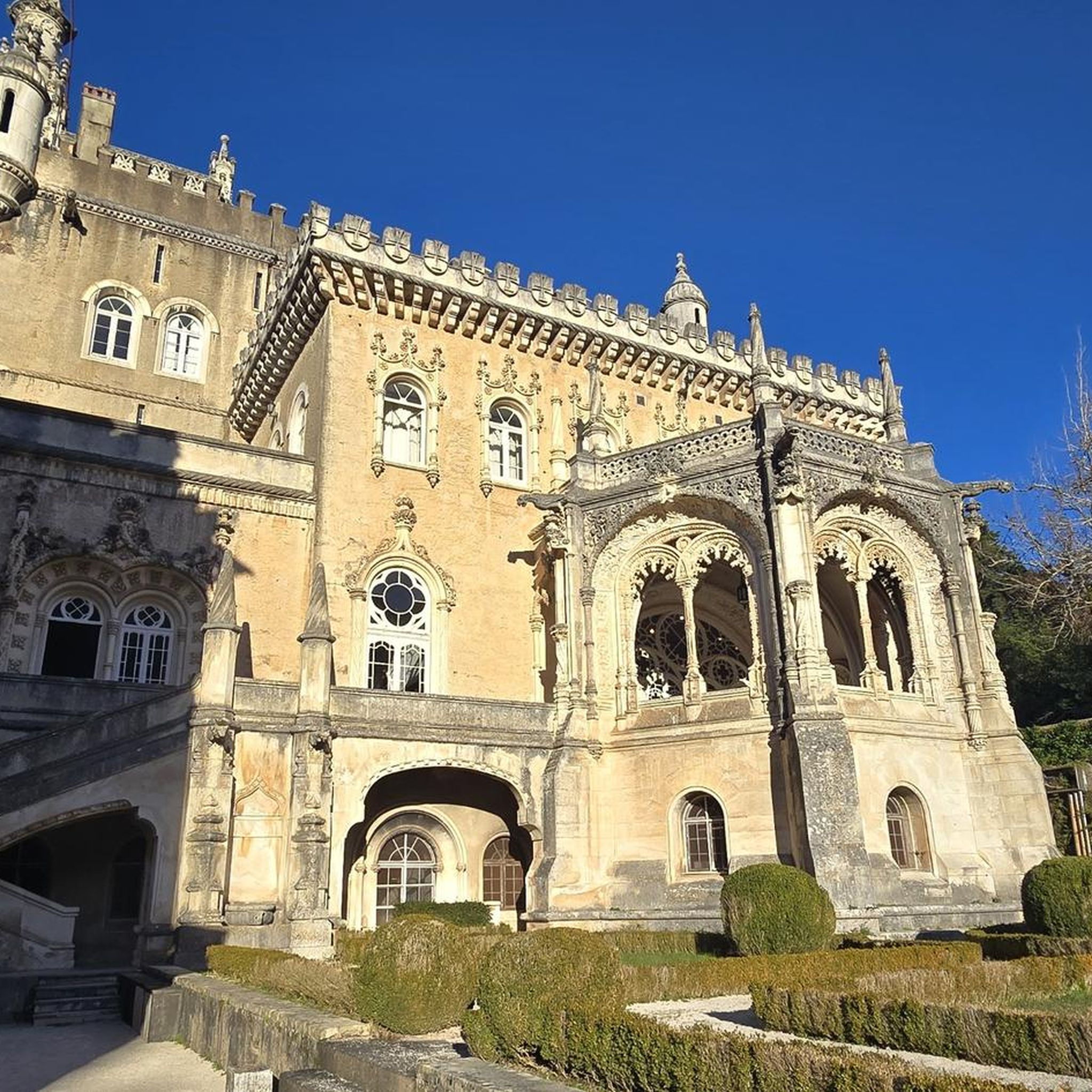
This fountain was built between the 17th and 18th centuries and renovated again in the 19th century. It supplied water to the Hermitage of St. Ellijah. Today, the road to Bussaco Castle passes by.
5
0

The Fonte Fria is the most famous fountain in the Bucaco forest near Luso. The cold spring rises in a grotto, from where the water flows in a cascade along a staircase with 144 steps into a pool surrounded by hydrangeas and magnolias.
4
1

The Miradouro da Cruz Alta, located 547 meters above sea level in Serra do Bussaco, offers 360-degree panoramic views, reaching mountains such as Boa Viagem, Estrela and Caramulo. It is surrounded by the Bussaco Forest, rich in diverse flora and historical legacy.
2
1

Absolutely impressive construction... it's worth the walk for that alone wow!
5
0

Stunning view from the high observation deck.
0
0

Many different types of ferns with impressive sizes
2
0

The cold fountain/fonte fria has some running and falling water from the steps above to the steps bellow. It's a cascade type fountain.
6
0
Frequently Asked Questions
What are the most popular natural monuments to visit around Luso?
The most popular natural monuments in the Luso area are primarily found within the magnificent Buçaco National Forest. Highlights include the impressive cascading water stairway of Fonte Fria, the unique giant tree ferns of Vale das Feteiras, and the panoramic views from Cruz Alta Viewpoint.
What makes the Buçaco National Forest so special?
The Buçaco National Forest is a truly unique natural monument, boasting one of Europe's finest dendrological collections with over 250 tree and shrub species, including ancient centenarians and exotic plants. Its unique microclimate, historical cultivation by Carmelite monks, and a 17th-century papal bull protecting its trees contribute to its special atmosphere and rich biodiversity. It's been on UNESCO's tentative list of natural World Heritage Sites since 2004.
Are there any historical natural monuments in the Luso area?
Yes, many natural monuments in the Luso area have significant historical connections. The entire Buçaco National Forest was cultivated by Discalced Carmelite monks starting in the 17th century, who built a convent and chapels. Fountains like Fonte das Águas Mansas and Fonte do Carregal also date back centuries, supplying water to historical sites and undergoing renovations over time.
What kind of unique plant life can I expect to see?
The Buçaco National Forest is renowned for its exceptional plant diversity. You can expect to see towering centenarian trees, exotic species introduced during the Age of Discovery, Mexican Cypress, Cork Oak, and a wide variety of ferns. The Vale das Feteiras, for instance, is famous for its giant tree ferns, some of which are Dicksonia antarctica, creating an almost tropical ambiance.
Where can I find the best panoramic views?
For breathtaking panoramic views, head to Cruz Alta Viewpoint. As the highest peak in the Serra do Buçaco mountain range at 549 meters, it offers sweeping vistas across the entire Buçaco Forest, the Serra da Estrela, the Mondego River valley, and on clear days, even the Atlantic Ocean. It's easily accessible by car.
Are there hiking trails within the natural monuments?
Absolutely! The Buçaco National Forest offers six identified pedestrian paths that lead through its mesmerizing botanical displays and historical routes. These trails allow you to explore the lush vegetation, numerous fountains, and natural corners. You can find various routes, including those passing through Vale das Feteiras and Fonte Fria. For more details, check out the hiking guide around Luso.
What outdoor activities can I do near these natural monuments?
Beyond exploring the natural monuments themselves, the area around Luso is perfect for various outdoor activities. Hiking is very popular, with numerous trails available for different skill levels. You can also find excellent running trails that take you through the beautiful forest landscapes. The tranquil environment is also ideal for nature photography and birdwatching.
Is the Buçaco National Forest suitable for families with children?
Yes, the Buçaco National Forest is very family-friendly. The pedestrian paths are generally well-maintained, and areas like Vale das Feteiras with its giant ferns offer a magical experience for children. There are also several family-friendly hikes that are easy to moderate in difficulty, allowing everyone to enjoy the natural beauty.
When is the best time of year to visit the natural monuments around Luso?
The Buçaco National Forest benefits from a unique microclimate with mild temperatures, making it pleasant to visit year-round. However, spring (April to June) and autumn (September to October) are particularly beautiful, with vibrant foliage and comfortable weather for exploring. The frequent morning fog adds to the forest's mystical charm, especially during cooler months.
Are dogs allowed on the trails in the Buçaco National Forest?
While the historical rules of the forest are strict, generally, dogs are allowed on leash on the main trails within the Buçaco National Forest. It's always best to check local signage upon arrival for any specific restrictions or protected areas where dogs might not be permitted to ensure a respectful visit for all.
Is there parking available at the natural monuments?
Yes, parking is generally available, especially near the main entrances to the Buçaco National Forest and at popular viewpoints like Cruz Alta. Luso town also offers parking options, from which you can access the forest on foot or via short drives. Some areas within the forest might have limited parking, so planning ahead is advisable.
Can I drink the water from the natural springs in Luso?
Luso is famous for its pure, medicinal waters. The São João Fountain in Luso town is a prominent feature where many people collect water, known for its therapeutic properties. While many natural springs in the region are historically significant for their water quality, it's always recommended to verify the potability of water from specific natural sources before consumption, especially if not explicitly marked as drinking water.
Most popular attractions around Luso

Get inspired with the komoot mobile app


Explore more
Extend your search for the best caves by checking out these guides of the top ones around Luso:
