Top 4 Natural Monuments around Frossos
Natural monuments around Frossos, a locality within Albergaria-a-Velha, Portugal, offer a diverse natural landscape. The area is characterized by unique wetland environments, such as the Pateira de Frossos, which is recognized for its ecological significance and rich biodiversity. This region features distinct agro-ecosystems and cultural ties to traditional practices. These natural features provide opportunities for nature observation and exploration.
Best natural monuments around Frossos
- The most popular natural monuments is View of the Salt Pans, Rua do Sal, a…
Last updated: November 13, 2026
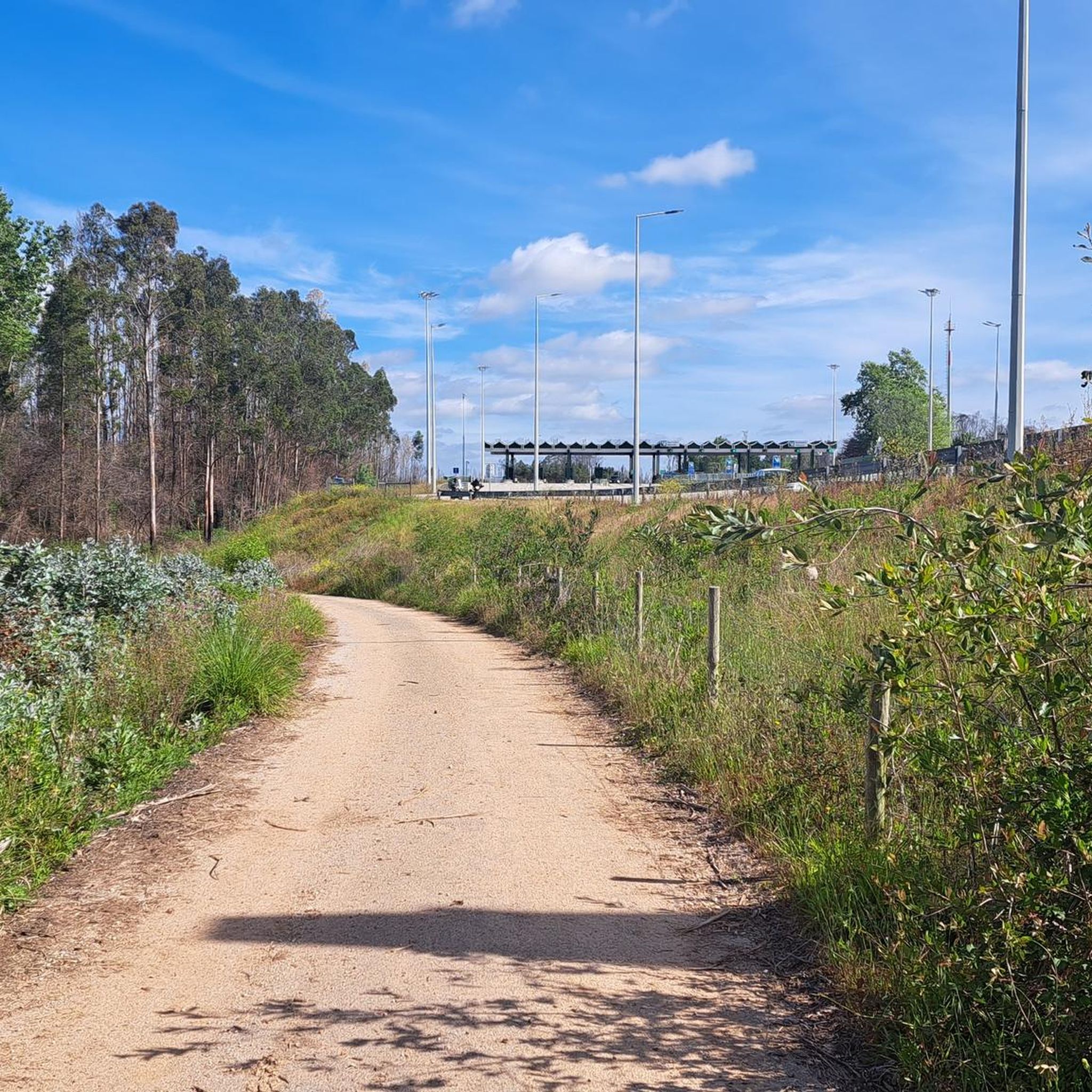
View of the Salt Pans, Rua do Sal
Highlight • Viewpoint
Translated by Google •
Tip by

Espinhel Park
Highlight • Natural Monument
Translated by Google •
Tip by

Sign up now to discover places like this
Get recommendations on the best single tracks, peaks, & plenty of other exciting outdoor places.
Arenito de Eirol Trail
Highlight • Trail
Translated by Google •
Tip by

Aveiro Municipal Environmental Interpretation Center (CMIA)
Highlight • Rest Area
Translated by Google •
Tip by

Start today with a free account
Your next adventure awaits.


Tips from the Community

Salt mining in the Aveiro region dates back to a time before the Ria de Aveiro itself existed, with the first written document about Aveiro salt production dating back to before the founding of the nation. Over the centuries, the instability of the inlet (isolation from the sea) was a decisive factor in the variation in the number and production of salt pans. This resulted in periods of decline interspersed with periods of great favorability for production. This occurred in 1572, when, given the favorable condition of the inlet and the high and progressive commercial and maritime index, Aveiro became one of the best ports in Portugal, with a significant increase in salt trade and cod fishing. In 1808, the new inlet (an artificial system that allows seawater to enter) was finally opened, a fact of exceptional importance for the future of Aveiro and the entire region. (Source: Wikipedia) (Source: Wikipedia)⁶
14
0

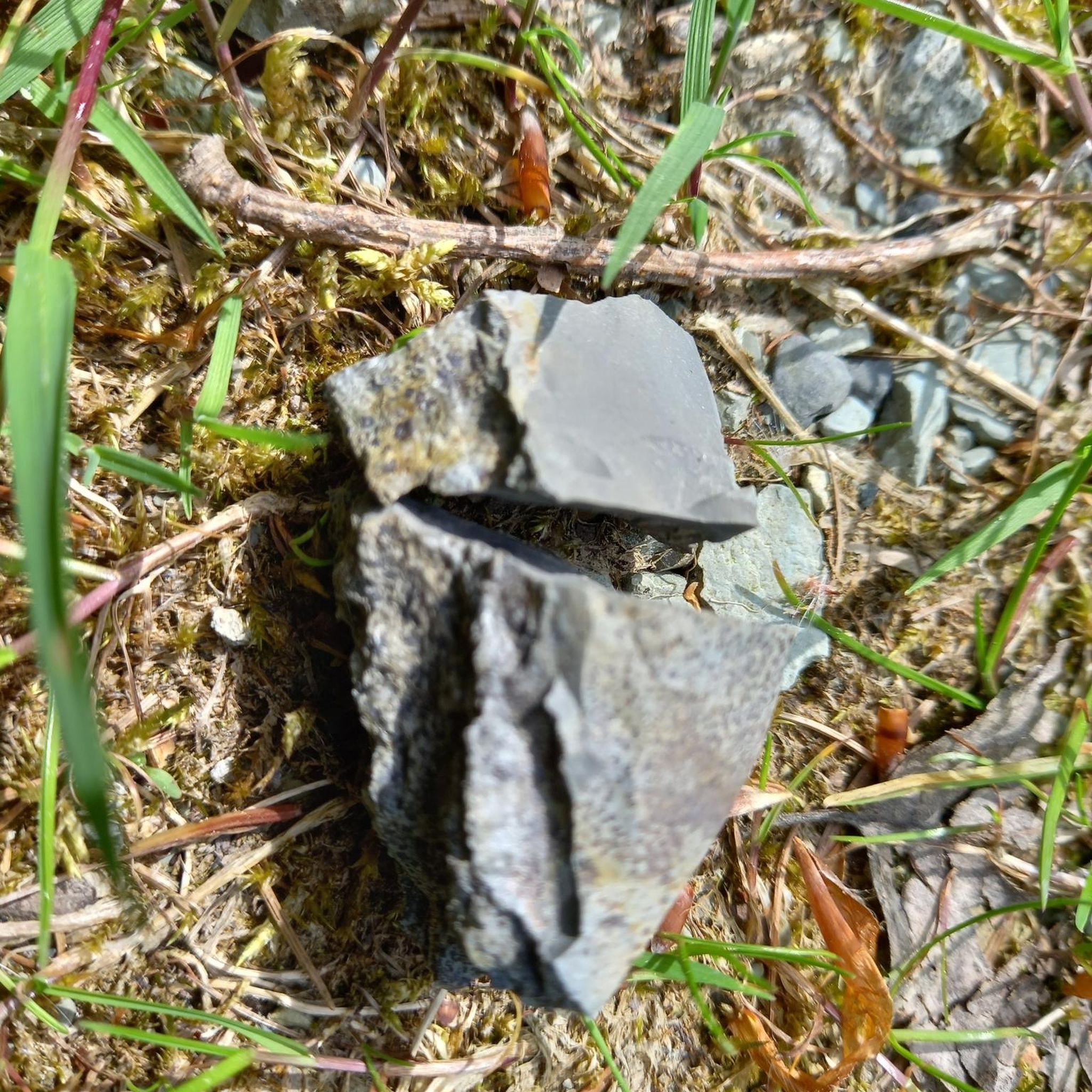
These red rocks are known as Eirol sandstone, which is a sedimentary rock made up of sand bound together by a reddish cement, clay and iron oxides, and is therefore not very resistant. This sandstone was probably formed in the Upper Triassic period and extends over a small geographical strip delimited by the Vouga and Águeda valleys, and is quite developed in the Espinhel and Eirol area. The trail is indeed very beautiful.
1
0

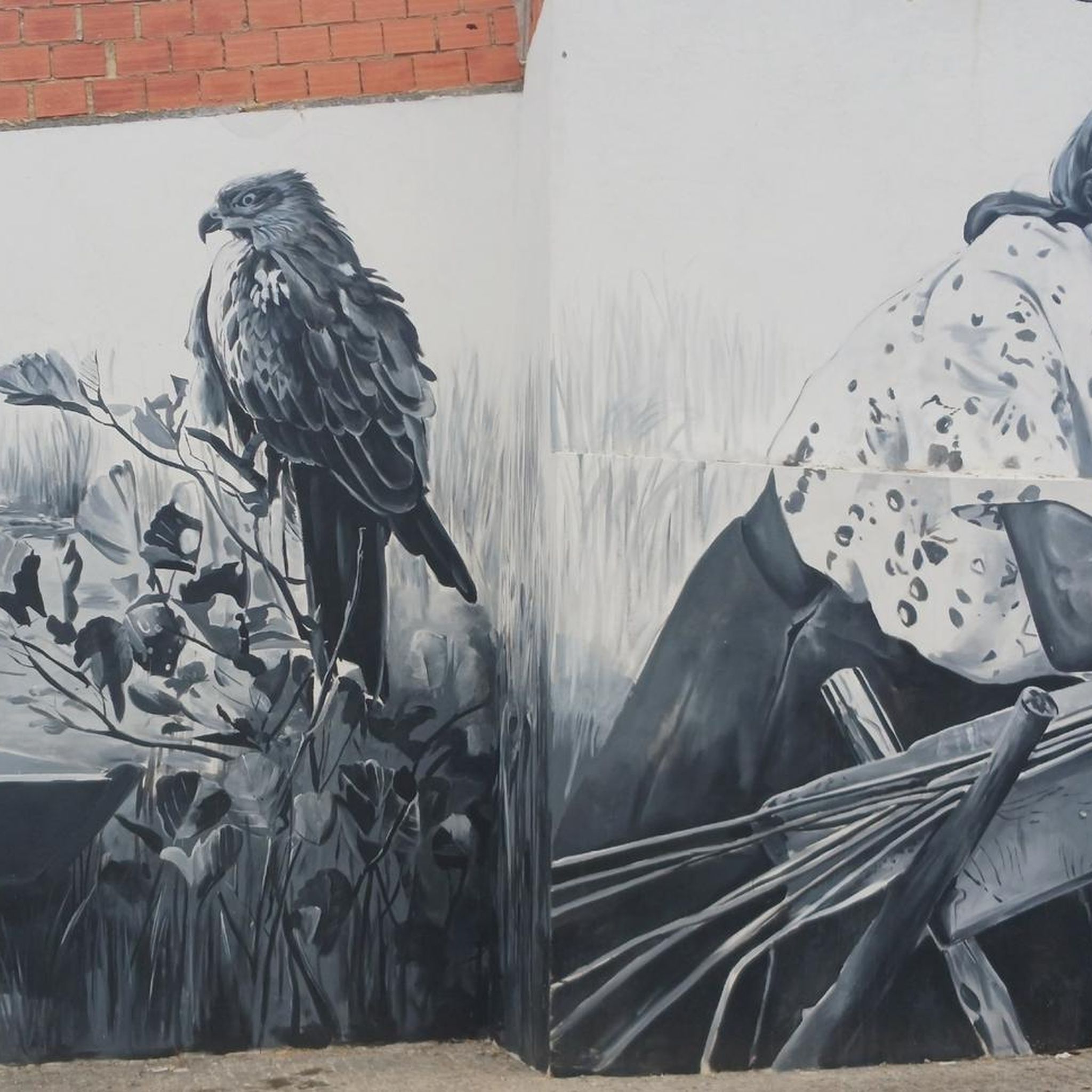
The CMIA ("Centro Municipal de Interpretacao Ambiental") is located right on the edge of the extensive saltworks landscape. It offers an interesting and varied exhibition with stuffed birds and other animal species, well-made and helpful display boards and other displays. The expert staff are happy to help with many further questions. From the walkable roof of the center there are great views of the extensive wetlands of the original saltworks landscape. Binoculars are also available. Outside there are covered table groups for resting and some educational games.
2
1

Espinhel Park offers walkways and viewpoints to enjoy the lagoon and the village of Fermentelos. It is an area rich in biodiversity. and habitat for aquatic and migratory birds, close to the geological formation of Eirol sandstones.
0
0
Frequently Asked Questions
What are the key natural features to explore around Frossos?
The region around Frossos is known for its unique wetland environments, particularly the Pateira de Frossos, which is a significant natural heritage site. You can also find distinctive red Eirol sandstone formations, such as those along the Arenito de Eirol Trail, and areas rich in biodiversity like Espinhel Park, which features lagoons and habitats for aquatic and migratory birds.
Are there family-friendly natural monuments in Frossos?
Yes, several natural monuments around Frossos are suitable for families. Espinhel Park offers walkways and viewpoints over the lagoon, making it pleasant for all ages. The View of the Salt Pans, Rua do Sal, is also considered family-friendly, offering an interesting historical perspective. Additionally, the Aveiro Municipal Environmental Interpretation Center (CMIA) is a family-friendly facility with educational exhibits and views of the wetlands.
What kind of wildlife can I observe in the natural monuments of Frossos?
The Pateira de Frossos, part of the Baixo Vouga Lagoon and Natura 2000 Network, is a prime location for wildlife observation, especially birdwatching. It's an important habitat for various protected and threatened species, including the purple heron, Common Snipe, White Stork, Glossy Ibis, and Black-winged Kite. Espinhel Park is also known for its rich biodiversity, serving as a habitat for aquatic and migratory birds.
What is the best time to visit Frossos for nature observation?
The Pateira de Frossos is particularly significant for migratory and resident birds, making it a 'must-see' for birdwatching. While specific seasons aren't detailed, wetlands are often most active during migration periods (spring and autumn) or when water levels are optimal. Generally, milder weather conditions would enhance the experience of exploring the trails and viewpoints.
Are there hiking trails near the natural monuments in Frossos?
Yes, there are several hiking opportunities. The Arenito de Eirol Trail is a notable path featuring distinctive geological formations. For more hiking options, you can explore various routes in the area. Find detailed hiking trails and guides around Frossos on komoot: Hiking around Frossos.
What other outdoor activities can I do near these natural monuments?
Beyond hiking, the Frossos area offers opportunities for cycling and mountain biking. You can find various routes suitable for different skill levels. For more information on cycling, visit: Cycling around Frossos. For mountain biking, check out: MTB Trails around Frossos.
Are dogs allowed on trails and in natural monuments around Frossos?
While specific rules for dogs on every trail are not detailed, many natural areas in Portugal are dog-friendly, especially on leash. It's always recommended to keep dogs on a leash and clean up after them to preserve the natural environment and respect wildlife, particularly in sensitive areas like the Pateira de Frossos which is rich in biodiversity.
Is there parking available at the natural monuments?
While specific parking details for every natural monument are not provided, areas like the Aveiro Municipal Environmental Interpretation Center (CMIA) are typically equipped with parking facilities. For trails and viewpoints, parking availability can vary, often found near trailheads or designated visitor areas. It's advisable to check local signage upon arrival.
Are there any cultural or historical aspects linked to the natural monuments?
Yes, the region has strong cultural ties. The View of the Salt Pans, Rua do Sal, showcases the historical salt mining operations in the Aveiro region, highlighting centuries of tradition. The Pateira de Frossos also has cultural significance, with traditional practices like basketry and mat-making closely linked to its heritage. The Interpretation Centre for Pateira de Frossos aims to value this natural and cultural heritage.
What is the Aveiro Municipal Environmental Interpretation Center (CMIA) and what does it offer?
The Aveiro Municipal Environmental Interpretation Center (CMIA) is located on the edge of the extensive saltworks landscape. It features an interesting exhibition with stuffed birds and other animal species, informative display boards, and educational displays. Expert staff are available to answer questions. From its walkable roof, visitors can enjoy great views of the wetlands and saltworks, with binoculars provided. It also has outdoor covered seating and educational games.
Are there any viewpoints to enjoy the natural scenery in Frossos?
Frossos is known for its viewpoints. The View of the Salt Pans, Rua do Sal, offers a perspective on the historical salt production. Espinhel Park also provides walkways and viewpoints overlooking the lagoon and the village of Fermentelos. The walkable roof of the Aveiro Municipal Environmental Interpretation Center (CMIA) offers excellent views of the wetlands.
Do I need a permit to access trails or natural monuments in Frossos?
Based on available information, there is no indication that permits are generally required for accessing the natural monuments or trails around Frossos for recreational purposes. However, it's always good practice to respect local regulations and private property signs.
Most popular attractions around Frossos

Get inspired with the komoot mobile app


Explore more
Extend your search for the best caves by checking out these guides of the top ones around Frossos:
