Top 12 Natural Monuments around gmina Szczecinek
Best natural monuments around gmina Szczecinek include a diverse collection of old-growth trees and significant nature reserves. The region's landscape is characterized by forests, lakes, and unique bog ecosystems. Gmina Szczecinek offers opportunities to explore ancient trees, protected habitats, and scenic trails. It is a destination for those interested in natural history and ecological diversity.
Best natural monuments around gmina Szczecinek
- The most popular natural monuments is Dęby Wilczkowskie Nature Reserve, a forest that protects valuable old oak trees,…
Last updated: May 17, 2026
Dęby Wilczkowskie Nature Reserve
Highlight • Forest
Translated by Google •
Tip by

Diabelskie Pustacie Nature Reserve
Highlight • Natural Monument
Translated by Google •
Tip by

Sign up now to discover places like this
Get recommendations on the best single tracks, peaks, & plenty of other exciting outdoor places.
Sign up for free
Pomorska Sand Hill
Highlight • Structure
Translated by Google •
Tip by

Wrzosowiska Nature Reserve
Highlight • Natural Monument
Translated by Google •
Tip by

Church of St. Peter and Paul.
Highlight • Religious Site
Translated by Google •
Tip by

Sign up for free to discover even more natural monuments around gmina Szczecinek.
Sign up for free
Already have an account?
Start today with a free account
Your next adventure awaits.
Login or Signup

Tips from the Community

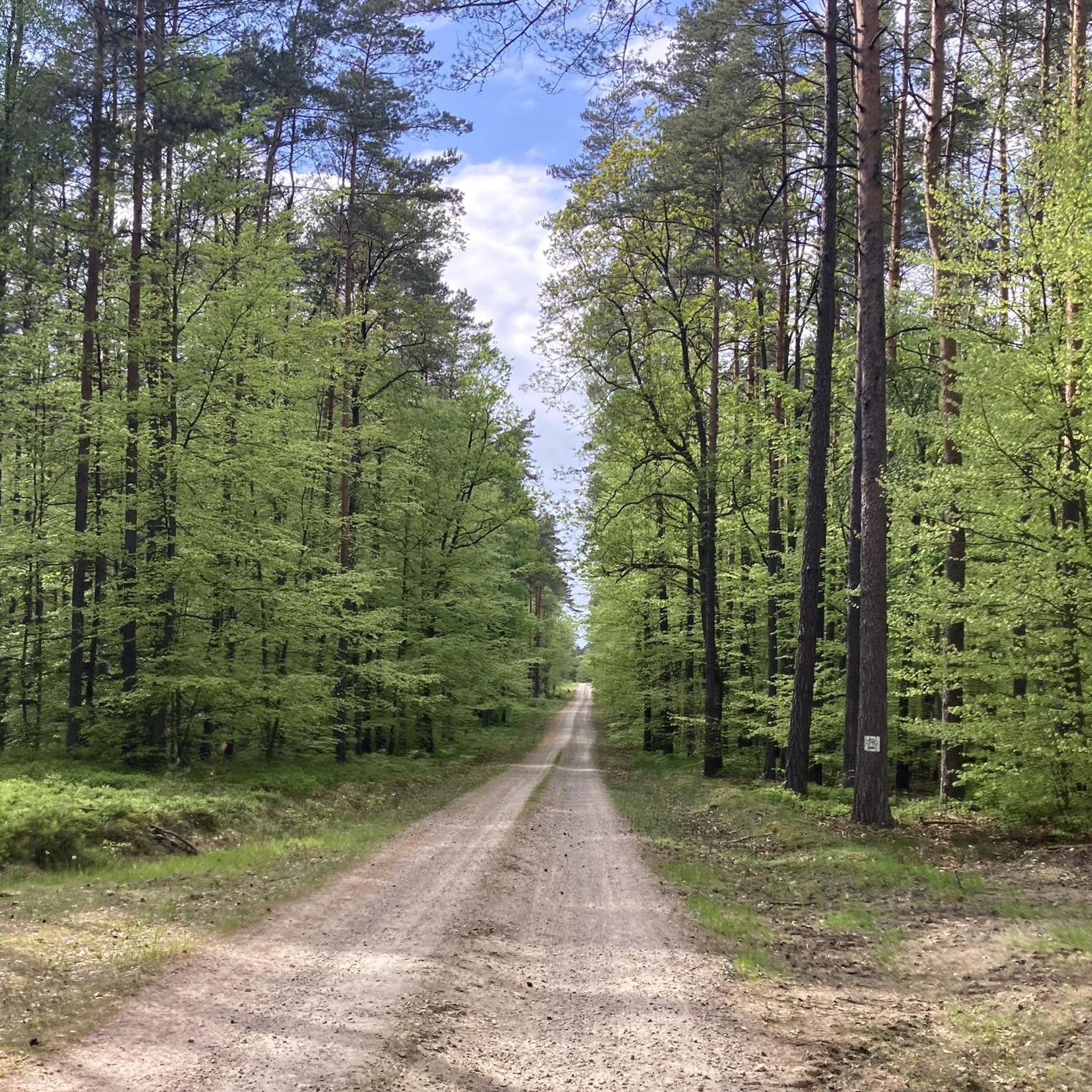
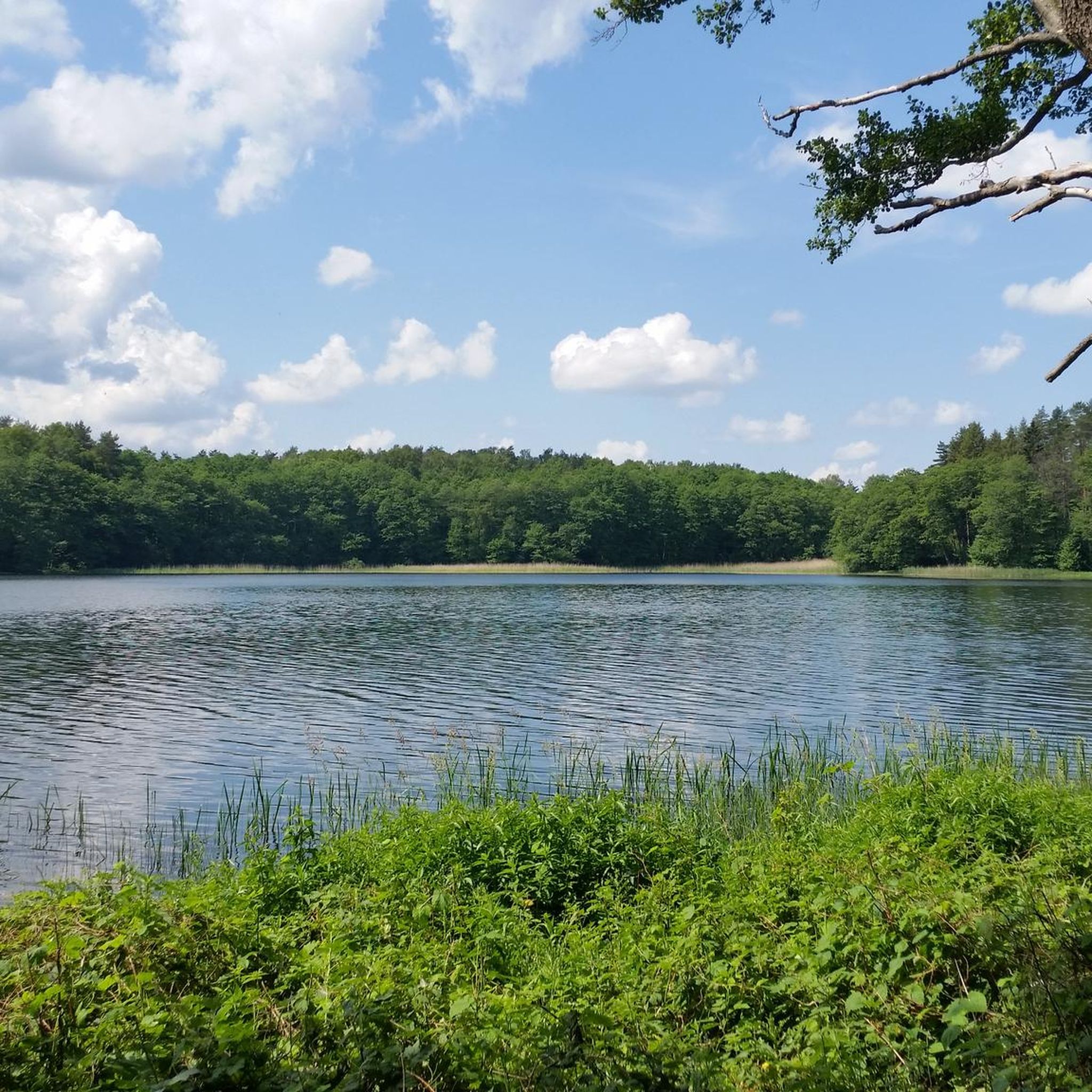
The Wilczkowskie Oaks Nature Reserve is located in the West Pomeranian Voivodeship and protects valuable old oak trees, many of which are over 200 years old. It is a small but exceptionally picturesque forest area with rich flora and fauna, ideal for lovers of peaceful nature. On site you can see mighty English oaks with impressive trunk circumferences and unusual shapes. A wonderful gravel road runs through here.
4
0

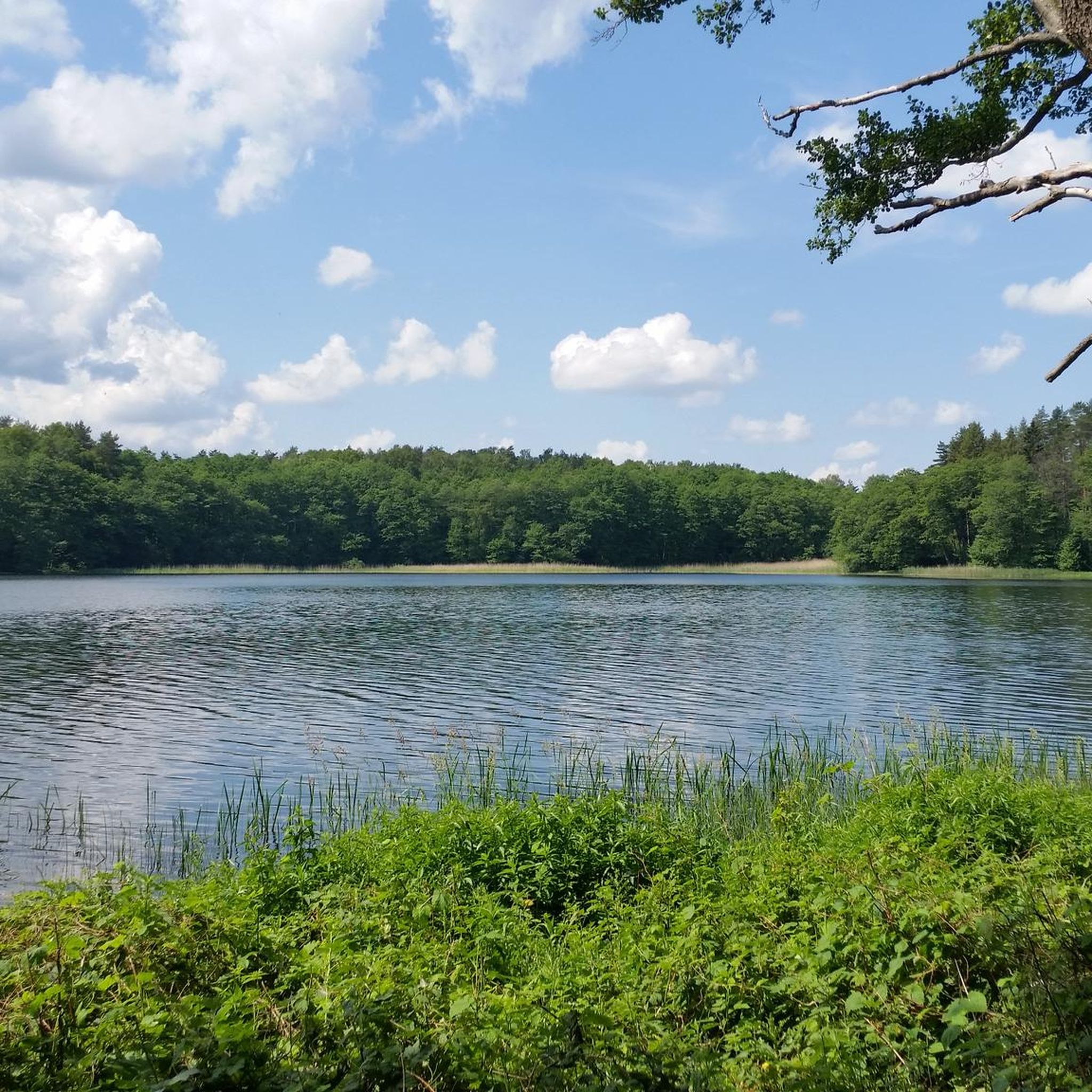
A viewpoint over the heathlands, which were once a military training ground and are now a nature reserve.
1
0

Very picturesque place. Interesting fact..
0
0

By the road itself. Near the church are two beautiful monumental oaks and a charming chapel in a hollowed-out trunk. The whole is picturesquely situated. It is worth stopping for a moment.
0
0

The old military training ground is now a resting place overlooking the moor
0
0

The reserve with an area of 932.53 hectares is located in the so-called Kłomińskie Heath - the largest in Poland and one of the largest heaths in Europe, located on the site of a former military training area. more information: https://pl-m-wikipedia-org.translate.goog/wiki/Rezerwat_przyrody_Diabelskie_Pustacie?_x_tr_sl=pl&_x_tr_tl=de&_x_tr_hl=de&_x_tr_pto=sc
0
0

This is an amazing place! A huge mountain of sand that is waste from gravel extraction from nearby mines. It was built here in the 80-90s when there was no obligation to reclaim the area after mining. Currently owned by the commune. From the southern side it is adjacent to a working gravel pit. Best access from the northeast.
0
0
Frequently Asked Questions
What types of natural monuments can I expect to see in gmina Szczecinek?
Gmina Szczecinek is rich in natural monuments, primarily featuring impressive old-growth trees such as ancient oaks, common beeches, Douglas firs, small-leaved limes, Scots pines, and black alders. Beyond individual trees, you can also explore significant nature reserves and ecological sites like the Dęby Wilczkowskie Nature Reserve, known for its old oak stands, and the unique bog ecosystems of Bagno Kusowo and Wielkie Błoto.
Are there family-friendly natural monuments to visit in gmina Szczecinek?
Yes, several natural monuments are suitable for families. The Dęby Wilczkowskie Nature Reserve offers a peaceful forest setting with mighty English oaks, perfect for a family stroll. The Wrzosowiska Nature Reserve also provides a family-friendly viewpoint over heathlands. Additionally, the area around the Church of St. Peter and Paul features monumental oaks and a charming chapel, offering a pleasant stop for all ages.
What outdoor activities can I do near the natural monuments?
The region around gmina Szczecinek offers various outdoor activities. You can enjoy hiking, gravel biking, and running on numerous trails. For example, the area around Lake Trzesiecko, a central natural feature, has a 14-kilometer cycling path. You can find detailed routes for hiking, gravel biking, and running that pass by or through many natural attractions.
Where can I find impressive old-growth trees in the region?
Gmina Szczecinek is particularly known for its old-growth trees. The Dęby Wilczkowskie Nature Reserve is an excellent place to see valuable old oak trees, many over 200 years old, with impressive trunk circumferences. You can also find monumental oaks near the Church of St. Peter and Paul.
Are there any unique natural features beyond trees?
Yes, gmina Szczecinek features unique natural landscapes. The Bagno Kusowo Nature Reserve is one of Poland's largest and best-preserved Baltic-type raised bogs, with peat mosses and bog pine forests. The Wielkie Błoto Ecological Site also preserves remnants of a raised bog with an educational trail and a viewing tower. Additionally, the Pomorska Sand Hill, a man-made sand mountain from gravel extraction, offers picturesque views and a unique landscape.
What is the best way to explore the nature reserves in gmina Szczecinek?
Many nature reserves in gmina Szczecinek are accessible via trails. The Dęby Wilczkowskie Nature Reserve is crossed by several cycling routes, making it easy to explore its old-growth forests. The Bagno Kusowo Nature Reserve has a nature trail, sometimes with wooden walkways, to navigate its unique bog ecosystem. Similarly, the Wielkie Błoto Ecological Site features an educational nature and forest trail with educational boards and a viewing tower.
Can I visit the natural monuments with my dog?
While specific regulations for each natural monument vary, many forest and trail areas in gmina Szczecinek are generally dog-friendly, provided dogs are kept on a leash. Always check local signage at nature reserves for specific rules regarding pets to ensure a pleasant visit for everyone and to protect the local wildlife.
Are there any viewpoints or scenic spots among the natural monuments?
Yes, the Wrzosowiska Nature Reserve offers a viewpoint over extensive heathlands. The Pomorska Sand Hill also provides picturesque views from its summit. Additionally, the educational trail at Wielkie Błoto Ecological Site includes a viewing tower for observing the unique peat bog environment.
What is the significance of the Diabelskie Pustacie Nature Reserve?
The Diabelskie Pustacie Nature Reserve is significant for being located within the Kłomińskie Heath, one of the largest heaths in Europe. This large reserve, covering over 900 hectares, is situated on a former military training area, showcasing how nature reclaims and thrives in such environments.
Are there any specific regulations or permits required to visit nature reserves?
Generally, access to nature reserves in Poland is free, but visitors are expected to follow regulations such as staying on marked trails, not disturbing wildlife, and refraining from littering. For detailed information on specific reserves like Dęby Wilczkowskie, you can consult official sources such as Lasy Państwowe (State Forests) for the Szczecinek Forest District, which manages many of these areas.
What is the best time of year to visit the natural monuments in gmina Szczecinek?
The natural monuments in gmina Szczecinek can be enjoyed throughout the year. Spring brings blooming flora and fresh greenery, while summer offers warm weather ideal for outdoor activities around Lake Trzesiecko and exploring reserves. Autumn provides stunning fall foliage, especially in the oak and beech forests. Even winter can be beautiful, with snow-covered landscapes offering a serene experience, though some trails might be less accessible.
How accessible are the natural monuments for people with mobility challenges?
Accessibility varies by location. While many natural monuments are within forest or natural areas with unpaved paths, some sites offer better accessibility. For instance, the educational nature trail at Wielkie Błoto Ecological Site sometimes features wooden walkways, which can improve access. It's advisable to check specific trail conditions if you have mobility concerns.
Most popular routes around gmina Szczecinek
Most popular attractions around gmina Szczecinek

Get inspired with the komoot mobile app


Explore more
Extend your search for the best caves by checking out these guides of the top ones around gmina Szczecinek:
