Top 20 Natural Monuments around gmina Stargard
Best natural monuments around gmina Stargard include ancient trees and unique ecological sites. The region's landscape features green areas, parks, and significant natural reserves. These sites contribute to the area's natural, historical, and cultural heritage. Visitors can explore diverse natural landmarks, from impressive trees to protected peat bogs.
Best natural monuments around gmina Stargard
- The most popular natural monuments is Linden Anna and Kliniska Forest District, a natural monument that features an over 450-year-old small-leaved lime tree. This tree…
Last updated: August 9, 2026
15th Meridian Obelisk (Stargard)
Highlight • Monument
More information: stargardvita.pl/odkrywaj/turystyka-i-rekreacja#
Translated by Google •
Tip by

Osetno Nature Reserve
Highlight • Forest
Translated by Google •
Tip by

Sign up now to discover places like this
Get recommendations on the best single tracks, peaks, & plenty of other exciting outdoor places.
Sign up for free
Lapidarium of erratic boulders in Kołbacz
Highlight • Natural Monument
Showing Translation
Tip by

Linden Anna and Kliniska Forest District
Highlight • Natural Monument
Translated by Google •
Tip by
Brodogóry Nature Reserve
Highlight • Natural Monument
Translated by Google •
Tip by

Sign up for free to discover even more natural monuments around gmina Stargard.
Sign up for free
Already have an account?
Start today with a free account
Your next adventure awaits.
Login or Signup

Tips from the Community

Lipa Anna is a small-leaved lime tree over 450 years old (according to legend it is over 600 years old) with a circumference exceeding 800 cm and a height of 27 m. It is the most famous natural monument located in the Goleniów district.
0
0

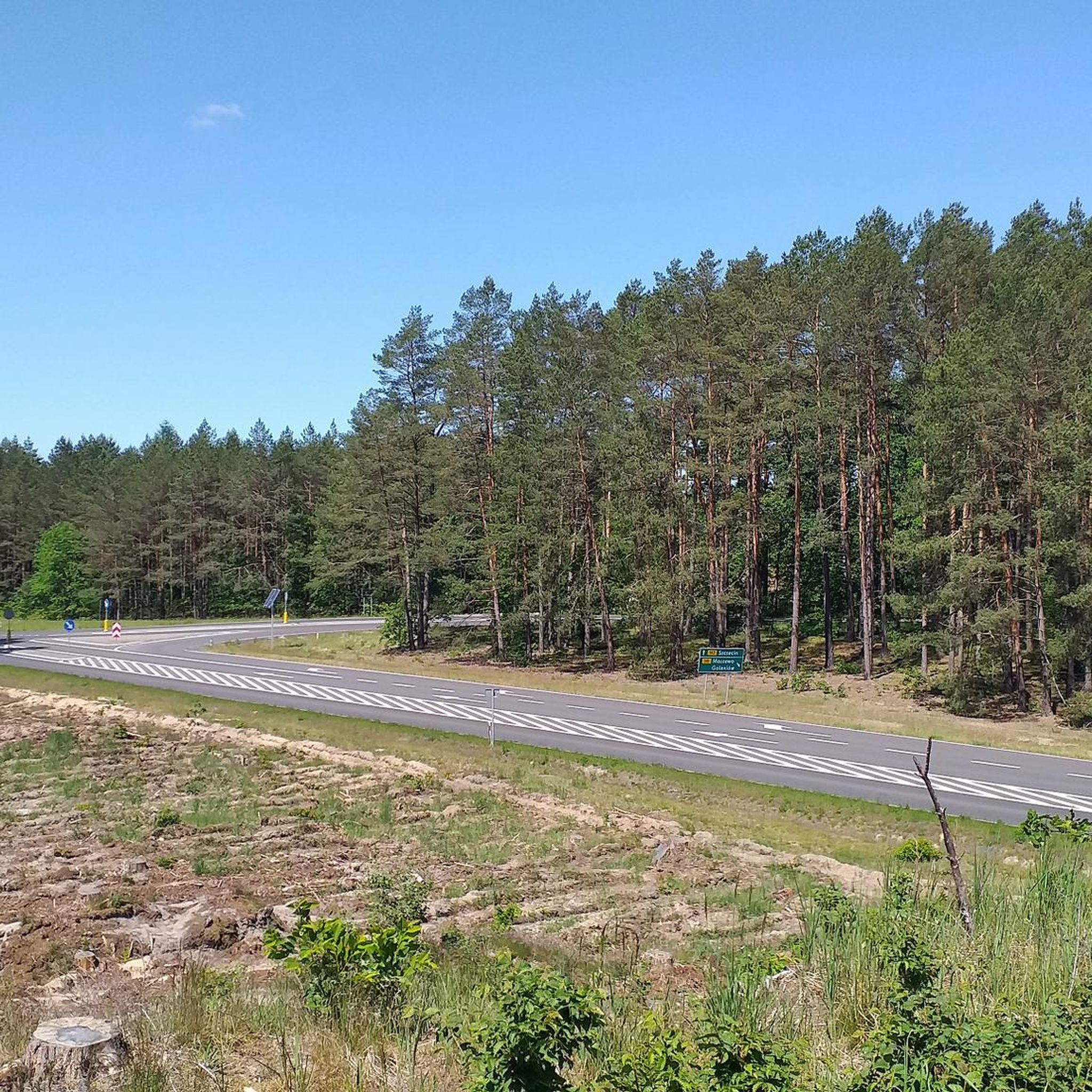
The 15th meridian of east longitude, which determines Central European Time, runs through Stargard. In the western part of the city, on Szczecińska street, there is the historical monument of the 15th meridian (a stone obelisk with a geographical grid) and the roundabout named after it, the 15th meridian.
2
0
Next to the palace, boulders were placed, including the Devil's boulder with a circumference of 9 m and a height of 2.2 m, with a plaque from 1973 commemorating 800 years of Kołbacz. Another boulder has a circumference of 10.4 m and a height of 1.55 m and a plaque from 1985 on the occasion of the 40th anniversary of the return of West Pomerania to the Motherland. The boulders come from the surrounding fields.
2
0

The 15th Meridian Obelisk is a boulder with a grid of meridians and parallels on its top and a commemorative plaque stating that Stargard lies exactly 15 degrees east of the Prime Meridian in Greenwich. The obelisk itself is located about 220 meters west of the actual 15th meridian, which is due to imprecise measurements during its location.
1
1
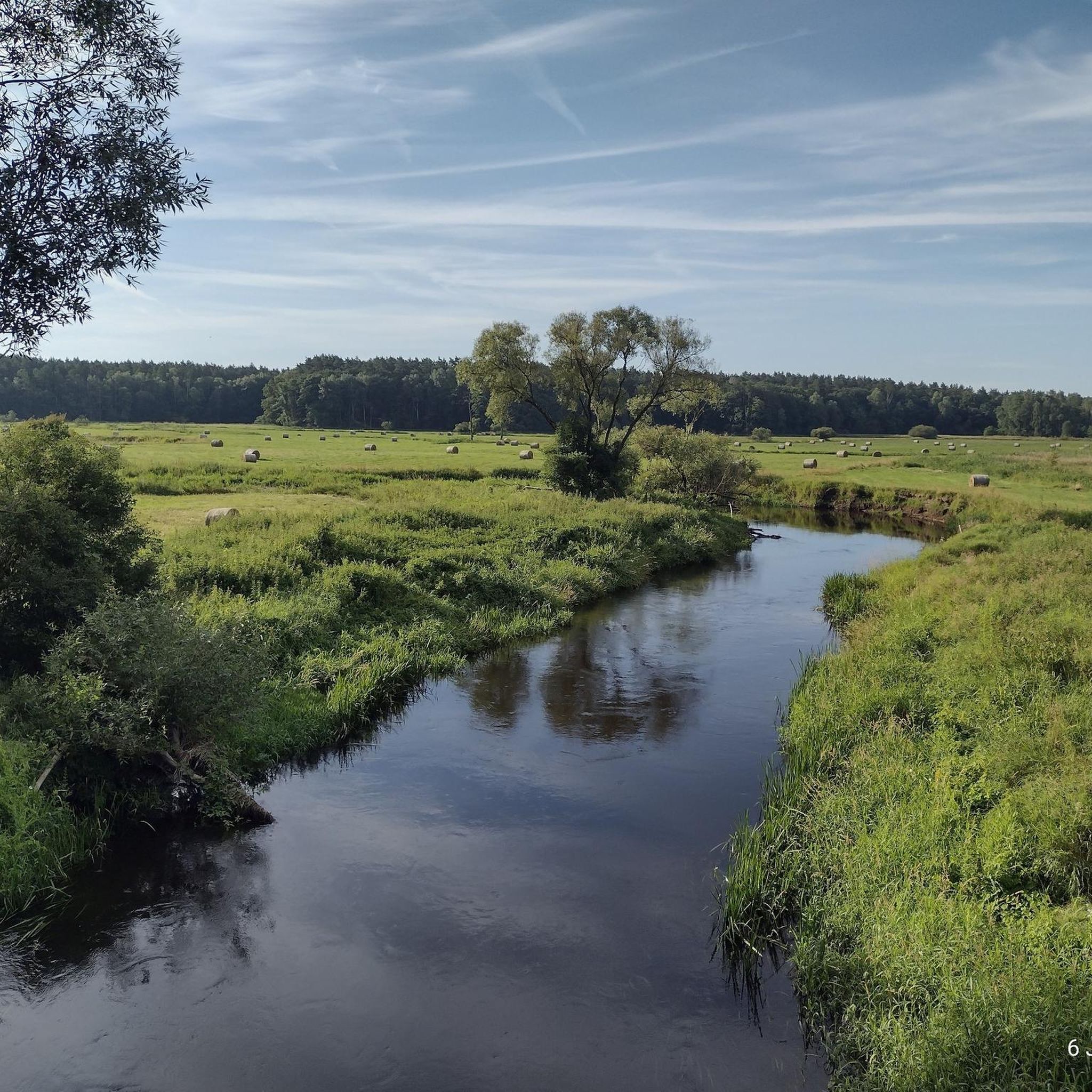
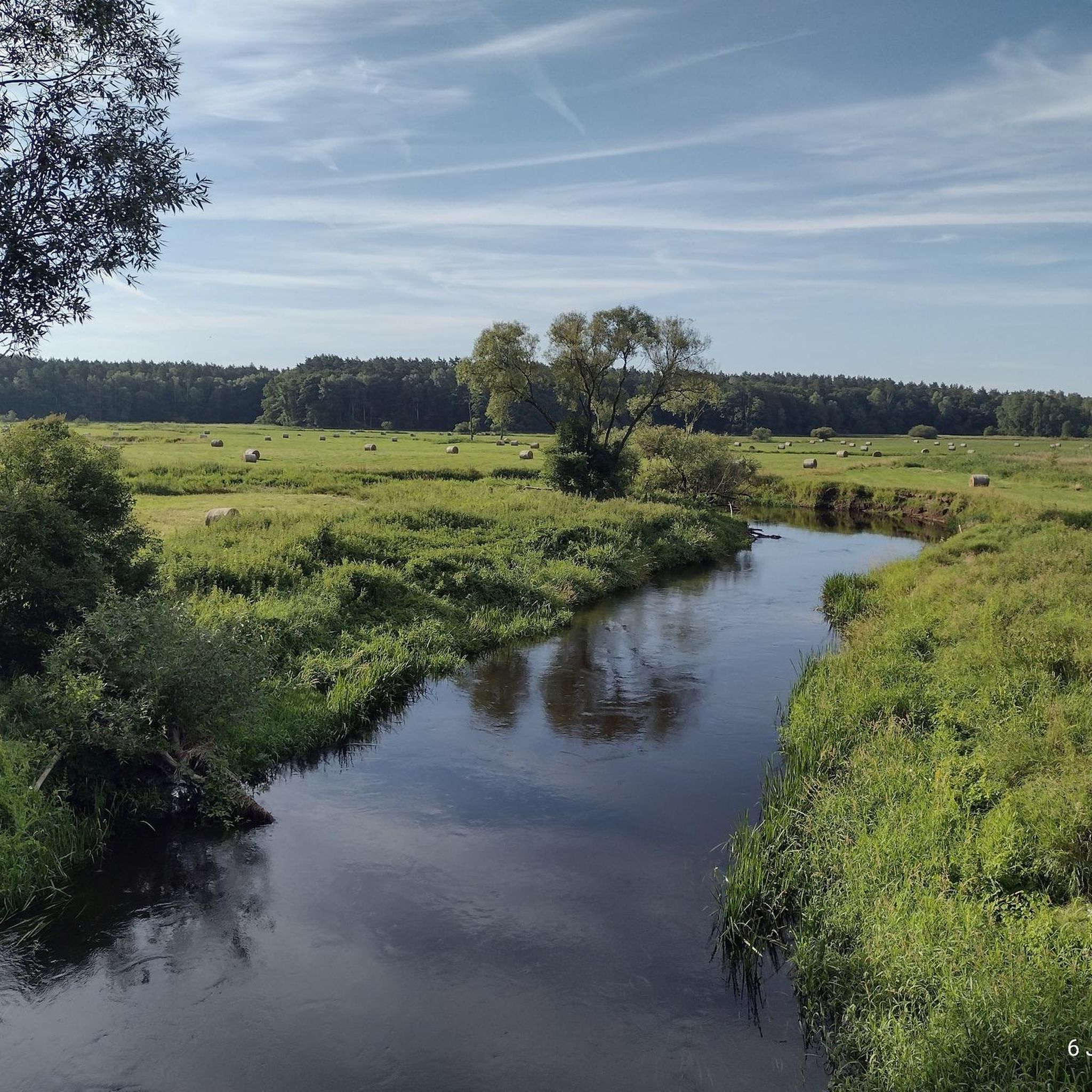
The Osetno nature reserve was established on November 14, 2008 and covers an area of 111.59 ha. Osetno is a forest reserve, but at the same time one of the first mycological reserves in Poland, i.e. protecting rare and endangered species of fungi.
2
1

Several boulders collected from the surrounding fields. They lie next to the palace, behind the hedge. They are easy to miss. On one of them there is a plaque with the logo of the Experimental Station of the Institute of Zootechnics. The plaque was made in 1987, commemorating the 20th anniversary of this institution.
3
2
Boulders placed near the palace, including: the natural monument Miedwieński Kamień (Devil's Stone) with a circumference of 9.0 m and a height of 2.2 m, with a plaque from 1973 commemorating the 800 years of Kołbacz, another boulder with a circumference of 10.4 m and a height of 1.55 m, with a plaque from 1985 on the occasion of the 40th . anniversary of the return of Western Pomerania to the Motherland. The boulders were brought from nearby fields.
2
1
The monument was erected in the interwar period. It has the form of an erratic stone with an image of a grid of meridians and parallels on the top and a plate informing that Stargard is located exactly 15 degrees east of the Prime Meridian, running through the London suburb of Greenwich, which is the basis for determining Central European Time (CET). In 1996 the monument was restored. The area around the monument is landscaped and is surrounded by a wreath of 6 chestnut trees. Although the monument is called the 15th Meridian, it is actually located approximately 200 m west of the meridian. This is due to the inaccuracy of surveying equipment at the time the monument was erected.
1
1
Frequently Asked Questions
What unique natural monuments can I explore in gmina Stargard?
Beyond the well-known sites, gmina Stargard is home to several impressive natural monuments, primarily ancient trees. For instance, you can find a group of 11 Plane Trees in Park Zamkowy, near the Białogłówka Tower, designated for their age and size. Another notable example is a Pedunculate Oak located at the intersection of Niepodległości and Powstańców Warszawy streets, showcasing the region's commitment to preserving its natural heritage.
Are there family-friendly natural monuments in gmina Stargard?
Yes, many of the natural monuments, especially those within urban parks, are suitable for families. Linden Anna and Kliniska Forest District is a great option, featuring an ancient lime tree with a fascinating legend, offering a pleasant outdoor experience for all ages. Additionally, Park Jagielloński, with its impressive Pedunculate Oak and White Willow, provides a green retreat close to the Ina River, perfect for relaxed family strolls.
What outdoor activities can I do near the natural monuments in gmina Stargard?
The area around gmina Stargard offers various outdoor activities. For cycling enthusiasts, there are numerous routes like the 'Książnica Stargardzka – Viaduct Over S10 loop' which is an easy ride. If you prefer running, you can find moderate trails such as the 'Running loop from Sowno'. You can explore more options for cycling, running, and road cycling around gmina Stargard.
Do any natural monuments in gmina Stargard have historical significance?
Absolutely. Many of the ancient trees are valued for their historical and cultural significance. For example, the Linden Anna is steeped in local legend, with stories dating back to the reign of Bogusław X the Great. The 15th Meridian Obelisk, while a man-made monument, marks a significant geographical point and has historical context from the interwar period, surrounded by chestnut trees.
What kind of wildlife can I expect to see near the natural monuments?
The natural monuments and surrounding areas support diverse wildlife. In Park Jagielloński, despite its urban setting, the water bodies are home to various fish species like trout, bream, and pike. The Osetno Nature Reserve is particularly notable for its mycological diversity, protecting rare and endangered species of mushrooms, and also hosts rare bird species. The broader Szczecin Landscape Park "Puszcza Bukowa" is rich in flora and fauna, including about 140 species of birds and a very rich butterfly fauna.
Are there any nature reserves focused on unique ecological features?
Yes, gmina Stargard and the wider region offer reserves with unique ecological focuses. The Osetno Nature Reserve is one of Poland's first mycological reserves, dedicated to protecting rare and endangered species of fungi across its 111.59 hectares. Another significant site is the Reptowo Peat Bog, a large raised bog within the Kliniska Forest District, recognized as one of the largest Baltic peat bogs in Pomerania, protecting a unique wetland ecosystem.
What are some impressive tree groupings to see in the area?
Beyond individual ancient trees, gmina Stargard features notable tree groupings. Park Zamkowy is home to a striking group of 11 Plane Trees, all designated as natural monuments. These trees contribute significantly to the park's landscape and are located near the Białogłówka Tower, offering a picturesque sight.
Can I find natural monuments within Stargard's city green areas?
Yes, Stargard's city green areas host several natural monuments. Park Jagielloński, a 4.4-hectare park along the Ina River, contains an imposing Pedunculate Oak and a White Willow. Park 3 Maja also features an Elm and a Sycamore Maple, while a Common Hornbeam can be found in Park Zamkowy, near the Białogłówka Tower. These urban green spaces offer accessible natural beauty.
What is the best time of year to visit the natural monuments in gmina Stargard?
The natural monuments in gmina Stargard can be enjoyed year-round, but each season offers a different experience. Spring and summer are ideal for lush greenery and pleasant weather for walks. Autumn is particularly beautiful, especially in areas like the Szczecin Landscape Park "Puszcza Bukowa," where the beech forests display impressive colors. Even winter offers a serene, tranquil atmosphere for those who enjoy crisp, quiet walks among the ancient trees.
Are there any natural monuments located outside the main urban parks?
Yes, beyond the city parks, you can find natural monuments in more rural settings. In Koszewko, for example, a park near the church hosts three existing natural monuments: two large Common Ash trees and a magnificent Small-leaved Lime tree. These trees are protected for their natural, scientific, and landscape values, offering a glimpse into the region's rural natural heritage.
Is public transport available to reach these natural monuments?
For natural monuments located within Stargard's city green areas like Park Jagielloński or Park Zamkowy, public transport within the city should provide convenient access. For monuments in more rural locations, such as those in Koszewko or the Reptowo Peat Bog, access might require a combination of public transport and walking, or personal vehicle. Specific public transport routes would depend on the exact location of the monument.
What kind of trees are commonly designated as natural monuments in gmina Stargard?
The natural monuments in gmina Stargard primarily consist of impressive and ancient trees. Common species designated for protection include Pedunculate Oaks, White Willows, Plane Trees, Elms, Sycamore Maples, Common Hornbeams, Common Ash trees, and Small-leaved Limes. These trees are recognized for their age, size, and unique features, contributing significantly to the region's biodiversity and landscape.
Most popular routes around gmina Stargard
Most popular attractions around gmina Stargard

Get inspired with the komoot mobile app


Explore more
Extend your search for the best caves by checking out these guides of the top ones around gmina Stargard:
