Top 7 Natural Monuments around gmina gmina Wolsztyn
Natural monuments around gmina gmina Wolsztyn offer diverse natural landscapes in western Poland. The region is characterized by extensive forests, several lakes such as Jezioro Wolsztyńskie, and the Dojca River. These features contribute to the area's appeal for outdoor activities and nature exploration. Gmina Wolsztyn is home to numerous protected natural monuments, including monumental trees and unique ecological sites.
Best natural monuments around gmina gmina Wolsztyn
- The most popular natural monuments is Napoleon's Couch, a natural monument that features…
Last updated: May 17, 2026
Napoleon's Couch
Highlight • Monument
Translated by Google •
Tip by

Torfowisko nad Jeziorem Świętym Nature Reserve
Highlight • Natural Monument
Translated by Google •
Tip by

Sign up now to discover places like this
Get recommendations on the best single tracks, peaks, & plenty of other exciting outdoor places.
Sign up for free
Glacial Erratic in Olejnica Forest
Highlight • Natural Monument
Translated by Google •
Tip by
Marcin Rożek Oak
Highlight • Natural Monument
Translated by Google •
Tip by

Forest Candelabrum
Highlight • Natural Monument
Translated by Google •
Tip by

Sign up for free to discover even more natural monuments around gmina gmina Wolsztyn.
Sign up for free
Already have an account?
Start today with a free account
Your next adventure awaits.
Login or Signup

Tips from the Community

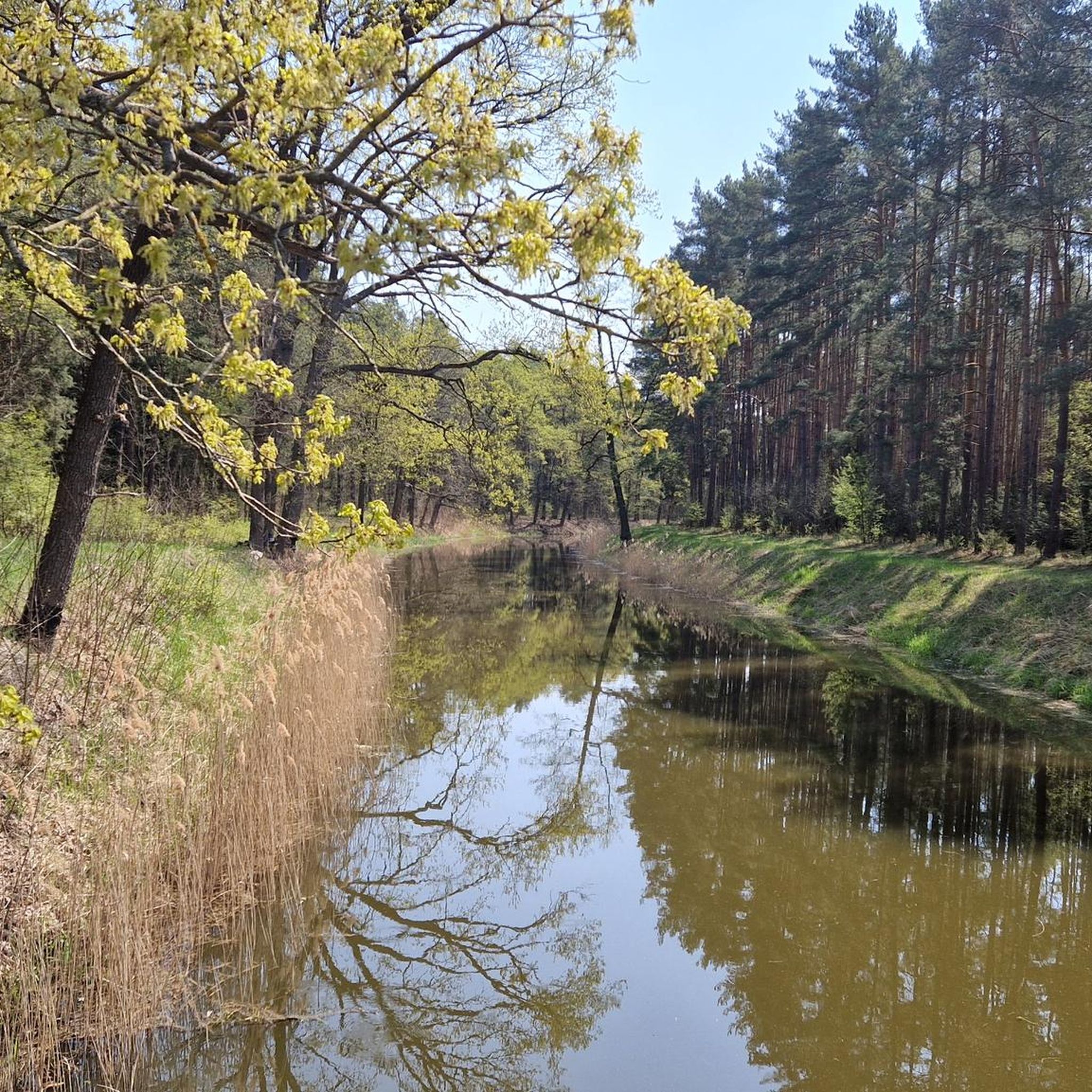
The Forest Candelabra is a spruce with a completely unusual habit. The branches growing from the trunk are reminiscent of a candelabra. Unfortunately, finding it isn't easy. It's worth using fire access road no. 26, heading northeast, and first fire access road no. 6.
0
0

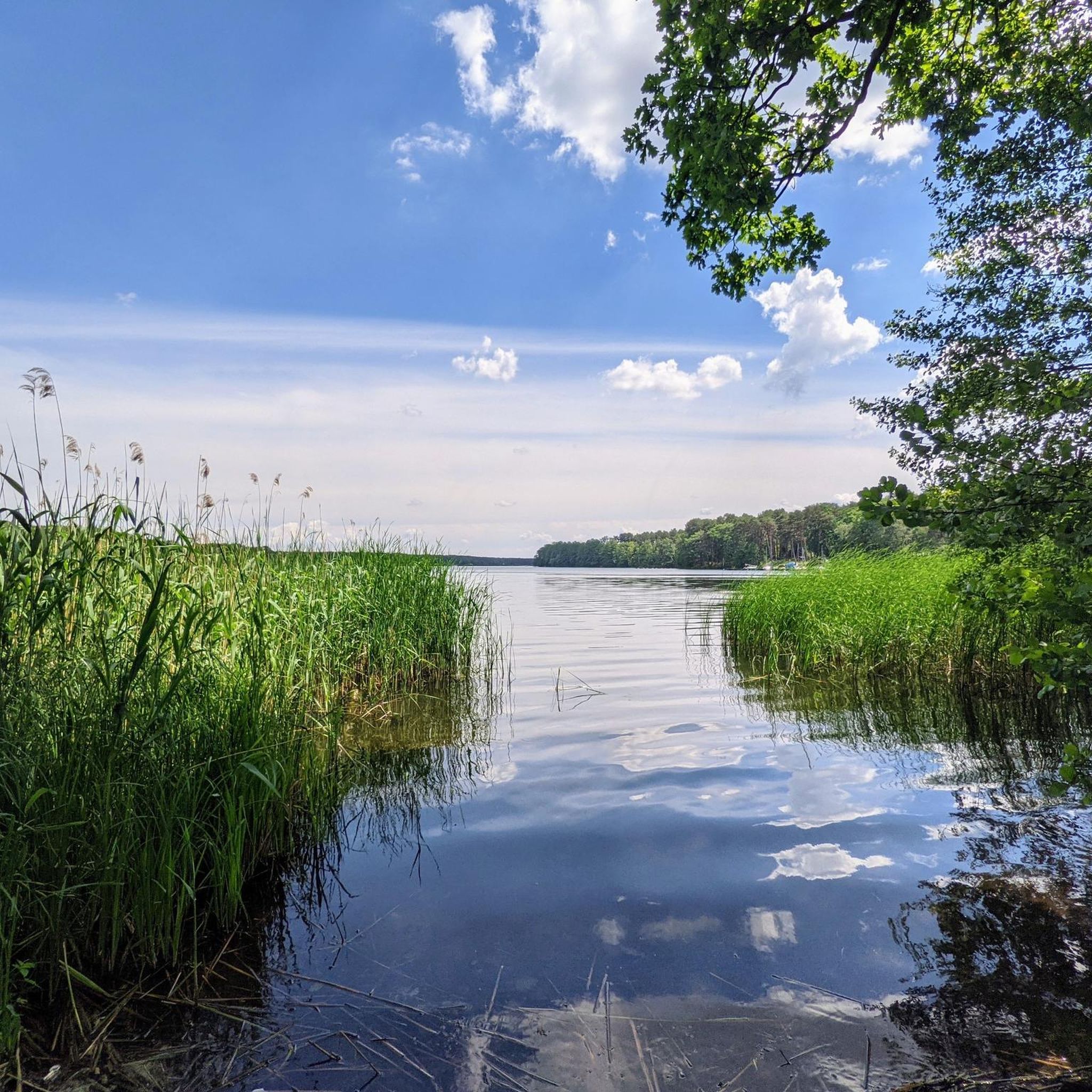
The oak, a natural monument, is located in Wolsztyn City Park, right on Lake Wolsztyn. It is inextricably linked to Marcin Rożek (1885-1944): An outstanding Polish sculptor, painter, and Greater Poland Uprising insurgent who lived and worked in Wolsztyn.
1
0


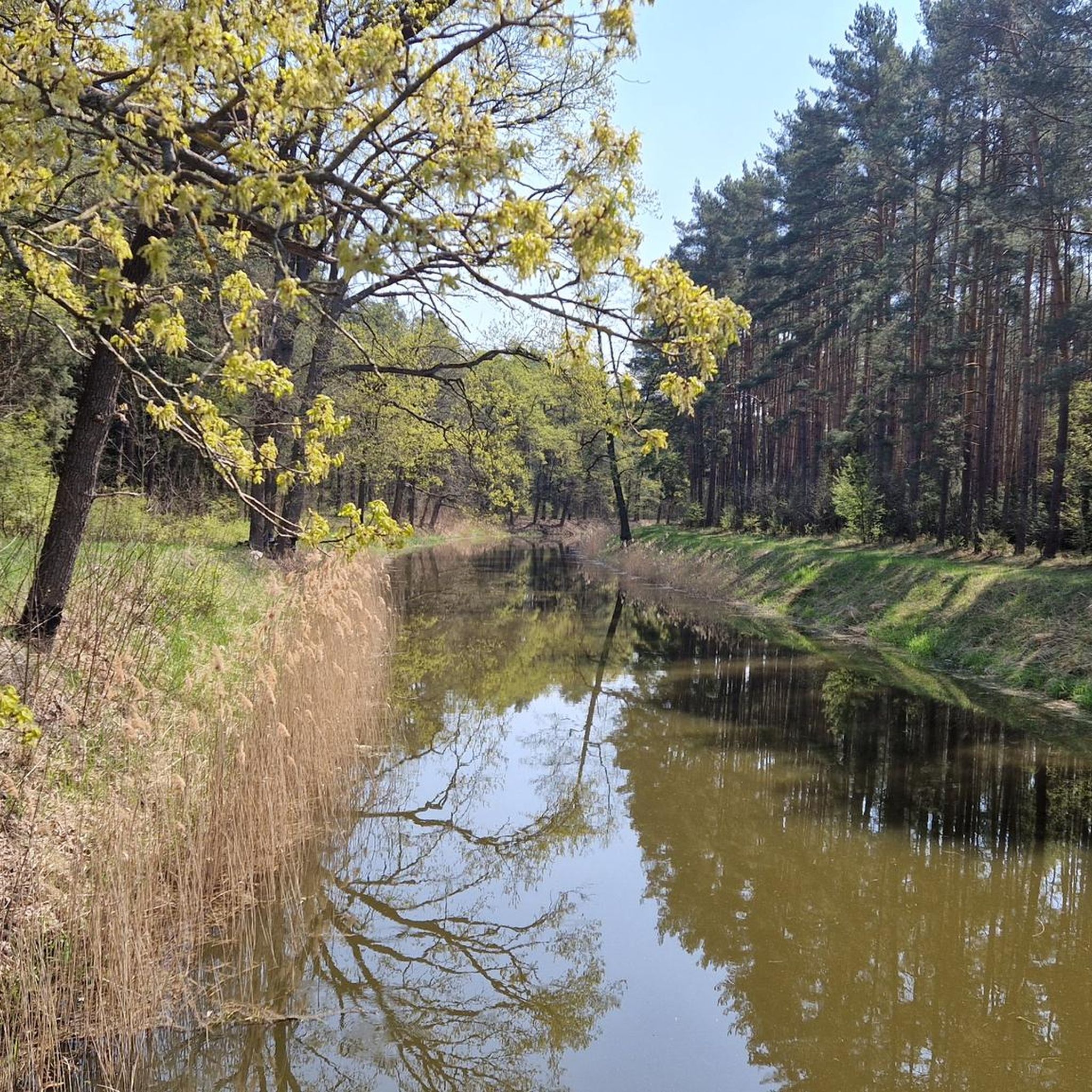
A granite boulder with a circumference of over 9 meters from Scandinavia. On the upper surface of the boulder there are depressions with a diameter of several centimeters. Most likely, these are so-called "sacrificial bowls", or traces of the activity of people who used the boulder for religious purposes.
1
0
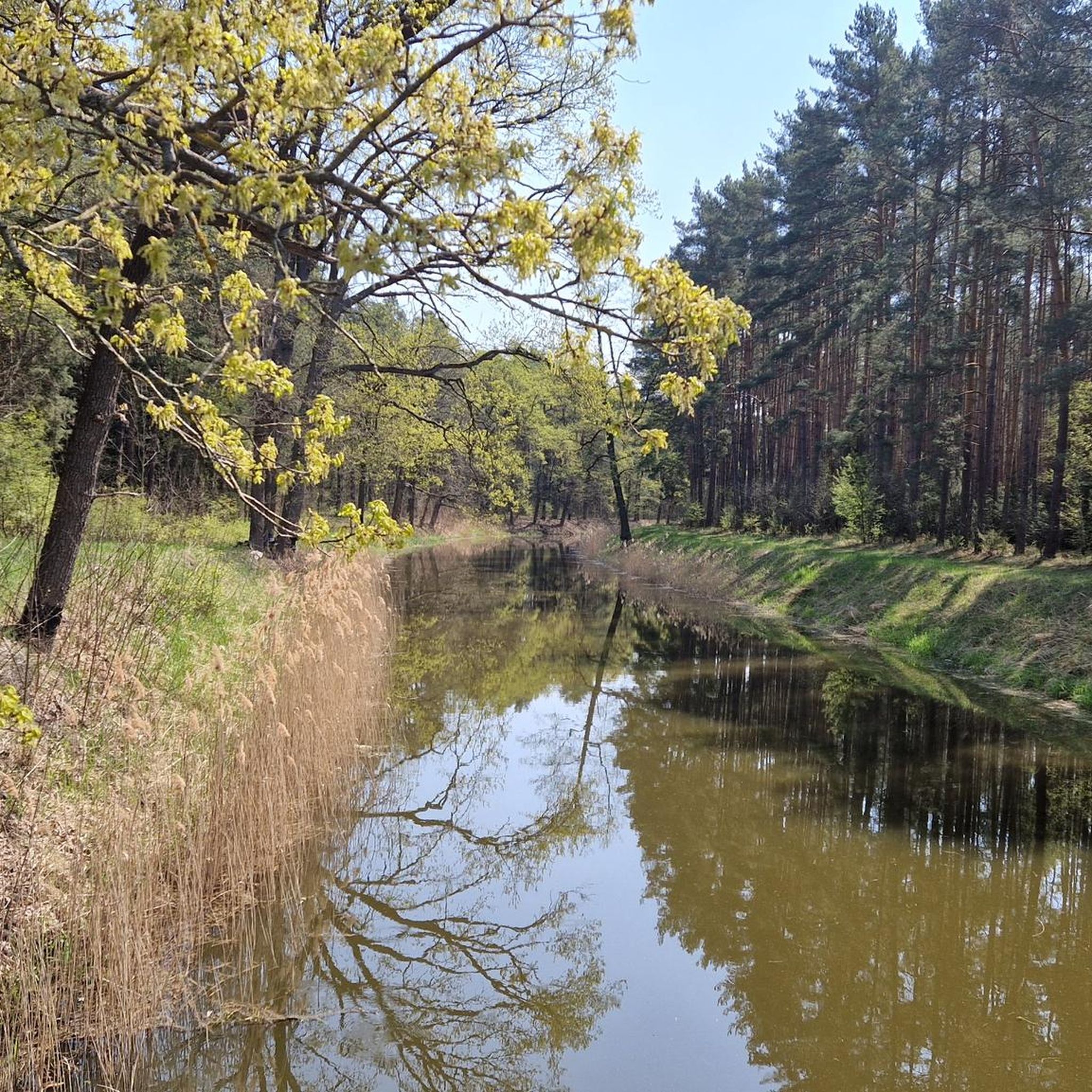
A low earthen rampart called "Napoleon's Couch" According to legend, the couch was made for Napoleon, who marched through these areas with his troops. Tired from the hardships of fighting and traveling, he was supposed to rest on this couch. In 2003, members of the "Dzik" Hunting Association placed a commemorative stone by the couch to celebrate the 50th anniversary of the Association's existence.
1
0

It's a must see when you're nearby. Some water in the forest.
0
0

Apparently, Napoleon stopped here on his way to Russia.
0
0
The nearby lake looks to be drying up.
1
0
Frequently Asked Questions
What unique natural features can I explore in Gmina Wolsztyn?
Gmina Wolsztyn offers a diverse range of natural features. You can discover impressive monumental trees, such as ancient Pedunculate Oaks, Platans, and Ash trees, some with circumferences exceeding 5 meters. The region also features unique wetland ecosystems like the Torfowisko nad Jeziorem Świętym Nature Reserve, and the "Rosiczka" surface natural monument within the Karasiowy Stawek Ecological Site, which protects rare carnivorous sundew plants. Additionally, you can find geological curiosities like the Glacial Erratic in Olejnica Forest, a large granite boulder from Scandinavia.
Are there any nature reserves worth visiting in Gmina Wolsztyn?
Yes, Gmina Wolsztyn is home to several significant nature reserves. The Torfowisko nad Jeziorem Świętym Nature Reserve protects a unique wetland environment. Another notable reserve is Bagno Chorzemińskie, a peat bog reserve with diverse vegetation, including rare sundews and a nature and forest educational path. There's also the Wyspa na Jeziorze Chobienickim Nature Reserve, an island sanctuary for rare fauna species, particularly birds, within its complex of deciduous and mixed forests.
What historical connections do the natural monuments in Gmina Wolsztyn have?
Some natural monuments in Gmina Wolsztyn carry historical significance. For instance, Napoleon's Couch is a low earthen rampart where, according to legend, Napoleon rested with his troops. A commemorative stone marks this site. The Glacial Erratic in Olejnica Forest, a large granite boulder, features depressions on its surface believed to be ancient "sacrificial bowls" used for religious purposes. The Marcin Rożek Oak in Wolsztyn City Park is linked to the outstanding Polish sculptor and insurgent Marcin Rożek.
Are there family-friendly natural monuments or activities in the area?
Many natural monuments in Gmina Wolsztyn are suitable for families. The monumental trees, such as the ancient oaks and platans, offer impressive sights for all ages. The Glacial Erratic in Olejnica Forest and Marcin Rożek Oak are also categorized as family-friendly. The Bagno Chorzemińskie Nature Reserve features a nature and forest educational path with 15 thematic stops, offering both a 2 km and a 5 km route, which can be an engaging experience for children to learn about the local flora and fauna.
What kind of wildlife can I expect to see near the natural monuments?
The diverse ecosystems around Gmina Wolsztyn's natural monuments support various wildlife. In the peat bog reserves like Bagno Chorzemińskie, you might spot rare plant species such as round-leaved sundew and long-leaved sundew, and there have been sightings of common European vipers. The Wyspa na Jeziorze Chobienickim Nature Reserve is a faunistic sanctuary, particularly important for birdwatchers, as it protects nesting grounds and provides habitat for various bird species, including the grey heron.
What outdoor activities can I do near the natural monuments in Gmina Wolsztyn?
The region around Gmina Wolsztyn's natural monuments offers ample opportunities for outdoor activities. You can enjoy hiking on trails like the "Wolsztyn Pier – Wolsztyn Beach loop from Karpicko" or the "Wolsztyn Railway Station – Soviet Soldiers' Cemetery loop from Wolsztyn." For cyclists, there are road cycling routes such as the "Water Tower – Gravel Trail loop from Adamowo" or the "Southern Obra Canal – Historic Houses in Wroniawy loop from Wolsztyn." Running enthusiasts can explore routes like the "Rozlewiska przy Dojcy loop from Wolsztyn." You can find more details on these activities and routes in the respective guides: Hiking around gmina gmina Wolsztyn, Road Cycling Routes around gmina gmina Wolsztyn, and Running Trails around gmina gmina Wolsztyn.
Are there any easy walking trails suitable for all fitness levels?
Yes, there are easy walking trails available. For example, the "Wolsztyn Pier – Wolsztyn Beach loop from Karpicko" is an easy hiking route. The educational path in Bagno Chorzemińskie Nature Reserve also offers a shorter 2 km route, which is generally accessible. Many of the monumental trees are located in parks or along roads, making them easy to visit without strenuous effort.
When is the best time to visit the natural monuments in Gmina Wolsztyn?
The best time to visit the natural monuments in Gmina Wolsztyn largely depends on your interests. Spring and summer are ideal for observing the unique flora, such as the sundews in the peat bogs, and for enjoying the lush greenery of the forests and monumental trees. Birdwatching in reserves like Wyspa na Jeziorze Chobienickim is also excellent during nesting seasons. Autumn offers beautiful foliage, while winter can provide a serene, snow-covered landscape, though some paths might be less accessible.
What should I wear when visiting the natural monuments?
When visiting the natural monuments, it's advisable to wear comfortable walking shoes, especially if you plan to explore nature reserves or forest paths. Layered clothing is recommended as weather conditions can change. If visiting wetland areas like peat bogs, waterproof footwear might be beneficial. For summer visits, consider insect repellent, and for cooler seasons, a warm jacket and hat.
Are there any specific natural monuments that are particularly impressive in size or age?
Gmina Wolsztyn is renowned for its monumental trees, many of which are impressive in size and age. Notable examples include Pedunculate Oaks, with one on 5 Stycznia Street measuring 470 cm in circumference and another on the road from Borek to Solec boasting 520 cm. The palace park in Wroniawy features large Platans, and an Ash tree in the Kłębowo forestry area is exceptionally large at 560 cm in circumference. These ancient trees are living testaments to the region's natural heritage.
Can I find information about the natural monuments on site?
Yes, at some sites, informational boards are available. For instance, at the "Rosiczka" surface natural monument within the Karasiowy Stawek Ecological Site, informational boards are present along the path to help visitors learn about the protected flora. Similarly, the Bagno Chorzemińskie Nature Reserve features a nature and forest educational path with 15 thematic stops that explain the protected peat bog and its surrounding environment.
Are there any natural monuments that are particularly good for birdwatching?
The Wyspa na Jeziorze Chobienickim Nature Reserve (Island on Lake Chobienickie) is an excellent spot for birdwatching. This faunistic reserve was originally established to protect the nesting grounds of the grey heron and now preserves rare and protected fauna species within its complex of deciduous and mixed forests. The island setting provides a secluded habitat, offering a chance to observe various bird species in a relatively undisturbed environment.
Most popular routes around gmina gmina Wolsztyn
Most popular attractions around gmina gmina Wolsztyn

Get inspired with the komoot mobile app


Explore more
Extend your search for the best caves by checking out these guides of the top ones around gmina gmina Wolsztyn:
