Top 3 Natural Monuments around Konin
Natural monuments around Konin, a city in central Poland, offer a diverse natural landscape characterized by glacial lakes and the Warta River. The region features a collection of natural monuments, including ancient trees and unique geological formations. These sites provide insights into the area's natural heritage and geological history. Konin County's varied terrain, lakes, and forests make it a destination for exploring natural curiosities.
Best natural monuments around Konin
- The most popular natural monuments is Lake Skąpe Nature Reserve,…
Last updated: May 17, 2026
St. Barnabas' Well
Highlight • Natural Monument
Showing Translation
Tip by

Lake Skąpe Nature Reserve
Highlight • Lake
Tip by

Sign up now to discover places like this
Get recommendations on the best single tracks, peaks, & plenty of other exciting outdoor places.
Sign up for free
Avenue of Ancient Oaks
Highlight • Natural Monument
Translated by Google •
Tip by

Ascent to the Sokółki Nature Reserve
Highlight (Segment) • Climb
Translated by Google •
Tip by

Natural Monument at the Forest Entrance
Highlight • Natural Monument
Showing Translation
Tip by
Sign up for free to discover even more natural monuments around Konin.
Sign up for free
Already have an account?
Start today with a free account
Your next adventure awaits.
Login or Signup

Other adventures around Konin

Tips from the Community

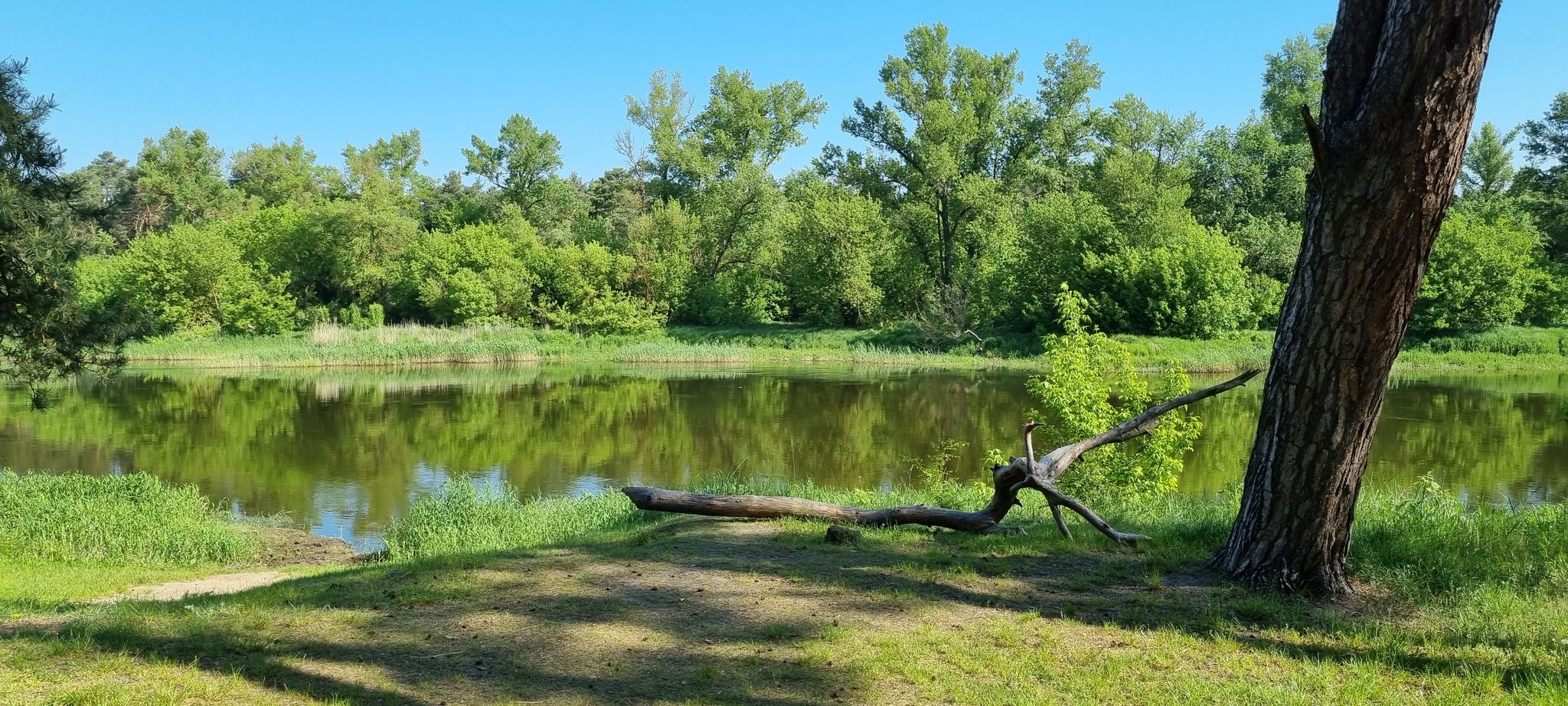
Jezioro Skąpe near Konin is a small, picturesque reservoir (11.5 ha) located in the forest complex of Puszcza Bieniszewska. It is a valuable natural area, often surrounded by smaller lakes (Wściekłe, Głodowskie) and connected by a system of ditches. A popular recreation spot, known for its cycling routes.
0
0
A majestic oak, spreading its branches in all directions of the world. The thick trunk bears witness to the venerable age of this natural monument. Something beautiful.
0
0
In the Bieniszew Forest, near the Camaldolese hermitage, there is a spring of St. Barnabas. This place is associated with the cult of the Five Martyr Brothers, who came to Poland - the country of Duke Bolesław the Brave - to convert the pagans. Among the martyr brothers were two Benedictines - Jan and Benedykt, and three Slavs: Mateusz, Izaak, and their servant, Krystyn. Barnabas probably accompanied them, who, according to existing sources, was the only one to survive the night of November 10/11, 1003. Barnabas lived right by the spring, whose waters had miraculous healing powers. They cured eye diseases. The chapel built over the spring was dismantled in 1932 on the orders of the then owner of Kazimierz, Stanisław Mańkowski.
0
0

This climb is a bit tiring but pleasant
0
0
Beautiful oak trees, you must see them
0
0

A climatic route with several centuries-old, large oaks.
1
0

Oaks are monuments of nature. Beautiful, huge, not a thousand years old, but old - several hundred years old. They are easy to reach by bike or on foot.
2
0

A short, technical driveway leading from the Monastery to one of the nature reserves in the Bieniszew forest.
3
0
Frequently Asked Questions
What types of natural monuments can I explore around Konin?
The Konin region is rich in diverse natural monuments. You'll find ancient trees, such as the impressive pedunculate oaks, including the historically significant "Dąb Zawiadowca" near the Konin train station. There are also unique geological formations like erratic boulders, remnants of glacial activity. Additionally, the area features natural reserves and picturesque lakes, offering a variety of natural sights.
Are there any family-friendly natural attractions in the Konin area?
Yes, several natural monuments around Konin are great for families. For instance, the Lake Skąpe Nature Reserve is a clean, unpolluted mid-forest lake with rich flora and fauna, perfect for a leisurely visit. The Avenue of Ancient Oaks also offers a beautiful, easy-to-reach route with centuries-old trees that families can enjoy on foot or by bike. The Natural Monument at the Forest Entrance, a majestic oak, is also easily accessible and family-friendly.
What outdoor activities can I do near Konin's natural monuments?
Beyond visiting the monuments themselves, the Konin region offers various outdoor activities. You can enjoy hiking and cycling through the picturesque forests and around the glacial lakes. The nearby Warta River and the extensive network of lakes are popular for water sports like motorboating, kayaking, and sailing. For hiking enthusiasts, there are many routes available, including easy hikes around Konin and city hikes.
What is the best time of year to visit the natural monuments around Konin?
The natural monuments around Konin can be enjoyed throughout the year, each season offering a different charm. Spring brings lush greenery and blooming flora, while autumn showcases vibrant fall colors, making it ideal for photography and peaceful strolls. Summer is perfect for combining visits with water sports on the nearby lakes. Even winter can be unique, with some areas allowing water sports due to industrial warming, and the snow-covered landscapes offering a tranquil experience.
Are there any historical or cultural sites associated with the natural monuments?
Yes, some natural monuments have historical connections. For example, St. Barnabas' Well in the Bieniszew Forest is associated with the cult of the Five Martyr Brothers and was once believed to have miraculous healing powers. The "Dąb Zawiadowca" (The Signalman's Oak) is also significant due to its estimated 250-year age and its location in the former railway park, linking it to the region's industrial history.
Are there any challenging trails or climbs near the natural monuments?
For those seeking a bit more challenge, the Ascent to the Sokółki Nature Reserve offers a short, technical climb leading from the Monastery into the Bieniszew forest. While it can be a bit tiring, visitors describe it as a pleasant experience, rewarding you with access to a beautiful nature reserve.
What makes the ancient oaks around Konin so special?
The ancient oaks, particularly the pedunculate oaks, are significant for their impressive age and size, with some estimated to be several centuries old. They are living testaments to the region's natural history and are often protected for their ecological and cultural value. These majestic trees, like those found in the Avenue of Ancient Oaks, provide a tangible connection to the past and contribute significantly to the local biodiversity.
Can I find easy walking routes near the natural monuments?
Absolutely. Many natural monuments are situated within forests or easily accessible areas, making them suitable for easy walks. The Avenue of Ancient Oaks is described as an easy route to reach on foot. Additionally, the broader Konin region offers numerous easy hiking routes that can be combined with a visit to these natural sites.
Are the natural monuments around Konin accessible by public transport or do I need a car?
While some natural monuments, like the "Dąb Zawiadowca" near the Konin train station, are easily accessible, others might require a car or a combination of public transport and a short walk or bike ride. The Konin region has various hiking routes starting from bus stations, which could help you reach some of the more remote natural areas.
What geological features can be observed among Konin's natural monuments?
Konin is home to fascinating geological features, specifically erratic boulders. These include granite and biotite gneiss boulders, which are natural monuments themselves. These formations are remnants of glacial activity, transported from distant regions by ancient ice sheets, offering a unique insight into the geological history of the area and the powerful forces of nature.
Are there any less crowded natural monuments for a peaceful visit?
Many of Konin's natural monuments are located within forest settings, offering a sense of tranquility away from urban bustle. While specific crowd levels vary, visiting during off-peak hours or weekdays can enhance the peaceful experience. Exploring sites like the Lake Skąpe Nature Reserve or the various ancient oaks within the forest districts can provide a quiet escape.
Most popular routes around Konin
Most popular attractions around Konin

Get inspired with the komoot mobile app


