Top 13 Natural Monuments around gmina Złota
Best natural monuments around gmina Złota are concentrated within the Nadnidziański and Kozubowski Landscape Parks, which encompass 90% of the gmina's area. The Nida River, flowing through the northeastern part, features unregulated sections with oxbow lakes, providing habitats for various bird species. The region also preserves specific natural monuments, such as ancient lime trees and unique tree formations. These areas offer diverse ecosystems and significant natural beauty for exploration.
Best natural monuments around gmina Złota
- The most popular natural monuments…
Last updated: May 17, 2026
Medieval Stronghold in Wiślica
Highlight • Historical Site
Translated by Google •
Tip by

Krocząca Sosna (The Walking Pine)
Highlight • Natural Monument
Translated by Google •
Tip by

Sign up now to discover places like this
Get recommendations on the best single tracks, peaks, & plenty of other exciting outdoor places.
Sign up for free
Obelisk of the Battle of Grochowiska
Highlight • Monument
Translated by Google •
Tip by

Stradów Hillfort
Highlight • Historical Site
Translated by Google •
Tip by

Nida River at Chroberz
Highlight • River
Translated by Google •
Tip by
Sign up for free to discover even more natural monuments around gmina Złota.
Sign up for free
Already have an account?
Start today with a free account
Your next adventure awaits.
Login or Signup
Tips from the Community

An invitation to a journey through time. In the heart of picturesque Ponidzie, on the loess hill of Garb Wodzisławski, stands the Stradów Stronghold, one of Poland's most important archaeological monuments. This monumental defensive complex, dating from the 8th to 11th centuries, is not only a testament to the might of the Vistulan tribe, but also a place that captivates with its history and breathtaking landscapes. Walking along the castle's mighty ramparts, you can almost hear the echoes of bygone days, when the stronghold was bustling with life, and its inhabitants traded, built, and defended their lands. Visit Stradów and discover secrets dating back over 1,200 years!
1
0
In the 8th century – 500 years before most castles were built in Europe – there was a mighty wooden castle with a high moat here. The height of the moat is still impressive today. The walk is worthwhile because the entire area has recently been developed for tourism. There is a parking lot, a tourist office, a very beautiful thatched shelter, and a newly constructed hiking trail around the moat with two staircases that also provide access to the interior.
1
0

Other name: Pine on stilts
0
0

Absolutely unmissable not only in Ponidzie, but in the whole of Poland: it is the oldest preserved hillfort in the whole country. According to archaeologists, this hillfort belonged to the Vistulan tribe, perhaps even in the 8th century. You can see the ramparts and even the moat here - of course, today covered with grass. It's worth it! In addition, from the top there are beautiful views of the Ponidzie valleys.
2
0

The Wiślica stronghold, currently known as "Na Łąkach", was built at the earliest around the second half of the 10th century. The nature of the fortifications' construction would indicate that its construction was related to Czech influences and the period of Czech rule in Lesser Poland, although it is also possible that its foundation was carried out by the Piast dynasty at the turn of the 10th and 11th centuries, but the construction was carried out according to the building traditions known in the region. Since there was another, slightly older stronghold in Wiślica, in the area of which later developed monumental palace and sacral buildings, it is possible that the seat "Na Łąkach" was associated exclusively with a military function. Alternatively, the stronghold "Na Łąkach" was built after the destruction of the older stronghold and both establishments did not initially function at the same time. In the 11th century, in addition to the stronghold "Na Łąkach", at least three nearby settlements developed in Wiślica, one of which was located on the site of an older stronghold that was destroyed at that time. At the end of the 11th century or at the beginning of the 12th century, the stronghold "Na Łąkach" was also burned down. Its fall may have occurred in 1135, during the invasion of the Ruthenians and Cumans, associated with the policy of supporting the pretender to the Hungarian throne, Boris Kolomanović, by the Polish prince. Boris was probably settled in the stronghold of Wiślica at that time, so when Krzywousty stopped supporting him, he could take revenge by handing him over to the allied Ruthenians, led by Władymirka, son of Włodar, the prince of Przemyśl and Galicia. After rebuilding from the destruction, Bolesław Krzywousty did not restore the rank of Wiślica, which initially, as one of the less significant centers, became part of the senior district.
1
0

Pine - unique. Access from both sides from the road or with an "adventure" through the forest ;-)
0
0
The fortified settlement is just outside the city
0
0
It's a walk up a hill, but it's worth it because it's a charming place - beautiful views
0
0
Frequently Asked Questions
What unique natural monuments can I find in Gmina Złota?
Gmina Złota is home to several distinctive natural monuments. One notable example is Krocząca Sosna (The Walking Pine), a Scots pine with a trunk that stands an impressive 3 meters above the ground. You can also discover designated tree monuments, such as 14 small-leaved lime trees along the road between Złota and Niegosławice, and a single ancient lime tree in Chroberz, known for its significant circumference.
Are there any historical natural monuments in the area?
Yes, Gmina Złota offers natural monuments with significant historical value. The Stradów Hillfort is an ancient defensive complex, dating back to the 8th-11th centuries, with preserved ramparts and a moat, offering views of the Ponidzie valleys. Another site is the Medieval Stronghold in Wiślica, an earth formation that represents the remains of a 10th-century stronghold. Additionally, the Obelisk of the Battle of Grochowiska commemorates a significant historical event and is considered a natural monument.
What are the main natural features of Gmina Złota?
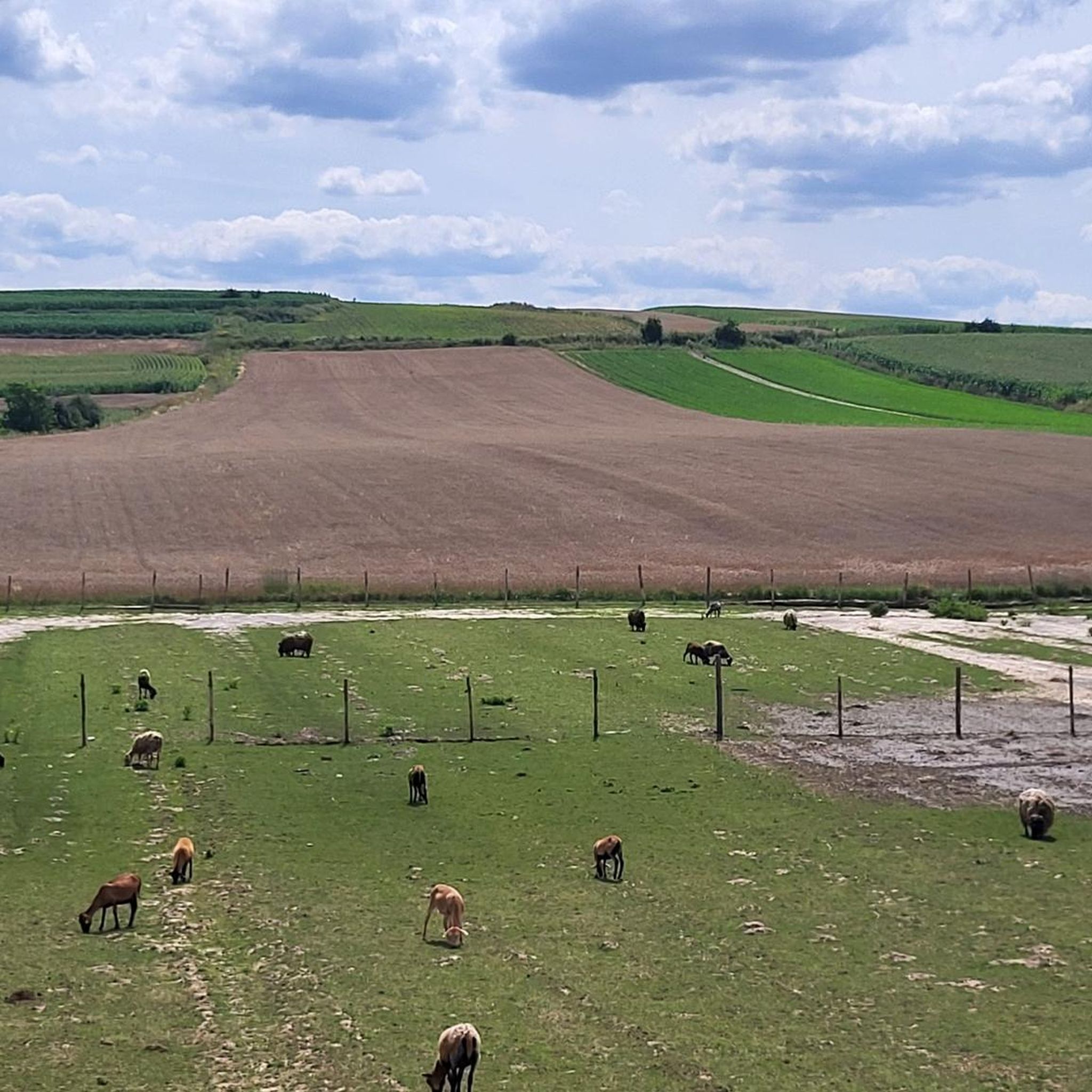
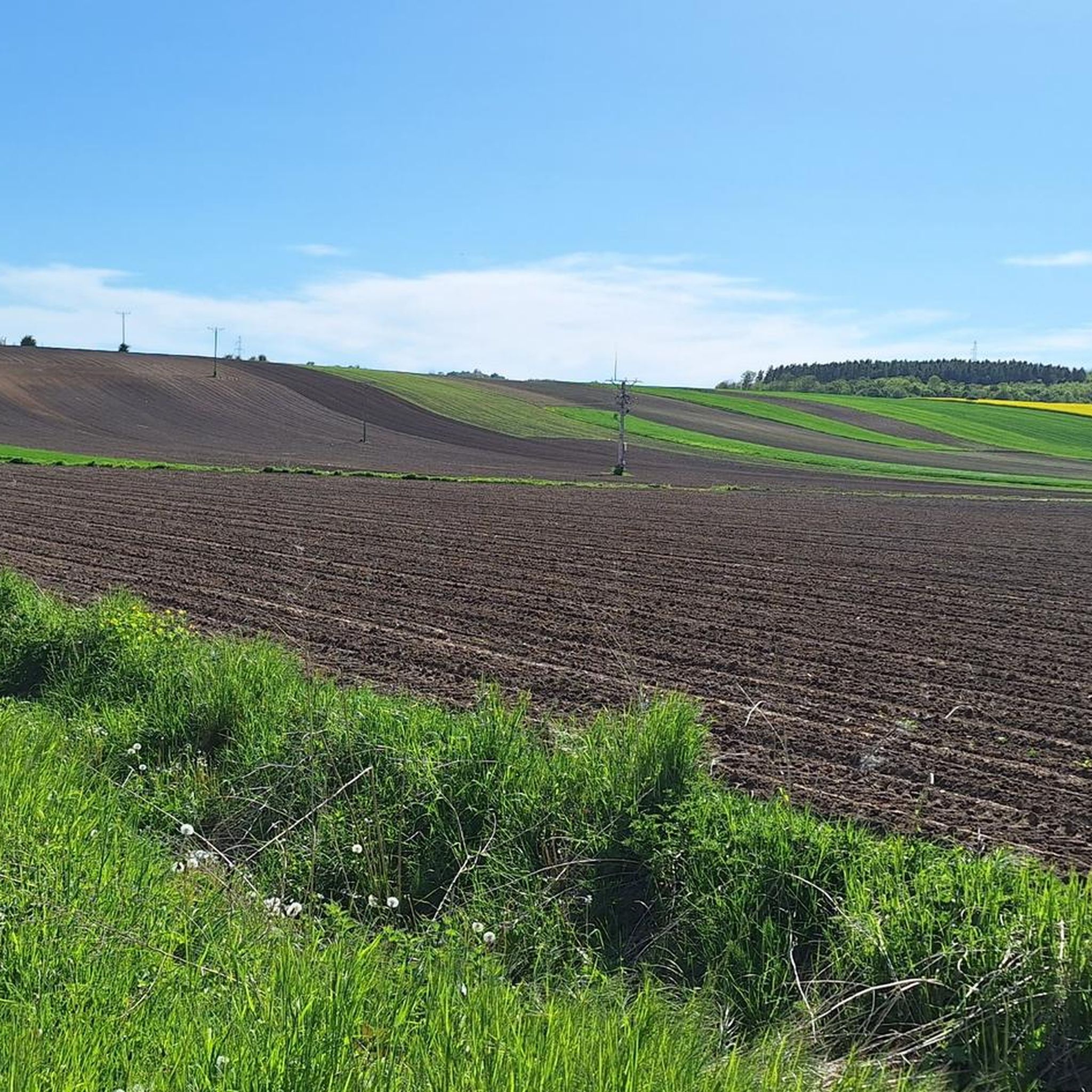
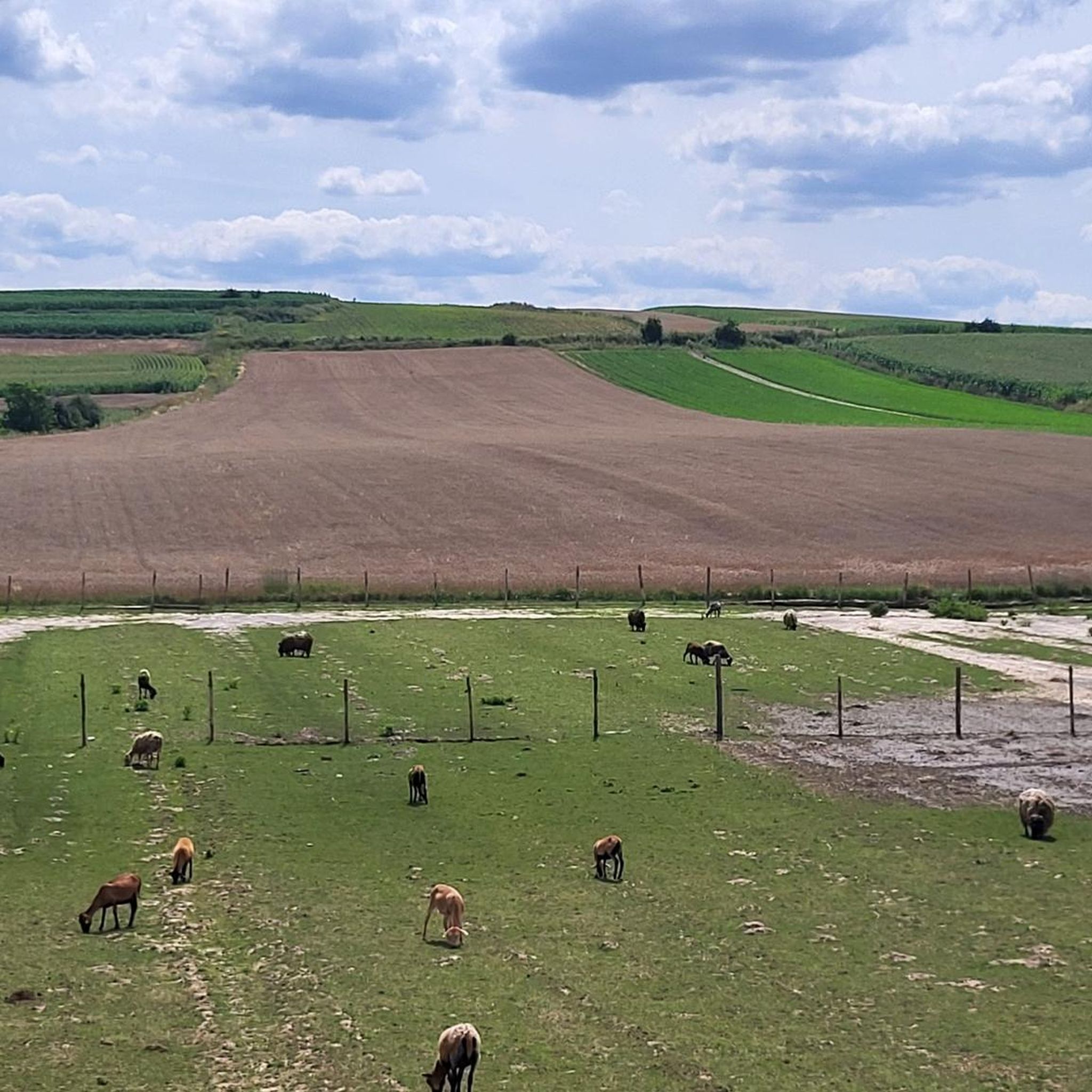
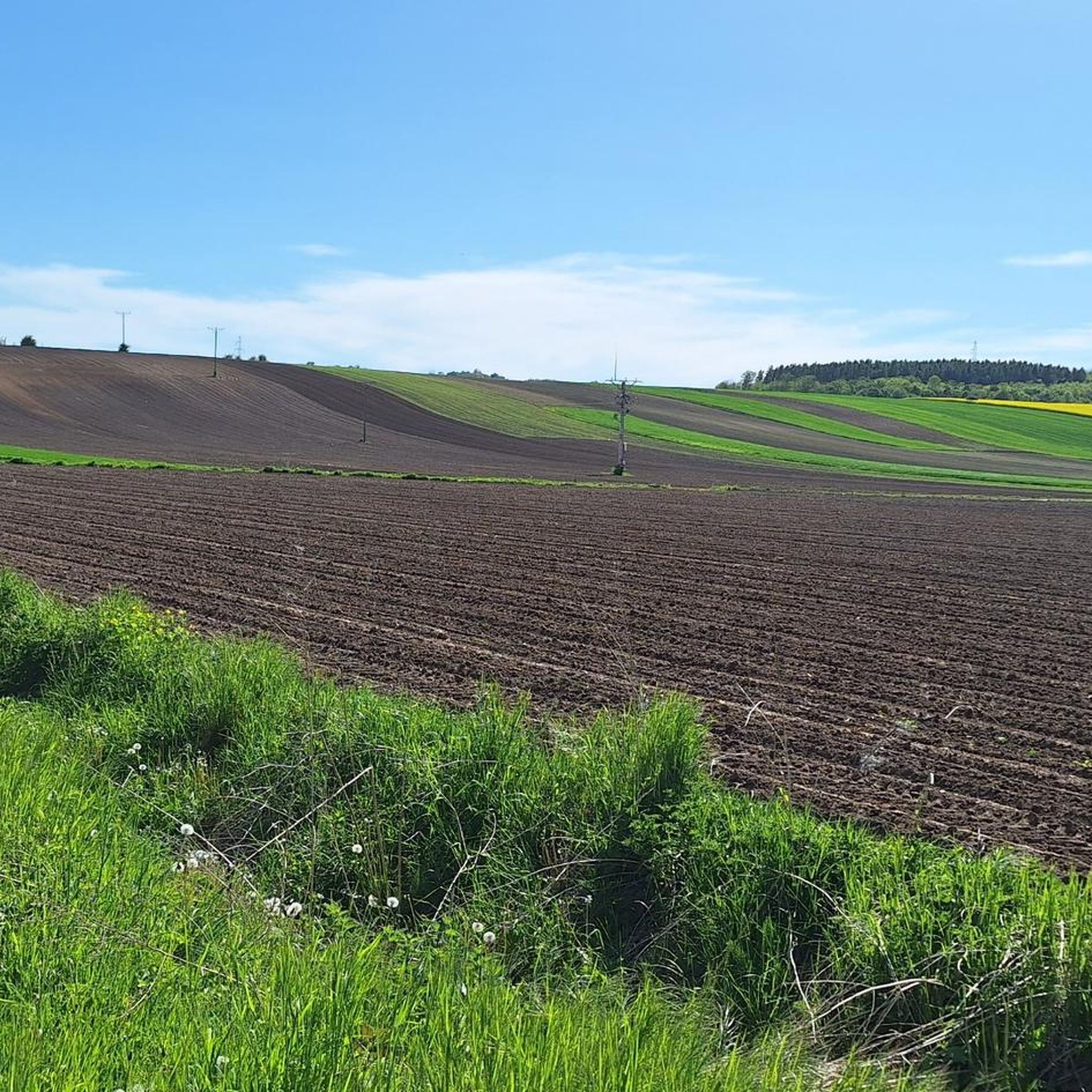
The landscape of Gmina Złota is largely defined by the Nadnidziański and Kozubowski Landscape Parks, which cover 90% of its area. The Nida River flows through the northeastern part, featuring unregulated sections with numerous oxbow lakes that serve as important breeding grounds for various bird species. The region also boasts diverse tree formations, including ash, poplar, and willows along the Nida, as well as robinia, wild rose, and blackthorn on the loess hills around Pełczyska.
Are there family-friendly natural monuments to visit?
Absolutely. The Obelisk of the Battle of Grochowiska is considered family-friendly and is located next to a tourist shelter. The Nida River at Chroberz is also family-friendly, with an asphalt road and a convenient stopping place, making it accessible for all ages to enjoy the river views.
What outdoor activities can I do near these natural monuments?
Gmina Złota offers various outdoor activities. You can explore numerous hiking trails, such as the 'In the Gypsum Land Gacki Trail' or easy routes like 'From Stradów to Stradów Grodzisko.' For cycling enthusiasts, there are MTB trails like the 'Stilt Pine loop from Busko-Zdrój.' Many of these routes allow you to experience the natural beauty surrounding the monuments. You can find more details on hiking routes at Hiking around gmina Złota and Easy hikes around gmina Złota, and MTB trails at MTB Trails around gmina Złota.
Can I go birdwatching in Gmina Złota?
Yes, Gmina Złota is an excellent spot for birdwatching, particularly along the Nida River. The river's unregulated sections form numerous oxbow lakes, which provide ideal breeding grounds for various bird species. This makes the area a valuable location for observing wetland ecosystems and local wildlife.
Are there viewpoints to enjoy the scenery?
Yes, several natural monuments offer scenic viewpoints. The Stradów Hillfort provides beautiful views of the Ponidzie valleys from its elevated position. The Nida River at Chroberz also serves as a pleasant viewpoint to appreciate the river and its surroundings.
What kind of trees are protected as natural monuments in Gmina Złota?
The region specifically protects several trees as natural monuments. This includes a collection of 14 small-leaved lime trees (Tilia Cordata) located along the road connecting Złota with Niegosławice, in an area known as 'cierniach.' Additionally, a single small-leaved lime tree in Chroberz is recognized for its impressive size, with a trunk circumference of 414 cm.
Is the Zawiennica Hill Reserve accessible for visitors?
The southern escarpment of Zawiennica Hill hosts a 12-hectare nature reserve. While specific details on visitor access are not extensively provided, its designation indicates its ecological importance. It's a place to explore local biodiversity and appreciate the natural environment of the region.
What do visitors enjoy most about the natural monuments in Gmina Złota?
Visitors frequently appreciate the unique character of sites like Krocząca Sosna (The Walking Pine) for its unusual appearance. The historical depth and panoramic views from the Stradów Hillfort are also highly valued. Many enjoy the tranquility and diverse ecosystems found within the Nadnidziański and Kozubowski Landscape Parks, as well as the serene beauty of the Nida River.
Are there any natural monuments that are wheelchair accessible?
Yes, the Obelisk of the Battle of Grochowiska is noted as being wheelchair accessible, with the road leading to it being completely asphalt. This makes it a suitable option for visitors with mobility considerations.
What is the best way to access the Nida River at Chroberz?
The Nida River at Chroberz is easily accessible. The road leading to this spot is fully asphalt, and there's a convenient place to stop right next to the road. It's also a point along the Nida canoeing route, offering a very pleasant neighborhood to explore.
Most popular routes around gmina Złota
Most popular attractions around gmina Złota

Get inspired with the komoot mobile app


Explore more
Extend your search for the best caves by checking out these guides of the top ones around gmina Złota:
