Top 7 Natural Monuments around gmina gmina Mielnik
Best natural monuments around gmina gmina Mielnik offer diverse natural attractions and geological features. The region is characterized by its unique landscape, including moraine hills and river valleys. These natural monuments provide insights into the area's biodiversity and geological history. Visitors can explore a variety of natural settings, from ancient trees to protected reserves.
Best natural monuments around gmina gmina Mielnik
- The most popular natural monuments is View from the High Bluff of the Bug River Bend, a viewpoint…
Last updated: July 26, 2026
Holy Mountain Chapel and Spring
Highlight • Religious Site
Translated by Google •
Tip by

Sacred Spring of Grabarka
Highlight • Religious Site
Translated by Google •
Tip by

Sign up now to discover places like this
Get recommendations on the best single tracks, peaks, & plenty of other exciting outdoor places.
Sign up for free
Viewpoint of the chalk mine
Highlight • Viewpoint
Translated by Google •
Tip by

View from the High Bluff of the Bug River Bend
Highlight • Viewpoint
Translated by Google •
Tip by

Głogi Nature and Landscape Complex Educational Trails
Highlight • Trail
Translated by Google •
Tip by
Sign up for free to discover even more natural monuments around gmina gmina Mielnik.
Sign up for free
Already have an account?
Start today with a free account
Your next adventure awaits.
Login or Signup

Tips from the Community

The paths are not suitable for cycling. At least not the one I found. Luckily, I finally managed to escape to the asphalt after a few dozen minutes of breakneck pushing. As a hiking attraction, I highly recommend avoiding this area with a bike.
0
0

The chapel is open type, accessible to all those in need. The source of water is a traditional artesian well, the water is very good without aftertaste, cold even in the middle of a hot day, ideal for filling bottles.
2
0

At the foot of the Mountain there is a miraculous spring. It was those who washed themselves here and drank the water that were saved from the cholera epidemic in 1710. To this day, people come here and wash their sick and sore places, drink water from the well and take it home. In 1910, on the bicentennial of the miracle, a round roof was built over the spring. Currently, the well is surrounded by a new chapel from 2001. According to Orthodox tradition, water is blessed several times a year. The Great Consecration takes place on the eve and on the feast of the Baptism of the Lord itself. The Little Consecration traditionally takes place on parish feast days (here: the Transfiguration of the Lord, the 10th Friday after Easter, the feast of the icon of the Mother of God "Joy of All Who Sorrow"), as well as on other days designated by the liturgical calendar (e.g. the feast of the icon of the Mother of God "Life-giving Source", half of the period of Pentecost).
2
0
The nature and landscape complex "Głogi" was established in 1994 by a resolution of the Mielnik Commune Council in order to protect a fragment of the edge of the Bug River valley, characterized by rich terrain, valuable thermophilic vegetation and high landscape values. This is an area of 56.09 ha. Glacial elevations, where the differences reach 40 m, are intersected by a network of ravines. Cretaceous formations, which were previously exploited here, occur shallowly in the substrate, and in places even on the surface. An old chalk mine can be admired in the western part of "Głogów".
0
0
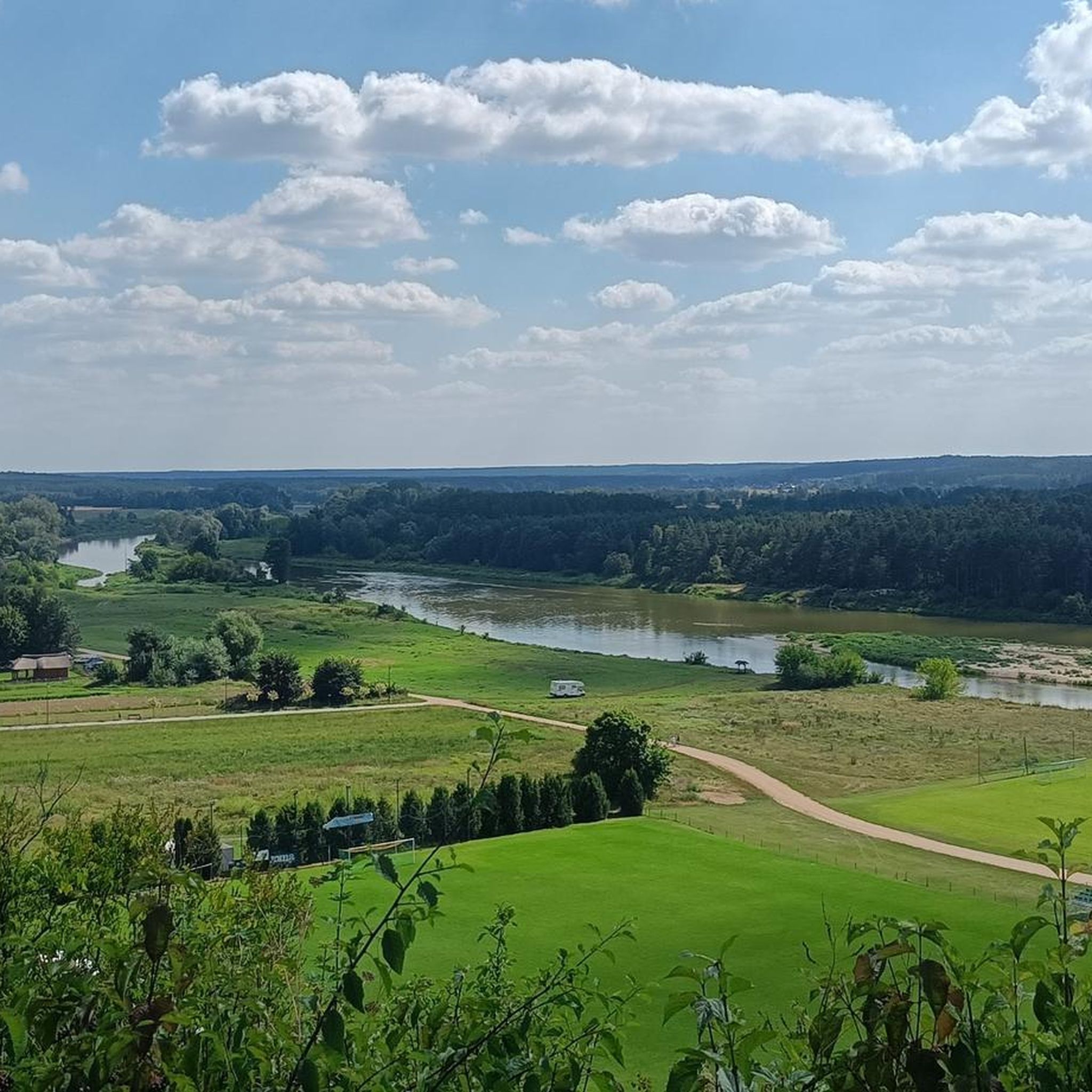
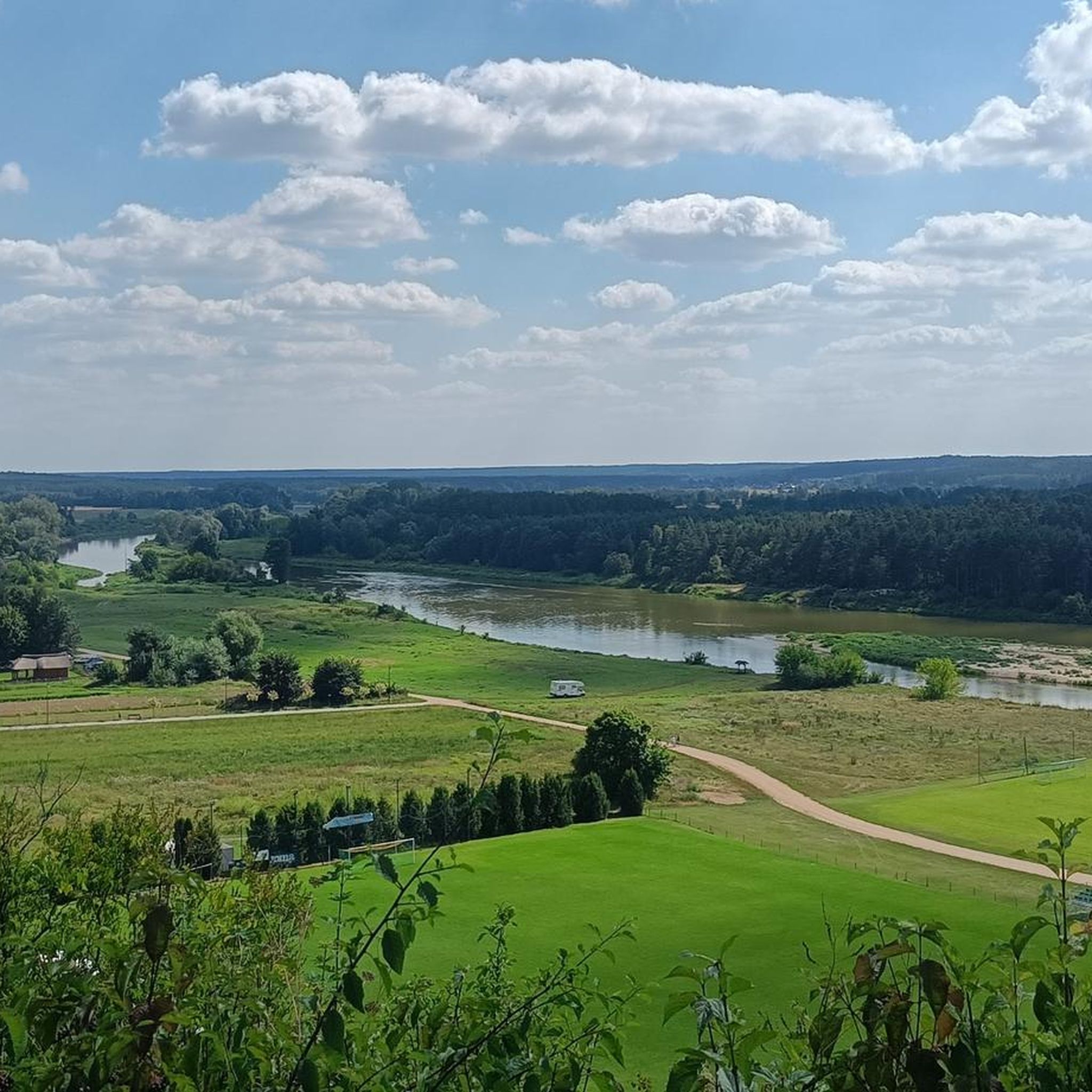
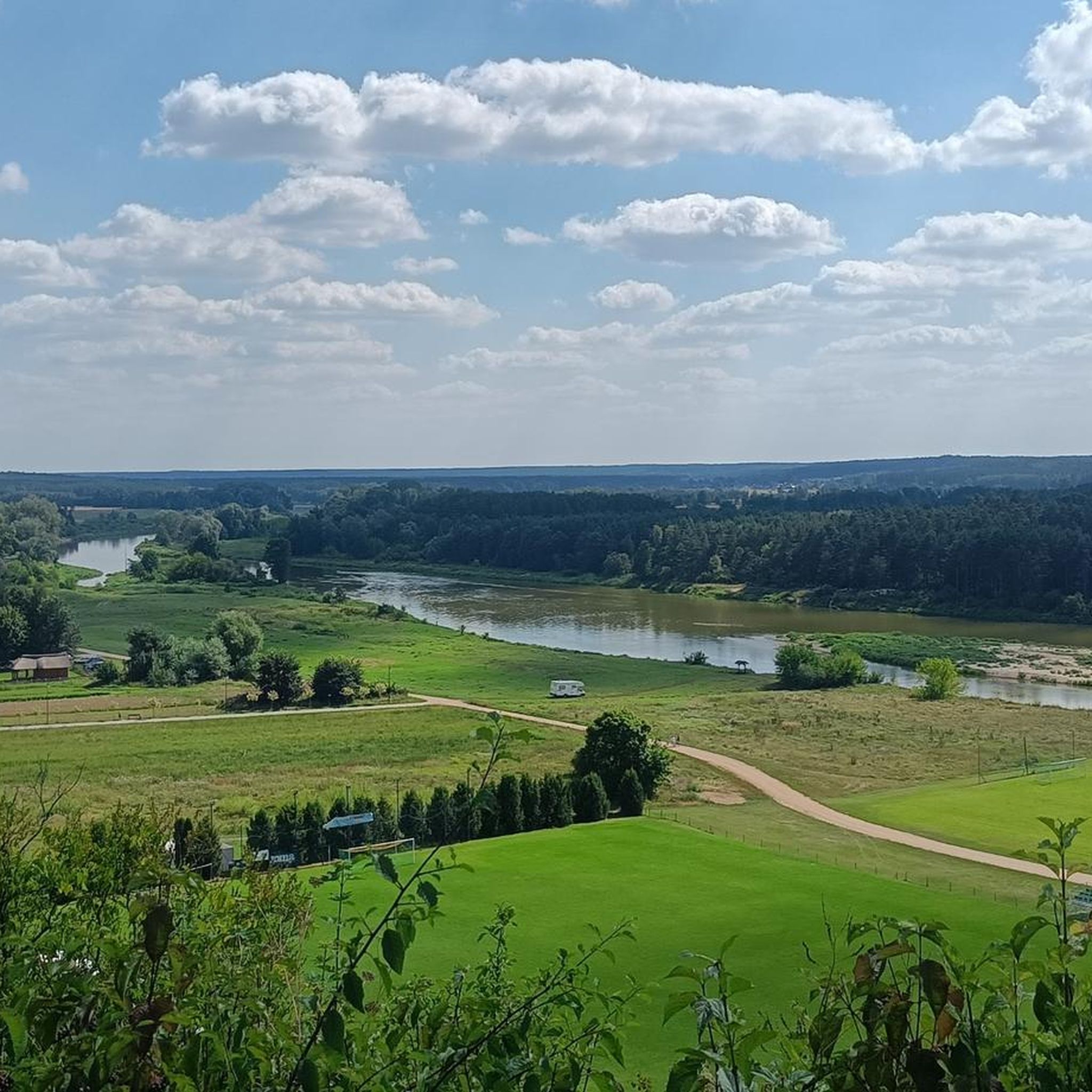
an amazing view of Mielnik and the Bug River
0
0

Many believers come to Grabarka to the spring with miraculous water. They put it in bottles and drink it like holy water.
1
2
A viewing terrace situated above an open-pit chalk mine, which holds interesting fossils. The first mention of "millers" (chalk grinders) and lime diggers from Mielnik dates back to 1551. At that time, the raw material was owned by the local Orthodox church, and local Jews sold it on its behalf. Until almost the mid-20th century, chalk was mined here by hand in small pits. Industrial-scale processing and mining only began after World War II and continues to this day.
0
0

The open-pit chalk mine is the only mine of this type currently active in Poland.
0
0
Frequently Asked Questions
What unique natural monuments can I discover in Gmina Mielnik?
Gmina Mielnik is home to several distinctive natural monuments. You can visit the nearly 250-year-old "Parasolka" (Umbrella) Pine, known for its exceptionally wide, dense crown. Another significant site is the Głogi Nature and Landscape Complex Educational Trails, which protects a fragment of the Bug River valley with rich terrain and valuable thermophilic vegetation.
Are there any nature reserves in Gmina Mielnik worth visiting?
Yes, the Uszeście Nature Reserve is a floristic nature reserve established to protect valuable xerothermic vegetation. It encompasses two moraine hills, "Duże Uszeście" and "Małe Uszeście," which are the highest elevations in the Drohiczyn Upland. An educational trail allows visitors to explore its unique plant species and enjoy panoramic views.
What kind of plant and animal life can I see in the Uszeście Nature Reserve?
The Uszeście Nature Reserve protects rare and protected plant species adapted to warm, dry conditions, such as cross gentian, hairy milkvetch, meadow pasqueflower, and steppe viper's-grass. The reserve features xerothermic grasslands and mixed forests, offering a diverse habitat for local wildlife.
Are there family-friendly natural monuments in Gmina Mielnik?
Many natural monuments in Gmina Mielnik are suitable for families. The Holy Mountain Chapel and Spring and the Sacred Spring of Grabarka are both considered family-friendly. Additionally, the Viewpoint of the chalk mine offers an interesting historical and geological perspective for all ages.
What historical or geological features can I explore among the natural monuments?
You can visit the Viewpoint of the chalk mine, which overlooks Poland's only active open-pit chalk mine. This site holds interesting fossils and provides insight into the region's long history of chalk mining dating back to 1551. The Uszeście Nature Reserve also has historical and legendary connections, including tales of a sunken church and Tatar invasions.
What outdoor activities can I do near the natural monuments?
The region offers various outdoor activities. You can find numerous hiking trails, including easy options like the "Saint Roch's Hill loop from Mielnik" or moderate routes such as the "Nature trail 'Kalinik'" in the Podlaski Landscape Park Bug Gorge. For cycling enthusiasts, there are gravel biking routes like the "Kasztelik Korona Podlasia – Church of the Holy Spirit loop from Mielnik." You can explore more options in the easy hikes, hiking, and gravel biking guides for Gmina Mielnik.
Are there any viewpoints offering scenic vistas of the Bug River?
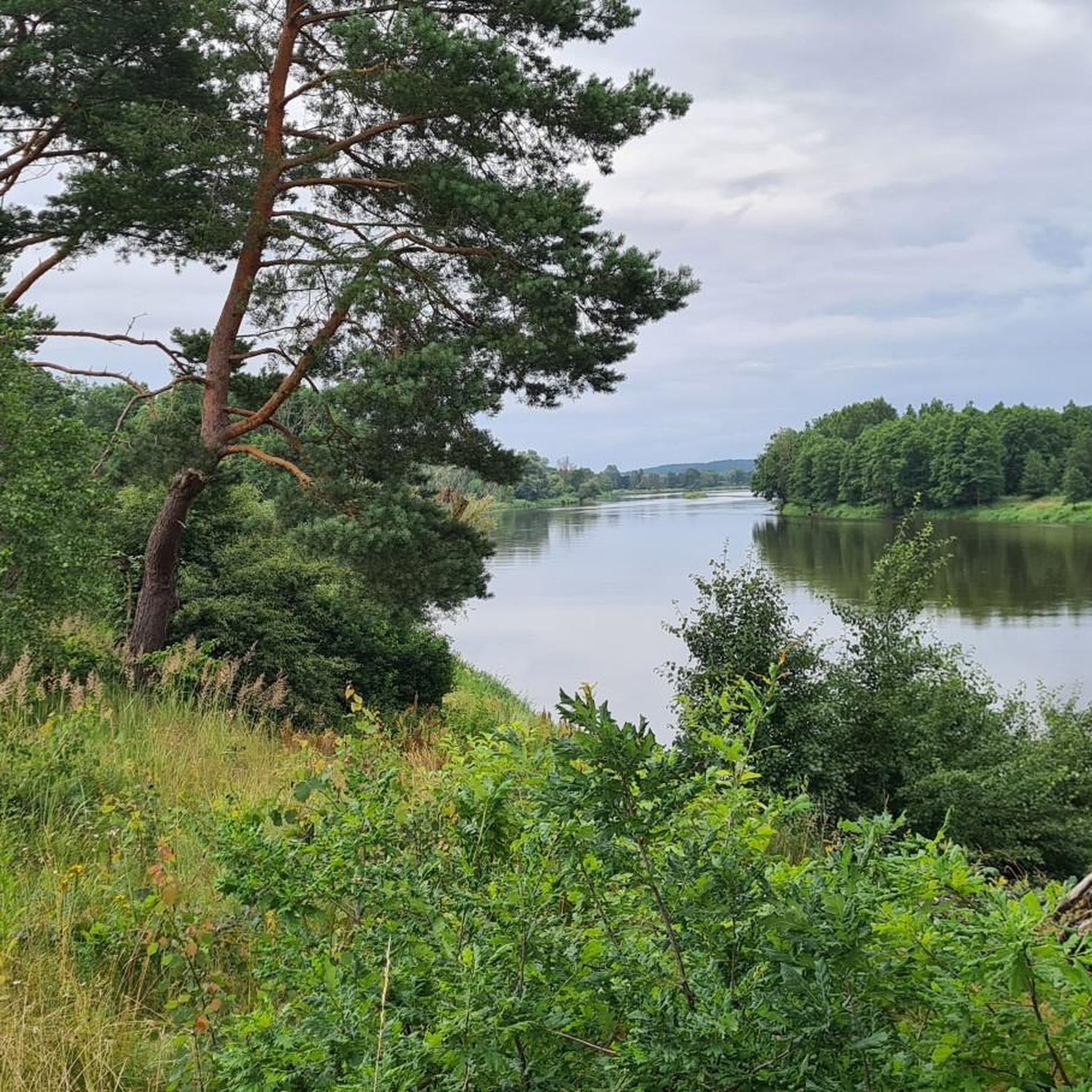
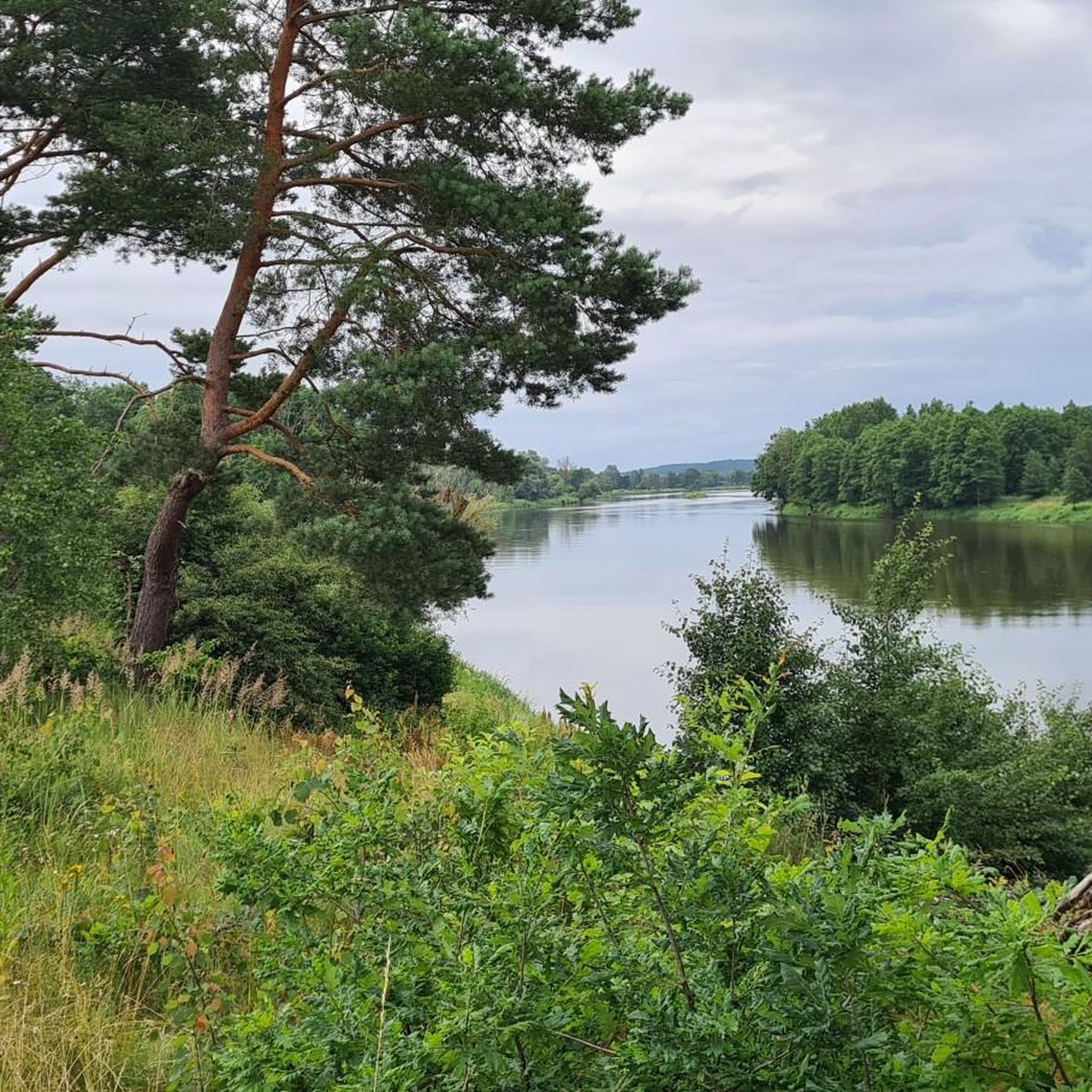
Yes, the View from the High Bluff of the Bug River Bend is located on a steep 30-meter escarpment, providing panoramic views of the meandering Bug River and its wide valley. You can also see vast meadows and pastures, and the Mielnicka Forest in the distance.
What is the best time of year to visit the natural monuments in Gmina Mielnik?
Spring and early autumn are generally ideal for visiting the natural monuments. During these seasons, the weather is pleasant for hiking and exploring, and the natural landscapes, especially the xerothermic vegetation in areas like the Uszeście Nature Reserve, are at their most vibrant.
Are there any natural monuments with religious significance?
Yes, the Holy Mountain Chapel and Spring is a site of historical and spiritual importance, known for its miraculous spring water. Similarly, the Sacred Spring of Grabarka is a traditional artesian well where many believers come for its holy water.
Where can I find parking near the natural monuments?
Parking availability varies by specific monument. For popular sites like the Uszeście Nature Reserve or the viewpoints, designated parking areas are usually available nearby. It is advisable to check local signage or visitor information for specific locations before your visit.
What do visitors enjoy most about the natural monuments in Gmina Mielnik?
Visitors frequently appreciate the stunning panoramic views, particularly from the High Bluff of the Bug River Bend. The unique geological formations, such as the active chalk mine, and the rich biodiversity of areas like the Uszeście Nature Reserve are also highly valued. Many find the sites peaceful and perfect for photography.
Most popular routes around gmina gmina Mielnik
Most popular attractions around gmina gmina Mielnik

Get inspired with the komoot mobile app


Explore more
Extend your search for the best caves by checking out these guides of the top ones around gmina gmina Mielnik:
