Top 7 Natural Monuments around gmina Dubicze Cerkiewne
Best natural monuments around gmina Dubicze Cerkiewne feature a landscape rich in ancient forests, unique geological formations, and significant ecological reserves. This region in Poland offers opportunities to explore well-preserved fragments of primeval forest and observe its rich biodiversity. The area includes gently undulating terrain and various natural sites, reflecting its glacial past and ongoing natural succession.
Best natural monuments around gmina Dubicze Cerkiewne
- The most popular natural monuments is Krynoczka Holy Spring and Chapel, a religious site and…
Last updated: May 17, 2026
Krynoczka Holy Spring and Chapel
Highlight • Religious Site
Krynoczka (a spring, a source), was formerly known as …
Translated by Google •
Tip by

Michnówka Nature Reserve
Highlight • Forest
Translated by Google •
Tip by

Sign up now to discover places like this
Get recommendations on the best single tracks, peaks, & plenty of other exciting outdoor places.
Sign up for free
Gate of the Two Oaks
Highlight • Natural Monument
Translated by Google •
Tip by

Krynoczka
Highlight • Religious Site
Krynoczka (a spring, a source), was formerly known as …
Translated by Google •
Tip by
A shrine at the source of the Dobrowódka River.
Highlight • Religious Site
Translated by Google •
Tip by

Sign up for free to discover even more natural monuments around gmina Dubicze Cerkiewne.
Sign up for free
Already have an account?
Start today with a free account
Your next adventure awaits.
Login or Signup


Tips from the Community


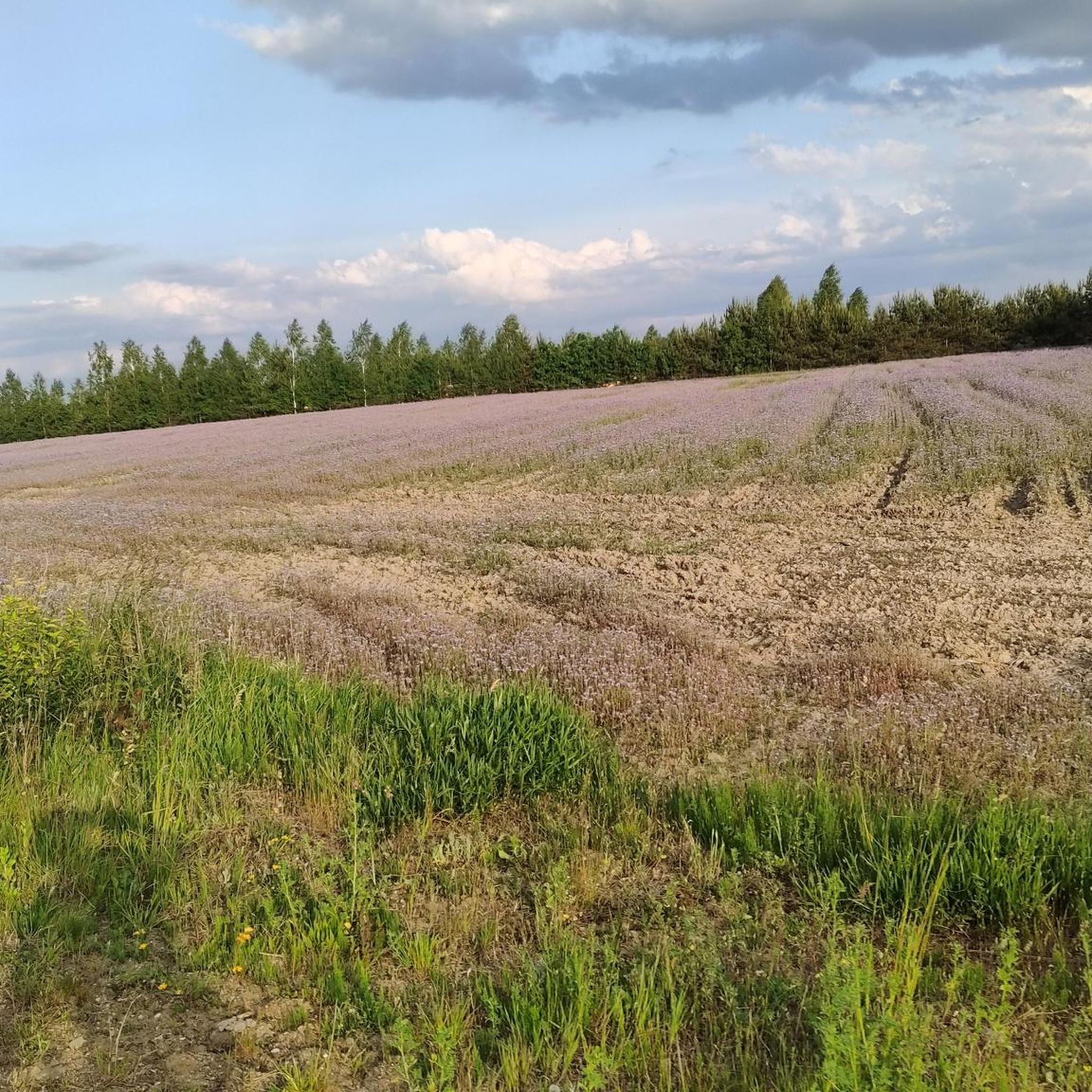
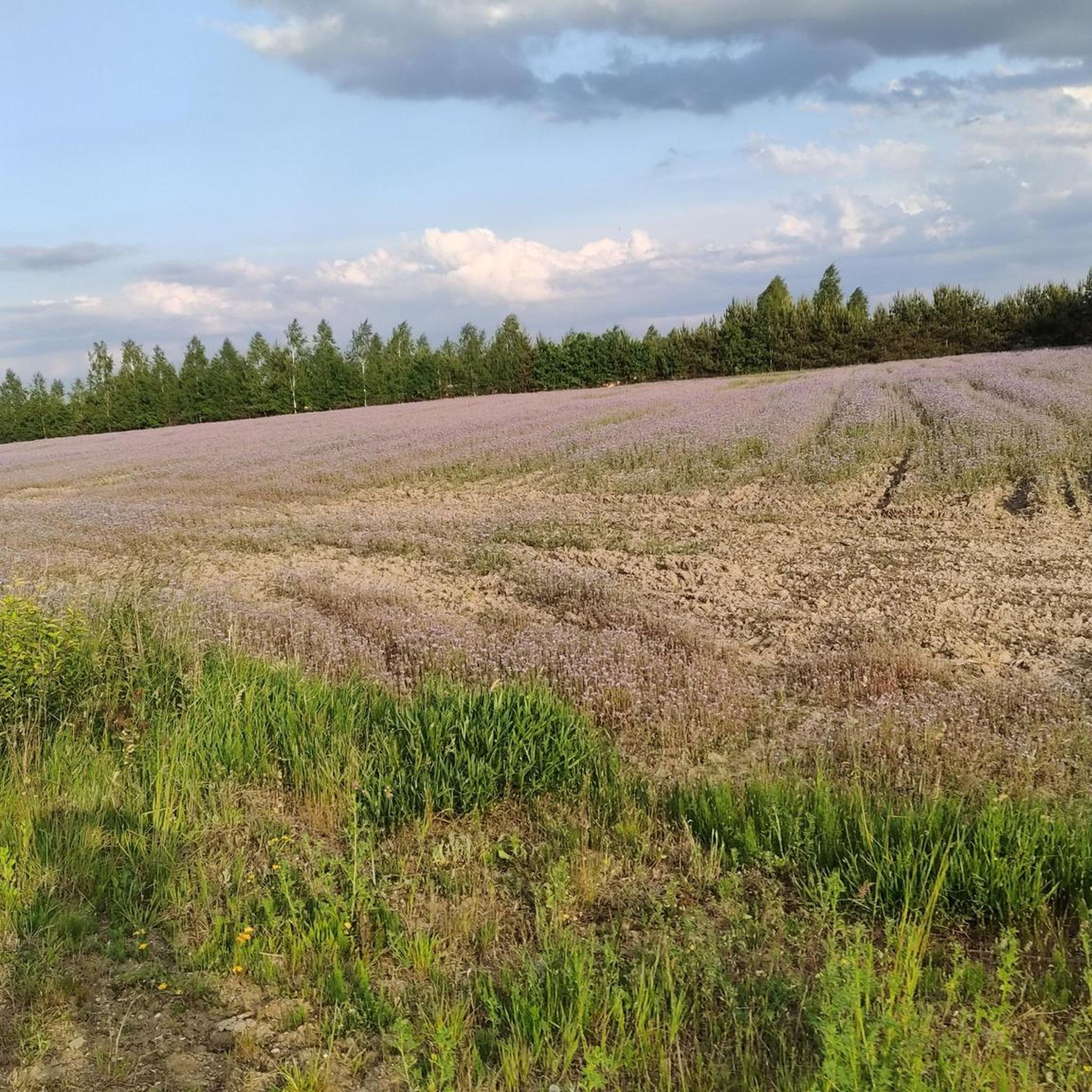
Smooth small gravel, nice to ride, pleasant trail leading through old forest. It makes an impression, on this trail you can get some silence and relax while riding.
1
0

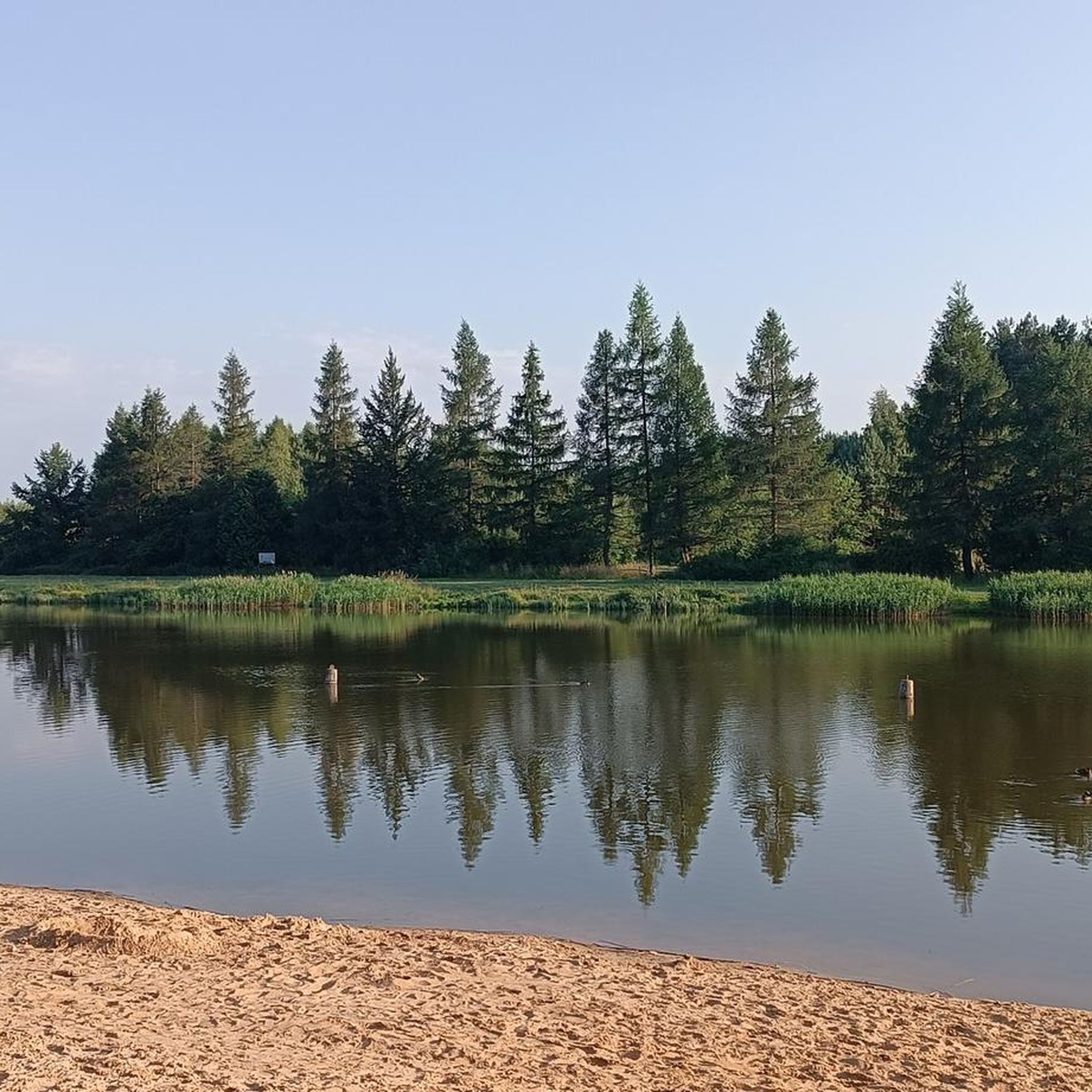
The Michnówka Reserve in the Białowieża Forest protects valuable wetlands and alder and ash forests, which are a refuge for many rare birds, such as cranes and black storks. The trails can be boggy in places, so wider tires and waterproof panniers will be a good idea. The area is peaceful and there is little tourist traffic, which is conducive to contact with nature and a peaceful ride.
1
0

A spring in the Białowieża Forest, located 3 km from Hajnówka on the Hajnówka-Białowieża route, considered miraculous by the Orthodox Church. Krynoczka (a spring, a source), was formerly known as the Miednoje forest, from the name of a stream flowing nearby. It is a place of annual pilgrimage for the feast of the Holy Trinity. Nearby stands a wooden church, built in 1846, dedicated to the Holy Brothers Maccabees, belonging to the parish of the Dormition of the Most Holy Mother of God in Dubiny. By the well (currently located under a shelter), a small wooden chapel was built in 1848 from donations from local believers. According to legends cultivated by the Orthodox, the cult of the holy spring in the Miednoje forest was known in the 13th century and was associated with the existence of a small monastery there, founded by monks fleeing the Tatar invasion. Another legend tells of a miraculous revelation of the icon of the Mother of God on a nearby tree. The cult of the spring, documented in the 19th century, was only local, and the Holy Liturgies in the local chapel were held only on the day of the commemoration of the Brothers Maccabees and on the feast of the Exaltation of the Lord's Cross. Since 1894, the third day of liturgical celebrations has been the second day of the Holy Trinity. Krynoczka was also known to monks from the Monastery of the Holy Spirit in Vilnius, who, on pilgrimage to the monastery in Wirów and to the monastery in Leśna, stopped there to pray with the local residents. Pilgrims visiting Krynoczka traditionally wipe the sick place with a handkerchief moistened in its water, and then leave it on the fence behind the well, thus symbolically getting rid of the disease. The place is included in the travel plan in the tab - Recommended trips, weekend in Podlasie. jadenapodlasie.pl/oferty/krynoczka-swieta-krynoczka-zrodlo-w-pusty-bialowieskiej
4
0
A spring in the Białowieża Forest, located 3 km from Hajnówka on the Hajnówka-Białowieża route, considered miraculous by the Orthodox Church. Krynoczka (a spring, a source), was formerly known as the Miednoje forest, from the name of a stream flowing nearby. It is a place of annual pilgrimage for the feast of the Holy Trinity. Nearby stands a wooden church, built in 1846, dedicated to the Holy Brothers Maccabees, belonging to the parish of the Dormition of the Most Holy Mother of God in Dubiny. By the well (currently located under a shelter), a small wooden chapel was built in 1848 from donations from local believers. According to legends cultivated by the Orthodox, the cult of the holy spring in the Miednoje forest was known in the 13th century and was associated with the existence of a small monastery there, founded by monks fleeing the Tatar invasion. Another legend tells of a miraculous revelation of the icon of the Mother of God on a nearby tree. The cult of the spring, documented in the 19th century, was only local, and the Holy Liturgies in the local chapel were held only on the day of the commemoration of the Brothers Maccabees and on the feast of the Exaltation of the Lord's Cross. Since 1894, the third day of liturgical celebrations has been the second day of the Holy Trinity. Krynoczka was also known to monks from the Monastery of the Holy Spirit in Vilnius, who, on pilgrimage to the monastery in Wirów and to the monastery in Leśna, stopped there to pray with the local residents. Pilgrims visiting Krynoczka traditionally wipe the sick place with a handkerchief moistened in its water, and then leave it on the fence behind the well, thus symbolically getting rid of the disease. The place is included in the travel plan in the tab - Recommended trips, weekend in Podlasie. https://jadenapodlasie.pl/oferty/krynoczka-swieta-krynoczka-zrodlo-w-pusty-bialowieskiej
4
0

Orthodox chapel at the source, where the Dobrowodka stream begins. The chapel is of the open type, publicly accessible with a traditional well in the middle, allowing for easy collection of very good cool water, even in the middle of hot summer.
1
0

Krynoczka, Orthodox church from 1848
0
0

Krynoczka was formerly known as the Miednoje wilderness
0
0
Frequently Asked Questions
What unique natural monuments can I explore in Gmina Dubicze Cerkiewne?
Beyond the well-known spots, Gmina Dubicze Cerkiewne is home to impressive erratic boulders, such as the large conglomerate boulder near Grabowiec (880 cm circumference) and another irregular-shaped boulder between Hajnówka-Kleszczele Road and the village (720 cm circumference). You can also find numerous individual protected trees, including an ancient small-leaved lime in Czechy Orlańskie and a white poplar in Stary Kornin.
Are there any significant nature reserves in Gmina Dubicze Cerkiewne?
Yes, the region features several important nature reserves. The Michnówka Nature Reserve protects valuable wetlands and alder and ash forests, serving as a refuge for rare birds like cranes and black storks. Another notable reserve is Starzyna, established to preserve a natural fragment of ancient forest with rich flora, including 18 strictly protected vascular plant species. Jelonka Nature Reserve focuses on protecting post-agricultural land undergoing natural forest succession, showcasing ecological transformation.
What kind of geological features can I expect to see among the natural monuments?
The most prominent geological features are the erratic boulders, remnants of glacial activity. These large stones, like the ones near Grabowiec and between Hajnówka-Kleszczele Road, offer a glimpse into the region's geological past with their unique sizes and compositions.
Are there any natural monuments with historical or cultural significance?
Absolutely. The Krynoczka Holy Spring and Chapel is a significant religious site and natural monument in the Białowieża Forest, considered a miraculous spring by the Orthodox Church and a place of annual pilgrimage. Similarly, the shrine at the source of the Dobrowódka River features an Orthodox chapel with a traditional well, offering cool water and a peaceful atmosphere.
Are there hiking or walking trails near the natural monuments in Gmina Dubicze Cerkiewne?
Many natural monuments are situated within forested areas with trails. For instance, the Gate of the Two Oaks offers a pleasant trail through an old forest, ideal for a quiet walk. The Michnówka Nature Reserve also has trails, though they can be boggy in places. The Starzyna Nature Reserve, with its ancient forest, provides opportunities for observing diverse flora and fauna along its paths.
What outdoor activities can I do near the natural monuments?
The region around Gmina Dubicze Cerkiewne is excellent for various outdoor activities, especially cycling. You can find numerous routes for gravel biking, mountain biking, and road cycling, often passing through or near these natural sites and the broader Białowieża Forest area.
When is the best time of year to visit the natural monuments in Gmina Dubicze Cerkiewne?
Spring and early autumn are generally the best times. In spring, the forests burst with new growth and wildflowers, and migratory birds return. Autumn offers vibrant foliage and comfortable temperatures for exploring. Summer is also pleasant, but be prepared for more insects, especially in forested areas.
Are the natural monuments in Gmina Dubicze Cerkiewne family-friendly?
Yes, several natural monuments are suitable for families. The Krynoczka Holy Spring and Chapel, the Gate of the Two Oaks, and the shrine at the source of the Dobrowódka River are all categorized as family-friendly, offering accessible and engaging experiences for all ages.
What kind of local flora and fauna can I observe in the nature reserves?
The Starzyna Nature Reserve is particularly rich in biodiversity, boasting approximately 300 species of vascular plants, including protected ones like European globeflower and martagon lily. Its forests are home to diverse wildlife such as European bison, red deer, moose, roe deer, and occasionally lynx and wolf. The Michnówka Nature Reserve is known for its rare bird species, including cranes and black storks.
How long should I plan for a visit to the natural monuments?
The duration depends on the specific monument and your interest. For individual sites like the erratic boulders or the Gate of the Two Oaks, a visit might take 1-2 hours. Exploring a nature reserve like Starzyna or Michnówka, especially if you plan to walk or cycle, could easily fill half a day or more. Consider combining a few nearby sites for a full day's exploration.
Is public transport available to reach the natural monuments?
While specific public transport routes directly to every natural monument might be limited, you can often reach nearby towns like Hajnówka by bus. From there, you might need to arrange local transport, cycle, or walk to the specific sites. It's advisable to check local bus schedules for connections within Gmina Dubicze Cerkiewne.
Are there any easy walks suitable for beginners or families?
Yes, the trail leading to the Gate of the Two Oaks is described as a pleasant, smooth gravel path, making it an easy and relaxing walk through an old forest. The areas around the Krynoczka Holy Spring and the shrine at the Dobrowódka River source also offer gentle, accessible paths suitable for families and those seeking a less strenuous experience.
Most popular routes around gmina Dubicze Cerkiewne
Most popular attractions around gmina Dubicze Cerkiewne

Get inspired with the komoot mobile app


Explore more
Extend your search for the best caves by checking out these guides of the top ones around gmina Dubicze Cerkiewne:
