Top 7 Natural Monuments around gmina Bielsk Podlaski
Best natural monuments around gmina Bielsk Podlaski offer a blend of natural features and culturally significant sites within the Podlaskie Voivodeship. The area is characterized by its natural beauty, including ancient trees and unique hydrological features. These sites provide opportunities to explore local heritage and natural landscapes. Visitors can find a variety of natural monuments, from protected trees to springs with historical and spiritual importance, making them notable tourist attractions in gmina Bielsk Podlaski.
Best natural monuments around gmina Bielsk…
Last updated: May 17, 2026
Sacred Spring and Chapel of the Seven Maccabean Brothers
Highlight • Religious Site
There was also an early medieval cemetery nearby.
Translated by Google •
Tip by

Zamok Hillfort in Haćki
Highlight • Historical Site
"The complex of archaeological sites in Haćki includes a vast post-glacial depression with a kame hill located in the central part of its bottom and lofty humps surrounding this …
Translated by Google •
Tip by
Sign up now to discover places like this
Get recommendations on the best single tracks, peaks, & plenty of other exciting outdoor places.
Sign up for free
Chapel of St. John the Theologian in Chraboły Forest
Highlight • Religious Site
Translated by Google •
Tip by

Chapel "With a spring" from the 2nd half of the 18th century.
Highlight • Religious Site
The facility …
Translated by Google •
Tip by
Murawy w Haćkach Nature Reserve
Highlight • Natural Monument
pl.wikipedia.org/wiki/Murawy_w_Ha%C4%87kach
Translated by Google •
Tip by
Sign up for free to discover even more natural monuments around gmina Bielsk Podlaski.
Sign up for free
Already have an account?
Start today with a free account
Your next adventure awaits.
Login or Signup


Tips from the Community

According to Orthodox tradition, small chapels like these, colloquially called "Krynica," were built in sacred areas near springs and served as a place for anyone in need to draw "holy water." Unfortunately, the one in Zawyki is not accessible. The chapel itself, with its traditional well, is sealed shut, and the artesian well next to the building is unfortunately inoperative.
0
0
"Grodzisko" is part of the entire historical and natural complex of Murawy in Haćki.
0
0
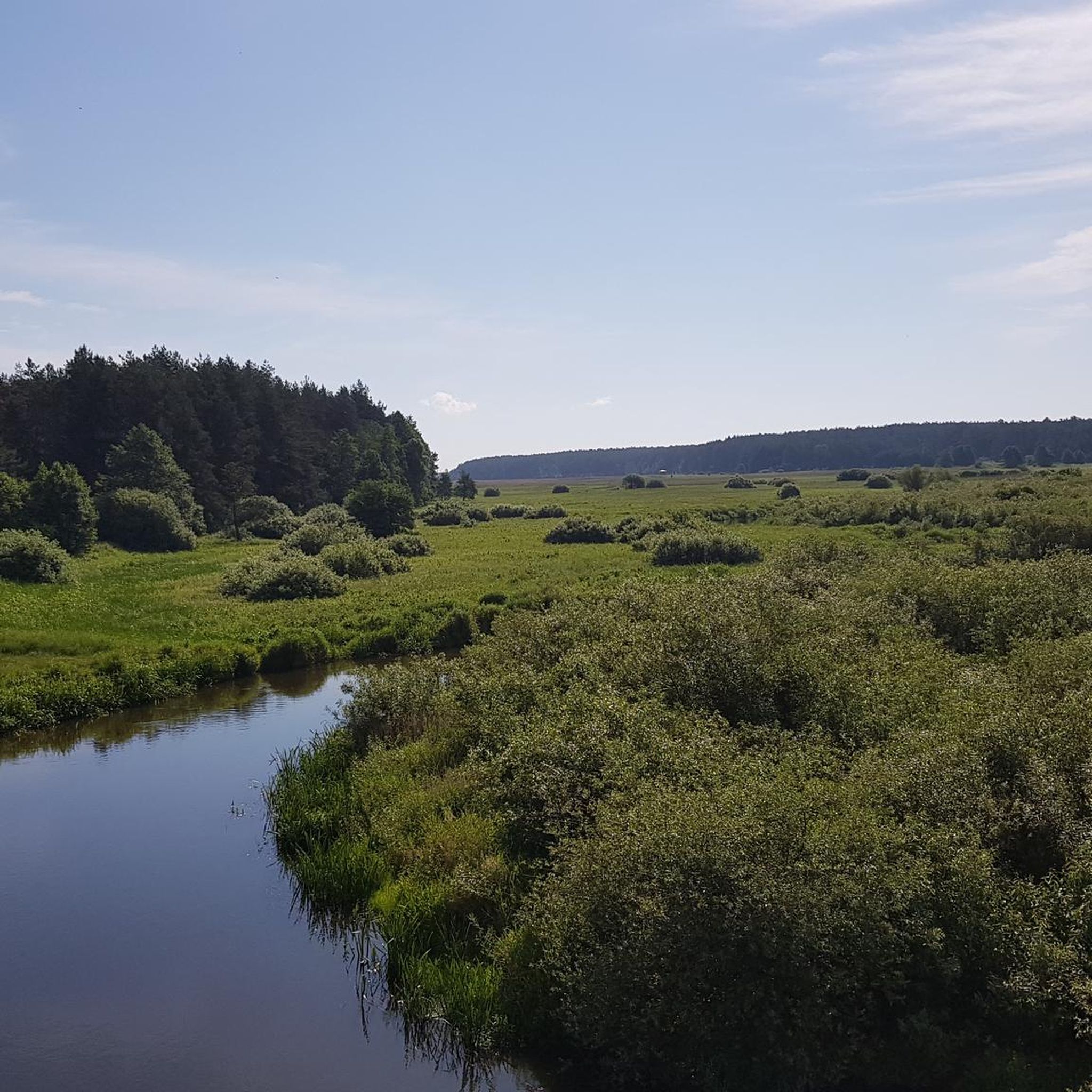
"Murawy w Haćkach" a unique natural complex, old fortified settlements, unique landform, beautiful nature. The first Natura 2000 program area in Poland, under special protection. https://pl.wikipedia.org/wiki/Murawy_w_Ha%C4%87kach
0
0
Next to the chapel there is a traditional well with very good water; the local faithful even provided drinking cups.
1
0

From wikipedia: "The temple is located in the Hołowkowo area near the village of Chraboły. Inside the temple there is a spring surrounded by cult, called Turowa Krynica. The wooden building, erected in 1984 on a square plan (with a sacristy built at the back), covered with a single-ridged tin roof, on which there is a turret topped with an onion-shaped dome. Above the entrance there is a gable roof, supported by two pillars. Previously, there was a chapel in this place, built in connection with the Marian apparitions that took place in the 16th century. This chapel was burned down in September 1939 as a result of war operations.
0
0
The creation of the historic chapel is associated with the icon of Our Lady of Boruń. According to records, this is the place where the painting was found. The facility is accessed by a cobbled alley with the Stations of the Cross next to it.
1
0
zabytek.pl: "The complex of archaeological sites in Haćki includes a vast post-glacial depression with a kame hill located in the central part of its bottom and lofty humps surrounding this depression from the north and south. In total, the area where archaeological remains of human activity in the past were found has an area of over 40 hectares . This complex includes the remains of a stronghold and four open settlements. Moreover, approximately 1 km south of this valley, towards the village of Proniewicze, there is a barrow - the last of the cemetery that once existed here. There are mentions of the existence in the village from archival literature Haćki, an early medieval cemetery with skeleton graves in stone surrounds, which, despite the efforts of archaeologists, has not been found. However, information obtained from the inhabitants of Hacieki shows that in the western part of the village in the 1960s, when the kame hill located here was partially excavated and leveled, numerous human bones, which most likely came from this early medieval cemetery. Much more information at the link: https://zabytek.pl/pl/obiekty/hacki-komplik-osadniczy
0
0
In the 1930s, a holy spring "appeared". In 1942, a small church named after the 7th Maccabean Brothers was built. There was also an early medieval cemetery nearby.
0
0
Frequently Asked Questions
What types of natural monuments can I explore around gmina Bielsk Podlaski?
The region offers a diverse range of natural monuments. You can find ancient, protected trees within the city of Bielsk Podlaski, such as pedunculate oaks and black poplars. Additionally, there are sacred springs with historical and spiritual significance, and unique geological formations like the post-glacial depression at Zamok Hillfort in Haćki.
Are there any natural monuments with historical or cultural significance?
Yes, several natural monuments in the area are deeply intertwined with history and local culture. The Sacred Spring and Chapel of the Seven Maccabean Brothers is a significant religious site where a holy spring appeared in the 1930s. Similarly, the Chapel of St. John the Theologian in Chraboły Forest houses Turowa Krynica, a spring revered by locals. The Zamok Hillfort in Haćki is an archaeological complex within a natural setting, showcasing ancient human activity.
What are some unique natural features to see in the gmina Bielsk Podlaski area?
Beyond individual monuments, the region boasts unique natural features. The Murawy w Haćkach Nature Reserve is a prime example, being a unique natural complex and one of Poland's first Natura 2000 program areas, featuring distinctive landforms and rich biodiversity. The sacred springs, like the one at the Chapel of the Seven Maccabean Brothers, are also notable hydrological features.
Are there family-friendly natural attractions in gmina Bielsk Podlaski?
Many natural monuments offer a peaceful environment suitable for families. While specific child-focused activities aren't detailed for all sites, places like the Chapel "With a spring" from the 2nd half of the 18th century are categorized as family-friendly. The serene settings of the sacred springs and the opportunity to observe ancient trees can be enjoyable for all ages.
What outdoor activities can I do near these natural monuments?
The area around gmina Bielsk Podlaski is excellent for various outdoor activities. You can find numerous routes for cycling, hiking, and running. For example, there are easy to moderate cycling routes like the "Bielsk Podlaski Cemetery – Orthodox Church in Podbiele loop" and hiking trails such as the "Izabela Branicka Square – Queen Helena Park loop." You can explore more options on the Cycling around gmina Bielsk Podlaski, Hiking around gmina Bielsk Podlaski, and Running Trails around gmina Bielsk Podlaski guide pages.
Are there hiking trails near the natural monuments?
Yes, the region offers several hiking opportunities. While some natural monuments like the Murawy w Haćkach Nature Reserve are ideal for walks, you can also find dedicated hiking routes nearby. Examples include easy loops like the "Hiking loop from Bielsk Podlaski" or moderate options such as the "Bielsk Podlaski Town Hall loop." For detailed routes, refer to the Hiking around gmina Bielsk Podlaski guide.
What is the best season to visit the natural monuments in gmina Bielsk Podlaski?
The natural monuments can be enjoyed throughout the year, each season offering a different charm. Spring brings lush greenery and blooming flora, while summer is ideal for longer walks and exploring the forest areas. Autumn showcases vibrant fall colors, particularly around the ancient trees and forest chapels. Even winter can offer a serene, snow-covered landscape, especially around the sacred springs and reserves, though some paths might be less accessible.
Are there any designated nature reserves or protected areas?
Yes, the Murawy w Haćkach Nature Reserve is a significant protected area in the region. It's recognized as a Natura 2000 program area, safeguarding its unique natural complex, including distinctive landforms and historical elements like fortified settlements. This reserve is crucial for preserving the local biodiversity and geological heritage.
Can I find ancient trees designated as natural monuments?
Absolutely. Within the urban gmina of Bielsk Podlaski, several individual trees have been officially designated as natural monuments due to their impressive size, age, and species. These include large pedunculate oaks and black poplars, often found in parks or along streets, contributing to the ecological and aesthetic value of the town. For instance, a notable black poplar stands in Aleksander Jagiellończyk Park.
What do visitors enjoy most about the natural monuments in gmina Bielsk Podlaski?
Visitors particularly appreciate the blend of natural beauty and spiritual tranquility. The sacred springs, such as Turowa Krynica at the Chapel of St. John the Theologian, are valued for their peaceful settings and cultural significance. The unique landscapes of areas like Murawy w Haćkach also draw visitors interested in geology and biodiversity, while the historical sites offer a glimpse into the region's past.
Is public transport available to reach the natural monuments?
While specific public transport routes directly to every natural monument are not detailed, the city of Bielsk Podlaski serves as a central hub. From there, local buses or taxis may provide access to some of the more accessible sites. For monuments located in more rural or forested areas, personal transport or cycling might be more convenient.
Are there any permits required to visit these natural areas?
Generally, no special permits are required for visiting the natural monuments themselves, especially those that are publicly accessible like the sacred springs or designated trees. However, if you plan to engage in specific activities within protected areas like the Murawy w Haćkach Nature Reserve, it's always advisable to check for any local regulations or guidelines regarding access or activities to ensure compliance.
Most popular attractions around gmina Bielsk Podlaski

Get inspired with the komoot mobile app


Explore more
Extend your search for the best caves by checking out these guides of the top ones around gmina Bielsk Podlaski:
