Top 20 Natural Monuments around Lutowiska
Best natural monuments around Lutowiska are found in a region often called "Polish Alaska," characterized by exceptional natural beauty within the Bieszczady Mountains. Over 80% of the Lutowiska municipality is under environmental protection, including national parks and nature reserves. This area is a foundational component of the UNESCO International Biosphere Reserve "Eastern Carpathians," known for its unique altitudinal zonation and pristine Eastern Carpathian landscapes. Visitors can explore expansive primeval forests, rare plant species in raised bogs, and diverse wildlife habitats.
…Last updated: August 9, 2026
Tarnica Peak
Highlight • Summit
Translated by Google •
Tip by

Orłowicz Pass
Highlight • Mountain Pass
Translated by Google •
Tip by
Sign up now to discover places like this
Get recommendations on the best single tracks, peaks, & plenty of other exciting outdoor places.
Sign up for free
Greater Jaslo
Highlight • Summit
Translated by Google •
Tip by

Mała Rawka
Highlight • Summit
Translated by Google •
Tip by

Dział
Highlight • Trail
Translated by Google •
Tip by

Sign up for free to discover even more natural monuments around Lutowiska.
Sign up for free
Already have an account?
Start today with a free account
Your next adventure awaits.
Login or Signup


Other adventures around Lutowiska

Tips from the Community

More information: https://gdziebytudalej.pl/na-widokowe-jaslo-i-graniczny-stryb/ https://www.twojebieszczady.net/piesze/przyslup_jaslo.php https://magazynnaszczycie.pl/artykul/skiturowa-klasyka-bieszczadow-n1510246
1
0
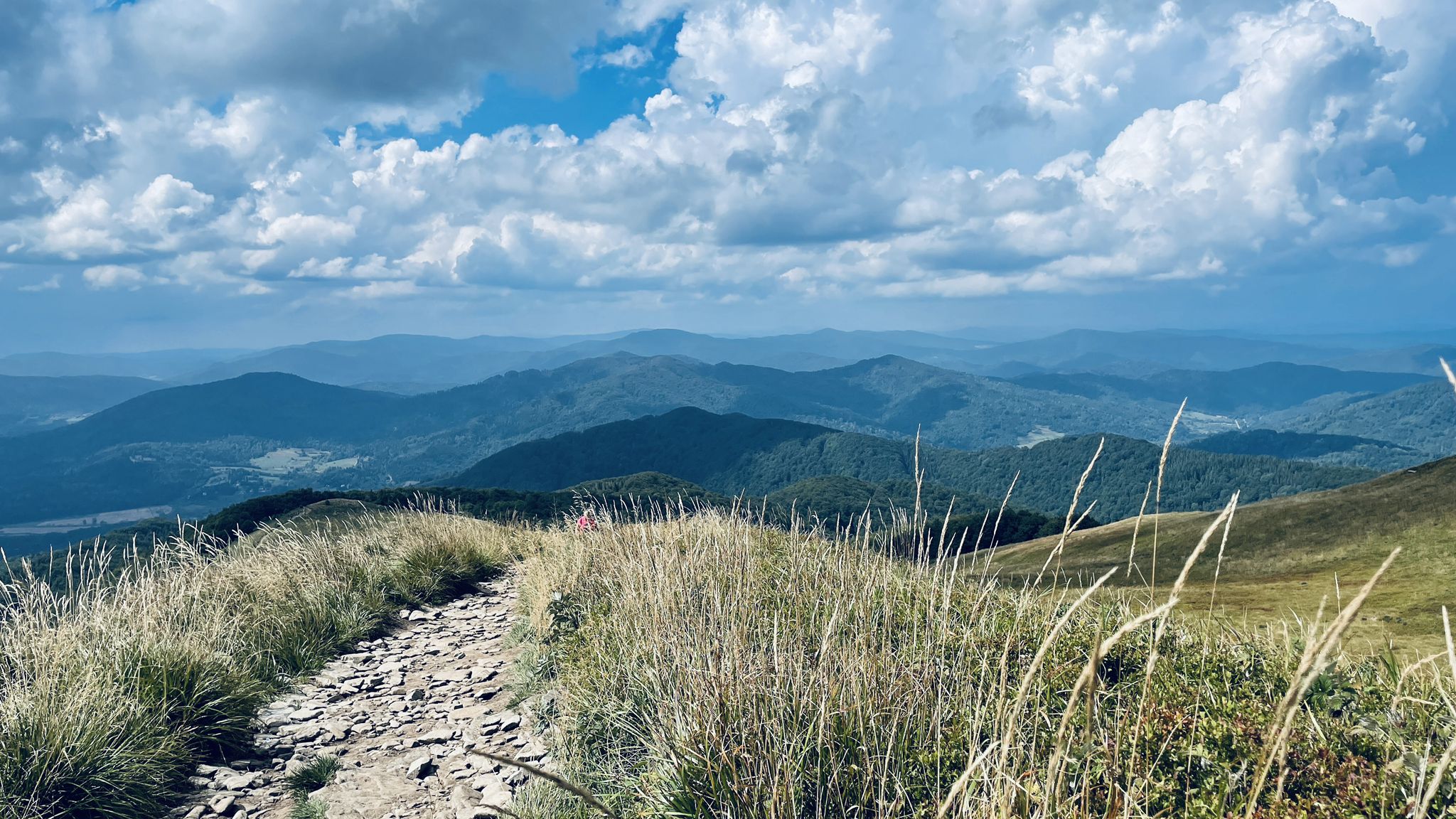
Jasło (1153 m a.s.l.[1]) – a mountain in the Western Bieszczady Mountains, also called Wielki Jasłem in contrast to the nearby Mały Jasłem. Located within the Cisna commune in the Lesko county. This mountain, formerly called Jasiel or Wasiel, constitutes the highest culmination of the ridge stretching from Okrąglik in the border range north-westwards, towards Cisna. At the summit, there is a geodetic tower, and below it, a plaque marking the peak. The mountain slopes are covered with Carpathian beech forest and beech-fir forests, a significant part of which are old-growth stands. The clearings occurring in the summit areas were likely formed as a result of human activity. This is evidenced by the lack of stunted beech growth at the forest edge, as well as individual trees growing among the alpine meadows. The presence of these clearings provides views in all directions, including towards Slovakia. Many rare animal species live in this area, including: wolves, bears, lynxes, capercaillies. This area is an important link in the "Carpathian" ecological corridor. The Jasło mountain area is protected as part of the Ciśniańsko-Wetliński Landscape Park, it lies in the buffer zone of the Bieszczady National Park, the International Biosphere Reserve "Eastern Carpathians" and is protected within the European network of protected areas Natura 2000 Bieszczady (PLC 180001). Since 1998, successive mayors of the Cisna commune have promoted the construction of ski lifts on the slopes of Jasło, seeing it as an opportunity for economic development of the commune and for generating additional income for its residents. The planned construction of a large winter sports center in the form of three lifts 2 km long, a half-pipe for snowboarders, a summer pedestrian lift and a mountain bike lift contradicts national and EU environmental protection law. In 1998, the Provincial Commission for Nature Protection and the Scientific-Social Council of the Carpathian Landscape Parks Complex in Krosno gave a negative opinion on the possibility of locating the investment on the slopes of the mountain, which lies in the II usage zone, where such investments are not permitted, in accordance with the protection plan of the Ciśniańsko-Wetliński Landscape Park. Furthermore, investments significantly impacting the environment are not permitted in Natura 2000 areas. Information source: https://pl.wikipedia.org/wiki/Jas%C5%82o_(g%C3%B3ra)
1
0

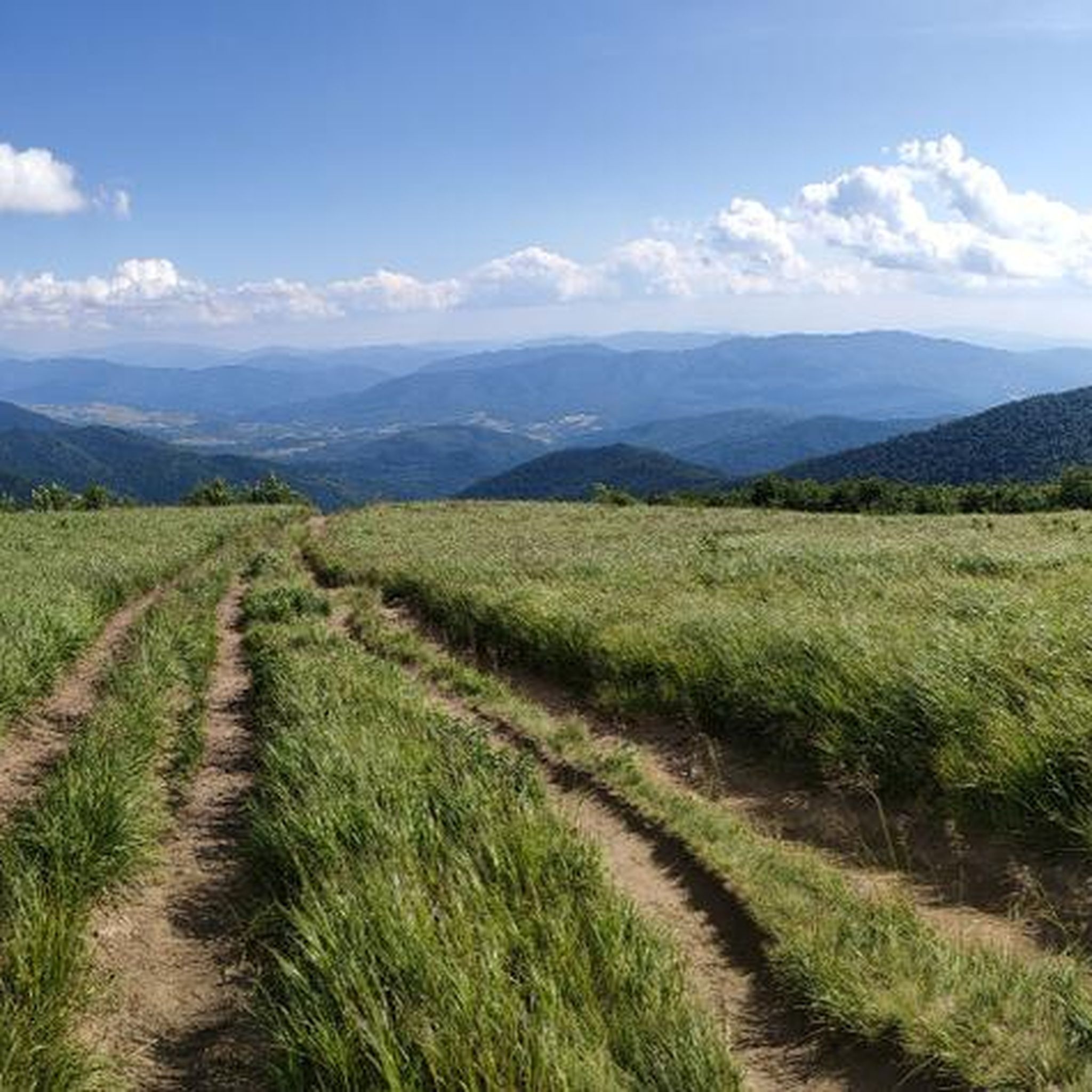
A mountain at an altitude of 1,153 meters above sea level in Lesko County. It's called Wielki Jasło (Great Jasło) to distinguish it from the nearby Mały Jasło. The mountain is cleared here and uncrowded, offering a beautiful panorama in every direction.
1
0


The shelter is in good condition and there is a table next to it, a good place for a break.
0
0
The entrance from the Wyżniańska Pass is quite steep but it is possible and worth it :)
0
0

One of my favorite places. And with few tourists
0
0

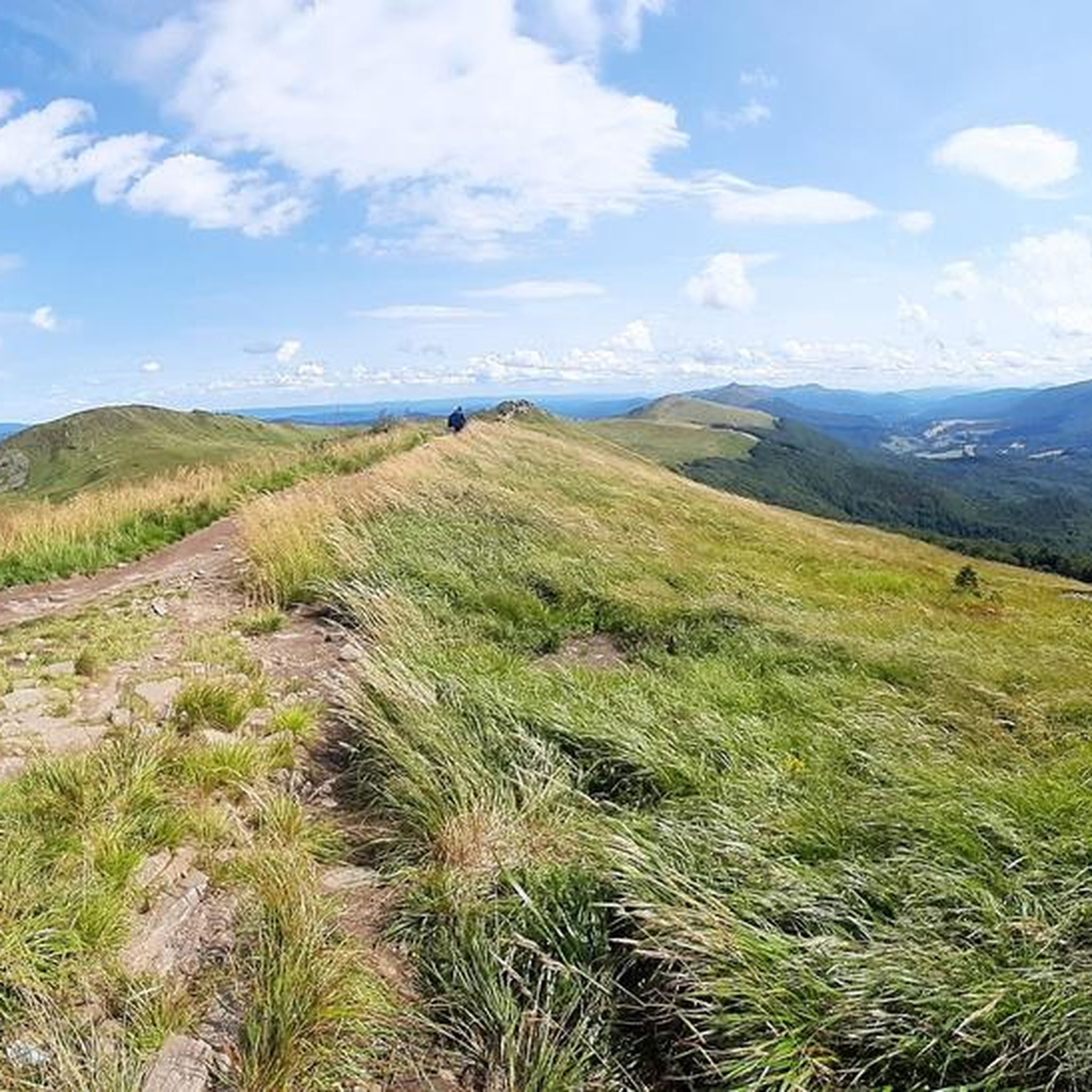
Mała Rawka (together with Wielka Rawka) is a must-see in the Bieszczady Mountains. The peak is less popular than Połonina Wetlińska or Tarnica, but you can always meet many tourists on the trail. At the peak there are beautiful views and benches so you don't have to stand while admiring them ;)
2
0
Frequently Asked Questions
What are the most iconic natural landscapes to explore around Lutowiska?
The Lutowiska area, often called "Polish Alaska," is dominated by the Bieszczady National Park, a significant part of the UNESCO International Biosphere Reserve "Eastern Carpathians." This park features unique subalpine pastures known as połoniny, expansive primeval forests, and diverse wildlife. You can also explore the scenic San Valley Landscape National Park, which protects the San River valley and its rich biodiversity.
Which natural monuments offer the best panoramic views in the region?
For breathtaking panoramic views, consider hiking to Tarnica Peak, the highest peak in the Polish Bieszczady Mountains. Another excellent spot is Wielka Rawka, which also provides wonderful views in every direction of the Bieszczady. The Orłowicz Pass is a popular viewpoint and a junction of many trails.
Are there any unique geological or botanical natural monuments near Lutowiska?
Yes, the Torfowisko Tarnawa (Tarnawa Peat Bog) is a significant natural reserve known for its exceptionally well-preserved raised bogs. It features the only natural accumulation of Scots pine in the Bieszczady region and supports a rich peatbog flora, including the intriguing round-leaved sundew.
What kind of hiking experiences can I find near Lutowiska's natural monuments?
The region offers a wide range of hiking experiences. You can find challenging routes to mountain peaks like Tarnica, or explore the extensive subalpine meadows of Połoniny Caryńska and Wetlińska. The Dział Mountain Range, located above Wetlina, also offers trails with beautiful views through its forested ridges and clearings. For more detailed hiking options, check out the Mountain Hikes around Lutowiska guide.
Are there any family-friendly natural sites or easy trails around Lutowiska?
While many trails in the Bieszczady can be challenging, there are easier options suitable for families. The Bieszczady National Park itself has various nature trails. For specific easy hikes, you can explore the Easy hikes around Lutowiska guide, which includes routes like the "Torfowisko Wysokie Tarnawa Niżna" nature trail and the Pichurów Viewpoint Trail.
What is the best time of year to visit the natural monuments around Lutowiska?
The best time to visit the natural monuments around Lutowiska largely depends on your preferred activities. Summer (June to August) offers the warmest weather and full access to all trails, ideal for hiking the połoniny. Spring (May) and autumn (September to October) provide stunning scenery with fewer crowds, especially during the autumn foliage. Winter offers a unique, wild experience for those prepared for snow and colder conditions.
What other outdoor activities can I do near these natural monuments?
Beyond hiking, the Lutowiska area is excellent for other outdoor pursuits. You can find numerous road cycling routes that allow you to explore the scenic landscapes. For detailed cycling options, refer to the Road Cycling Routes around Lutowiska guide.
What makes Mała Rawka a notable natural monument?
Mała Rawka, standing at 1,272 meters above sea level, is a significant summit in the Bieszczady Mountains. It's a popular spot where the green and yellow trails intersect, offering beautiful views. Benches are available at the top, making it a comfortable place to rest and admire the surroundings.
Are there any natural monuments that are less crowded but still offer great experiences?
While popular spots like Tarnica can attract crowds, exploring areas within the San Valley Landscape National Park or the trails along the Dział Mountain Range can offer a more tranquil experience. The Torfowisko Tarnawa also provides a peaceful natural escape, ideal for botanical study and quiet reflection.
What kind of wildlife can be observed in the natural monuments of Lutowiska?
The extensive protected areas, particularly the Bieszczady National Park, are critical habitats for diverse wildlife. You might encounter brown bears, European bison, lynx, wolves, and various bird species. The pristine forests and bogs also support a rich variety of smaller animals and insects, making it a prime location for wildlife observation.
What are the general terrain and difficulty levels for exploring natural monuments in Lutowiska?
The terrain around Lutowiska varies from gentle forest paths to challenging mountain ascents. Peaks like Tarnica Peak and Wielka Rawka involve intermediate to difficult hikes with significant elevation changes. However, many areas within the national parks and landscape parks offer easier trails suitable for less experienced hikers, often with well-maintained footbridges and stairs in popular sections.
Most popular routes around Lutowiska
Most popular attractions around Lutowiska

Get inspired with the komoot mobile app


Explore more
Extend your search for the best caves by checking out these guides of the top ones around Lutowiska:
