Top 6 Natural Monuments around gmina Raba Wyżna
Best natural monuments around gmina Raba Wyżna showcase a landscape rich in unique ecosystems and geological features. This region in southern Poland is known for its preserved natural areas, including significant peat bogs and mountain formations. Visitors can explore a variety of natural attractions that highlight the area's ecological importance and scenic beauty. The natural monuments here provide insight into the local environment and its conservation efforts.
Best natural monuments around gmina Raba Wyżna
- The most popular natural monuments is…
Last updated: August 9, 2026
Baligówka Peatlands and Traditional Cheese Cottage
Highlight • Natural Monument
Tip by

Bór na Czerwonem Nature Reserve
Highlight (Segment) • Natural Monument
You can drive along …
Translated by Google •
Tip by

Sign up now to discover places like this
Get recommendations on the best single tracks, peaks, & plenty of other exciting outdoor places.
Sign up for free
Szczebel (977 m)
Highlight • Summit
Translated by Google •
Tip by

Stone run on Luboń Wielki
Highlight • Natural Monument
Translated by Google •
Tip by

Spa Park
Highlight • Natural Monument
Translated by Google •
Tip by

Sign up for free to discover even more natural monuments around gmina Raba Wyżna.
Sign up for free
Already have an account?
Start today with a free account
Your next adventure awaits.
Login or Signup


Tips from the Community

A beautiful park in Rabka-Zdrój. Covering approximately 30 hectares, it is one of the largest in Małopolska. It was founded in 1864 by Julian Zubrzycki, the then owner of Rabka-Zdrój. There are many different things to see here, such as the John Paul II monument, the graduation tower, the cardiac hospital, the Soviet soldiers' cemetery, and another one from World War I. Of course, the avenues are beautiful, lined with trees, and beautiful flowers and flower beds are everywhere. If you're walking the Main Beskid Trail, it's worth deviating from Parkowa Street here. It's a great place to relax.
1
0

The Bór nad Czerwonym reserve is located on the northern edge of Nowy Targ and protects a unique raised peat bog with a characteristic marsh forest. You can drive along the gravel road on the eastern side of the reserve, or along designated paths and wooden footbridges through the middle - but I do not recommend doing this after rain, because there are many muddy places.
1
0

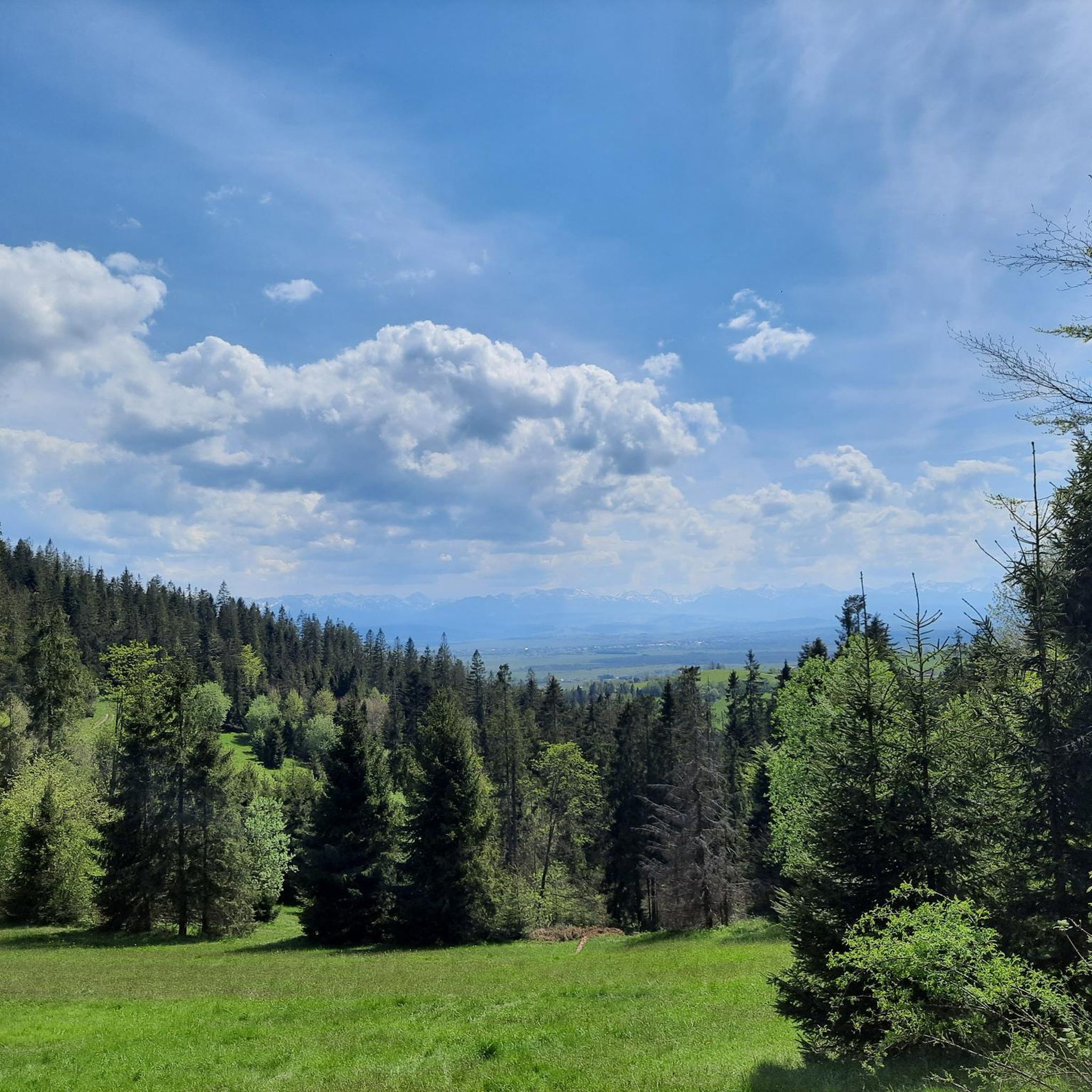
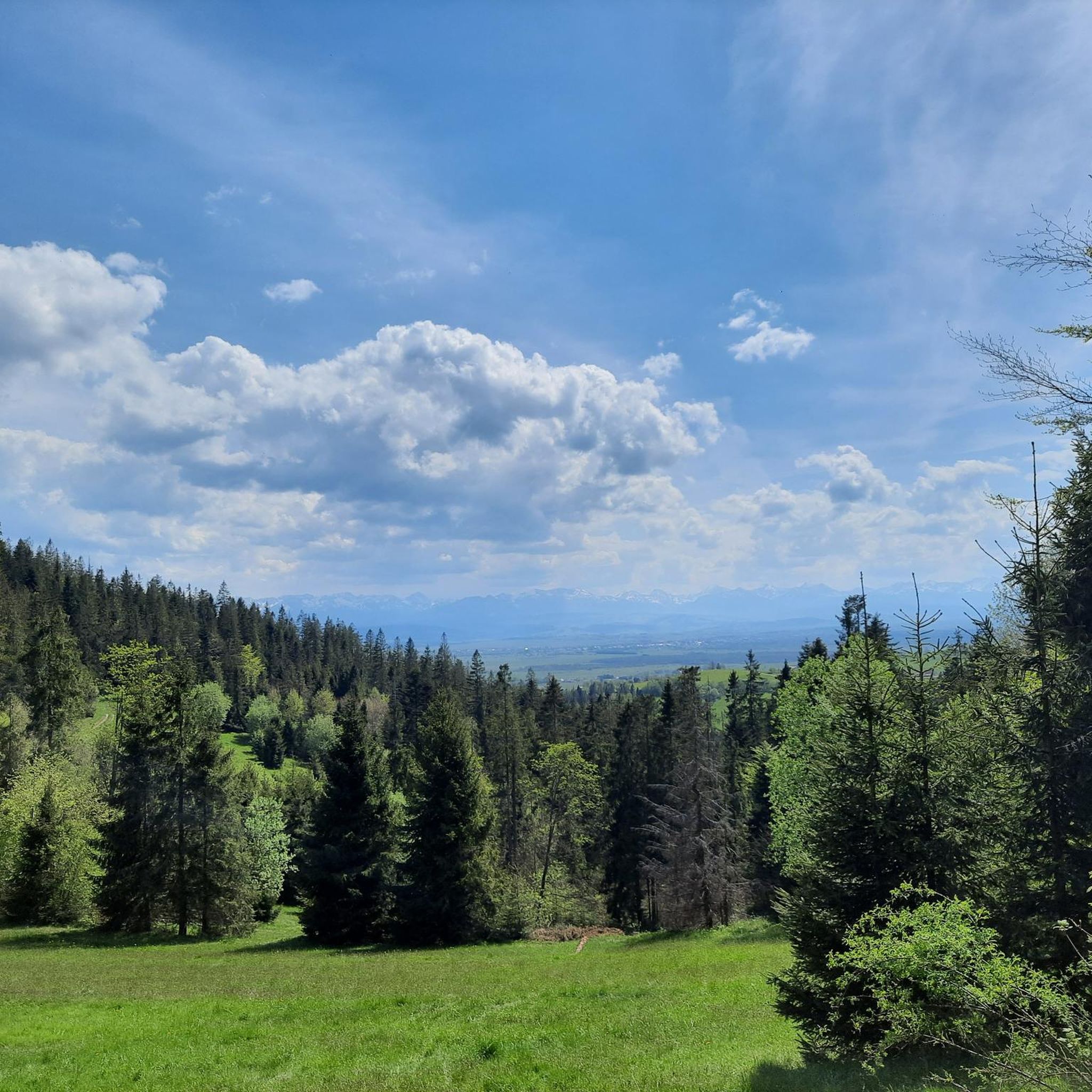
Szczebel, located right next to Zakopianka (S7), rises above the towns of Mszana Dolna, Glisne, Tenczyn, Lubień and Kasinka Mała. The massif has four peaks: Czechówka (721 m), Szczebel (Strzebel, 977 m), Mały Szczebel (Mały Strzebel) and Mała Góra (883 m). At the top there is a monument dedicated to Pope John Paul II, who visited Strzebel twice. There is also a Polish flag at the top. In 2010, as part of the “Discover Beskid Wyspowy” campaign, several tables and benches were placed at the top of Szczebel, a campfire site was set up and a map of the Myślenice district was placed. In May 2011, near the top, by the black trail from Lubień, a place was created at the initiative of people practicing paragliding, from which paragliders can take off in good weather.
0
0


Drive through the reserve. Good bike path.
0
0
One of the few lagoons in the area. this part of the yellow trail is called Perć Borkowski.
0
0

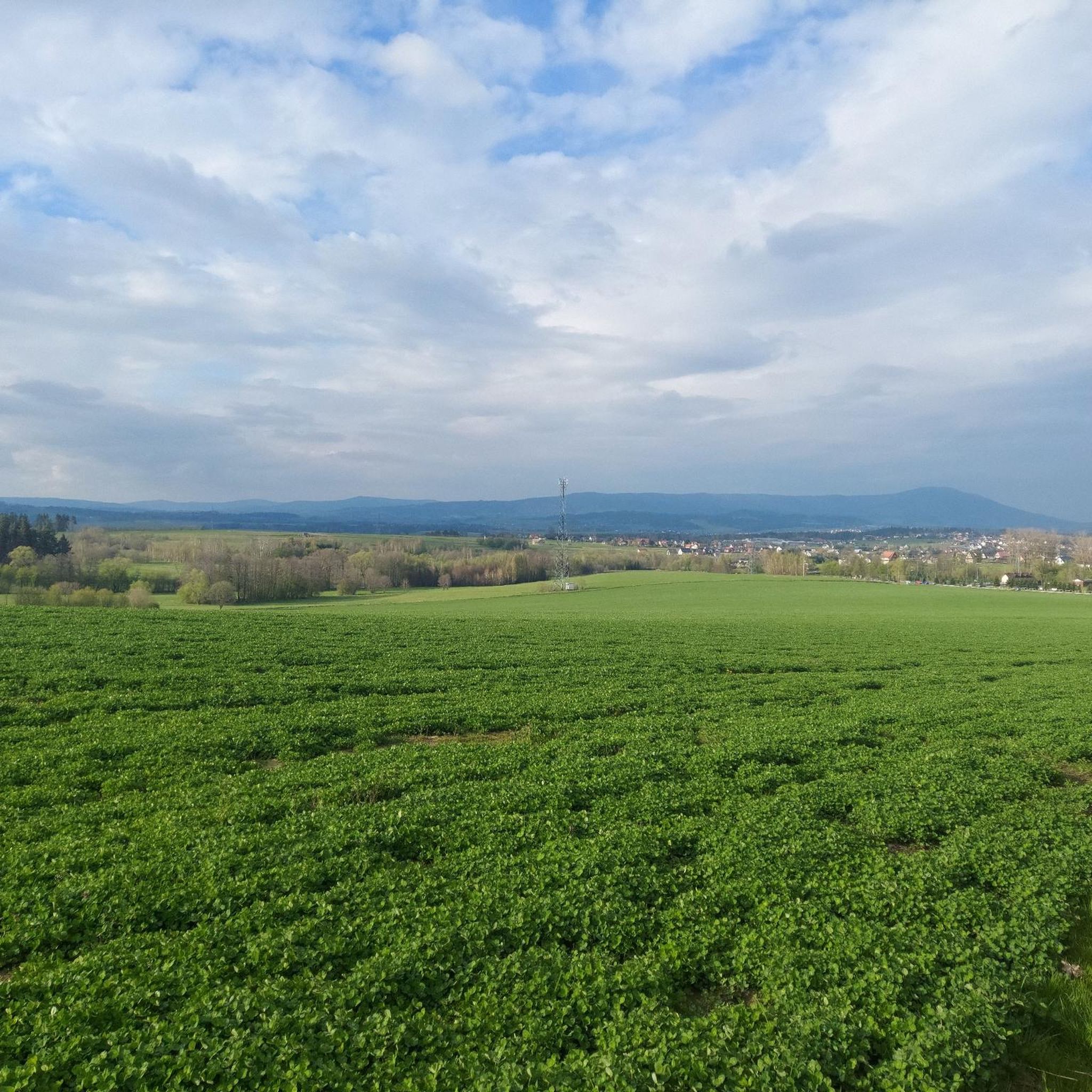
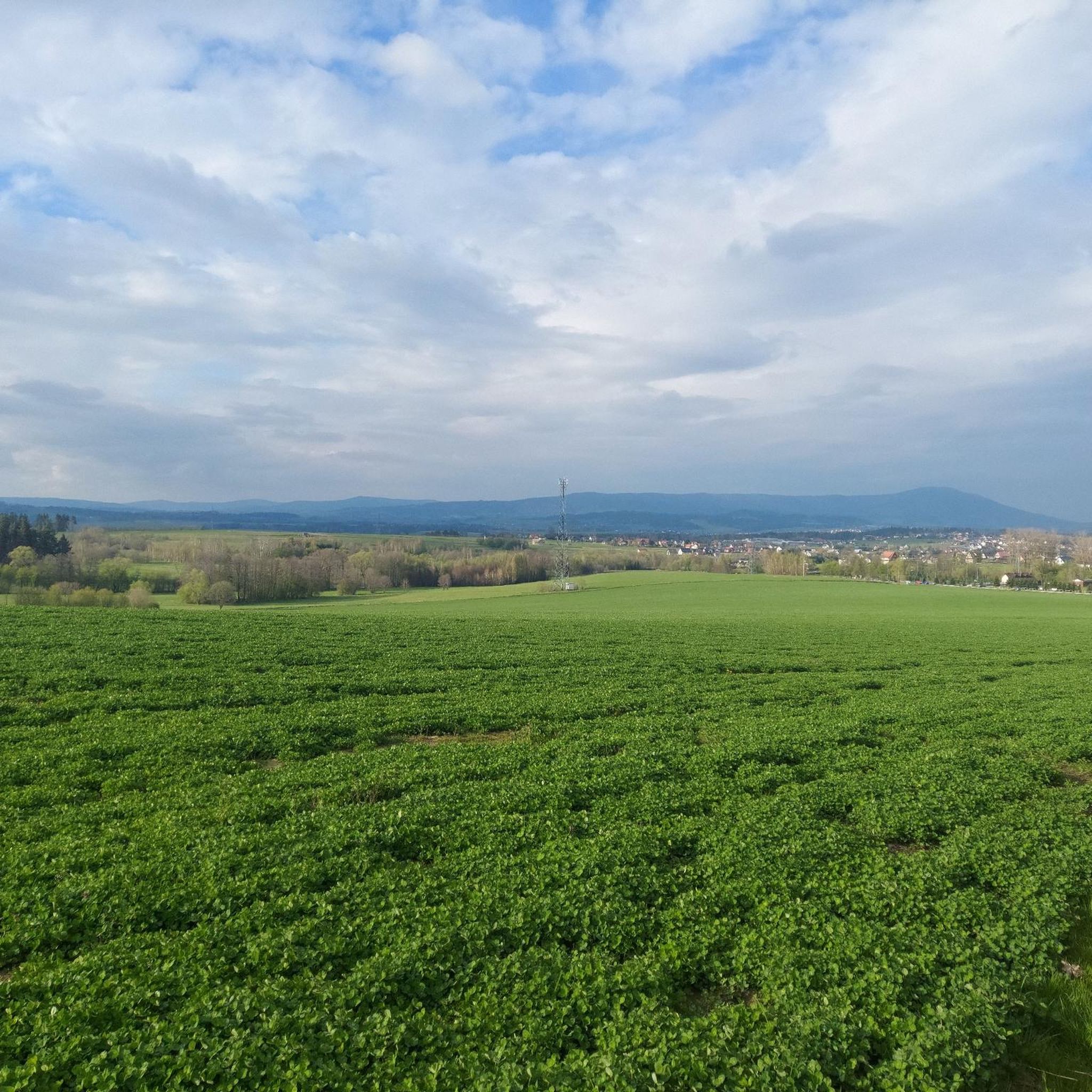
A great place to see and taste the local products. The local shepherds cultivate the centuries long tradition of shephering in Orava and Podhale. They make oscypek, a sheep milk cheese that is produced here as well. It is smoked in a traditional cottage - bacówka. It is also a starting point for a hidden attraction of these lands - peats. They are vast wetlands, covered with grass, forests or heather. They are a natural water reservoir. They have been exploited as a natural fertilizer and also a combustible. A few decades ago its protection started and nowadays protects one of the few remainings low and high peats in this part of Europe. They are a unique ecosystem, very delicate with many protected species, including a carnivore plant called sandew. There is a signed loop part around peats starting here nearby.
0
0
Frequently Asked Questions
What unique natural features can I explore in gmina Raba Wyżna?
Gmina Raba Wyżna offers diverse natural features. You can explore the unique raised peat bog and marsh forest at Bór na Czerwonem Nature Reserve, or discover the delicate ecosystem of the Baligówka Peatlands, home to protected species. Geological formations include the Stone run on Luboń Wielki, one of the few lagoons in the region, and the extensive Boulder field below Luboń Wielki, the largest in Beskid Wyspowy.
Are there hiking trails to explore the natural monuments?
Yes, several natural monuments feature trails. You can find a signed loop trail around the Baligówka Peatlands. The Stone run on Luboń Wielki is part of the Perć Borkowski trail. For more extensive hiking, explore routes in the area by visiting the Hiking around gmina Raba Wyżna guide.
What cultural or historical sites are associated with the natural monuments?
The Baligówka Peatlands are adjacent to a Traditional Cheese Shepherd's Hut, where you can observe centuries-old shepherding traditions and taste local Oscypek cheese. Additionally, the ancient linden trees in Sieniawa, considered natural monuments, surround the historic wooden Church of St. Anthony, offering a blend of nature and local history.
What are the best viewpoints among the natural monuments?
For panoramic views, head to Szczebel (977 m), a summit offering wide vistas. The Stone run on Luboń Wielki also provides a viewpoint. The Boulder field below Luboń Wielki is another excellent spot, offering a perfect panorama of the Tatras on clear days.
Are there family-friendly natural monuments to visit?
The Bór na Czerwonem Nature Reserve features designated paths and wooden footbridges, making it accessible for families to explore the unique peat bog. The signed loop trail around the Baligówka Peatlands is also suitable for a family outing, combining nature with a cultural experience at the nearby cheese hut.
What kind of wildlife or unique plants can be found in these natural monuments?
The Baligówka Peatlands are a unique and delicate ecosystem, preserving some of the last remaining low and high peats in this part of Europe. They are home to numerous protected species, including carnivorous plants like sundew. The Bór na Czerwonem Nature Reserve also protects a unique raised peat bog with a characteristic marsh forest.
What outdoor activities can I do near these natural monuments?
Beyond exploring the natural monuments themselves, the region offers various outdoor activities. You can find numerous mountain hikes, such as loops to Turbacz Summit or Luboń Wielki, detailed in the Mountain Hikes around gmina Raba Wyżna guide. There are also gravel biking routes, including parts of the Velo Dunajec Cycling Route, which you can explore in the Gravel biking around gmina Raba Wyżna guide.
What is the best time to visit the natural monuments in gmina Raba Wyżna?
The natural monuments can be enjoyed throughout the warmer months, typically from spring to autumn, when trails are clear and the unique flora is vibrant. Some areas, like the Bór na Czerwonem Nature Reserve, can be muddy after rain, so dry weather is preferable for easier exploration. Winter offers a different, often serene, experience, but some trails might be challenging due to snow or ice.
Are there any specific challenges or tips for visiting the boulder fields?
The Boulder field below Luboń Wielki is the largest in Beskid Wyspowy. Climbing it requires using your hands in places, but it's generally not overly difficult for most tourists. However, be aware that in bad weather (rain, frost), the trail can become dangerously slippery. It's recommended to ascend when overcoming the boulder field. You can plan your return to Rabka along the blue trail.
What makes the peat bogs in gmina Raba Wyżna significant?
The peat bogs, such as the Baligówka Peatlands and Bór na Czerwonem Nature Reserve, are highly significant as they preserve some of the last remaining low and high peats in this part of Europe. They function as natural water reservoirs and are crucial, delicate ecosystems supporting numerous protected species, including rare carnivorous plants.
What do visitors enjoy most about the natural monuments in gmina Raba Wyżna?
Visitors appreciate the unique ecological value and scenic beauty of the region. Highlights like the Bór na Czerwonem Nature Reserve are enjoyed for their designated paths and wooden footbridges, offering easy access to nature. The Baligówka Peatlands are popular for their combination of natural beauty and the cultural experience of the traditional cheese hut. The challenging trails and panoramic views from summits like Szczebel and the Boulder field below Luboń Wielki are also highly rated.
Most popular routes around gmina Raba Wyżna
Most popular attractions around gmina Raba Wyżna

Get inspired with the komoot mobile app


Explore more
Extend your search for the best caves by checking out these guides of the top ones around gmina Raba Wyżna:
