Top 20 Natural Monuments around gmina Józefów
Best natural monuments around gmina Józefów encompass a diverse landscape in Poland, featuring ancient trees, unique geological formations, and vibrant nature reserves. The region is characterized by its riverine environments, including the Świder and Vistula rivers, and protected areas within the Roztocze National Park. These sites offer opportunities to observe natural ecosystems and historical elements.
Best natural monuments around gmina Józefów
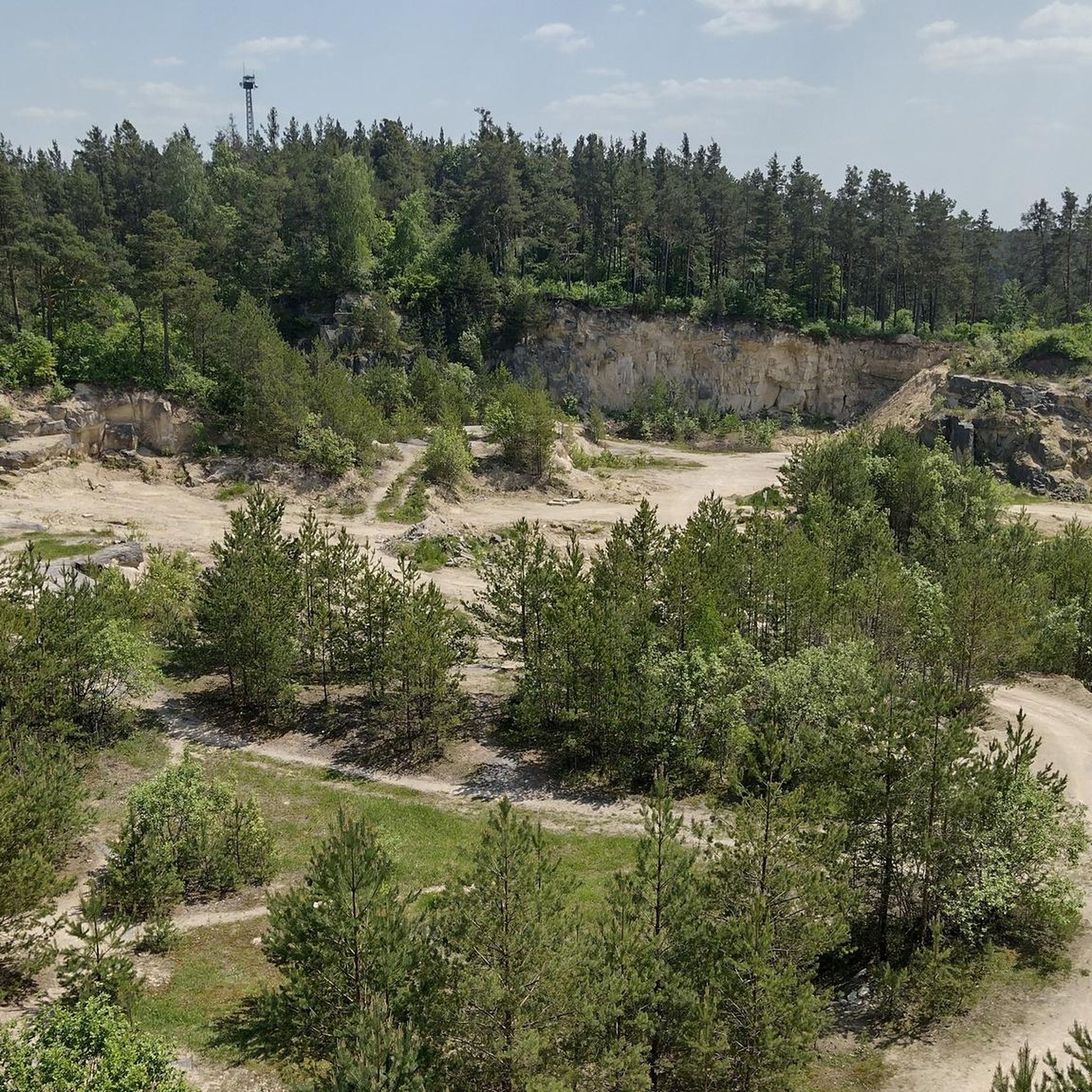
- The most popular natural monuments is Echo Ponds Beach, a beach and natural monument. This complex of four…
Last updated: May 17, 2026
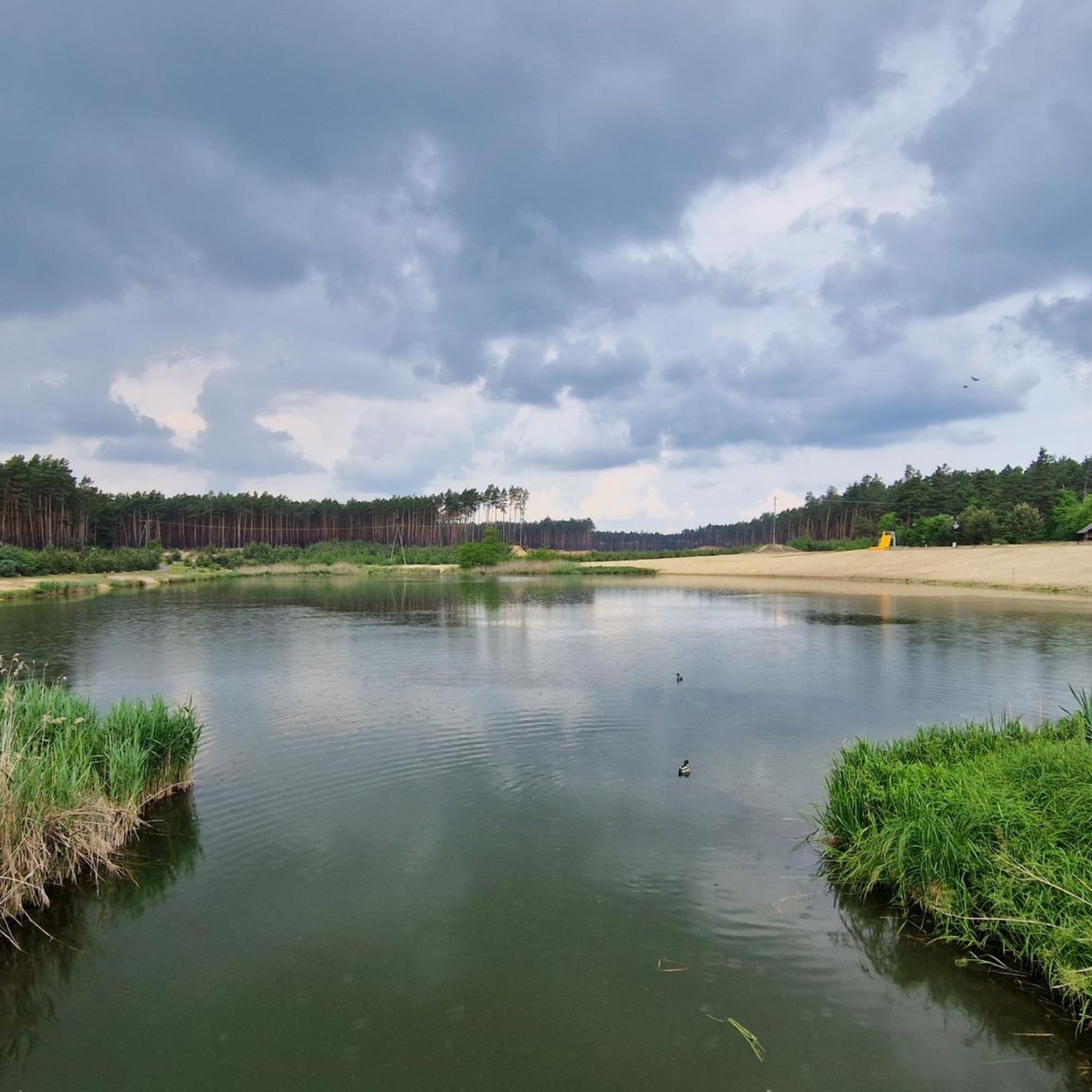
Echo Ponds Beach
Highlight • Beach
Translated by Google •
Tip by

St. Roch Chapel
Highlight • Religious Site
Translated by Google •
Tip by

Sign up now to discover places like this
Get recommendations on the best single tracks, peaks, & plenty of other exciting outdoor places.
Sign up for free
Czartowe Pole Nature Reserve
Highlight • Forest
Translated by Google •
Tip by
Nad Tanwią Nature and Educational Trail
Highlight • Trail
Translated by Google •
Tip by

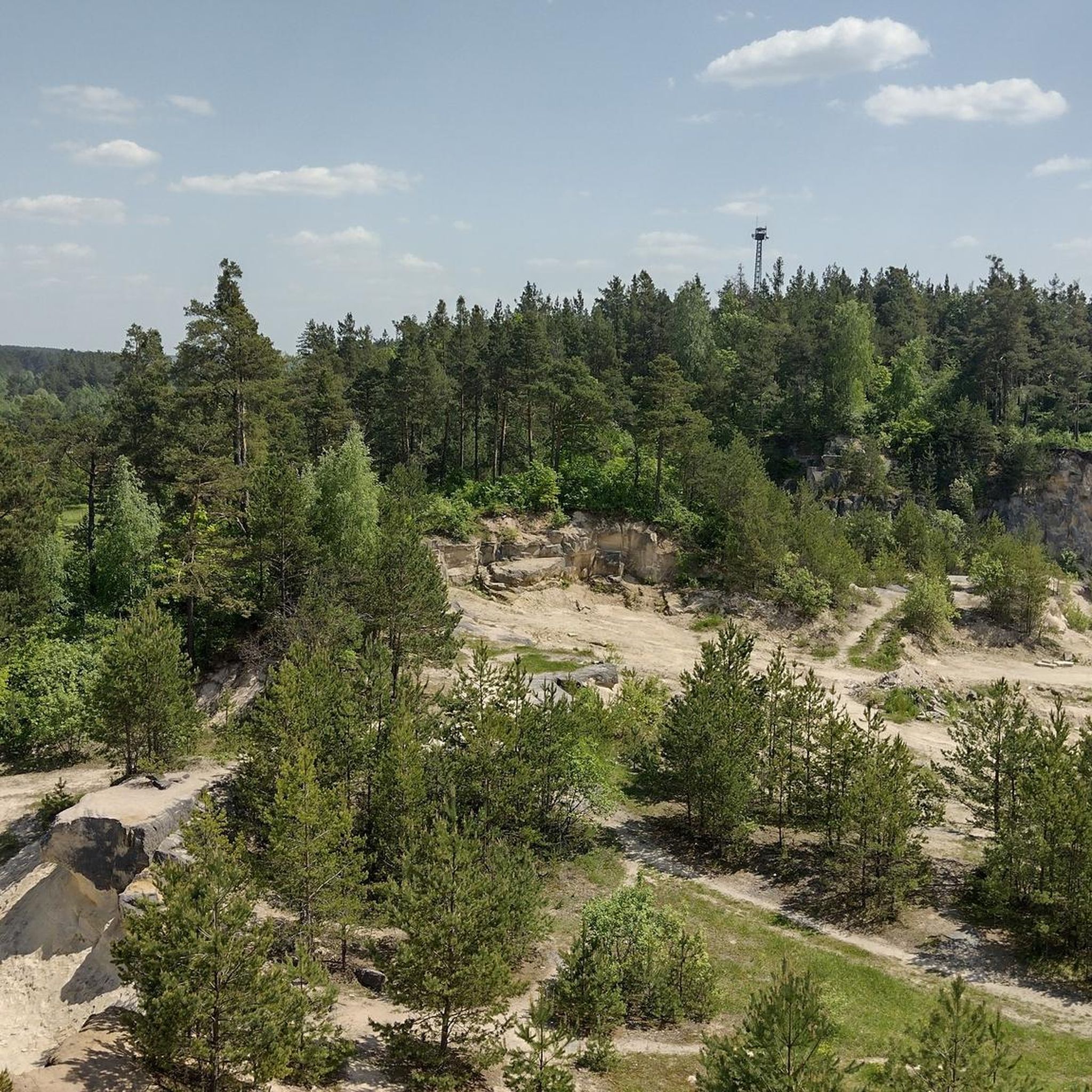
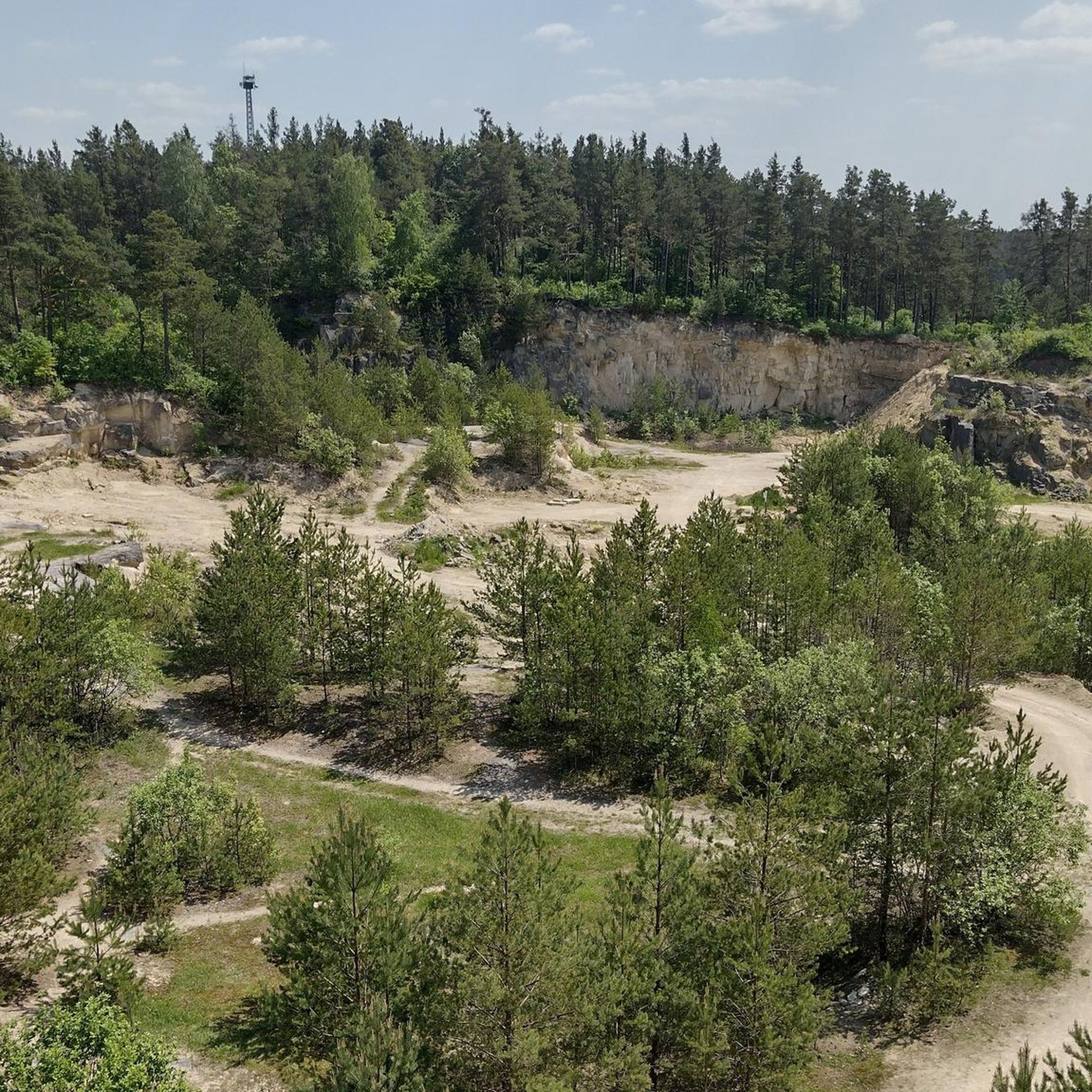
Observation Tower at Echo Ponds
Highlight • Viewpoint
Translated by Google •
Tip by
Sign up for free to discover even more natural monuments around gmina Józefów.
Sign up for free
Already have an account?
Start today with a free account
Your next adventure awaits.
Login or Signup

Tips from the Community


The Czartowe Pole Reserve is one of the most picturesque parts of Roztocze, located on the Sopot River, on the border of the Józefów and Susiec communes. It delights with the natural landscape of the valley with numerous water rapids, steep slopes covered with forest and rare plants. In the area you will see the ruins of the 17th-century Zamoyski paper mill and symbolic graves of partisans. The reserve is open to tourists - a nature trail about 1 kilometer long with wooden footbridges leads through it. Right next to it is the Green Velo parking place with shelters and stands where you can attach a bike.
2
0
The chapel from 1943 is located in the Saint Roch Reserve and is a place of pilgrimage for many believers who pray for healing. The most ardent walk around the chapel on their knees. Such great fame of this place comes from historical accounts that during the plague, Marysieńka Sobieska ordered a chapel to be built over the springs and a painting of St. Roch, the patron saint of people with infectious diseases, to be placed in it. Regardless of whether you believe in the magical properties of this place, it is undoubtedly worth visiting due to the natural values and beauty of the forest in the Krasnobród Landscape Park.
0
0

During my stay the ponds were almost dry.
0
0
Crowded but pleasant. You can relax.
1
0

The path runs on both sides of the Tanew River and shows a fragment of one of the most interesting landscape reserves in Roztocze, the "Nad Tawią" reserve. The path starts from the forest parking lot, located on the Susiec-Cieszanów road at the beginning of the village of Huta Szumy, just before the bridge over the Tanew River (driving from Susiec towards Cieszanów). The route is marked in the trees with white squares with a red diagonal stripe. The length of the route is approximately 3 km. Tourists visiting this place are provided with wooden tables and benches, educational boards, wooden platforms with handrails, wooden stairs, waste bins and toilets. This is where you can see waterfalls commonly called "szumy" or "szypoty" and get acquainted with various forest complexes and other extremely interesting elements of nature.
0
1
The Czartowe Pole Reserve was established in 1958. It covers an area of approximately 80.5 ha. The name of the reserve comes from a forest clearing about which it was said that "only devils roamed there." The reserve covers a several-kilometer long section of the picturesque Sopot River valley. In this section there is a whole series of waterfalls, which, combined with a large decline in the bed, makes Sopot resemble a swift mountain stream. The sandy islands that form between the jagged river rapids add even more charm to this unique river. The specific shape of the river bottom and clean water provide excellent living conditions for graylings and brown trouts. A major attraction of the reserve are the ruins of a historic paper mill standing on the outskirts of a clearing that was the property of the Zamość Estate. It was established in the first half of the 18th century and was one of the largest plants in the Kingdom of Poland. Nine types of paper were produced here, including: packaging, printing, office and stamping. During the plant's heyday, the paper produced here accounted for 80% of all paper production in the Lublin Governorate. The paper mill used the power of Sopot's river current, but the proximity of the river also had its disadvantages - the buildings and machines were destroyed by floods several times and required renovation works. Ultimately, a fire in 1883 contributed to the collapse of the paper mill. Reconstruction of the plant turned out to be unprofitable due to the enormous damage. The paper mill fell into ruin, and the local "fiends", suspected of causing the flood and fire, finally had a clearing to themselves. A 1.4 km long nature and educational trail runs through part of the reserve. Along the path, in addition to attractions such as the river gorge, rich vegetation and the ruins of a paper mill, there are also places related to the fight for Poland's independence. You can see an obelisk commemorating the stay of soldiers from the Sanitary Officer Cadet School who stayed here on summer maneuvers in 1931, and a commemorative stone from 1936 placed in the place where the scouts set up their camps. At the partisan cemetery there are symbolic graves of the famous "Mishka Tatar" and "Korsarz", who died defending local residents against repression by the Germans.
1
0
The chapel from 1943 is located in the Saint Roch Reserve and is a place of pilgrimage for many believers who pray for healing. The most ardent ones walk around the chapel on their knees. Such great fame of this place comes from historical records that during the plague, Marysienka Sobieska ordered a chapel to be built over the springs and a painting of St. Roch, patron saint of people suffering from infectious diseases. Regardless of whether you believe in the magical properties of this place, it is undoubtedly worth visiting due to the natural values and beauty of the forest in the Krasnobrodzki Landscape Park.
3
0
Frequently Asked Questions
What types of natural monuments can I explore in gmina Józefów?
Gmina Józefów offers a diverse range of natural monuments, including ancient monumental trees like the 400-year-old oaks in Górecko Kościelne, unique geological formations such as the Babia Dolina Quarry with its Miocene sediments, and several vibrant nature reserves. You can also find riverine environments, beaches, and viewpoints.
Are there any family-friendly natural monuments in gmina Józefów?
Yes, several natural monuments are suitable for families. The Echo Ponds Beach is a great spot for bathing and observing Polish Konik horses. Nearby, the Observation Tower at Echo Ponds provides beautiful views. The Czartowe Pole Nature Reserve and the Nad Tanwią Nature and Educational Trail also feature trails and natural beauty suitable for all ages.
Where can I see unique geological formations in the region?
The most notable geological formation is the Babia Dolina Quarry. This inanimate natural monument features distinctive rock formations sculpted in Miocene sediments, making it unique in Poland. You can enjoy beautiful landscape views from a 20-meter high viewing tower there.
What historical or cultural sites are integrated with the natural monuments?
The St. Roch Chapel, located in the Saint Roch Reserve, is a significant historical and religious site from 1943, known as a pilgrimage destination. Additionally, within the Czartowe Pole Nature Reserve, you can find the ruins of a 17th-century Zamoyski paper mill and symbolic graves of partisans, adding a historical layer to the natural landscape.
Are there opportunities for birdwatching or wildlife spotting?
Absolutely. The region's nature reserves are excellent for wildlife observation. The Świder Nature Reserve is a crucial sanctuary for numerous animal species, including kingfishers and 25 fish species. The Świderskie Isles Nature Reserve and Zawadowskie Isles Nature Reserve are particularly rich in avifauna, with 140 bird species recorded, making them ideal for birdwatching.
What kind of trees are protected as natural monuments in gmina Józefów?
Gmina Józefów is home to several impressive monumental trees. These include a Pedunculate Oak at 122 Nadwiślańska Street, a Scots Pine at 83 3 Maja Street, and a European Rowan at the crossroads of Westerplatte and Teatralna Streets. In Górecko Kościelne, you can find a collection of ancient oaks, some estimated to be around 400 years old with circumferences up to 758 cm.
Can I go hiking near the natural monuments in gmina Józefów?
Yes, there are numerous hiking opportunities. You can find trails like the easy "Pętla Górecko Kościelne - Rezerwat Szum" or the "Szum Nature Reserve – Pond on the Szum River loop from Górecko Kościelne." For more options, explore the Hiking around gmina Józefów guide, which includes routes of varying difficulty.
Are there cycling routes that pass by these natural monuments?
Yes, cycling is a popular way to explore the area. Routes like the "Central Roztocze Geotouristic Trail" and the "Józefów Land Bicycle Trail" offer extensive cycling experiences. You can find more details and routes in the Cycling around gmina Józefów guide.
What is special about the river environments in gmina Józefów?
The rivers in gmina Józefów, particularly the Świder and Vistula, are highly significant. The Świder Nature Reserve protects a 41-kilometer stretch of the Świder River, known for its natural character, meanders, oxbows, and waterfalls, supporting diverse aquatic life. The Świderskie and Zawadowskie Isles Nature Reserves protect the unique island and sandbank ecosystems at the mouths of these rivers, which are vital for numerous bird species.
What do visitors enjoy most about the natural monuments in gmina Józefów?
Visitors particularly appreciate the opportunity to immerse themselves in unspoiled nature. Highlights include bathing and observing Polish Konik horses at Echo Ponds Beach, enjoying the scenic views from the Observation Tower at Echo Ponds, and exploring the picturesque river valleys with waterfalls in reserves like Czartowe Pole Nature Reserve. The blend of natural beauty and historical elements, such as the St. Roch Chapel, also adds to the appeal.
Are there any easy walking trails suitable for a leisurely visit?
Yes, for easy walks, consider the Nad Tanwią Nature and Educational Trail, which is approximately 3 km long and features educational boards and wooden footbridges. Another easy option is the "Zamoyski Paper Mill Ruins – Sopot Stream loop from Nowiny." You can find more easy routes in the Easy hikes around gmina Józefów guide.
Most popular routes around gmina Józefów
Most popular attractions around gmina Józefów

Get inspired with the komoot mobile app


Explore more
Extend your search for the best caves by checking out these guides of the top ones around gmina Józefów:
