Top 7 Natural Monuments around Węgliniec
Best natural monuments around Węgliniec are found within a region known for its natural beauty, situated on the southern edge of the Lower Silesian Forests. This area offers a diverse natural landscape, including extensive forests and unique ecosystems. The Węgliniec Gmina provides numerous routes for cycling and hiking, making it a destination for exploring western Poland's natural features. The region is also recognized for its rich mycological diversity.
Best natural monuments around Węgliniec
- The most popular natural monuments is Easternmost…
Last updated: October 2, 2026
Easternmost Point of Germany
Highlight • Natural Monument
In order to complete my "Zipfelpass" I have also visited the easternmost point of Germany. I also liked this point because the community made some effort to make this place beautiful.
Translated by Google •
Tip by

Geheege Watershed
Highlight • Natural Monument
Translated by Google •
Tip by

Sign up now to discover places like this
Get recommendations on the best single tracks, peaks, & plenty of other exciting outdoor places.
Iłowa Palace and Park
Highlight • Castle
Translated by Google •
Tip by

View of the Neisse River bend
Highlight • Viewpoint
Translated by Google •
Tip by
Iłowa Castle Park (Halbau)
Highlight • Historical Site
Translated by Google •
Tip by

Sign up for free to discover even more natural monuments around Węgliniec.
Already have an account?
Start today with a free account
Your next adventure awaits.
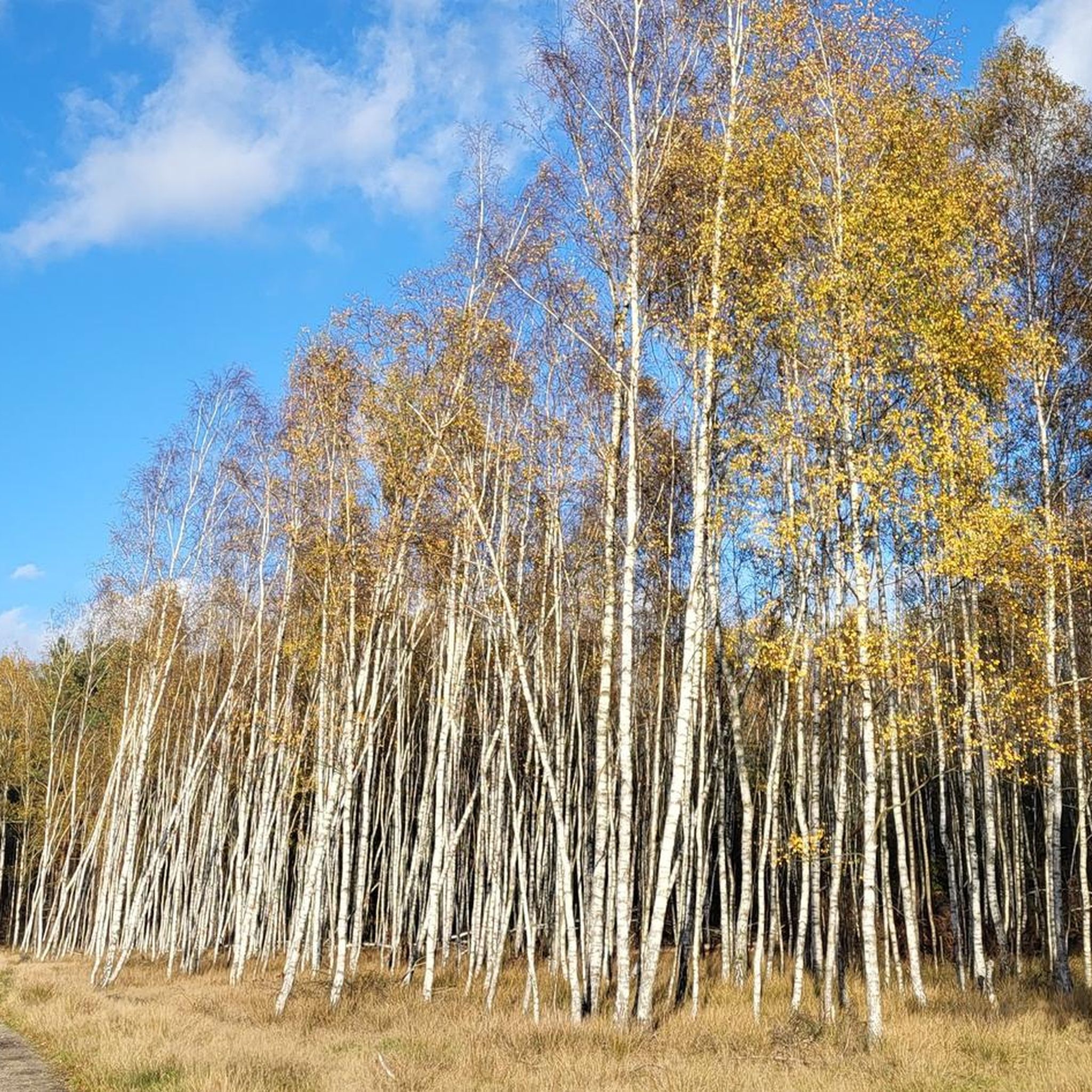
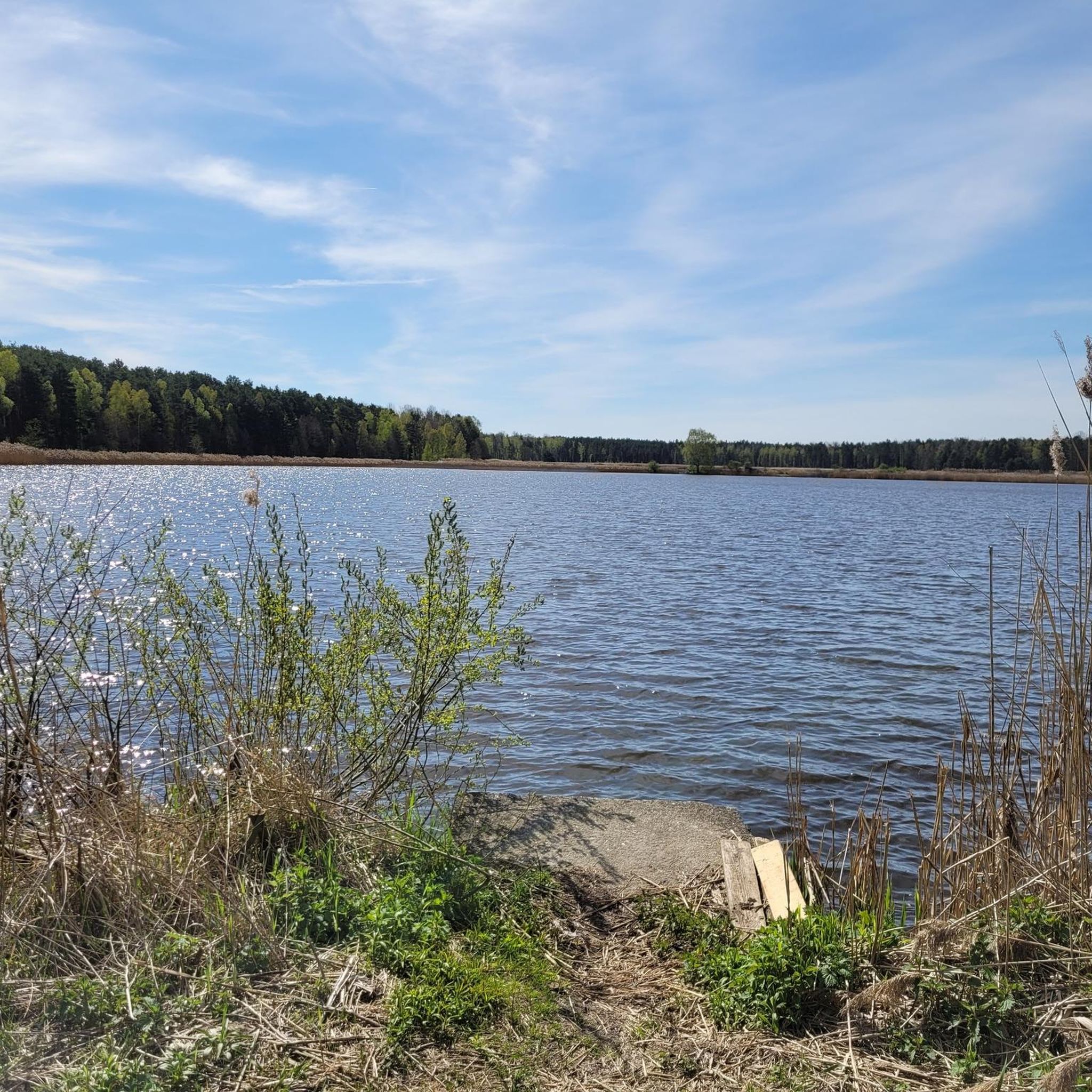
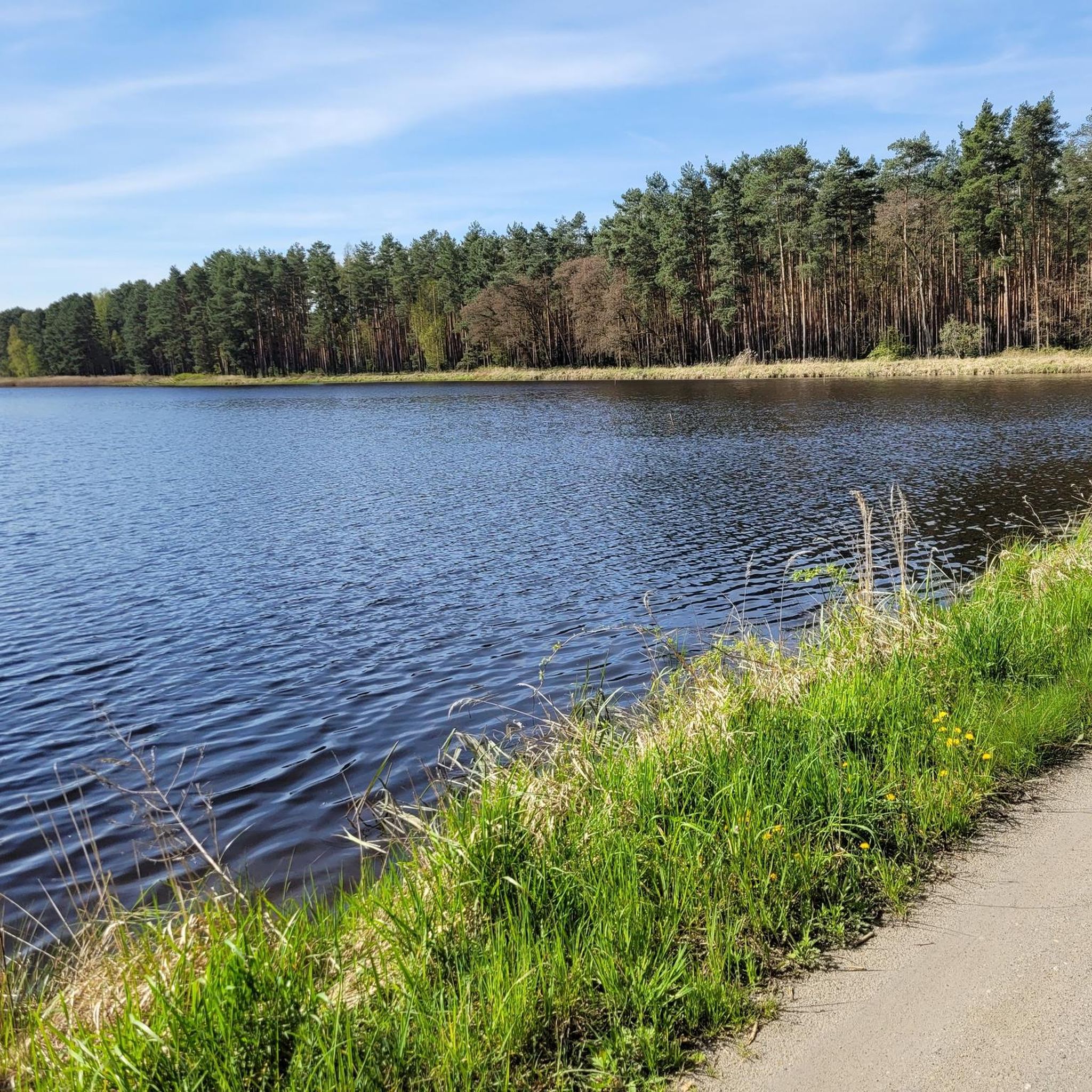
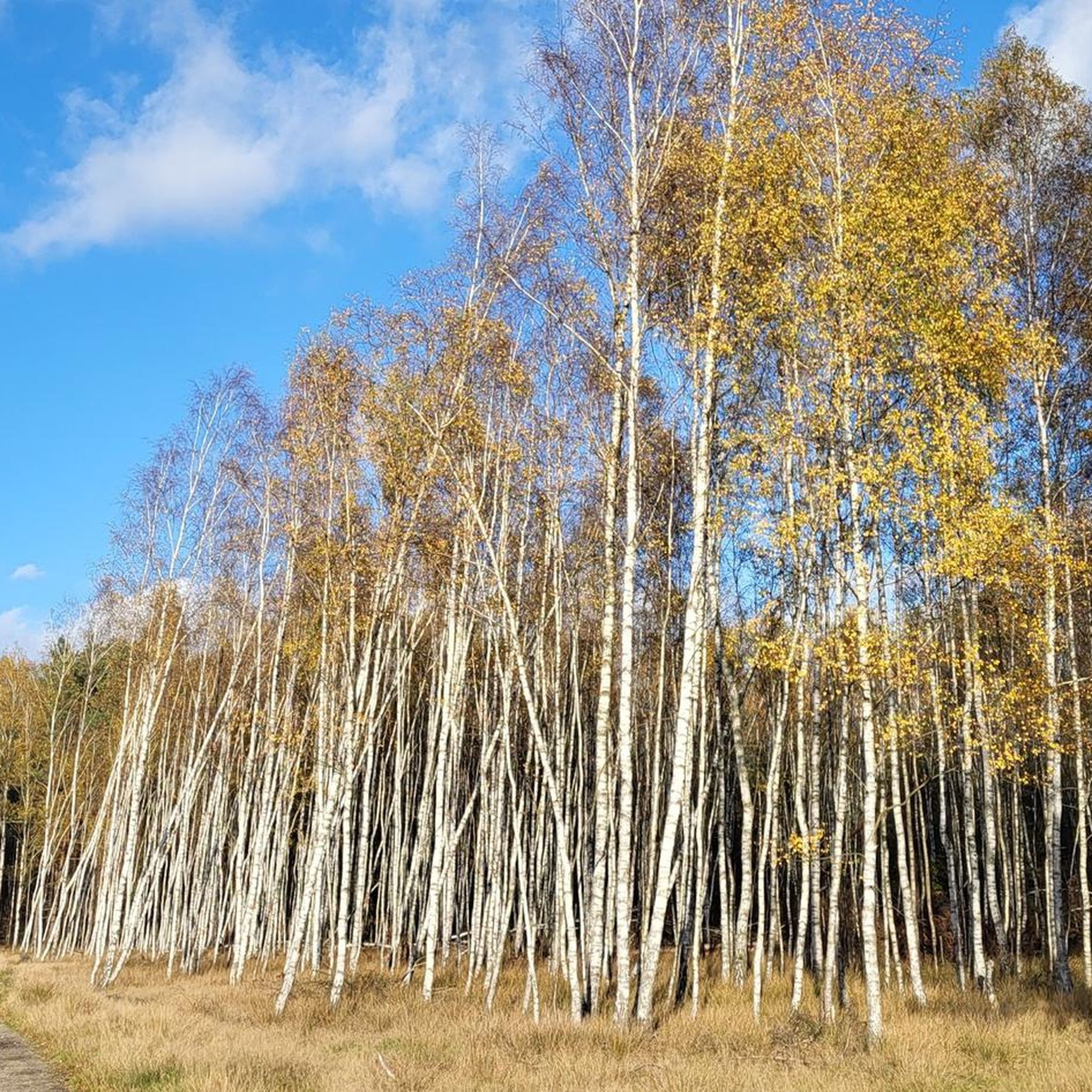

Tips from the Community

A beautifully laid out ladder until it can't go any further east. 🧭
5
0

Nice that there is this marking so you can set all directions as a goal 🇩🇪
3
0

Really maxed out down to the last centimetre, it actually lies on the shore, the easternmost point in Germany.
5
0
In contrast to the other peaks in Germany, the easternmost point is rather unspectacular and unexcited. We were also lucky enough to be the only ones in this place, it was our fourth peak and we were a little proud of having been to all four peaks in Germany. The people here in the region prepared this place on their own initiative and also provided it with a corner book. A beautiful thing and one should definitely write in this book.
3
0
In contrast to the other peaks in Germany, the easternmost point is rather unspectacular and unexcited. We were also lucky enough to be the only ones in this place, it was our fourth peak and we were a little proud of having been to all four peaks in Germany. The people here in the region prepared this place on their own initiative and also provided it with a corner book. A beautiful thing and one should definitely write in this book.
5
0

Inspired by a trip to Asia, Friedrich Maximilian von Hochberg had the garden redesigned with several partial gardens. A Japanese garden with small watercourses and bridges between islets was laid out on an island in the Tschirne. From the castle to the west, the Chinese Garden extends as a further partial garden, bounded by two backdrop-like clinker walls on a curved floor plan with round and oval window openings, which are supposed to be reminiscent of Chinese moon gates. A path leads to the border of the garden, where a staircase and pagoda architecture crosses a street as a pedestrian bridge. Another area was the rose garden enclosed by an ornamental wall. From 1919 the von Alvensleben were the owners. Today the palace park has been extensively renovated. Source: Wikipedia
0
0

If you want to take the opportunity from the monument to get as far to the east as possible, you have to stand on the bottom bar, further east in Germany 🇩🇪 it is not possible
5
0
In 1626 Christian von Schellendorff had a palace built in the late Renaissance style on an island in the Tschirne (Czerna) with three storeys, a raised risalit and a tower tower. The main entrance with three arched portals was remarkably designed. From 1682 the barons of Promnitz were the owners, who redesigned the palace in Baroque style in 1712 and had a west wing added in 1720. After several changes of ownership, the castle was among other things. owned by von Kospoth, von der Recke and von Holleben. From 1902 Friedrich Maximilian von Hochberg was the owner, who in 1905 had the castle redesigned according to a design by Robert Weber. The central tower was given an onion helmet, the facade was redesigned in neo-baroque style, a reinforced concrete vestibule was placed in front of the portal, and the west wing was given an annex to the ballroom. Inspired by a trip to Asia, Friedrich Maximilian von Hochberg had the garden redesigned with several partial gardens. A Japanese garden with small watercourses and bridges between islets was laid out on an island in the Tschirne. From the castle to the west, the Chinese garden extends as a further partial garden, bounded by two backdrop-like clinker walls on a curved floor plan with round and oval window openings, which are intended to be reminiscent of Chinese moon gates. A path leads to the border of the garden, where a staircase and pagoda architecture crosses a street as a pedestrian bridge. Another area was the rose garden enclosed by an ornamental wall. From 1919 the von Alvensleben were the owners. Today the palace park has been extensively renovated. Source: Wikipedia Castle and castle park are accessible.
0
0
Frequently Asked Questions
What unique natural features can I explore around Węgliniec?
The Węgliniec area, situated on the edge of the Lower Silesian Forests, is known for its diverse natural landscape. You can discover unique geological formations like the Dzban and Elephant's Bottom Sandstone Rocks, which are interesting rock formations near a small reservoir. Another fascinating natural feature is the Geheege Watershed, a rare European phenomenon where water separates to flow into both the North Sea and the Baltic Sea.
Are there family-friendly natural monuments or activities in the Węgliniec region?
Yes, several natural monuments around Węgliniec are suitable for families. The Easternmost Point of Germany is a community-maintained spot with a guest book that can be an interesting stop for all ages. The Geheege Watershed also features a small, lovingly designed rest area. Additionally, the surrounding Lower Silesian Forests offer numerous educational paths and trails perfect for family walks.
What kind of outdoor activities can I do near the natural monuments?
The Węgliniec region is excellent for various outdoor activities. You can enjoy cycling along the Oder-Neisse cycle path, which offers beautiful views like the View of the Neisse River bend. For more extensive cycling, explore the many routes available in the area, including those for cycling around Węgliniec. There are also numerous trails for gravel biking and running through the forests.
Where can I find scenic viewpoints of the natural landscape?
For picturesque views, visit the View of the Neisse River bend, which offers a lovely perspective of the river and includes a bench for resting. The Dzban and Elephant's Bottom Sandstone Rocks also feature a small observation deck overlooking a 'lagoon' and the rock formations themselves.
What is the best time of year to visit Węgliniec for natural monuments?
The Węgliniec region is beautiful throughout the warmer months, from spring to autumn. Spring brings lush greenery, while autumn offers vibrant fall foliage, especially in the extensive Lower Silesian Forests. The area is also renowned as the 'mushroom capital,' with an annual Mushroom Festival, suggesting late summer to early autumn is ideal for experiencing its mycological diversity.
Are there any historical or cultural sites near the natural monuments?
While the focus is on natural monuments, the region does have historical points of interest. For example, the Iłowa Palace and Park, though primarily a historical site, is also listed as a natural monument due to its extensive and beautifully renovated park, including a Japanese garden. This offers a blend of history and natural beauty.
What do visitors particularly enjoy about the natural monuments in Węgliniec?
Visitors appreciate the unique geographical significance of sites like the Easternmost Point of Germany, often noting the community's effort in maintaining the area and the guest book. The scenic beauty of the View of the Neisse River bend is also highly praised, especially by those cycling the Oder-Neisse path, who find it an inviting spot to rest and enjoy the view.
Can I find unique wildlife or ecosystems in the Węgliniec area?
Yes, the region is home to unique ecosystems. The Torfowisko pod Węglińcem (Peat Bog near Węgliniec) nature reserve, though not publicly accessible to protect its delicate environment, is vital for its rare stands of ponderosa pine and specific flora adapted to waterlogged conditions. The surrounding Lower Silesian Forests are rich in biodiversity, particularly known for their mycological diversity, earning Węgliniec the title of 'mushroom capital'.
Are there options for longer hikes or challenging trails near the natural monuments?
The broader Węgliniec Gmina and the Lower Silesian Forests offer a network of trails suitable for various hiking levels. While specific difficulty ratings for trails directly at each natural monument vary, the region provides opportunities for longer excursions. For example, some gravel biking routes in the area can be quite long, suggesting that similar distances might be covered on foot, offering a good challenge for hikers.
Is parking available at the natural monuments?
Information on specific parking facilities for each natural monument is not always detailed, but generally, areas popular for outdoor activities in the Węgliniec region, especially those with rest areas or viewpoints like the Geheege Watershed, often have some form of parking nearby. For the Easternmost Point of Germany, visitors often mention it being accessible, implying parking options in the vicinity.
Are dogs allowed on trails and at natural monuments?
While specific regulations for each natural monument vary, the general outdoor areas and trails through the Lower Silesian Forests around Węgliniec are typically dog-friendly. It's always recommended to keep dogs on a leash, especially in nature reserves or areas with wildlife, and to clean up after them to preserve the natural environment for all visitors.
What is the geological significance of the Węgliniec landscape?
The Węgliniec area's geology is characterized by its location within the Lower Silesian Forests, featuring diverse terrain. The presence of sandstone formations, such as the Dzban and Elephant's Bottom Sandstone Rocks, indicates a history of sedimentary processes. The unique Geheege Watershed also highlights interesting hydrological and geological features, showcasing how the landscape influences water flow towards different major seas.
Most popular routes around Węgliniec
Most popular attractions around Węgliniec

Get inspired with the komoot mobile app


Explore more
Extend your search for the best caves by checking out these guides of the top ones around Węgliniec:
