Top 9 Natural Monuments around Pieńsk
Natural monuments around Pieńsk are located in the Lower Silesian Voivodeship of Poland, along the Lusatian Neisse river which forms the border with Germany. The region features diverse natural attractions, including significant old trees, unique geological formations, and protected landscapes. While specific natural monuments within Pieńsk itself are often locally designated, the surrounding area offers various natural features. This area provides opportunities to explore the natural heritage of the Polish-German borderland.
Best natural monuments around Pieńsk
- The most popular natural…
Last updated: June 1, 2026
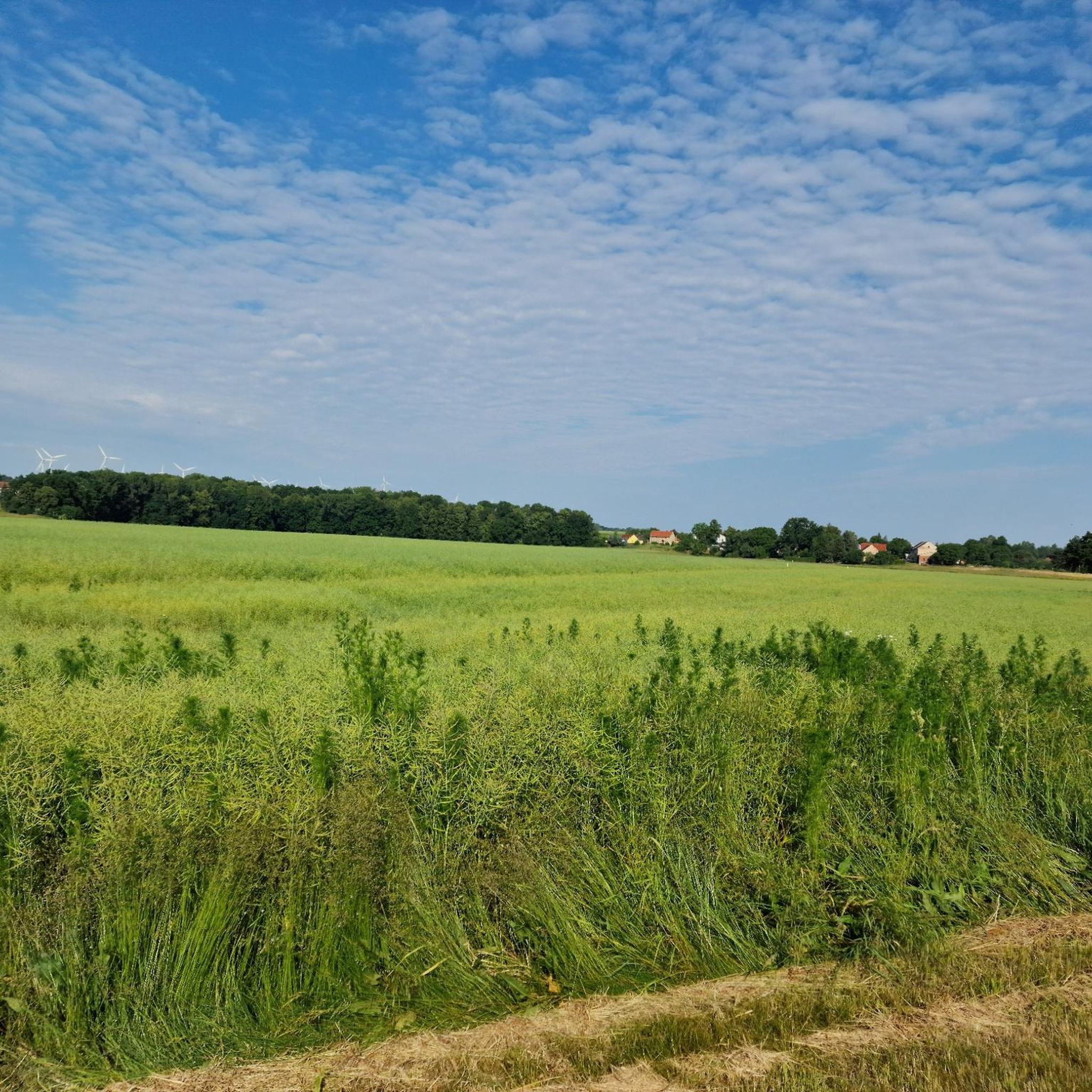
Easternmost Point of Germany
Highlight • Natural Monument
In order to complete my "Zipfelpass" I have also visited the easternmost point of Germany. I also liked this point because the community made some effort to make this place beautiful.
Translated by Google •
Tip by

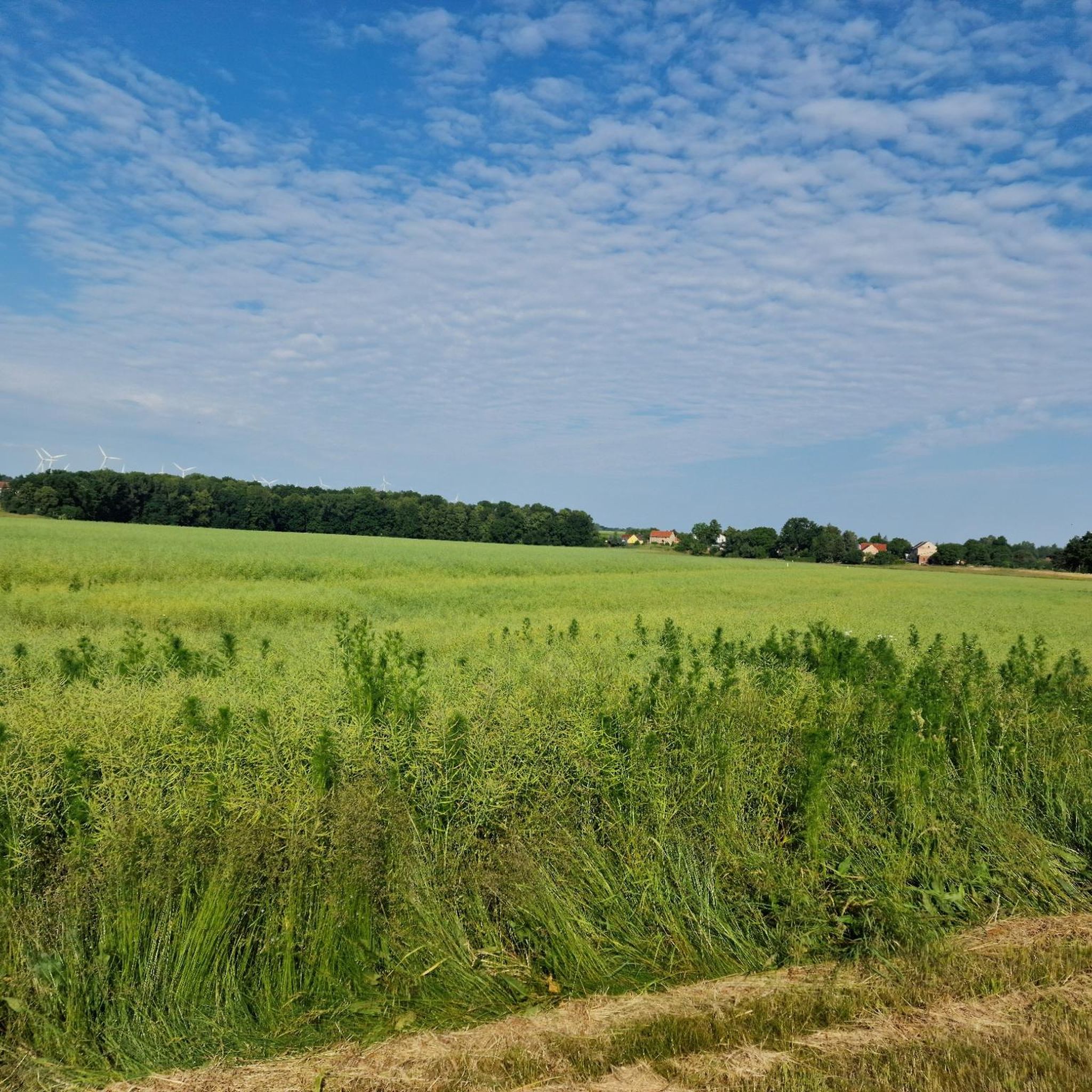
Geheege Watershed
Highlight • Natural Monument
Translated by Google •
Tip by

Sign up now to discover places like this
Get recommendations on the best single tracks, peaks, & plenty of other exciting outdoor places.
Sign up for free
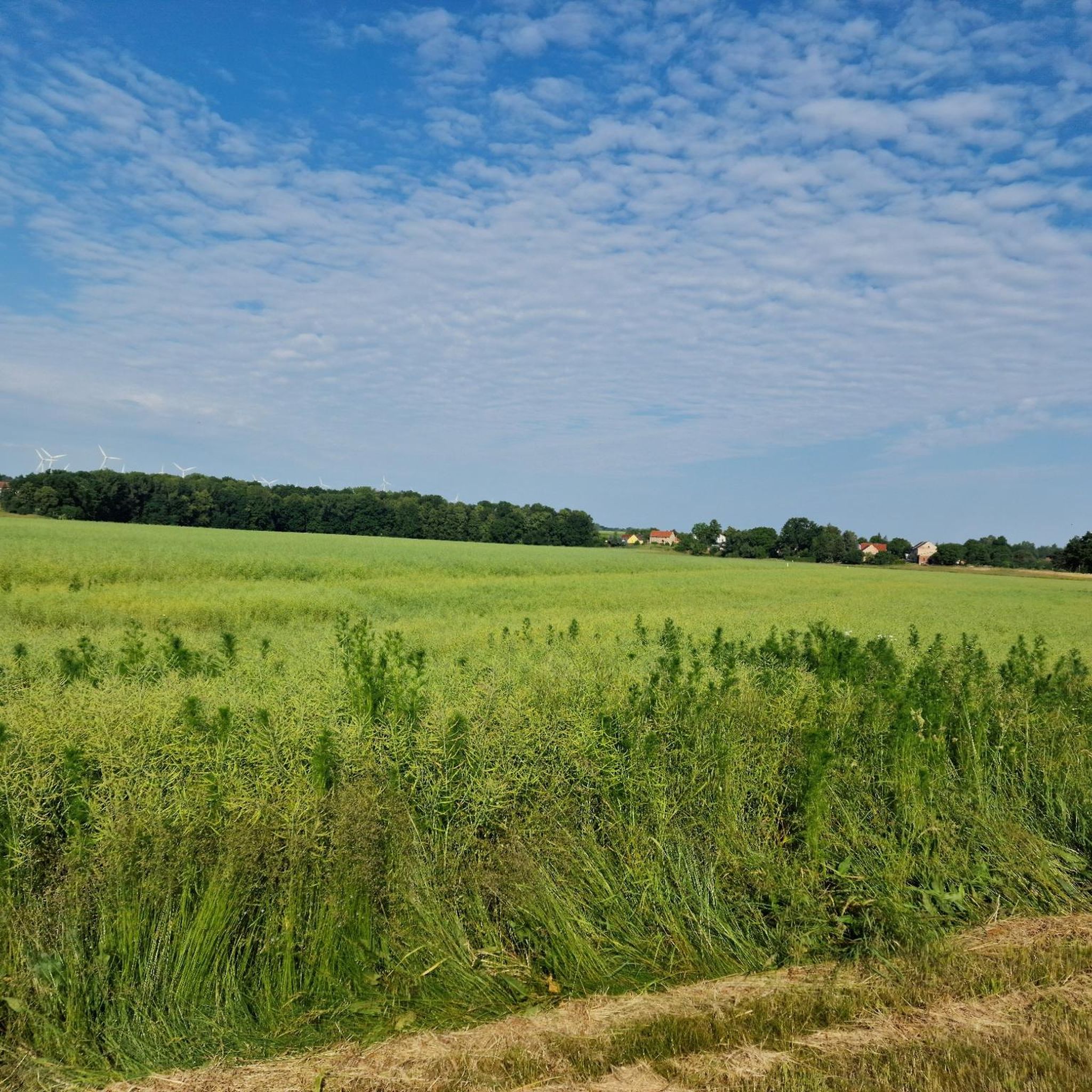
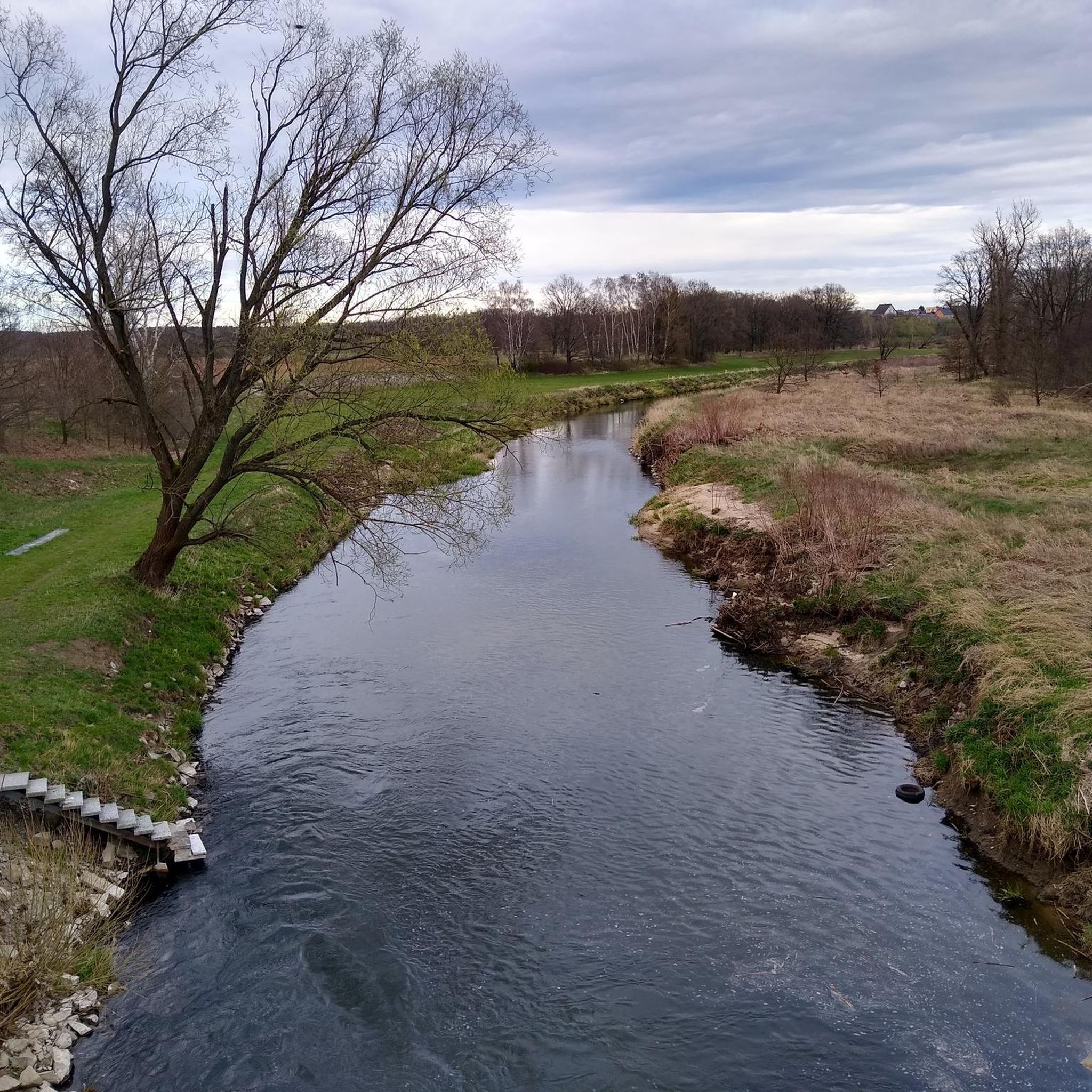
View of the Neisse River bend
Highlight • Viewpoint
Translated by Google •
Tip by
Fountain Angel by Veronica von Appen
Highlight • Monument
Translated by Google •
Tip by

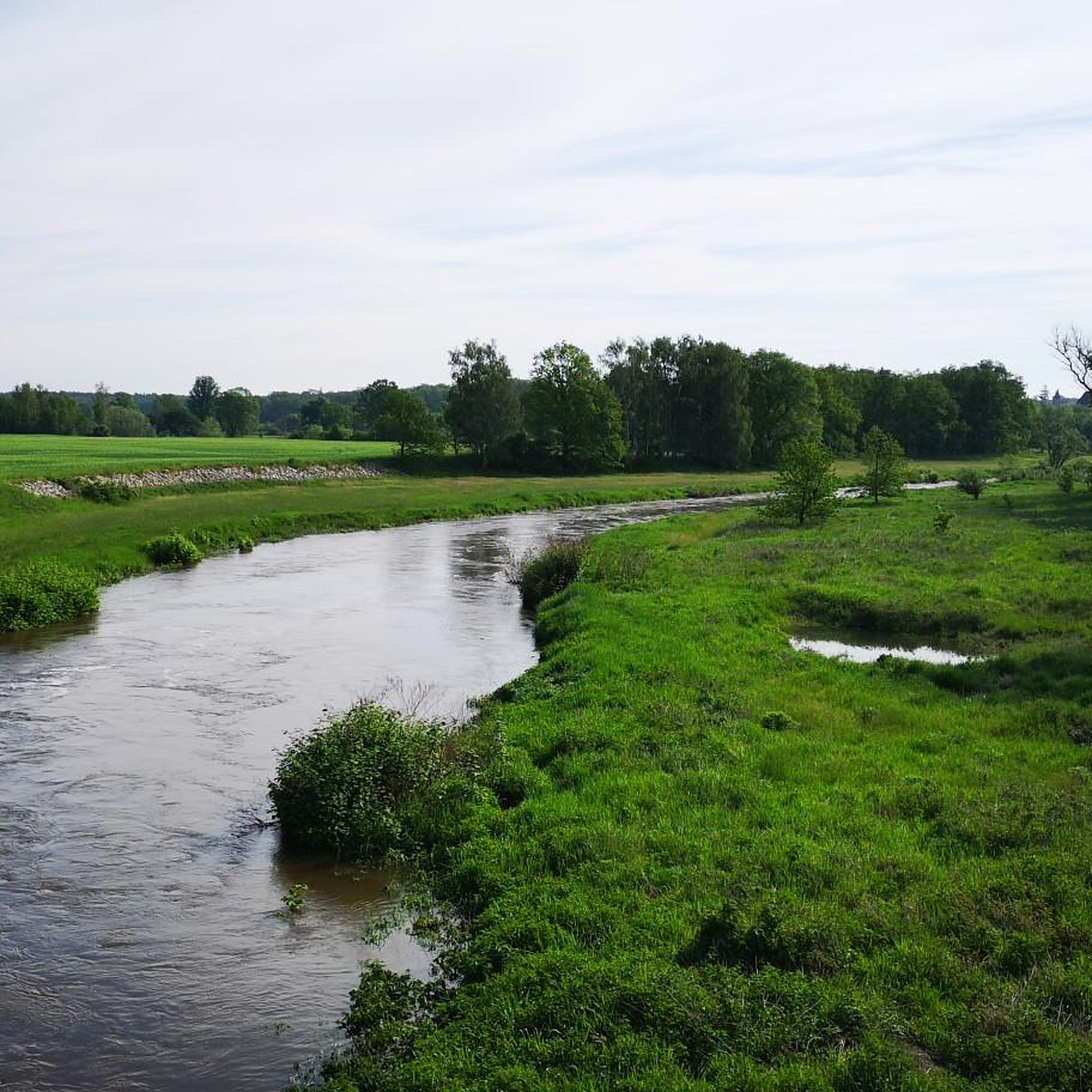
View of the Neisse River and the viaduct
Highlight • Viewpoint
Translated by Google •
Tip by

Sign up for free to discover even more natural monuments around Pieńsk.
Sign up for free
Already have an account?
Start today with a free account
Your next adventure awaits.
Login or Signup

Tips from the Community

On September 1, 1847, the first trains of the Lower Silesian-Marcher Railway crossed the newly completed Neisse Viaduct, a 475-meter-long and 35-meter-high structure, from Kohlfurt. Spanning the Neisse Valley with 30 arches, the viaduct also marked the completion of the Dresden-Görlitz line of the Saxon-Silesian Railway, thus establishing a rail connection to Saxony. Its size is unparalleled in Lower Silesia. The total amount of stone required and delivered for the construction of the Görlitz Viaduct was 1,322,255 cubic feet – equivalent to 37,442 cubic meters. The viaduct's architect was Gustav Kießler. Görlitz owes Kießler not only the Neisse Viaduct but also his involvement in the construction of the city's first train station and theater. About the person: Gustav Kießler, architect and politician, born May 12, 1807 in Görlitz; died 1883; full name: Gustav Julius Gotthelf Kießler
0
0

such an amazing view of the surroundings
2
0

at the Anna-Stift, Marienplatz
0
4

Here you can take a wonderful rest and enjoy the magnificent view.
1
0

For me, it is a particularly beautiful sculpture that also invites a little reflection.
1
2

A beautifully laid out ladder until it can't go any further east. 🧭
5
0

The Angel Fountain and the Devil Fountain are located near the Annenkapelle.
1
2

Easy hike, you dive deep into nature. There are also hardly any people on the road. We went back by tram because that is also a special experience.
3
0
Frequently Asked Questions
What are some unique natural monuments to visit around Pieńsk?
The region around Pieńsk offers several unique natural monuments. One notable spot is the Easternmost Point of Germany, which marks a significant geographical location. Another fascinating site is the Geheege Watershed, where water separates to flow into two different seas (the North Sea and the Baltic Sea), a truly rare European phenomenon. You can also enjoy the scenic View of the Neisse River bend, a favorite spot along the Oder-Neisse cycle path.
Are there family-friendly natural monuments in the Pieńsk area?
Yes, several natural monuments around Pieńsk are suitable for families. The Easternmost Point of Germany and the Geheege Watershed both offer small, designed rest areas and are considered family-friendly. The View of the Neisse River bend also provides a pleasant spot to rest with scenic views, ideal for a family outing.
What kind of natural features can I expect to see near Pieńsk?
The area around Pieńsk, situated in the Lower Silesian Voivodeship, is characterized by diverse natural features. You'll find significant old trees, unique geological formations, and protected landscapes. The Lusatian Neisse river itself is a prominent natural feature, forming the border with Germany and offering picturesque river bends and riparian environments. The region's natural monuments often highlight these specific elements, from unique watersheds to scenic river viewpoints.
What outdoor activities can I do near the natural monuments around Pieńsk?
The natural monuments around Pieńsk are excellent starting points for various outdoor activities. You can explore the area through hiking trails, with options like the easy 'Ruins of the Zentendorf Bridge – Easternmost Point of Germany loop'. For cyclists, the Oder-Neisse cycle path runs along the river, offering beautiful views. There are also gravel biking routes and running trails available, allowing you to experience the natural beauty of the Polish-German borderland.
Are there any historical or cultural sites near the natural monuments?
While the focus is on natural monuments, the region does have some sites with historical significance. For instance, the Nikolaizwinger City Garden, originally part of a city wall, has been converted into a green area and offers a glimpse into the past. This blend of natural and historical elements is characteristic of the broader Lower Silesian region.
What do visitors enjoy most about the natural monuments near Pieńsk?
Visitors particularly appreciate the unique geographical significance of sites like the Easternmost Point of Germany, noting the community's effort to make the place welcoming. The serene beauty and the opportunity to rest and observe the landscape, especially at viewpoints like the View of the Neisse River bend, are also highly valued. The distinct natural phenomena, such as the European watershed at Geheege Watershed, also leave a lasting impression.
Is the Fountain Angel by Veronica von Appen considered a natural monument?
The Fountain Angel by Veronica von Appen is listed as a natural monument in some contexts due to its integration into the natural landscape, but it is primarily a man-made monument. It features a beautiful sculpture from 1992 set on an older granite bowl and base, offering a reflective and artistic element within the natural surroundings.
What is the best time of year to visit the natural monuments around Pieńsk?
The best time to visit the natural monuments around Pieńsk generally depends on the activities you plan. Spring and autumn offer pleasant temperatures for hiking and cycling along the Neisse River, with vibrant foliage or blooming nature. Summer is also popular for outdoor activities, though it can be warmer. Even in winter, some areas can be explored, especially if you enjoy crisp, quiet landscapes, but always check local conditions.
Are there any natural monuments that are wheelchair accessible?
Among the listed highlights, the Fountain Angel by Veronica von Appen is noted as being wheelchair accessible. For other natural monuments, accessibility can vary, so it's advisable to check specific conditions or local information for trails and viewpoints if wheelchair access is a primary concern.
Can I find accommodation or places to eat near the natural monuments?
While specific amenities directly adjacent to every natural monument are not always guaranteed, the town of Pieńsk and nearby communities along the Lusatian Neisse river offer various options for accommodation, cafes, and pubs. The region is accustomed to visitors, especially those exploring the Oder-Neisse cycle path, so you can find places to rest and refuel within a reasonable distance.
What is the significance of the Lusatian Neisse river in this region?
The Lusatian Neisse river is a highly significant natural feature in the Pieńsk region. It forms the border between Poland and Germany, making the area a unique borderland. The river and its banks offer picturesque landscapes and are central to many outdoor activities, including cycling along the popular Neißeland route. Many natural monuments, such as the View of the Neisse River bend, are directly associated with this important waterway.
Most popular attractions around Pieńsk

Get inspired with the komoot mobile app


Explore more
Extend your search for the best caves by checking out these guides of the top ones around Pieńsk:
