Top 4 Natural Monuments around Platerówka
Natural monuments around Platerówka offer a glimpse into the region's geological past and natural beauty. Located in southwestern Poland, the area is characterized by its diverse terrain, including volcanic formations and ancient trees. Visitors can explore unique geological features and historical natural landmarks. The landscape provides opportunities for discovering significant natural sites.
Best natural monuments around Platerówka
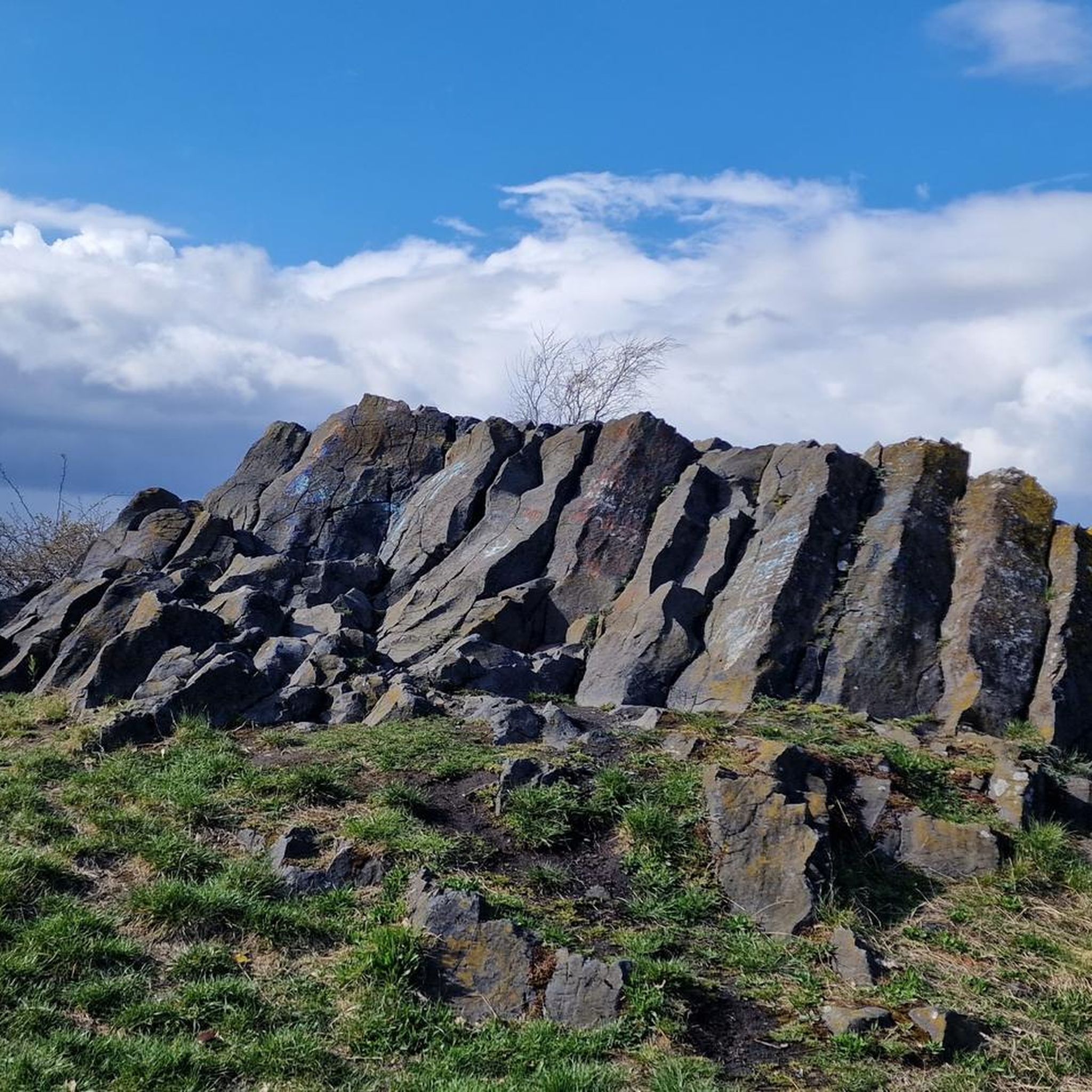
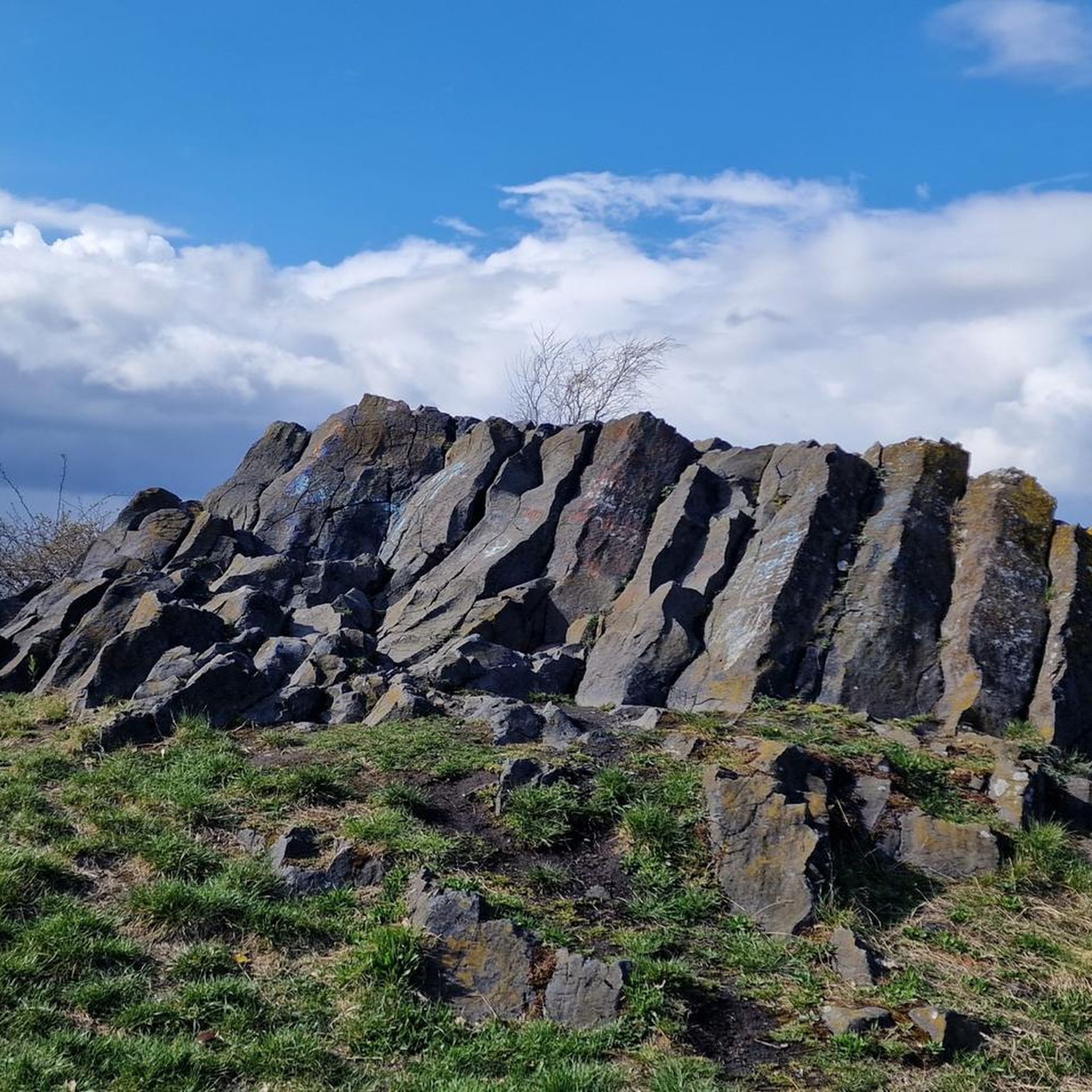
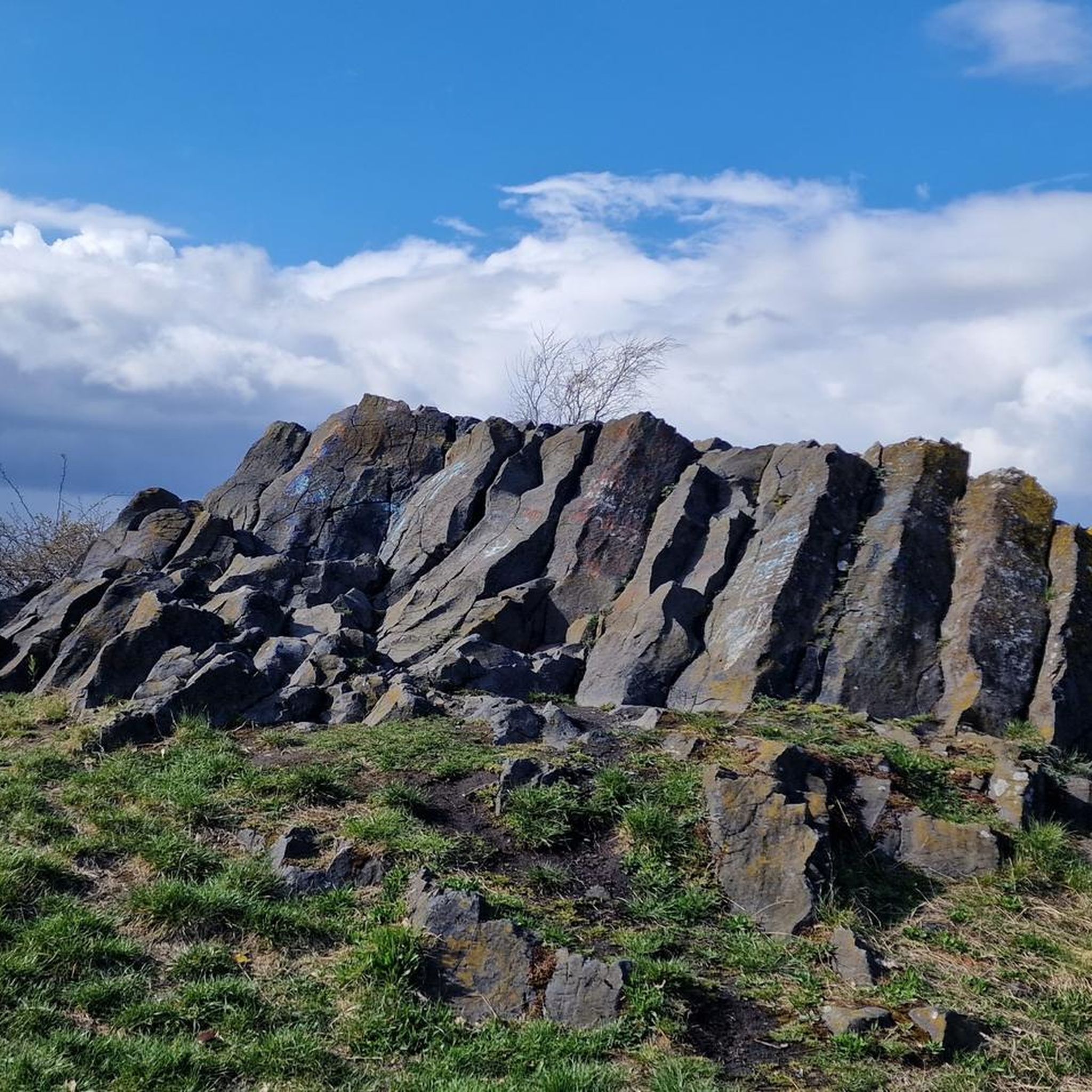
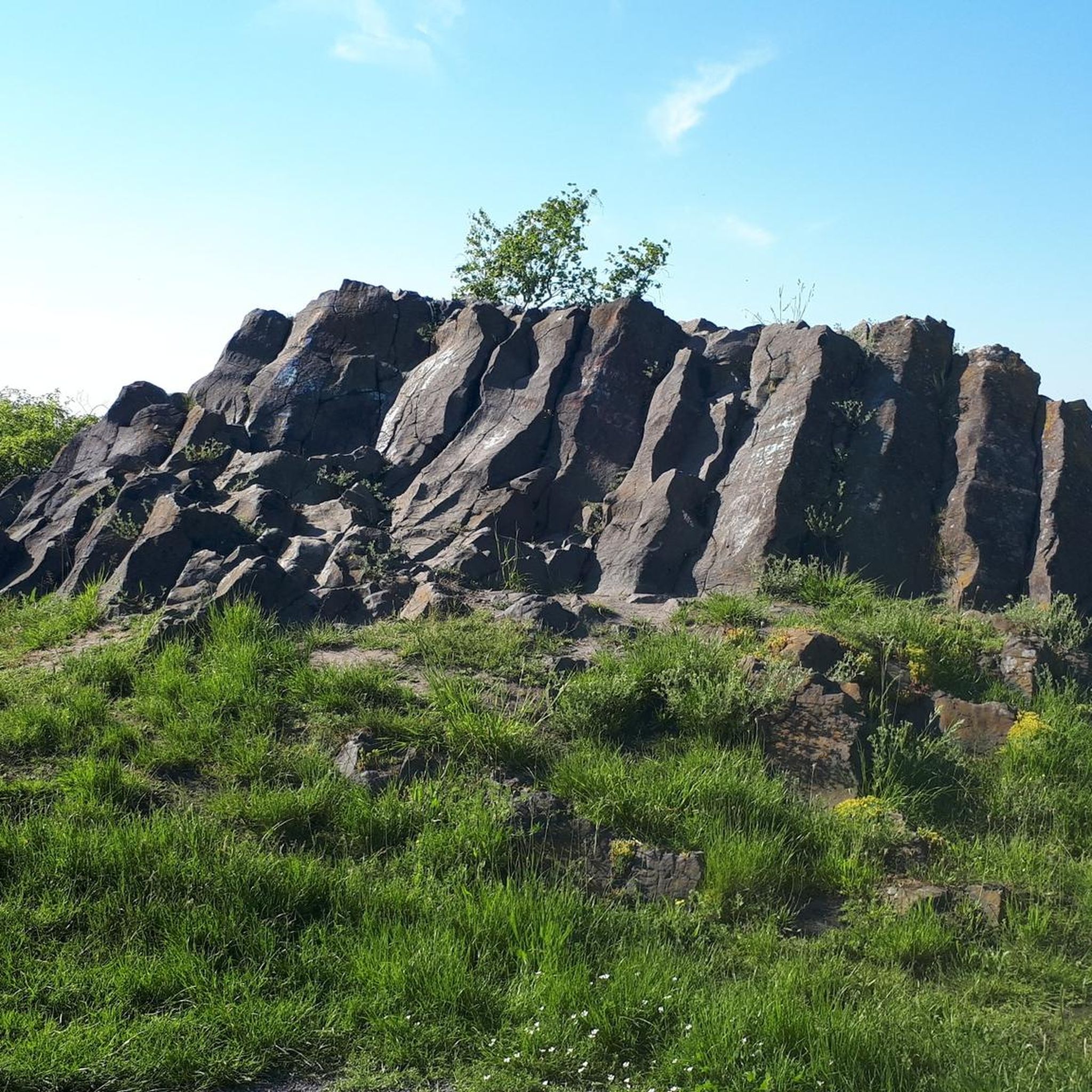
- The most popular natural monuments is Basalt Columns on Steinberg Hill (Lubań), a natural monument featuring a semicircle made of basalt columns…
Last updated: June 1, 2026
Czocha Castle
Highlight • Castle
Translated by Google •
Tip by

Świecie Castle Ruins
Highlight • Castle
Translated by Google •
Tip by

Sign up now to discover places like this
Get recommendations on the best single tracks, peaks, & plenty of other exciting outdoor places.
Sign up for free
Basalt Columns on Steinberg Hill (Lubań)
Highlight • Natural Monument
Translated by Google •
Tip by

Henryka yew - the oldest tree in Poland
Highlight • Natural Monument
Showing Translation
Tip by

Marienfelsen
Highlight • Natural Monument
Translated by Google •
Tip by

Sign up for free to discover even more natural monuments around Platerówka.
Sign up for free
Already have an account?
Start today with a free account
Your next adventure awaits.
Login or Signup

Tips from the Community

It is estimated that this yew is over 1270 years old. It is 15 meters high and 4 meters in circumference. So we're going to see it! - no excuses!
1
0

Here we come across a former park with small paths and stairs, benches, viewing points and rocks with inscriptions.
0
0
The Stone Mountain (283 m) in Lubań is a remnant of tertiary volcanoes and probably the oldest "basalt" quarry near Lubań. The medieval town walls, towers and older buildings were probably built from the blocks excavated here. At the top, a large park was created between the quarries in the second half of the 19th century. There you can find interesting geological formations such as volcanic bombs or 10-15 meter high basalt columns. The park also has numerous natural monuments, including the "Herman" ash tree with a circumference of 298 cm and the "Franciszek" sycamore maple with a circumference of 281 cm.
1
0

A beautiful place. The owners are renovating and rebuilding the castle at their own expense. They have no support from groups responsible for the protection of monuments. It is not surprising that there is a fee for the opportunity to enter and see the ruins, as well as hear stories about the castle, the history of the struggle with reconstruction and plans for what will be available in the castle in the future. But this fee is worth it, because really every złoty is invested in the castle. And the effects of the work of today's castle owners are really visible.
0
0

The castle was built by the Teutonic Order after 1335 on the initiative of Günter von Hohenstein
5
0

The garden is small but has a lot of beautiful flowers and some great figures.
6
0
In the summer months you can walk into the inner courtyard of the ruins.
11
0

Private property, but after contact with the owner, you can hope for information about the castle.
2
0
Frequently Asked Questions
What are some of the most notable natural monuments to visit around Platerówka?
The region around Platerówka offers several unique natural monuments. Among them are the Basalt Columns on Steinberg Hill (Lubań), a remnant of tertiary volcanoes with impressive 10-15 meter high basalt columns. Another significant site is Stożek Perkuna Rock Formation on Ciasnota Mountain, a volcanic formation showcasing distinct basalt structures. You can also explore Marienfelsen, a natural monument featuring a former park with paths, stairs, and viewing points.
Are there any natural monuments with historical significance near Platerówka?
Yes, the area combines natural beauty with historical elements. Marienfelsen is a natural monument that was once a park, featuring rocks with inscriptions, offering a blend of natural setting and historical traces. Additionally, the ancient Henryk the Yew tree, though not listed as a highlight in the guide, is a remarkable natural monument in Henryków Lubański, estimated to be between 1200 and 1500 years old, with a rich history of resilience and conservation.
What kind of geological features can I expect to see at these natural monuments?
The natural monuments around Platerówka are primarily known for their volcanic origins. For instance, the Basalt Columns on Steinberg Hill (Lubań) display a semicircle of basalt columns of varying heights, along with volcanic bombs, indicating its past as a tertiary volcano. Similarly, the Stożek Perkuna Rock Formation on Ciasnota Mountain is a volcanic plug composed of basanite or nephelinite, featuring distinct basalt structures from different eruption periods.
Are there family-friendly natural monuments around Platerówka?
Yes, both the Basalt Columns on Steinberg Hill (Lubań) and Czocha Castle are categorized as family-friendly. The Basalt Columns offer an interesting geological site that can be explored by families, while Czocha Castle provides a historical experience with facilities and surroundings suitable for all ages.
What outdoor activities can I do near the natural monuments around Platerówka?
The region offers various outdoor activities. You can find numerous routes for jogging, gravel biking, and mountain biking. For example, there are running trails like the "Kamienna Góra loop from Lubań Śląski" and gravel biking routes such as the "Czocha Castle – Leśniańska Dam loop from Lubań Śląski." Mountain biking enthusiasts can explore trails like the "Prison Wall in Upper Lusatia – View of Landeskrone loop from Lubań Śląski." You can find more details on these activities in the Running Trails around Platerówka, Gravel biking around Platerówka, and MTB Trails around Platerówka guides.
Are there good viewpoints among the natural monuments?
Yes, several natural monuments offer excellent viewpoints. The Stożek Perkuna Rock Formation on Ciasnota Mountain is known for providing one of the best panoramic viewpoints in the Izera Foothills. Marienfelsen also features designated viewing points within its historical park setting.
What do visitors enjoy most about the natural monuments around Platerówka?
Visitors appreciate the unique geological formations and the historical context of the natural monuments. For instance, the Basalt Columns on Steinberg Hill (Lubań) are noted for their impressive semicircle of basalt columns and volcanic bombs. At Marienfelsen, visitors enjoy the former park with its paths, stairs, benches, and rocks with inscriptions. The region's natural monuments have garnered over 300 photos and more than 140 upvotes from the komoot community, highlighting their appeal.
Is there any ancient tree worth visiting near Platerówka?
Yes, the region is home to "Henryk" (Cis Henryk), the oldest known yew tree in Poland, located in Henryków Lubański. This venerable common yew is estimated to be between 1200 and 1500 years old and stands 15 meters tall. It offers a profound connection to history and nature, symbolizing resilience through centuries of change and dedicated conservation efforts.
What is the best time of year to visit the natural monuments around Platerówka?
While specific seasonal recommendations for each monument are not detailed, the region's natural beauty can be enjoyed across different seasons. Spring and autumn generally offer pleasant weather for exploring outdoor sites like the rock formations and ancient trees. The unique botanical aspects of sites like Stożek Perkuna, with its xerothermic vegetation, might be particularly interesting during warmer months.
Are there any castles or historical sites combined with natural elements in the area?
Yes, Czocha Castle is a notable historical site near Platerówka that offers a blend of history and natural surroundings. Built in the 13th century as a border fortress, it is well-preserved and now functions as a hotel, with interesting historical features like secret passages. While not a natural monument itself, its setting and historical significance make it a compelling visit alongside the natural wonders.
Do I need a permit to visit the natural monuments around Platerówka?
Based on available information, there is no mention of specific permits required to visit the natural monuments like the Basalt Columns on Steinberg Hill, Marienfelsen, or Stożek Perkuna Rock Formation. These sites are generally accessible for public enjoyment.
Are there any facilities like restaurants or cafes near the natural monuments?
While specific cafes or restaurants directly adjacent to every natural monument are not listed, some highlights do offer facilities. For example, Czocha Castle, which is nearby, includes a restaurant. For other natural monuments, it's advisable to check local amenities in nearby towns like Lubań or Platerówka itself.
Most popular attractions around Platerówka

Get inspired with the komoot mobile app


Explore more
Extend your search for the best caves by checking out these guides of the top ones around Platerówka:
