Top 9 Natural Monuments around powiat stargardzki
Best natural monuments around powiat stargardzki include a diverse range of natural features, from ancient trees to unique geological formations. The region, located in the West Pomeranian Voivodeship of Poland, is characterized by its post-glacial landscape, featuring moraine hills, numerous lakes, and extensive forests. These areas offer opportunities to observe varied flora and fauna, including rare plant and animal species. Powiat stargardzki provides a setting for exploring natural heritage and engaging in outdoor activities.
Best natural monuments around powiat stargardzki
…Last updated: May 17, 2026
15th Meridian Obelisk (Stargard)
Highlight • Monument
More information: stargardvita.pl/odkrywaj/turystyka-i-rekreacja#
Translated by Google •
Tip by

Reptowo Peat Bog Nature Reserve
Highlight • Natural Monument
A facility that is particularly valuable in terms of nature, distinguishing the Kliniska Forest District, is the unique Reptowo Peat Bog, one of the …
Translated by Google •
Tip by

Sign up now to discover places like this
Get recommendations on the best single tracks, peaks, & plenty of other exciting outdoor places.
Sign up for free
Bielkowo Memorial Stone
Highlight • Monument
Translated by Google •
Tip by
Church of Sądów
Highlight • Religious Site
Translated by Google •
Tip by

Torfowisko Reptowo Nature and Landscape Complex
Highlight • Natural Monument
Translated by Google •
Tip by
Jan and Jaś Oak Trees
Highlight • Natural Monument
Translated by Google •
Tip by

700th Anniversary Stone of Ińsko
Highlight • Monument
Translated by Google •
Tip by
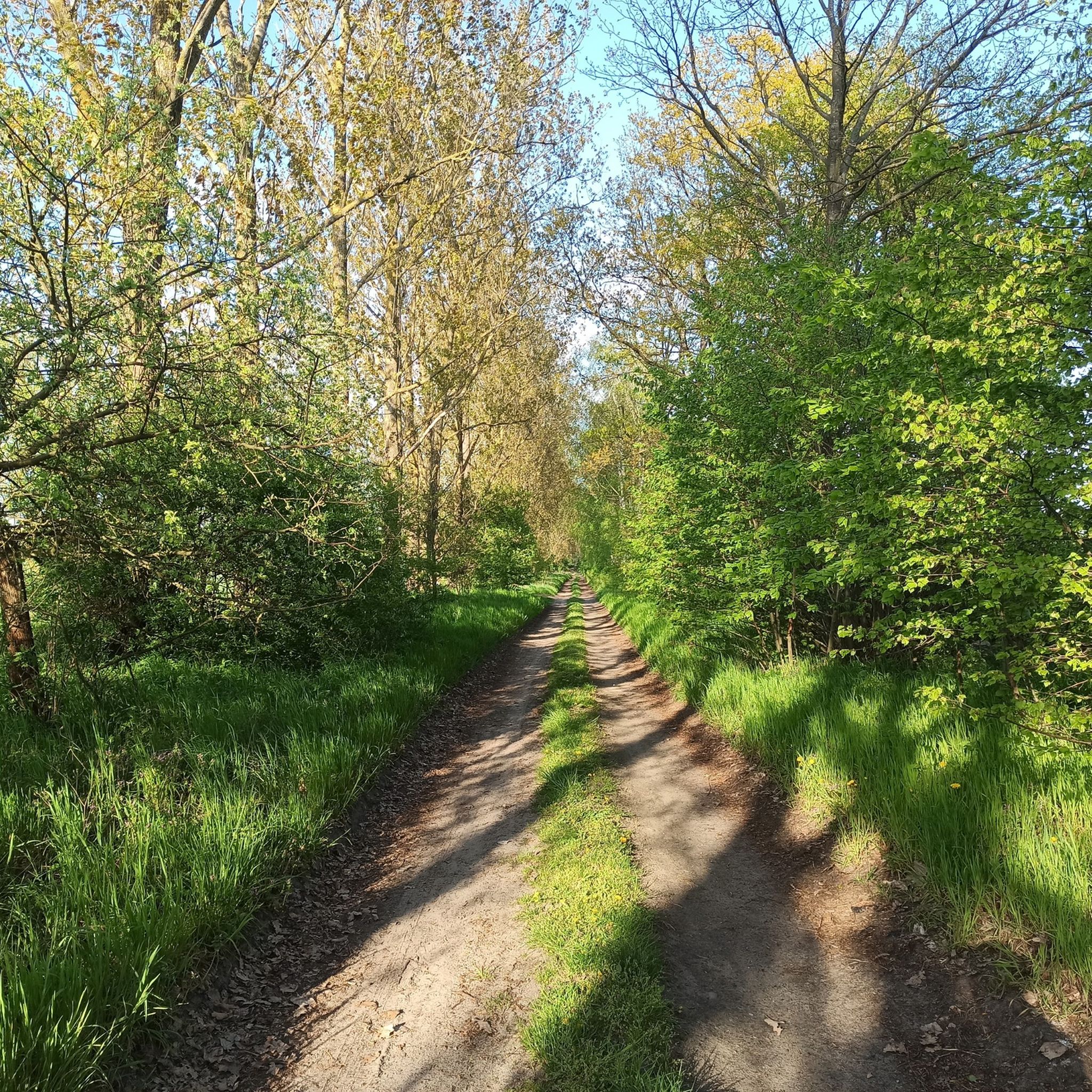
Dirt road through the Bukowe Hills
Highlight (Segment) • Trail
Translated by Google •
Tip by
Beautiful gorge with 5-meter cliffs
Highlight (Segment) • Gorge
Translated by Google •
Tip by

Żalęcino Manor Park
Highlight • Historical Site
Translated by Google •
Tip by
Sign up for free to discover even more natural monuments around powiat stargardzki.
Sign up for free
Already have an account?
Start today with a free account
Your next adventure awaits.
Login or Signup
Popular around powiat stargardzki

Other adventures around powiat stargardzki

Tips from the Community

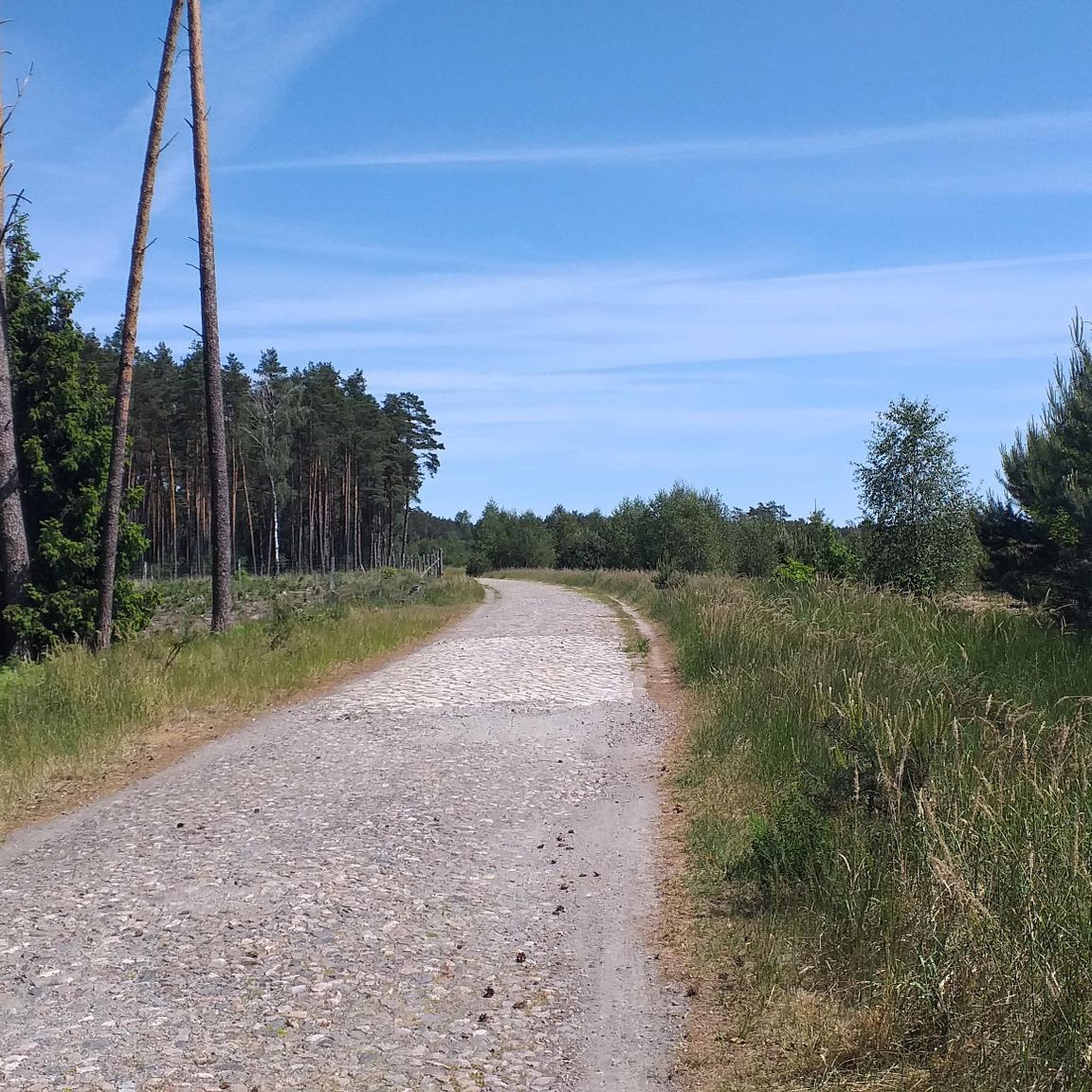
FOREST SECTION BETWEEN KOLIN AND KURCEW, ACCESS BY GRAVEL ROAD
1
0

The 15th Meridian Obelisk is a boulder with a grid of meridians and parallels on its top and a commemorative plaque stating that Stargard lies exactly 15 degrees east of the Prime Meridian in Greenwich. The obelisk itself is located about 220 meters west of the actual 15th meridian, which is due to imprecise measurements during its location.
0
0

The "Torfowisko Reptowo" nature and landscape complex. An approximately 700-hectare raised bog located on the watershed of the Ina River and Lake Miedwie, located north of the town of Reptowo. Heavily deformed as a result of drainage and afforestation, as well as ongoing peat exploitation in the central part. No peat-forming moss phytocenoses have survived. Forests with the character of very strongly degenerated bog forests absolutely dominate. Just a dozen or so years ago, there were abundant populations of marsh (Ledum palustre) and bog blueberry (Vaccinium uliginosum), today even these species are rare, and peat mosses occur mainly in ditches and furrows. Despite changes in the vegetation and structure of the peat bog, the peat deposit itself is a "geological document", a local stabilizer of water conditions and therefore a natural value. It is possible to stop its further degradation, although at present it does not seem possible to recreate a living peat bog.
1
1

Loose sand in places. To be done by trekking.
1
0
Nature and landscape complex "Torbowisko Reptowo" A facility that is particularly valuable in terms of nature, distinguishing the Kliniska Forest District, is the unique Reptowo Peat Bog, one of the Baltic peat bogs. It is located at the southern end of the Goleniowska Forest and is one of the largest facilities of this type in Pomerania. The nature and landscape complex "Torfowisko Reptowo" was created in 2007, it protects the remains of a large raised bog Reptowo. The area of the protected area is 462.09 ha. The Reptowo peat bog covers an area of approximately 10 km2, most of which is excluded from forest management. The plant cover of the peat bog varies depending on water availability. In dry places there are communities of degraded swamp forest, built in the tree layer by Scots pine Pinus sylvestris with an admixture of downy birch Betula pubescens. Patches of Lycopodium annotinum are often found in the undergrowth. In wetter places, where from autumn to late spring the groundwater level reaches the ground surface, phytocoenoses have developed, dominated by downy birch, with sphagnum and cottongrass in the undergrowth.
0
1

The exact date of foundation of the town of Ińsko is not known. The oldest document recognizing Ińsko as a city dates back to 1300. Exactly 700 years later, a boulder commemorating the founding of the city was placed in the central place of the promenade along the lake.
2
1
The boulder was erected in 1913 to celebrate the 100th anniversary of the "Battle of the Nations" near Leipzig, which took place between the French troops led by Napoleon Bonaparte and the troops of the anti-French coalition (composed of Austria, Prussia, Russia, Great Britain and Sweden). The dates are engraved on it: 1813 - the year of the battle, 1888 - the coronation of Wilhelm II as King of Prussia and German Emperor, and 1908 - the year of establishment of the KVB - the veterans' organization that funded the obelisk.
2
1
The monument was erected in the interwar period. It has the form of an erratic stone with an image of a grid of meridians and parallels on the top and a plate informing that Stargard is located exactly 15 degrees east of the Prime Meridian, running through the London suburb of Greenwich, which is the basis for determining Central European Time (CET). In 1996 the monument was restored. The area around the monument is landscaped and is surrounded by a wreath of 6 chestnut trees. Although the monument is called the 15th Meridian, it is actually located approximately 200 m west of the meridian. This is due to the inaccuracy of surveying equipment at the time the monument was erected.
1
1
Frequently Asked Questions
What unique natural features can I explore in Powiat Stargardzki?
Powiat Stargardzki is known for its diverse natural features, including ancient trees, unique geological formations, and expansive aquatic ecosystems. You can visit the Reptowo Peat Bog Nature Reserve, which protects a large raised bog with diverse plant cover like Scots pine and downy birch. The region also features numerous monumental trees, such as the Jan and Jaś Oak Trees, two ancient pedunculate oaks.
Are there any geological natural monuments in the region?
Yes, for those interested in geology, the Ozy Kiczarowskie (Kiczarowo Eskers Reserve) near Stargard is a significant geological reserve. It preserves unique glacial landforms known as eskers, which are long, winding ridges of sand and gravel formed within melting glaciers, offering a glimpse into the region's ice age history.
What are the best places for family-friendly outings among the natural monuments?
Several natural monuments are suitable for families. The Jan and Jaś Oak Trees are easily accessible and offer a pleasant spot for a short visit. Within Stargard city, parks like Park Popiela, with its group of 11 plane trees, and Park 3 Maja, featuring ancient elm, poplar, and sycamore maple trees, provide serene environments for family walks. Lake Miedwie also offers extensive recreational facilities and beaches, perfect for families.
Can I find historical natural monuments in Powiat Stargardzki?
Yes, the region blends natural beauty with historical significance. The 15th Meridian Obelisk (Stargard), while a man-made monument, features an erratic stone and is surrounded by chestnut trees, marking a significant geographical point. The Bielkowo Memorial Stone is a boulder erected in 1913 with historical engravings. Additionally, many ancient trees within city parks, such as those in Park Jagielloński or Park Zamkowy, have witnessed centuries of local history.
What kind of wildlife can I expect to see near the natural monuments?
The Ińsko Landscape Park, a prominent natural area in the region, is particularly rich in biodiversity. It is home to approximately 700 plant species and a diverse fauna including rare fish, 12 amphibian species, 6 reptile species, and 142 bird species. Notably, it has the highest concentration of nesting cranes in Poland, and features black storks, white-tailed eagles, and otters. The Reptowo Peat Bog Nature Reserve also supports unique plant communities.
Are there opportunities for hiking or cycling near these natural monuments?
Absolutely. The region offers various routes for outdoor activities. For hiking, you can explore trails like the 'Water Tower – Mill Gate (Brama Młyńska) loop from Stargard' or the 'Amphitheater in Morzyczyn – Promenade by Lake Głębokie loop from Morzyczyn'. Cyclists can enjoy routes such as the 'Kobylanka–Stargard Bike Path – Stargard Welcome Sign loop from Stargard' or the 'Miedwie Lake Pier – Kobylanka–Stargard Bike Path loop from Osiedle Zachód'. You can find more details on these and other routes in the Hiking around powiat stargardzki and Cycling around powiat stargardzki guides.
What is Iński Park Krajobrazowy and why is it important?
Iński Park Krajobrazowy (Ińsko Landscape Park) is a significant natural highlight established to protect its valuable post-glacial landscape. It covers a vast area featuring numerous moraine hills, 63 picturesque post-glacial lakes (including the exceptionally clear Lake Ińsko), and extensive beech forests. It's crucial for its rich biodiversity, protecting rare flora and fauna, and offers stunning scenic views for hiking, cycling, and kayaking.
Are there any natural monuments within Stargard city itself?
Yes, Stargard city hosts several individual trees and groups of trees designated as natural monuments within its historical parks. These include a pedunculate oak in Park Jagielloński, a group of 11 plane trees near the Ice Tower in Park Popiela, and ancient elm, poplar, and sycamore maple trees in Park 3 Maja. Park Zamkowy also features two common hornbeams as natural monuments.
What is the best time of year to visit the natural monuments in Powiat Stargardzki?
The best time to visit largely depends on your preferred activities. Spring and autumn offer pleasant temperatures for hiking and cycling, with vibrant foliage in spring and colorful landscapes in autumn, especially in areas like Ińsko Landscape Park. Summer is ideal for water activities at Lake Miedwie. Winter can offer serene, quiet walks, particularly in forested areas, though some paths might be less accessible.
Is Lake Miedwie considered a natural monument, and what does it offer?
While not formally designated as a 'natural monument' like individual trees or specific reserves, Lake Miedwie is an undeniable natural gem and a major attraction. It is the fifth largest lake in Poland, known for its depth and clear waters. It offers extensive opportunities for water sports, swimming, sunbathing, and leisurely walks along its scenic shores, with well-developed infrastructure including promenades and beaches.
Are there any natural monuments that are wheelchair accessible?
While many natural areas may have uneven terrain, the 700th Anniversary Stone of Ińsko is listed as wheelchair accessible. For other locations, especially within city parks like Park Popiela or Park 3 Maja in Stargard, paved paths might allow for easier access, though it's always advisable to check specific conditions beforehand.
What are some lesser-known natural monuments or hidden gems in the area?
Beyond the more prominent sites, exploring the smaller, individual tree monuments within Stargard's city parks can reveal hidden gems. For instance, the two common hornbeams in Park Zamkowy or the additional pedunculate oak at the intersection of Niepodległości and Powstańców Warszawy streets offer quiet moments with ancient nature. The geological formations of Ozy Kiczarowskie also represent a unique, less-traveled natural wonder.
Most popular routes around powiat stargardzki
Most popular attractions around powiat stargardzki

Get inspired with the komoot mobile app


Didn’t find what you were looking for?
Find even more amazing natural monuments around powiat stargardzki by checking out the top Highlights region by region:
Explore more
Extend your search for the best caves by checking out these guides of the top ones around powiat stargardzki:
