Top 13 Natural Monuments around Nowy Dwór Gdański
Best natural monuments around Nowy Dwór Gdański are found within the unique landscapes of Żuławy Wiślane and the Vistula Spit. This region features a flat, deltaic terrain with extensive wetlands and a network of canals, shaped by centuries of human interaction with the environment. The nearby Vistula Spit offers a contrasting environment with coastal forests, prominent sand dunes, and wide sandy beaches along the Baltic Sea. These areas provide diverse ecosystems and significant ecological features for exploration.
Best natural monuments…
Last updated: June 29, 2026
Polish-Russian Border at Piaski
Highlight • Beach
Translated by Google •
Tip by

Mewia Łacha Nature Reserve
Highlight • Natural Monument
Translated by Google •
Tip by

Sign up now to discover places like this
Get recommendations on the best single tracks, peaks, & plenty of other exciting outdoor places.
Sign up for free
Coastal Path in Vistula Spit Landscape Park
Highlight • Trail
Translated by Google •
Tip by

Lowest Point in Poland
Highlight • Natural Monument
Translated by Google •
Tip by

Cyclists' Rest Area and Car Park at Mikoszewo – Seagull Sandbank Nature Reserve
Highlight • Rest Area
Translated by Google •
Tip by

Trail to Wielbłądzi Garb
Highlight • Trail
Camel's Garb - a hill called the Camel's Garb is the highest peak on the Vistula Spit, 49.5 m above sea …
Translated by Google •
Tip by

Vistula Lagoon and Vistula Spit Natura 2000 Area
Highlight • Natural Monument
Translated by Google •
Tip by

R10 Cycle Route – Park Krajobrazowy Mierzeja Wiślana
Highlight • Cycleway
Translated by Google •
Tip by
Wielbłądzi Grzbiet Observation Tower
Highlight • Viewpoint
You still have a bit of view through the pine trees, but more goes …
Showing Translation
Tip by

EU external border at Park Krajobrazowy Mierzeja Wiślana
Highlight • Beach
Translated by Google •
Tip by

Sign up for free to discover even more natural monuments around Nowy Dwór Gdański.
Sign up for free
Already have an account?
Start today with a free account
Your next adventure awaits.
Login or Signup
Popular around Nowy Dwór Gdański

Other adventures around Nowy Dwór Gdański

Tips from the Community

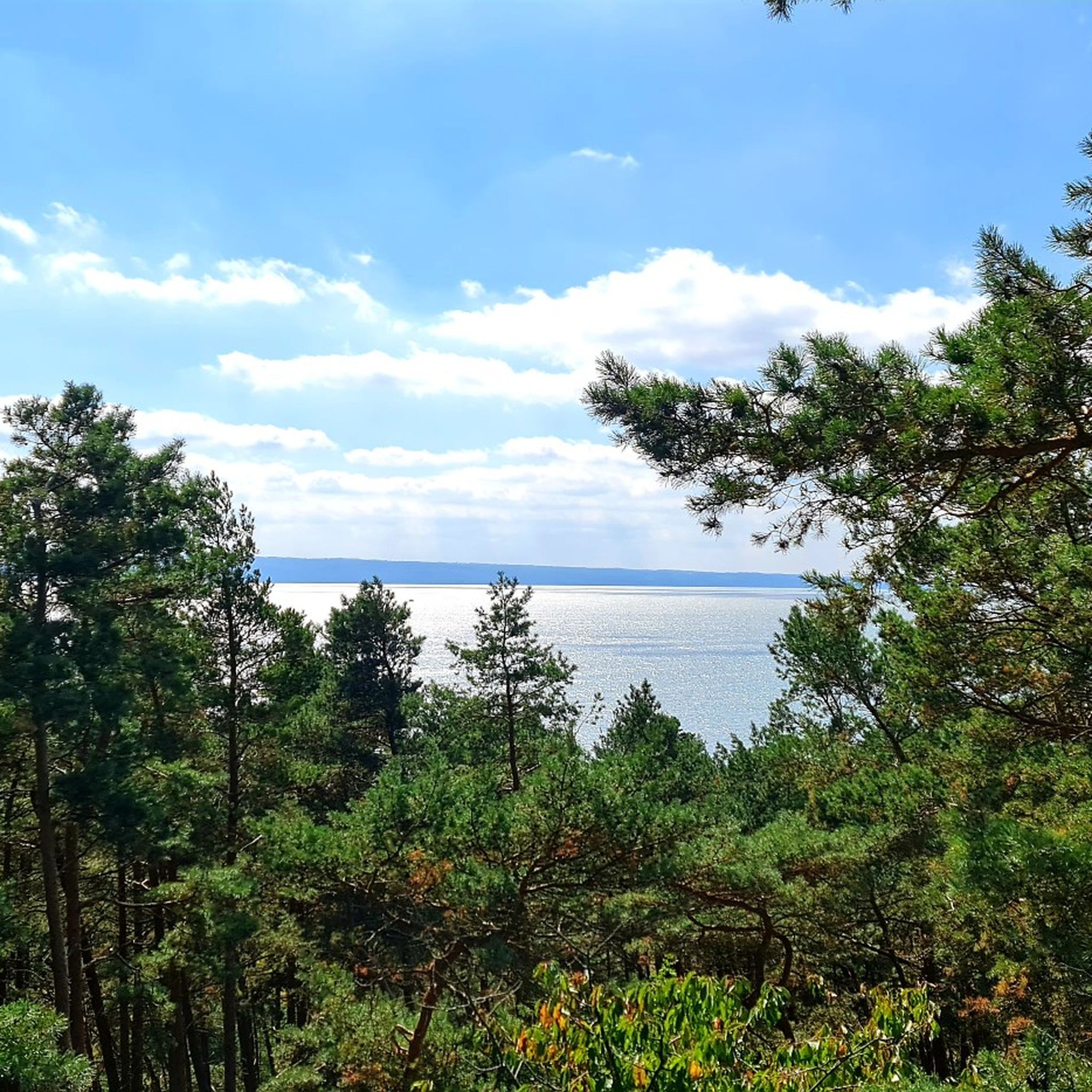
So the tower is no longer there, but it would have been nice if it was. You still have a bit of view through the pine trees, but more goes Also because with the lagoon and the Baltic Sea it would be a highlight.
4
0

Great views, great surface 😁
0
0

PLEASE NOTE! After rains, the entire area is flooded!!! In such cases, it's best to approach from the east, as there's a slight hill and it's the closest you can get to the point.
0
0

Hike to the Polish/Russian border with a view to Russia
0
0
One of the cooler sections of the R10 route.
2
0
One of the cooler sections of the R10 route.
2
0
A very nice section of the R10 route with a great view.
2
0
The Camel's Ridge is the highest permanent dune on the Vistula Spit, located north of Krynica Morska, between this town and Piaski. It is one of the most characteristic and recognizable points on the Vistula Spit, offering spectacular views.
2
0
Frequently Asked Questions
What unique natural features define the landscape around Nowy Dwór Gdański?
The region is characterized by two distinct natural areas: the Żuławy Wiślane (Vistula Fens) and the Vistula Spit. Żuławy Wiślane is a flat, deltaic landscape with extensive wetlands and a complex network of canals, much of it below sea level, including the Lowest Point in Poland. The Vistula Spit, in contrast, features dynamic coastal forests, prominent sand dunes, and wide sandy beaches along the Baltic Sea, such as the Vistula Lagoon and Vistula Spit Natura 2000 Area.
Are there family-friendly natural monuments to visit near Nowy Dwór Gdański?
Yes, several natural monuments are suitable for families. The Mewia Łacha Nature Reserve Beach offers a peaceful coastal experience, while the Trail to Wielbłądzi Garb provides an accessible path to the highest dune on the Vistula Spit. The general Vistula Spit Beach is also a great option for families.
What kind of outdoor activities can I do near these natural monuments?
The diverse landscape offers various activities. The flat terrain of Żuławy Wiślane is ideal for cycling, with routes like those found in the Gravel biking around Nowy Dwór Gdański guide. The Vistula Spit is perfect for hiking and running, with trails leading through coastal forests and along beaches. You can find more options in the Running Trails around Nowy Dwór Gdański guide.
Are there any specific hiking trails to recommend for beginners or easy walks?
For an easy walk, consider the path to the Trail to Wielbłądzi Garb on the Vistula Spit, which leads to the highest permanent dune. The coastal forests and beaches of the Vistula Spit generally offer relatively flat and accessible trails suitable for beginners. Many sections of the Vistula Lagoon and Vistula Spit Natura 2000 Area are also suitable for leisurely strolls.
What is the best season to visit the natural monuments around Nowy Dwór Gdański?
The best season largely depends on your preferred activities. Spring and autumn offer pleasant temperatures for hiking and cycling, with fewer crowds and opportunities for birdwatching during migration. Summer is ideal for enjoying the beaches and coastal areas, though it can be busier. Winter provides a unique, serene experience, especially in the snow-covered Żuławy plains, but access to some areas might be limited by weather conditions.
Can I bring my dog to the Mewia Łacha Nature Reserve or Vistula Spit Landscape Park?
The Mewia Łacha Nature Reserve is a protected area, primarily for birds and seals, so access for dogs is generally restricted or prohibited to protect wildlife. For the Vistula Spit Landscape Park, while some areas might allow dogs on a leash, it's always best to check local signage or official park regulations before visiting, especially in sensitive ecological zones or during bird breeding seasons.
How can I reach the natural monuments using public transport?
Public transport options can be limited, especially to more remote natural areas. Local bus routes connect Nowy Dwór Gdański with some towns on the Vistula Spit, such as Mikoszewo, which is a gateway to the Mewia Łacha Reserve. For the Żuławy Wiślane region, public transport might be less frequent, making cycling or driving more practical for exploration. It's advisable to check current bus schedules for specific destinations.
Are there parking facilities available near the natural monuments?
Yes, parking is available at several key locations. For instance, the Cyclists' Rest Area and Car Park at Mikoszewo – Seagull Sandbank Nature Reserve offers parking close to the Mewia Łacha Reserve. Other trailheads and beach access points along the Vistula Spit also typically have designated parking areas. For the Lowest Point in Poland, access involves a dirt road, and parking is usually informal nearby.
What is the significance of the Vistula Spit and its dunes?
The Vistula Spit is a unique geological formation, a long sand dune separating the Vistula Lagoon from the Baltic Sea. It's home to the Vistula Lagoon and Vistula Spit Natura 2000 Area, known for its large sand dunes, some exceeding 30 meters in height. The highest permanent dune in Europe, the Camel's Garb (49.5 m above sea level), is also located here, accessible via the Trail to Wielbłądzi Garb. These dunes support unique coastal ecosystems.
What wildlife can I expect to spot in the natural monuments area?
The region is rich in wildlife, especially birds. The Mewia Łacha Nature Reserve is a crucial sanctuary for various bird species during breeding and migration. It's also notable as the only reserve in Poland where seals are regularly observed. Beavers can be found around Mikoszewo Lake. The coastal forests and wetlands also host diverse flora and fauna.
Are there any historical or cultural aspects related to the natural monuments?
While primarily natural, the Żuławy Wiślane region itself is a testament to centuries of human interaction with nature. Its unique polder landscape, with dikes and canals, was largely shaped by Dutch settlers (Mennonites) who brought advanced drainage techniques. This history is reflected in the distinctive architecture and cultural heritage of the area, often referred to as the 'Polish Netherlands'. You can also visit the Polish-Russian Border at Piaski, which marks a significant historical and geographical point.
How long should I plan to explore the natural monuments around Nowy Dwór Gdański?
To fully appreciate the diversity of the natural monuments, a multi-day visit is recommended. You could dedicate one day to exploring the unique polder landscape and historical sites of Żuławy Wiślane, including the Lowest Point in Poland. Another day or two could be spent on the Vistula Spit, hiking its dunes, enjoying the beaches, and visiting the Mewia Łacha Nature Reserve. Shorter visits can focus on specific highlights.
Most popular routes around Nowy Dwór Gdański
Most popular attractions around Nowy Dwór Gdański

Get inspired with the komoot mobile app


Didn’t find what you were looking for?
Find even more amazing natural monuments around Nowy Dwór Gdański by checking out the top Highlights region by region:
Explore more
Extend your search for the best caves by checking out these guides of the top ones around Nowy Dwór Gdański:
