Top 5 Natural Monuments around powiat siedlecki
Best natural monuments around powiat siedlecki showcase a diverse landscape in Poland, characterized by its varied ecosystems and historical features. The region includes significant natural sanctuaries, ancient trees, and protected areas. These sites offer insights into the local flora, fauna, and geological formations. Powiat siedlecki provides opportunities to explore natural environments that have been preserved for their ecological and historical value.
Best natural monuments around powiat siedlecki
- The most popular natural monuments is St. John's Spring Well (Studnia "Źródło Jana")…
Last updated: May 17, 2026
St. John's Spring Well (Studnia "Źródło Jana")
Highlight • Monument
Translated by Google •
Tip by

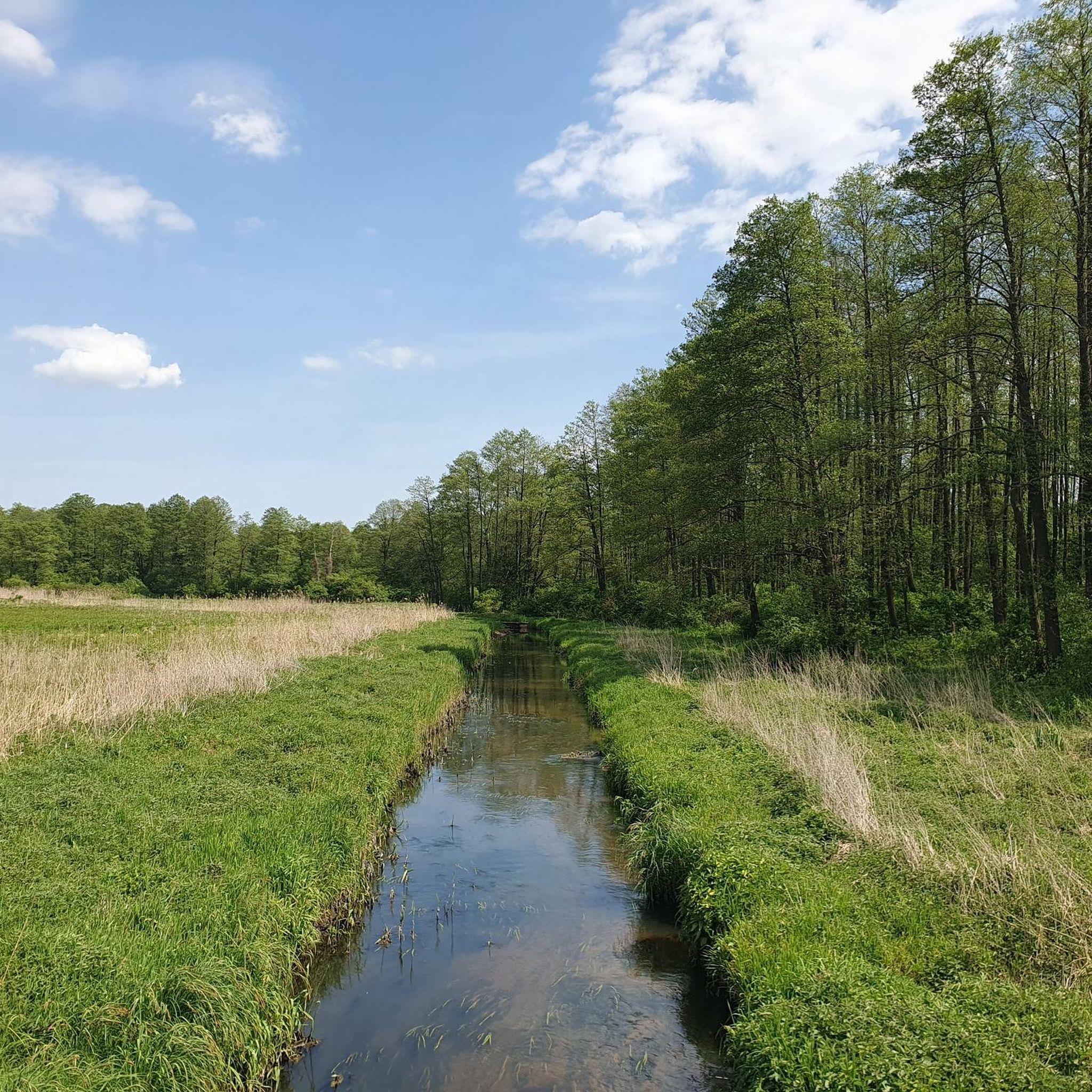
Broszkowskie Ponds Nature Reserve
Highlight • Natural Monument
Translated by Google •
Tip by

Sign up now to discover places like this
Get recommendations on the best single tracks, peaks, & plenty of other exciting outdoor places.
Sign up for free
Trail Through Stawy Broszkowskie Nature Reserve
Highlight (Segment) • Trail
Translated by Google •
Tip by

Jan's Spring
Highlight • Monument
Translated by Google •
Tip by
Start today with a free account
Your next adventure awaits.
Login or Signup
Tips from the Community

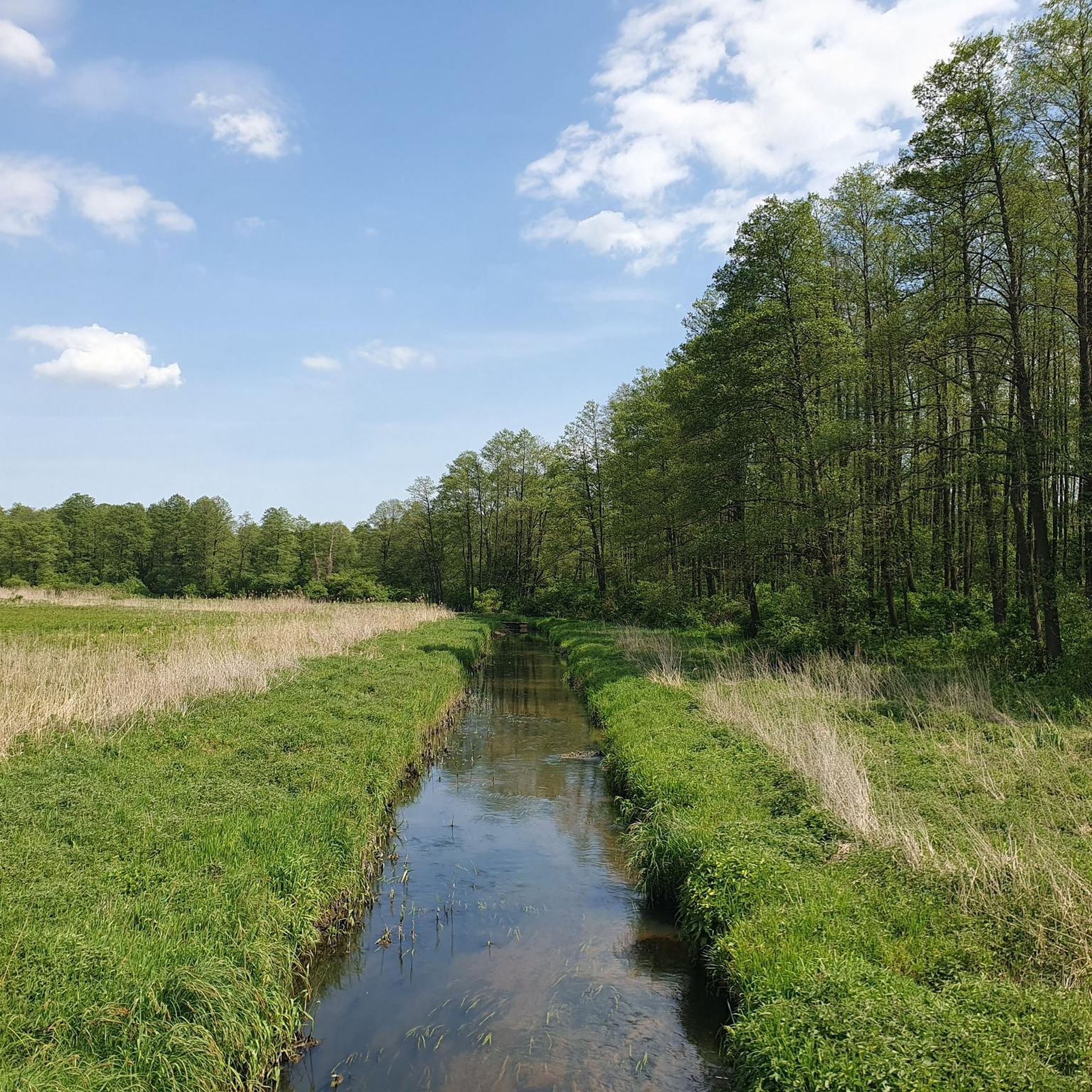
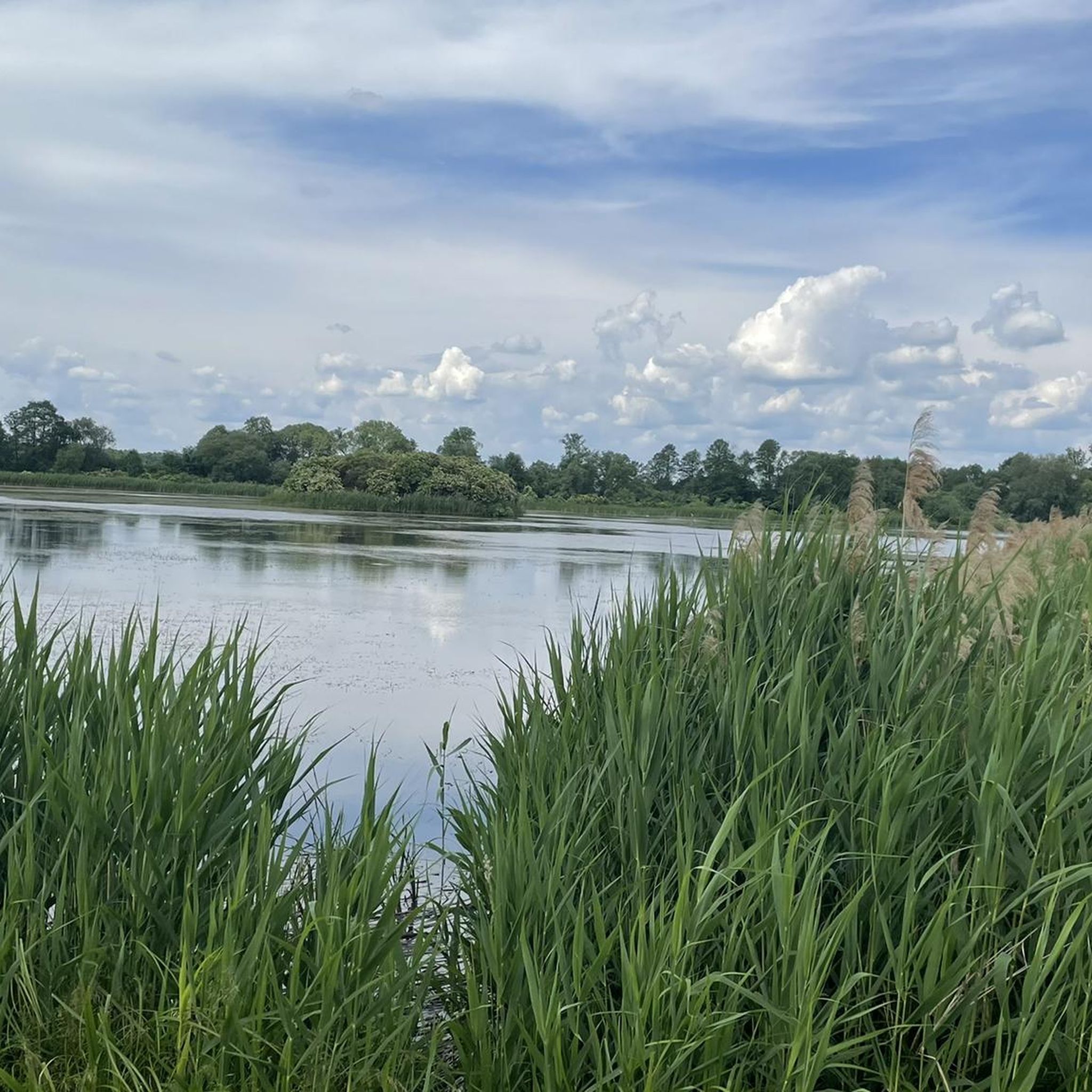
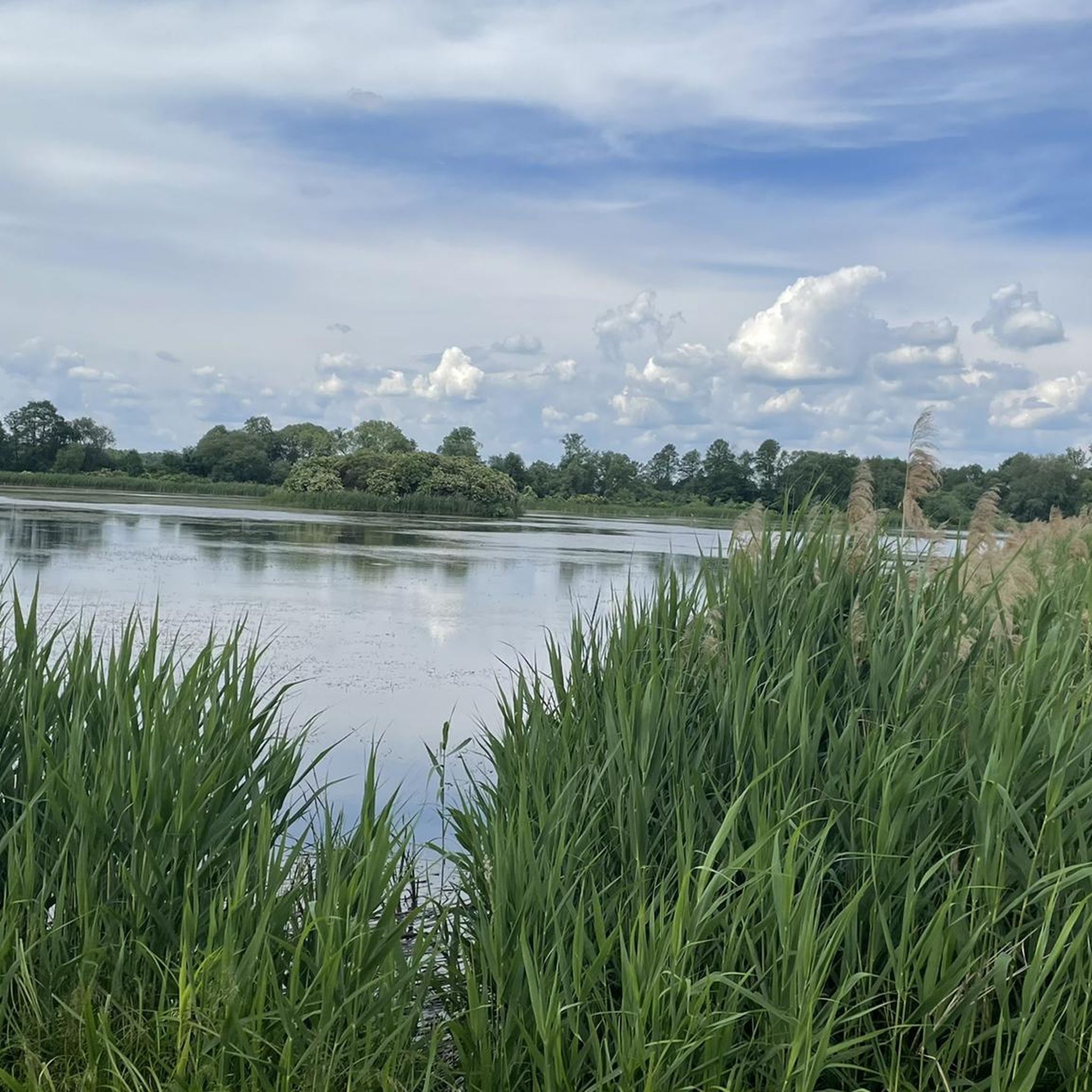
I came back after a year. There was very little water in the ponds.
0
0

This ornately designed well, called John's Spring, was built around 1835. It's not entirely clear why it's called John's, as it's topped by a statue of St. Nepomuk.
1
0

Nowadays they don't build such wonders anymore :]
0
0

Watch out for frogs! Frogs return to their ponds to mate, be careful not to step on them or run them over with your bike.
0
0
The reserve, established in 1984, has an area of over 268 ha. It is an area very diverse in terms of the structure of the habitats. Its basic value is the occurrence of about 100 species of waterfowl, reed and meadow birds (both migratory and breeding). The most numerous species is the black-headed gull, followed by colonies of ducks: tufted duck, common pochard and mallard. Also noteworthy are the swan, grebe, garganey and heron. There are also sea ducks, velvet scoter, common scoter and predators: marsh harrier, buzzard, black kite. Mammals are quite numerous, including: moose, otter, badger, fox and muskrat. The flora of the reserve is very diverse. The largest area is occupied by the reed grass community and reed bed. The dominant forest communities are: redcurrant alder forest, ash-alder riparian forest, continental mixed coniferous forest, and oak-hornbeam forest and willow thickets.
1
0
A slightly waterlogged road. Sometimes mud hidden among the leaves. You can see that not many people drive there. Really worth it
0
0

A historic well from around 1835, in an eclectic style, designed by Fr. Jaszczołda.
0
0

Korczew, in the park by the road, there is the former, the only drinking water intake, spring water
0
0
Frequently Asked Questions
What are some of the most notable natural monuments to visit in Powiat Siedlecki?
Powiat Siedlecki features several significant natural monuments. Among them, the Broszkowskie Ponds Nature Reserve is a crucial habitat for numerous bird species. You can also find ancient trees like the Pedunculate Oak in Park Aleksandria, and unique ecological sites such as the Pitch Pine on a Heathland in Siedlce. The region also protects various tree groupings within the Nadleśnictwo Siedlce forest district.
Are there any natural monuments suitable for family visits in Powiat Siedlecki?
Yes, the Broszkowskie Ponds Nature Reserve is considered family-friendly. It offers a chance to observe a rich variety of birds and other wildlife. Visitors should be mindful of frogs returning to their ponds to mate, especially during certain seasons.
What kind of wildlife can I expect to see at the Broszkowskie Ponds Nature Reserve?
The Broszkowskie Ponds Nature Reserve is a significant faunal reserve, home to approximately 100 species of water, reed, and meadow birds, including black-headed gulls, tufted ducks, common pochards, mallards, swans, grebes, garganeys, and herons. Mammals such as elk, otter, badger, fox, and muskrat also inhabit the area.
Are there historical natural monuments in the region?
Yes, Powiat Siedlecki combines natural beauty with historical significance. The Pedunculate Oak in Park Aleksandria, Siedlce, is an ancient tree within a historic park established in the early 18th century. Additionally, the St. John's Spring Well (Studnia "Źródło Jana"), built around 1835, is a man-made monument with historical value, though its water is not potable.
What types of trees are protected as natural monuments in Powiat Siedlecki?
The region protects various tree species as natural monuments, particularly within the Nadleśnictwo Siedlce forest district and Park Aleksandria. These include Polish Larch, Norway Spruce, Scots Pine, Small-leaved Lime, Pedunculate Oak, and Sycamore Maple. The Pitch Pine on a Heathland in Siedlce is also a unique protected species.
What outdoor activities can I do near the natural monuments in Powiat Siedlecki?
You can enjoy various outdoor activities near the natural monuments. For hiking, explore routes like the 'Jacek Town Hall – Aleksandria City Park loop from Siedlce' or the 'Cathedral of Siedlce loop from Siedlce'. Cycling enthusiasts can find routes such as the 'Roadbike loop from Kotuń' or 'Interesting Gravel Road – Wet Road Through Forest loop from Sabinka'. Mountain biking trails are also available, including the 'Mill on the Muchawka River – Siedlce train station loop from Siedlce'. You can find more details on these activities in the hiking guide, road cycling guide, and MTB guide for Powiat Siedlecki.
Are there specific trails for exploring the Broszkowskie Ponds Nature Reserve?
Yes, there is a dedicated highlight called Trail Through Stawy Broszkowskie Nature Reserve. This trail allows you to experience the reserve's diverse habitats, which support numerous species of waterfowl, reed, and meadow birds. Be aware that parts of the road can be slightly waterlogged or muddy, especially after rain.
What is the best time of year to visit the natural monuments in Powiat Siedlecki?
The best time to visit natural monuments, especially bird reserves like the Broszkowskie Ponds Nature Reserve, is typically during spring and autumn when migratory birds are most active. Spring also offers lush greenery and blooming flora, while autumn provides vibrant fall colors. Summer is also suitable for general exploration, though some areas might experience lower water levels.
What should I know about the St. John's Spring Well?
The St. John's Spring Well (Studnia "Źródło Jana") is a historic, ornately designed well built around 1835. It is located in Korczew, within the park by the road. While it is a notable monument, it's important to remember that the water from this well is not potable.
What makes the Pitch Pine on a Heathland unique?
The Pitch Pine (Sosna smołowa) on a Heathland, located in the Sekuła wilderness area within Siedlce, is unique because it's a North American native species introduced to Europe. It's known for its irregular crown and resilience, thriving even on poor, stony soils. A characteristic feature is the presence of short shoot clusters on its trunk and branches, making it a distinctive natural monument.
Are there any specific tips for visiting the Broszkowskie Ponds Nature Reserve?
When visiting the Broszkowskie Ponds Nature Reserve, be mindful of the local wildlife, especially frogs, which return to the ponds to mate. It's advisable to wear appropriate footwear, as some paths, particularly the Trail Through Stawy Broszkowskie Nature Reserve, can be waterlogged or muddy. The water levels in the ponds can also vary seasonally.
What kind of plant life can be found in the Broszkowskie Ponds Nature Reserve?
The Broszkowskie Ponds Nature Reserve boasts a very diverse flora. The largest area is covered by reed grass communities and reed beds. Dominant forest communities include ash-alder riparian forests, continental mixed coniferous forests, and hornbeam-oak forests, along with willow thickets.
Most popular routes around powiat siedlecki
Most popular attractions around powiat siedlecki

Get inspired with the komoot mobile app


Didn’t find what you were looking for?
Find even more amazing natural monuments around powiat siedlecki by checking out the top Highlights region by region:
Explore more
Extend your search for the best caves by checking out these guides of the top ones around powiat siedlecki:
