Top 20 Natural Monuments around powiat karkonoski
Best natural monuments around powiat karkonoski are primarily found within the Karkonosze National Park, a region known for its unique geological formations and diverse ecosystems. This area in southwestern Poland features landscapes shaped by Pleistocene glaciation, including post-glacial cirques and impressive rock formations. The natural environment offers a variety of features, from high mountain peaks to extensive peat bogs and waterfalls. These natural monuments highlight the rich biodiversity and geological heritage of the region.
Best natural monuments around powiat karkonoski
…Last updated: May 17, 2026
Kamieńczyk Waterfall
Highlight • Waterfall
Translated by Google •
Tip by

Mały Staw (Little Pond) and Samotnia Mountain Hut
Highlight • Lake
A nice photo motif.
Translated by Google •
Tip by

Sign up now to discover places like this
Get recommendations on the best single tracks, peaks, & plenty of other exciting outdoor places.
Sign up for free
Sunflower (Mittagsstein) Rock Formation
Highlight • Natural Monument
It is located at an altitude of 1423 meters above sea level on the northern slope of the Smogornia.
Translated by Google •
Tip by

Szklarka Waterfall
Highlight • Waterfall
Szklarka Waterfall is located at 520 m above sea level. …
Translated by Google •
Tip by

Wild Waterfall (Dziki Wodospad)
Highlight • Waterfall
Translated by Google •
Tip by

Wysoki Kamień Observation Tower
Highlight • Viewpoint
Translated by Google •
Tip by
Dam on the Lomnica River
Highlight • Monument
Translated by Google •
Tip by

Bolczów Castle Ruins
Highlight • Castle
Translated by Google •
Tip by

Samotnia Mountain Hut (Little Pond Hut)
Highlight • Mountain Hut
Translated by Google •
Tip by
Tvarožník (Quarksteine) rock formation
Highlight • Natural Monument
Translated by Google •
Tip by
Sign up for free to discover even more natural monuments around powiat karkonoski.
Sign up for free
Already have an account?
Start today with a free account
Your next adventure awaits.
Login or Signup
Popular around powiat karkonoski
The Main Sudeten Route – a great Polish mountain adventure
Piast Castles Trail – Great strongholds of Sudety
Diverse Poland — explore five regions by mountain bike
Hiking around powiat karkonoski
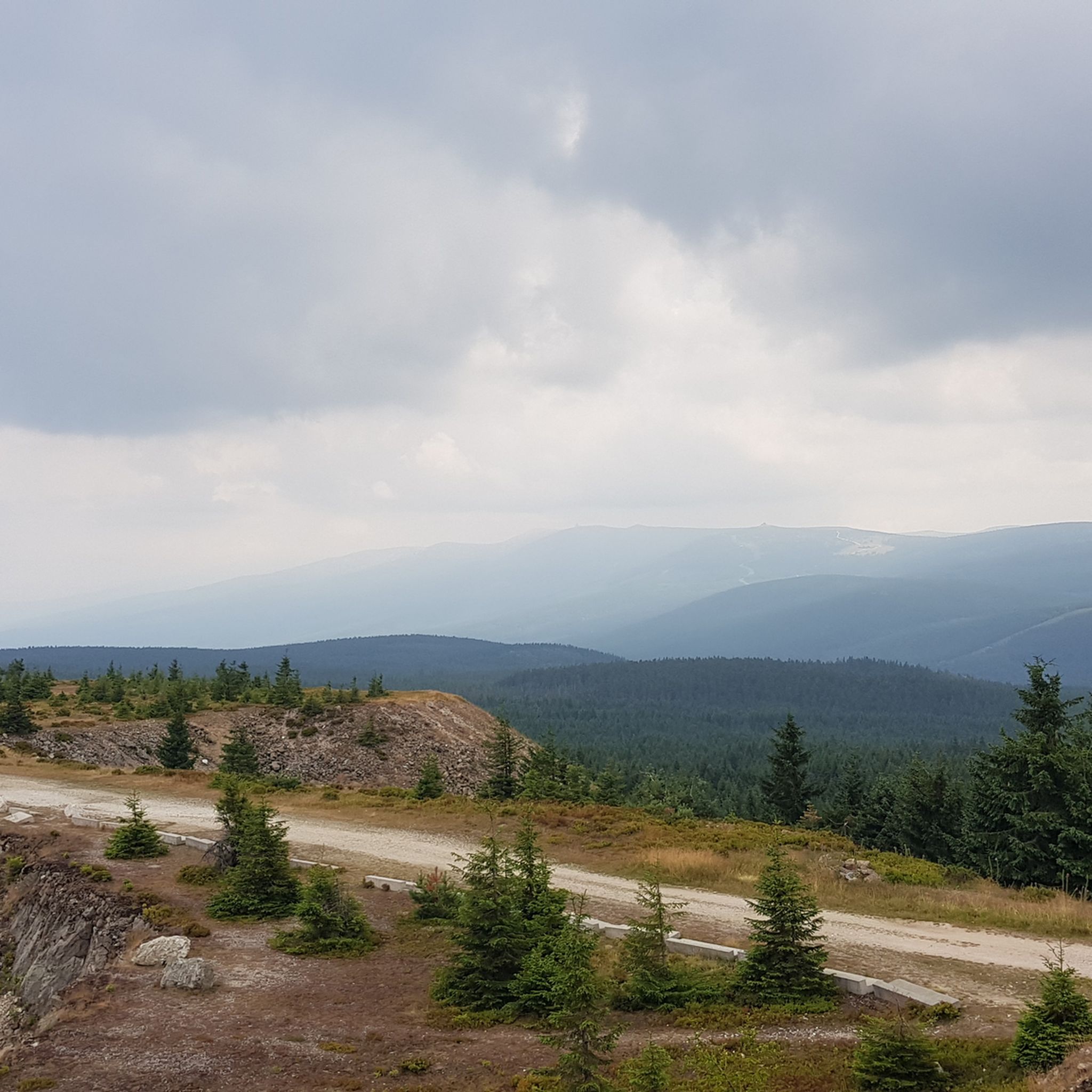
MTB Trails around powiat karkonoski
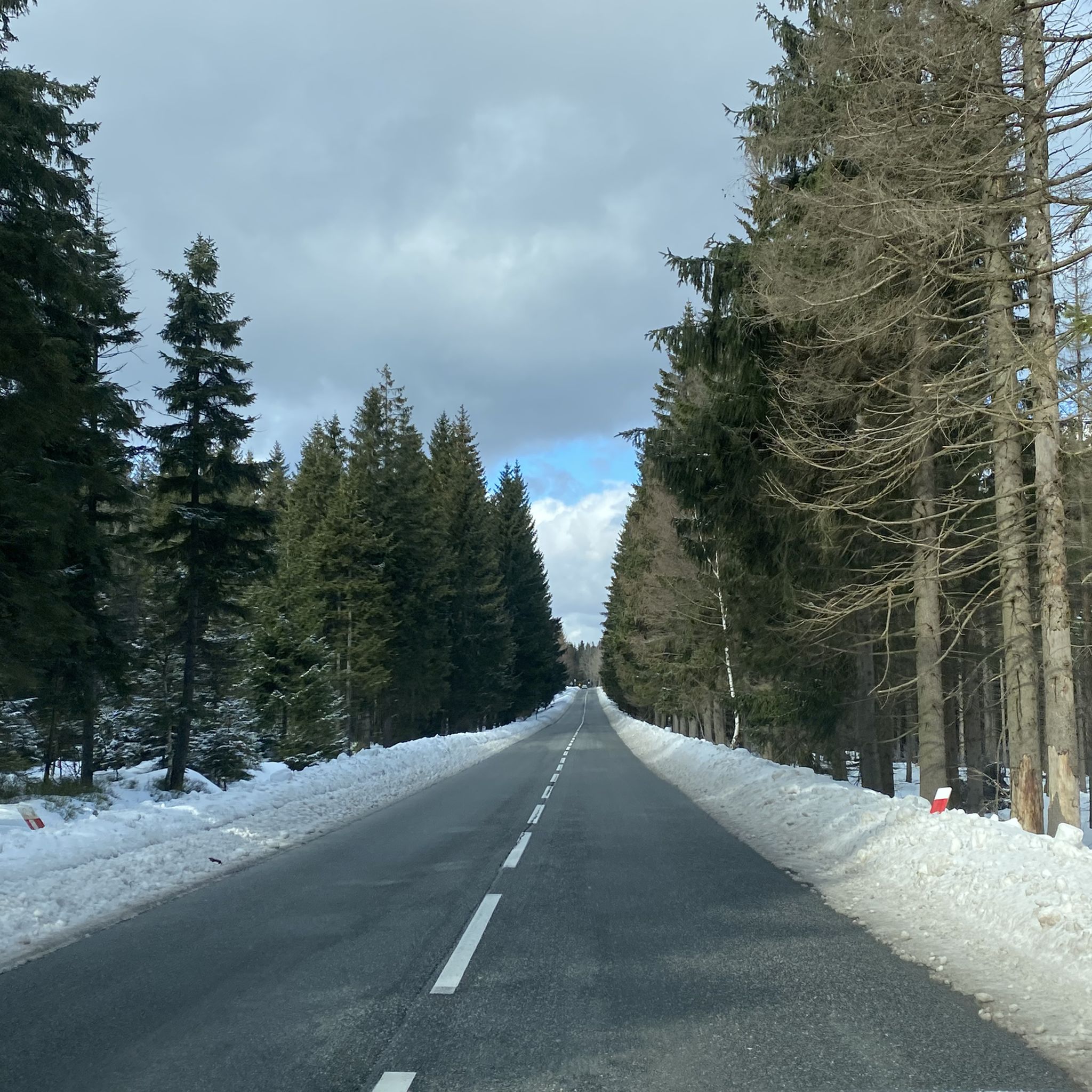
Road Cycling Routes around powiat karkonoski
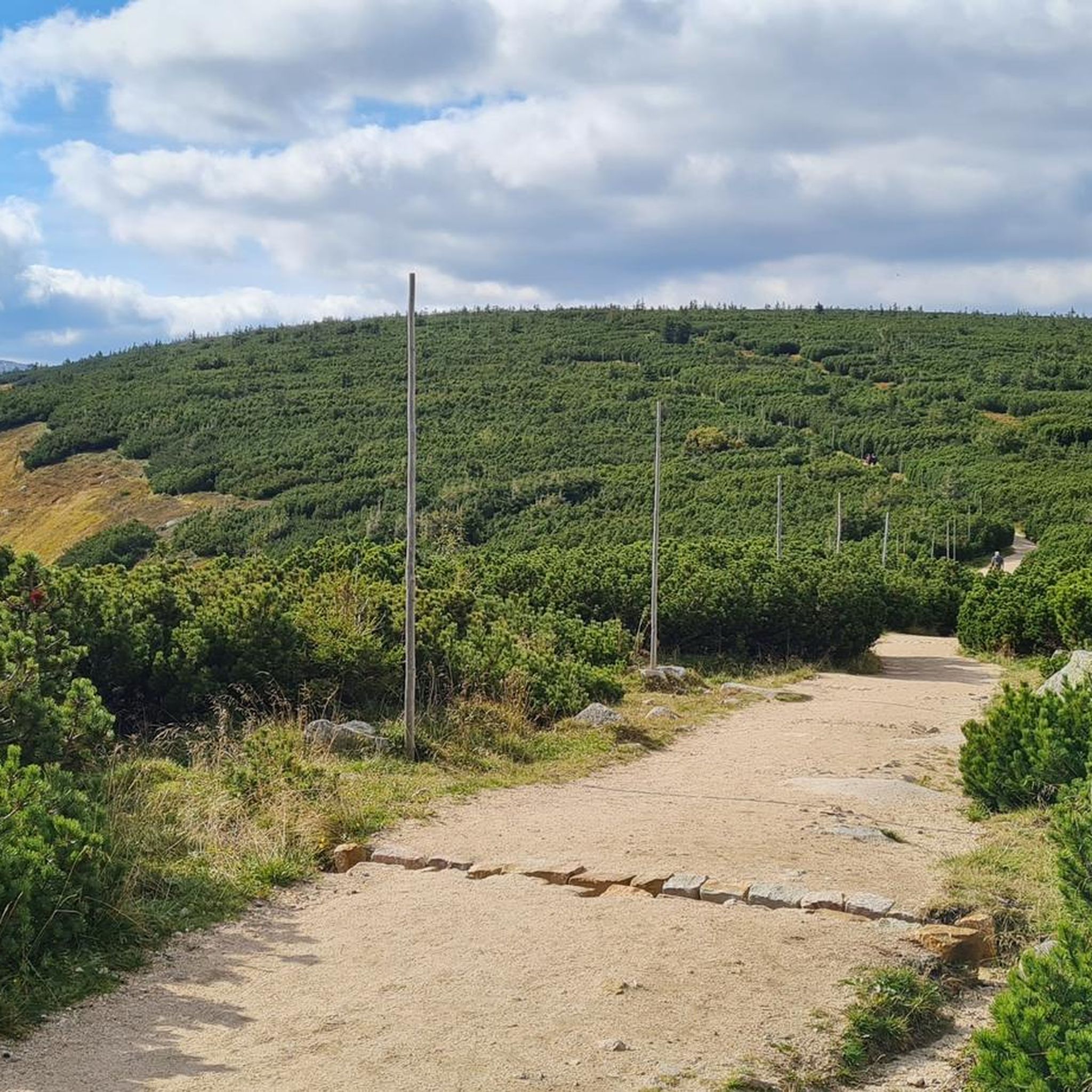
Cycling around powiat karkonoski
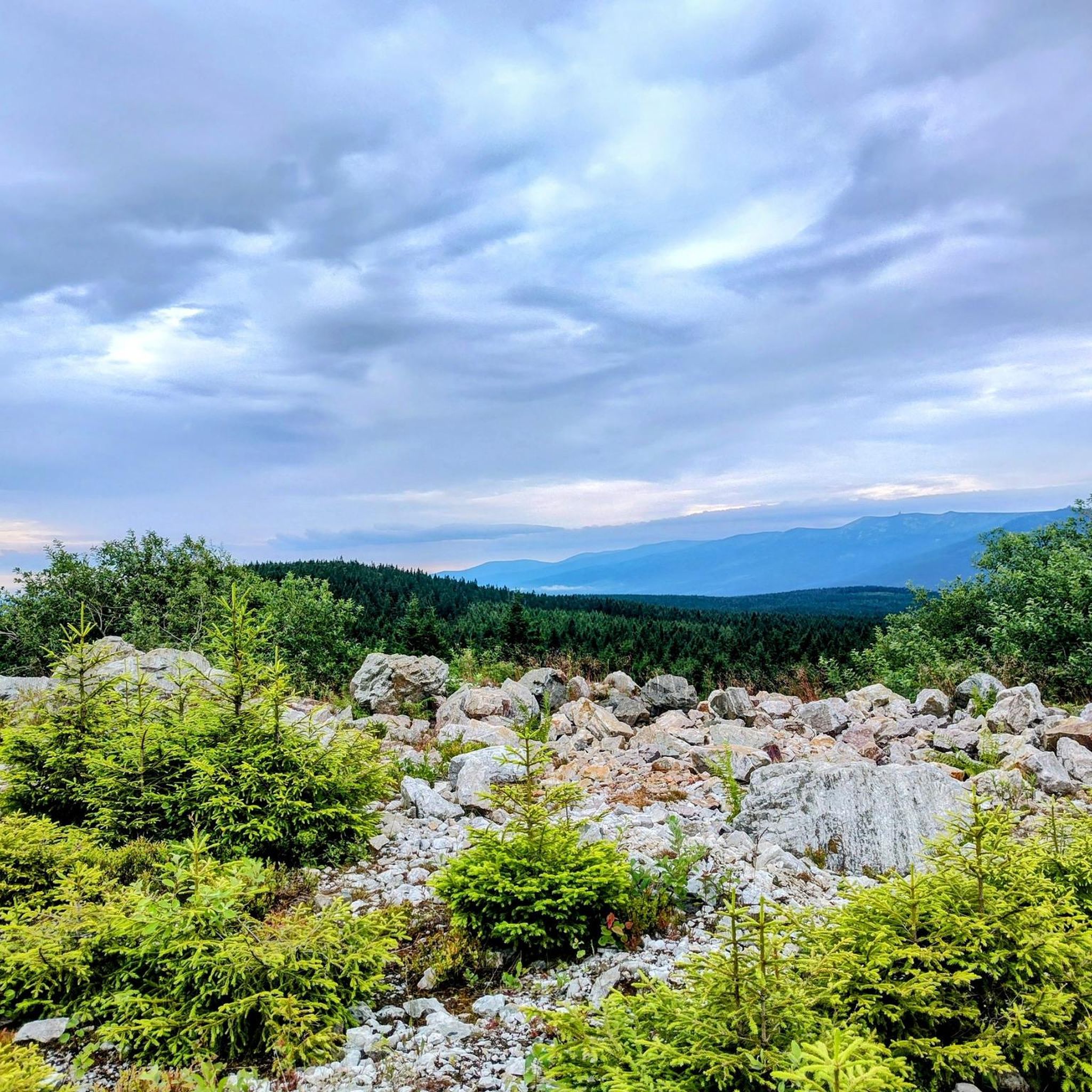
Running Trails around powiat karkonoski
Mountain Hikes around powiat karkonoski
Gravel biking around powiat karkonoski
Other adventures around powiat karkonoski


Tips from the Community

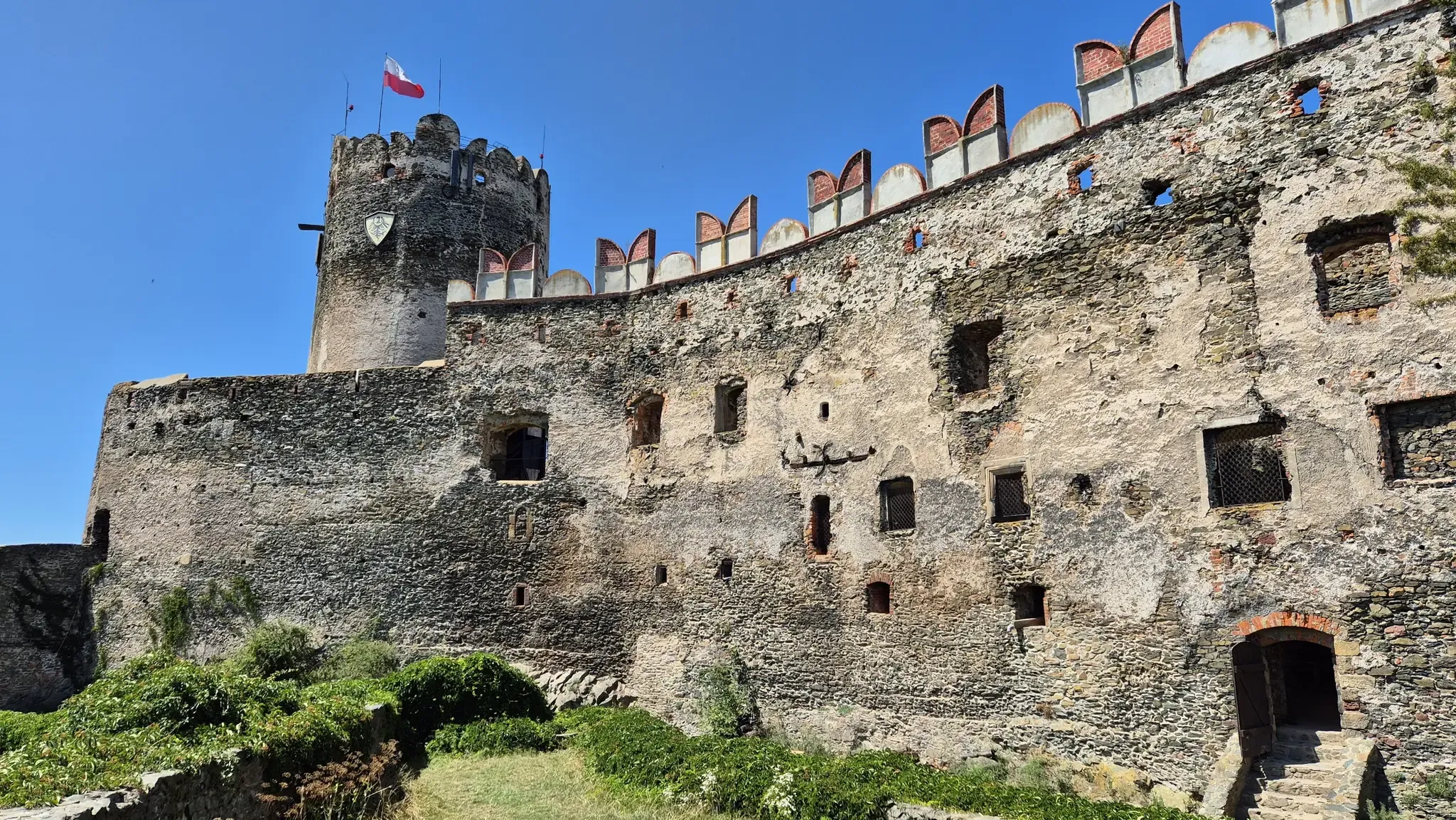
A fantastic castle built on solid rock, a beautiful site in any season. It commands respect for those who built it in the 14th century (yes, over 600 years ago!)
0
0


The Łomnica Dam...A semicircular dam with five spillways on the Łomnica River in Karpacz. The dam is constructed of granite blocks, with a crest approximately 105 meters long, and was built between 1910 and 1915. It has a nominal capacity of 540,000 m³. It was built following the catastrophic flood of 1897.
3
0
There are many walls left from the building itself, which together with the high rocks create a fairy-tale atmosphere. On the castle grounds you will also find stairs leading to the upper parts of the ruins. One of the places serves as a viewpoint, from which you can see the Sokoliki, characteristic of Rudawy.
0
0

A beautiful waterfall, which was created by damming the waters of the Łomnica River. There is something to see. It is not far from Łomnica, so it is easy to get there!
0
0

Frequently Asked Questions
What are some of the most popular natural monuments to visit in Powiat Karkonoski?
Some of the most popular natural monuments include the impressive Szklarka Waterfall, known for its wide, spiraling cascade, and the majestic Kamieńczyk Waterfall, the highest in the Sudetes. Visitors also frequently enjoy the serene beauty of Mały Staw (Little Pond) with the historic Samotnia Mountain Hut, and the unique Sunflower (Mittagsstein) Rock Formation, offering panoramic views.
Are there family-friendly natural monuments in Powiat Karkonoski?
Yes, several natural monuments are suitable for families. The Szklarka Waterfall is easily accessible with a wide path leading to a viewing platform, and it's even wheelchair accessible. The Kamieńczyk Waterfall and Wild Waterfall (Dziki Wodospad) also offer enjoyable experiences for families, often with well-maintained trails. The Dam on the Lomnica River is another family-friendly spot.
What unique geological features can I observe in the Karkonosze National Park?
The Karkonosze National Park is rich in unique geological formations. You can explore fascinating granite rock formations like Słonecznik (Sunflower), Pielgrzymy (Pilgrims), and Twarożnik (Curd Cheese), all sculpted into unusual shapes by natural weathering. The region also features impressive post-glacial cirques such as Śnieżne Kotły, Kocioł Łomniczki, Kocioł Małego Stawu, and Kocioł Wielkiego Stawu, which host mountain lakes and unique flora.
What kind of outdoor activities can I do near the natural monuments?
Powiat Karkonoski offers a wide range of outdoor activities. You can find numerous hiking trails, from easy walks to more challenging routes, often leading to waterfalls, rock formations, and mountain huts. Cycling and running are also popular. For detailed routes, you can explore guides like Easy hikes around powiat karkonoski, Cycling around powiat karkonoski, and Running Trails around powiat karkonoski.
Are there any historical sites or man-made monuments near the natural attractions?
Yes, the region blends natural beauty with historical elements. You can visit the Bolczów Castle Ruins, a remarkable 14th-century castle integrated into granite rock formations, offering historical insights and great views. The Wysoki Kamień Observation Tower also provides panoramic views from a man-made structure amidst natural surroundings.
What is the highest peak in the Karkonosze Mountains and how can I visit it?
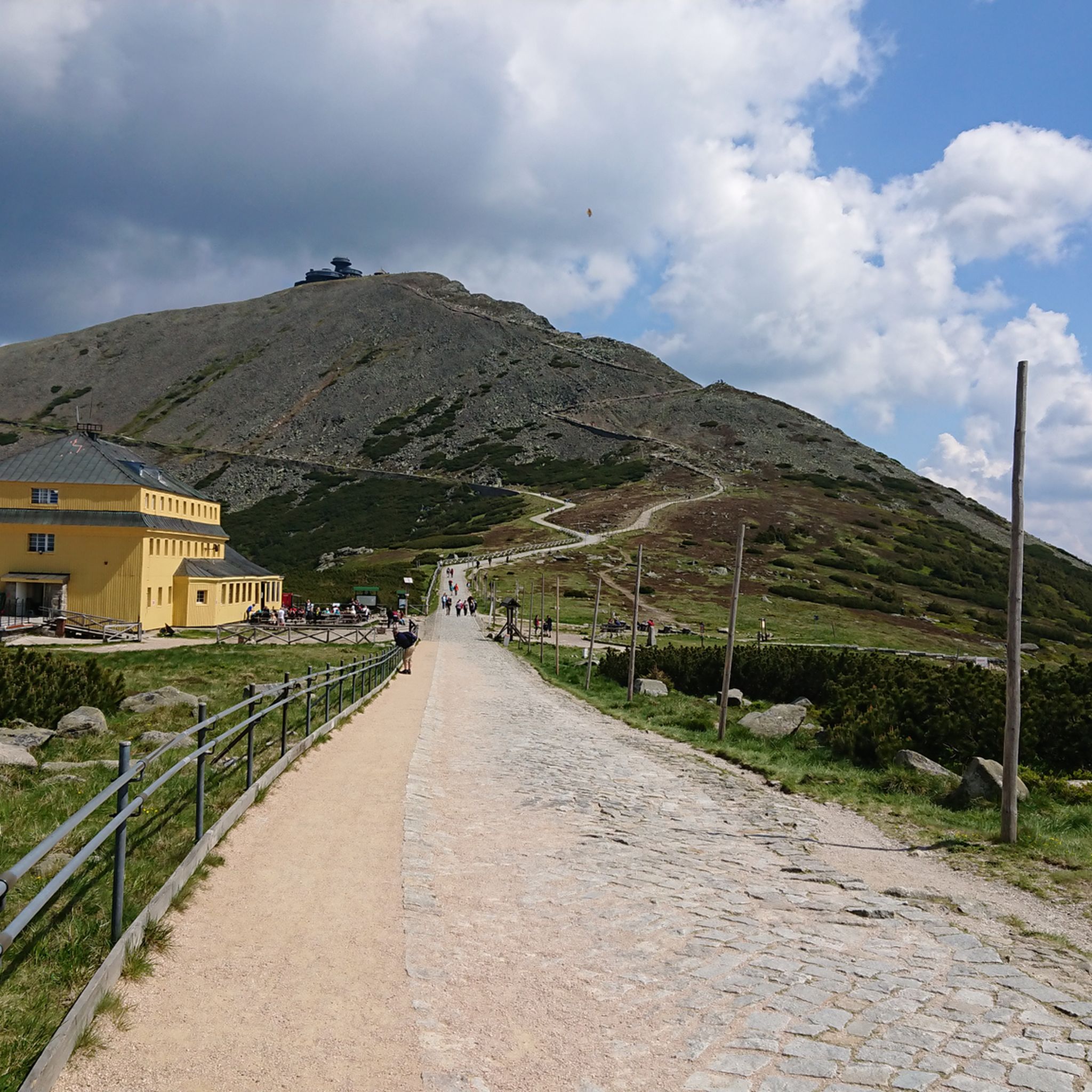
The highest peak in the Karkonosze Mountains and the entire Sudetes is Śnieżka Mountain, standing at 1,603 meters above sea level. It offers breathtaking panoramic views. Several hiking trails lead to its summit, including routes through the picturesque Łomniczka Cirque. The distinct observatory at the top is also a notable feature.
Where can I find unique plant and animal life in the region?
The Karkonosze National Park is a haven for unique ecosystems. The post-glacial cirques, such as Kocioł Małego Stawu and Kocioł Wielkiego Stawu, are important protected areas known for their unique flora, including relict plant species from the ice age and endemic varieties. The Torfowisko Upy (Upy Peat Bog) is a subarctic peat bog protected by the Ramsar Convention, significant for its rare plants and animals.
Are there any natural monuments accessible for people with disabilities?
Yes, the Szklarka Waterfall is noted for its accessibility. A wide path leads from the car park directly to a viewing platform, making it accessible for visitors using wheelchairs. This allows everyone to enjoy the refreshing natural spectacle of the waterfall.
What do visitors enjoy most about the natural monuments in Powiat Karkonoski?
Visitors frequently praise the stunning natural beauty and diverse landscapes. Many highlight the impressive waterfalls like Kamieńczyk Waterfall and Szklarka Waterfall, the unique granite rock formations such as Sunflower (Mittagsstein), and the serene mountain lakes like Mały Staw. The panoramic views from various viewpoints and the opportunity for peaceful hikes are also highly appreciated.
Are there any notable monumental trees in the Jelenia Góra area?
Yes, the city of Jelenia Góra, particularly in areas like Sobieszów, is home to several protected monumental trees. These include an old white willow at Żabia 7, considered one of Poland's oldest, and a 300-year-old pedunculate oak in Jelenia Góra Czarne. Other impressive specimens include a silver maple, a common maple, a white horse chestnut, a ginkgo biloba, and a purple beech, all notable for their size, age, and historical significance.
What is the best time of year to visit the natural monuments in Powiat Karkonoski?
The best time to visit largely depends on your preferred activities. Spring and summer offer lush greenery, full waterfalls, and ideal conditions for hiking. Autumn brings vibrant fall foliage, creating picturesque landscapes. Winter transforms the Karkonosze into a snowy wonderland, suitable for winter hiking, though some higher trails might be more challenging or require specific gear.
Are there any mountain huts or places to eat near the natural monuments?
Yes, you'll find mountain huts that offer refreshments and accommodation. The Samotnia Mountain Hut, located by Mały Staw, is a popular and scenic spot. Near Szklarka Waterfall, there is the 'Kochanówka' hostel. These huts often provide a welcome break for hikers and offer local cuisine.
Most popular routes around powiat karkonoski
Most popular attractions around powiat karkonoski

Get inspired with the komoot mobile app


Didn’t find what you were looking for?
Find even more amazing natural monuments around powiat karkonoski by checking out the top Highlights region by region:
Explore more
Extend your search for the best caves by checking out these guides of the top ones around powiat karkonoski:
