Top 18 Natural Monuments around Kraków
Best natural monuments around Kraków include a diverse range of geological features and green spaces. The city, situated on the Vistula River, is surrounded by varied terrain, from ancient mounds to limestone formations. These areas offer opportunities for outdoor activities and provide natural retreats within and near the urban environment. The region's natural landscape complements its historical and cultural significance, making it a destination for both urban exploration and nature discovery.
Best natural monuments around Kraków
- The most popular natural monuments is Lake Zakrzówek, a lake that offers great views from its western shore. This former limestone quarry features turquoise waters and dramatic cliffside scenery, making it a distinctive recreational area.
- Another must-see spot is Piłsudski Mound, a man-made monument and natural monument. From its peak, visitors can enjoy a wide panorama of the city and surrounding mountain ranges.
- Visitors also love Planty Park in Kraków, a forest and natural monument. This 4-kilometer-long green belt encircles the Old Town, providing a serene escape with beautifully maintained gardens and mature trees.
- Kraków is known for its diverse natural monuments, including city parks, expansive forests, and unique limestone formations. These sites offer a variety of experiences, from leisurely strolls to more active hiking routes.
- The natural monuments around Kraków are appreciated by the komoot community, with more than 100 upvotes and 6 photos shared by users.
Last updated: August 9, 2026
Piłsudski Mound
Highlight • Monument
Translated by Google •
Tip by

Planty Park in Kraków
Highlight • Forest
The Planty Park was built on the site of the fortifications surrounding the city: the defensive walls (demolished at the beginning of the 19th century) and the moat and earth embankments on their foreground. It was a boggy and neglected area, serving as a garbage dump and sewage outlet. In 1820, a decision was made to create "city gardens" in this area, i.e. a plant - hence the name Planty (from splintering, that is, leveling the rubble). However, the inhabitants of Kraków used the name Plantacye or Plantacje [2] for a very long time; the park was also called "city walks". The main initiator of this idea and the creator of the measurements and plans was Feliks Radwański. After his death in 1826, Florian Straszewski took over the management of the works, who in 1830 established a foundation intended for the maintenance of the Planty.
The initial works consisted in leveling the area and filling the moat with fertilized soil. The Barbican remained within the park that was being created. In the next stage, the area was planted with trees.
pl.wikipedia.org/wiki/Planty_(Krak%C3%B3w)
Translated by Google •
Tip by

Sign up now to discover places like this
Get recommendations on the best single tracks, peaks, & plenty of other exciting outdoor places.
Sign up for free
Krakus Mound
Highlight • Viewpoint
In any case, it is a fact that you have a wonderful panoramic view of Kraków and the surrounding area.
Translated by Google •
Tip by
Kowadza Glade in Bielańsko-Tyniecki Landscape Park
Highlight • Natural Monument
Translated by Google •
Tip by
View of the swimming area in Zakrzówek Park
Highlight • Viewpoint
For the youngest, there are 40 cm deep paddling pools, and for the experienced and older, pools up to 3.5 meters deep. And of course, those views of crystal clear waters after the flooding of the former limestone quarry.
Translated by Google •
Tip by

Dragon's Den
Highlight • Cave
Translated by Google •
Tip by

Limestone Quarry, Bielańsko-Tyniecki Landscape Park
Highlight (Segment) • Natural Monument
This quarry is located in the Bielańsko-Tyniecki Landscape Park just outside the city of Kraków.
The unique landscape of the Vistula Valley, the limestone cliffs that are best seen in this quarry, as well as the exceptional cultural value of the areas in Kraków and west of it, led to the creation of a landscape park in this area in 1981.
Translated by Google •
Tip by
Lake Zakrzówek
Highlight • Lake
Translated by Google •
Tip by
Panieńskie Skały Nature Reserve
Highlight • Natural Monument
Translated by Google •
Tip by
Skołczanka Nature Reserve Forest Trail
Highlight (Segment) • Forest
Translated by Google •
Tip by

Sign up for free to discover even more natural monuments around Kraków.
Sign up for free
Already have an account?
Start today with a free account
Your next adventure awaits.
Login or Signup

Other adventures around Kraków

Tips from the Community

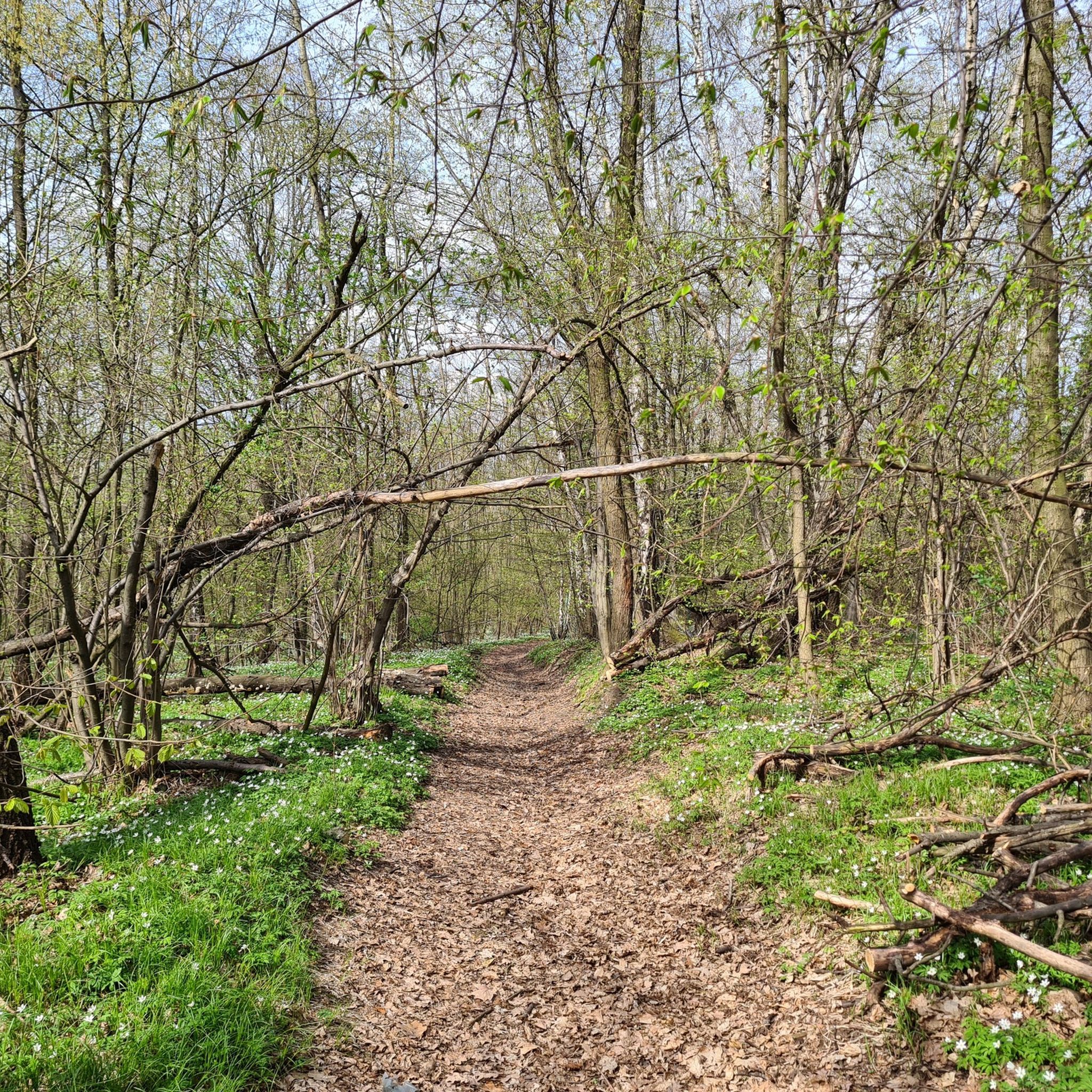
Calmly, even on hot days, many trails in the forest are in the shade.
0
0

Now part of the Collection https://www.komoot.com/de-de/collection/3600632/-naturdenkmaeler-besondere-baeume-und-weitere-schaetze-der-natur
1
0
Now part of the Collection https://www.komoot.com/de-de/collection/3600632/-naturdenkmaeler-besondere-baeume-und-weitere-schaetze-der-natur
1
1

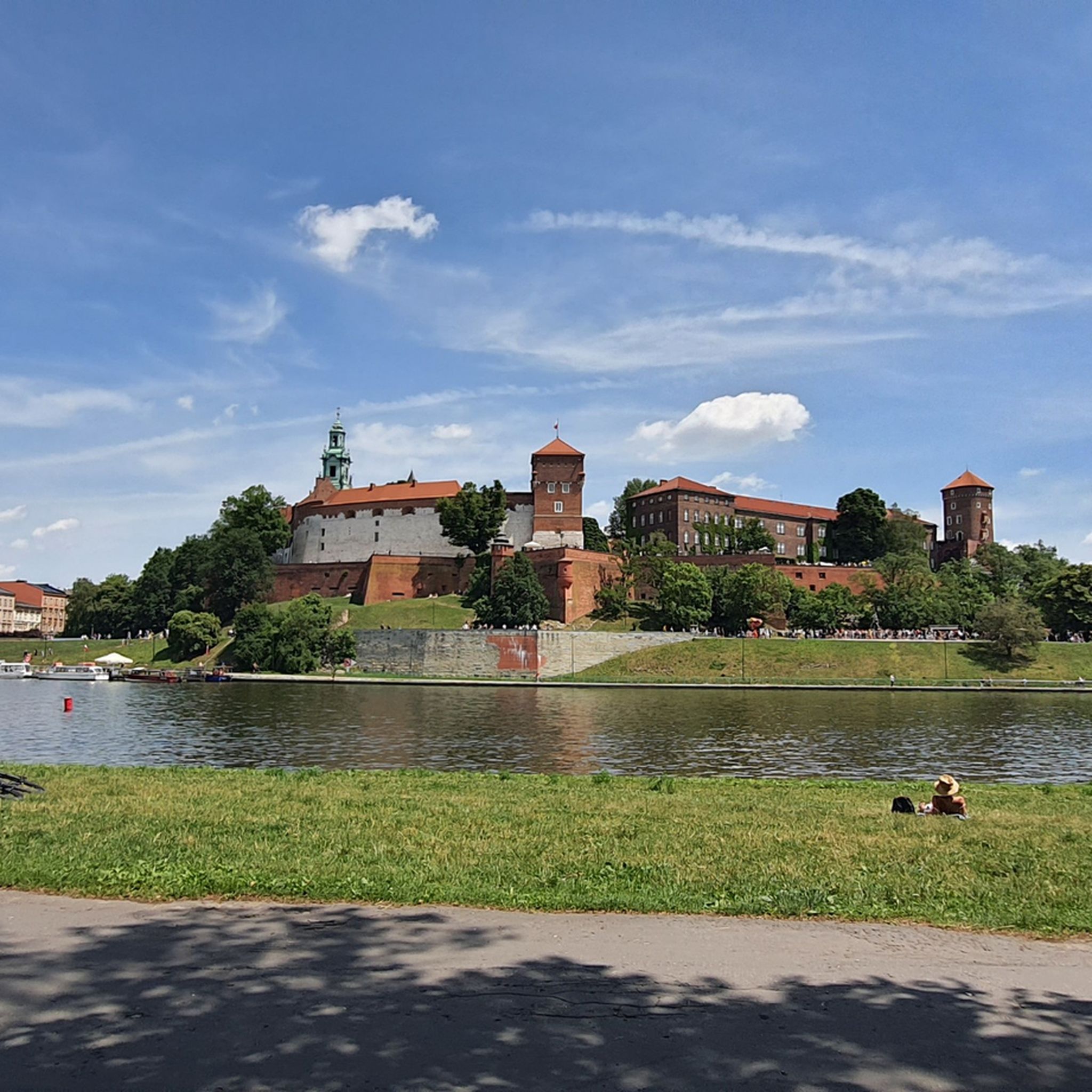
You can also start from Wawel or Salwator.
0
0
Historic Mounds. Kościuszko Mound is right next to the route. Piłsudski Mound, which is accessible only by bike. Along the way, there's the Zoo and Sikornik Mountain with a beautiful view. You can also start from Wawel Castle or Salwator.
0
0

The lake is easily accessible by tram (Norymberska station). Approaching the lake from the tram, you'll experience a wow factor: the view of the lake, the steep cliffs, and the floating bathing platforms are simply impressive. Kraków has truly created something special for its residents here.
2
0

Here you can only see the exit of the dragon's cave.
2
1

An extraordinary and unusual view from here of the bathing area on Zakrzówek Reservoir - a popular place, as you can easily imagine, for the residents of Krakow (they are lucky!). For the youngest, there are 40 cm deep paddling pools, and for the experienced and older, pools up to 3.5 meters deep. And of course, those views of crystal clear waters after the flooding of the former limestone quarry.
3
0
Frequently Asked Questions
What kind of outdoor activities can I enjoy near Kraków's natural monuments?
The natural monuments around Kraków offer a variety of outdoor activities. You can find numerous trails for hiking, including easy loops like the Zakrzówek Park Loop. For those who prefer cycling, there are extensive cycling routes, such as the Velo Huta - Large Loop or scenic paths along the Vistula River. Additionally, areas like Las Wolski provide opportunities for running and horse-riding. Ojców National Park, a short drive from the city, is a paradise for hikers with its dramatic limestone formations and caves.
Are there natural monuments around Kraków suitable for families?
Yes, many natural monuments in and around Kraków are family-friendly. Planty Park in Kraków offers a safe and pleasant environment for leisurely strolls. The Piłsudski Mound and Krakus Mound provide easy walks with rewarding panoramic views. The Dragon's Den at Wawel Hill is also a popular attraction for children. Ojców National Park features accessible trails and intriguing caves like Łokietek Cave, perfect for an adventurous family day out.
What unique geological features can be found among Kraków's natural monuments?
Kraków's natural monuments boast diverse geological features. The Lake Zakrzówek is a flooded former limestone quarry with stunning turquoise waters and dramatic 30-meter high cliffs. Ojców National Park is renowned for its picturesque Prądnik Valley, featuring impressive limestone rock formations like the Kraków Gate and the distinctive Hercules' Club. Wawel Hill itself is a significant Jurassic limestone formation, housing the legendary Dragon's Den cave.
Which natural monuments offer the best panoramic views of Kraków?
For breathtaking panoramic views of Kraków and its surroundings, consider visiting the city's historic mounds. The Piłsudski Mound, the highest in Kraków, offers a wide panorama of the city and distant mountain ranges. The Krakus Mound also provides excellent views, particularly at sunset. Additionally, the Benedictine Abbey in Tyniec, perched on a limestone cliff, offers stunning vistas of the Vistula River and the countryside.
Are there any natural monuments in Kraków that are wheelchair accessible?
Yes, Planty Park in Kraków is noted as being wheelchair accessible. This 4-kilometer-long green belt encircles the Old Town with well-maintained pathways, making it suitable for visitors using wheelchairs to enjoy a serene escape amidst gardens and mature trees.
What is the best time of year to visit the natural monuments around Kraków?
The best time to visit the natural monuments around Kraków is generally from spring to early autumn (April to October). During these months, the weather is pleasant for outdoor activities like hiking and cycling. Autumn, in particular, offers beautiful foliage in areas like Las Wolski and Ojców National Park. While some sites are accessible year-round, winter can bring snow and colder temperatures, which might limit access or make some trails more challenging.
What can I expect to see at Ojców National Park?
Ojców National Park, located just 16 kilometers from Kraków, is a small but incredibly diverse park. You can expect to see dramatic limestone rock formations, deep gorges, and over 400 caves, including the famous Łokietek Cave and the archaeological site of Ciemna Cave. Iconic formations include the Kraków Gate and the gravity-defying Hercules' Club. The park also boasts rich flora and fauna, with 19 species of bats, making it a haven for nature lovers and hikers.
Are there any nature reserves near Kraków worth visiting?
Yes, the Panieńskie Skały Nature Reserve is a notable natural monument near Kraków. This reserve, covering 6.41 hectares, is dedicated to preserving a unique limestone forest, the only one of its kind close to Kraków. It's a beautiful place for a walk, offering interesting rock formations and educational information about its ecological significance.
What do visitors enjoy most about the natural monuments around Kraków?
Visitors particularly enjoy the blend of natural beauty and accessibility. Many appreciate the stunning views from places like Piłsudski Mound and the unique turquoise waters of Lake Zakrzówek. The serene escape offered by Planty Park and the active opportunities in Las Wolski are also highly valued. The historical context combined with natural landscapes, such as at Wawel Hill and the ancient mounds, adds another layer of appeal.
Can I find natural monuments that combine nature with historical significance?
Absolutely. Kraków is rich in sites where nature and history intertwine. Wawel Hill, while famous for its castle, is a significant natural limestone formation housing the legendary Dragon's Den. The Krakus Mound is an ancient pagan ritual site offering panoramic views. Ojców National Park not only showcases dramatic geology but also features historical caves like Łokietek Cave, steeped in local legends, and archaeological sites like Ciemna Cave.
Are there any natural monuments suitable for swimming or water activities?
Yes, Lake Zakrzówek is a popular spot for swimming and enjoying water activities. This former limestone quarry features stunning turquoise waters and newly developed floating pools of varying depths, giving it a unique 'Little Croatia' feel. It's an ideal place for a refreshing dip and sunbathing close to the city center.
Where can I find a peaceful forest retreat near Kraków?
Las Wolski, located in the western part of Kraków, is a large, protected forest area that serves as an excellent peaceful retreat. It features diverse terrain with deeply carved gorges and 32 types of trees, offering well-marked hiking trails, cycling paths, and horse-riding routes. It's an ideal destination for those seeking an active escape from the city with high landscape values.
Most popular routes around Kraków
Most popular attractions around Kraków

Get inspired with the komoot mobile app


Didn’t find what you were looking for?
Find even more amazing natural monuments around Kraków by checking out the top Highlights region by region:
Explore more
Extend your search for the best caves by checking out these guides of the top ones around Kraków:
