Top 13 Natural Monuments around Dún Laoghaire–Rathdown
Best natural monuments around Dún Laoghaire–Rathdown include a variety of natural attractions offering diverse landscapes. This region, located south of Dublin, features prominent natural sites with unique features and scenic beauty. Visitors can explore areas with panoramic views, historical significance, and recreational opportunities. The natural landscape provides options for hiking, coastal walks, and enjoying natural features.
Best natural monuments around Dún Laoghaire–Rathdown
- The most popular natural monuments is Killiney Hill and the Obelisk, a viewpoint that offers panoramic views over Killiney Bay, the Irish Sea, and on clear days, the coast of Wales, Bray Head, and the Wicklow Mountains. The park features lush vegetation and hiking trails.
- Another must-see spot is Two Rock Mountain (Fairy Castle) — Summit, a summit known for its views over Dublin, the Wicklow Mountains, and the Irish Sea. This area features an ancient Neolithic cairn, over 4,000 years old, adding historical significance to the natural landscape.
- Visitors also love Prince William's Seat, a summit offering views north to Dublin and south to Wicklow. This natural monument is located on the border of the Dublin and Wicklow mountains.
- Dún Laoghaire–Rathdown is known for summits, viewpoints, and historical sites. The region offers a variety of natural monuments to see and explore, including forests and rivers.
- The natural monuments around Dún Laoghaire–Rathdown are appreciated by the komoot community, with 126 upvotes and 88 photos shared across 14 highlights.
Last updated: October 2, 2026
Two Rock Mountain (Fairy Castle) — Summit
Highlight • Summit
Tip by

Killiney Hill and the Obelisk
Highlight • Viewpoint
Tip by
Sign up now to discover places like this
Get recommendations on the best single tracks, peaks, & plenty of other exciting outdoor places.
Ballyedmonduff Wedge Tomb
Highlight • Historical Site
Translated by Google •
Tip by

Barnaslingan Wood
Highlight • Forest
Translated by Google •
Tip by

Bushy Park
Highlight • Forest
Tip by

Three Rock Mountain
Highlight • Summit
Forestry plantations of larch, pine and spruce blanket the mountain's slopes. At the top, you'll also spot lots of masts and towers that broadcast to Dublin.
Tip by

Prince William's Seat
Highlight • Summit
Tip by

Weir on the River Dodder Near Orwell Walk
Highlight • River
Tip by

View of The Scalp and Wicklow Mountains from Barnaslingan
Highlight • Viewpoint
Tip by
Tibradden Cairn
Highlight • Summit
Tip by
Sign up for free to discover even more natural monuments around Dún Laoghaire–Rathdown.
Already have an account?
Start today with a free account
Your next adventure awaits.
Popular around Dún Laoghaire–Rathdown
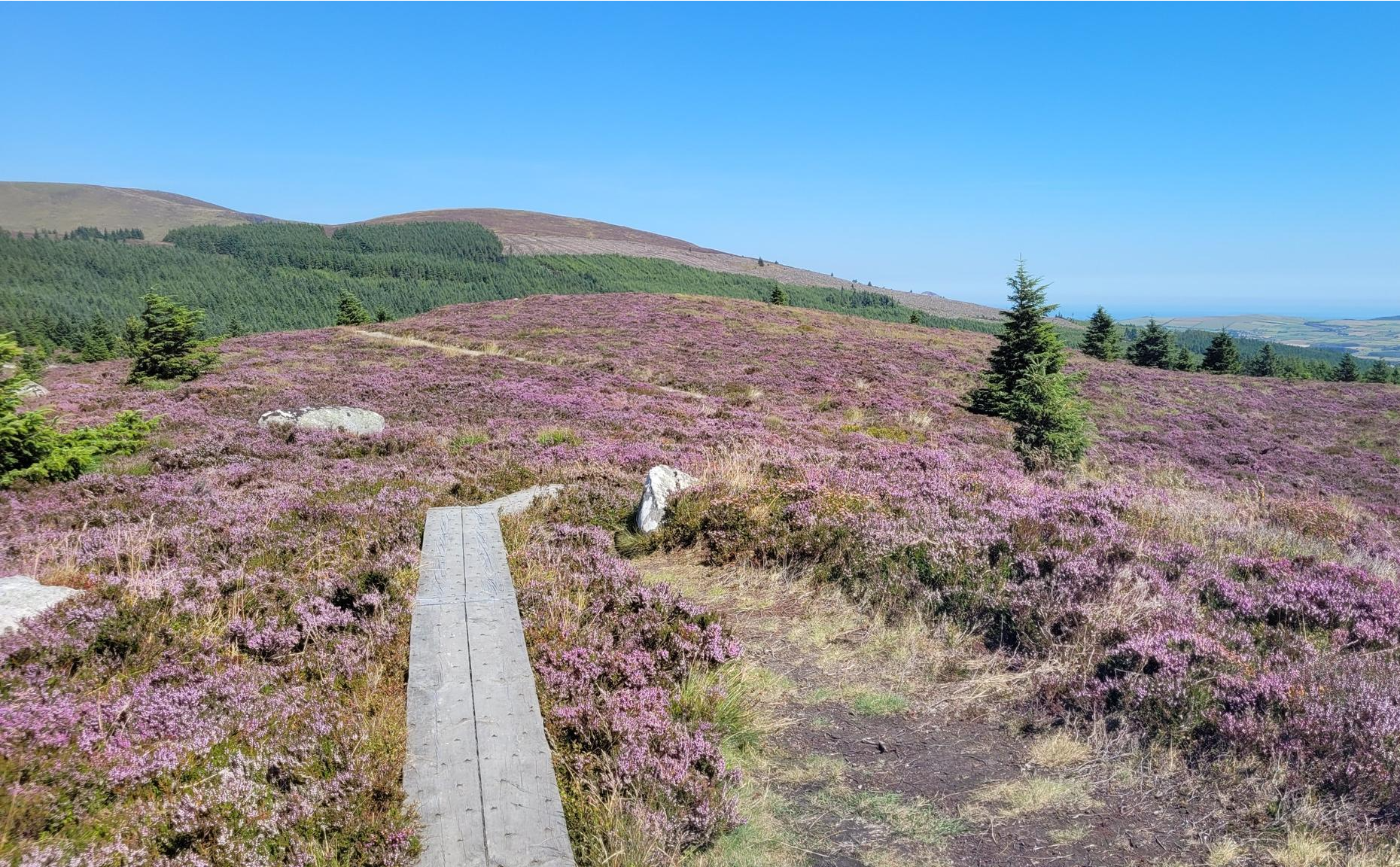
Running the Wicklow Way – From the city to the mountains
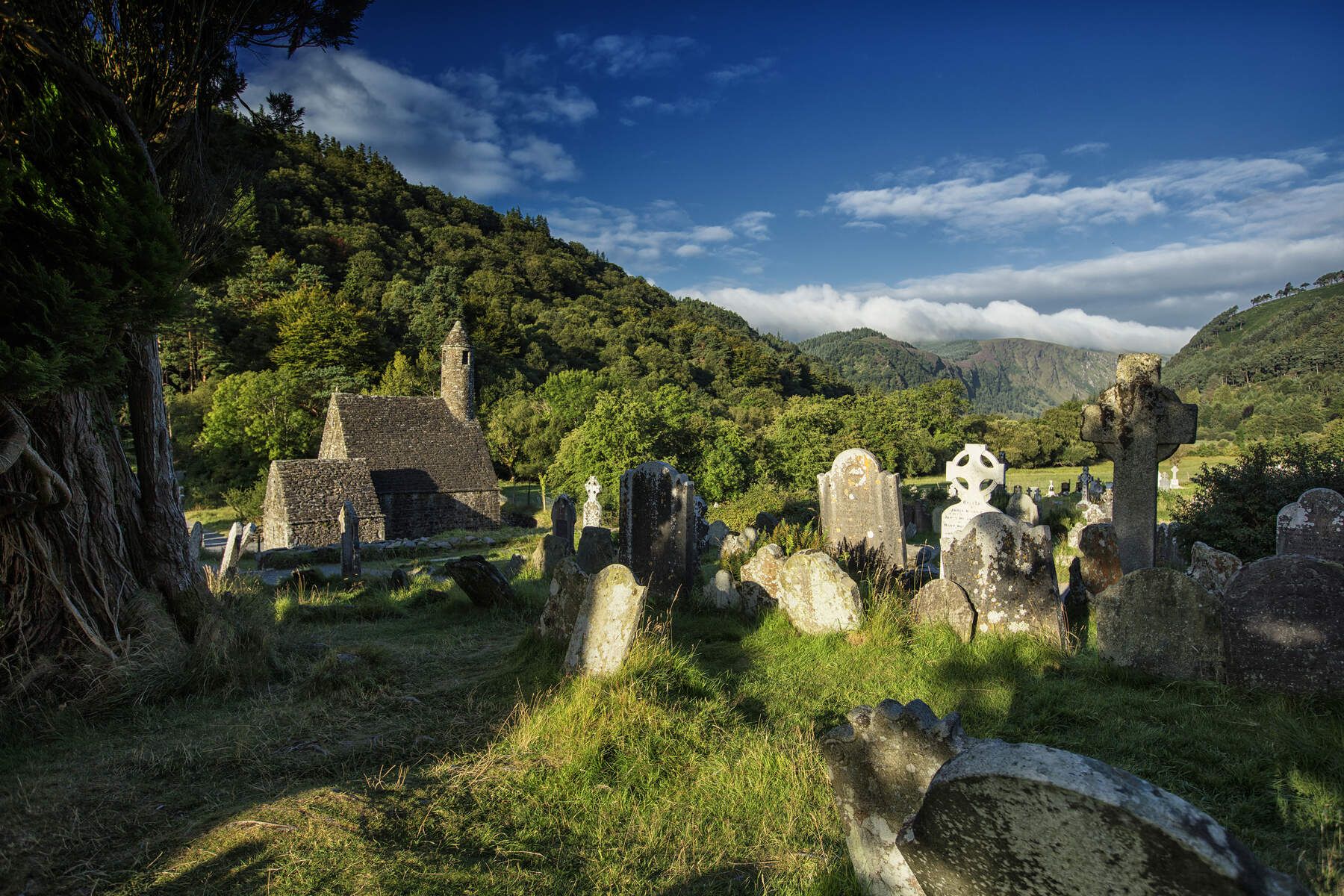
The Wicklow Way — discover Ireland's east
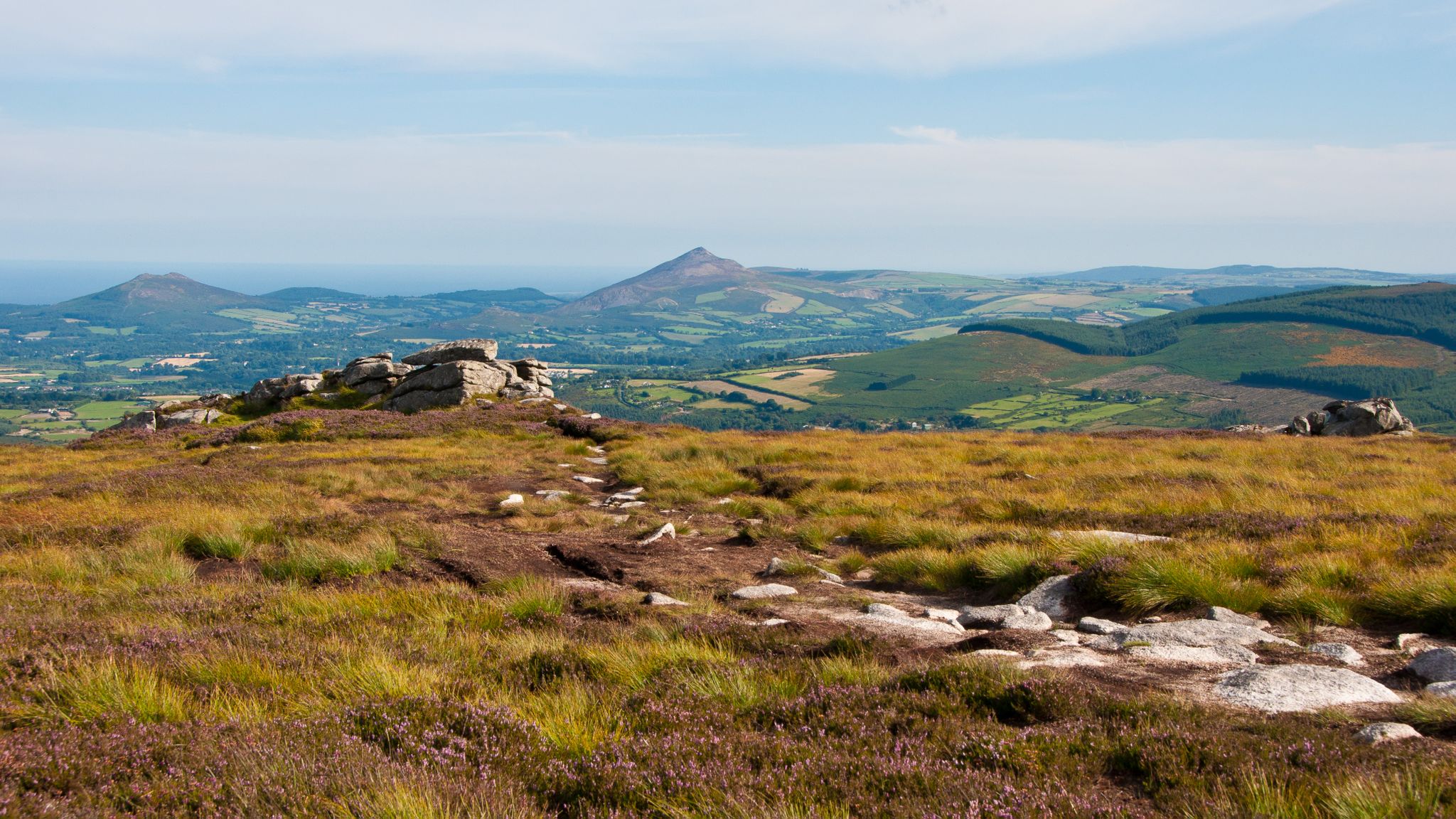
Dublin Mountains Way – hiking from city to summit
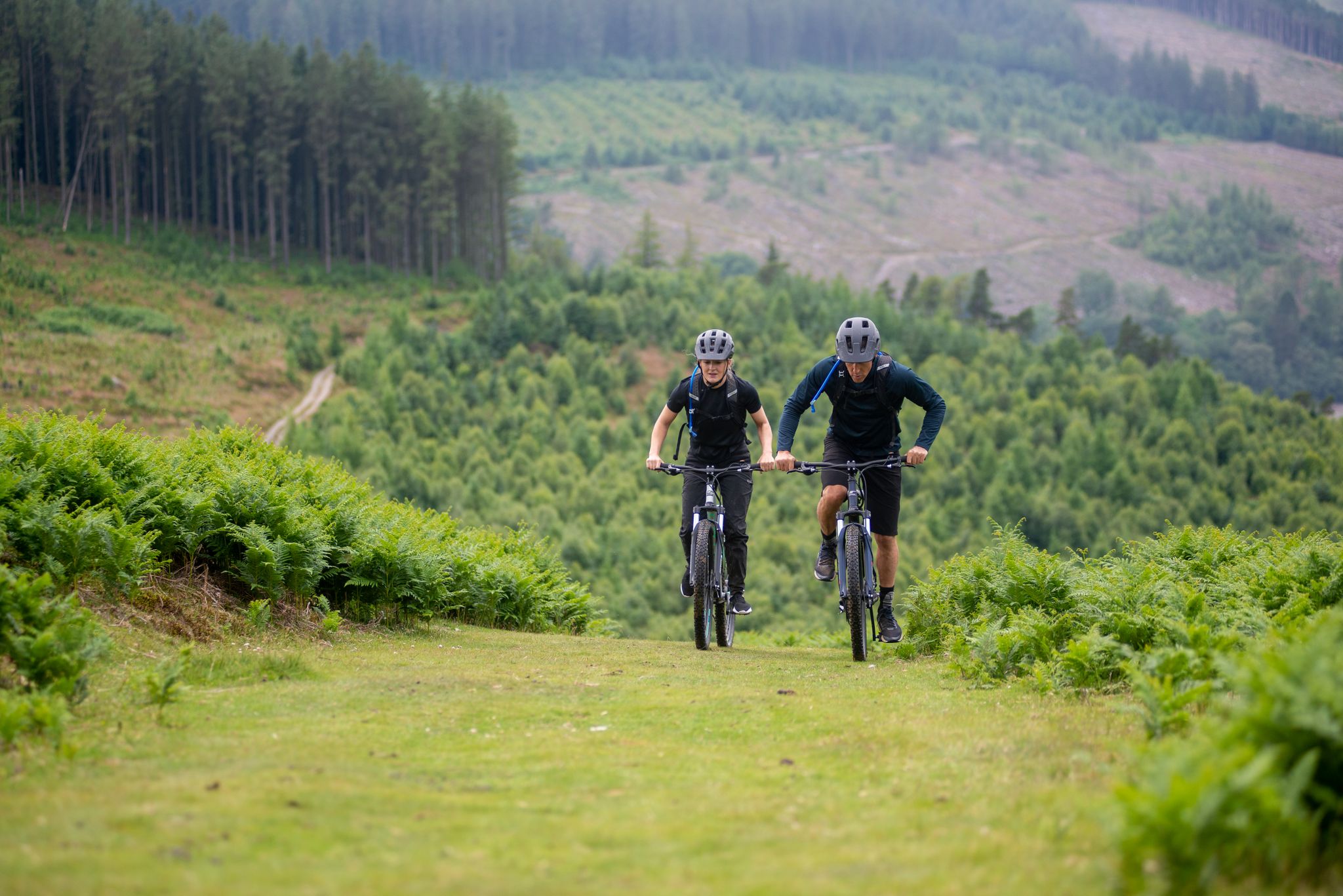
The Republic of Ireland and Northern Ireland – e-bike trials by Halfords
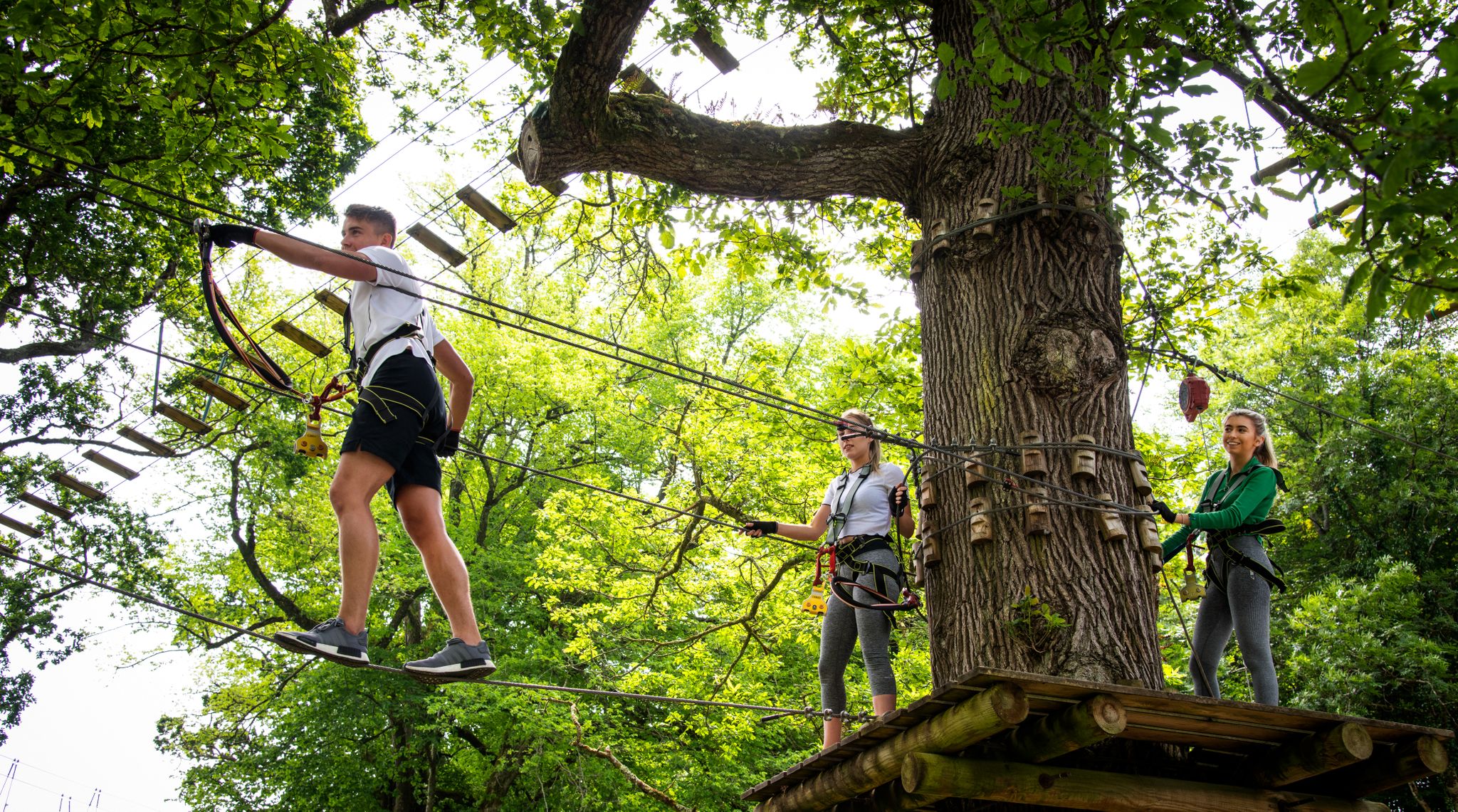
Awaken your spirit of discovery — family-friendly walks in Ireland
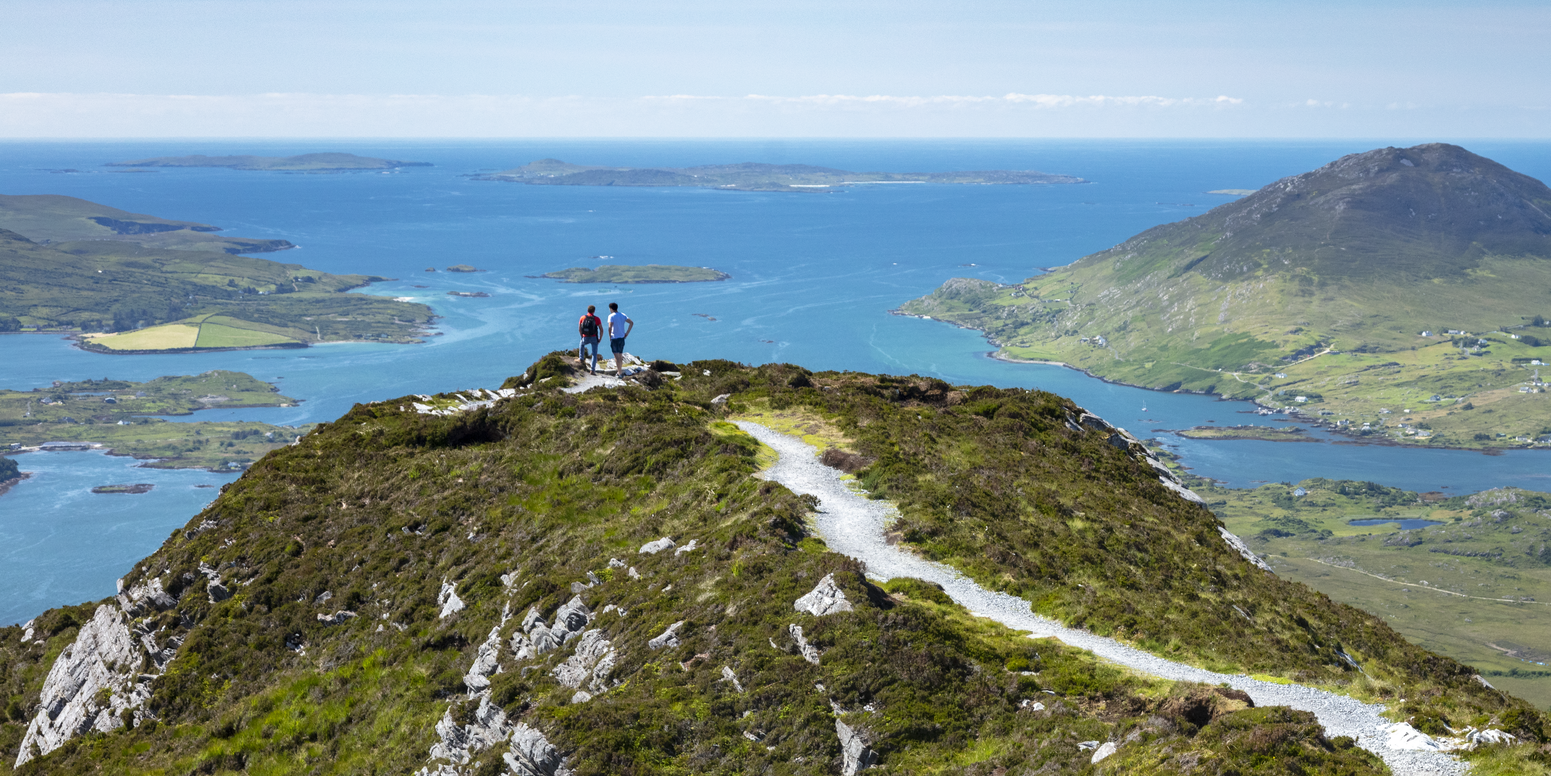
Between waves and peaks — to the best views in Ireland
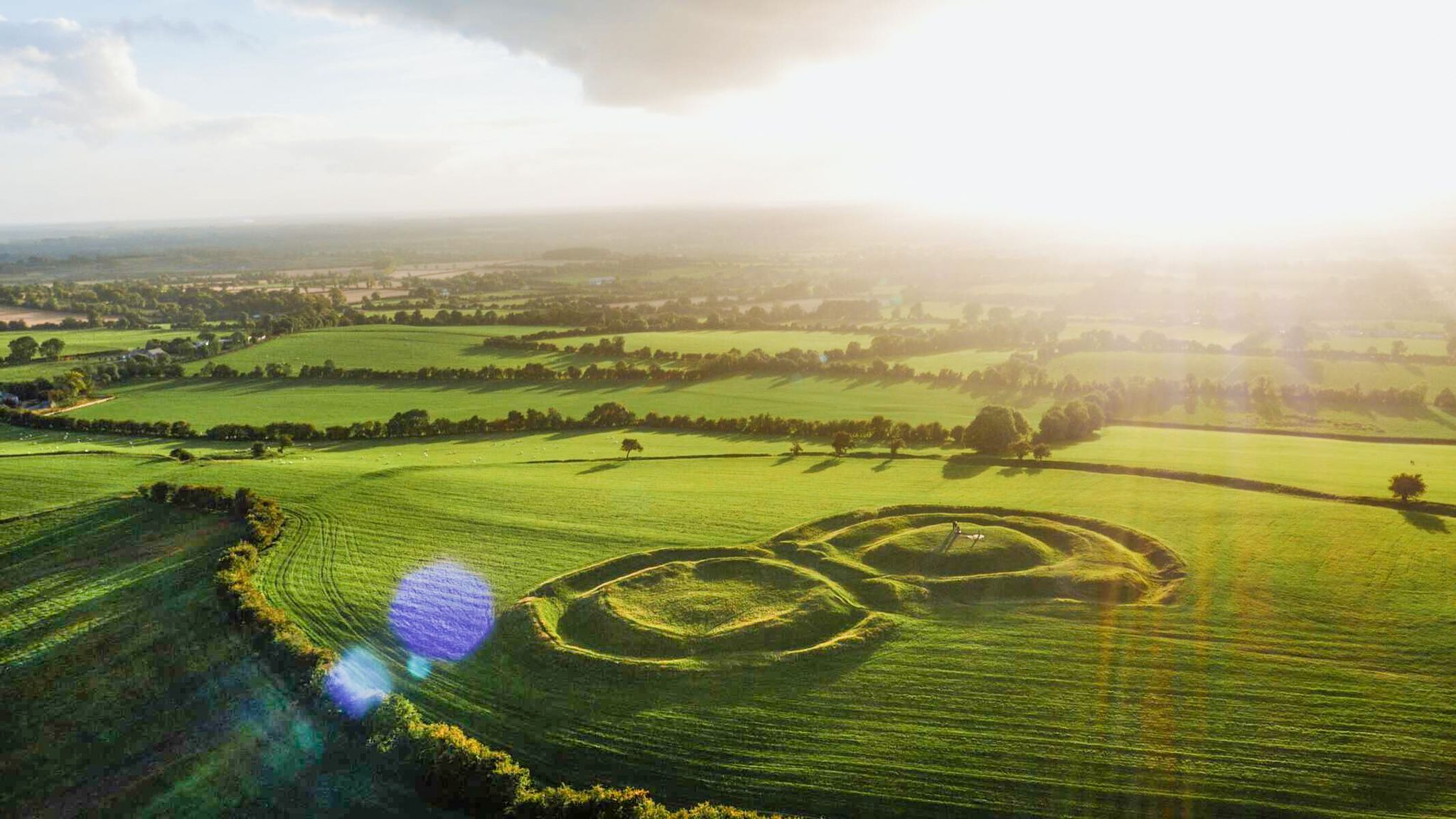
The magical east of Ireland – ancient places, scenic lakes and rocky mountains
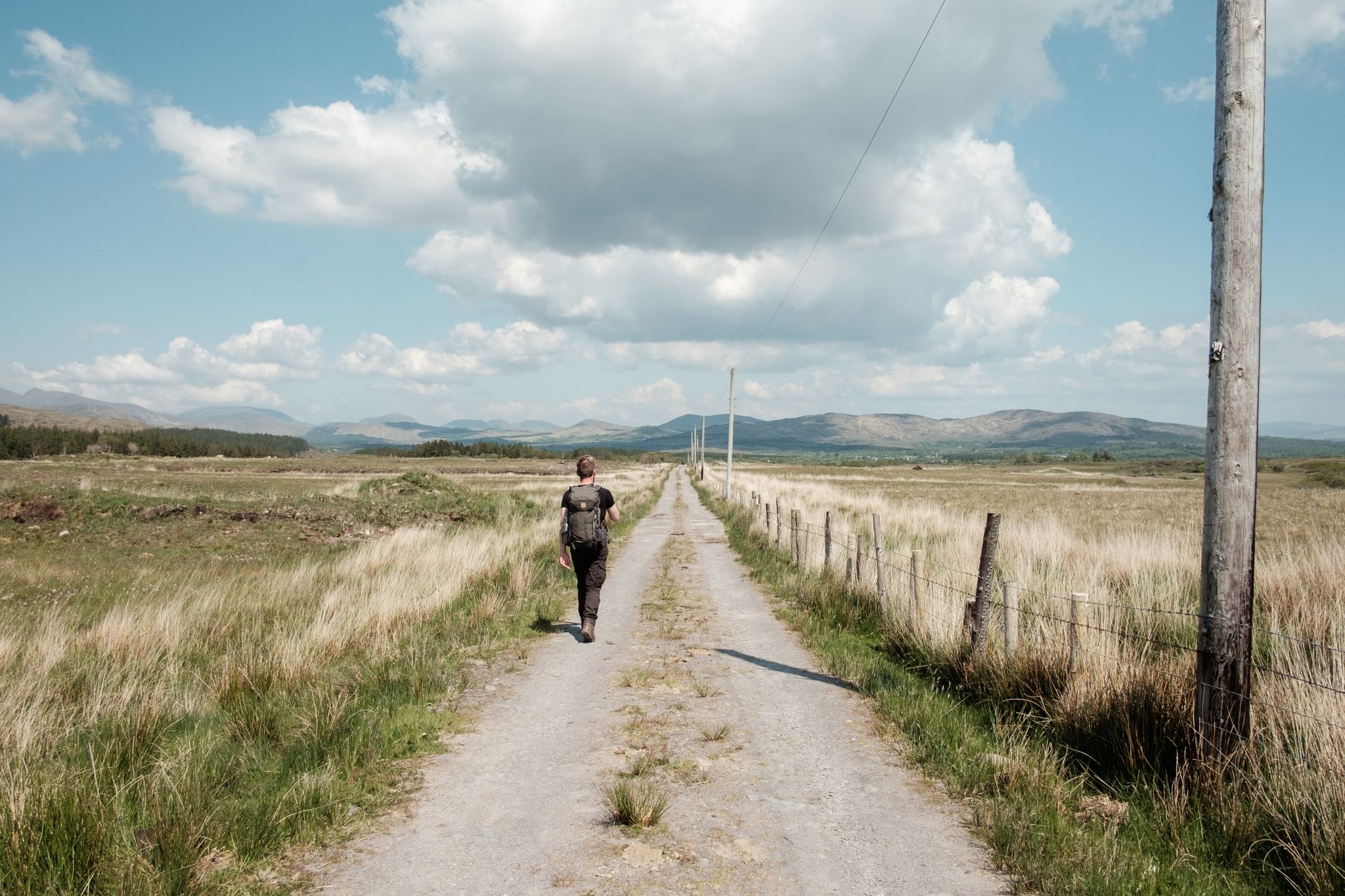
Irish wanderlust — 8 long-distance hiking trails on the Emerald Isle
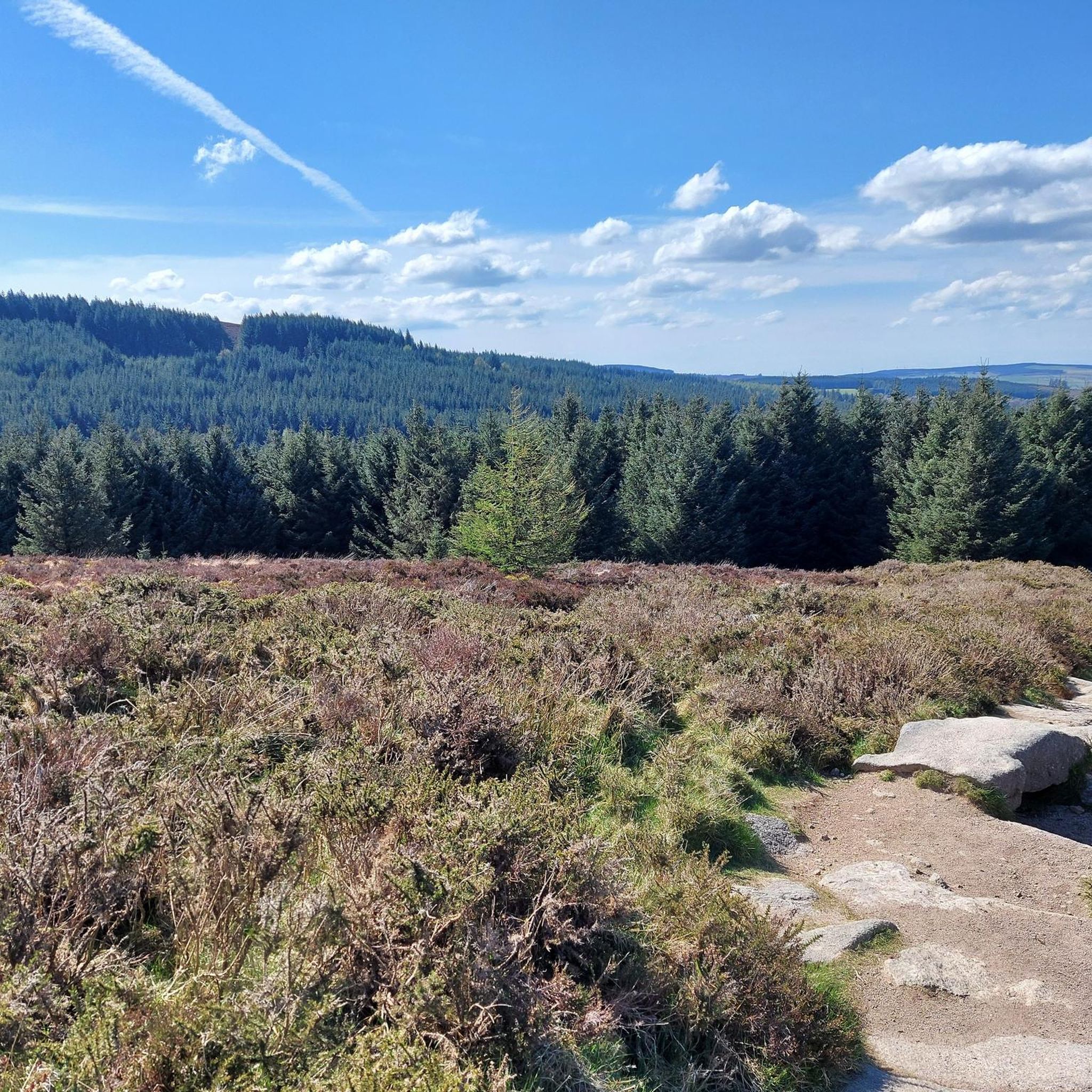
Hiking around Dún Laoghaire–Rathdown
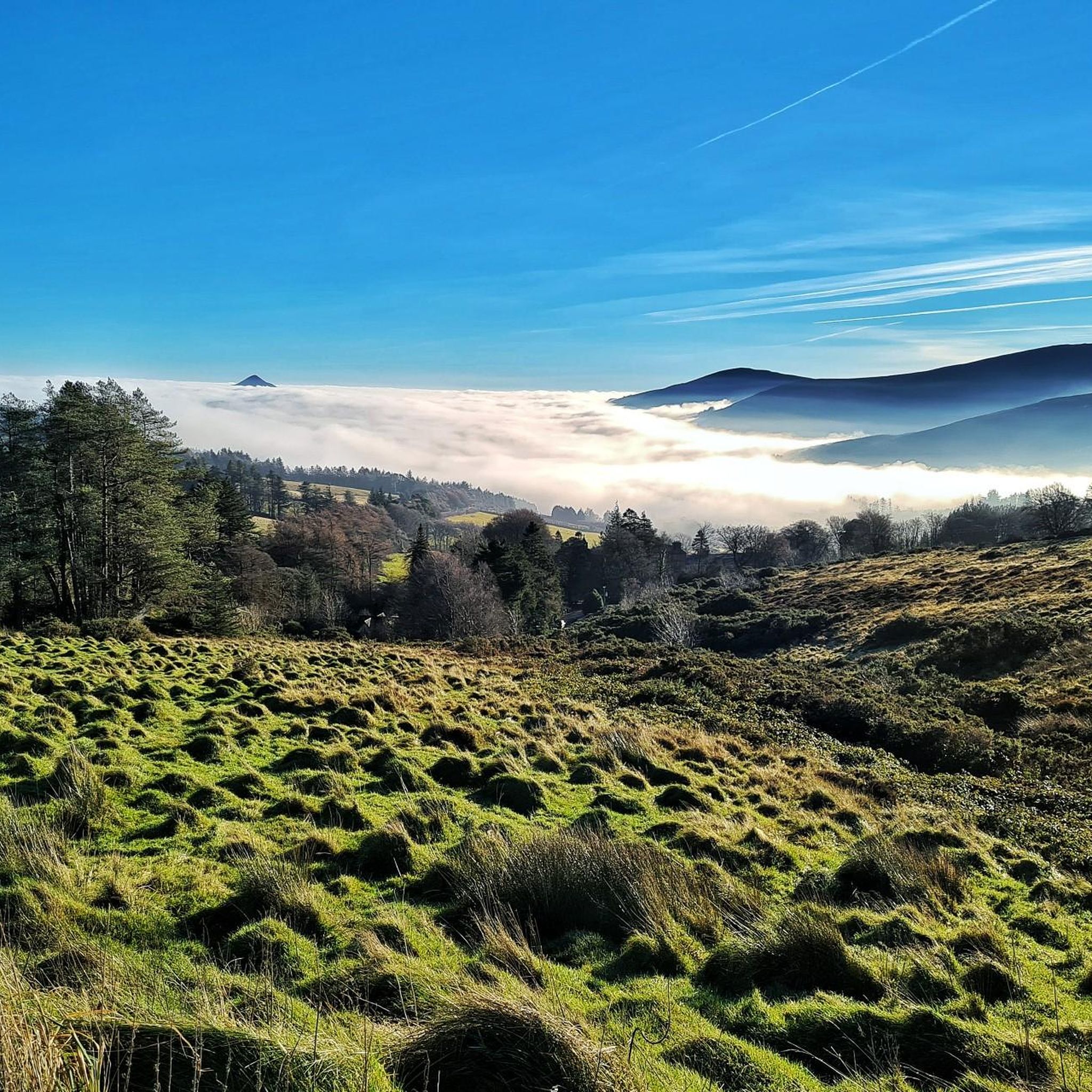
Road Cycling Routes around Dún Laoghaire–Rathdown
Other adventures around Dún Laoghaire–Rathdown


Tips from the Community

An area of parkland, lake and the River Dodder riverside in the south of Dublin. The park was the estate and gardens of Arthur Bushe in 1700. The estate was sold privately a couple of times before being sold to the Dublin Corporation in 1951. Today it's a free to enter park with sports facilities, and trails. Great for walking, cycling or the Saturday Parkrun.
1
0

Open face helmet or full face with removable chin, it will get warm.
0
0

Two Rock Mountain, often referred to as Fairy Castle, is a scenic located in the Dublin Mountains, offering an easy outdoor experience. Atop the hill, you'll find a distinctive pile of rocks marking the summit, from where you can enjoy breathtaking panoramic views. On a clear day, the vista stretches across the valley and the entire Dublin Bay, providing a truly stunning backdrop for hikers and nature lovers. The mountain is a popular spot along the Wicklow Way, attracting those who appreciate both the beauty of nature and a rewarding hike.
2
0
Barnaslingan Wood, located in the Dublin Mountains, is a serene and picturesque natural haven. The woodland offers a peaceful escape from the urban hustle, providing walking trails immersed in lush greenery. It's an ideal spot for nature enthusiasts, hikers, or anyone seeking a tranquil retreat near Dublin. The wood's diverse flora and fauna, coupled with well-maintained paths, make it a delightful destination for a refreshing outdoor experience.
0
0
The weir is a man-made structure designed to control water levels, prevent flooding, and ensure a consistent flow for various purposes. It's constructed with a series of barriers or gates that can be adjusted to manage the water's height and flow.
1
0
The Ballyedmonduff Wedge Tomb is a prehistoric burial monument located in the Dublin Mountains, not far from the Dublin Mountains Way (DMW). Wedge tombs are a type of megalithic tomb that were constructed during the Neolithic and early Bronze Age periods, roughly between 4000 and 2000 BCE. They are characterized by their wedge-shaped structures, typically consisting of a long, narrow chamber that narrows toward one end, resembling an upturned boat or wedge, hence the name. The Ballyedmonduff Wedge Tomb, like others of its kind, was likely used for burial purposes. It would have been a significant and sacred site for the communities that built it, reflecting their reverence for their deceased ancestors and their beliefs about the afterlife. While visiting, be sure to respect the site and follow any guidelines or restrictions in place to preserve this valuable piece of Ireland's past.
1
0
The Scalp is a narrow valley that originated around 12,000 years ago during the last ice age, shaped by glacial forces. The Scalp, is a chasm or cleft situated to the west of the summit, a deep natural gorge with towering and sloping walls on either side. Enormous granite boulders, some weighing several tons, have tumbled down, creating a chaotic jumble of rocks. The surroundings give the impression that these massive rocks are suspended in their descent, posing a constant threat of tumbling onto unsuspecting travelers.
2
0
At Barnaslingan Wood, don't miss the breathtaking viewing spot. Gaze southward to the majestic Wicklow Mountains and take in the sweeping vistas across the picturesque valley. It's a perfect vantage point to soak in the beauty of nature's masterpiece.
1
0
Frequently Asked Questions
What are some popular natural monuments for hiking in Dún Laoghaire–Rathdown?
For hiking, you can explore several natural monuments offering diverse trails and views. Killiney Hill and the Obelisk is a popular choice with easy walks and panoramic views. Another excellent option is Two Rock Mountain (Fairy Castle) — Summit, known for its views over Dublin and the Wicklow Mountains, featuring well-maintained trails. You can also find challenging routes around Three Rock Mountain, which offers wonderful views and forestry plantations.
Are there family-friendly natural monuments to visit in Dún Laoghaire–Rathdown?
Yes, several natural monuments are suitable for families. Killiney Hill and the Obelisk offers leisurely strolls and picnic spots. Barnaslingan Wood is another family-friendly option with trails through the forest. Additionally, Bushy Park provides a pleasant environment with forests, a lake, and even a waterfall, making it ideal for a family outing.
What kind of views can I expect from the natural monuments in Dún Laoghaire–Rathdown?
The natural monuments in Dún Laoghaire–Rathdown offer breathtaking panoramic views. From Killiney Hill and the Obelisk, you can see Killiney Bay, the Irish Sea, and on clear days, even the coast of Wales, Bray Head, and the Wicklow Mountains. Two Rock Mountain (Fairy Castle) — Summit provides expansive views over Dublin, the Wicklow Mountains, and the Irish Sea. For views north to Dublin and south to Wicklow, visit Prince William's Seat. You can also find scenic views south to the Wicklow Mountains and across 'The Scalp' from View of The Scalp and Wicklow Mountains from Barnaslingan.
Are there any historical natural monuments in the region?
Yes, the region combines natural beauty with historical significance. Two Rock Mountain (Fairy Castle) — Summit is home to an ancient Neolithic cairn, over 4,000 years old. You can also explore ancient burial sites like the Ballyedmonduff Wedge Tomb and the Kilmashogue Wedge Tomb, which are nestled within natural settings.
What natural features can I explore beyond viewpoints and summits?
Beyond the prominent viewpoints and summits, Dún Laoghaire–Rathdown offers diverse natural features. You can explore lush forests at Barnaslingan Wood and Bushy Park. The region also features rivers, such as the Weir on the River Dodder Near Orwell Walk, and coastal areas like Sandycove and Seapoint Beaches, known for their stunning scenery and sea swimming opportunities.
What outdoor activities can I do near these natural monuments?
The natural monuments in Dún Laoghaire–Rathdown are excellent starting points for various outdoor activities. You can find numerous hiking trails, including the 'Ticknock Forest loop via Fairy Castle' or the 'Dun Laoghaire, Dalkey, and Killiney loop walk'. For cycling, routes like the 'Coliemore Harbour loop from Dundrum' or the 'Three Rock Mountain loop' are popular. Running enthusiasts can enjoy trails such as the 'Dún Laoghaire to Killiney Hill running loop'. For more details on routes, explore the Hiking around Dún Laoghaire–Rathdown, Cycling around Dún Laoghaire–Rathdown, and Running Trails around Dún Laoghaire–Rathdown guides.
What is the best time of year to visit the natural monuments in Dún Laoghaire–Rathdown?
The natural monuments in Dún Laoghaire–Rathdown can be enjoyed year-round, but each season offers a different experience. Spring and summer provide lush greenery and warmer weather, ideal for hiking and coastal walks. Autumn brings beautiful foliage, particularly in forested areas like Barnaslingan Wood. Even in winter, clear days can offer crisp air and stunning, unobstructed views from summits like Two Rock Mountain, though trails may be more challenging.
How accessible are the natural monuments by public transport?
Many natural sites in Dún Laoghaire–Rathdown are reasonably accessible by public transport, especially those closer to urban centers or along the coast. For example, Killiney Hill Park is near DART stations, and coastal walks are well-served. However, some of the more remote mountain summits might require a combination of public transport and a walk, or private transport. It's advisable to check specific routes and bus services for your chosen destination.
Can I bring my dog to the natural monuments in Dún Laoghaire–Rathdown?
Many natural areas and trails in Dún Laoghaire–Rathdown are dog-friendly, allowing you to enjoy walks with your canine companion. However, it's always recommended to keep dogs on a leash, especially in areas with wildlife or livestock, and to follow local signage regarding dog access. Please ensure you clean up after your pet to help maintain the natural beauty of these sites.
What do visitors particularly enjoy about the natural monuments in Dún Laoghaire–Rathdown?
Visitors frequently praise the incredible panoramic views, especially from spots like Killiney Hill and Two Rock Mountain. The combination of serene natural environments with well-maintained trails for hiking and walking is also highly appreciated. Many enjoy the historical elements, such as the ancient cairn at Fairy Castle, and the opportunity for a peaceful escape from city life, often noting the 'fantastic scenery' and 'breathtaking viewpoints'.
What are the typical terrain and difficulty levels for trails around these natural monuments?
The terrain and difficulty levels vary across the natural monuments. Coastal paths, like the Dún Laoghaire to Dalkey Sea Walk, are generally easy and suitable for all fitness levels. Parks such as Killiney Hill offer easy to intermediate walks. Mountain trails, including those around Two Rock Mountain and Three Rock Mountain, can range from intermediate to challenging, often involving uneven paths, some elevation gain, and rocky sections. Always check specific route details for the most accurate difficulty assessment.
Most popular routes around Dún Laoghaire–Rathdown
Most popular attractions around Dún Laoghaire–Rathdown

Get inspired with the komoot mobile app


Explore more
Extend your search for the best caves by checking out these guides of the top ones around Dún Laoghaire–Rathdown:
