Granite Mountain Wilderness
Granite Mountain Wilderness
Top 3 Natural Monuments in Granite Mountain Wilderness
Natural monuments in Granite Mountain Wilderness are defined by a rugged granite landscape, featuring towering peaks and massive rock formations. This wilderness area offers diverse terrain, including ponderosa pine forests and unique geological features. The region provides opportunities to observe varied ecosystems and significant natural landmarks. It is characterized by its granite outcrops and the presence of specific forest management areas.
Best natural monuments in Granite Mountain Wilderness
- The most popular natural monuments is Polar Bear Boulder, a natural…
Last updated: August 8, 2026
Managing Ponderosa Pine Forests
Highlight • Forest
By Prescott National Forest
Due to fire suppression and extended periods of drought, today's forests and woodlands exist in an unnatural state.
Tip by

Little Granite Mountain Trail
Highlight (Segment) • Trail
Tip by

Sign up now to discover places like this
Get recommendations on the best single tracks, peaks, & plenty of other exciting outdoor places.
Sign up for free
Polar Bear Boulder
Highlight • Natural Monument
Tip by
Start today with a free account
Your next adventure awaits.
Login or Signup
Popular around Granite Mountain Wilderness
Tips from the Community

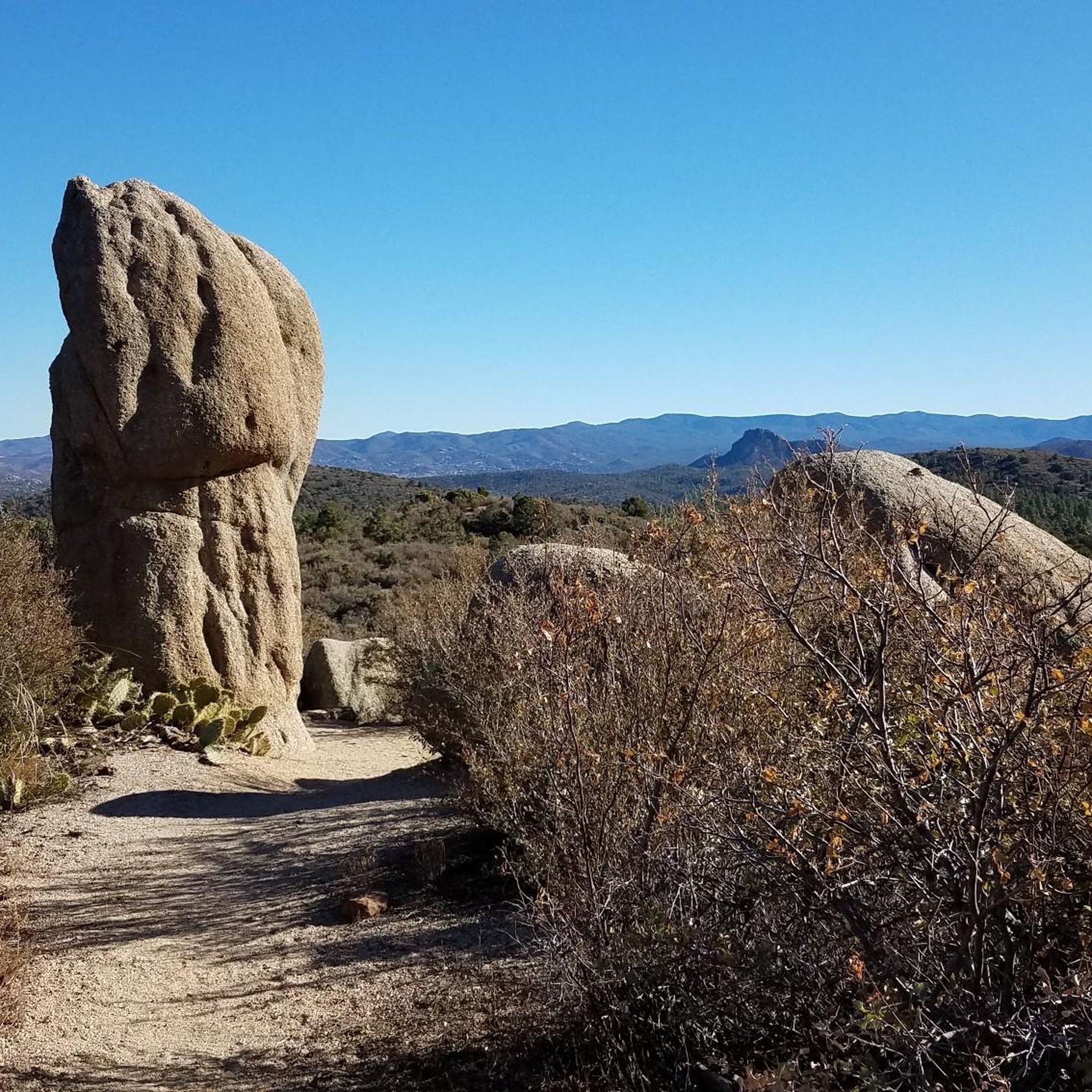
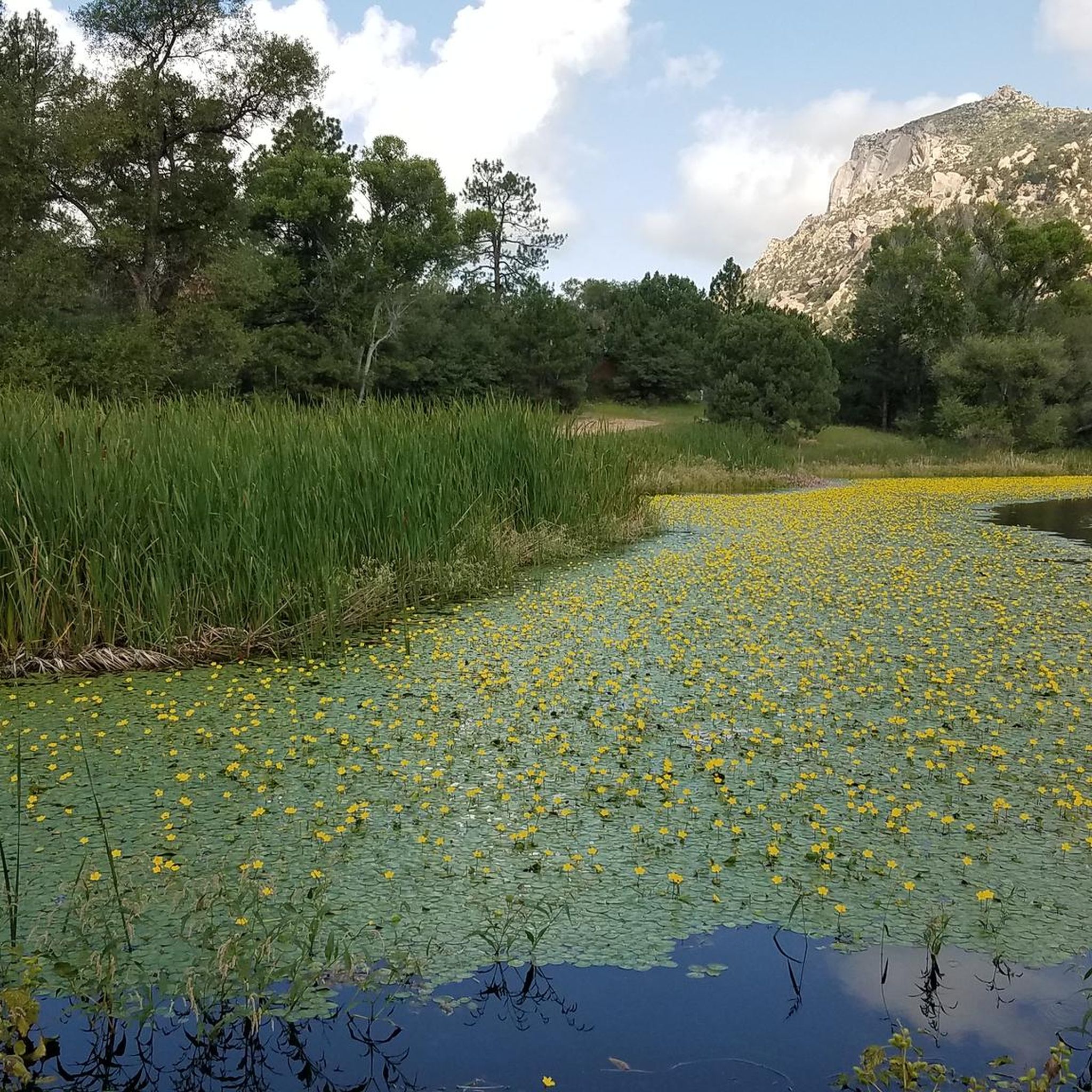
With mountain views, shade, and rock formations just off the side of the path, it's no wonder why this trail is so popular. The trail circumnavigates Little Granite Mountain and offers awesome views of the valley, Little Granite Mountain, Granite Mountain (off in the distance), and a number of different natural rock features. This is a popular trail that ends at the wilderness boundary.
0
0
The trail circumnavigating Little Granite Mountain offers awesome views of the valley, Little Granite Mountain, Granite Mountain (off in the distance), and a number of different natural rock features. This is a popular trail that can easily be turned into a loop.
0
0

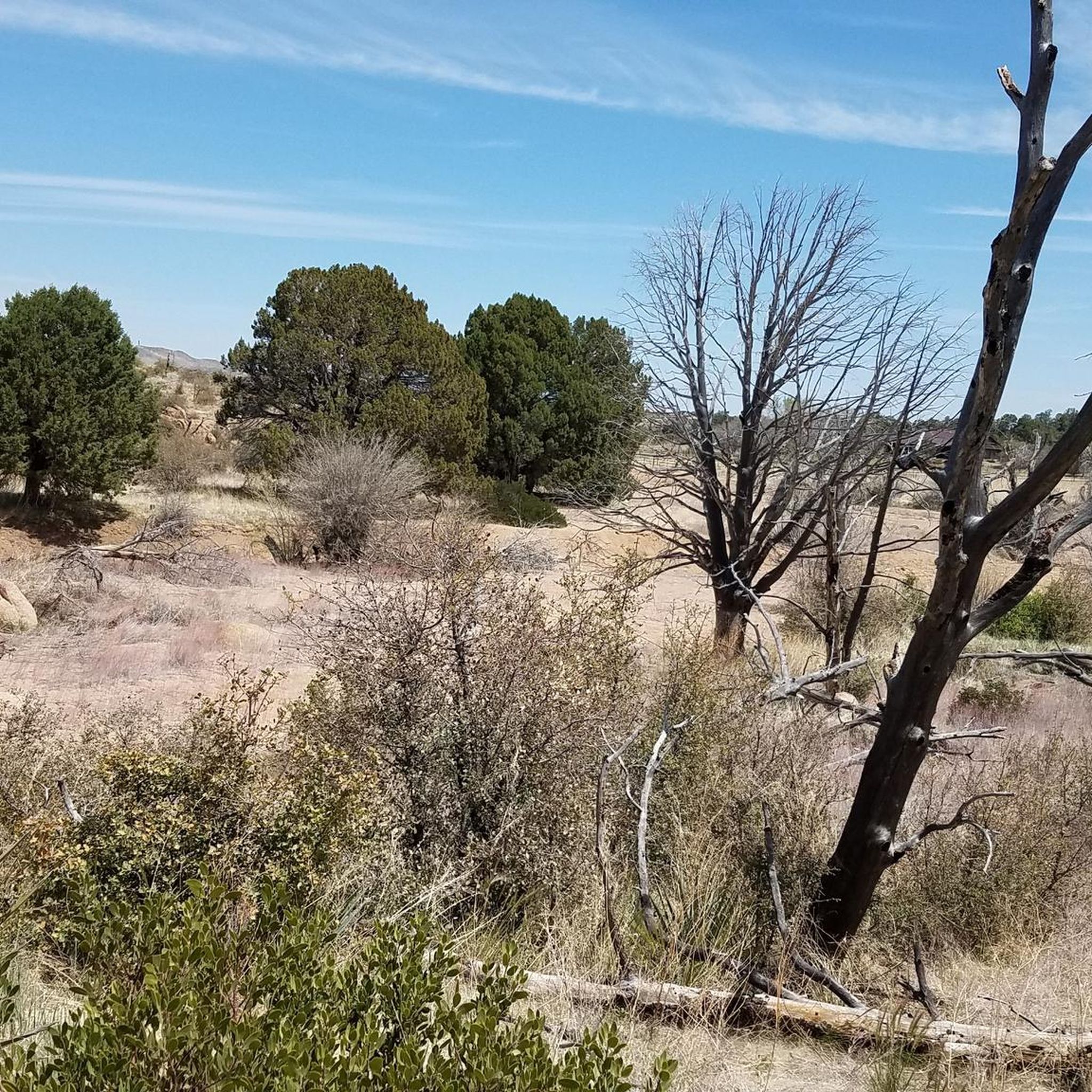
...the larger trees are given more room to grow. In 2004, live trees and beetle-killed trees were removed from this area. Prior to the logging operation, high tree densities shaded the forest floor, hindering the growth of ground vegetation such as grasses and forbs. After the thinning, sunlight, water, and nutrients become available for a variety of plant species. The grasses and forbs provide food and various habitats for many wildlife species, and improve overall ecosystem health by holding soil in place. Through thinning of trees, managers can reduce the likelihood of future bark beetle outbreaks and severe wildfire and create a more naturally balanced landscape with healthy trees."
3
0
"Managing for Forest Health By Prescott National Forest Due to fire suppression and extended periods of drought, today's forests and woodlands exist in an unnatural state. When trees are stressed due to overcrowding and drought, a tree's natural defense mechanism (sap production) becomes weakened making the trees susceptible to attacks from bark beetles. During 2002 and 2003, the combination of drought and high tree densities resulted in a bark beetle epidemic that killed approximately 18 million Ponderosa Pines across 662,000 acres in Arizona. Low intensity fire, insects, and disease arenature's way of maintaining a healthy forest. However, today's forests with high tree densities are prone to severe wildfires that threaten communities as well as damage wildlife habitat, soils, and vegetation. Forest managers mimic nature by thinning trees to restore a more natural condition including reduced hazardous fuels. Also, by removing some of the smaller trees in the landscape,...
3
0
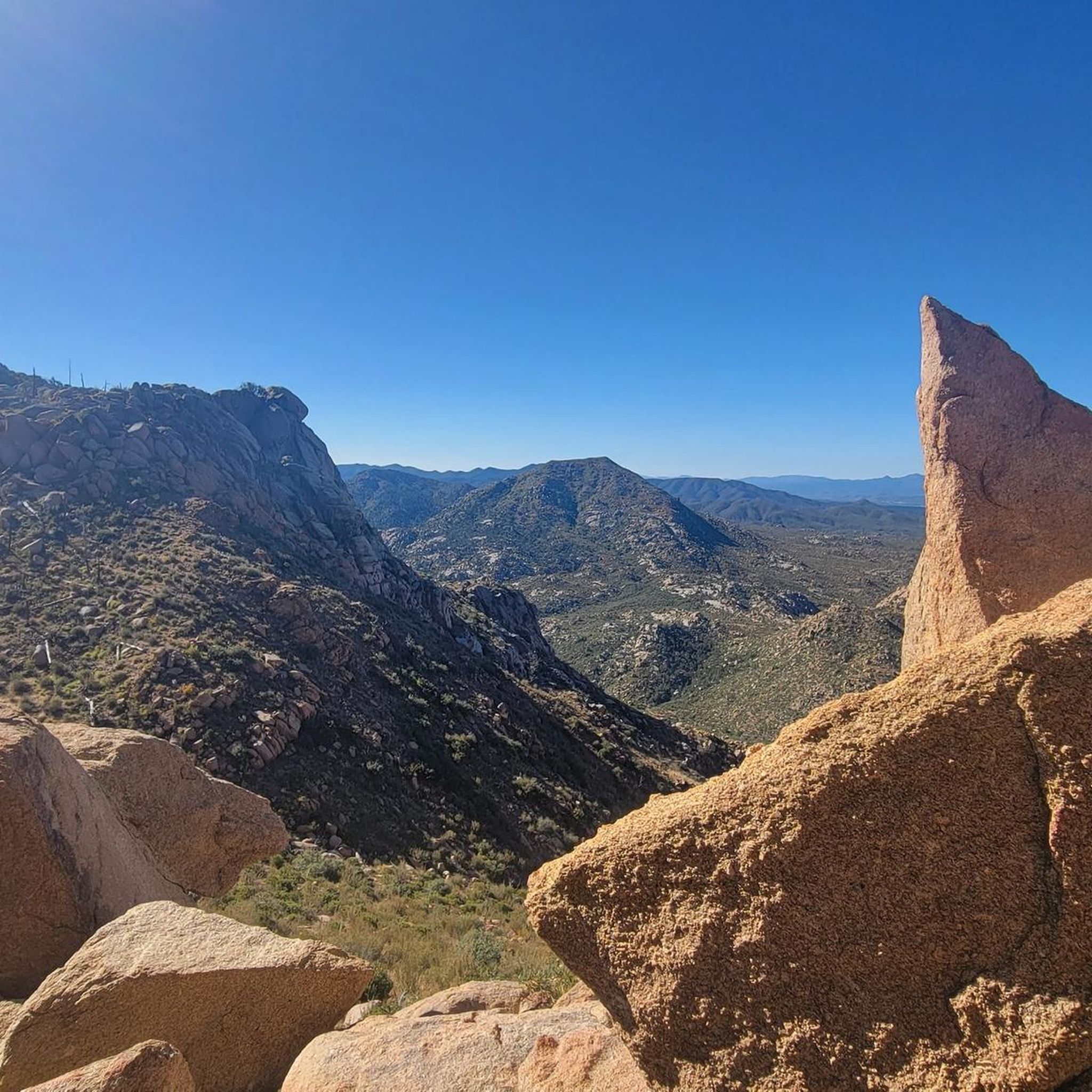
Hiking to this boulder will take you through parts of the Granite Mountain Wilderness that are spectacular in their ruggedness. The area provides an unusual, almost mystical experience well worth a visit and the hiking effort.
4
0
Frequently Asked Questions
What unique natural features can I expect to see in the Granite Mountain Wilderness?
The Granite Mountain Wilderness is characterized by its impressive granite formations. In Arizona, you'll find massive granite boulders, some as large as a house, stacked atop one another, along with towering ponderosa pines. The Polar Bear Boulder is a notable example of the ruggedness. In California, the landscape features rounded, buff granite outcrops and dark, chunky basaltic plateaus, contributing to a diverse terrain.
Are there any family-friendly trails or activities in the Granite Mountain Wilderness?
While many trails offer a rugged experience, the Little Granite Mountain Trail in Arizona provides an accessible way to experience the wilderness. It offers mountain views, shade, and interesting rock formations right off the path, with options for shorter sections suitable for varying skill levels. For easier hiking options, consider routes like Clark Spring Trail #40 or Mint Wash and Granite Basin Lake Loop, which you can find in the Easy hikes in Granite Mountain Wilderness guide.
What is the best time of year to visit the Granite Mountain Wilderness?
The best time to visit depends on the specific region. In Arizona, spring and fall offer pleasant temperatures for hiking and exploring the granite formations. Summers can be very hot. In the Eastern Sierra region of California, late spring through early fall is ideal, as higher elevations may be snow-covered during winter months. Always check local weather conditions before your visit.
What kind of wildlife can I spot in the Granite Mountain Wilderness?
The wilderness areas support diverse wildlife. In Arizona, the majestic granite cliffs of Granite Mountain are a nesting site for peregrine falcons, and the diverse terrain is home to various desert flora. In the California wilderness, the sagebrush steppe habitat supports sage grouse, deer, wild horses, and abundant raptor nesting sites.
Are there any historical or cultural sites within the Granite Mountain Wilderness?
Yes, in the California Granite Mountain Wilderness, numerous archeological sites are scattered throughout the pinyon-juniper woodland. These sites were historically used by Mono Lake Paiutes who wintered in the area, offering a glimpse into the region's rich cultural heritage. Visitors are advised not to disturb or remove artifacts.
What are the typical trail difficulties for natural monuments in this wilderness?
Trail difficulties vary. The Little Granite Mountain Trail is considered intermediate, offering a balance of views and accessibility. Hiking to the Polar Bear Boulder also involves an intermediate hiking effort through rugged terrain. The summit of Granite Mountain in Arizona, at 7,628 feet, offers a challenging hike with significant scenic payoff. Always check specific trail descriptions for elevation gain and distance.
What outdoor activities can I do near these natural monuments?
Beyond exploring the natural monuments themselves, the Granite Mountain Wilderness offers a range of outdoor activities. You can find various hiking trails, from easy to challenging, as detailed in the Hiking in Granite Mountain Wilderness guide. For cyclists, there are routes available, including moderate and difficult options, which you can explore in the Cycling in Granite Mountain Wilderness guide.
Are permits required to visit the Granite Mountain Wilderness natural monuments?
Generally, permits are not required for day-use hiking in the Granite Mountain Wilderness areas. However, specific activities like overnight backpacking or certain types of climbing might require permits, especially in designated areas. It's always best to check with the local land management agencies, such as the US Forest Service for Arizona or the Bureau of Land Management for California, for the most current regulations. You can find more information about the California area on the BLM website.
What should I wear or bring when hiking in the Granite Mountain Wilderness?
Given the rugged terrain and varying conditions, it's advisable to wear sturdy hiking boots, layers of clothing suitable for temperature changes, and sun protection (hat, sunglasses, sunscreen). Always carry plenty of water, especially during warmer months, and bring a map or GPS device. Snacks, a first-aid kit, and a headlamp are also recommended for any hike.
What do visitors enjoy most about the Granite Mountain Wilderness?
Visitors frequently highlight the stunning panoramic views from the summits, the unique experience of hiking among massive granite boulders and formations, and the rugged, almost mystical atmosphere of the wilderness. The opportunity for wildlife spotting and the diverse ecosystems also contribute to a memorable outdoor experience.
Can I find loop hikes around the natural monuments?
Yes, the Little Granite Mountain Trail in Arizona is a popular option that can easily be turned into a loop, offering excellent views and diverse natural rock features. Other loop options, such as the Granite Mountain Loop, are also available for those seeking a longer, moderate challenge, as listed in the Hiking in Granite Mountain Wilderness guide.
Most popular routes in Granite Mountain Wilderness
Most popular attractions in Granite Mountain Wilderness

Get inspired with the komoot mobile app


Explore more
Extend your search for the best caves by checking out these guides of the top ones in Granite Mountain Wilderness:
