Top 10 Natural Monuments around North Potomac
Best natural monuments around North Potomac include significant natural areas and parks offering scenic beauty and recreational opportunities. The region is characterized by the Potomac River, which features dramatic waterfalls and gorges, alongside diverse ecosystems. These natural features provide opportunities for hiking, exploring varied landscapes, and observing local flora and fauna. The area's natural monuments are valued for their ecological significance and accessibility for outdoor activities.
Best natural monuments around North Potomac
- The most popular natural monuments is Start of…
Last updated: May 14, 2026
Aqueduct Dam on the Potomac River
Highlight • Monument
Tip by

Great Falls Overlook
Highlight • Viewpoint
Tip by

Sign up now to discover places like this
Get recommendations on the best single tracks, peaks, & plenty of other exciting outdoor places.
Sign up for free
Great Falls Park on the C&O Trail
Highlight • Waterfall
Tip by

Great Falls of the Potomac River
Highlight • Waterfall
Tip by

Start of the Great Falls Foot Trail
Highlight • Trail
Translated by Google •
Tip by

Sign up for free to discover even more natural monuments around North Potomac.
Sign up for free
Already have an account?
Start today with a free account
Your next adventure awaits.
Login or Signup


Tips from the Community

Located at mile 14.3 on the C&O Canal Towpath in Potomac, Maryland, Great Falls Park is a must-visit highlight for hikers, cyclists, and history buffs alike. A short boardwalk leads to the Olmsted Island overlook, where the Potomac River dramatically crashes over jagged rocks—one of the most scenic views near D.C. For hikers, the popular Billy Goat Trail offers three segments, with Section A featuring challenging rock scrambles and breathtaking river views. The historic Great Falls Tavern, built in 1829, now serves as a visitor center and launch point for seasonal mule-drawn canal boat rides. The towpath itself is flat and easy to navigate, ideal for walking or biking. Amenities include restrooms, picnic spots, and interpretive exhibits. Parking is available at the visitor center (fee required), or you can park for free at nearby Swains Lock and walk or ride 2.5 miles to the falls.
1
0

The Great Falls Overlook Trail offers awesome views of the Potomac River as it roars through Mather Gorge. Accessible via the C&O Canal path, the best parking is at the Great Falls Tavern, with a large lot nearby. From Olmsted Island, there is a quarter-mile walk across bridges and boardwalks that takes hikers to the overlook. The trail, which crosses the river’s floodplain, is handicapped accessible, though dogs are not permitted. For fewer crowds, it's best to visit early in the morning, around 8 a.m.
0
0
Great Falls Park is a national park that spans 800 acres along the Potomac River. The park features 15 miles of hiking trails, some of which are open to biking and horseback riding. It shares this beautiful location with the Chesapeake and Ohio Canal National Historical Park across the river in Maryland. Here, on the Virginia side, the River Trail offers a similarly beautiful trek along the Potomac in Mather Gorge. An annual pass for Great Falls Park is also valid at the C&O Canal Park.
0
0
Just off the Chesapeake & Ohio Canal Trail is a short, approximately quarter-mile footpath across bridges and the floodplain to Olmsted Island and the Great Falls Overlook. From here you get a breathtaking view of the Potomac River as it roars through Mather Gorge.
0
0
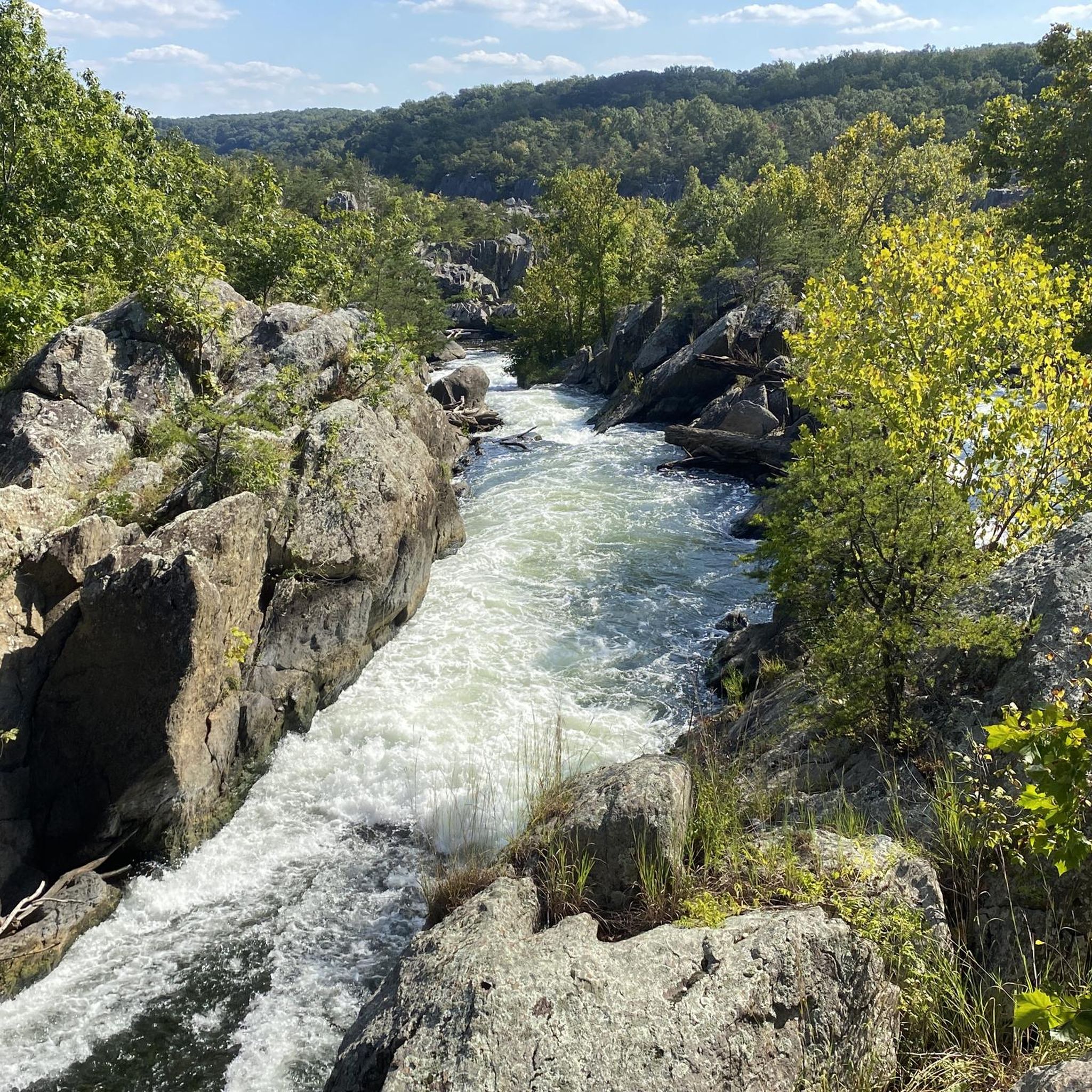
Aqueduct Dam Riverbend Park is where Riverbend Park ends and Great Falls Park starts. There is a great view of the Potomac River here. Swimming and boat launching are forbidden as they can be dangerous with the upcoming falls.
0
0

Worth the short hike into the falls! There are racks so you can 🔒 up your bike.
0
0

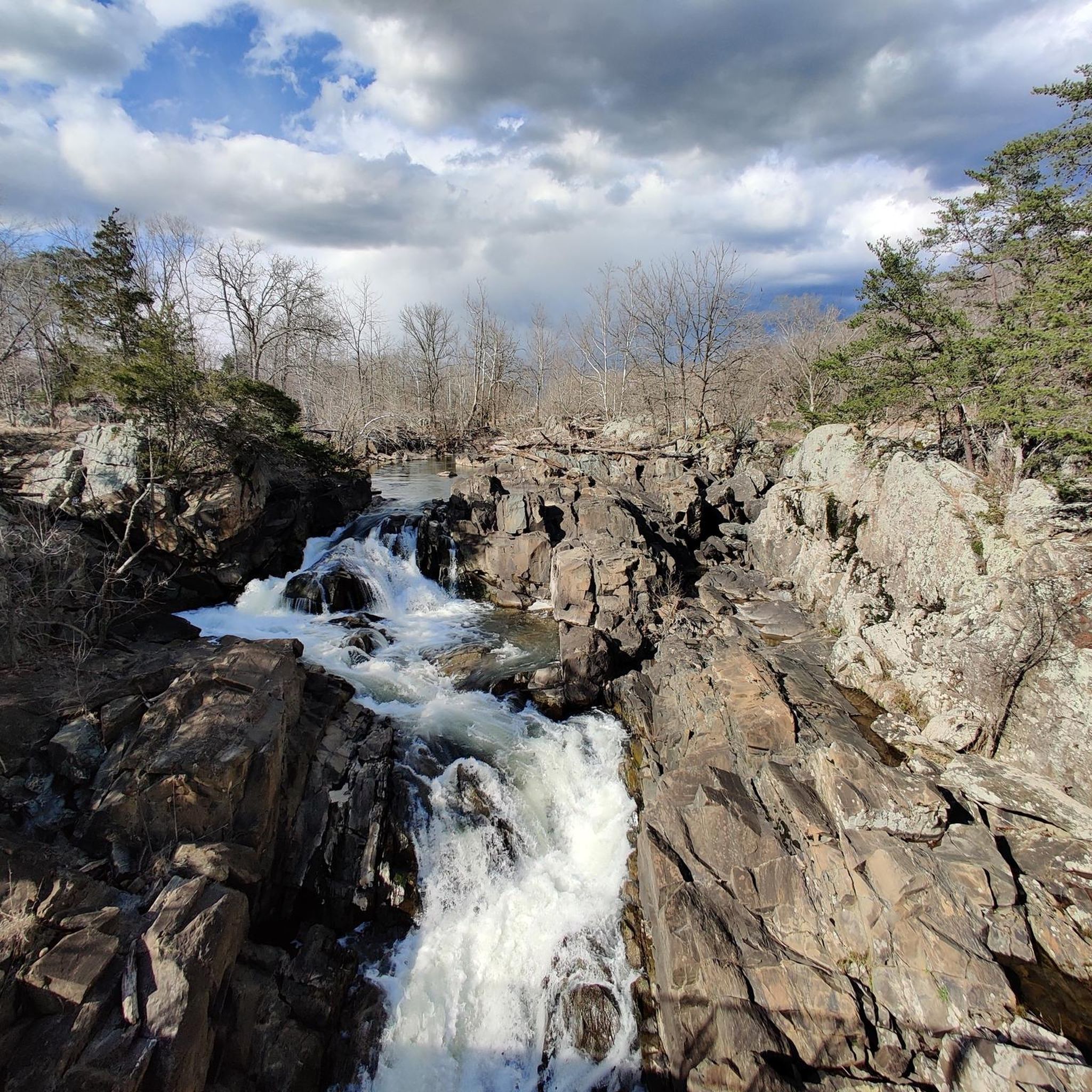
This is a spectacular waterfall on the Potomac River. Water gushes over a series of jagged rocks and flows through the Mather Gorge. The falls are surrounded by an 800-acre park of the same name – a lovely place to go exploring! 15 miles (24 km) of trails run through the park.
1
0

Potomac Great Falls Park Virginia is a truly sensational place: it leaves everyone breathless with the beauty of its waterfalls!
1
0
Frequently Asked Questions
What are the most popular natural monuments around North Potomac?
The most popular natural monuments in the area are centered around the dramatic Great Falls of the Potomac River. Visitors highly recommend the Start of the Great Falls Foot Trail, which offers access to various rapids and small falls. Another favorite is the Great Falls Overlook, providing breathtaking views of the Potomac River Gorge. Many also enjoy Great Falls Park on the C&O Trail, known for its scenic views where the Potomac River crashes over jagged rocks.
Are there family-friendly natural monuments in the North Potomac area?
Yes, several natural monuments are suitable for families. Great Falls Park, including the Great Falls Overlook and Great Falls Park on the C&O Trail, offers boardwalks and easy trails perfect for all ages. Little Seneca Lake within Black Hill Regional Park is another excellent family option for boating, fishing, and lakeside recreation. Seneca Creek State Park also provides extensive trail networks that can be enjoyed by families.
What kind of natural features can I expect to see at these monuments?
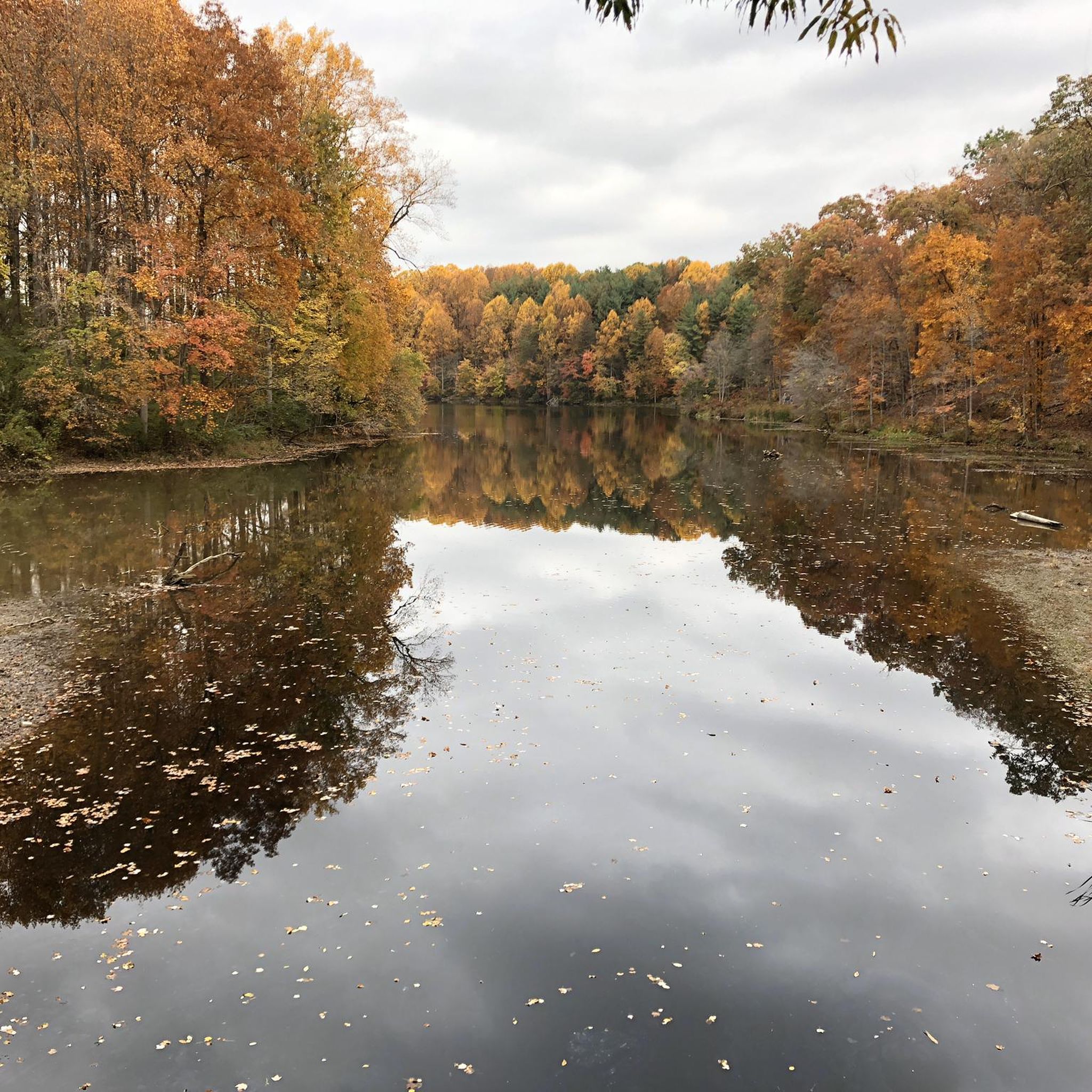
The natural monuments around North Potomac are primarily characterized by the powerful Potomac River, featuring spectacular waterfalls, dramatic gorges like Mather Gorge, and extensive river views. You'll also find diverse woodlands, open fields, and the serene waters of Little Seneca Lake. The Potomac Gorge, in particular, is renowned for its exceptional biological diversity, hosting over 1,400 plant species.
Are there opportunities for hiking near North Potomac's natural monuments?
Absolutely. The region offers extensive hiking opportunities. Great Falls Park features 15 miles of trails, including the challenging Billy Goat Trail. Seneca Creek State Park boasts the Schaeffer Farm Trail System with miles of varied terrain. You can find numerous hiking routes around North Potomac, with options ranging from easy to moderate, such as the Muddy Branch Greenway Trail. For more details on local trails, explore the Hiking around North Potomac guide.
Can I bring my dog to the natural monuments around North Potomac?
Many natural areas around North Potomac are dog-friendly, but specific rules vary by location. For instance, at the Start of the Great Falls Foot Trail, dogs are generally not allowed on the viewing platforms. It's always best to check the specific park regulations before visiting, but many trails within Great Falls Park and Seneca Creek State Park typically welcome leashed dogs.
What is the best time of year to visit the natural monuments in North Potomac?
Spring and fall are generally considered the best times to visit. In spring, the foliage is lush, and wildflowers bloom, while in fall, the changing leaves offer spectacular colors. The weather during these seasons is also typically mild and pleasant for outdoor activities like hiking. Summer can be hot and humid, and winter offers a different, often quieter, experience, though some trails might be icy.
Are there any accessible natural monuments for visitors with mobility needs?
Yes, Great Falls Park offers accessible options. The Great Falls Overlook is noted as wheelchair accessible, with boardwalks leading to stunning views of the falls. Many visitor centers and main viewing areas in the larger parks are designed to accommodate visitors with mobility needs, ensuring everyone can experience the natural beauty.
What other outdoor activities are available near these natural monuments besides hiking?
Beyond hiking, the area offers a variety of outdoor activities. Little Seneca Lake is popular for fishing and boating. The C&O Canal Towpath, which runs through Great Falls Park, is excellent for cycling and walking. Seneca Creek State Park and the Potomac Heritage National Scenic Trail also provide extensive networks for mountain biking and road cycling. You can find more cycling routes in the Gravel biking around North Potomac and Road Cycling Routes around North Potomac guides.
Are there any historical sites associated with the natural monuments?
Yes, the region blends natural beauty with historical significance. The Chesapeake & Ohio Canal National Historical Park runs alongside the Potomac River, offering historical context to the natural landscape. Within Great Falls Park on the C&O Trail, you can find the historic Great Falls Tavern, built in 1829, which now serves as a visitor center. Black Rock Mill, within Seneca Creek State Park, is another historical structure set in a natural environment.
What is the Potomac Gorge, and why is it significant?
The Potomac Gorge is a 15-mile stretch of the Potomac River recognized for its exceptional natural significance. It is one of the most biologically diverse areas in the country, home to over 1,400 plant species, including many rare ones, and a rich array of animal life, from rare invertebrates to bald eagles. Its unique microclimate, geological features, and periodic flooding contribute to its extraordinary natural diversity and conservation value. You can learn more about its nature at nps.gov.
Where can I find parking when visiting natural monuments in North Potomac?
Most major natural monuments and parks, such as Great Falls Park, Little Seneca Lake (Black Hill Regional Park), and Seneca Creek State Park, offer designated parking areas. For Great Falls Park, parking is available at the visitor center, though a fee may be required. Alternatively, you can often find free parking at nearby access points like Swains Lock and then walk or bike to the falls.
How long does it typically take to explore some of these natural monuments?
The time needed varies greatly depending on the monument and your activity. For a quick visit to a viewpoint like the Great Falls Overlook, an hour or two might suffice. However, if you plan to hike the Billy Goat Trail or explore the extensive trail networks in Seneca Creek State Park or along Little Seneca Lake, you could easily spend half a day or even a full day enjoying the area.
What wildlife might I encounter at the natural monuments around North Potomac?
The diverse ecosystems in the region support a variety of wildlife. Along the Potomac River and within the Potomac Gorge, you might spot bald eagles, various waterfowl, and a wide range of smaller mammals and reptiles. Deer are common in wooded areas like Seneca Creek State Park and Black Hill Regional Park. Little Seneca Lake is also home to various fish species, including largemouth bass and channel catfish.
Most popular attractions around North Potomac

Get inspired with the komoot mobile app


Explore more
Extend your search for the best caves by checking out these guides of the top ones around North Potomac:
