Top 10 Natural Monuments around Keystone
Best natural monuments around Keystone offer access to high-altitude peaks and alpine landscapes. This region is characterized by its mountainous terrain, including several peaks exceeding 13,000 feet. The area provides opportunities to explore challenging summits and scenic lakes. It is a destination for those seeking natural features in a high-elevation environment.
Best natural monuments around Keystone
- The most popular natural monuments is Mount Sniktau, a summit that offers 360-degree panoramas. This 13,240-foot peak provides extensive views of the Loveland…
Last updated: July 22, 2026
Mount Sniktau
Highlight • Summit
Tip by

Grays Peak
Highlight • Summit
Tip by

Sign up now to discover places like this
Get recommendations on the best single tracks, peaks, & plenty of other exciting outdoor places.
Sign up for free
Herman Lake
Highlight • Lake
Tip by

Torreys Peak
Highlight • Summit
Tip by
Grizzly Peak
Highlight • Summit
Tip by
Sign up for free to discover even more natural monuments around Keystone.
Sign up for free
Already have an account?
Start today with a free account
Your next adventure awaits.
Login or Signup
Tips from the Community

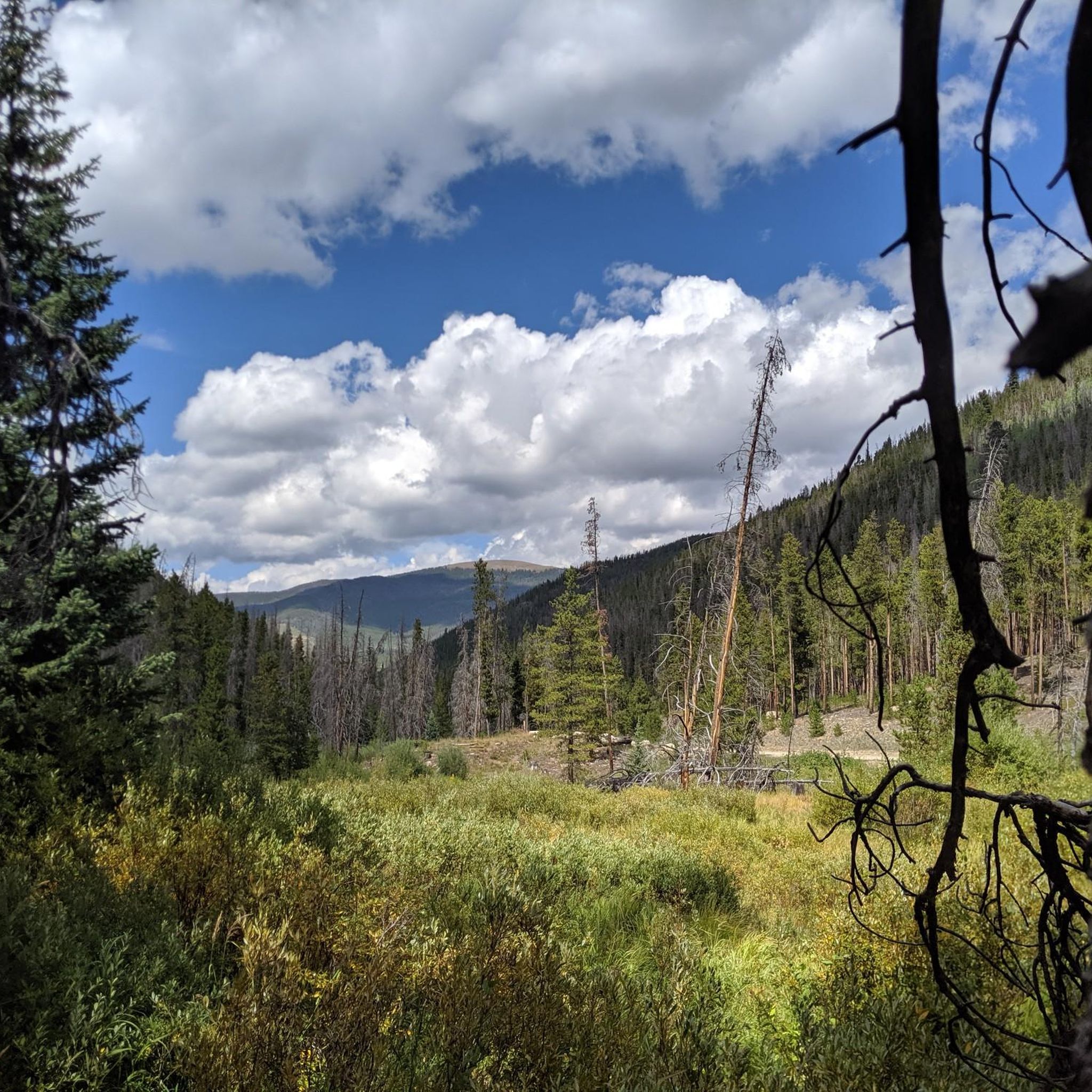
360° panorama; summit with small stone pyramid and survey point, high: never too strenuous (if you are used to the altitude...) but challenging in places, occasionally steep - but not dangerous in itself - unless there is a thunderstorm approaching...
0
0

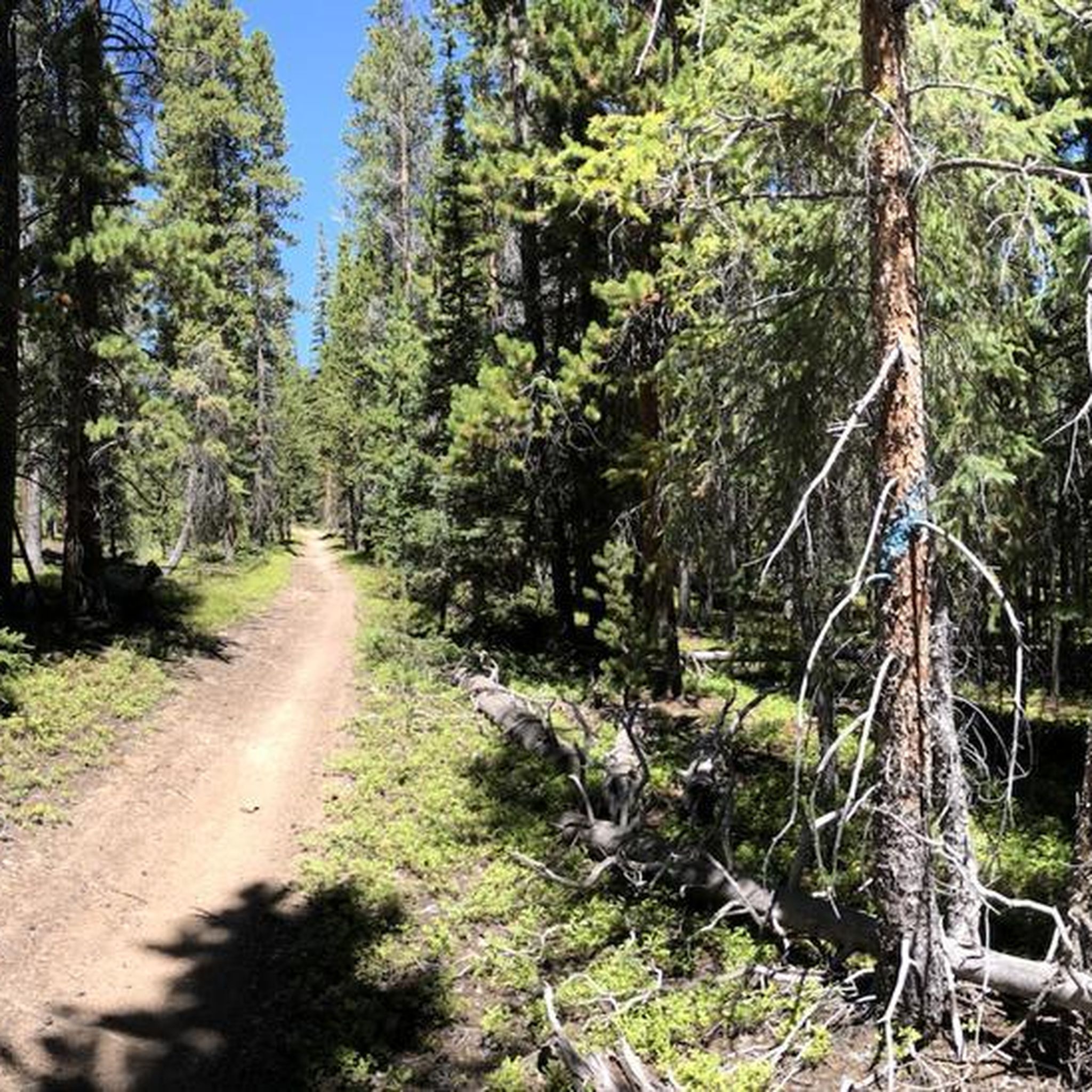
Your run will be rewarded with a stunning view of Herman Lake as it rests beneath the shelter of Pettingell Peak. The trail up to the lake is packed dirt singletrack that is nontechnical but climbs steadily.
0
0

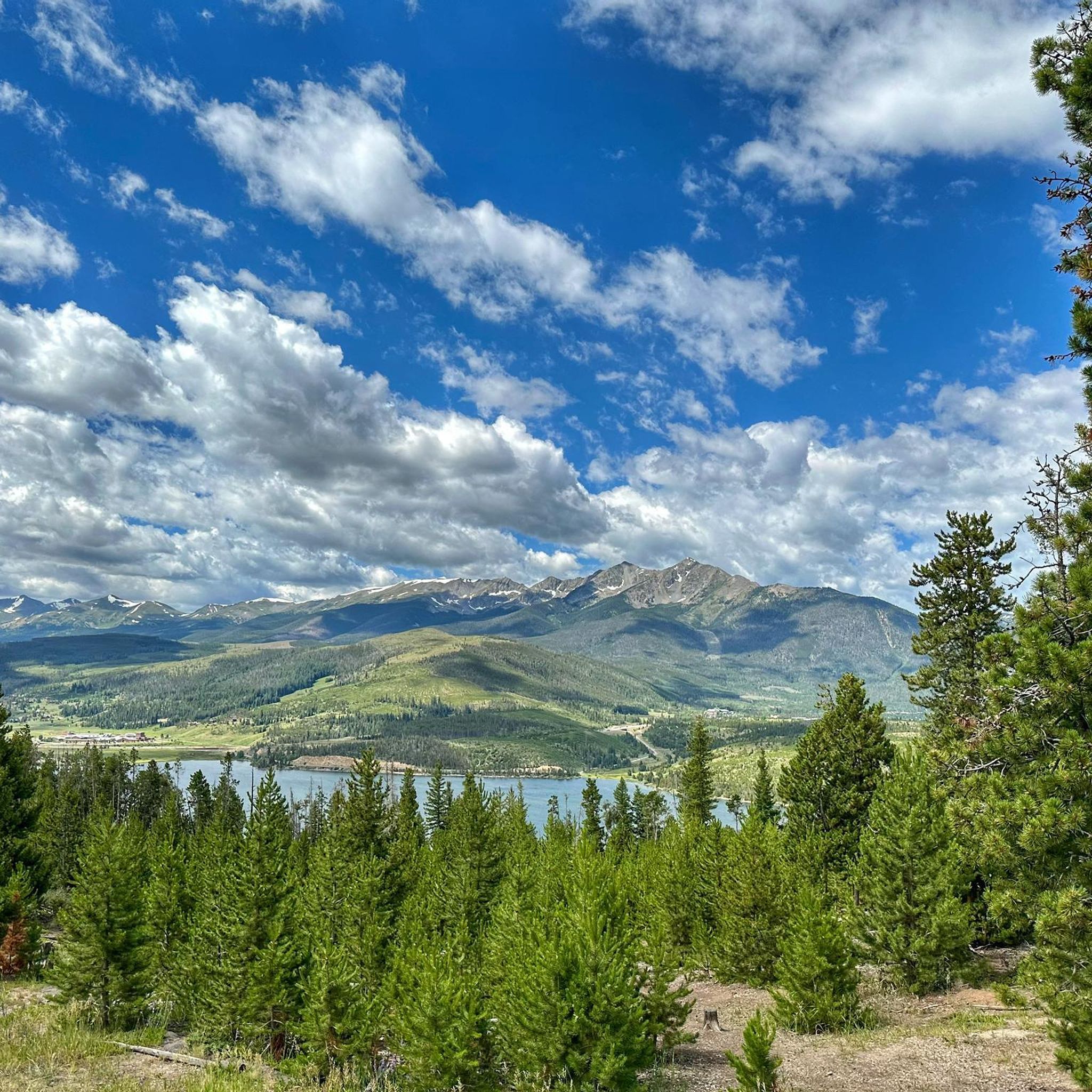
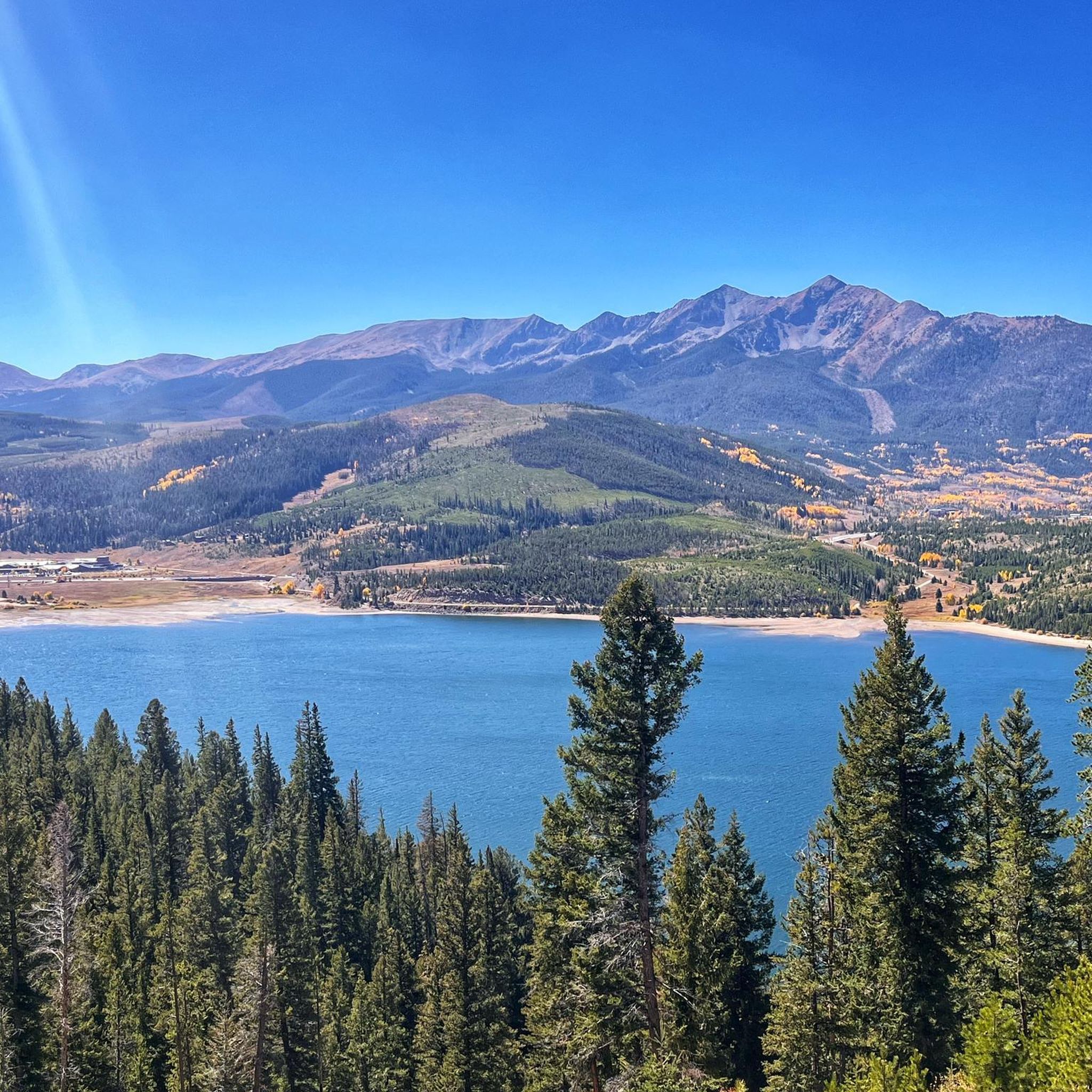
Mount Sniktau is 13,240 feet and is often overlooked since it doesn't hit that magical 14,000 foot benchmark. The 13er has a path the entire way and offers just as good of views as the peaks higher than it. Grizzly Ridge between Mount Sniktau and Grizzly Peak (13,433 feet) is known for its views of the Loveland Pass and Arapaho National Forest areas.
0
0
At 13,433 feet, Grizzly Peak offers an alpine experience without the crowds of a 14er. The mountain rests on a ridge of 13,000 foot peaks just north of the 14ers Grays and Torreys Peaks. When you get to the top, you can see deep into Arapaho National Forest over an alpine lake down in the basin below.
1
0
At 13,433 feet, Grizzly Peak offers an alpine experience without the crowds of a 14er. The mountain rests on a ridge of 13,000 foot peaks just north of the 14ers Grays and Torreys Peaks. When you get to the top, you can see deep into Arapaho National Forest over an alpine lake down in the basin below.
2
0
Mount Sniktau is 13,240 feet and is often overlooked since it doesn't hit that magical 14,000 foot benchmark. The 13er has a path the entire way and offers just as good of views as the peaks higher than it. Grizzly Ridge between Mount Sniktau and Grizzly Peak (13,433 feet) is known for its views of the Loveland Pass and Arapaho National Forest areas.
0
0

Torreys Peak is just around the corner from Grays Peak – so you can summit two of the 58 peaks that exceed 14,000 feet in one hike. The view from the summit is exceptionally beautiful. Keep an eye on the weather, though. Thunderstorms are likely to occur in the afternoon during the summer months.
4
0
Grays Peak is one of Colorado's famous 14ers and one of the easier ones to summit. If you hike along the iconic Continental Divide Trail (stretching from Mexico to Canada), this mountain is directly on your route. As with all mountains in this area: Keep an eye on the weather. Thunderstorms in the afternoon are very likely during the summer months, so start your hike early. And since you are already here: With Torreys Peak, there is another 14er just around the corner.
4
0
Frequently Asked Questions
What are some of the most notable natural monuments to visit around Keystone, South Dakota?
The Keystone area in the Black Hills is rich with natural wonders. Beyond the iconic Mount Rushmore, you can explore the geological formations at the Crazy Horse Memorial, the towering granite pinnacles and spires of Custer State Park (like the Needles Highway and Cathedral Spires), and the vast wilderness of the Black Hills National Forest.
Are there natural monuments suitable for families with children near Keystone?
Yes, Custer State Park offers many family-friendly options. Sylvan Lake, with its unique 'granite chaos' shores, is great for swimming and easy walks. The Wildlife Loop Road in the park provides opportunities to see bison and other animals, which is always a hit with children. The Presidential Trail at Mount Rushmore is also an accessible option for families.
What unique geological features can I expect to see in the natural monuments around Keystone?
The region is characterized by its impressive granite formations. Mount Rushmore and the Crazy Horse Memorial are carved into durable Harney Peak granite. Custer State Park showcases dramatic granite pinnacles and spires, such as those found along the Needles Highway and the Cathedral Spires, shaped by millions of years of weathering. The Black Hills National Forest also features ancient rock formations dating back billions of years.
What is the best time of year to visit the natural monuments in the Keystone area?
The late spring, summer, and early fall months (May through October) generally offer the most pleasant weather for exploring. Summer provides warm temperatures ideal for outdoor activities, though afternoon thunderstorms can occur. Fall brings beautiful foliage and cooler temperatures, while spring offers blooming wildflowers. Some roads, like Needles Highway, may close in winter due to snow.
Are there opportunities for hiking and outdoor activities near these natural monuments?
Absolutely. Custer State Park and the Black Hills National Forest offer extensive trail networks. You can hike to the highest point in the Black Hills, Black Elk Peak, for panoramic views. Sylvan Lake provides trails for various skill levels. While the provided data does not include specific komoot routes for Keystone, South Dakota, you can find many hiking and outdoor activity options within these natural areas.
Can I find less crowded natural monuments around Keystone?
While Mount Rushmore and parts of Custer State Park can be busy, especially during peak season, the vastness of the Black Hills National Forest offers many opportunities for solitude. Exploring lesser-known trails within Custer State Park or venturing deeper into the National Forest can lead to more peaceful experiences away from the main attractions.
Are any of the natural monuments around Keystone accessible for visitors with mobility challenges?
Mount Rushmore National Memorial offers accessible pathways, including parts of the Presidential Trail, and facilities designed to accommodate visitors with mobility challenges. Within Custer State Park, some scenic drives and visitor centers are accessible, but many trails may have uneven terrain. It's advisable to check specific accessibility details for each location prior to your visit.
What kind of wildlife can I expect to see in the natural monuments near Keystone?
The natural monuments, particularly Custer State Park and the Black Hills National Forest, are home to diverse wildlife. You might encounter a large herd of free-roaming bison, pronghorns, elk, deer, and various bird species. Keep an eye out for mountain goats and chipmunks, especially in the higher elevations and around granite formations.
Are there any historical or cultural aspects tied to the natural monuments in this region?
Yes, significantly. Mount Rushmore, while a human carving, is set into a mountain formerly known as 'Six Grandfathers' to the Lakota Sioux. The Crazy Horse Memorial is a colossal mountain carving honoring the Oglala Lakota warrior Crazy Horse, offering a powerful connection to Native American history and culture. Black Elk Peak also holds spiritual significance for the Sioux tribes.
Are there places to eat or stay near the natural monuments?
Keystone itself offers various dining and accommodation options, being a popular tourist town. Within Custer State Park, there are lodges and campgrounds, as well as dining facilities. The surrounding towns in the Black Hills also provide a range of services, from cafes and restaurants to hotels and cabins, catering to visitors exploring the natural monuments.
What is the difference between a National Memorial and a State Park in this area?
Mount Rushmore is a National Memorial, managed by the National Park Service, focusing on a specific historical or cultural event or person. Custer State Park is a State Park, managed by the state of South Dakota, which emphasizes the preservation of natural landscapes, wildlife, and recreational opportunities. Both offer unique experiences of the region's natural beauty and history.
Most popular routes around Keystone
Most popular attractions around Keystone

Get inspired with the komoot mobile app


Explore more
Extend your search for the best caves by checking out these guides of the top ones around Keystone:
