Top 13 Natural Monuments around Inverness
Best natural monuments around Inverness are found within the Scottish Highlands, a region characterized by its diverse and rugged natural landscape. The area features ancient Caledonian pinewoods, expansive lochs, and significant mountain ranges. This geographical setting provides a variety of natural features, from dramatic waterfalls to serene coastal areas, offering opportunities for exploring varied terrains and observing local wildlife.
Best natural monuments around Inverness
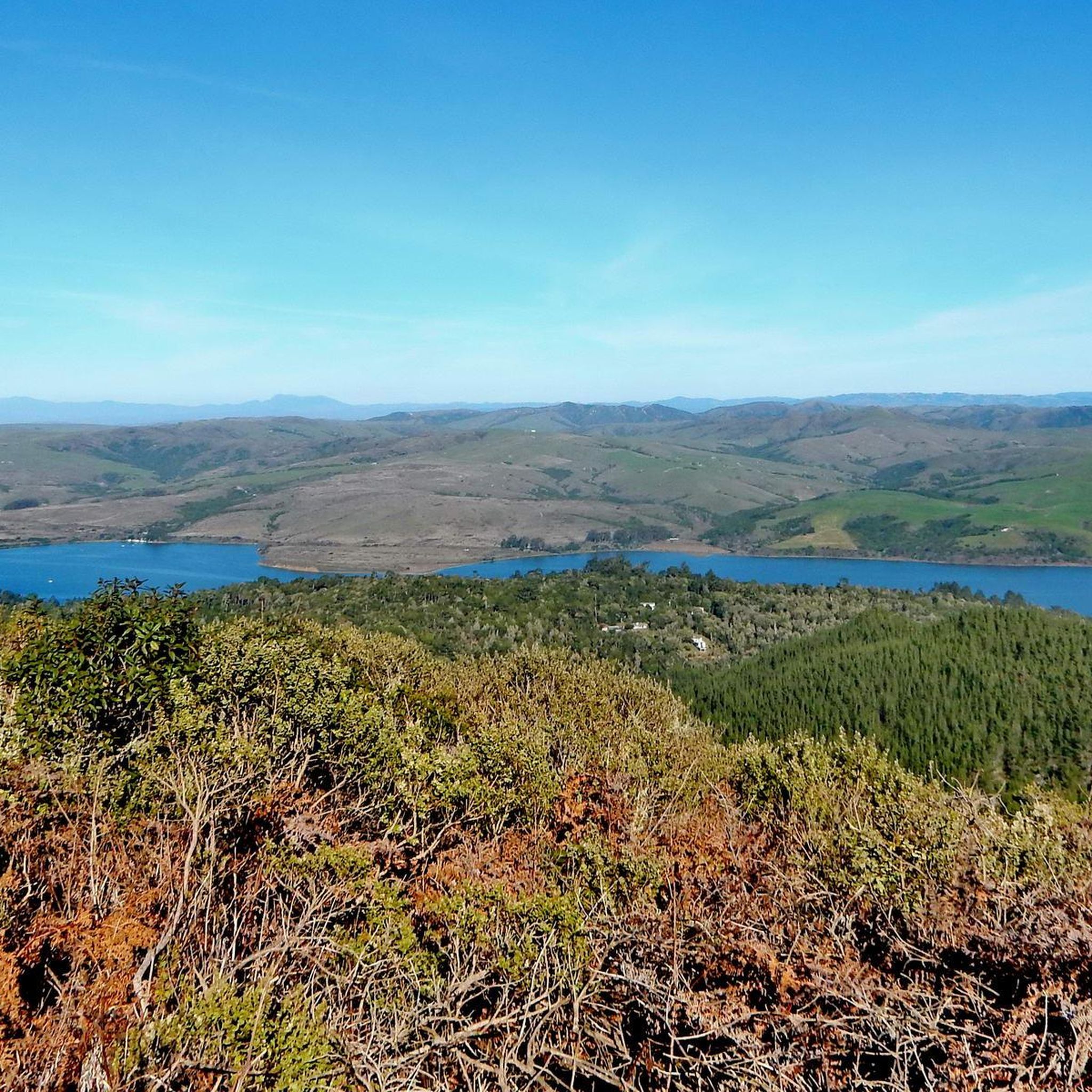
- The most popular natural monuments is Drake's Head, a viewpoint that offers spectacular views across the water and down the cliffside. It is a prime location to observe the local bird life and enjoy a picnic.
- Another must-see spot is Cypress Tree Tunnel 🌲🌲 Maritime Radio History Society, a natural monument featuring Monterey cypress trees planted around 1930, creating a distinctive landscape feature. Visitors can learn about its historical significance related to wireless communication.
- Visitors also love Arch Rock, a natural monument that, despite its collapse in 2015, remains a beautiful sight with a great picnic spot nearby. It offers impressive views of the coastal rock formations.
- Inverness is known for glens, lochs, and national park areas. The region offers a variety of natural monuments to see and explore, including waterfalls, ancient forests, and coastal wildlife spotting locations.
- The natural monuments around Inverness are appreciated by the komoot community, with more than 2 upvotes and 7 photos shared by visitors.
Last updated: August 5, 2026
Drake's Head
Highlight • Viewpoint
To get here, drive to the Estero Trailhead and hike Drakes Head Trail
( komoot.de/highlight/198014, together with Estero Trail the return trip distance is about 15 km / 9.4 mi.)
This narrow trail off Estero Trail is often covered by grass and can be a little hard to find in the rainy season when the grass grows fast.
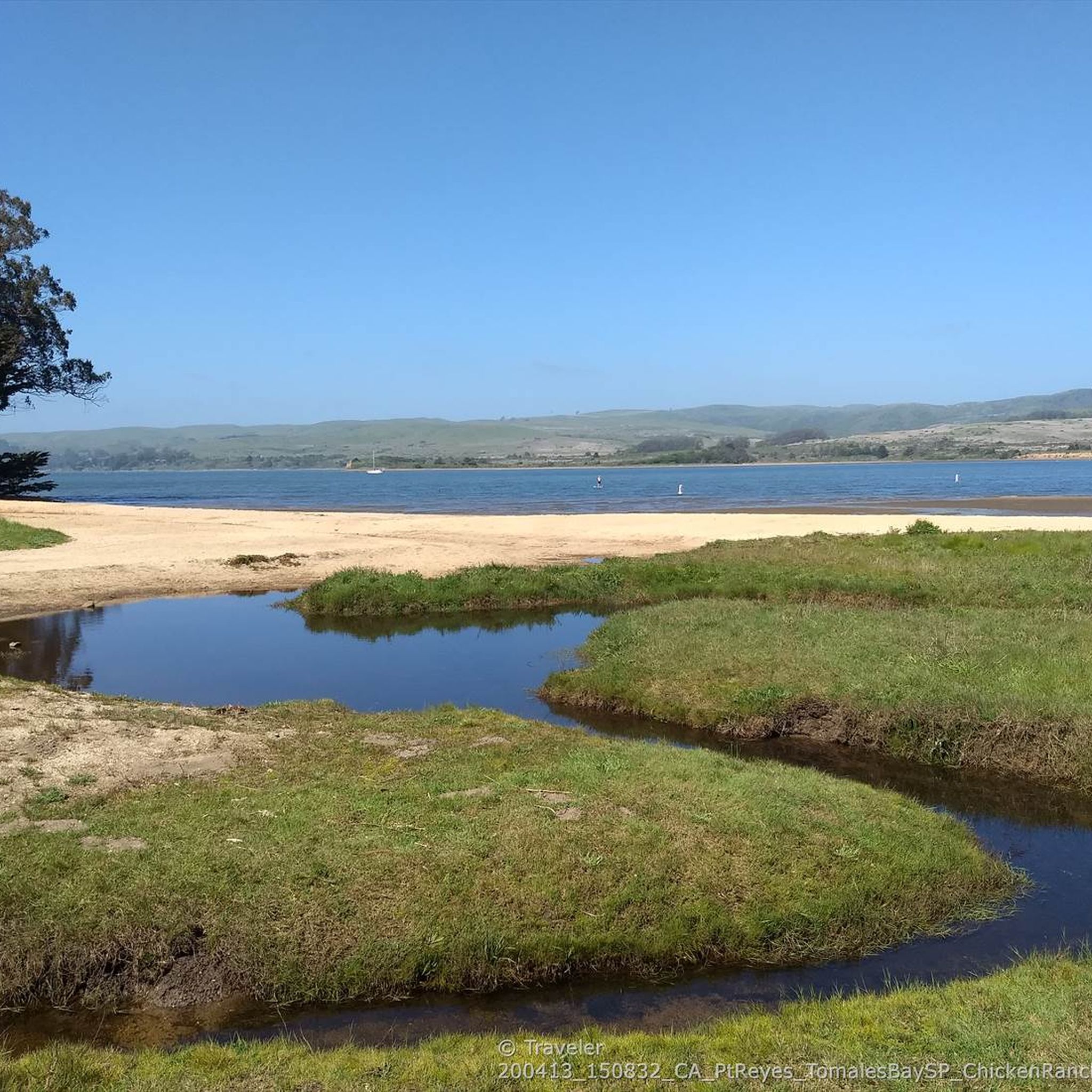
This trail through open grassland offers outstanding views of Drakes and Limantour Esteros, and of the locally rich bird life. The last section of the trail seems more like a cattle trail than a human trail, but persevere. Many visitors enjoy having a picnic on Drakes Head. The view down into the Estero on a clear day is spectacular with the possibility of seeing bat rays and leopard sharks swimming just below the water's surface. A couple of weeks after the first fall rains it becomes a popular mushroom hunting destination.
This trail combination is one of the longest offroad trails in the park open to bicycles. It begins at the Estero Trailhead, which is located a short distance off of Sir Francis Drake Blvd (on the way to the Lighthouse).
nps.gov/pore/planyourvisit/hiking_guide.htm
nps.gov/pore/planyourvisit/biking.htm
To see the segments of the hike/ride to get here, and annotated photos, check out komoot.de/tour/13627076
Tip by

Cypress Tree Tunnel 🌲🌲 Maritime Radio History Society
Highlight • Natural Monument
For a detailed history see ptreyes.org/activities/marconi-rca-wireless-stations
Tip by
Sign up now to discover places like this
Get recommendations on the best single tracks, peaks, & plenty of other exciting outdoor places.
Sign up for free
North Beach
Highlight • Beach
Tip by
Arch Rock
Highlight • Natural Monument
Tip by
Pioneer Tree Trail
Highlight (Segment) • Trail
Tip by

Sign up for free to discover even more natural monuments around Inverness.
Sign up for free
Already have an account?
Start today with a free account
Your next adventure awaits.
Login or Signup
Tips from the Community

Sadly the namesake Pioneer Tree fell in the spring of 2022 as a result of wildfire. However, the area still offers a wonderful chance to walk among giants with a handful of remaining Old Growth Redwoods.
0
0
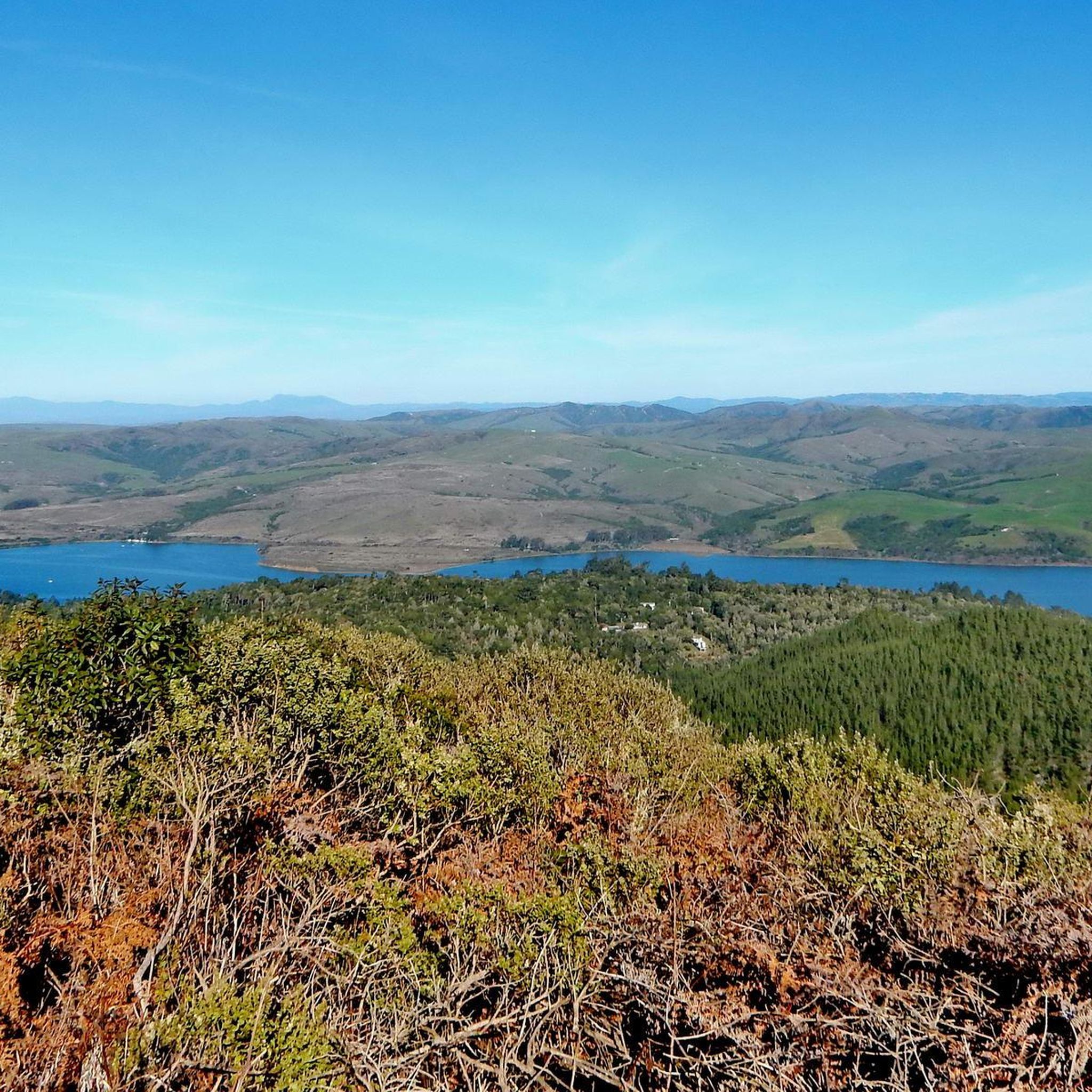
Spectacular views across the water and down the cliffside. It can get very windy, very quickly so be sure to pack a jacket even on calm days.
0
0

This should perhaps be called 'Middle Beach', as it is roughly in the middle of miles of straight undisturbed pacific beach lining the Point Reyes west shore. It probably got its name because it is the northern of two beach access roads along Sir Francis Drake Blvd, before the boulevard turns inland. The other being South Beach. These Pacific beaches are as beautiful as they are dangerous, with rip tides, white sharks, and sneaker waves. Locals still brave these risks to capture the excellent waves, but every year people die here.
0
0
Planted around 1930, the Monterey cypress that now create the "tree tunnel" at the Point Reyes Receiving Station is a signature landscape feature that evokes some of the prestige that RCA placed in this profitable, historic operation, now the park's North District Operations Center. Guglielmo Marconi developed wireless communication in 1896 and later moved to the US to develop his intercontinental communications company, which was bought by the US government after WWI showed its strategic value. Marconi. sited and commissioned the building of a wireless telegraphy transmitting station west of Bolinas and a receiving station in Marshall on Tomales Bay in 1913–14. The Marshall station was supplanted in 1929 to support the growing point-to-point business in the Pacific by a new Art Deco-designed facility at Point Reyes Beach on the "G" Ranch. Few of the succeeding generations of antennas—arranged in "farms"—remain at the two sites. However, the radio equipment, ship-to-shore Morse communications, and teletype—some of it dating to the World War II-era—remains intact, has been restored and made functional, and is used to broadcast on numerous frequencies, including KPH. Visit our Communications at Point Reyes page to learn more about this history. https://www.nps.gov/pore/planyourvisit/kph_treetunnel.htm For a detailed history see https://www.ptreyes.org/activities/marconi-rca-wireless-stations
0
0
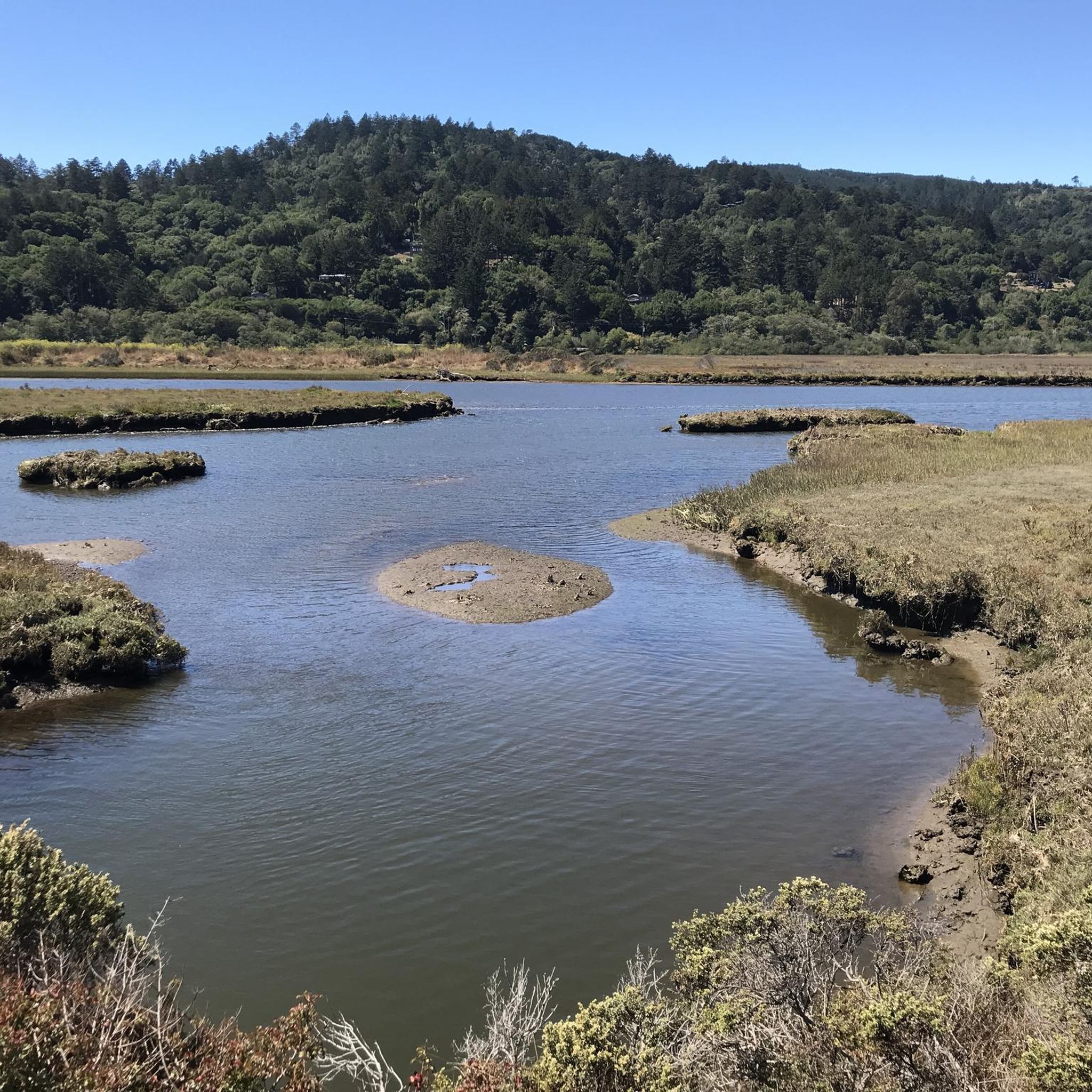
Best place to catch a glimpse of the location where Sir Francis Drake supposedly landed and repaired his ship on the first exploration journey by a European explorer along the Pacific coast. To get here, drive to the Estero Trailhead and hike Drakes Head Trail ( https://www.komoot.de/highlight/198014, together with Estero Trail the return trip distance is about 15 km / 9.4 mi.) This narrow trail off Estero Trail is often covered by grass and can be a little hard to find in the rainy season when the grass grows fast. This trail through open grassland offers outstanding views of Drakes and Limantour Esteros, and of the locally rich bird life. The last section of the trail seems more like a cattle trail than a human trail, but persevere. Many visitors enjoy having a picnic on Drakes Head. The view down into the Estero on a clear day is spectacular with the possibility of seeing bat rays and leopard sharks swimming just below the water's surface. A couple of weeks after the first fall rains it becomes a popular mushroom hunting destination. This trail combination is one of the longest offroad trails in the park open to bicycles. It begins at the Estero Trailhead, which is located a short distance off of Sir Francis Drake Blvd (on the way to the Lighthouse). https://www.nps.gov/pore/planyourvisit/hiking_guide.htm https://www.nps.gov/pore/planyourvisit/biking.htm To see the segments of the hike/ride to get here, and annotated photos, check out https://www.komoot.de/tour/13627076
0
0
Frequently Asked Questions
What are the most popular natural monuments to visit around Inverness?
The Inverness area is rich in natural beauty. Highly recommended are Glen Affric, often called 'Scotland's most beautiful glen,' known for its ancient Caledonian pinewoods and waterfalls like Plodda Falls. Another iconic spot is Loch Ness, famous for its mysterious dark waters and the legend of Nessie. The vast Cairngorms National Park, just a short drive away, offers rugged mountains and diverse wildlife. For marine life, the Black Isle is excellent for dolphin spotting at Chanonry Point.
Are there family-friendly natural monuments near Inverness?
Yes, several natural monuments are great for families. The Ness Islands in the River Ness offer a peaceful walk connected by Victorian suspension bridges, right within Inverness. The Fairy Glen near Rosemarkie on the Black Isle provides easy woodland walks and waterfalls. Many trails in Glen Affric and parts of the Cairngorms National Park are suitable for families, offering gentle paths and opportunities for wildlife spotting.
What kind of wildlife can I expect to see at these natural monuments?
The natural monuments around Inverness are havens for wildlife. In Glen Affric and the Cairngorms National Park, you might spot rare birds of prey like golden eagles and ospreys, red squirrels, and even the UK's only wild reindeer herd in the Cairngorms. The Black Isle, particularly Chanonry Point, is renowned for bottlenose dolphins, especially around the turn of the tide. Loch Ruthven, an RSPB Nature Reserve, is also excellent for birdwatching.
What outdoor activities can I do near the natural monuments around Inverness?
The region offers a wide range of outdoor activities. You can enjoy hiking and walking on numerous trails in Glen Affric and the Cairngorms National Park, from lochside strolls to challenging mountain climbs. Loch Ness provides opportunities for boat tours, cycling, and walking along its shores. For specific routes, explore running trails, mountain biking routes, and road cycling routes available in the area.
When is the best time of year to visit the natural monuments around Inverness?
The best time to visit largely depends on your preferred activities. Spring (April-May) and autumn (September-October) offer pleasant weather for hiking, vibrant colours, and fewer midges. Summer (June-August) is ideal for longer days and warmer temperatures, though it can be busier. Winter (November-March) provides a dramatic, snow-covered landscape, especially in the Cairngorms, suitable for winter sports, but requires appropriate gear and caution due to challenging conditions.
Are there any natural monuments with historical significance near Inverness?
While many natural monuments are appreciated for their ecological value, some also have historical connections. Urquhart Castle, though a historic ruin, is dramatically perched on the shores of Loch Ness, offering a strong sense of centuries-old history alongside stunning natural views. The ancient Caledonian pinewoods found in Glen Affric and the Cairngorms are remnants of Scotland's primeval forest, holding immense ecological and historical significance.
Can I find waterfalls among the natural monuments in the Inverness region?
Absolutely. The region is home to several impressive waterfalls. Glen Affric features the spectacular Plodda Falls, plunging nearly 50 meters, and Dog Falls, a series of cascades in a lush wooded gorge. Foyers Falls, on the south side of Loch Ness, is another beautiful waterfall known for its scenic walk and opportunities to spot red squirrels.
What are some lesser-known or 'hidden gem' natural monuments around Inverness?
Beyond the famous sites, consider Reelig Glen, near Inverness, which boasts some of Scotland's tallest trees, offering a unique woodland experience. Merkinch Local Nature Reserve, right within Inverness, is a hidden gem for wildlife enthusiasts. Loch Ruthven, an RSPB Nature Reserve, is also a fantastic spot for bird and wildlife spotting away from the main tourist trails.
Are there opportunities for marine wildlife spotting near Inverness?
Yes, the Black Isle, located just north of Inverness, is a prime location for marine wildlife. Chanonry Point is considered one of the best places in the UK to spot bottlenose dolphins from the shore. You might also see seals, porpoises, and various seabirds along the Moray Firth coastline.
What kind of terrain can I expect on trails around the natural monuments?
The terrain varies significantly across the region. In areas like Glen Affric and the Cairngorms, you'll find a mix of gravel paths, forest trails, and rugged mountain tracks. Lochside paths can be relatively flat, while mountain routes will involve steep ascents and rocky sections. Coastal areas like the Black Isle offer flatter, often grassy or sandy paths. Always check specific trail descriptions for difficulty and elevation.
Are there any natural monuments that are easily accessible by public transport from Inverness?
While many natural monuments in the Highlands benefit from having a car, some are more accessible. The Ness Islands are within walking distance of Inverness city centre. For other locations like parts of Loch Ness or the Black Isle, local bus services might be available, but often with limited schedules. It's advisable to check public transport options in advance for specific destinations.
What should I wear when visiting natural monuments in the Inverness area?
Given the changeable Scottish weather, layering is key. Waterproof and windproof outer layers are essential, even on seemingly calm days. Sturdy, waterproof hiking boots are highly recommended for most trails. Depending on the season, consider warm base layers, a hat, and gloves. Always pack extra layers, water, and snacks, especially for longer excursions.
Most popular attractions around Inverness

Get inspired with the komoot mobile app


Explore more
Extend your search for the best caves by checking out these guides of the top ones around Inverness:
