Top 7 Natural Monuments around Fort Bragg
Best natural monuments around Fort Bragg showcase the rugged beauty of the Mendocino Coast, offering diverse experiences from unique geological formations to lush redwood forests. This coastal region in California features a variety of natural landscapes, including bluffs, headlands, dunes, and ancient redwood groves. Visitors can explore distinct ecosystems and scenic routes, providing opportunities for outdoor adventure.
Best natural monuments around Fort Bragg
- The most popular natural monuments is Waterfall, a waterfall that nestles among lush ferns and moss.…
Last updated: July 22, 2026
Glass Beach
Highlight • Beach
Tip by

Jug Handle State Natural Reserve
Highlight • Natural Monument
Tip by

Sign up now to discover places like this
Get recommendations on the best single tracks, peaks, & plenty of other exciting outdoor places.
Sign up for free
Ecological Staircase Trail
Highlight (Segment) • Trail
As you venture from the …
Tip by

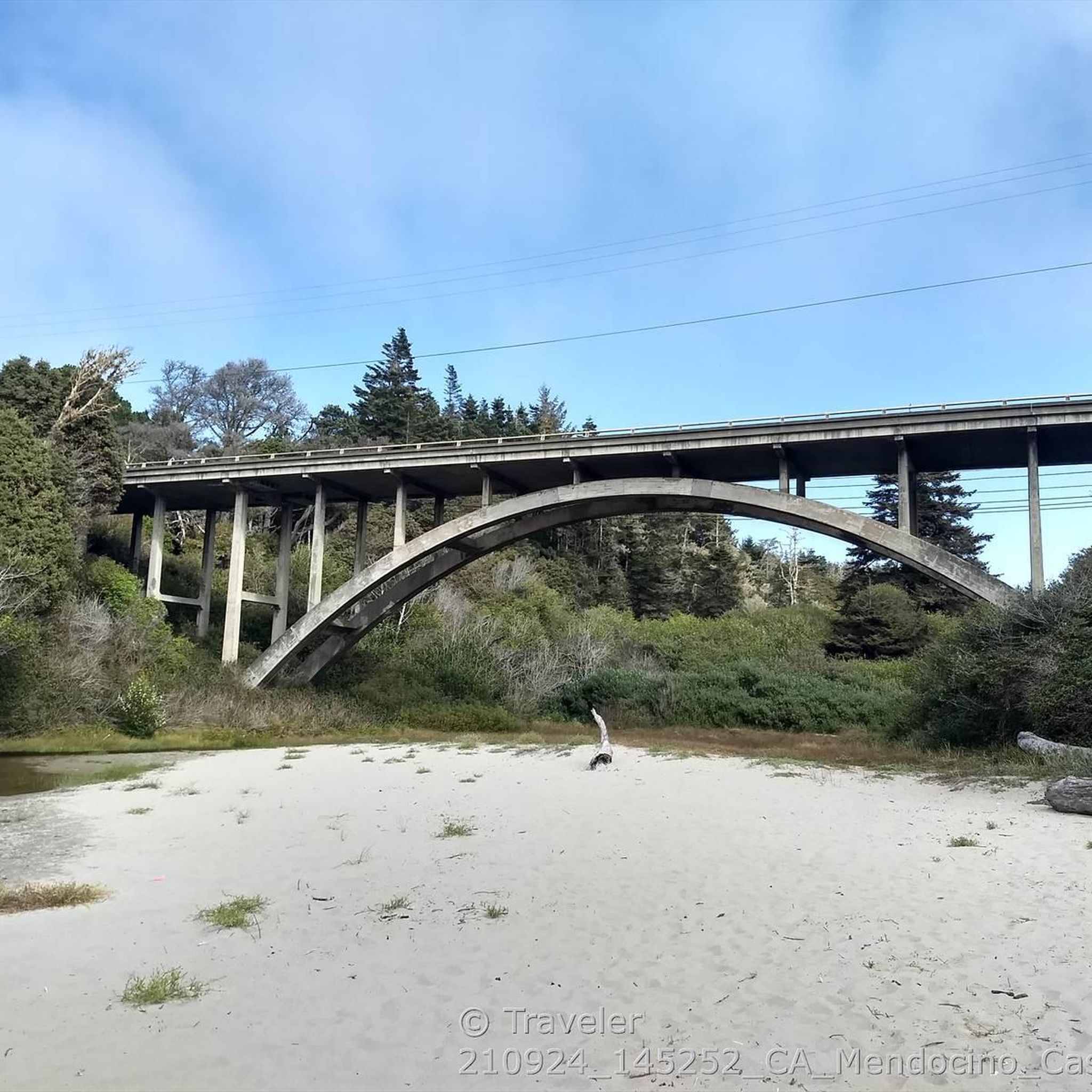
Russian Gulch State Park 🌳 and historic bridge
Highlight • Bridge
Tip by
Waterfall
Highlight • Waterfall
Tip by
Sign up for free to discover even more natural monuments around Fort Bragg.
Sign up for free
Already have an account?
Start today with a free account
Your next adventure awaits.
Login or Signup


Tips from the Community

There's not much glass left on "Glass Beach." It seems to have been collected by eager tourists. You have to look very closely to see even a few shards of glass. Despite the ban, the only activity tourists seem to be doing there is collecting the last pieces of glass. It was absolutely not worth it.
0
0

Glass Beach, located in Fort Bragg, California, is a unique coastal destination known for its abundance of sea glass. The beach's distinctive feature comes from years of discarding glass bottles, ceramics, and other types of trash into the ocean. Over time, the relentless pounding of the waves smoothed and polished the glass shards, which now cover the beach in a colorful array, predominantly blues, greens, and browns. While collecting sea glass is discouraged to preserve the beach's natural beauty, the area remains a popular attraction for its scenic views, historical interest, and ecological resilience, showcasing how nature can transform human waste into something unexpectedly beautiful. There are also tide pools that are fun to explore when the tides are low.
0
0

Jug Handle State Natural Reserve is a state park unit in California, United States, that preserves a series of marine terraces, each exhibiting a different stage of ecological succession. It is located on California State Route 1 north of the village of Caspar, five miles (8 km) equidistant between the towns of Mendocino and Fort Bragg. The 776 hectare park (314 ha) was founded in 1976
0
0
Russian Gulch State Park is a California state park in coastal Mendocino County, California, 2 miles (3.2 km) north of Mendocino and 7 miles (11.2 km) south of Fort Bragg.
0
0

This trail is a very well maintained pathway that serves as Jug Handle's unique natural stairway. This trail showcases an astounding array of diverse environments. As you venture from the coastal edge and travel 2.5 miles inland, you'll encounter three distinct marine terraces. Each terrace, formed 100,000 years before the one below it due to tectonic uplift, presents a world of its own. The lowest terrace boasts a serene prairie landscape, the second is adorned with majestic pines, and the third unveils a fascinating pygmy forest where knee-high trees have thrived for possibly several decades.
1
0
Stunning waterfall that nestles among lush ferns and moss. Great place to stop for a break anytime of year. There are wild mushrooms in the winter months and colorful wildflowers in the spring.
0
0

This trail takes the visitor on a tour of the geological updrift from the coast to the Pygmy Forest two and a half mile inland. This marine terrace sequence illustrates a successional story unparalleled elsewhere in California. The composition and processes responsible for this unique ecological setting offer a diverse selection of interpretive opportunities. Jug Handle State Natural Reserve is a special place. Few places on earth display a more complete record of ecological succession. Each of the five terraces represents one stage in a progression of successional environments. Jug Handle, then, is one of the few opportunities to interpret this aspect of the coastal spectrum of ecological succession and landscape evolution. The material base from which the terraces were fashioned is composed of a uniform body of graywacke sandstone (Bailey and Erwin 1959). Although each terrace has evolved from the same parent material, each has been weathered for different lengths of time. The soils, plants, and hydrologic associations on each terrace are affected by the degree of change the weathering has produced in the sandstone (Fox 1976 p. 5). The structure of the terraces at Jug Handle is a result of the movement of the earth's crust (plate tectonics) and the fluctuation of sea level during the Pleistocene. In the last several million years, the continent of North America has moved northwest, and the coastline along the Mendocino coast has risen slowly in relationship to the increase of the sea level brought on by the melting of the continental glaciers. These two factors are massive agents in the shaping of land forms and are rarely seen so clearly outside the desert regions of the world. The principal sculpturing agent at Jug Handle has been the sea. During periods of the Pleistocene when the glaciers were retreating northward, sea level rose more rapidly than the land was rising. As the pounding waves were uplifted onto the land, they fashioned a smooth underwater terrace. With renewal of glaciation, the waves slowly receded as the sea level fell. Deposits of gravel and sand (beach material) were spread across the emerging terrace by the retreating waves (Jenny 1973 p. 8). Continued uplifting raised the terrace clear of subsequent rises in sea level. In this fashion, new terraces were created where older ones had existed. Terrace No. 5 (the oldest) was once at the elevation now occupied by No. 4 and so on. This repetitive sequence proceeded at intervals of approximately 100,000 years and involved about 100 feet of uplift to form each of the terraces. The higher the terrace the older it is, and the longer its beach materials have been subjected to weathering. Another active agent forming the land at Jug Handle has been the wind. Coastal breezes have been depositing beach material on the first terrace where the bluffs are low. Similarly, in the past the seaward edge of each terrace was covered with dune-building material that is now ancient. https://www.parks.ca.gov/?page_id=441
0
0
Verdant nature reserve reaching from the Pacific ocean beach to the inland hills. This trailhead connects with both sides of the reserve, separated by the Coastal Hwy 1. It offers picnic and bathroom facilities, as well as information panels with maps and natural history.
1
0
Frequently Asked Questions
What makes the natural monuments around Fort Bragg unique?
The natural monuments around Fort Bragg are unique for their diverse geological formations and ecosystems. For instance, Glass Beach is famous for its shores covered in smooth, colorful sea glass, a result of discarded glass being polished by ocean waves. Jug Handle State Natural Reserve features an "Ecological Staircase" trail that showcases distinct marine terraces, each representing a different geological era and supporting unique environments, including rare pygmy forests.
What kind of natural features can I expect to see when visiting Fort Bragg's natural monuments?
You can expect to see a wide array of natural features. The region boasts rugged coastal bluffs, sandy beaches, and unique geological formations like those at Glass Beach. Inland, you'll find diverse forest types, including coastal forests and the distinctive pygmy forests within Jug Handle State Natural Reserve. There are also viewpoints offering panoramic ocean vistas, and a tranquil waterfall nestled among lush ferns and moss.
Are there family-friendly natural monuments in Fort Bragg?
Yes, several natural monuments around Fort Bragg are family-friendly. Glass Beach is a popular spot for families to explore the unique sea glass and tide pools. Jug Handle State Natural Reserve offers trails suitable for families, with picnic and bathroom facilities. Additionally, Russian Gulch State Park is also noted as family-friendly, providing scenic views and opportunities for exploration.
What hiking trails can I find near Fort Bragg's natural monuments?
There are numerous hiking opportunities near Fort Bragg's natural monuments. The Ecological Staircase Trail within Jug Handle State Natural Reserve is a well-maintained pathway showcasing diverse environments over 2.5 miles. Other popular trails include the Fort Bragg Coastal Trail (Noyo Headlands Park/Ka Kahlen Trail) which offers accessible coastal views. For more options, you can explore various hiking routes in the area, such as the easy 'Ka Kahleh Trail' or the moderate 'Pudding Creek Beach & Glass Beach via the MacKerricher Haul Road', detailed in the Hiking around Fort Bragg guide.
Are there cycling routes near the natural monuments?
Yes, Fort Bragg offers several scenic cycling routes that pass by or are close to natural monuments. The Fort Bragg Coastal Trail (Noyo Headlands Park/Ka Kahlen Trail) is excellent for cycling with ocean views. You can find various routes, including the 'Pacific Coast & Ka Kahleh Trail Loop' or the 'Pudding Creek Beach – Ka Kahlen Trail — Haul Rd loop', which are detailed in the Road Cycling Routes around Fort Bragg guide and the Cycling around Fort Bragg guide.
Can I explore redwood forests near Fort Bragg's natural monuments?
While the immediate natural monuments like Jug Handle State Natural Reserve feature coastal and pygmy forests, the broader region near Fort Bragg is renowned for its redwood forests. Places like Jackson Demonstration State Forest offer ancient redwood groves and miles of trails for hiking and biking, providing a quintessential North Coast experience just a short drive away.
What is the best time of year to visit the natural monuments in Fort Bragg?
The natural monuments around Fort Bragg can be enjoyed year-round, but each season offers a different experience. Spring brings wildflowers, while summer provides warmer weather ideal for beach activities. Fall offers pleasant temperatures and fewer crowds. Winter can be a good time for spotting migrating whales and experiencing the dramatic coastal weather, with opportunities to see wild mushrooms near the waterfall.
How long should I plan for a visit to these natural monuments?
The duration of your visit depends on the monument and your activity. For unique spots like Glass Beach, an hour or two might suffice for exploring. The Ecological Staircase Trail at Jug Handle State Natural Reserve is a 2.5-mile trail, which could take a couple of hours to complete. If you plan to visit multiple sites or engage in longer hikes or cycling, consider dedicating a full day or more to explore the diverse natural beauty of the Fort Bragg area.
What should I wear when visiting the natural monuments?
When visiting Fort Bragg's natural monuments, it's best to dress in layers, as coastal weather can change quickly. Comfortable walking shoes or hiking boots are recommended for trails and exploring beaches. A waterproof or windproof jacket is advisable, especially during cooler months or on windy days. Don't forget sun protection like a hat and sunscreen, even on cloudy days.
Are there facilities or places to eat near the natural monuments?
Some natural monuments offer basic facilities. For example, Jug Handle State Natural Reserve provides picnic and bathroom facilities. MacKerricher State Park, just north of Fort Bragg, also has amenities. For dining, you'll find various cafes and restaurants in the town of Fort Bragg itself, which is conveniently located near many of these natural attractions.
What do visitors enjoy most about Fort Bragg's natural monuments?
Visitors frequently express delight in the unique beauty and tranquility of the area. Many are captivated by the smooth, colorful sea glass at Glass Beach, despite some noting a decrease in glass over time. The diverse ecosystems and well-maintained pathways of the Ecological Staircase Trail at Jug Handle State Natural Reserve are also highly appreciated. The stunning waterfall, nestled among lush ferns, is often highlighted as a great spot for a peaceful break.
Are there any natural monuments suitable for observing marine life?
Yes, the coastal natural monuments are excellent for observing marine life. MacKerricher State Park, located just north of Fort Bragg, is a prime spot for wildlife viewing, with opportunities to see seals loafing on rocks, over 90 species of birds, and migrating whales during winter and spring. Its tide pools are also ideal for observing creatures like anemones and sea stars. Glass Beach also has tide pools that are fun to explore when the tides are low.
Are there any natural monuments with historical significance?
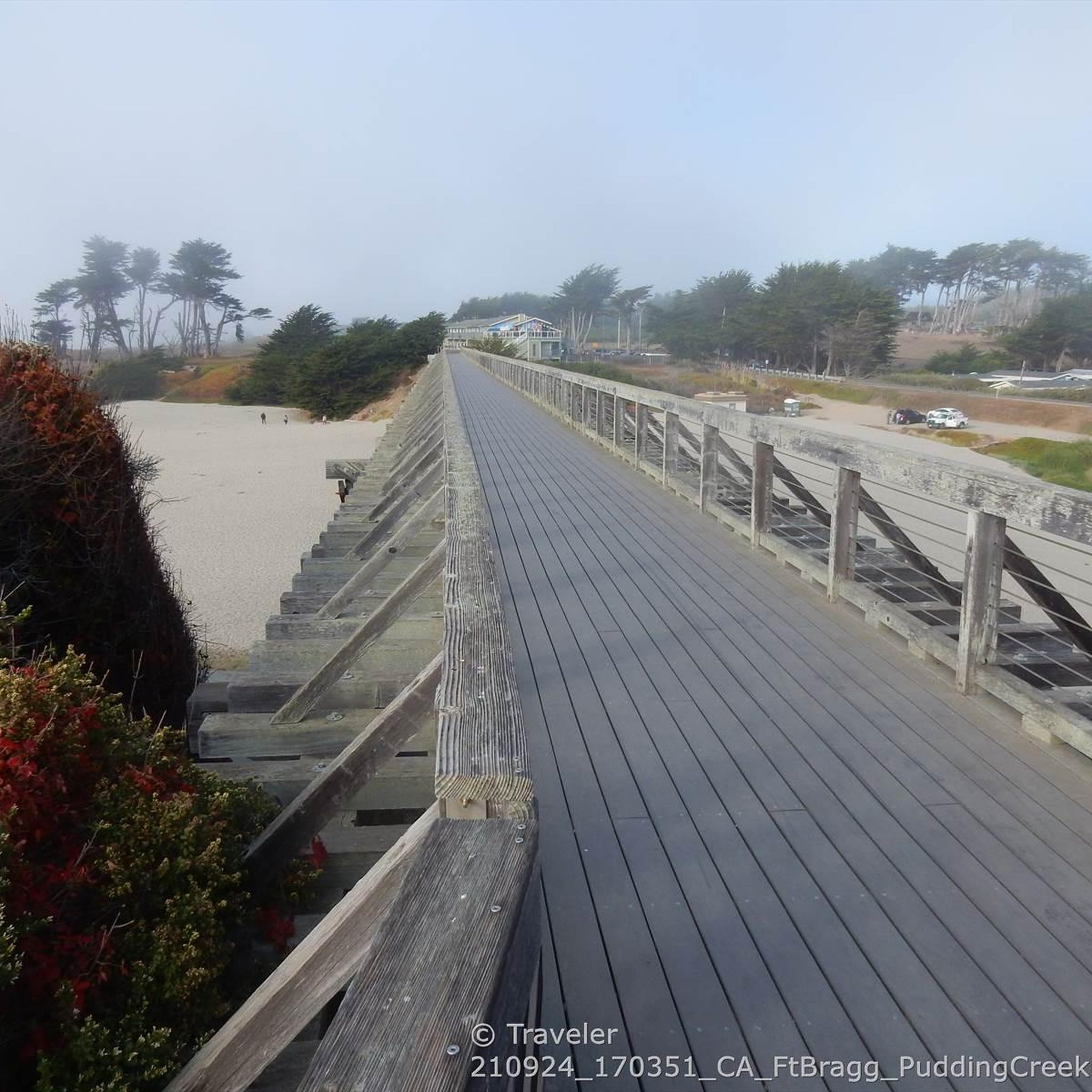
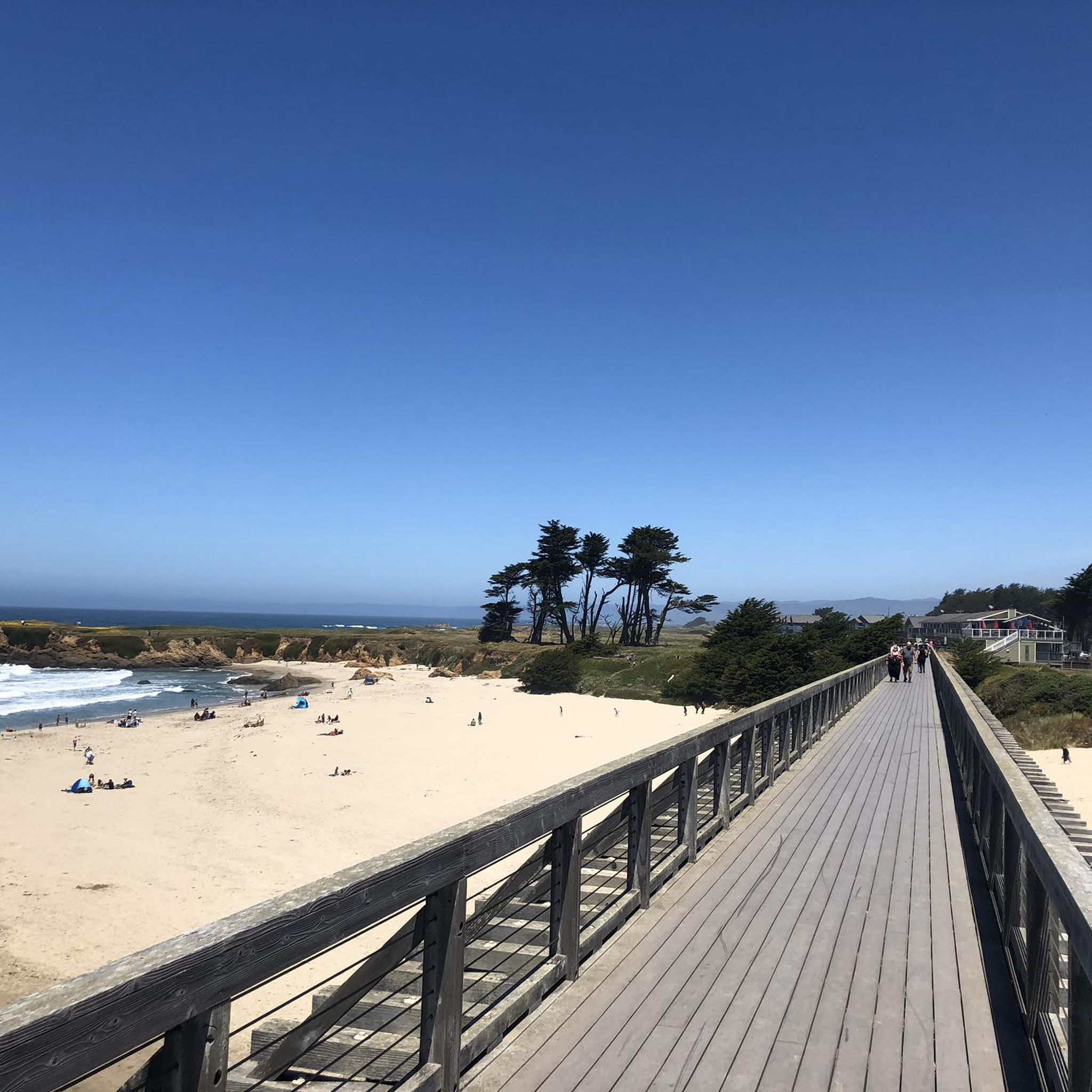
While many natural monuments are appreciated for their ecological and geological features, some also have historical context. Glass Beach, for instance, tells a unique story of how nature transformed discarded glass from a former dump site into a beautiful, polished landscape. The historic wooden Pudding Creek Trestle, now part of the Fort Bragg Coastal Trail, is another example, offering a blend of natural beauty and human history.
Most popular attractions around Fort Bragg

Get inspired with the komoot mobile app


Explore more
Extend your search for the best caves by checking out these guides of the top ones around Fort Bragg:
