Deschutes National Forest
Deschutes National Forest
Top 20 Natural Monuments in Deschutes National Forest
Natural monuments in Deschutes National Forest are found on the eastern slopes of the Cascade Range in central Oregon, spanning approximately 1.8 million acres. This region features a diverse landscape of volcanic formations, pristine lakes, and cascading waterfalls. The forest includes several designated wilderness areas and a national monument, offering numerous prominent natural features.
Best natural monuments in Deschutes National Forest
- The most popular natural monuments is Todd Lake, a lake located close to the Three Sisters and Broken…
Last updated: May 11, 2026
Trail of the Molten Land
Highlight • Trail
Tip by

Benham Falls
Highlight • Waterfall
Tip by

Sign up now to discover places like this
Get recommendations on the best single tracks, peaks, & plenty of other exciting outdoor places.
Sign up for free
Newberry Volcanic Monument: Lava Lands
Highlight • Volcano
Tip by
Upper Paulina Falls
Highlight • Waterfall
Tip by
Todd Lake
Highlight • Lake
Tip by
Sign up for free to discover even more natural monuments in Deschutes National Forest.
Sign up for free
Already have an account?
Start today with a free account
Your next adventure awaits.
Login or Signup
Popular around Deschutes National Forest
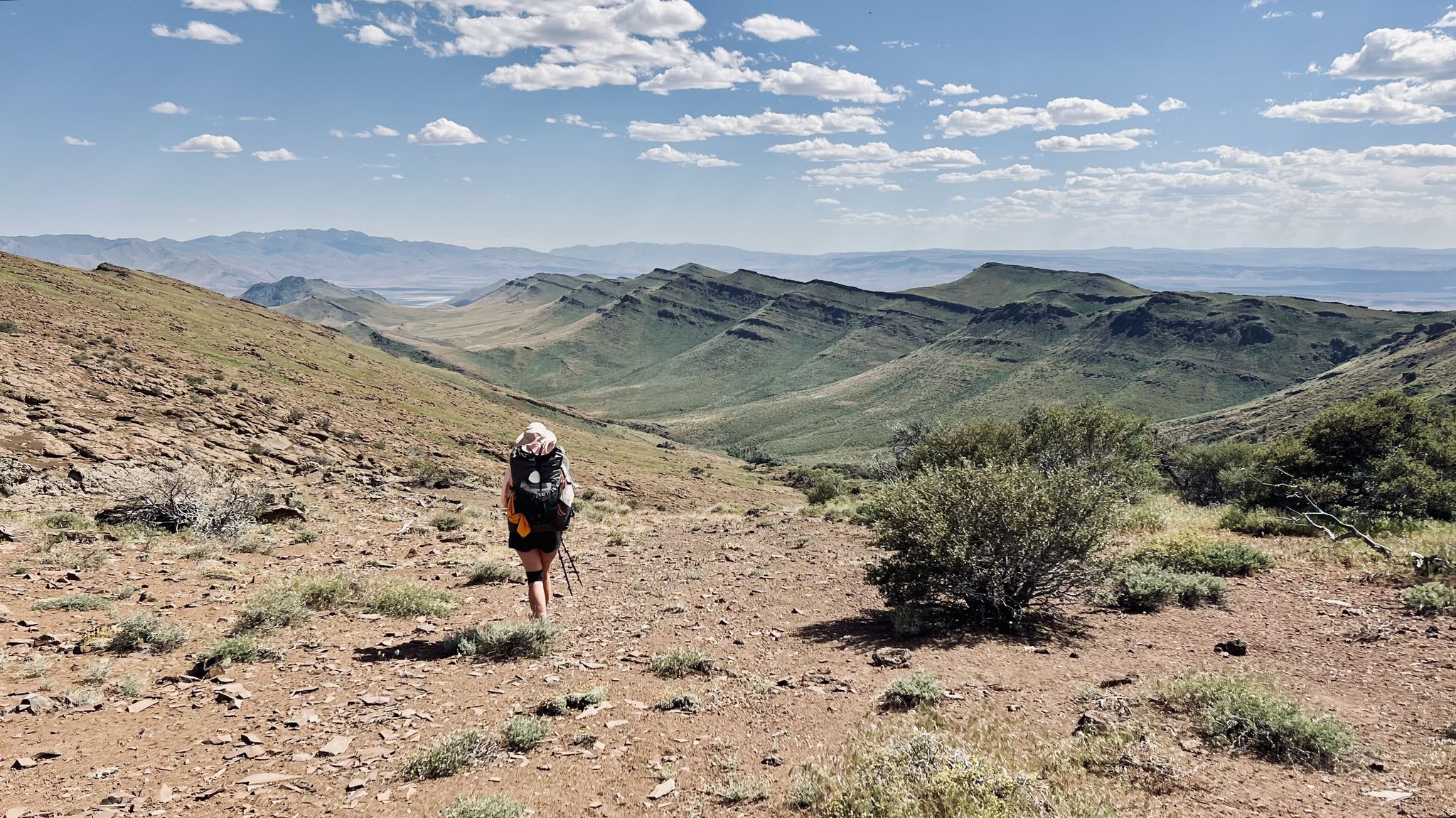
Oregon Desert Trail – Roughly the Right Direction

Pacific Crest Trail from Mexico to Canada – 4,200 kilometres of wilderness
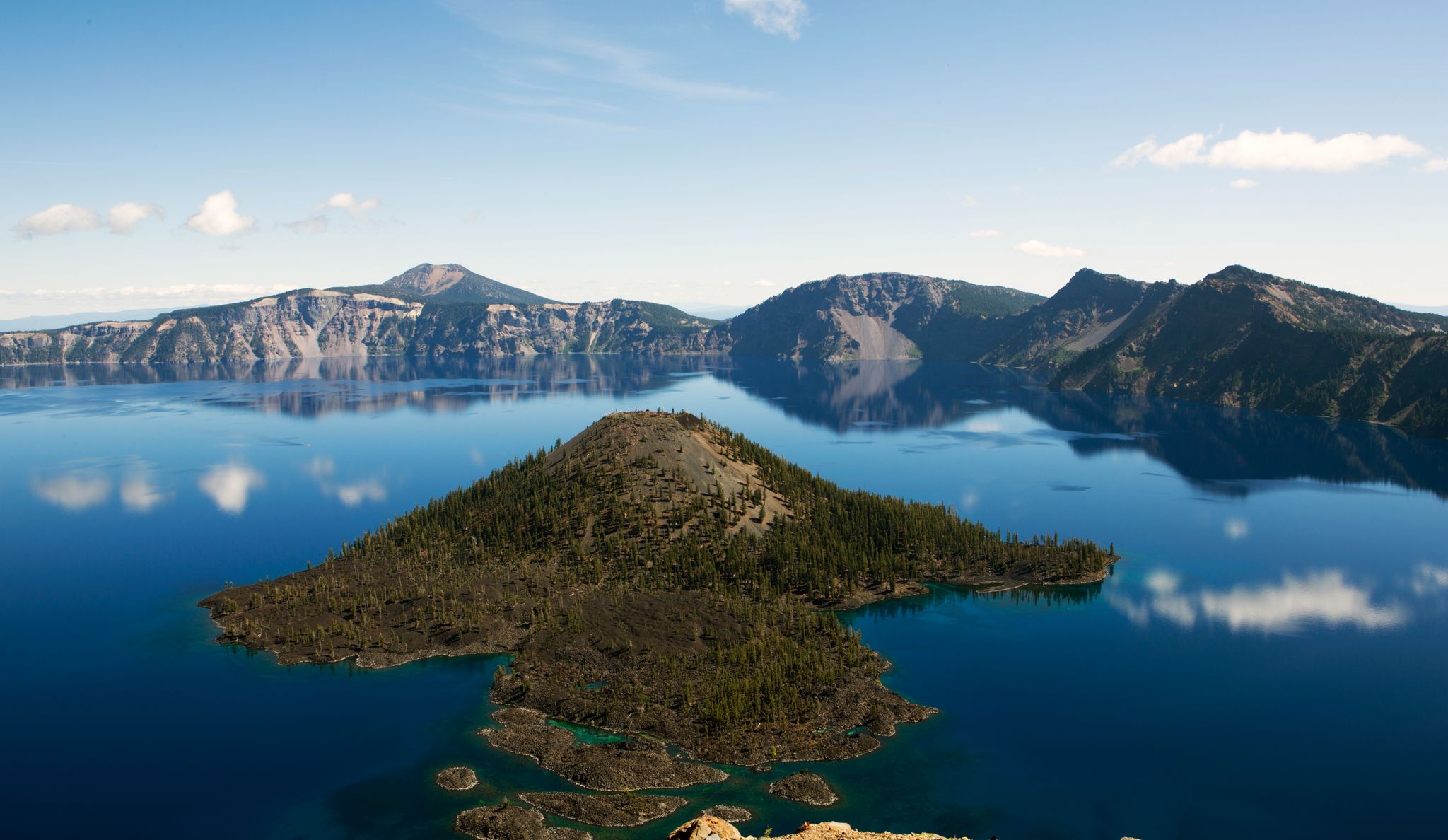
Volcanic peaks and glistening shores – discover Oregon and Washington

Oregon Trail Gravel Grinder — circling the Cascade Range
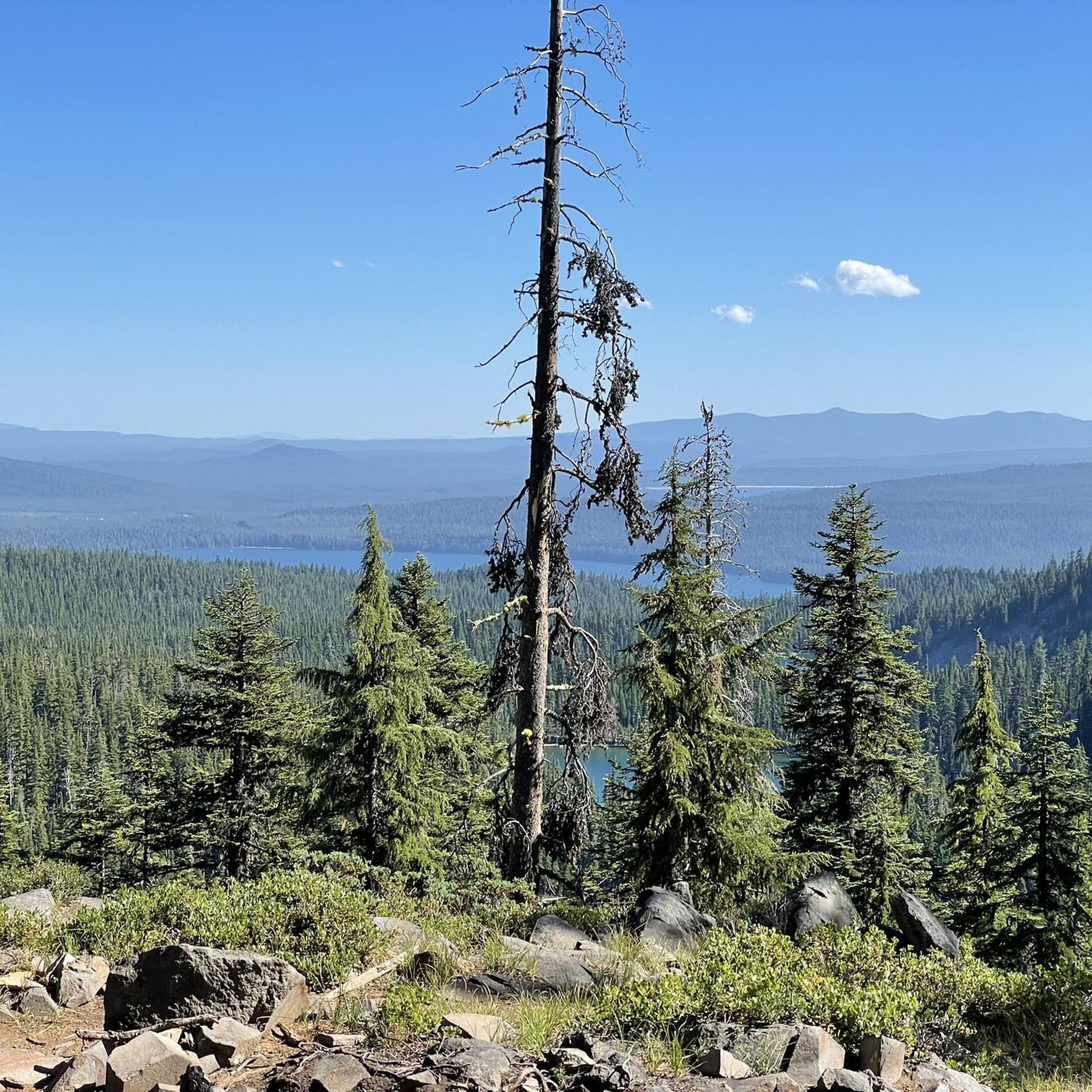
Hiking in Deschutes National Forest
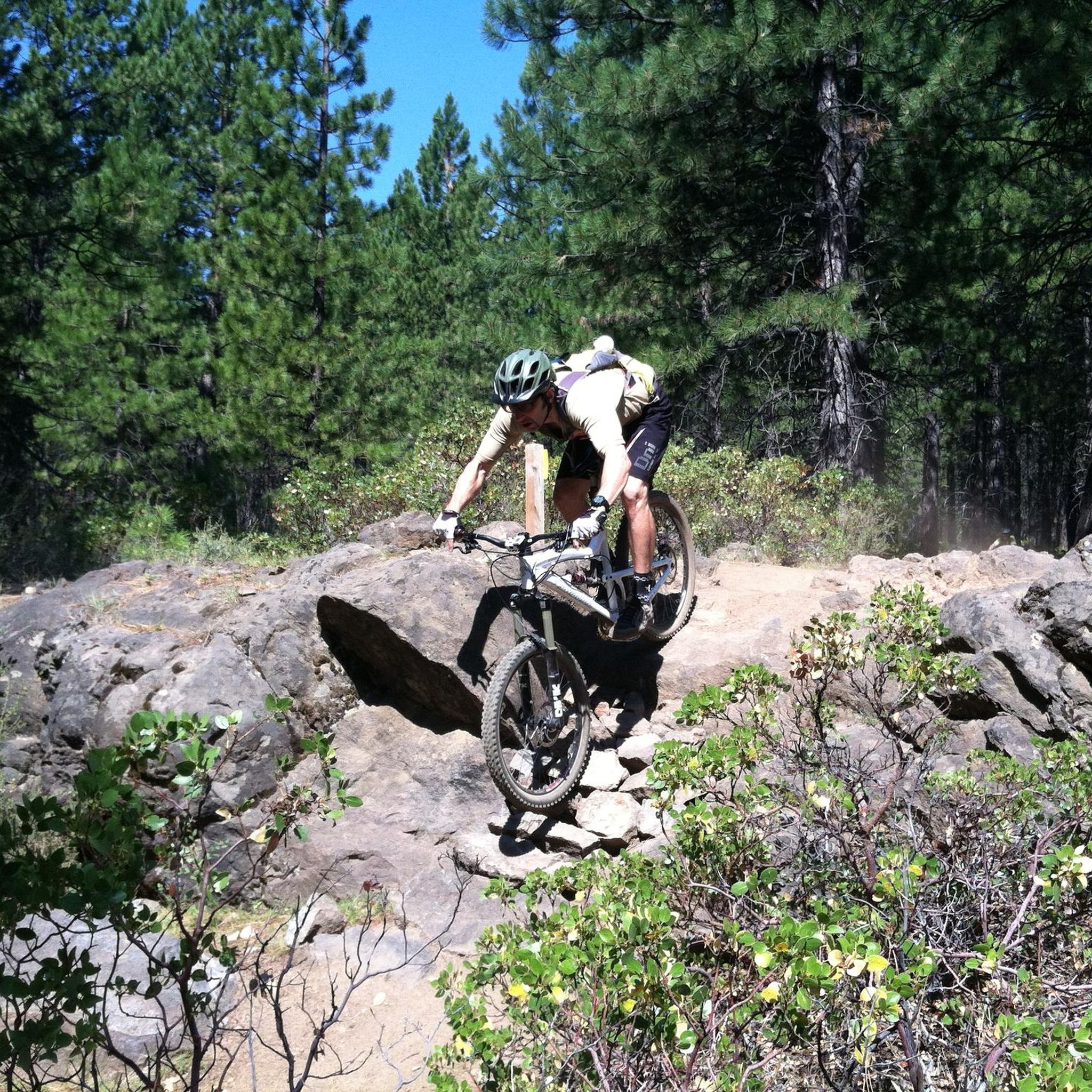
MTB Trails in Deschutes National Forest
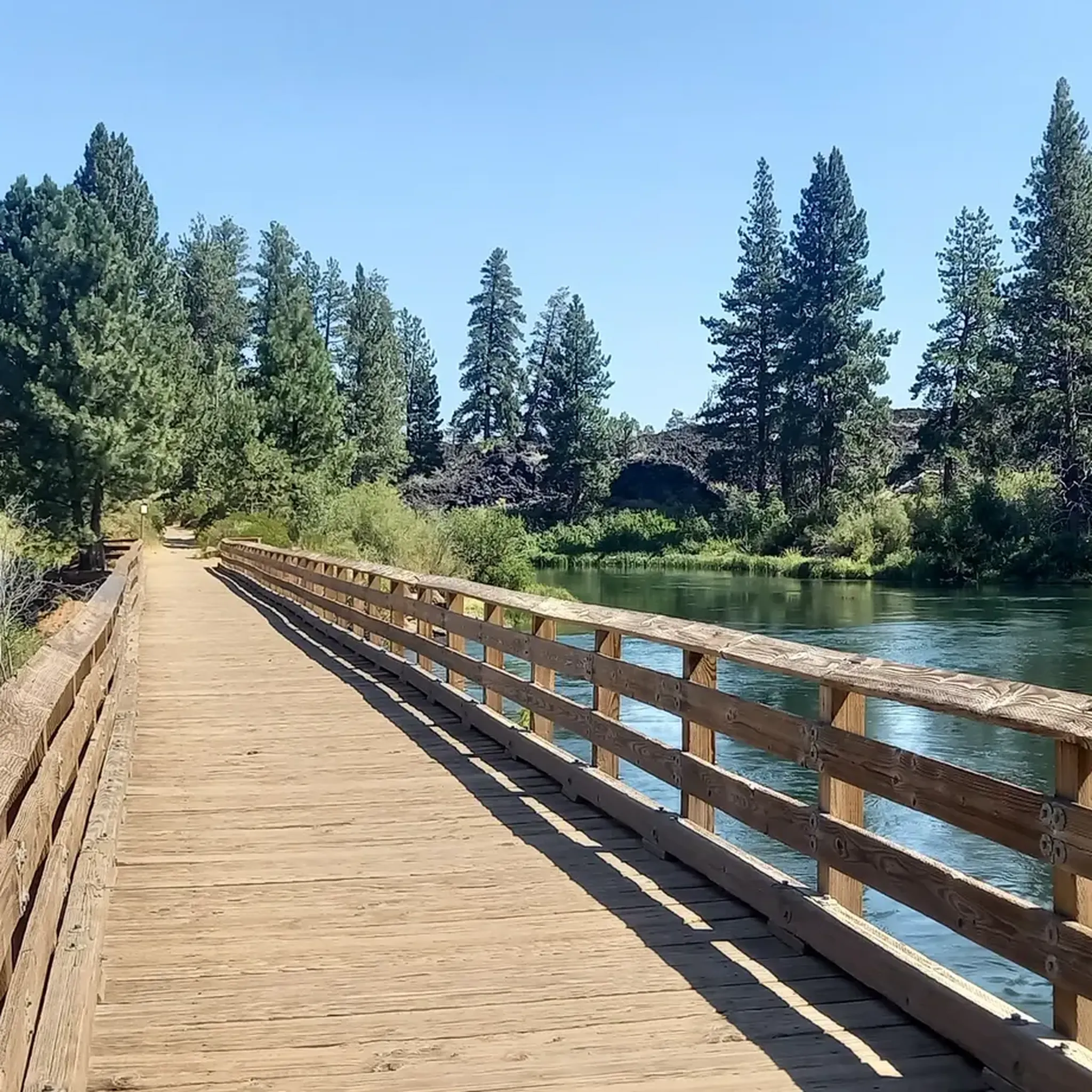
Cycling in Deschutes National Forest
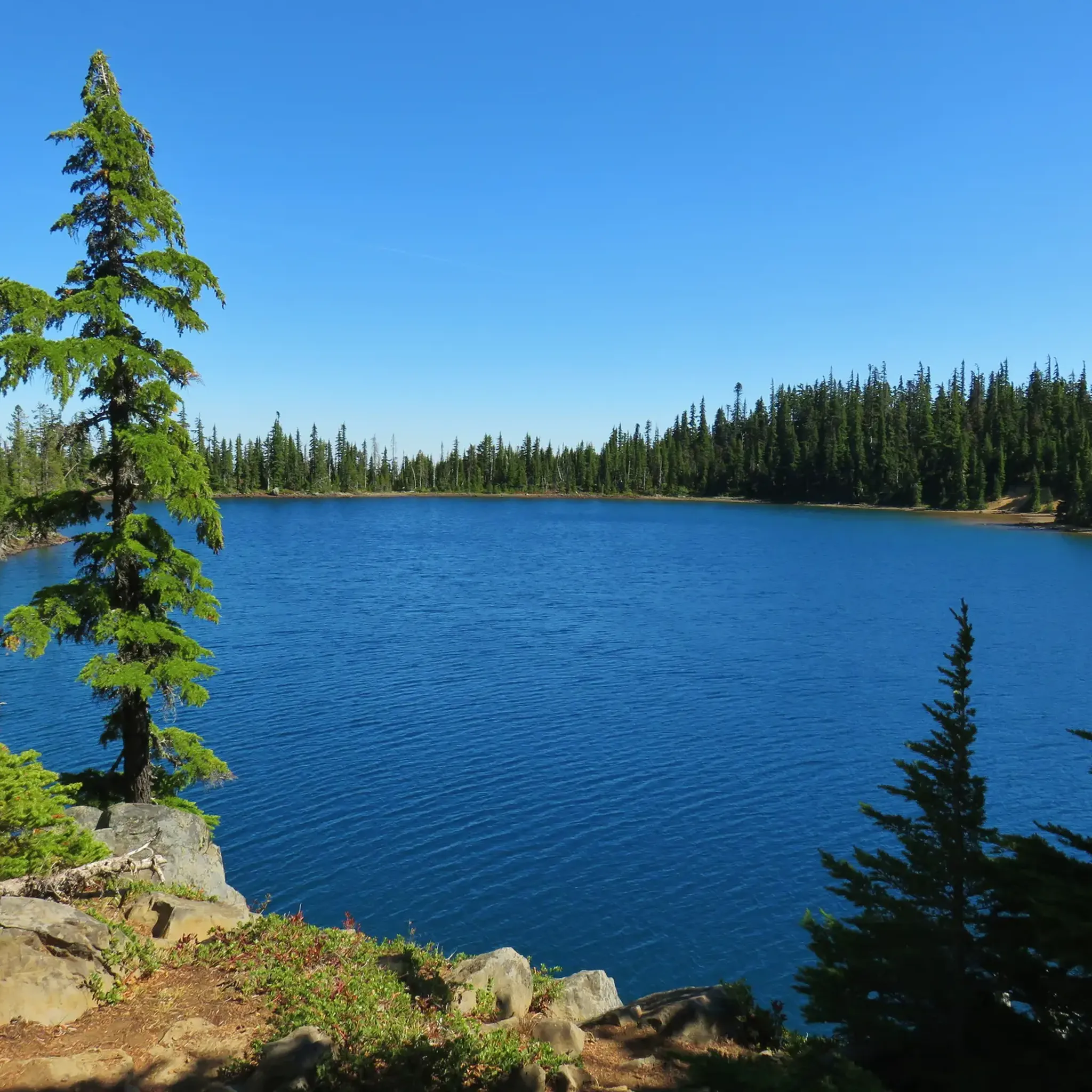
Running Trails in Deschutes National Forest
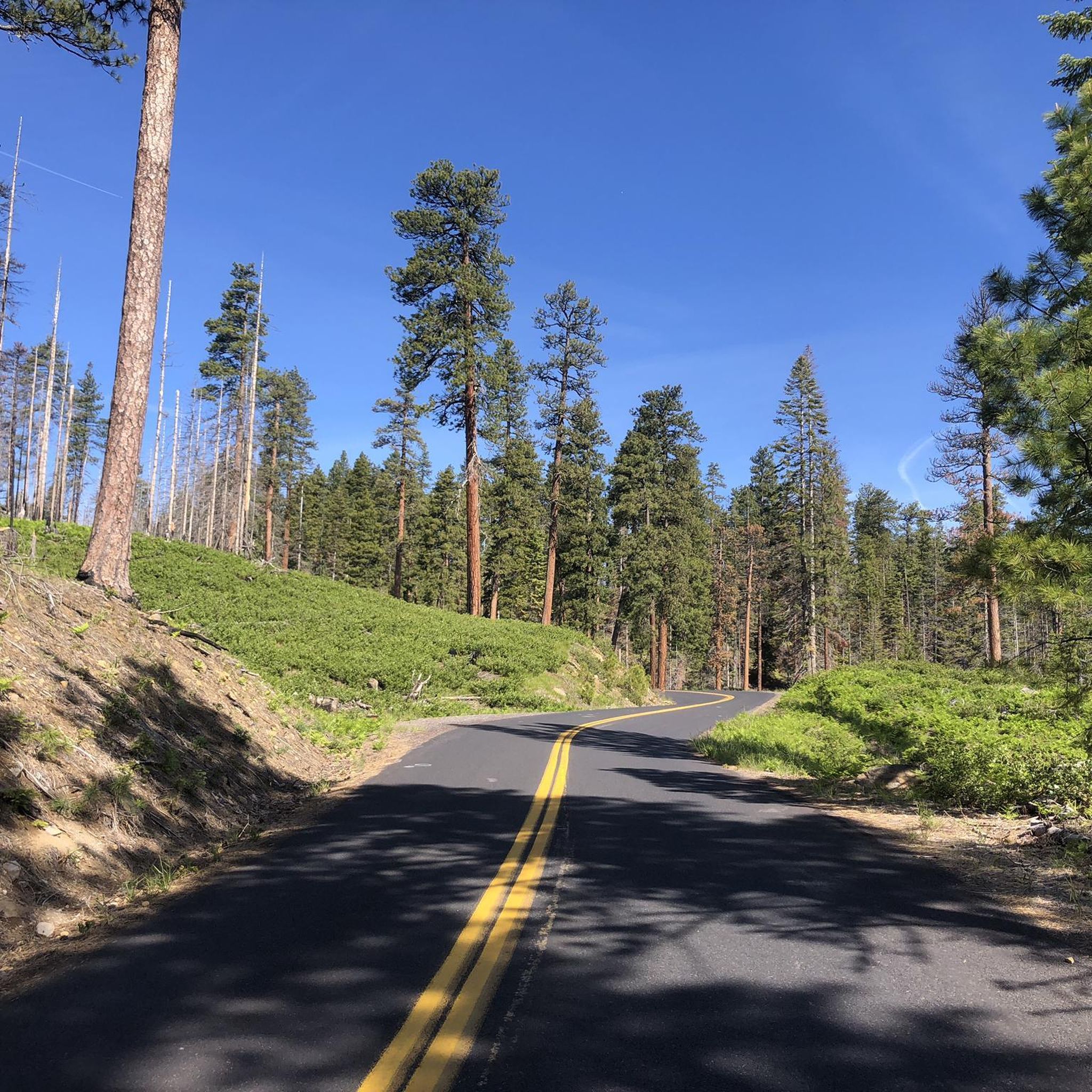
Road Cycling Routes in Deschutes National Forest
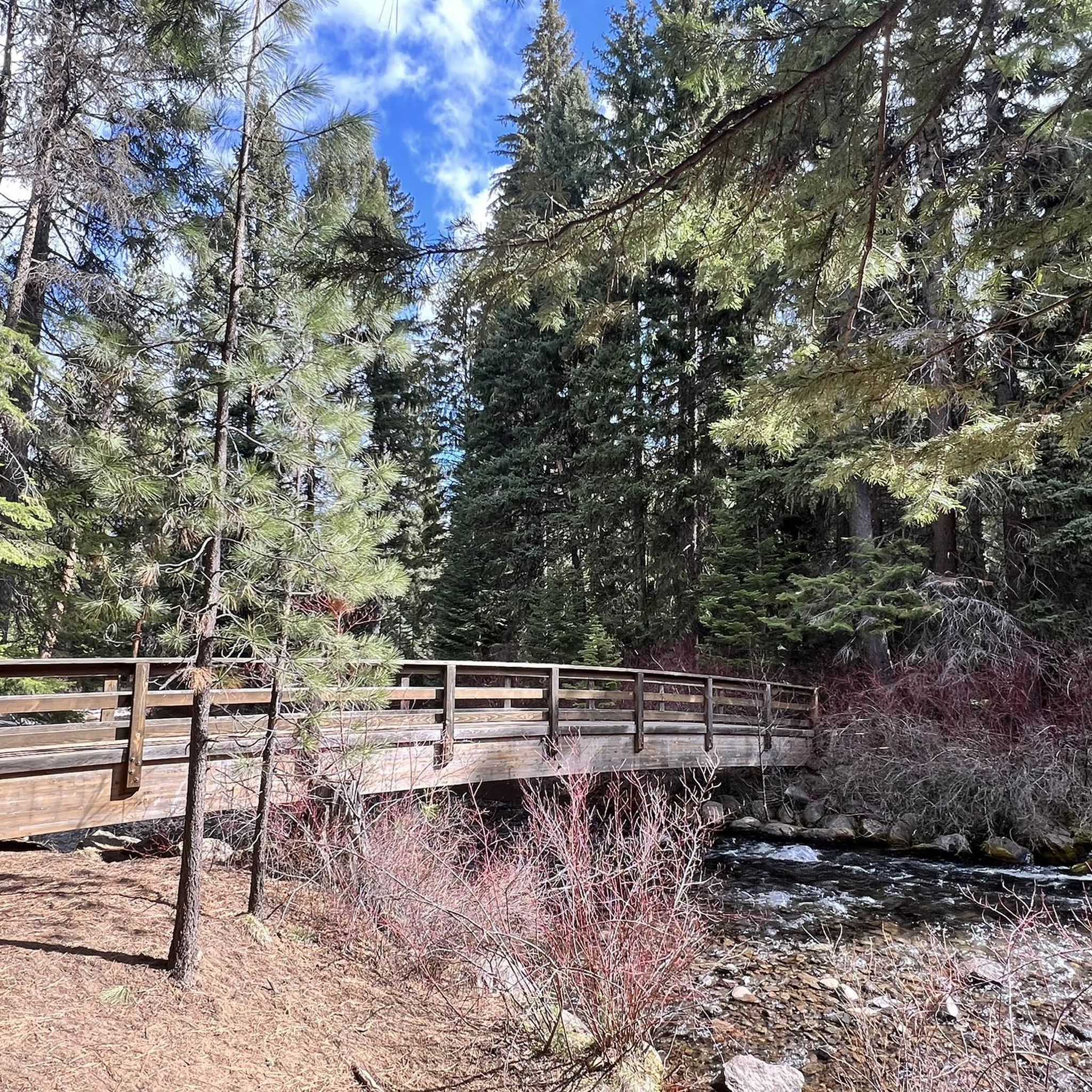
Gravel biking in Deschutes National Forest
Other adventures in Deschutes National Forest


Tips from the Community

Todd Lake offers an excellent short hike around its shore, with views of Mt Bachelor and Broken Top along the way. An excellent spot for playing in the water, having a picnic or fishing for brook trout. While Todd Lake does not require a wilderness permit, you will need one to access the Todd Trail which leads to high alpine destinations like Green Lakes and Broken Top.
1
0
Trails on both side of the creek offer different views of Paulina Falls. It's worth the short hike down the Peter Skene Ogden Trail from the top to catch a glimpse of the north side.
0
0
The geologic history of Oregon on display as you walk this trail is incredible. Interpretative signs explain many facets of the unique landscape - from the eruption history to the flora and fauna that live there. The volcanic history of Central Oregon is told here, and it is worth a stop!
1
0
This large bowl shaped falls is particularly beautiful in the winter, when snow and ice covers the rocks. Recent warm temperatures reduced the ice levels, but it was still quite beautiful to see all covered in snow.
0
0

Todd Lake is located in Deschutes National Forest and is a beautiful natural alpine lake close to the majestic Three Sisters and Broken Top. The day-use area offers picnic benches and pit toilets. Since it is easy to get to, it is a popular spot.
0
0

This is the highlight of the run. It is an excellent spot to take a break and watch the water churn below before it tumbles down a long string of cascades through the cliffs.
0
0
These falls are the highlight of the ride. Watch the water churn below before it tumbles down a long string of cascades through the cliffs. There are several picnic tables where you can take a break for lunch amidst the beautiful stand of old-growth ponderosa pines that line the river bank.
1
0

If you don't have time to climb or drive on the butte, you should still do this very easy hike. There are great views and boards that explain a lot of things well.
0
0
Frequently Asked Questions
What are some of the most prominent natural features to explore in Deschutes National Forest?
Deschutes National Forest is rich in diverse natural features. You can explore the volcanic landscapes of the Newberry Volcanic Monument: Lava Lands, which includes cinder cones and lava fields. Another highlight is Upper Paulina Falls, a beautiful waterfall. The forest also features stunning alpine lakes like Todd Lake and the crystal-clear Green Lakes within the Three Sisters Wilderness.
Are there family-friendly natural monuments in Deschutes National Forest?
Yes, several natural monuments are great for families. The Newberry Volcanic Monument: Lava Lands offers short trails and a visitor center with educational resources. Todd Lake is a popular spot with picnic benches and easy access. The Trail of the Molten Land is also family-friendly, featuring informative boards about the area's geological history.
What kind of geological features can I expect to see?
Deschutes National Forest is renowned for its volcanic geology. You'll encounter cinder cones, vast lava flows, and lava tubes, particularly within the Newberry National Volcanic Monument. The area also features impressive waterfalls like Tumalo Falls and Paulina Falls, and alpine lakes formed by glacial and volcanic activity, often nestled among the majestic Cascade volcanoes like the Three Sisters.
What is the best time of year to visit the natural monuments?
The best time to visit most natural monuments in Deschutes National Forest is generally from late spring through early fall (May to October). During these months, trails are typically clear of snow, and the weather is pleasant for hiking, exploring, and enjoying the lakes. Some waterfalls, like Paulina Falls, are particularly beautiful in winter when covered in snow and ice, but accessibility may be limited.
Are there dog-friendly trails at the natural monuments?
Many areas within Deschutes National Forest are dog-friendly, but it's always best to check specific regulations for each monument or trail. For example, Newberry Volcanic Monument: Lava Lands and Upper Paulina Falls are noted as dog-friendly. Always keep your dog on a leash and pack out any waste to protect the natural environment.
What outdoor activities can I do near these natural monuments?
Beyond exploring the monuments themselves, Deschutes National Forest offers a wide range of outdoor activities. You can find numerous cycling routes, including the challenging McKenzie Pass Scenic Bikeway, or easier options like the Benham Falls via Lava-Benham Trail loop. Mountain biking enthusiasts can enjoy trails like Ben's, Pinedrops, and Phil's Trail Loop. For more information on cycling, visit our guide to Cycling in Deschutes National Forest, or for mountain biking, check out MTB Trails in Deschutes National Forest.
Are there any accessible natural monuments for visitors with wheelchairs?
While specific accessibility details can vary, the Lava Lands Visitor Center at Newberry National Volcanic Monument generally offers accessible facilities and information. Some trails, like portions of the Trail of the Molten Land, may have paved or boardwalk sections. It's recommended to contact the U.S. Forest Service or the specific monument visitor center directly for the most current information on accessible trails and facilities.
What do visitors enjoy most about the natural monuments in Deschutes National Forest?
Visitors frequently praise the stunning scenic beauty and unique geological formations. Many enjoy the educational aspects of places like the Trail of the Molten Land, which explains the volcanic history. The serene atmosphere of alpine lakes like Todd Lake and the impressive views from waterfalls like Upper Paulina Falls are also highly appreciated. The opportunity to explore diverse landscapes, from lava fields to lush forests, is a major draw.
Are there loop trails available at the natural monuments?
Yes, some natural monuments and surrounding areas offer loop trails. For instance, the Ray Atkeson Memorial Trail at Sparks Lake is a scenic 2.3-mile loop. Within the Newberry Volcanic Monument, you can find shorter loop trails that delve into the lava landscape. When planning your visit, check trail maps at visitor centers for specific loop options and their difficulty levels.
Do I need permits to visit natural monuments in Deschutes National Forest?
While many areas of Deschutes National Forest are open for general access, some specific locations or activities may require permits. For example, accessing certain high alpine destinations within the Three Sisters Wilderness, such as those reached via the Todd Trail from Todd Lake, often requires a wilderness permit. It's always best to check with the U.S. Forest Service or the specific monument's visitor center for current permit requirements before your visit, especially during peak seasons.
What is the typical hiking difficulty for trails around these natural monuments?
Hiking difficulties vary significantly. You can find easy, short walks like the Trail of the Molten Land, which is suitable for most visitors. Other trails, especially those leading into wilderness areas like the Three Sisters, can be intermediate to difficult, involving significant elevation gain and longer distances. For example, reaching Green Lakes involves an intermediate hike. Always check trail descriptions and conditions before heading out.
Can I see wildlife at the natural monuments?
Deschutes National Forest is home to diverse wildlife. While specific sightings are never guaranteed, you might spot deer, elk, various bird species, and smaller mammals around the lakes and forested areas. The volcanic landscapes also support unique flora and fauna adapted to the environment. Observing wildlife is best done quietly and from a distance to avoid disturbing the animals.
Most popular routes in Deschutes National Forest
Most popular attractions in Deschutes National Forest

Get inspired with the komoot mobile app


Explore more
Extend your search for the best caves by checking out these guides of the top ones in Deschutes National Forest:
