Top 20 Natural Monuments in Zion National Park
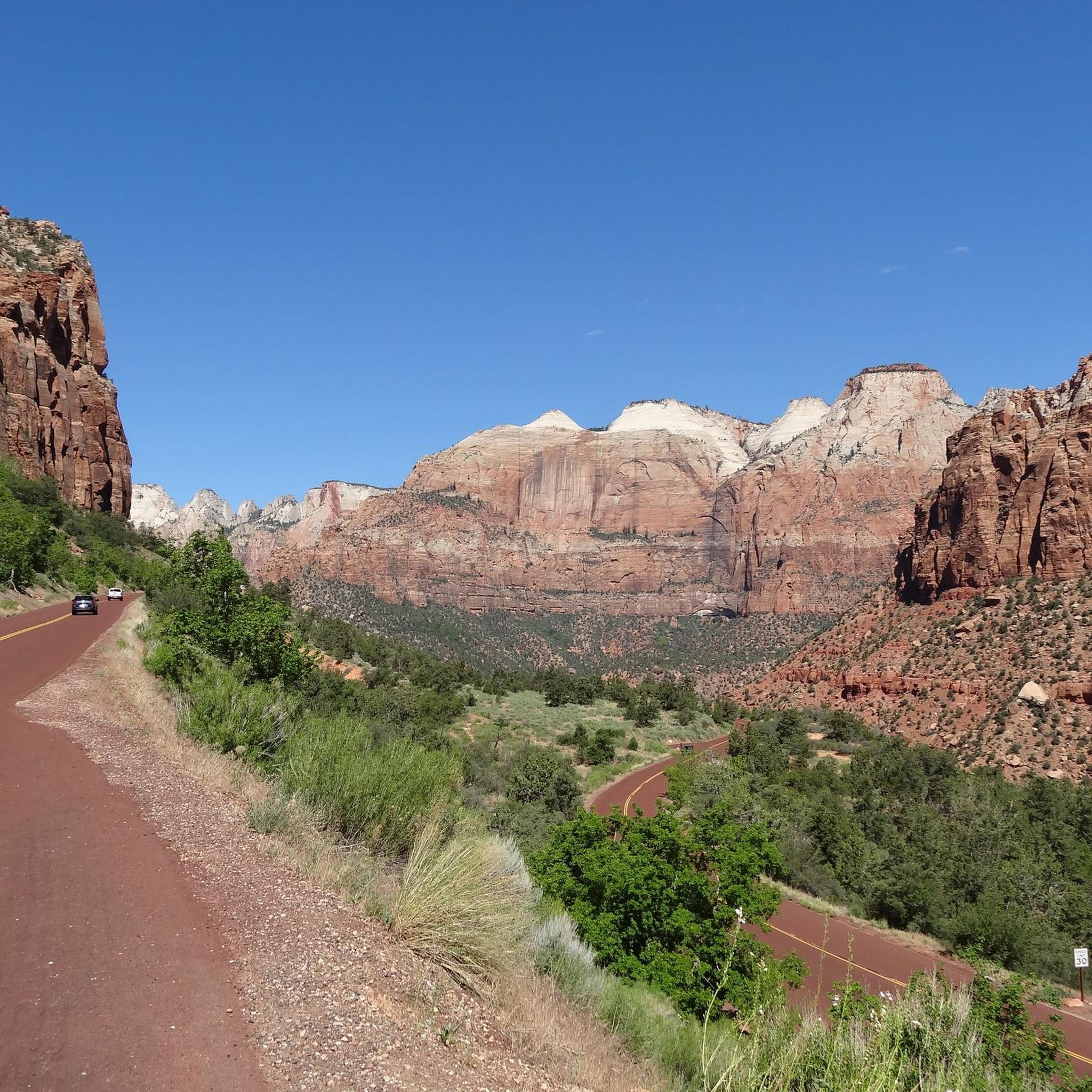
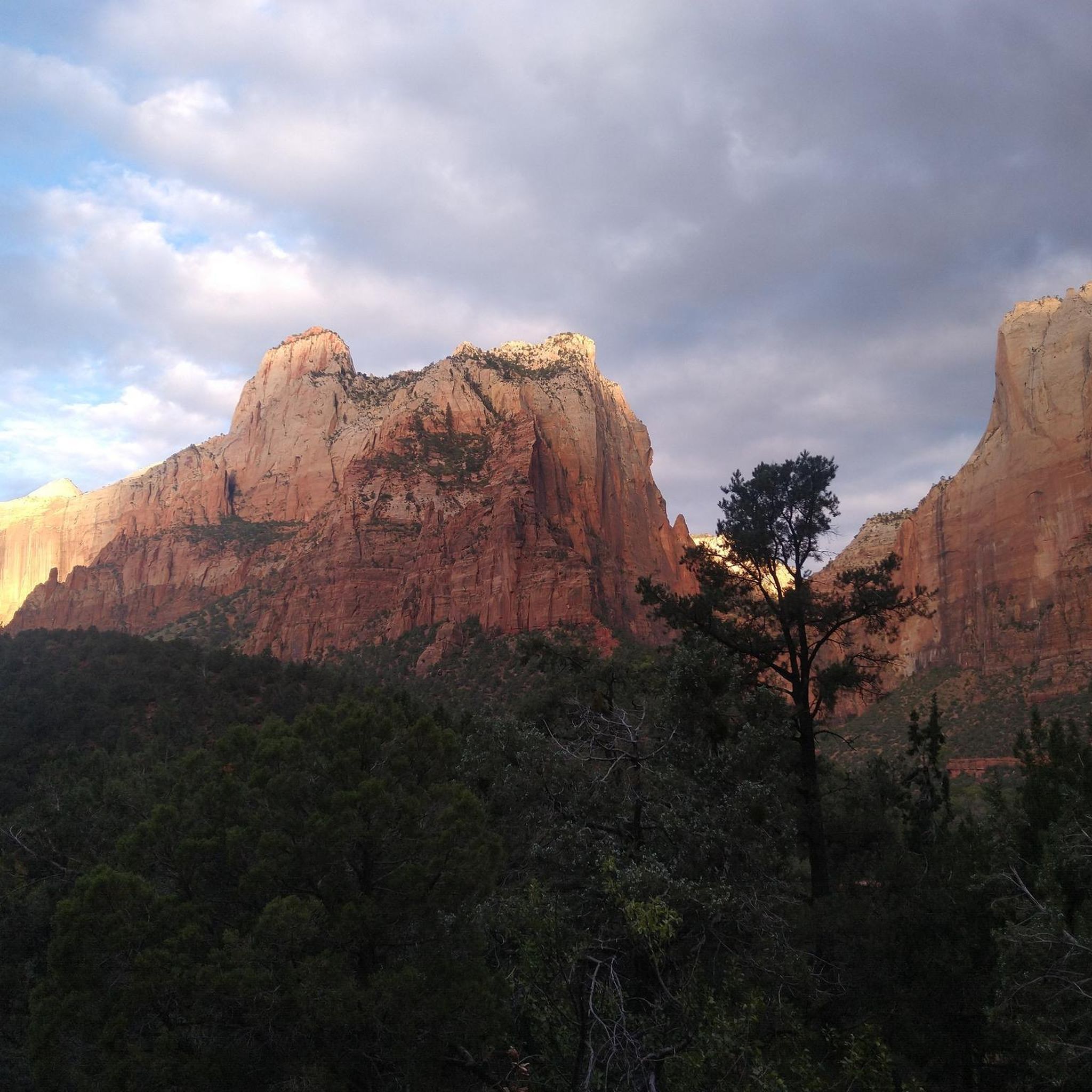
Best natural monuments in Zion National Park are sculpted by millions of years of erosion, forming a geological marvel in southwestern Utah. The park features towering sandstone cliffs, deep canyons, and unique rock formations. The Virgin River has carved its way through the rock, creating gorges between 600 and 1,000 meters deep. This landscape offers a variety of natural features for exploration.
Best natural monuments in Zion National Park
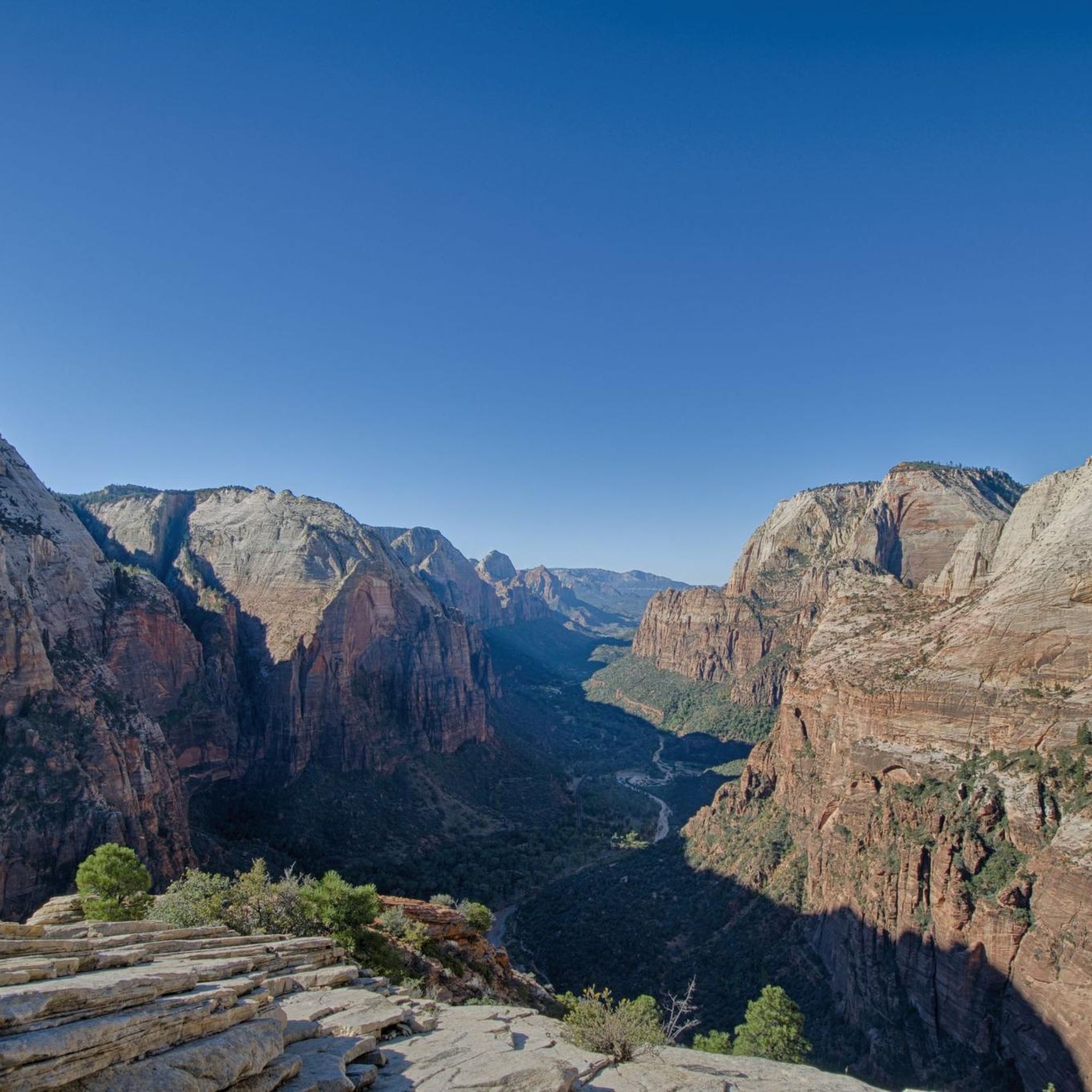
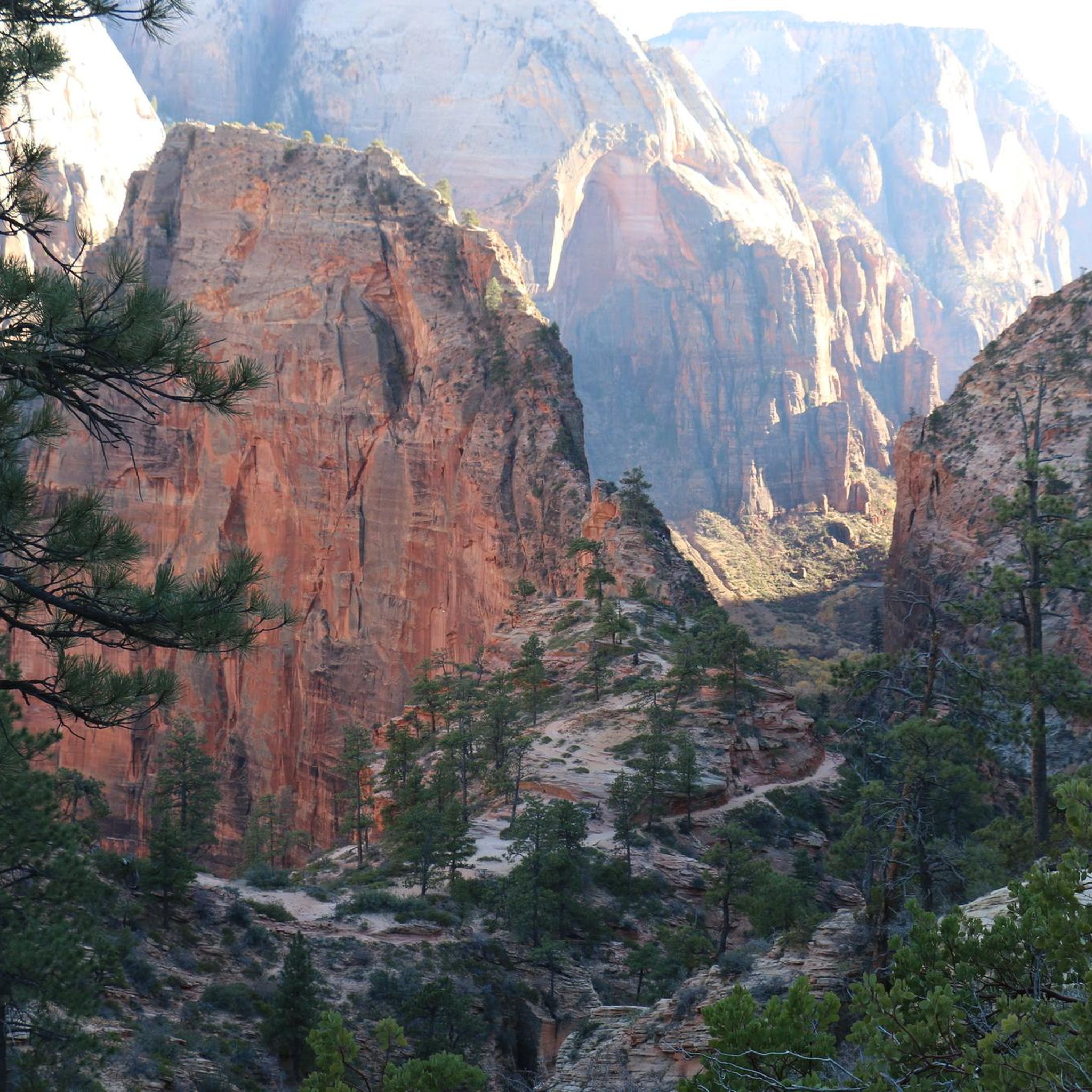
- The most popular natural monuments is Angels Landing, a summit that is a prominent rock formation rising 1,488 feet. This climb offers spectacular views over the Zion Canyon from its summit at 1765m.
- Another must-see spot is Temple of Sinawava, a canyon that forms a natural amphitheater of steeply sloping walls. After a short hike, visitors can reach the Virgin River, which flows through the canyon.
- Visitors also love Zion Canyon – Virgin River Walk, a trail where the Virgin River is a key factor in the formation of the valley. This walk is a comfortable, wheelchair-accessible way to experience the canyon.
- Zion National Park is known for its canyons, rock formations, and river-carved landscapes. The park offers a variety of natural monuments to see and explore, from challenging summits to accessible river walks.
- The natural monuments in Zion National Park are appreciated by the komoot community, with more than 120 upvotes and over 170 photos shared by visitors.
Last updated: October 11, 2026
Angels Landing
Highlight • Summit
Tip by

West Rim Trail
Highlight (Segment) • Trail
Tip by
Sign up now to discover places like this
Get recommendations on the best single tracks, peaks, & plenty of other exciting outdoor places.
Zion Canyon – Virgin River Walk
Highlight (Segment) • Trail
Translated by Google •
Tip by

Emerald Pools Trail
Highlight • Trail
Translated by Google •
Tip by
Kayenta Trail
Highlight • Trail
Translated by Google •
Tip by
Sign up for free to discover even more natural monuments in Zion National Park.
Already have an account?
Start today with a free account
Your next adventure awaits.
Popular around Zion National Park
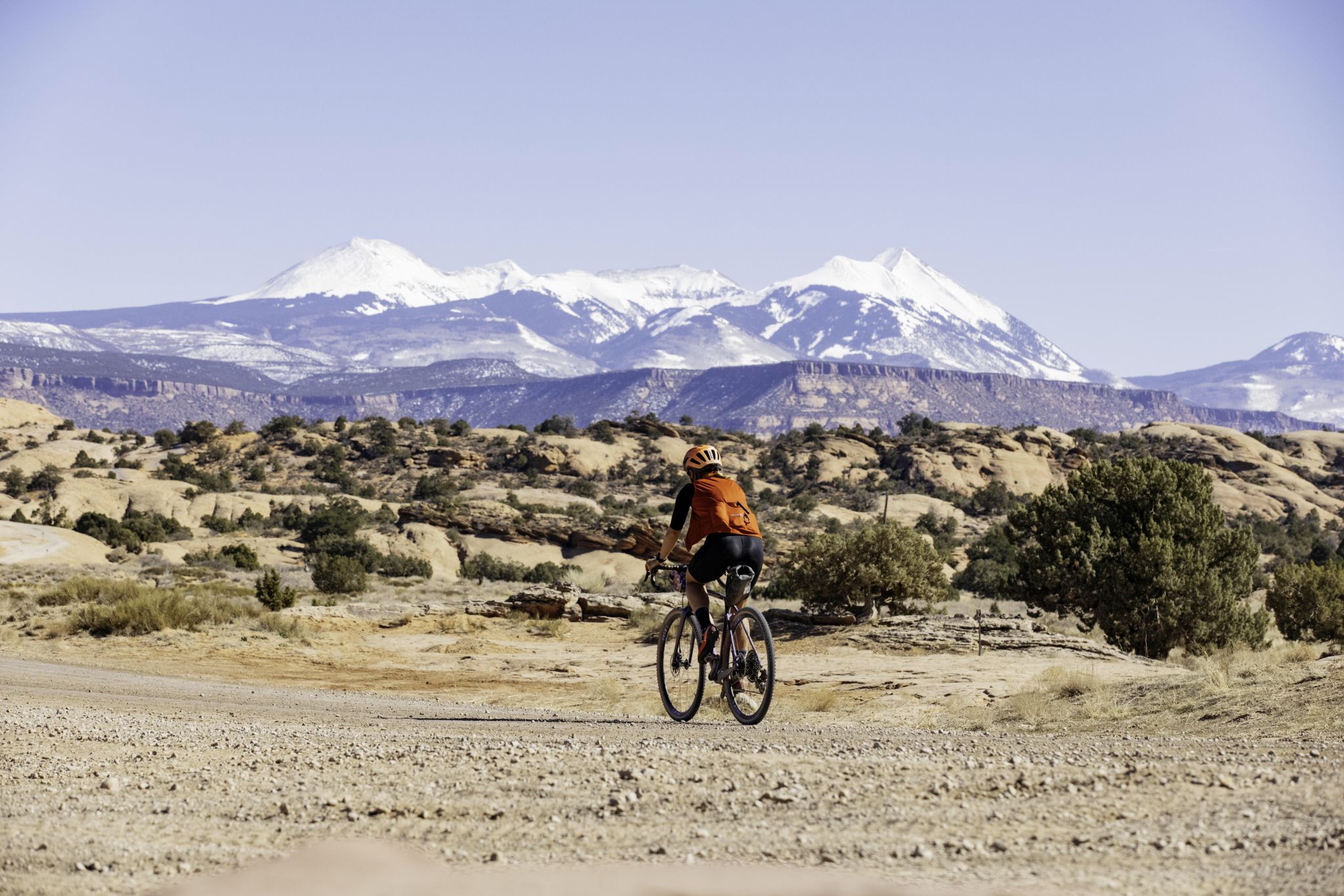
My Utah road trip: trail running and gravel riding in the mountains
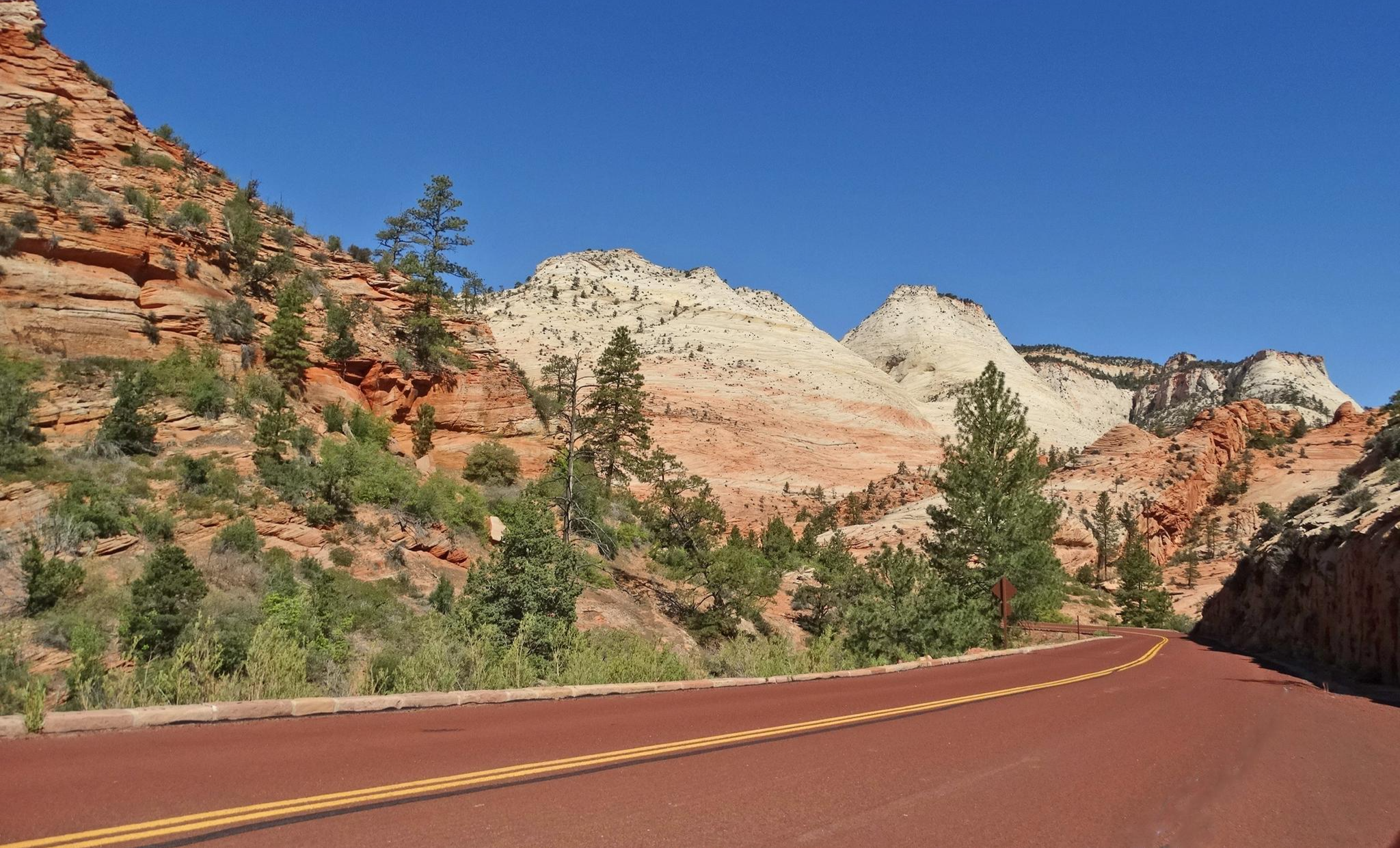
Red Rock to High Country loop — Riding from desert floors to canyon walls
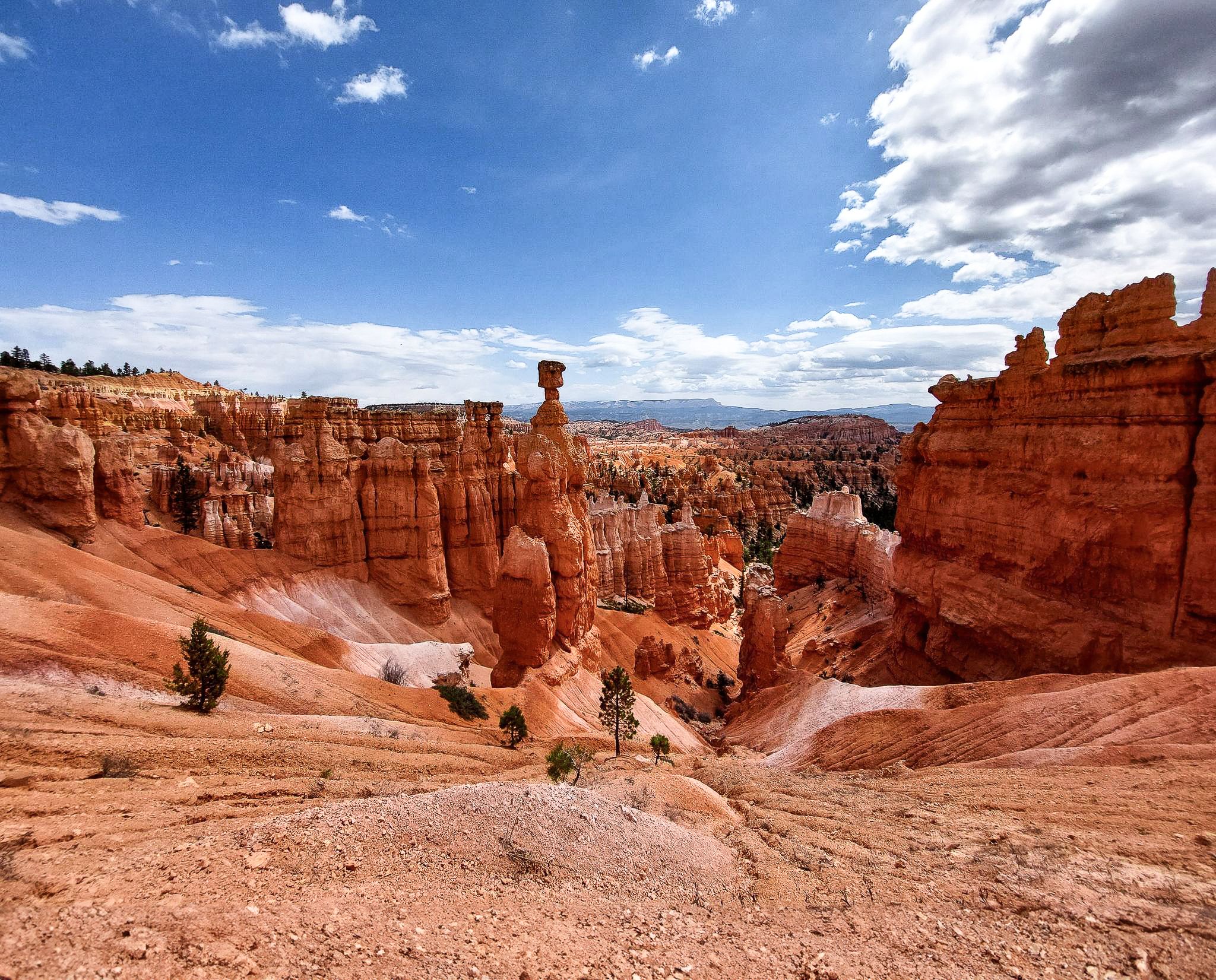
Canyons, Plateaus and Hoodoos – discover Southwest USA
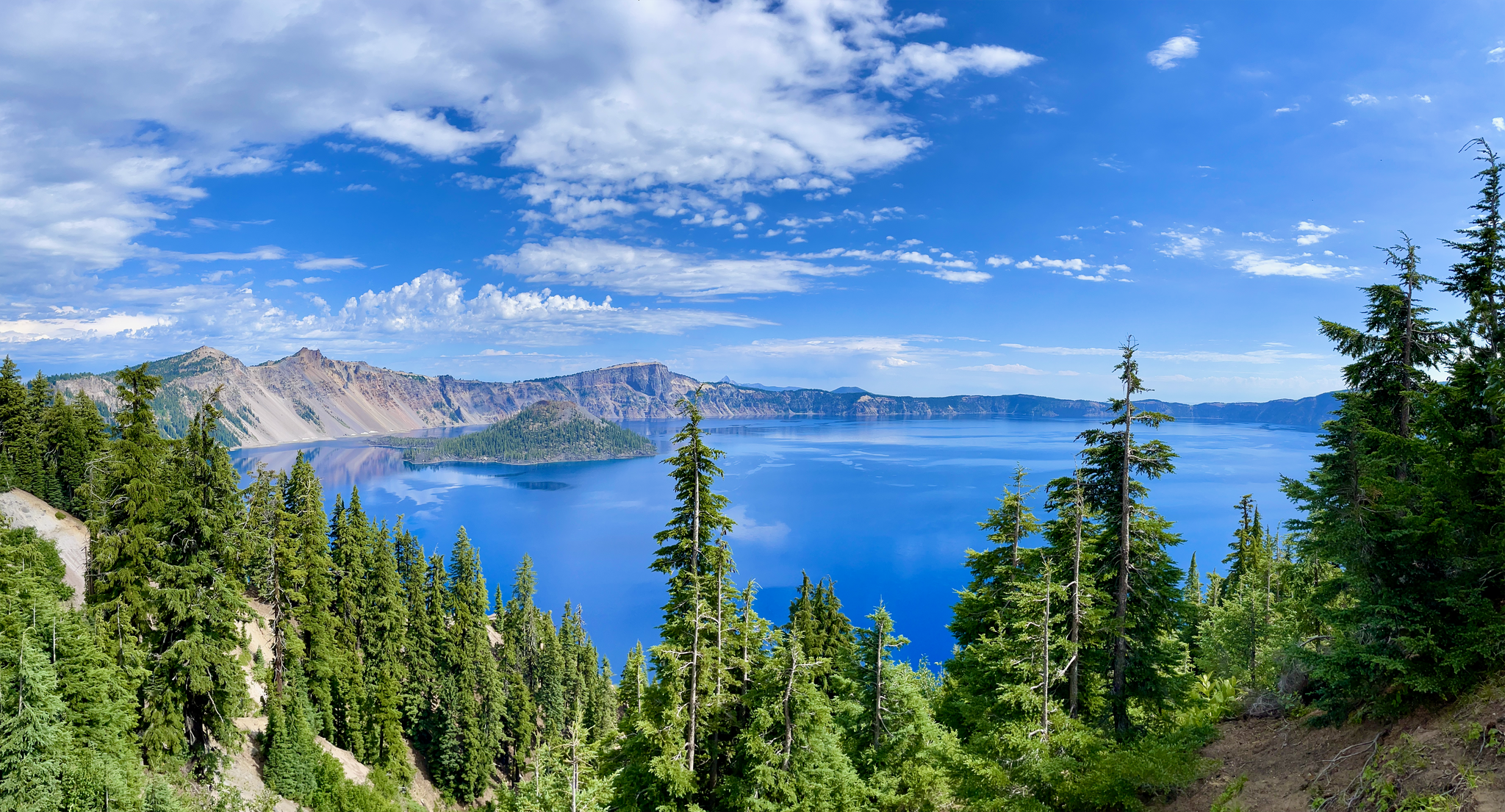
The pristine beauty of the US National Parks
Hiking in Zion National Park
Cycling in Zion National Park
MTB Trails in Zion National Park
Road Cycling Routes in Zion National Park
Running Trails in Zion National Park
Other adventures in Zion National Park


Tips from the Community

A very crowded path. Since it's a relatively easy route, it's very busy.
0
0


Great view from Emerald Pools Trail of the valley and the Virgin River. This is a great place along the trail to take a quick break to enjoy the peaceful setting.
0
0

With the current temperatures of around 40°C, you should definitely start early. Firstly, to avoid the crowds at the Bus Stop Village Center (we were already standing in line for 45 minutes at 8:30 a.m.). Secondly, to avoid the heat. The rocks sometimes heat up and it becomes unbearable. Don't forget to bring plenty of drinking water. Berger, we were just looking forward to cooling off in the Virgin River, which was a real treat.
1
0

Nice view of the valley. The permit is only required for the turnoff to Angles Landing, which should not be used by inexperienced people. The West Rim Trail also has a beautiful view, so you don't have to put yourself in danger.
1
0
Path towards Emerald Pools. The part of the path towards Zions National Park Lodge may be closed in winter, so you have to return the same way you came. There is no shuttle service in winter. On weekends, the valley may be closed to car traffic from the lodge.
0
0

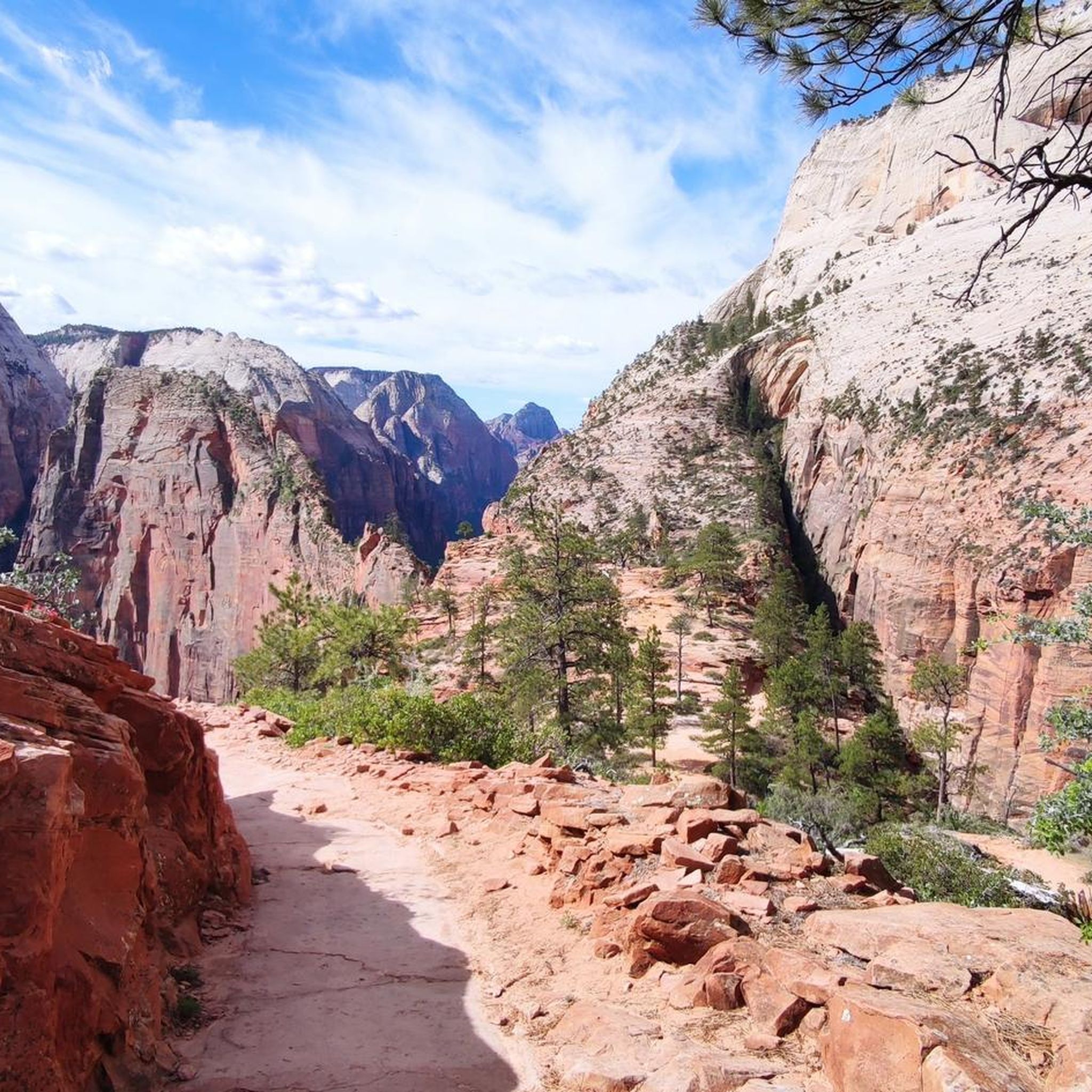
The West Rim Trail to the Scout Lookout is kind of boring for ambitious hikers. It‘s a paved path. Though, don‘t underestimate the trail. It has still much elevation. The view during the hike and from the Overlook is not bad though. But the best view you will have, when you hike the Angels Landing Trail up to the top. But pay attention, it‘s a strenuous hike along a steep narrow ridge, and you need to have a hiking permit to hike the Angels Landing Trail.
1
0
You need to have a hiking permit to hike the Angels Landing Trail! During high season it is extremely crowded, so start early in the morning. The trail itself which leads to the top of the mountain is a very steep trail along a narrow ridge! You definetely should be free of fear of heights. Dangerous, especially when it‘s slippery after rain. I hiked the trail in end of September and there were only few people. Highly recommend using the off season for a hike of Angels Landing. It‘s definetely worth to hike all the way to the top because the view up there is incredible!
3
0
Frequently Asked Questions
What are some of the most popular natural monuments to visit in Zion National Park?
Zion National Park is home to many iconic natural monuments. Among the most popular are Angels Landing, known for its challenging hike and panoramic views; The Narrows, offering a unique riverbed hiking experience through towering canyon walls; and The Great White Throne, an impressive monolith visible from various points in the park. The Temple of Sinawava is also a must-see, forming a natural amphitheater at the end of the scenic drive.
Are there any family-friendly natural monuments or accessible trails in Zion National Park?
Yes, Zion National Park offers several family-friendly and accessible options. The Zion Canyon – Virgin River Walk is a comfortable, wheelchair-accessible trail that allows visitors to experience the canyon's beauty along the Virgin River. The Temple of Sinawava area is also considered family-friendly, and the Emerald Pools offer a series of short trails to lush oases and waterfalls, suitable for many ages.
What unique geological formations can be found in Zion National Park?
Zion National Park is renowned for its diverse and unique geological formations, sculpted by millions of years of erosion. Beyond the famous canyons and towering cliffs, you can observe features like Checkerboard Mesa, with its distinctive cross-bedding patterns, and Kolob Arch, one of the world's longest natural arches located in the Kolob Canyons section. The park's sandstone cliffs themselves display impressive shades from cream to pink to red.
What are the best times to visit Zion National Park's natural monuments?
The best times to visit Zion National Park for its natural monuments are typically spring and fall. During these seasons, temperatures are milder, making hiking more comfortable, and the water levels for features like the Emerald Pools waterfalls are often at their best. Summer can be very hot, while winter offers a quieter experience with potential snow, but some trails or sections might be closed due to conditions.
What outdoor activities can I do near the natural monuments in Zion National Park?
Zion National Park provides a wide range of outdoor activities. You can explore various hiking trails, from easy walks to challenging climbs. For specific hiking options, check out guides like Easy hikes in Zion National Park or Mountain Hikes in Zion National Park. Cycling is also popular, with routes like the Pa'rus Trail and the Zion National Park Scenic Drive; find more details in the Cycling in Zion National Park guide.
Are there challenging trails to reach some of the natural monuments?
Yes, Zion National Park offers several challenging trails for experienced hikers. The hike to Angels Landing is particularly strenuous, featuring steep inclines and exposed sections aided by chains, rewarding hikers with legendary panoramic views. The 14-mile round-trip hike to Kolob Arch also presents a significant challenge, offering a more secluded backcountry experience.
Where can I find the best viewpoints for photography in Zion National Park?
Zion National Park offers countless photographic opportunities. Observation Point provides expansive 270-degree views of Zion Canyon, including a unique perspective of Angels Landing. The Three Patriarchs viewpoint offers a significant vista of the trio of cliffs (Abraham, Isaac, and Jacob) along with Mount Moroni and the Mountain of the Sun. For a striking visual, Checkerboard Mesa's unique patterns are best captured along the Zion-Mount Carmel Highway.
What should I know about hiking The Narrows?
Hiking The Narrows is a unique experience involving walking directly in the Virgin River. This canyon can be up to 1,000 feet deep and less than 20 feet wide in sections. It's crucial to check weather forecasts due to the risk of flash floods, and appropriate gear for wading through water is recommended. The Zion Canyon – Virgin River Walk provides an accessible introduction to the river before entering the narrower sections.
How can I access the main natural monuments within Zion Canyon?
During peak seasons, private vehicles are not allowed on the scenic drive into Zion Canyon. Visitors must use the free park shuttle service to access trailheads and viewpoints for many of the main natural monuments, including those leading to Temple of Sinawava and the Virgin River Walk. It's advisable to check the park's official website for current shuttle schedules and operating dates.
What do visitors enjoy most about Zion National Park's natural monuments?
Visitors consistently praise the breathtaking nature and stunning trails within Zion National Park. Many are captivated by the towering sandstone cliffs, deep canyons, and the unique rock formations. The opportunity to hike under these immense cliffs or through narrow canyons, like The Narrows, provides an immersive experience. The impressive colors of the sandstone, ranging from cream to pink to red, also leave a lasting impression.
Is it possible to see natural arches in Zion National Park?
Yes, Zion National Park features impressive natural arches. Kolob Arch, located in the more remote Kolob Canyons section, is one of the world's longest natural arches, requiring a challenging hike to reach. Crawford Arch is another notable arch, visible from the patio of the park's Human History Museum, offering a more accessible viewing experience.
What is the significance of the Virgin River in Zion National Park?
The Virgin River is a pivotal force in shaping Zion National Park's landscape. Over millennia, its erosive power carved the spectacular gorges and canyons, some reaching depths of 600 to 1,000 meters. The river continues to shape the valley, creating features like The Narrows and providing a vital ecosystem. The Zion Canyon – Virgin River Walk offers a direct way to appreciate its impact.
Most popular routes in Zion National Park
Most popular attractions in Zion National Park

Get inspired with the komoot mobile app


Explore more
Extend your search for the best caves by checking out these guides of the top ones in Zion National Park:
