Lassen Volcanic National Park
Lassen Volcanic National Park
Top 20 Natural Monuments in Lassen Volcanic National Park
Best natural monuments in Lassen Volcanic National Park showcase a geologically active area in northern California. The park features an array of striking natural monuments that highlight its volcanic past and ongoing hydrothermal activity. It is notable as one of the few places in the world where all four types of volcanoes can be found. These sites offer a unique glimpse into volcanic forces and diverse natural landscapes.
Best natural monuments in Lassen Volcanic National Park
- The most popular natural…
Last updated: October 11, 2026
Lake Helen
Highlight • Lake
Tip by

Bumpass Hell Boardwalk
Highlight (Segment) • Natural Monument
Tip by

Sign up now to discover places like this
Get recommendations on the best single tracks, peaks, & plenty of other exciting outdoor places.
Lassen Peak Summit
Highlight • Summit
Tip by
Basin Overlook
Highlight • Viewpoint
Tip by

Kings Creek Falls
Highlight • Waterfall
Tip by

Sign up for free to discover even more natural monuments in Lassen Volcanic National Park.
Already have an account?
Start today with a free account
Your next adventure awaits.
Other adventures in Lassen Volcanic National Park


Tips from the Community

Lake Helen is a glacial tarn situated at approximately 8,200 feet in Lassen Volcanic National Park, in Northern California. Located south of Lassen Peak and west of Bumpass Mountain, the lake lies along Highway 89 and is visible from the road. Named after Helen Tanner Brodt, the first white woman to summit Lassen Peak in 1864, it remains frozen and snow-covered for most of the year due to its high elevation.
0
0
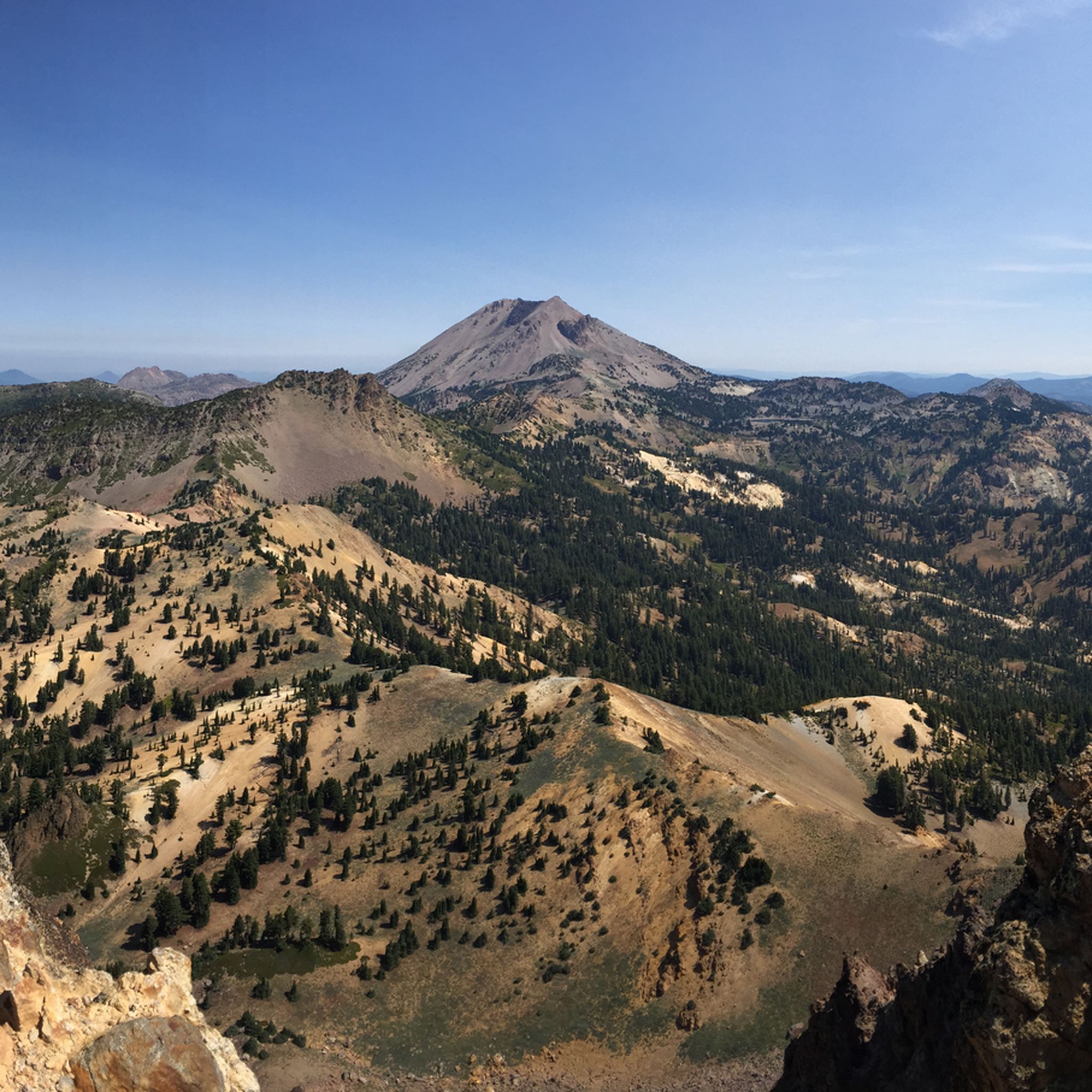
Lassen Peak, or Mount Lassen, is a 10,457-foot lava dome volcano and highest peak in Lassen Volcanic National Park in Northern California. It is the southernmost active volcano in the Cascade Range of the Western United States. This is a steep, challenging climb from the parking lot at roughly 8,450 feet with fantastic panoramic views from the summit. Please be aware that this is still an active volcano so before you set out, be sure to check in with park officials!
0
0

This viewpoint overlooks a great portion of the geothermal activity occurring in the Bumpass Hell area. Steaming vents and boiling pools are visible.
0
0

Mount Lassen in Lassen Volcanic National Park is the southernmost active volcano in the Cascade Range that stretches from Northern California all the way up to British Columbia in Canada. The 10,457 feet lava dome volcano offers a stunning view over the National Park which was severely damaged by the Dixie Wildfire in 2021 and over to the snow-capped Mount Shasta, the closest volcano of the Cascades.
5
0
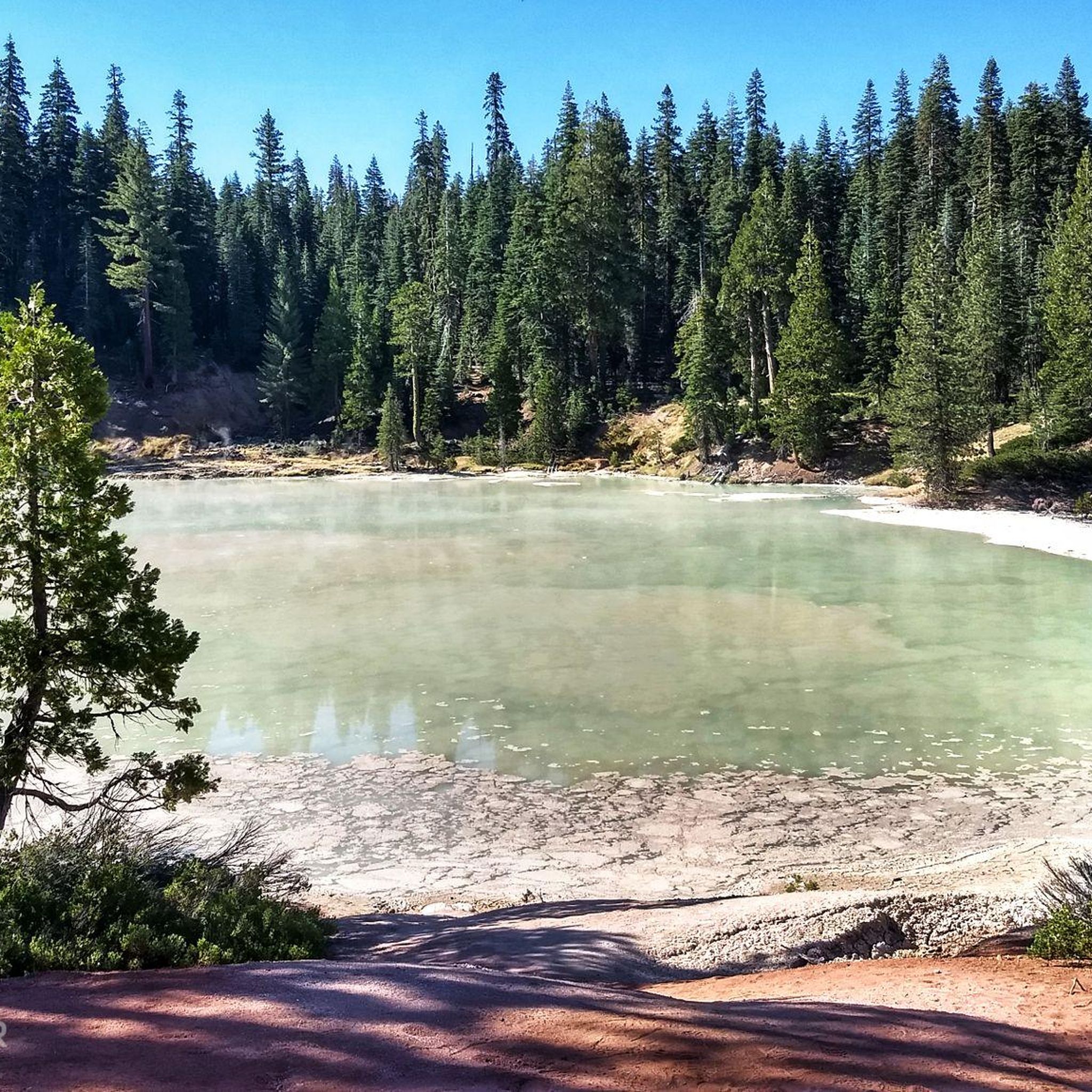
You don't need to go all the way to Yellowstone National Park to see stunning geothermal activity. Bumpass Hell is boiling and steaming with tiny blue ponds and milky streams: Acid Lake got its name for a reason! So enjoy the steaming, boiling water from a respectable distance and don't get too close.
5
0


In summer the summit is snow-free and accessible via a steep but not very technical hiking trail. In winter snow-shoes or ski with skins and crampons are typically required.
1
0
Frequently Asked Questions
What are some of the most unique geological features to explore in Lassen Volcanic National Park?
Lassen Volcanic National Park is renowned for its diverse volcanic and hydrothermal features. You can experience the raw power of the earth at Bumpass Hell Boardwalk, the park's largest active hydrothermal area with bubbling mud pots and steam vents. Another unique site is the Cinder Cone and the Fantastic Lava Beds, where you can see one of the four types of volcanoes found in the park, along with the colorful Painted Dunes formed from oxidized volcanic ash. For an underground experience, explore the Subway Cave Lava Tube, a natural tunnel formed by flowing lava.
Are there family-friendly natural monuments in Lassen Volcanic National Park?
Yes, several natural monuments are suitable for families. The Bumpass Hell Boardwalk offers an accessible way to view geothermal activity. Lake Helen provides picturesque views and is easily accessible from the road. The Sulphur Works, located near the southern entrance, is also very accessible and offers a quick glimpse into the park's active volcanism. Additionally, the Brokeoff Volcano Vista offers scenic views suitable for all ages.
What is the best time of year to visit the natural monuments in Lassen Volcanic National Park?
The best time to visit most natural monuments in Lassen Volcanic National Park is generally from late spring to early fall (June through October) when the park roads are fully open and trails are free of snow. During this period, you'll have access to higher elevation sites like Lassen Peak Summit and Bumpass Hell. However, some lower elevation areas and hydrothermal features like Sulphur Works are often accessible earlier or later in the season, depending on snow conditions.
What kind of hiking trails can I find near the natural monuments?
Lassen Volcanic National Park offers a range of hiking experiences. You can find challenging climbs like the 5-mile roundtrip hike to Lassen Peak Summit, which offers panoramic views. For a unique experience, the trail to Bumpass Hell Boardwalk provides an up-close look at geothermal features. There are also trails leading to beautiful waterfalls like Kings Creek Falls. For more options, explore the various hiking trails in Lassen Volcanic National Park.
Are there any natural monuments that offer historical insights into the park's formation?
Yes, several sites provide a glimpse into the park's geological history. The remnants of Mount Tehama, once a massive stratovolcano, are integral to understanding the park's formation, with peaks like Brokeoff Mountain being part of its ancient structure. The Devastated Area serves as a stark reminder of Lassen Peak's 1915 eruption, showcasing the raw power of volcanic events and the ecosystem's recovery. The Cinder Cone and the Fantastic Lava Beds also illustrate past eruptions and lava flows that shaped the landscape.
What are some of the most scenic viewpoints for natural monuments in the park?
For breathtaking panoramic views, the summit of Lassen Peak is unparalleled. Lake Helen, with its sapphire blue waters ringed by mountain peaks, offers picturesque scenery. The Brokeoff Volcano Vista provides excellent views of Brokeoff Mountain, a remnant of an ancient volcano. Manzanita Lake is also known for its stunning reflections of Lassen Peak, especially at sunset.
Do I need permits or reservations to visit the natural monuments in Lassen Volcanic National Park?
While specific permits are not typically required for day-use access to most natural monuments within Lassen Volcanic National Park, there is an entrance fee to the park itself. Backcountry camping or specific activities might require permits. It's always advisable to check the official National Park Service website for the most current information on fees, permits, and any potential reservation requirements, especially during peak season or for specific trails.
What should I wear when hiking to natural monuments in Lassen Volcanic National Park?
Given the varied terrain and elevations, layering is key. Wear comfortable hiking boots with good ankle support, as trails can be steep and rocky, especially to summits like Lassen Peak. Bring layers of clothing, including a waterproof or windproof outer shell, as weather can change rapidly. Sun protection (hat, sunglasses, sunscreen) is essential due to high altitudes. For hydrothermal areas like Bumpass Hell, closed-toe shoes are recommended.
Are there any natural monuments with unique water features?
Absolutely. Lake Helen is a stunning glacial tarn known for its striking sapphire blue color. Boiling Springs Lake in Warner Valley is notable for its vibrant turquoise-blue color and numerous geothermal features, including boiling water and mud. You can also visit Kings Creek Falls, a roaring waterfall draped in ferns, accessible via an intermediate trail. Manzanita Lake is also a popular spot for its tranquil waters and reflections.
What outdoor activities can I do near these natural monuments?
Beyond exploring the monuments themselves, Lassen Volcanic National Park offers a range of outdoor activities. You can find numerous hiking trails, from easy loops around Manzanita Lake to challenging ascents. There are also specific waterfall hikes, such as the one to Kings Creek Falls. For those interested in running, there are dedicated running trails available. Many lakes, like Manzanita Lake, also offer opportunities for swimming, fishing, and picnicking.
Is it possible to visit natural monuments in Lassen Volcanic National Park during winter?
Winter access to many natural monuments in Lassen Volcanic National Park is limited due to heavy snowfall and road closures. The main park road typically closes in late fall and reopens in late spring. However, some areas, particularly near the park's entrances, may be accessible for snowshoeing or cross-country skiing. For instance, the road to the plateau below Lassen Peak Summit is closed in winter, requiring snowshoes or skis for approach. Always check current park conditions before planning a winter visit.
What is Devil's Kitchen and why is it worth visiting?
Devil's Kitchen is one of the three largest geothermal areas in Lassen Volcanic National Park, featuring mud pots, boiling springs, and steam vents. What makes it unique is the natural river that runs through it, creating a dynamic contrast between lush forests and the active geothermal landscape. Despite being less visited due to its southeastern location, it offers a rugged and unique backpacking adventure into a diverse and active volcanic environment.
Most popular routes in Lassen Volcanic National Park
Most popular attractions in Lassen Volcanic National Park

Get inspired with the komoot mobile app


Explore more
Extend your search for the best caves by checking out these guides of the top ones in Lassen Volcanic National Park:
