Top 8 Natural Monuments in Winneshiek County
Best natural monuments in Winneshiek County are found within Iowa's distinctive Driftless Area, a region untouched by the last glacial advance. This landscape features steep ridges, narrow valleys, exposed bedrock, and extensive karst topography. The area is characterized by unique geological formations, diverse ecosystems, and scenic beauty. These natural features offer opportunities to explore Iowa's unique natural heritage.
Best natural monuments in Winneshiek County
- The most popular natural monuments is Decorah Impact Crater Marker, a man-made monument that marks…
Last updated: May 11, 2026
Decorah Impact Crater Marker
Highlight • Monument
Tip by

Dunning's Spring Waterfall
Highlight • Waterfall
Tip by

Sign up now to discover places like this
Get recommendations on the best single tracks, peaks, & plenty of other exciting outdoor places.
Sign up for free
Twin Springs Park
Highlight • Natural
Tip by
Pulpit Rock
Highlight • Natural Monument
Tip by
Siewers Spring State Park
Highlight • Natural Monument
Tip by
Cold Water Creek flowing out of a limestone cave
Highlight • Cave
Tip by
Malanaphy Springs Falls
Highlight • Waterfall
Tip by
Bronze medallion marking "point of impact" of Decorah meteor
Highlight • Monument
Tip by
Decorah Ice Cave
Highlight • Cave
Tip by

Start today with a free account
Your next adventure awaits.
Login or Signup
Popular around Winneshiek County

Tips from the Community

Neat cave, on a mid 70's degree day the air coming out of here was probably in the 30's. I didn't bring my flashlight or my microspikes, but sometime I would love to come back and go deeper in.
2
0

Siewers Spring, located a mile south of Decorah, is Iowa’s second-largest natural spring. It’s the vital water source for the Chuck Gipp Decorah Fish Hatchery, where rainbow trout are raised and visible to the public. Enjoy walking paths, picnic spots, and streamside fishing at the spring and nearby Trout Run. With a history dating to 1832, Siewers Spring once powered local industries before becoming a state park and hatchery in the 1930s, with Civilian Conservation Corps-crafted limestone buildings.
4
0
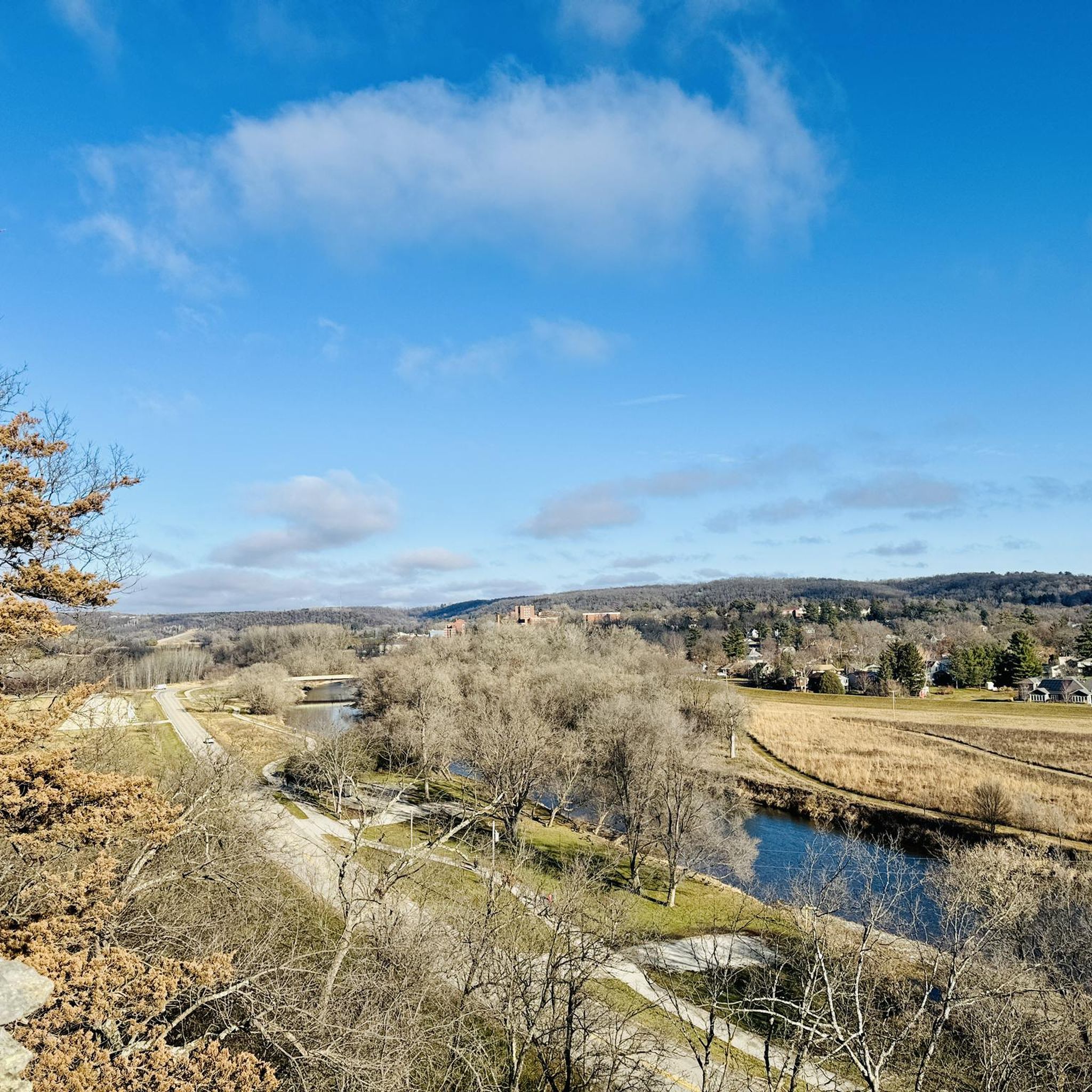
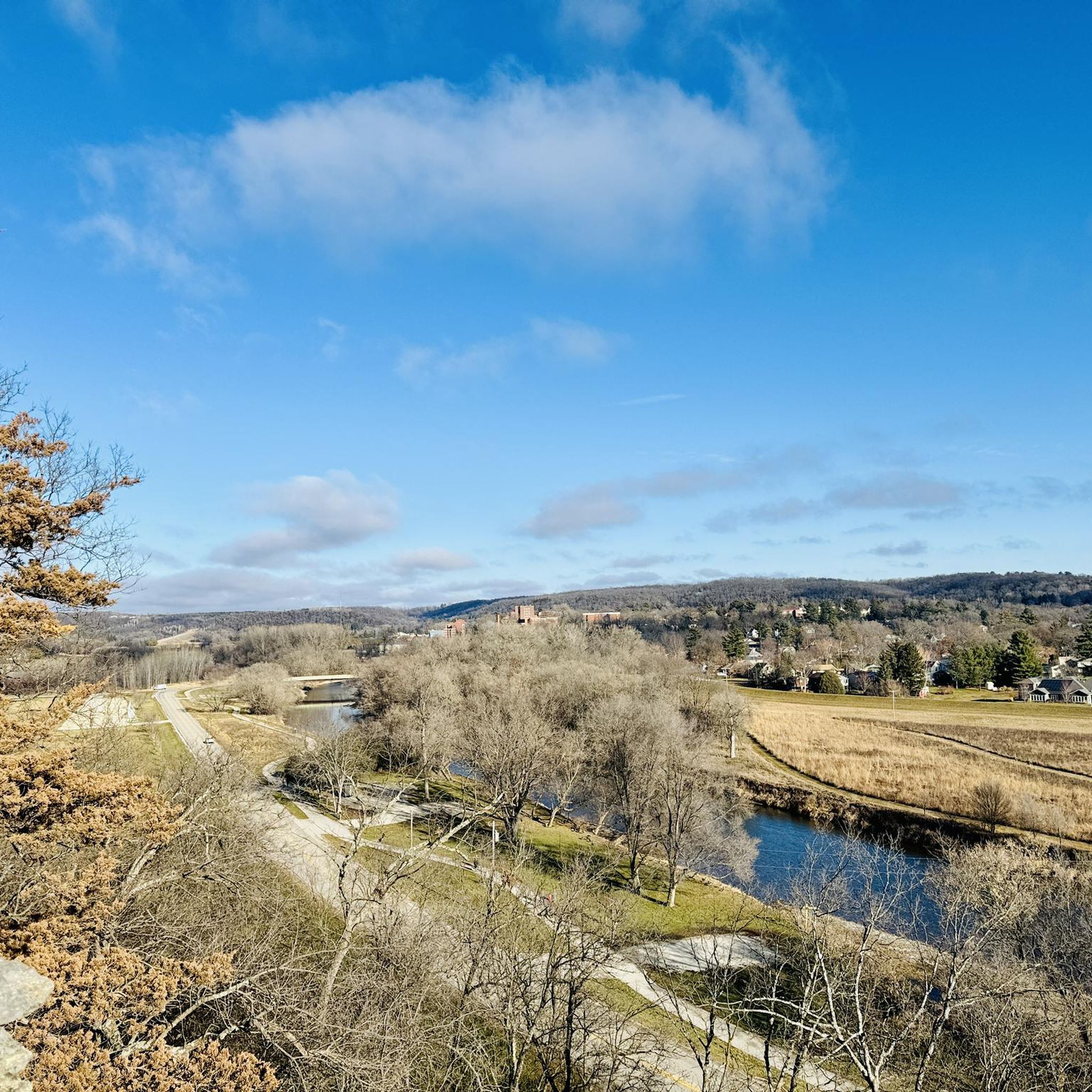
Pulpit Rock, a prominent limestone bluff in Decorah, Iowa, is a picturesque natural landmark in Will Baker Park. This striking geological formation, sculpted by centuries of erosion, offers dramatic views of the Upper Iowa River and the surrounding cityscape. A moderately challenging one-mile loop trail, featuring some steep sections and stone steps, leads hikers to the summit. From this vantage point, visitors are rewarded with panoramic vistas of the Decorah Community Prairie and the scenic rolling hills characteristic of Iowa's Driftless Area.
3
0
The medallion marking the scientific point of impact for the Decorah meteorite was installed at Van Peenen Park in Decorah, Iowa, on or around April 22, 2024. The large bronze medallion is set in a concrete base and commemorates the 465-million-year-old impact crater buried 100 feet beneath the city.
4
0
The water that feeds Dunning Spring comes from near the base of the Galena Aquifer. Beneath this aquifer is the much less permeable Decorah Shale, which acts as a "confining bed" or "floor" for the aquifer. When the Decorah Shale is exposed near the surface of the land, particularly on the sides of river valleys, it causes groundwater to discharge. This process creates beautiful waterfalls and springs, such as Dunning Spring.
3
0
About 465 to 470 million years ago, a meteorite struck near present-day Decorah, Iowa, creating a 3.5-mile (5.6 km) wide impact crater buried beneath the city's surface. Although this highlight is named “Decorah Impact Crater Marker”, at the time of my most recent hike to this highlight, on August 2, 2025, there was no marker or monument nearby. However, there is a large bronze medallion set in concrete marking the precise meteorite impact site located about 0.2 miles west-southwest of this highlight.. The marker can be found at GPS coordinates 43.31580, -91.77474. I have made this location a komoot highlight as well. The bottom of the impact crater now lies about 300 feet below the marker due to geological changes that have occurred over the millennia following the meteorite strike. The crater and its discovery are significant because it is one of fewer than 200 recognized impact structures on Earth. It has preserved a unique fossil record of ancient life, including the nearly 6-foot sea scorpion known as Pentecopterus decorahensis.
3
0
The distance to the spring from the small parking lot at the trailhead is one mile.
3
0
Cold Water Creek is a spring creek in Winneshiek County that flows into a limestone formation, continues through an underground labyrinth of limestone passages, and then reemerges from a limestone cave on the opposite side. Scuba divers have explored the labyrinth of passageways Cold Water Creek flows through in the limestone bluff. I like this highlight because the stream flowing out of the cave appears spooky. I have tried to catch a haunted trout at the cave's entrance but so far, no luck. There is another spring creek in Winneshiek County, Twin Springs Creek, that also flows directly out of a limestone formation. There is a komoot highlight, Twin Springs Park (https://www.komoot.com/highlight/6365536) at that location as well.
5
0
Frequently Asked Questions
What unique geological features can I explore in Winneshiek County?
Winneshiek County is part of Iowa's distinctive Driftless Area, characterized by unique geological formations. You can explore prominent limestone bluffs like Pulpit Rock, which offers dramatic views of the Upper Iowa River. The region also features extensive karst topography, including the nationally significant Coldwater Cave system and numerous springs and waterfalls like Dunning's Spring Waterfall, where groundwater discharges from limestone formations.
Are there family-friendly natural monuments in Winneshiek County?
Yes, several natural monuments are great for families. Dunning's Spring Waterfall offers walking paths and a serene glen-like atmosphere. Twin Springs Park features easy hiking trails along Twin Springs Creek, picnic areas, and a children's fishing pond. Siewers Spring State Park is also family-friendly with walking paths and streamside fishing.
Where can I find hiking trails near the natural monuments?
Many natural monuments in Winneshiek County offer hiking opportunities. For instance, Pulpit Rock has a moderately challenging one-mile loop trail with steep sections. Dunning's Spring Waterfall has numerous trails, some connecting to the Barnhart-Van Peenen Park system. For more options, you can explore various hiking routes in the region, including those found in the Easy hikes in Winneshiek County guide.
What is the best time of year to visit the natural monuments in Winneshiek County?
The natural monuments in Winneshiek County are appealing year-round. Spring brings powerful flows to waterfalls like Dunning's Spring and vibrant wildflowers at places like Ludwig Preserve. Summer is ideal for hiking and paddling. Fall offers stunning foliage, while winter provides unique scenery, with ice formations at the Decorah Ice Cave and opportunities for winter hiking on well-maintained trails.
Are there any natural monuments with historical significance?
Yes, the region has sites with both natural and historical significance. The Decorah Impact Crater Marker highlights the site of a 3.5-mile wide meteorite impact crater from 465-470 million years ago, preserving a unique fossil record. Siewers Spring State Park also has historical elements, including Civilian Conservation Corps-crafted limestone buildings and its past use to power local industries.
Can I find less crowded natural gems in Winneshiek County?
For a more secluded experience, consider Malanaphy Springs Falls. The trail to the spring is less visited, offering a peaceful hike through rugged forest. Ludwig Preserve is another small, quiet park showcasing remnant upland prairie with unique wildflowers, perfect for off-trail exploration and nature observation.
What kind of outdoor activities can I do near these natural monuments?
Beyond hiking, Winneshiek County offers a variety of outdoor activities. You can enjoy running on trails like those mentioned in the Running Trails in Winneshiek County guide, or cycling through scenic routes, as detailed in the Cycling in Winneshiek County guide. Fishing is popular in coldwater streams like Coldwater Creek and at Twin Springs Park and Siewers Spring State Park. The Upper Iowa River also provides opportunities for paddling.
Is the Decorah Ice Cave accessible to the public?
The Decorah Ice Cave State Preserve is famous for its unusual ice deposits. While the preserve itself is accessible, the cave system is generally not open to the public to protect its fragile ecosystem. However, the unique geological conditions that create the ice cave are a fascinating aspect of the region's karst features.
Where can I see impressive bluffs and river views?
For impressive bluffs and river views, visit Pulpit Rock, which provides panoramic vistas of the Upper Iowa River and the Decorah Community Prairie. Chimney Rock Park is also known for its 150-foot tall chimney rocks and offers scenic views of the Upper Iowa River, with river access for paddling or fishing. The Bluffton Bluffs, while lacking trails, are best appreciated from the Upper Iowa River itself.
Are there any natural monuments that are also state preserves?
Yes, Winneshiek County is home to several state preserves. Coldwater Cave State Preserve is a National Natural Landmark, recognized for Iowa's longest and most spectacular cave system. Malanaphy Springs State Preserve, located along the Upper Iowa River, features a rugged forest, a large spring, and a captivating waterfall, notable for its geological and biological diversity. You can find more information about Malanaphy Springs State Preserve on the Iowa DNR website.
What is the significance of the Driftless Area in Winneshiek County?
Winneshiek County is located within the 'Driftless Area,' a unique geological region that was untouched by the last glacial advance. This absence of glacial 'drift' resulted in a landscape of dramatic bluffs, steep ridges, narrow valleys, exposed bedrock, and extensive karst topography, including caves, sinkholes, and cold-water streams. This distinct geology supports diverse ecosystems and creates the scenic beauty found in the region's natural monuments.
Most popular attractions in Winneshiek County

Get inspired with the komoot mobile app


Didn’t find what you were looking for?
Find even more amazing natural monuments in Winneshiek County by checking out the top Highlights region by region:
Explore more
Extend your search for the best caves by checking out these guides of the top ones in Winneshiek County:
